Tag: mercedes

  • Beautifully Briefed 26.8: The Anti-Drought

    Beautifully Briefed 26.8: The Anti-Drought

    It’s finally dried out here in Georgia, after a summer best described as “WTF” — where the “F” stands for flood, because you know it does. (As opposed to England, for instance, which is WTF in the other direction.)

    So: some design, typography, and imagery to inform and cheer. And ten special bonuses. You deserve no less.

    This Month’s Spine
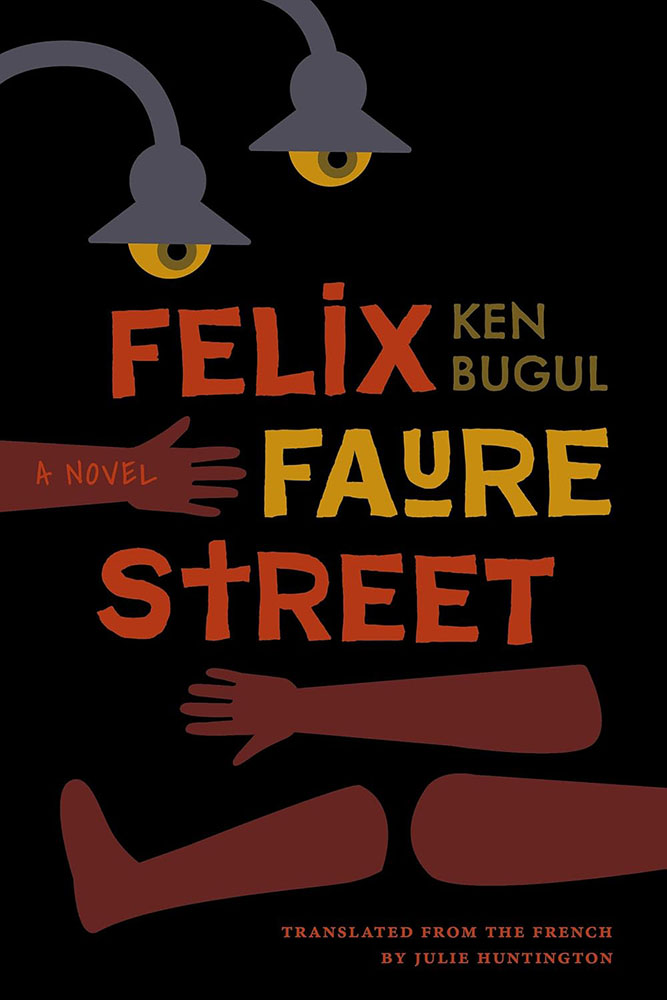
    Vanderbilt University Press. Cover design and art direction by Alissa Faden.

    It was my pleasure to feature some titles from Vanderbilt University, the University of South Carolina, and the University of Louisiana — because Stanford and NYU don’t have a lock on my attention. (’Sides, it’s fall catalog season, so there’s lots to choose from.)

    Enjoy fourteen great covers from University Press titles in my regular column for Spine Magazine.

    Reading reports that its death is greatly exaggerated

    As you’ll recall — or not, depending on whether you were able to read the article — The Atlantic worried out loud that reading is in such decline that we may have to think in terms of living in a “post-literate” world. (Because “post-truth” isn’t enough.)

    Turns out that there’s a back story to that take; it originated on a Substack titled, “The dawn of the post-literate society, and the end of civilisation,” by someone whose profile I can’t see because I refuse to create an account.1Soap box: getting a website, whose contents you own, is so painfully simple that I tend to discount those that rely on other platforms to publish what might otherwise be interesting material/thoughts/content. And in this case, the author is a Times journalist, who should definitely know better.

    So, I owe you an apology: this “moral panic,” as it’s been termed, originates in . . . what amounts to social media.2It’s been pointed out that blogs are social media, too (the original social media, in fact) — something I don’t necessarily disagree with. From my perspective, writing that is owned, put out there due to belief, and read by folks who trust your opinion, is completely distinct from having your potentially-anonymous “take” promoted to strangers by an algorithmic mechanism that profits from conflict — or, at least, provocation. In my opinion, it’s the latter that defines “social media.” I’m disappointed in The Atlantic for taking that bait, and in myself for trusting them and then making something of it here.

    Time for a reality check.

    Which comes courtesy of an article that’s part of It’s Nice That‘s POV series:

    It’s Nice That discusses Stack Reading Habits Report.

    . . . whose author puts forth just the right perspective, one that folks here can relate to:

    “The death of reading sounds uncannily similar to the death of print, which is another issue that’s prone to over-simplification.”

    — Steven Watson, It’s Nice That

    I still work in print. Many of us do. While it’s become a more specialized area of expertise, it’s still very much viable; whether it’s reached the stage of the horse post-motorcar or the manual transmission post-electric is something else entirely. (More on that latter item below, by the way.)

    The author quotes another response to the piece, which I almost completely agree with:

    All these pieces — from The Atlantic and elsewhere — about “the end” make this seem like a problem because of how they’re framing it, and who they’re framing it for. Maybe kids aren’t reading the classics, but look at the romantasy moral panic stewing in the background of social media. It’s a whole bunch of mostly men — who, demographically, do not read or buy books at all — declaring it the death of literature even though women and queer people are reading a ton of it. [. . .] It seems as though Americans have decided that the amount and kind of reading they personally do is normal and someone else doing it any more or less or differently than them is a social emergency. We may be seeing the end of certain kinds of reading [. . .] or certain kinds of culture, but that also means that something is replacing it. And good God do we need to replace a lot of it. If only to break up the corporations that dictate how it all currently works.

    — Ryan Broderick, Garbage Day

    To summarize, I fell for the “intellectual tragedy” represented by “the end of reading as we know it” and said something without thinking it through. I’ll try to do better.

    Rare books > AI. Unless…

    If you can truly appreciate an old book — and maybe even marvel at how its fragile, yellowing pages contain some of the earliest ways that people tried to make sense of the world around them — then headlines about tech companies that are destroying books to train AI likely torture a tender part of your soul.

    — Ashley Belanger, Ars Technica

    This article, dated August 12th, reminds us that, “Google patented a non-destructive book-scanning technology in 2009 that AI firms could use to efficiently scan books — if they were willing to slow down and invest in the process.”

    It continues, “The biggest fear for people who want to see books preserved through the training process is that AI firms will callously pulp rare books that can never be replaced.” Rare book dealers, it turns out, have started to flag suspicious bulk orders to safeguard the irreplaceable.

    Not Google’s patented process . . . but you can probably guess where this is going.

    Five days later, the same author reported:

    On Monday, 404 Media revealed that it had connected with a bookseller who agreed to plant an [Apple] Airtag in a rare book that was part of a bulk order. That Airtag was then tracked to an Amazon AI training facility in Las Vegas that housed a team focused on tearing books from their spines and scanning pages, 404 Media reported. Apparently tone-deaf to the escalating backlash over destructive book scanning, a logo on the door of that team’s warehouse, VGT3, showed a Tyrannosaurus rex preparing to devour a book, 404 Media documented.

    “Amazon declined to comment on 404 Media’s findings,” the article continues, “only providing Ars with the same statement it gave to 404 Media, which does not mention AI training specifically: ‘Amazon purchases books through commercial channels to help develop and improve the products and services our customers use.‘“

    The Internet, in its wisdom, has suggested that it’s all for profit — to “hide history behind a paywall.” How likely is that? After all, we know that Amazon, Anthropic, and Meta are altruistic.

    And now, courtesy of the ’Net’s most-trusted source, we have insider details: “when I see a one-of-a-kind, three-hundred-year-old tome taking up six whole inches of shelf space, I immediately start thinking about scale and efficiency.”

    Profit, efficiency, whatever — chewing up rare books for AI training is the very definition of “facepalm.”

    Special bonus #1: McSweeney’s new book, Obey in Advance, How to Survive and Thrive under Authoritarianism, is available this fall. An early review:

    “Democracy is priceless, but fascism sure seems to pay well. If you’re morally bankrupt and looking to sell your soul, Obey in Advance has everything you need for a profitable life of lickspittlery.”

    — Kevin Kruse, Professor of History, Princeton University

    Naturally, the book arrives at your door pre-scanned by AI.

    Special bonus #2: Remembering the pre-Google web, when search was an experiment. ”It was an era when the term ‘discovery’ carried actual weight, when you could authentically be one of the first people viewing a piece of content, regardless of its quality or how long it may have existed — an era of equal parts wonder and frustration.”
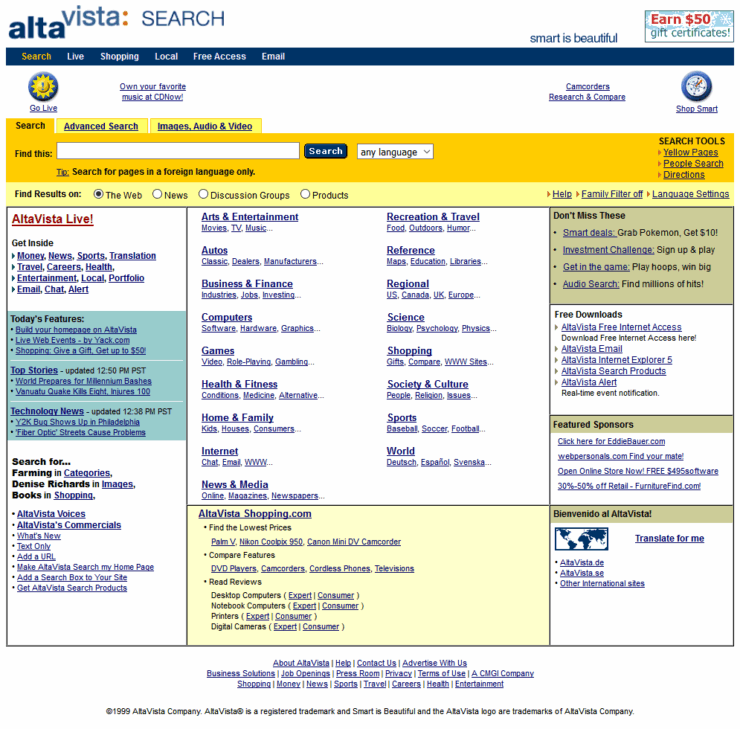
    Four scores and twenty-seven years ago . . . .
    The story behind Present & Correct
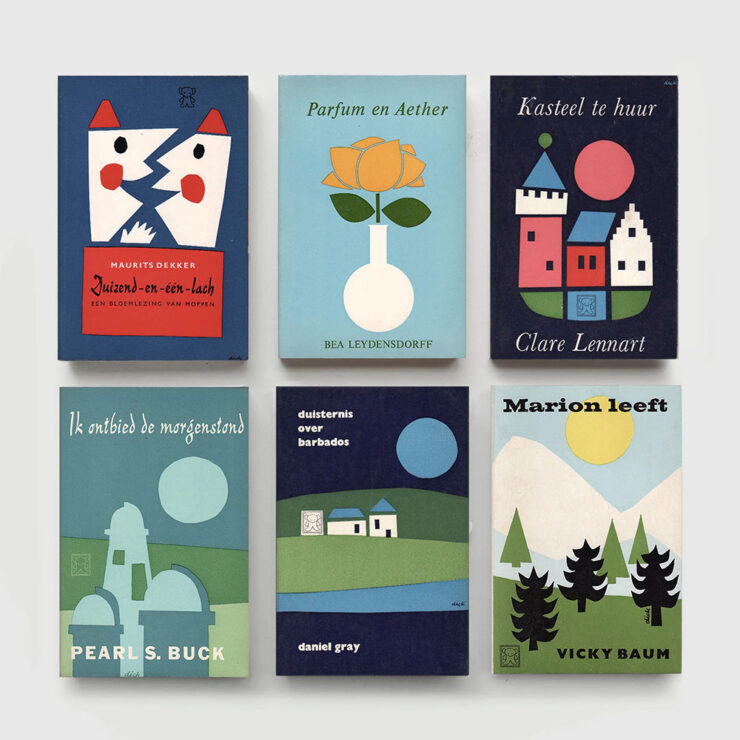
    Dick Bruna book covers, 1970s, from the Zwarte Beertjes publishing house. Image by Present & Correct.

    “The perfectly curated stationery shop that’s every graphic designer’s dream” has a new gig: publishing. But first, the origin story, thanks to a Q&A with It’s Nice That.
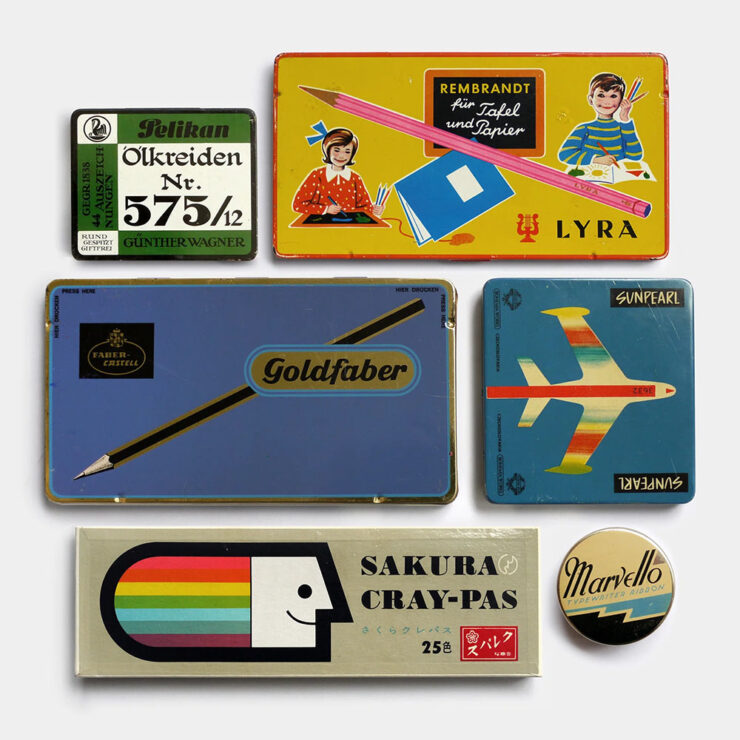
    Tins and boxes for crayons and pencils, mixed eras. Germany, USA & Japan. Image by Present & Correct.

    To talk more about this publishing journey and the designers’ joint practice, we spoke to [the owners] about the story of Present & Correct to date, tracing habits of collecting and archiving all the way back to a childhood spent carefully putting away scrapbooks of sugar sachets, napkins, postcards and coasters, a final major project at art school (a paper concept store called . . . Present & Correct), to their joint travels across the world today, foraging for original vintage stationery to curate the shop’s stocks from over 18 different countries.

    — Ellis Tree, It’s Nice That

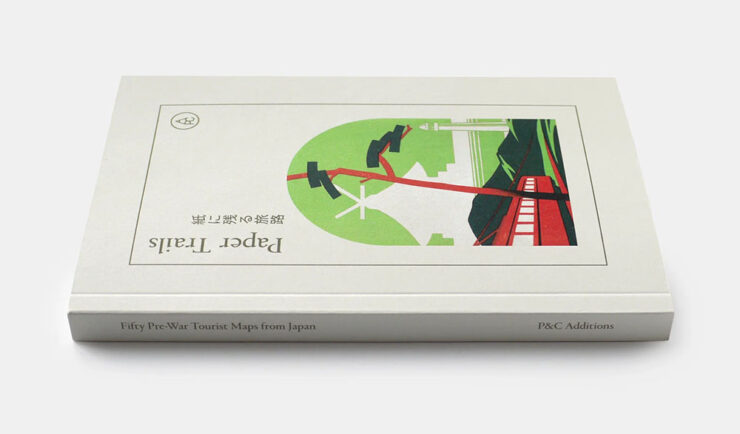
    ”This habit of archiving and collecting vintage ephemera,” the article continues, ”has informed your first self-published book at P&C Paper Trails: Pre-war tourist maps from Japan featuring fifty incredibly illustrated maps for various attractions around Japan.”
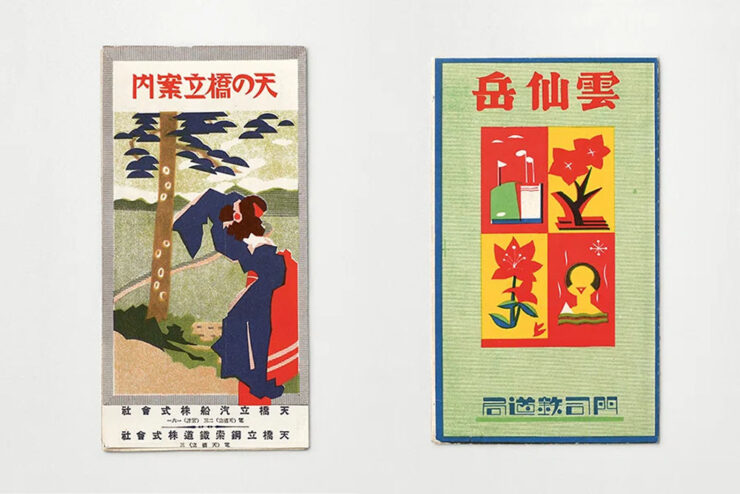
    Paper Trails, the first title published by P&C Additions.

    “We named it P&C Additions because we hope to make editions of varying sizes (might be a single sheet, might be a book) and they are additional to what we generally do (a stationery shop!). And yes, we want to make more as and when we can. No pressure, just a natural offshoot which will manifest as a published item when we feel the content is strong enough,” the owners report.

    The interview is awesome. Give it a moment of your time.

    Special bonus #3: The Last Museum’s curators: ““We currently have around five million artworks indexed, and strive to eventually index all museum art in the world.” Not sure about the name, but definitely bookmarked under useful resources. (Via This is Colossal.)

    “A Dutch Courtyard” by Pieter de Hooch, via The Last Museum. Chosen because the original absolutely does not hang in my living room, a joke one or two of you will actually get.
    August’s new typefaves

    Yes, I’ve coined a new word just there — and will continue to deny that it was, in any way, a typo involving the word “typefaces.”

    Franglais, by Emigre
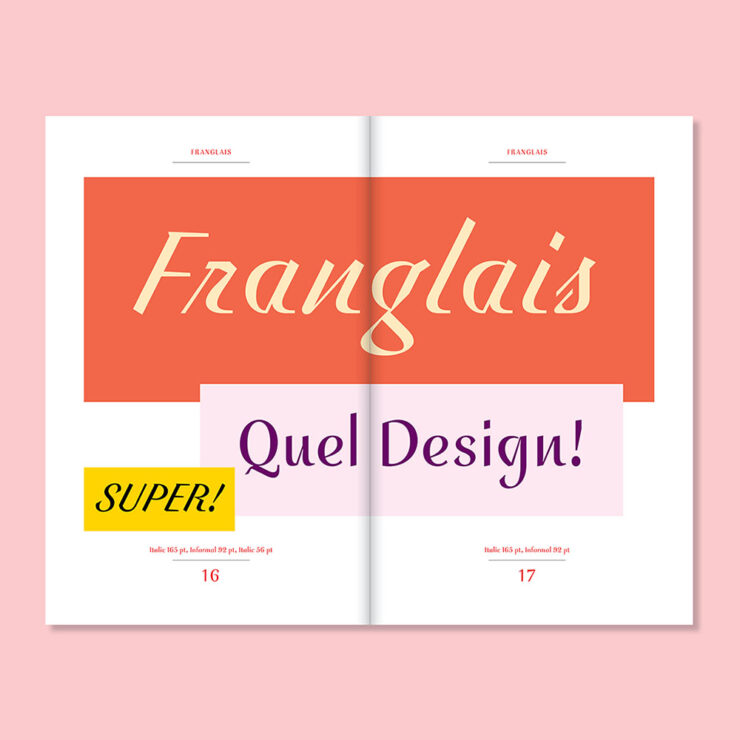
    Franglais, by Emigre.

    ”Franglais was designed by John Downer in sporadic bursts of inspiration dating back to 2000,” Emigre writes on their blog. “It was originally conceived as a standalone italic, and expanded to include two upright companions, Roman and Informal, developed in collaboration with Zuzana Licko.
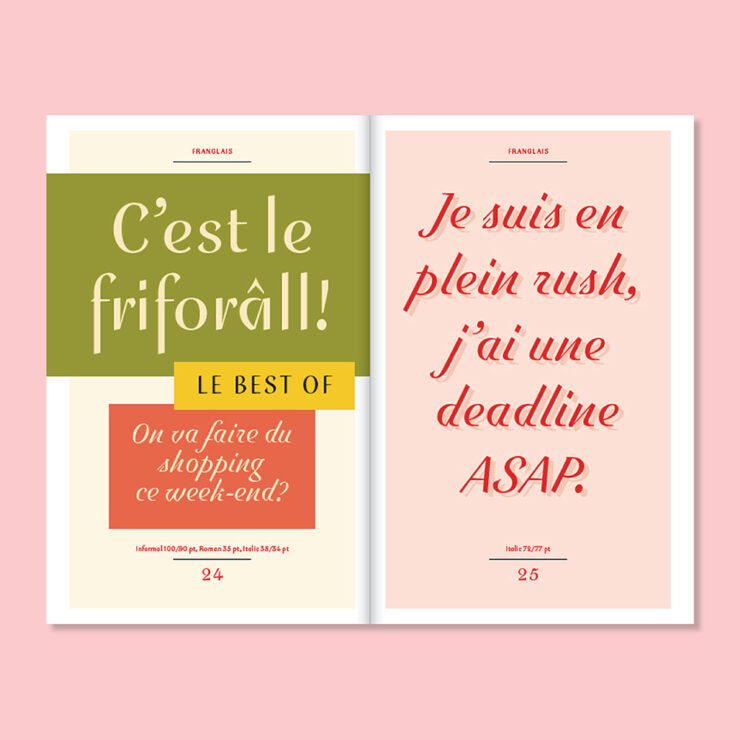
    Pretty much everything Emigre puts out is beautiful, but Franglais is just gorgeous.

    “Reflecting on the origins of Franglais, Downer describes it as lettering devised for imaginary signage inspired by a hybrid of postwar metal type and vernacular chalk-written menu boards. Elements of ‘ruler writing’ — in which a ruler is used to keep the baseline straight across repeated lines — are evident throughout.”

    Special bonus #4: “ShieldFont, as designers Isaque Seneda and Gabriel Abrucio write in a recent white paper, was made to offer web publishers ‘a practical opt-out from unauthorized AI training and [to] disrupt what is collected when that choice is ignored.’” Read about it at Ars Technica.

    Not sure I’m on board with this approach.
    SE Micro, by Gallery Type
    SE Micro, by Gallery Type.

    “Se Micro is the small-size companion to Se Macro, released by Gallery Type earlier this year,” CreativeBoom writes in this month’s recommendations. “They share the same basic skeleton, but Se Micro works well in small or difficult settings, like tiny text or low-quality printing, perhaps even on screens.

    “There’s a nice twist, too. When you blow this typeface up to larger sizes, those practical features become a visual style in their own right. It looks distinctive and quirky rather than just doing its thing of being legible, especially in bolder weights.”

    Ink traps may be on-trend, but I still like their treatment in this typeface.

    “This is an option for branding work across fashion, culture and design-led products. It comes with 10 weights and three widths. And it’s part of a growing family: Se Macro is also out, as I’ve mentioned, but hold onto your hats for Se Mono and Se Rounded, due out later this year or early 2027.”

    Resan, by The Designer’s Foundry
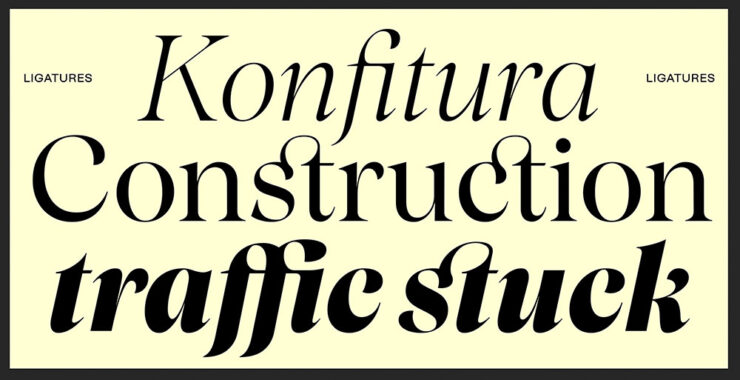
    Resan, by The Designer’s Foundry.

    “Daniel McQueen from The Designers Foundry has been in touch,” CreativeBoom writes. ”He’s just released Resan, a super family inspired by the transitional types of the 17th and 18th centuries. It’s got warmth. It’s got timeless elegance. But it’s also precise.

    “It has a sharp rhythm with generous proportions, giving it decent impact at display sizes. It also lets you change the terminal shapes, shifting the type’s entire feel and mood.”

    I especially like Resan’s alternative terminals.

    ”It’s currently offered in 10 distinct display styles, and if you like what you’ve seen so far, a series of optical weights is in the works.”

    Special bonus #5: “Typographic tourism, or the art of hunting for beautiful signs all over the world,” from Wallpaper*. Never mind searching for the hashtag, read the article then just do it for fun!

    Architecture and typography in one photograph. Hmmm….
    RTFM: Resurgence of The Effing Manual

    Okay, sure, that’s not actually what the acronym stands for. But I don’t care. The United States and its cadre of point-one-percenters have chosen to lead the world in an important new area: preserving the true manual transmission.

    To be clear, they’re also demanding bans on internal combustion go away, so it’s not all good news. They’re apparently unconvinced by Ferrari’s approach, outlined last month and which still uses combustion engines but with increased efficiency, or Hyundai’s approach, which uses electric motors and simulated shifts (the latter of which is being adopted by BMW, among others).

    Two small manufacturers, McLaren and Gordon Murray Automotive (GMA), have both chosen this year’s Monterey/Quail festival of the uber-rich to introduce new cars. Both feature manuals. Porsche was on hand trying to play catch-up.

    McLaren’s first manual since the F1

    The McLaren McL 6GT.

    The original and perhaps most iconic modern hypercar — arguably, the car that launched the term — was the McLaren F1. This month, McLaren introduced something that’s . . . not at all like an F1. It’s a fresh take on 1969’s M6 GT.

    It is both retro and modern, hypercar and hyper-cool — an insta-buy if I could afford it. (Doesn’t matter: already sold out.)

    References to the [original] M6 GT abound, from the vertical headlights and Kamm tail to the position and shape of every duct, rendered with a simplicity that we used to see in supercars of the ’90s and 2000s but see less today. And inside, McLaren has transformed the shifter into an art piece itself, its metallic linkages attracting natural light from every angle in a sea of black and carbon fiber. They’re clearly proud of it, and they suitably want it to be the focal point in here.

    — Adam Ismail, The Drive
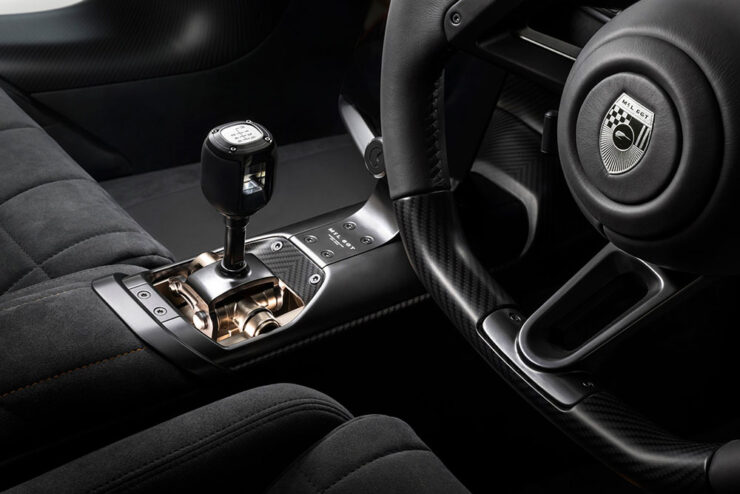
    Just look at that — nothing less than a celebration.

    “McLaren bills this as a ‘new type’ of supercar ‘beyond the core portfolio,’” the article continues. “Based on that, it sounds like manual transmissions aren’t about to become a standard feature of the brand; that, beyond the delineation of ‘Sports, Super, and Ultimate’ models of the past, McLaren is diversifying into more exclusive offerings that, at least in this particular case, pursue a more analog experience counter to the regular lineup.”

    Yeah. Do want. But there’s a wrinkle.

    GMA’s new . . . McLaren F1

    The McLaren F1 was designed by an automotive racing legend named Gordon Murray. He subsequently started GMA, and brought out the amazing T.50, among others. Last year, his Special Vehicles department issued a track-only reimagining of the F1 — and has followed up with a road version, called the S1:

    Since it’s less of a concept than the McLaren, some details are available. It features a 4.2-liter, naturally-aspirated Cosworth V12 making 680 horsepower with a rev limit of 12,100 RPM. It exclusively sports a six-speed manual transmission. It is multi-millions of dollars. And it, too, is sold out. The Autopian has more.

    Special bonus #6: From the combining-cars-and-print-department (“not a stretch,” he insisted), Road & Track has a new ampersand:

    The before-and-after:

    Via the subscription-only Brand New.
    Porsche adds another 911 manual

    If you’ve not heard, one of the brands not doing too well at the moment is Porsche. They went hard into electrification, suffered hard from being part of parent company Volkswagen’s arrogantly inept approach,3Just one example: see Scout. It’s actually sad. and subsequently run afoul of social media’s society’s hard turn against EVs. It has cost them dearly.

    Despite insisting that they were going to do it all along, they’re scrambling to get back to what customers actually want. This month, they introduced a third variant of the venerable 911 available with a stick shift.

    It’s not purple, it’s aubergine. (Love the pinstripes.)

    Like the others, it features a wooden shift knob, a throwback to the Carrera GT V10 masterpiece from the heady days of the early naughties. Like the others, it puts the cupholder immediately behind the shifter, guaranteeing spills. (Or thirst.) Like the others, it costs twice what it did six years ago — although it’s still “only” a tenth of either of the above.

    Like the others, I’d be happy to receive one as a gift.

    Unlike the others, it’s US-only, and it’s available this fall. Details, if you’re interested, are available at The Drive or The Autopian.

    Special bonus #7: Jaguar has released the first image — a rendering, actually, but still — of the new Type 01’s interior:

    As it turns out, they’re not backing down from their vision for a completely-new Jaguar, and I respect them for it. The electric four-door also made its US debut at Monterey, albeit in disguise, and should be out sometime next year. More details and pics at Wallpaper*.

    Special bonus #8: To celebrate the 50th anniversary of BMW’s Art Cars, they’ve gathered them all together in Germany.
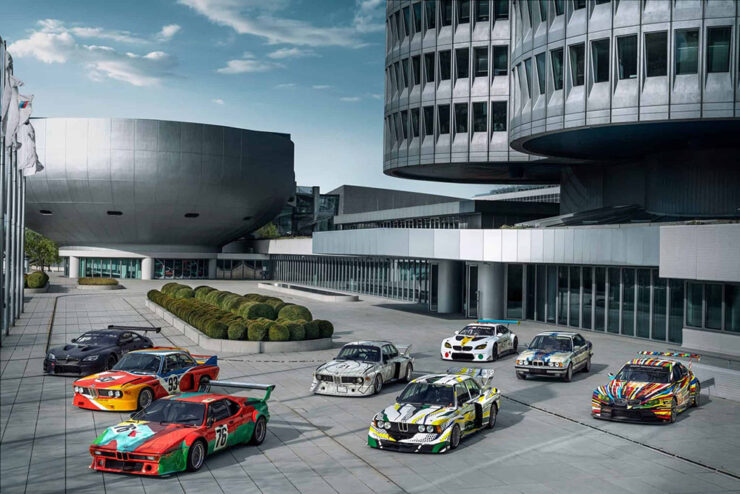
    A sampling of cars under the iconic four-cylinder BMW HQ.

    Lots of press has ensued, but in case you’re not familiar, they’re exactly what it sounds like they should be — but so very much more. Decorated by artists from Roy Lichtenstein to Andy Warhol, all twenty are unique, daring, and different. Some were even raced before becoming priceless.
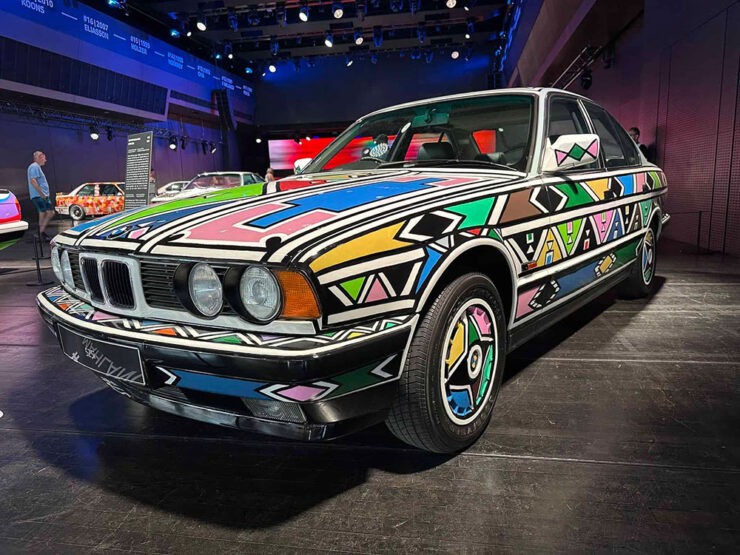
    #12, by Esther Mahlangu, on display at BMW Welt Munich.

    The above is a South African item, a country that, it turns out, has a special history for BMW. Meanwhile, get the history of all 20 cars at BMW Blog.

    Special bonus #9: From the not-a-joke department comes this beautiful — and beautifully green — 1979 Mercedes wagon with 6,088 miles. Long buried by an earthquake (!), has been unearthed and restored:
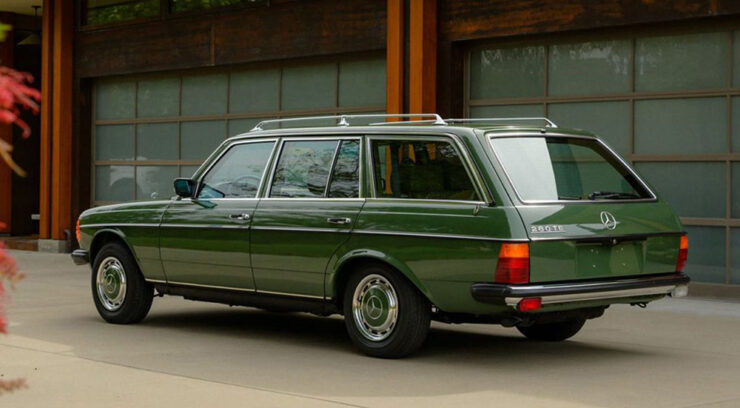
    The very definition of “classic.” The Autopian has the story.

    August’s photography round-up
    Sam Nicklin / Alessi

    Alessi, a “beacon of well-designed homeware,” is celebrated by photographer Sam Nicklin in a new series called Chrome & Colour:
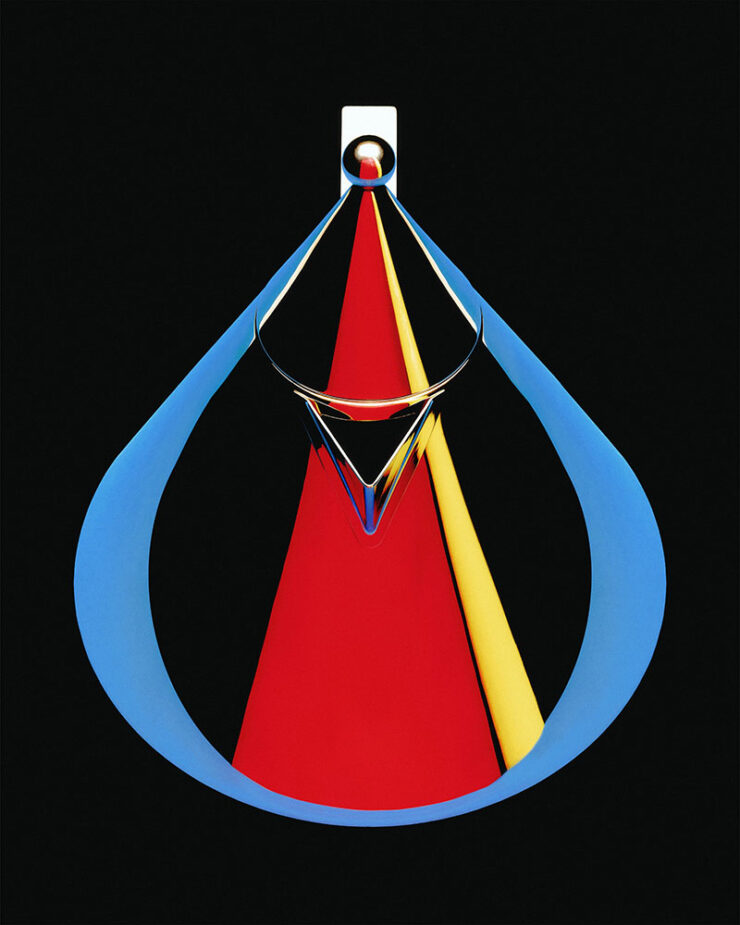
    Photograph by Sam Nicklin.

    “My main goal was to define the silhouette of each object through colour in the reflections, using negative space and keeping highlights to a minimum to really make them pop,” he tells It’s Nice That. To give the images the feel of the 1970s and 80s, “Sam went truly analogue, using the time-consuming process of holding sheets of coloured paper cut to different shapes and moving them around the objects until the reflection was exactly as he envisaged.”
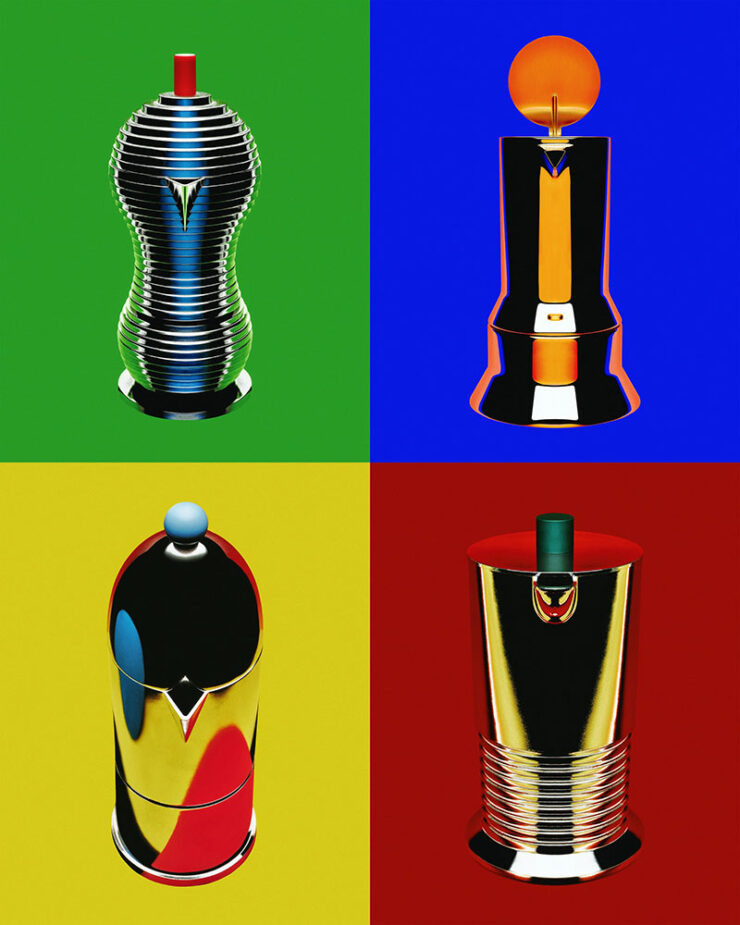
    Photographs by Sam Nicklin.

    See more, including behind-the-shots photographs.

    Pure Street Photography Awards 2026

    This is Colossal caught my attention with these.
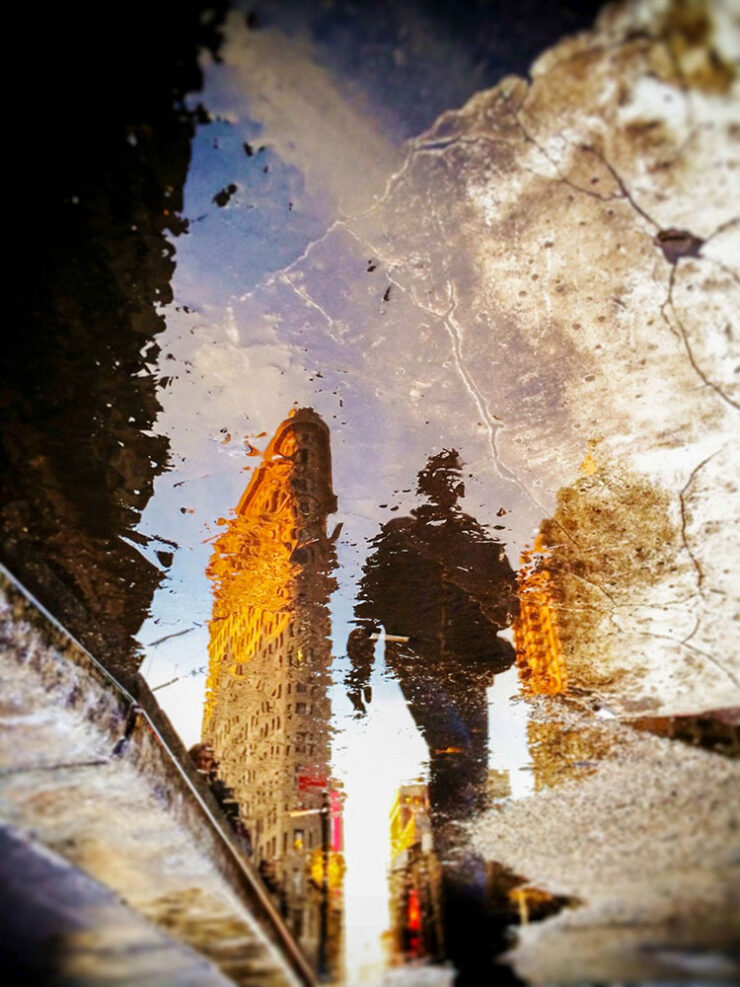
    Finalist, open category. Photograph by Pierra Hauser.

    A category that’s not usually at the Fore(word), but excellence won out.

    250 trailblazing women photographers

    In the introduction of a new book titled Great Women Photographers, Fiona Rogers writes, “If ‘greatness’ has long been defined by visibility and remembrance, then the continued documentation and celebration of women’s photographic practice is not only relevant but essential.”

    — Jackie Andres, This is Colossal
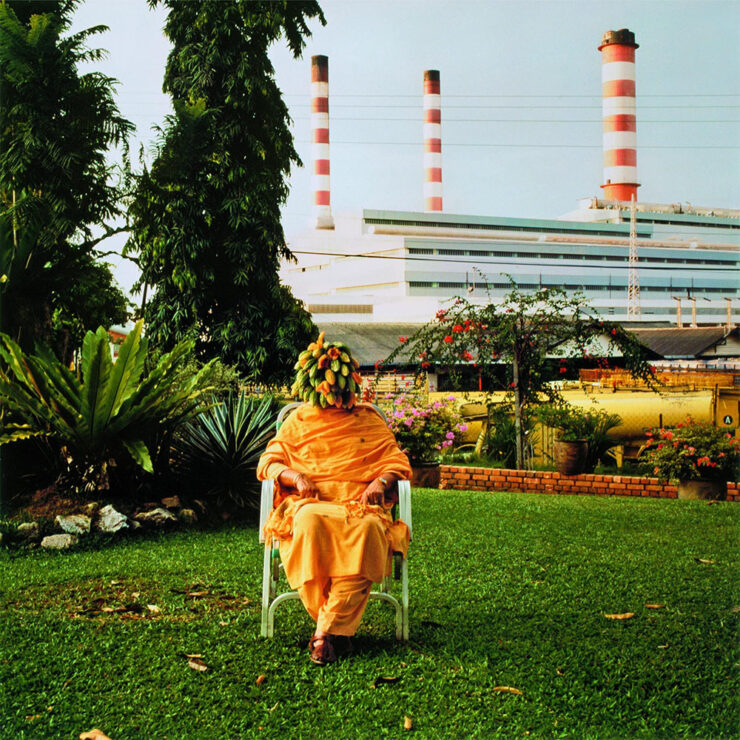
    Photograph by Simryn Gill.

    Phaidon’s stuff is always great. See more.

    Sixteen years of not-so-merry land

    From crumbling row houses in the inner city to abandoned houses on the Eastern Shore to temporary homeless camps, “greater” Baltimore demonstrates decay . . . and courage:
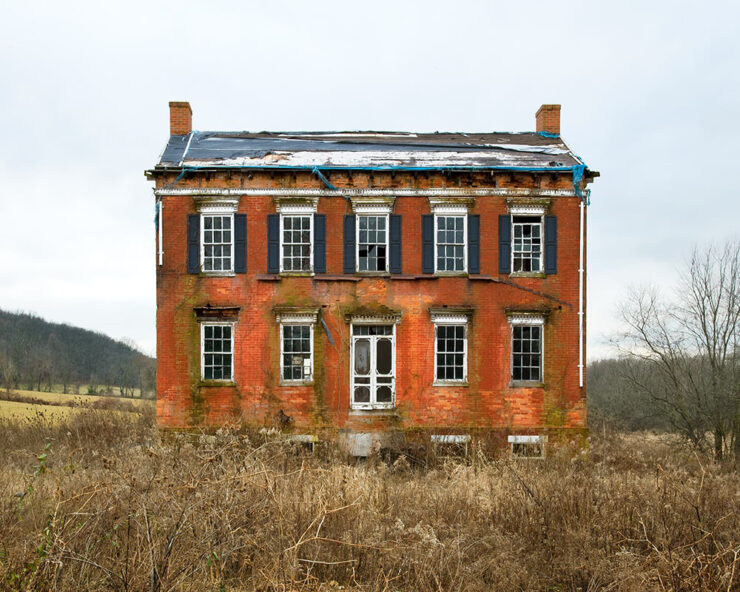
    Carroll County, Maryland. Photograph by Ben Marcin.

    Photographer Ben Marcin documents The Holdouts.

    One of 1.2 million

    “Astronaut Don Pettit takes photos so good that people have a hard time believing they are real,” PetaPixel writes. Case in point:

    Photograph by Don Petit, NASA.

    Internet skeptics tried to call him out. But he’d brought notes.

    Eclipse #1: 84 seconds

    A wingsuit and a total eclipse fly into a frame together:
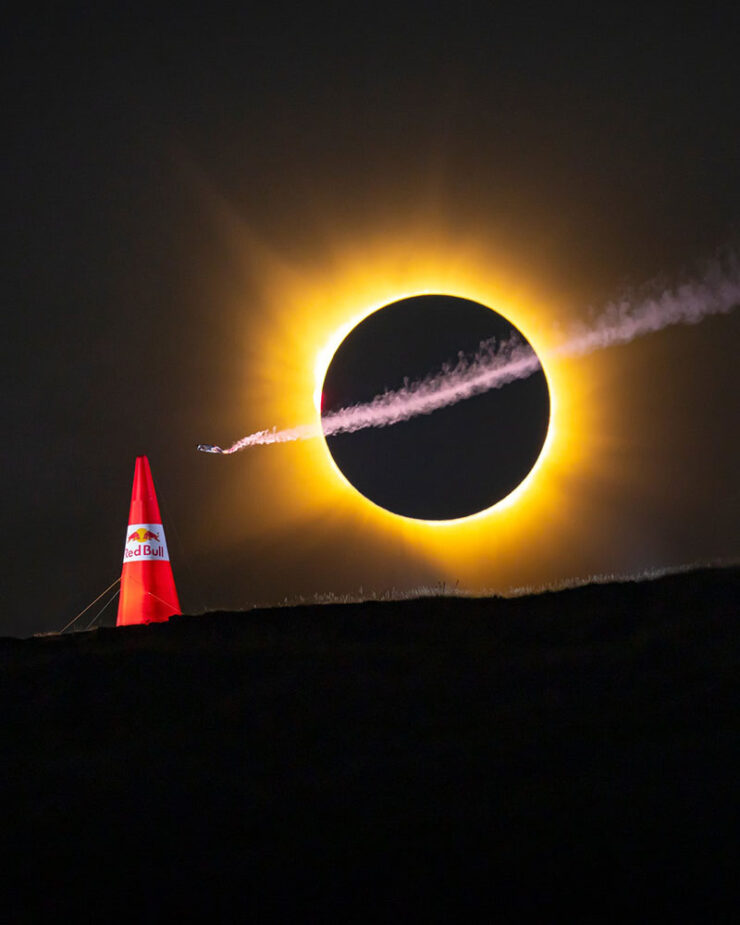
    Photograph by Noah Wetzel for Red Bull.

    Genius marketing, nine months in the making. (Longer, arguably, in the case of the eclipse.)

    Eclipse #2: the fijord

    Photograph by Marc Muench.

    Right place, right time — stunning results, part one.

    Eclipse #3: the sunset
    Photograph by Andrew McCarthy.

    Right place, right time — stunning results, part two.

    Photograph by Andrew McCarthy.

    Special bonus #10: Jason Kottke is moving house, and when he has a moment, posting en-masse. It’s an “old-school, stream-of-consciousness” sort of thing — which, to emphasize, is still awesome. Among the three dozen or so nuggets of greatness:

    “Half Dome, Apple Orchard, Yosemite,” trees with snow on branches, April 1933. Photograph by Ansel Adams.

    More than 200 Ansel Adams photos, mostly of National Parks, that are free to view & download. Via Open Culture, one of the gems of the open web.

    — Jason Kottke, “Empting out browser tabs“

    Anything but empty, I’d argue. Enjoy the rest of your summer, folks!

    • 1
      Soap box: getting a website, whose contents you own, is so painfully simple that I tend to discount those that rely on other platforms to publish what might otherwise be interesting material/thoughts/content. And in this case, the author is a Times journalist, who should definitely know better. ↩︎
    • 2
      It’s been pointed out that blogs are social media, too (the original social media, in fact) — something I don’t necessarily disagree with. From my perspective, writing that is owned, put out there due to belief, and read by folks who trust your opinion, is completely distinct from having your potentially-anonymous “take” promoted to strangers by an algorithmic mechanism that profits from conflict — or, at least, provocation. In my opinion, it’s the latter that defines “social media.” ↩︎
    • 3
      Just one example: see Scout. It’s actually sad. ↩︎
  • Beautifully Briefed 25.10: [Blank] of the Century

    Beautifully Briefed 25.10: [Blank] of the Century

    In this episode, design whims and wins, fontastic links, a Toyota Century, and the monthly round-up of great photography bracket some thoughts on — what else? — AI, especially as it relates to art. Grab a beverage, brush, or a comfy chair, and let’s dig in.

    This Month’s Spine
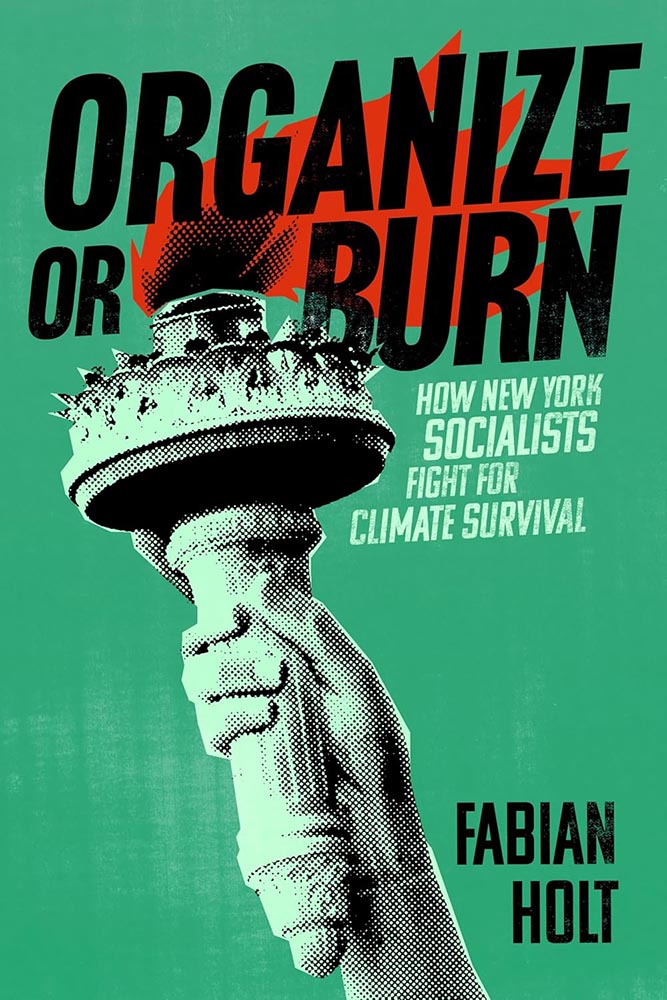
    New York University Press. Cover design by Devon Manney, art director, Rachel Perkins.

    One could argue that this cover — and title — could work well even if the word “climate” was removed. See the whole list of University Press goodness.

    And check back for a special, mid-month post in honor of University Press week, Nov. 10–14.

    Good Movies as Old Books, Revisited

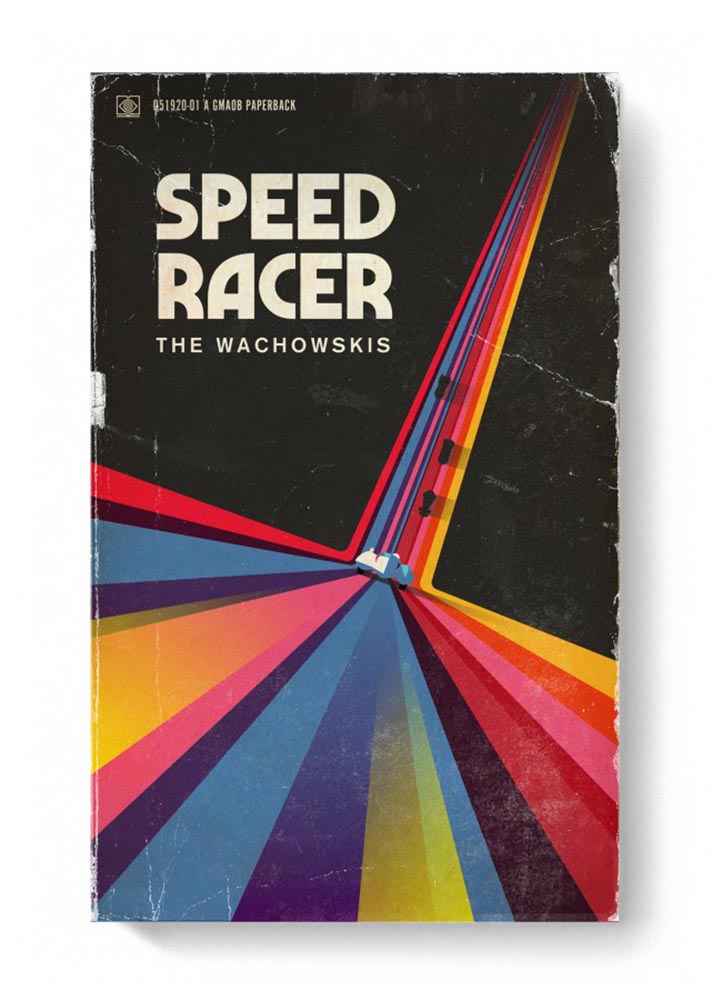
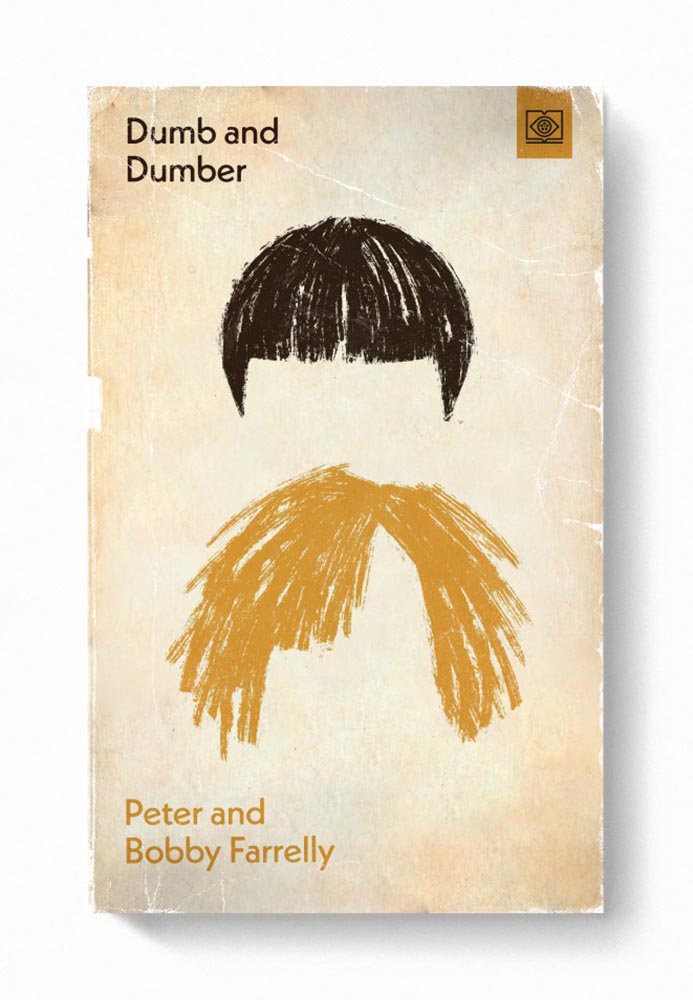
    Let’s start with something great: Steven Heller highlights the “talent and imagination” of Matt Stevens (previously) as the paperback version of his book, Good Movies as Old Books, becomes available.

    Cover design by Matt Stevens.
    Cover design by Matt Stevens.

    “My goal with the style was to try new things and create interesting combinations. Oftentimes, I was trying to do something that had not been done for a particular film,” Stevens says. Short and fun, the PRINT interview is worth a few minutes of your time.

    Old-Fashioned Methods, Delightfully Off-Kilter Results

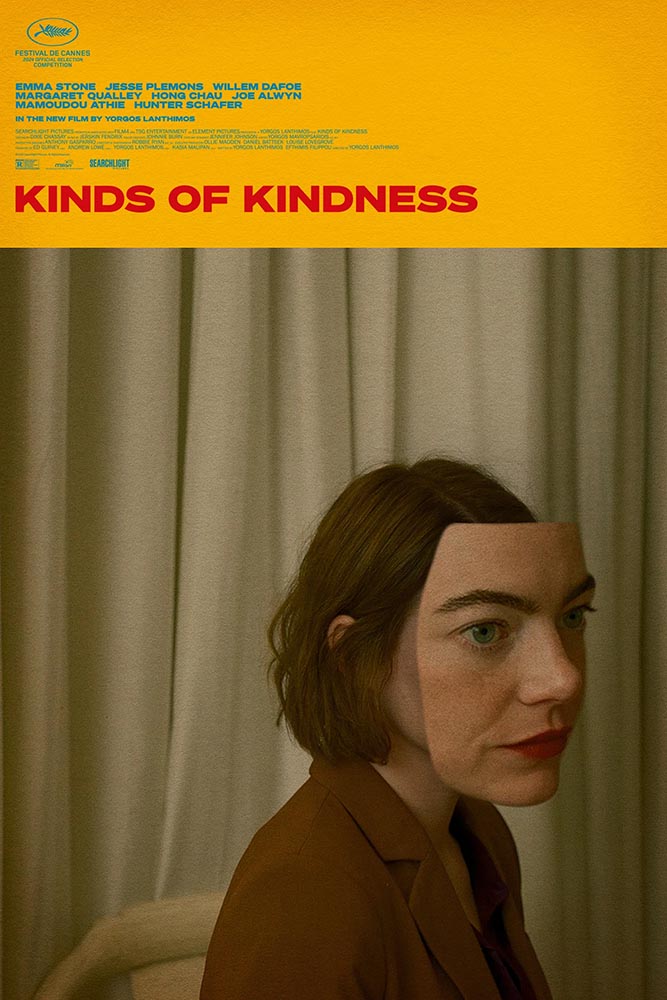
    While we’re on the subject of movies, let’s slip closer to … well, what passes for reality these days: items “steeped in human anxieties and fever dreams.” It’s Nice That highlights poster and title design for films by Greek artist Vasilis Marmatakis.

    Design by Vasilis Marmatakis.

    With design, much like life itself, Vasilis says that his posters are his honest reactions to the films. The same approach runs like a red thread throughout his work, each poster leaning a little too heavily into one of the film’s themes. […] In Bugonia, Vasilis consciously restricts superfluous elements and allows the frames to breathe.

    — Arman Kahn, It’s Nice That
    Design by Vasilis Marmatakis.

    Even the font — and how it’s used — is interesting: the freely-available Churchward Roundsquare, customized with brush and ink. That and much more is discussed in this great article.

    New Vintage Classics Series

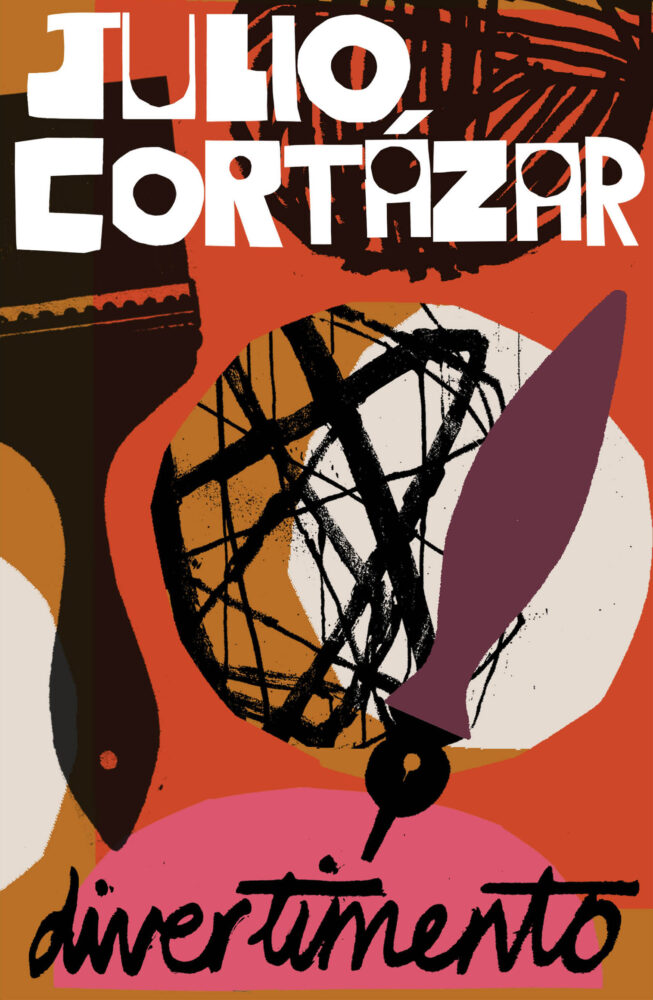
    It’s unusual not to relish a new set of reissues from Vintage, and the new editions of Julio Cortázar are no exception:

    Book design by Stephen Smith; art director, Suzanne Dean.

    The always great — and not mentioned often enough — Casual Optimist has more.

    Special Bonus #1: Via Kottke, Na Kim’s self-portrait:

    Fascist Posters, Italian Style

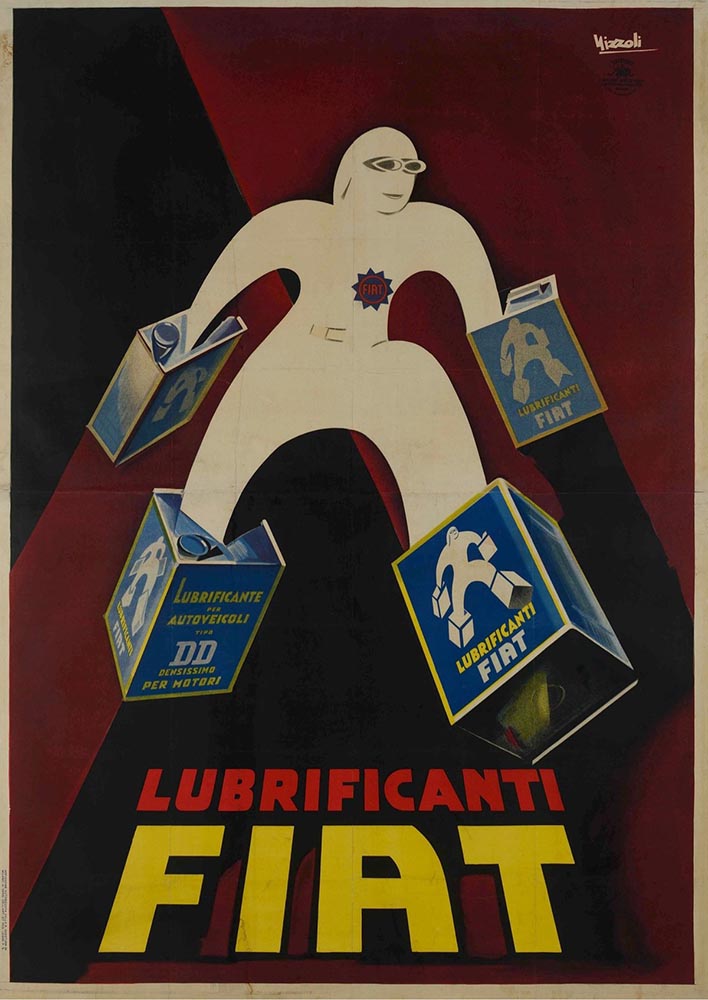
    Also via Kottke are these posters, which evoke a certain … something:

    In a fascist movement inspired by art, how does the fascist government influence the artists living in its grasp? This exhibition explores how Benito Mussolini’s government created a broad-reaching culture that grew with and into the Futurist movement to claw into advertising, propaganda, and the very heart of the nation he commanded.

    — Poster House exhibition The Future Was Then: The Changing Face of Fascist Italy.

    The exhibit features “some of the best posters produced during the worst period in modern Italian history.” See more.

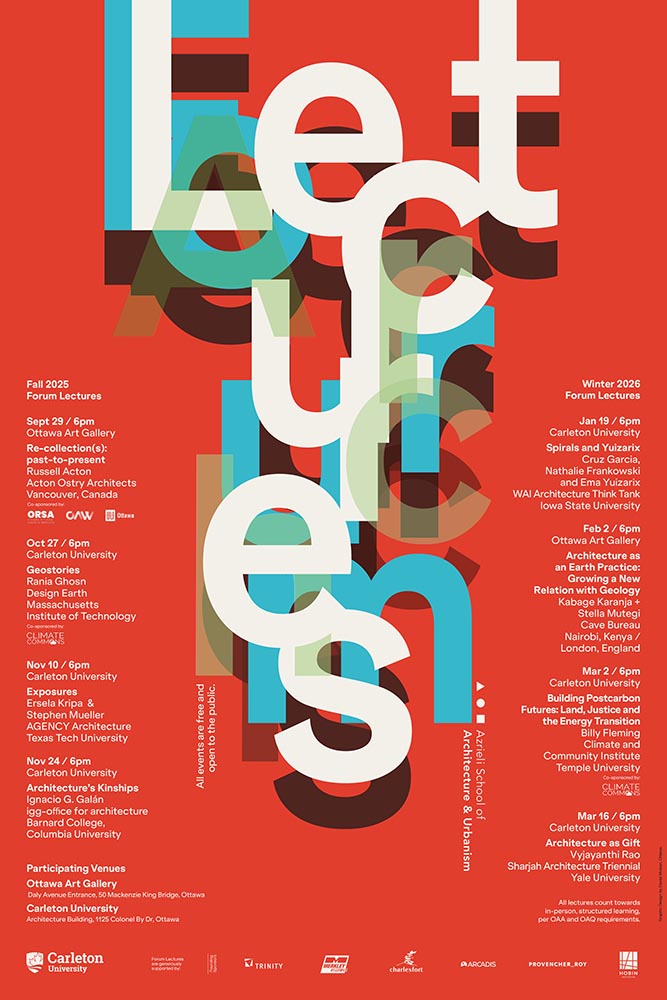
    Special Bonus #2: While we’re perusing the poster department, Archinect‘s ongoing lecture series (previously) has another winner:

    Fontastic Fall
    New for October

    CreativeBoom‘s monthly roundup is out, and while Grundtvig is retrotastic and the three-axis variable Pranzo is accompanied by some great illustrations, it’s Jovie that I’d love to use in print project:

    “Jovie’s character emerges through its soft-serif approach, which tempers traditional serif authority with contemporary approachability. Playful italics, expressive alternates, swashes, and ligatures provide designers with a rich typographic palette, whilst maintaining coherent family relationships across all variations,” they note. (Another variable-width item, too.) Great stuff.

    Custom Type is Everywhere, It Seems

    Meanwhile, custom type for branding is becoming the norm. In another article, CreativeBoom explains why: “Bespoke letterforms are no longer a “nice-to-have” and they are increasingly seen as a strategic necessity[.] Type has become the glue that holds their voice together,” they write.

    Those letters are your brand’s voice. They do the heavy lifting, they carry personality, and they create instant recognition – sometimes without the need for any other distinctive assets. […] Typography is everywhere in a brand system – packaging, products, campaigns, interfaces. When you build your own, you’re not at the mercy of someone else’s design choices, and you get a voice that’s tuned to your values, your audiences, and your long-term ambitions.

    — Frankie Guzi, business director, Studio DRAMA.

    Elizabeth Goodspeed (previously) agrees, mostly. “For most of the 20th century, branding treated typography as background, not backbone,” she writes. But now, brands are recognizing that, “[a]s a primary container for meaning, typography inevitably carries an enormous share of that emotional load.”

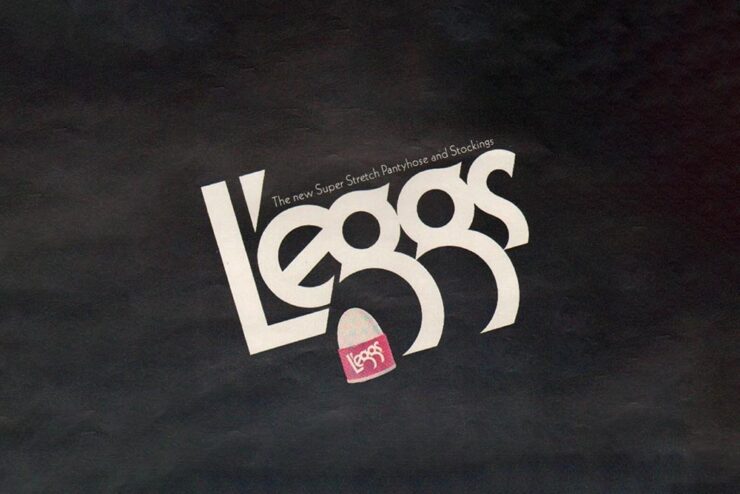
    An exception to the rule: a type gem — with legs! — from 1971.

    But, she cautions, “[s]peed also feeds a kind of conceptual shallowness. With so many studios drawing type, the market has been flooded with fonts that solve narrow visual problems but can’t stand up to long-term use. Too often, new brand fonts cling to a single gimmick while leaving the structure of the letters untouched.”

    Read the rest at It’s Nice That.

    AI All the things
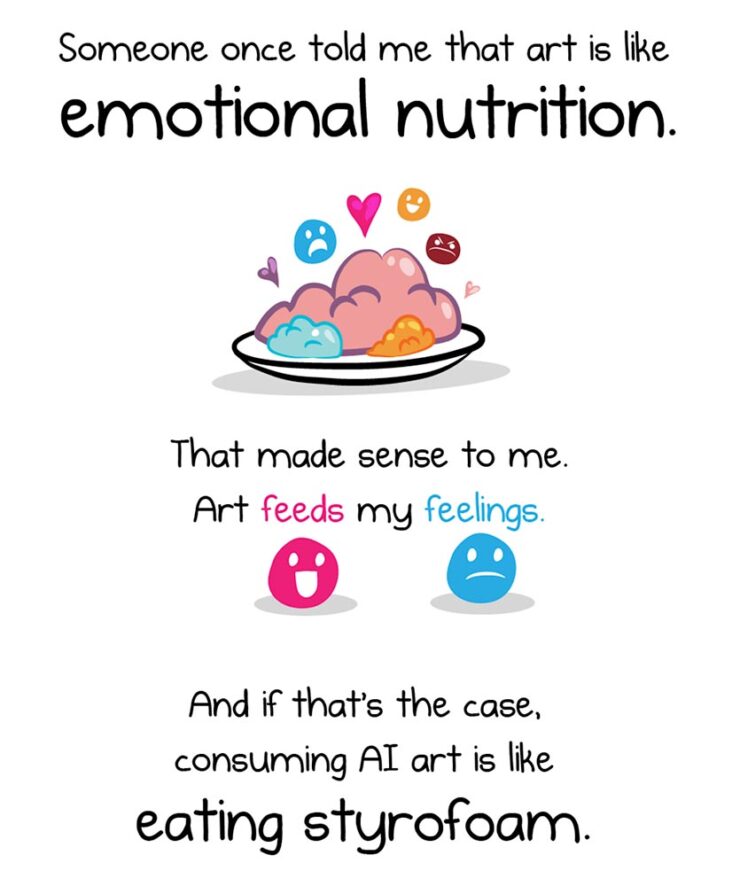
    The Oatmeal, penned by Matthew Inman, has some thoughts on AI.

    The new-to-me FlowingData — via Kottke’s rolodex feature — first pointed me to this piece, and it’s gotten a ton of press. In summary, Inman suggests that AI art causes a certain discomfort; that, perhaps, AI art even deserves air quotes around the word art because it’s somehow less than “actual” art.

    Indeed, much of that press has been approving: a pile-on of people (not that such things happen on the internet) saying, “yes, AI art deserves those air quotes. It is less.”

    One of my favorite reactions was from Nick Heer:

    A good question to ask when looking at an artwork is “who made this?”, and learning more about what motivated them and what influences they had. This is a vast opportunity for learning about art of all mediums, and it even applies to commercial projects. Sometimes I look up the portfolios of photographers I find on stock image sites; their non-stock work is often interesting and different. There is potential for asking both questions of A.I.-assisted works in the hands of interesting artists. But it is too often a tool used to circumvent the process entirely, producing work that has nothing to offer beyond its technical accomplishment.

    — Nick Heer, Pixel Envy

    “Who made this?” is the right question — to start. But let’s take that a step further.

    John Gruber, at Daring Fireball, quotes the piece: “[When] I find out that it’s AI art[,] I feel deflated, grossed out, and maybe a little bit bored. This feeling isn’t a choice.” Then says that he fundamentally disagrees with that premise:

    I think it very much is a choice. If your opinion about a work of art changes after you find out which tools were used to make it, or who the artist is or what they’ve done, you’re no longer judging the art. You’re making a choice not to form your opinion based on the work itself, but rather on something else. […] Stanley Kubrick said, “The test of a work of art is, in the end, our affection for it, not our ability to explain why it is good.” If an image, a song, a poem, or video evokes affection in your heart, and then that affection dissipates when you learn what tools were used to create it, that’s not a test of the work of art itself. To me it’s no different than losing affection for a movie only upon learning that special effects were created digitally, not practically. Or whether a movie — or a photograph — was shot using a digital camera or on film. Or whether a novel was written using a computer or with pen and paper.

    — John Gruber, Daring Fireball

    “Good art is being made with AI tools, though, and more — much more — is coming,” he says. Over the next few days, he cited some examples, including David Hockney’s art made with a Xerox machine, and then this:

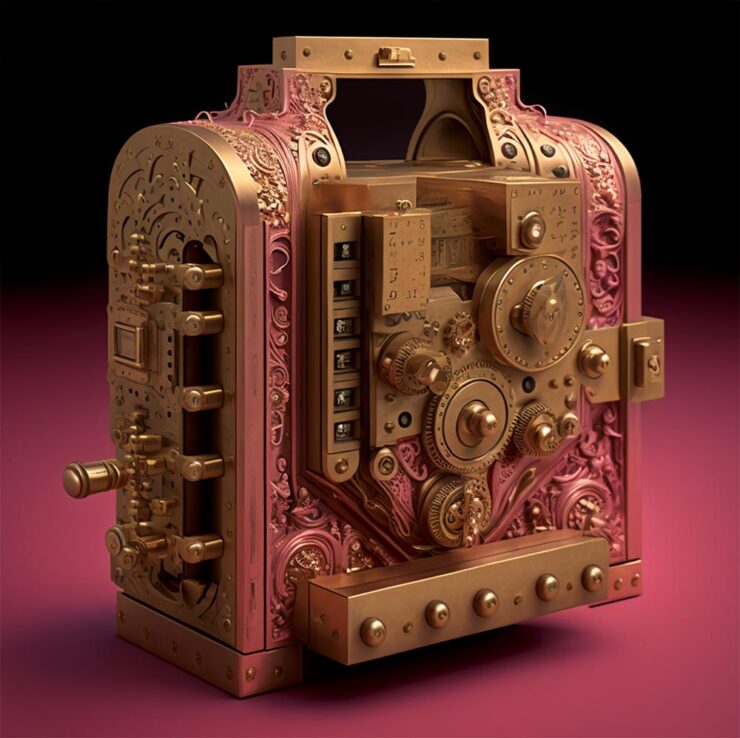
    Jonathan Hoefler’s ongoing series, called Apocryphal Inventions.

    The objects in the Apocryphal Inventions series are technical chimeras, intentional misdirections coaxed from the generative AI platform Midjourney. Instead of iterating on the system’s early drafts to create ever more accurate renderings of real-world objects, creator Jonathan Hoefler subverted the system to refine and intensify its most intriguing misunderstandings, pushing the software to create beguiling, aestheticized nonsense. Some images have been retouched to make them more plausible; others have been left intact, appearing exactly as generated by the software. The accompanying descriptions, written by the author, offer fictitious backstories rooted in historical fact, which suggest how each of these inventions might have come to be.

    These images represent some of AI’s most intriguing answers to confounding questions — an inversion of the more urgent debate, in which it is humanity that must confront the difficult and existential questions posed by artificial intelligence.

    — Jonathan Hoefler

    “This is art,” Gruber says, with no other text. I don’t think any other is needed.

    On a Related Note
    This is AI.

    “The top 200 photographers requested by Midjourney users have been exclusively revealed to PetaPixel — and it’s a world-famous, still active photographer that tops the list.” I bet you can guess who that is.

    This is, in fact, the majority of what Inman was thinking — or at least, feeling — when he drew out an argument on why AI art can be such a let-down, both intellectually and emotionally. The above “photograph” is both awesome and hugely disappointing at the same time.

    Further Reading

    I’m not qualified to speak with any authority on the state or potential future of AI, AGI (artificial general intelligence), or the continuing convergence of AI with … well, all the things. I will say that, to me, there’s a palpable sense of bubble going on; whether financial, material, or resource requirements, it feels like something is going to need to give fairly soon.

    Below are several articles on the intersection of AI with life, culture, or art that I found valuable. If you can set aside a few minutes, the information provided could be helpful in the quest to stay informed:

    Side Note: I’ve dropped the punctuation in “AI.” Not unlike capitalizing “Internet,” I think we’ve crossed that bridge.

    Special Bonus #3: AI apparently overuses em dashes, something that has, frankly, caused me to use them less. Which is a good thing — I overuse them. But then, I am a professional. [That’s only funny if you’ve read the link. —Ed.]

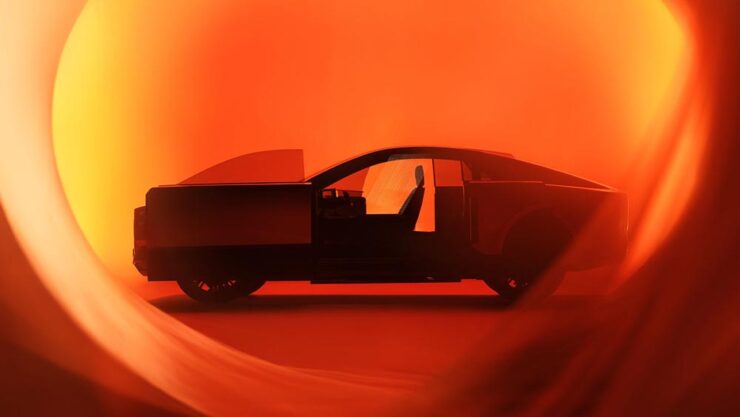
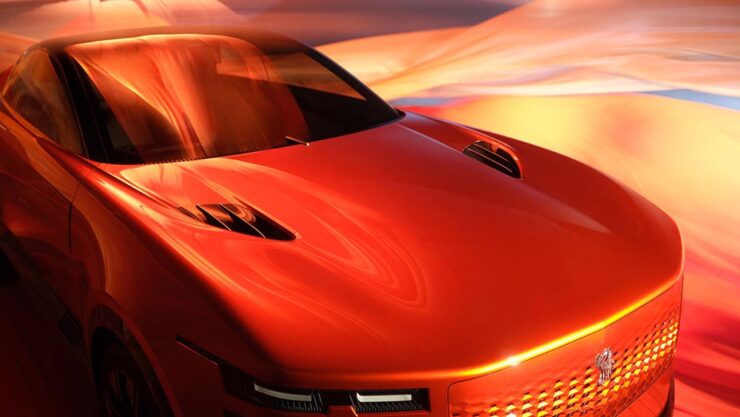
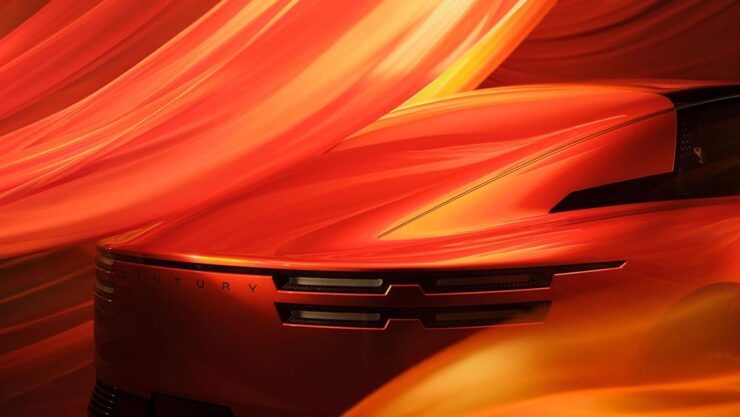
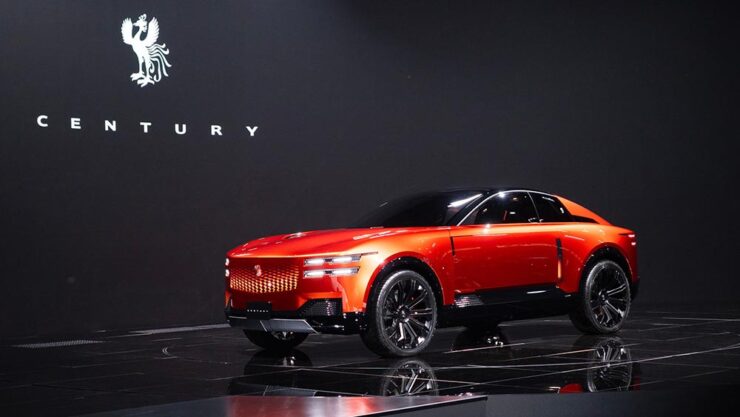
    The Century Coupé Concept

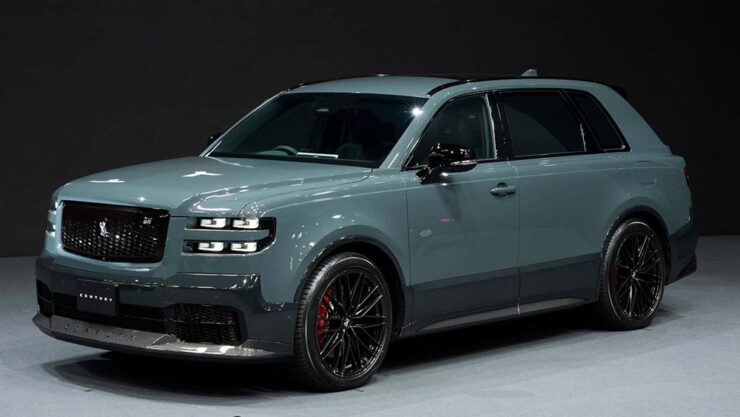
    Toyota (the company) has reorganized: there are now three levels. There’s Toyota (the car line), for the mass market; Lexus, Japan’s first answer to BMW et al from the late ’80s and also very much mass market (if targeted differently); and now, to compete in the ultra-high-end market, Century:

    Long hood, imposing “grille” — trend, recycling, or cliché, depending on outlook.
    The no-rear-window thing continues to grow in popularity. (For “cocooning.”) Hmph.

    Powertrain is yet to be determined; the rumors suggest it’ll be available both with a combustion engine (possibly a V12) and electric drive. In the case of the latter, owners will, of course, be able to send their driver off to get the thing charged while they lunch or plot takeovers — no range anxiety here.

    Century’s logo is a phoenix.

    Car geeks will know that Toyota’s Century sedan model has been around forever. It’s always been badged as a Toyota, and is aimed at Japanese executives and members of state (and will, in fact, still be produced). It was joined a few years ago by a SUV that bears more than a passing resemblance to a Rolls-Royce Cullinan. Both existing Century models available only in Japan and China.

    The 2025 Century SUV. That D-pillar absolutely “borrows” from the Cullinan.

    Toyota has decided to make those three models into a new brand that’s just called, “Century.” It’s going to be set up with exclusive dealers, eventually be available worldwide, and compete with Bentley’s new EXP 15 (previously) and Rolls-Royce’s … everything.

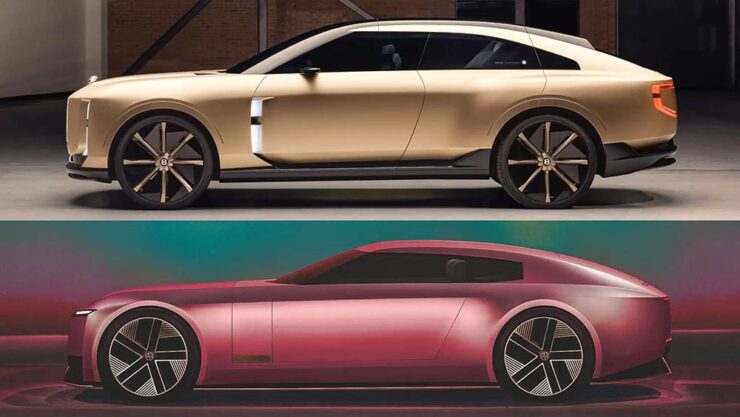
    And, of course, Jaguar. The elephant in the room get a mention here because it’s looking more and more like JLR made the right call in targeting one-percenters with out-there, vaguely coupe-like designs. Because if the Century SUV resembles a Cullinan, the new coupé concept looks like a cross between the Jaguar Type 00 concept and said Bentley:

    The Bentley EXP15, top, with the Jaguar Type 00, bottom.

    Very much unlike the Jag, which is low and could possibly be described as “sleek,” the Toyota has a higher stance; a coupé/sedan and SUV mix seems to be a new answer to the so-called “death of the sedan.” Volvo’s ES 90 might also apply here.

    Bear in mind that I’m not talking about the coupé-style SUVs (BMW’s X6, for instance), which are a different animal — at least for now. It’s possible the whole class of “coupe-like things” might converge in the not-too-distant future.

    That being said, a member of that new class of vehicle being aimed at the chauffeur-driven market is new.

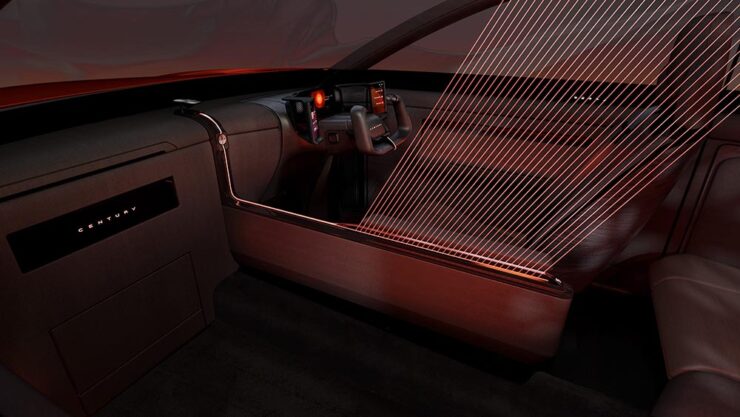
    The glass divider is to allow the chauffeured their privacy.

    One more item: The old-school isn’t going quietly.

    Did someone mention grille? (Lit, naturally.)
    Leaving the hood long behind.

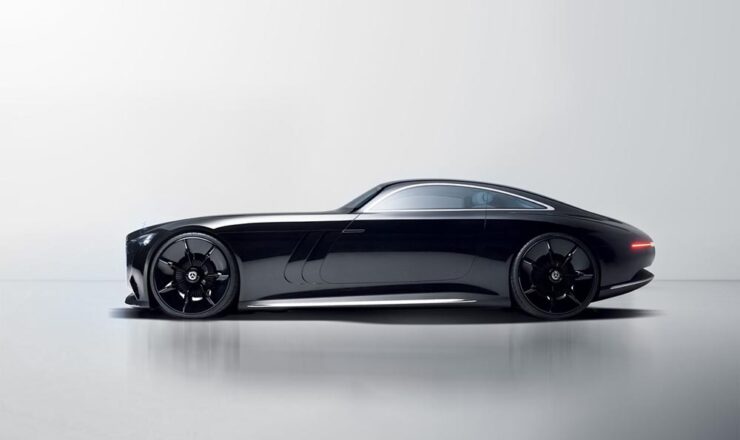
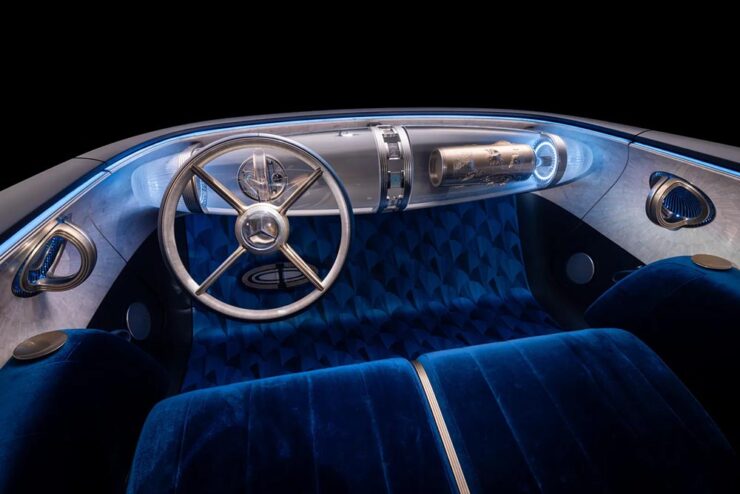
    Mercedes is, arguably, the best (non-American manufacturer) at displaying “gangster” qualities. Oh, and check out the awesomely-retro interior:

    Note the lack of screens amongst that vintage style. And yes, velour is “in.”

    Read more about the Toyota (teaser or intro, both at The Drive) or Mercedes (The Drive, Wallpaper*).

    Special Bonus #4: Audi poached the Type 00’s designer. His first showing is the Concept C, Audi’s return to form, called “radical simplicity.” It’s a cross between their sports-driven R8 and designer-driver TT:

    Love the wheels. The grille less so (there have been dictator comparisons), and the lack of rear window not at all.
    October’s Photography Round-Up
    2x Film
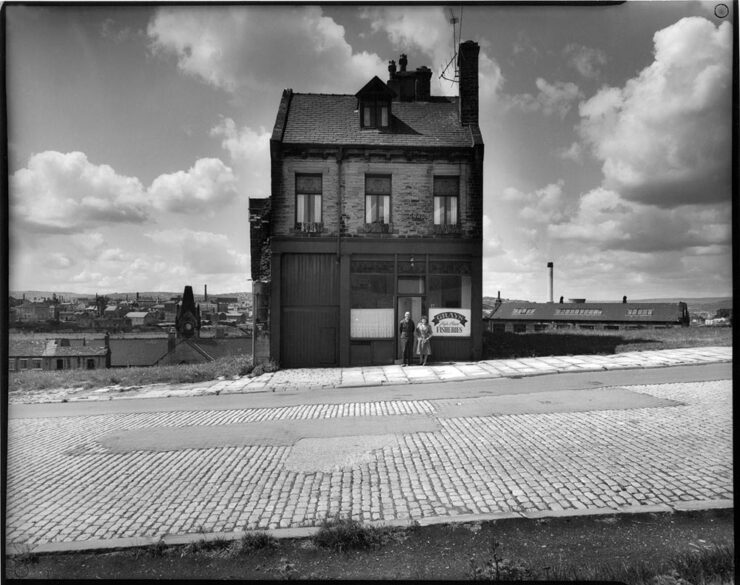
    Grays Fisheries, Bradford (UK), left standing during inner city slum clearance. Photograph by Ian Beesley, 1977.

    From an interesting and moving feature at MacFilos, “Capturing the decline of industries and communities with a Leica M6”:

    At my recent career retrospective exhibition “Life” at Salt’s Mill, Saltaire (a world heritage centre near Bradford, West Yorkshire, England), a man came to talk to me. He said, “You won’t remember me, but I remember you. I worked in a camera shop in Bradford, and you were always coming in to buy rolls of black and white film. It makes me so proud to think that the film I sold you created some of these wonderful photographs.”

    I take this as a great compliment and a very moving one. It is one of the reasons why I decided to donate my entire archive of negatives, prints, notebooks (over 200,000 items) to Bradford City Art Galleries and Museums. I am hanging on to my Leica M6 for a bit longer, but at some point, it will be re-united with all the negatives it created.

    — Ian Beesley, MacFilos
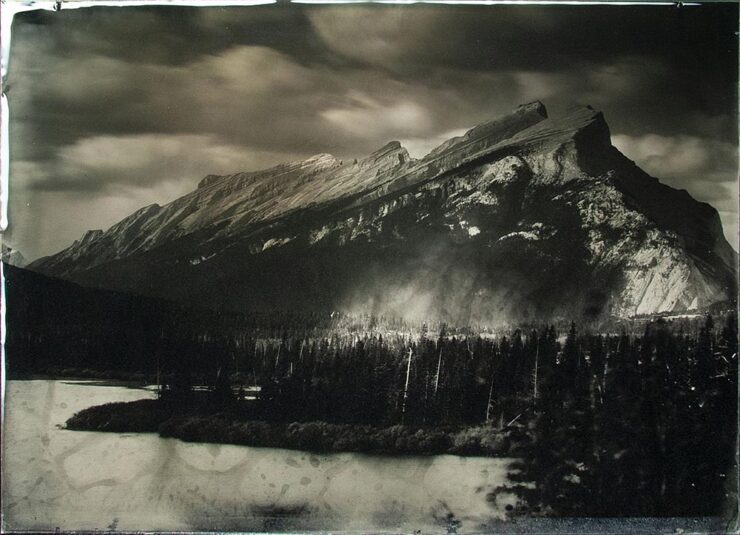
    “Rocky Mountains On Wetplate Collodion,” Canada. Photograph by Bill Hao.

    “The Analog Sparks 2025 International Film Photography Awards celebrate analog photography as a medium and elevate the best film photographers worldwide,” PetaPixel writes. Some excellent reminders that sometimes, the old ways are still the best ways.

    Color and Pano
    “Beholders No. 1.” Photograph by Li Sun.

    “All About Photo Magazine unveiled the winners of its latest competition: Colors. The 25 prize-winning photographers demonstrate how powerful color can be in images, whether it’s vibrant, subtle, or minimal,” PetaPixel writes.

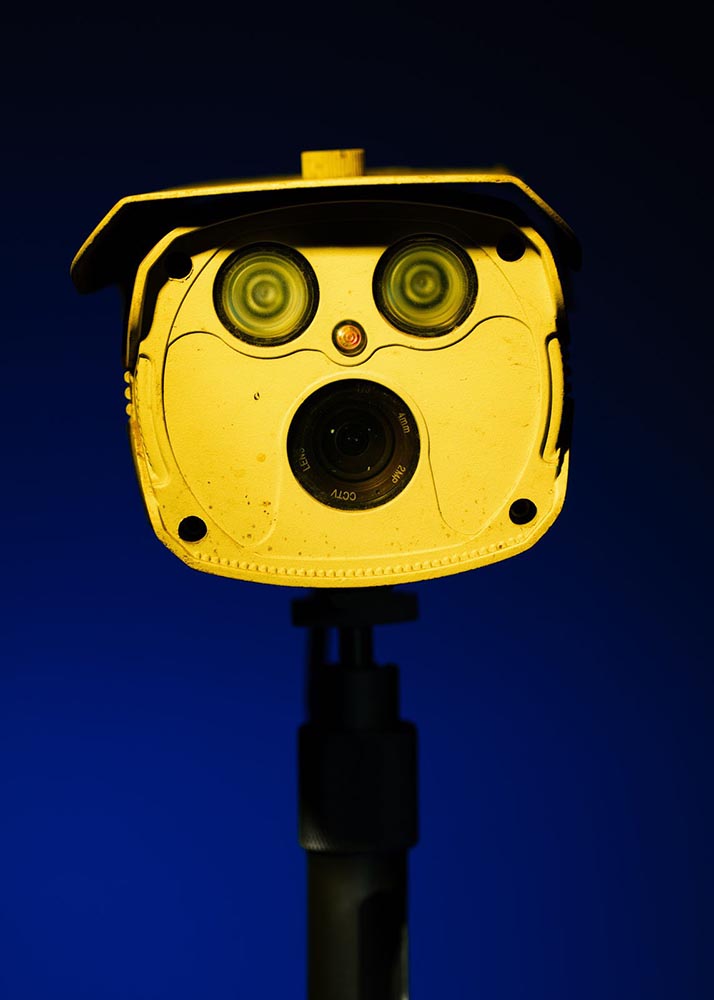
    To be honest: at first, I thought this was a coin-operated binocular thing you see at attractions or overlooks, and laughed out loud. Alas, the laughter died away when I realized it was, in fact, CCTV — an overlook of an entirely different kind. I guess there’s a certain irony in the “face.”

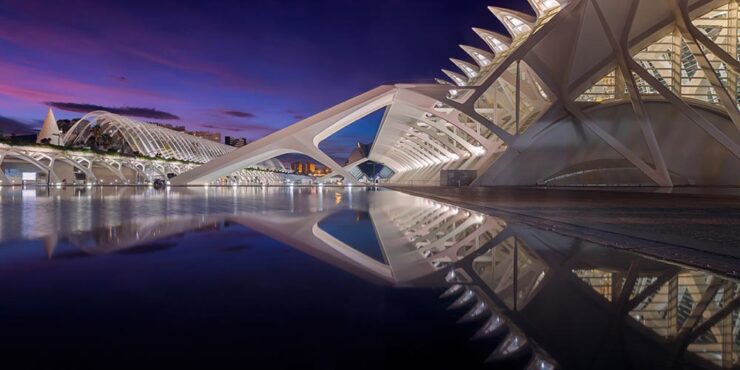
    The Mirror, Valencia, Spain. Photograph by Anto Camacho Villaneuva.

    It is possible to recognize a Santiago Calatrava building immediately, with its soaring, often winged structures. (The World Trade Center Transportation Hub in New York springs to mind, for instance.) This panoramic photograph captures two of them — nice.

    A press release from Epson, the contest’s sponsor, notes that this year there was a “prevalence of ultra-wide panoramas and increasingly innovative perspectives, including very low angles, very close-up subjects, and aerial photography,” including the above. PetaPixel has more.

    Birds and Wildlife
    “Snowstorm,” Germany. Bronze Award, Best Portrait. Photograph by Luca Lorenz.

    “The 2025 Bird Photographer of the Year gives a lesson in planning and patience,” This is Colossal writes about this year’s contest winners (specifically, regarding the photo seen at the right in the header image) — but getting the cold shot, above, wasn’t an easy thing either. (See also: PetaPixel‘s plumage article.)

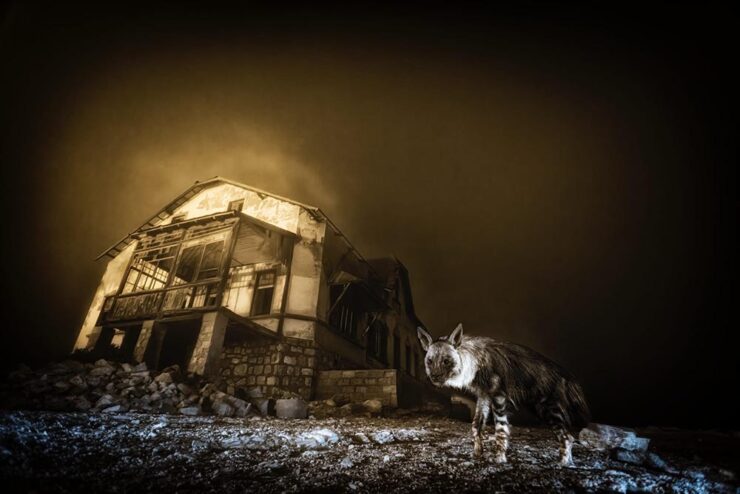
    “Ghost Town Visitor,” Kolmanskop, Namibia. Winner, Urban Wildlife and Wildlife Photographer of the Year 2025. Photograph by Wim van den Heever.

    From PetaPixel‘s coverage of the Wildlife Photographer of the Year 2025 contest: “Capturing the unusual intersection between nature and abandoned urban spaces, Wim’s photograph is a haunting yet captivating image of a brown hyena wandering through the skeletal remains of Kolmanskop, Namibia’s long-deserted diamond mining town. The shot was taken with a camera trap and is the result of a decade-long effort that began when Van den Heever first discovered the animal’s tracks at the site.” [Emphasis mine.] See This is Colossal‘s post, too.

    Comedy and Dogs

    To round out this month’s super-long post — thanks for bearing with me — something from the light-hearted department:

    “It is tough being a duck.” Photograph by John Speirs.
    “Bad Hair Day!” Photograph by Christy Grinton.

    The Nikon Comedy Wildlife Awards, 2025 edition, brings us 40 … um, moments. Awesome. PetaPixel has all the winners.

    “Suppertime,” winner of the Open category. Photograph by Katie Brockman.

    “Good Boys and Girls,” PetaPixel barks, regarding the 2025 Dog Photographer of the Year. (In the name of equal-opportunity pet celebration, I chose one that includes cats.)

    Have a great Halloween. If you’re in the US, be sure to vote, Tuesday, Nov. 4th. And, don’t forget to check back for the special Spine post, Nov. 10th. Thank you!

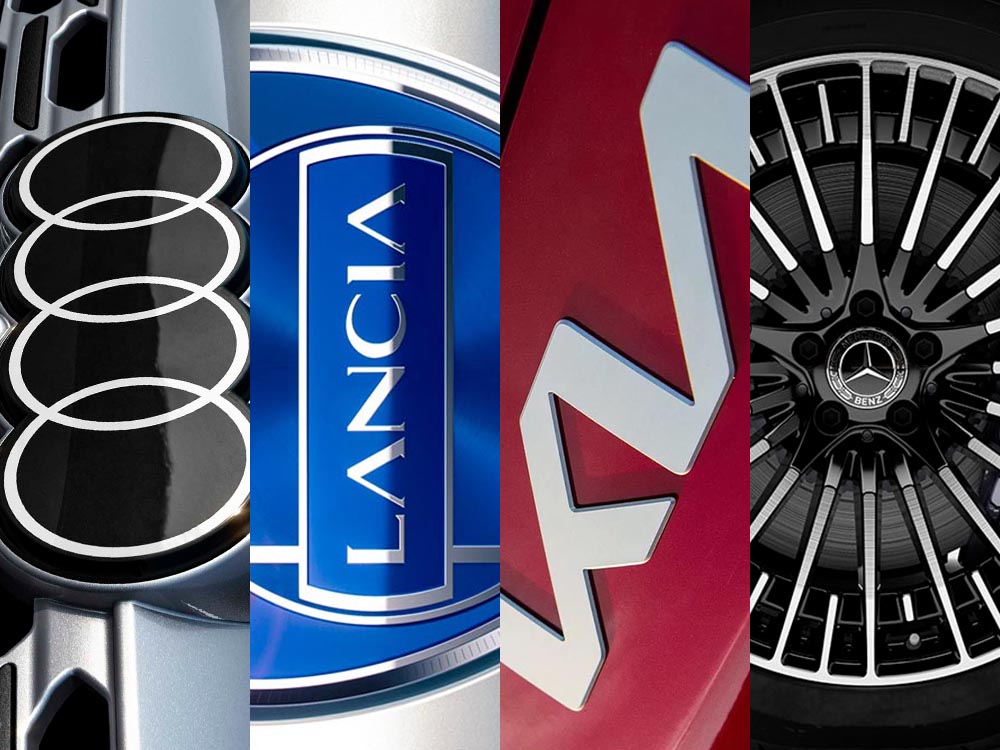
  • Beautifully Briefed, Automotive Edition (December 2022): Audi, Lancia, Kia, and Mercedes-Benz

    Beautifully Briefed, Automotive Edition (December 2022): Audi, Lancia, Kia, and Mercedes-Benz

    This time, it’s three automotive logos . . . and Mercedes’ accounting department, plus a holiday bonus. Joy to the Auto!

    New Audi Logo Falls Flat

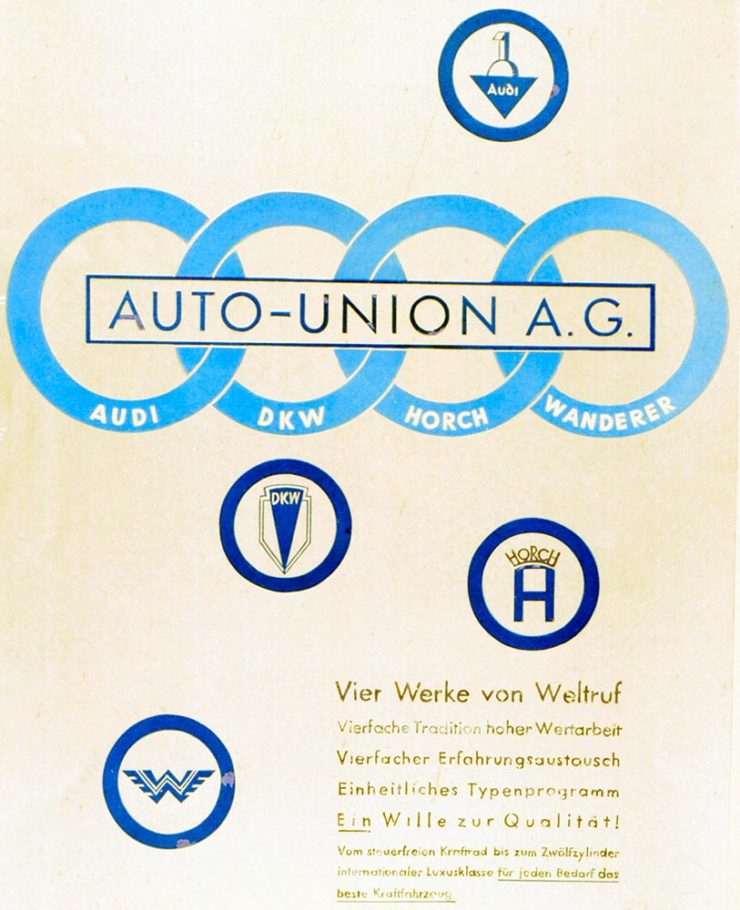
    Audi’s “Four Rings” have been around for a long time — since Auto Union was formed, ninety years ago:

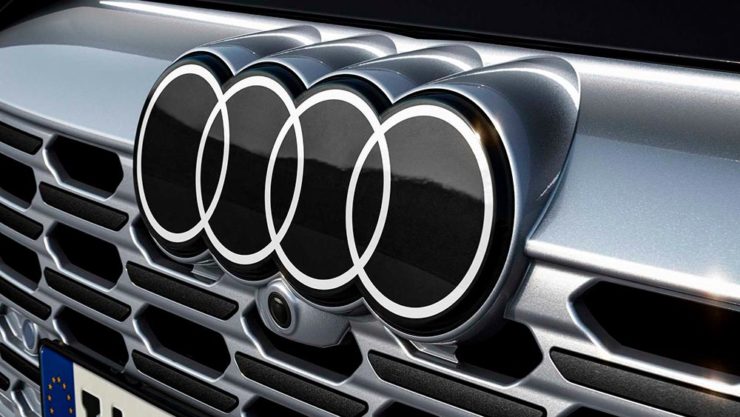
    Now Audi follows the pack (see VW, Mini, Volvo, etc.) and converts their logo from three-dimensional to two; the rings now are either white and framed by a thin black border or dark grey with black borders.

    Four-ring closeup. (It’s hiding sensors, too.)

    Not an improvement, IMHO. One of the articles mentions the concept of “a consequence of digitalization,” and think that’s about as good a description as you’re gonna get.

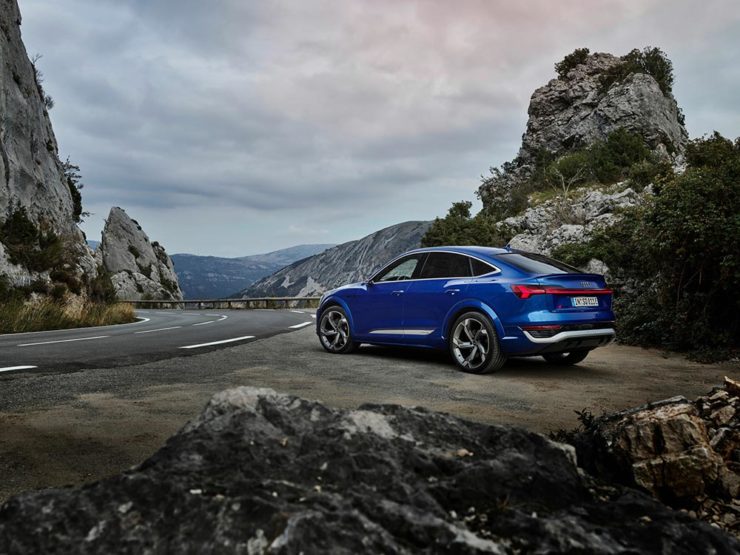
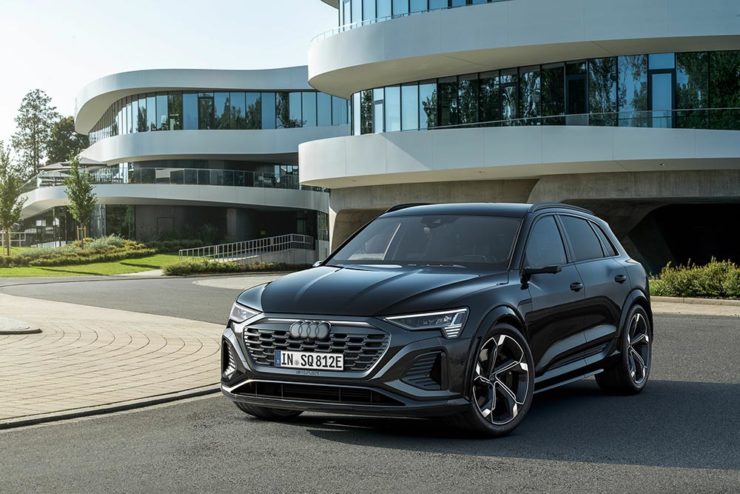
    The change will roll out starting with the updated Q8 e-tron — which, thankfully, still looks good:

    Even better in Sportback form:

    Dezeen has the best coverage of Audi’s new logo, but see also Motor1 and CarScoops for more pictures.

    Lancia Debuts … a Mouse

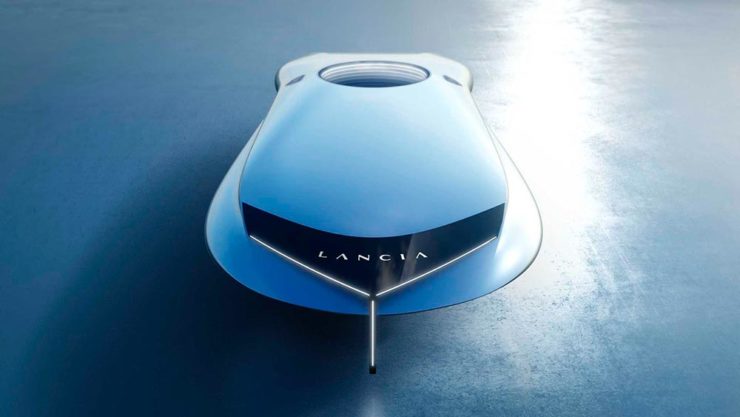
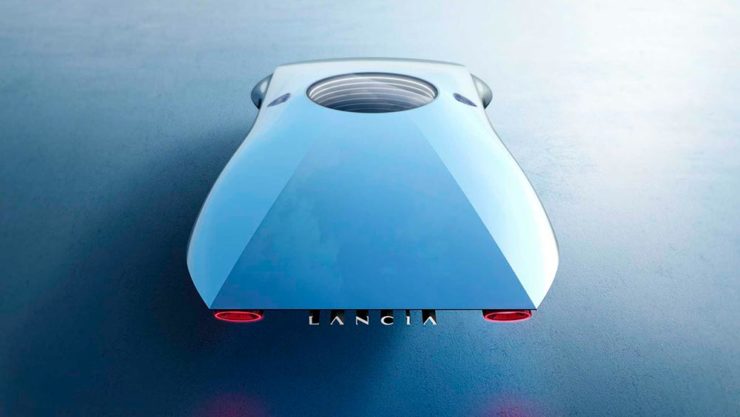
    Okay, it’s not really — it’s a conceptual sculpture, titled “Pu+Ra Zero,” that represents their rebirth:

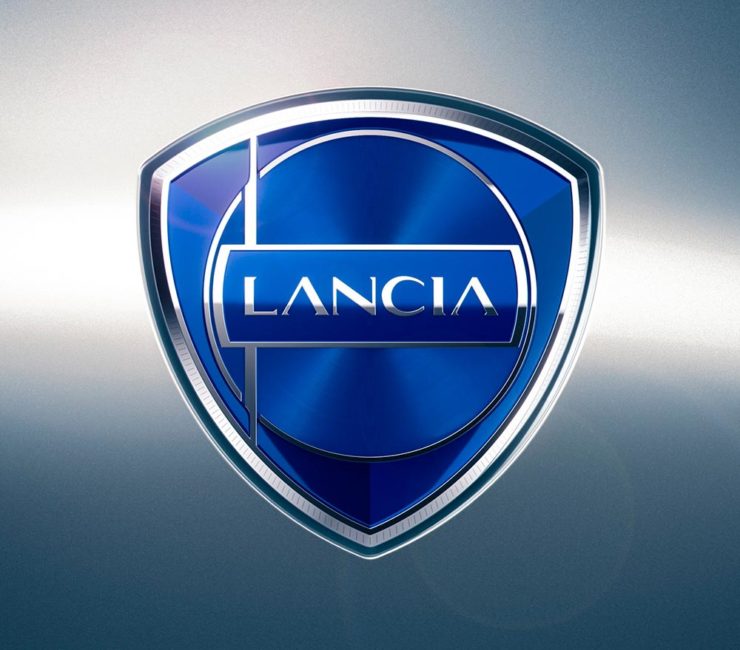
    They call it a “a three-dimensional manifesto,” and no, I don’t get it either. (The light signatures and, apparently, the circular sunroof will carry through to the new models, however.) The logo, their eighth in 116 years, is new as well:

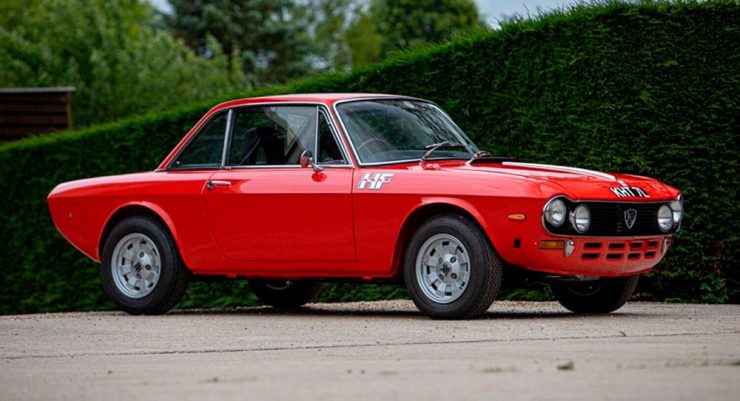
    I didn’t know Lancia well (only in passing? Eh. —Ed.) until the famous Top Gear segment naming them “the Greatest Car Manufacturer of All Time,” although I knew of the Delta Integrale — and think that the Fulvia is one of the prettiest sedans ever:

    The 1972 Lancia Fulvia

    Let’s hope their new models, and conversion to an all-electric manufacturer, lives up to their past achievements. Meanwhile, The Autopian has the best roundup of the new Lancia.

    Kia, KN, and … Wait, What?

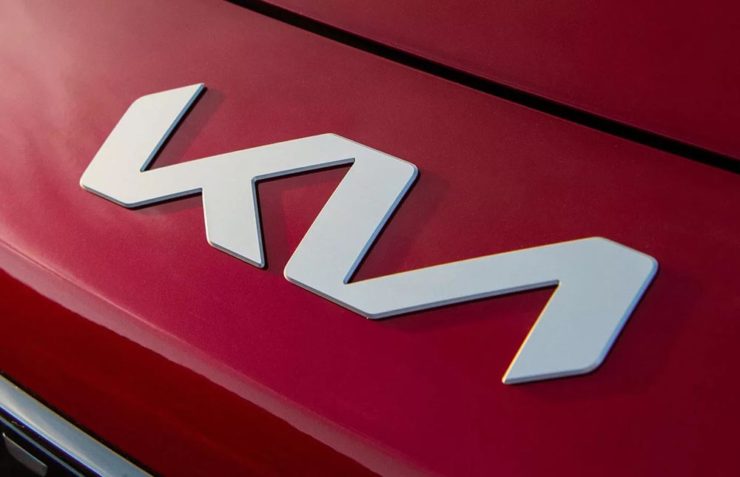
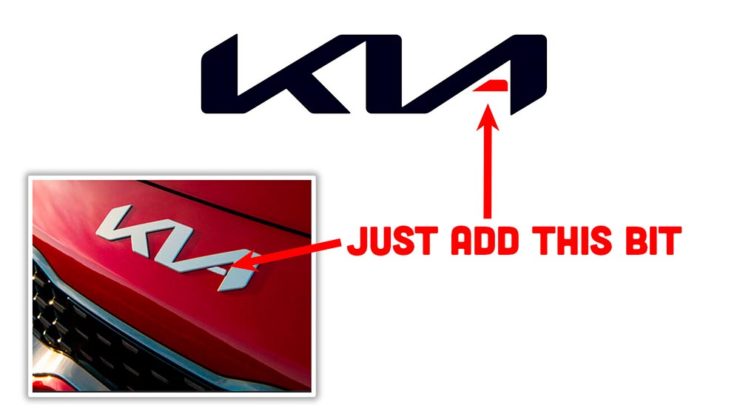
    30 thousand folks a year are doing Google searches for “the KN car.” Why? Kia’s logo, of course:

    Thankfully, the Autopian to the rescue:

    I’m not a huge fan of the new Kia logo — and can absolutely see the “KN problem” — but I think it speaks more to modern society that this is a news item than anything related to graphic design. Willing to be wrong.

    Mercedes: $1200/yr for Full Output

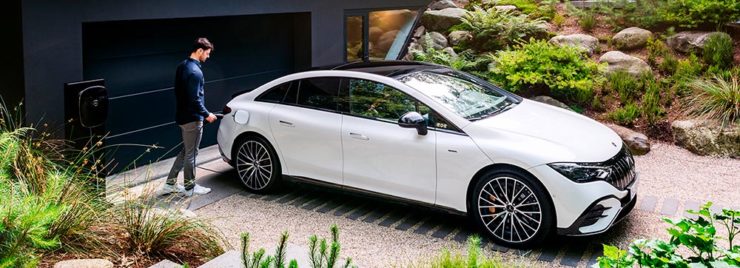
    This subscription thing has gotten seriously out of hand: Mercedes-Benz USA, in an effort to further bilk their customers — ’cause, y’know, MBs don’t cost enough — has decided that the last 60-110 horsepower available on their 2023 electric vehicles are only available for a yearly fee.
    The MB EQS gets even less attractive.

    Gak.

    Holiday Bonus: Free Online Automotive Design

    Interested in car design? Happy Holidays.

  • Cadillac and Mercedes Logos: New — or Not (Updated)

    Cadillac and Mercedes Logos: New — or Not (Updated)

    NOTE: See my previous car logo redesign coverage regarding BMW, Mini, etc., and more recently, Volvo.

    Update, 7 December, 2021: Brand New has, as usual, done a superlative job of discussing the new Cadillac logo. See their post here, remembering that they’re subscription now — possibly the best $20/year available.

    Original post follows:

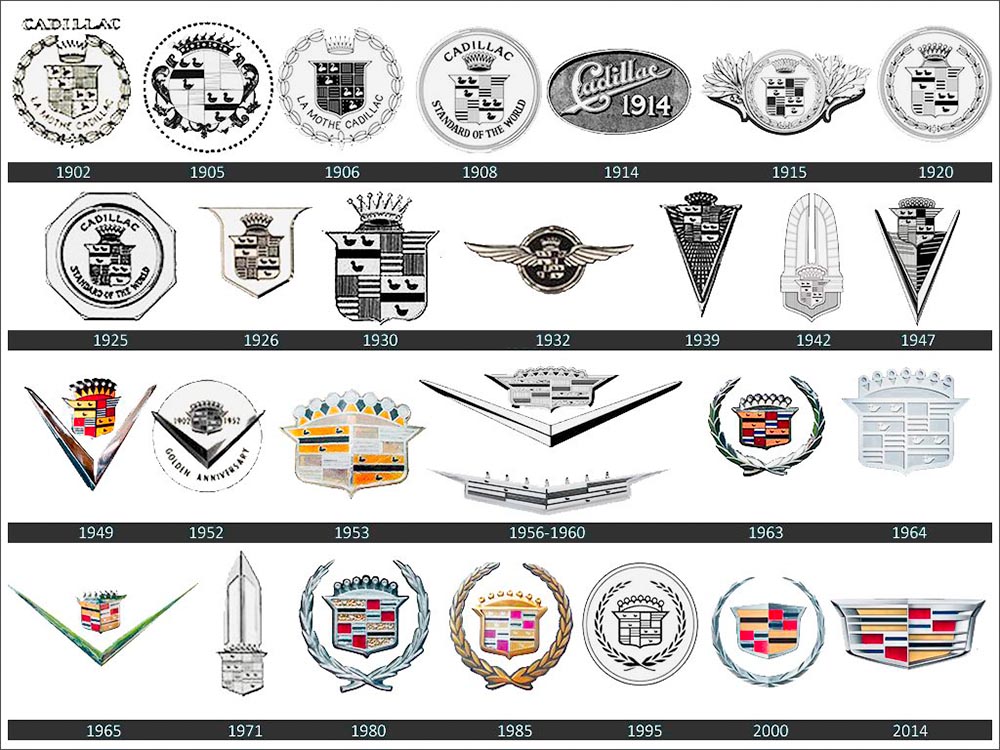
    Cadillac has updated their logo, their first redesign since 2014. First, though, some history:

    Cadillac logo history

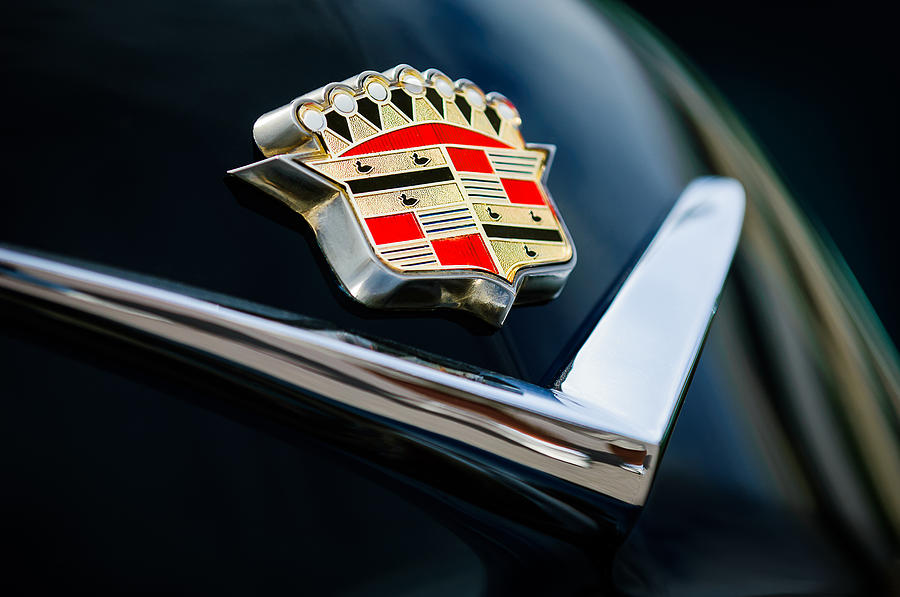
    The mid-century look, with the “crowned” logo, might be my favorite:

    Photo by Jill Refer
    Photo by Jill Reger

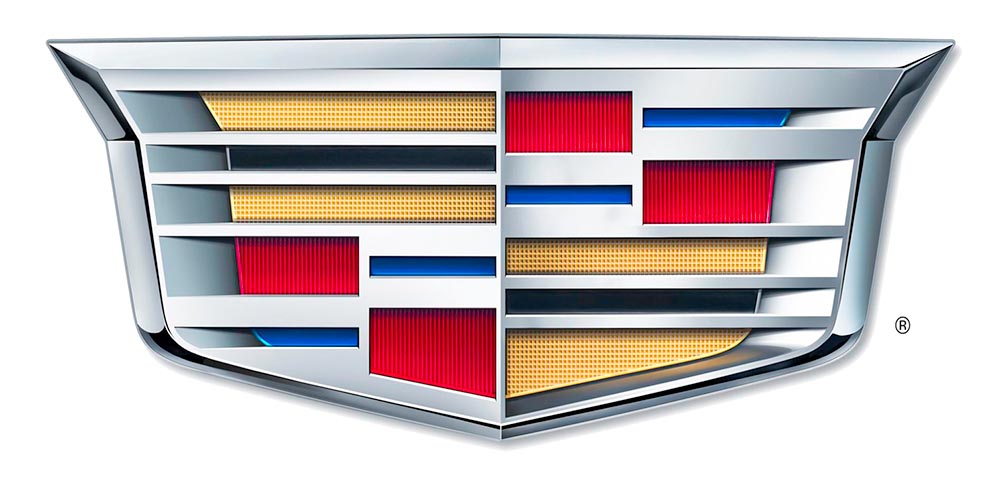
    As seen in the last line above, the 2014 logo is a simplification of the 2000 logo, sans the “old-person” wreath, and I thought quite successful:

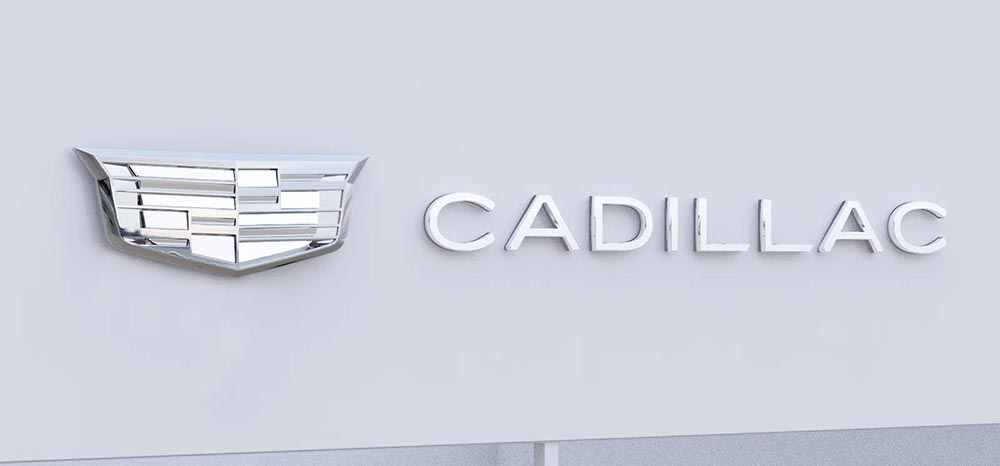
    Fast-foreword (ahem) to 2021, and the monochromatic, flat-logo thing is in full swing. The latest “old-person” target is the Cadillac script, replaced with another trendy item, a custom “Cadillac Gothic” font.

    Cadillac Dealer, 2021

    Not only that, but there’s the new trend among luxury automobiles — mere cars aren’t good enough — of illuminated logos;

    Cadillac illuminated logo

    It’s Nice That has more on Mother Design’s new take on Cadillac.

    Mercedes, on the other hand, has just celebrated the 100th anniversary of the three-pointed star. Then:

    MB logo, historical

    Now:

    MB logo, now

    When it’s done right….