Beautifully Briefed 26.1: Finding What’s Needed

We’re setting into our third snow of the season here in Georgia, an extraordinary event even in a world where “normal” doesn’t seem to happen all that often any more. Thankfully, there are still gems, waiting to be discovered. Hopefully you’ll find several in the links below.

Note: The site was offline for several hours mid-month due entirely to my mismanaging an update; the backups took a minute and didn’t restore the plug-ins, so it wound up being rough around the edges for a couple of days. If you visited — or tried to — during that time, apologies.

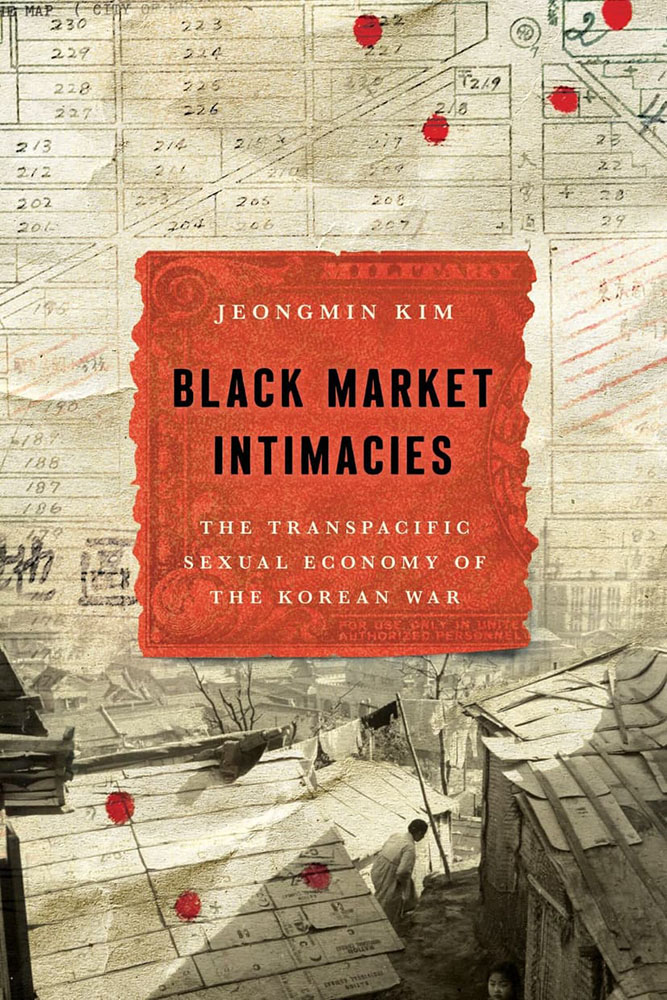
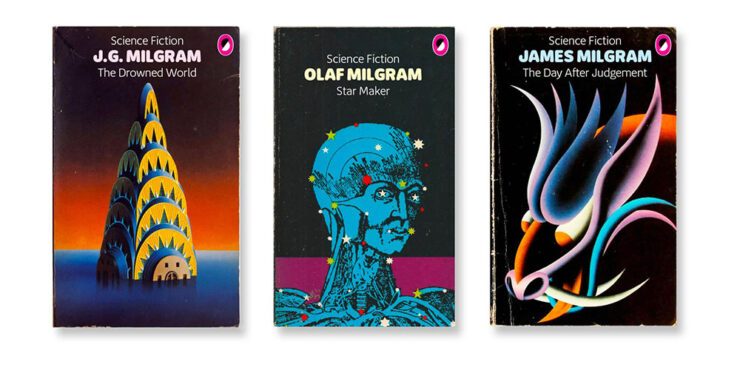
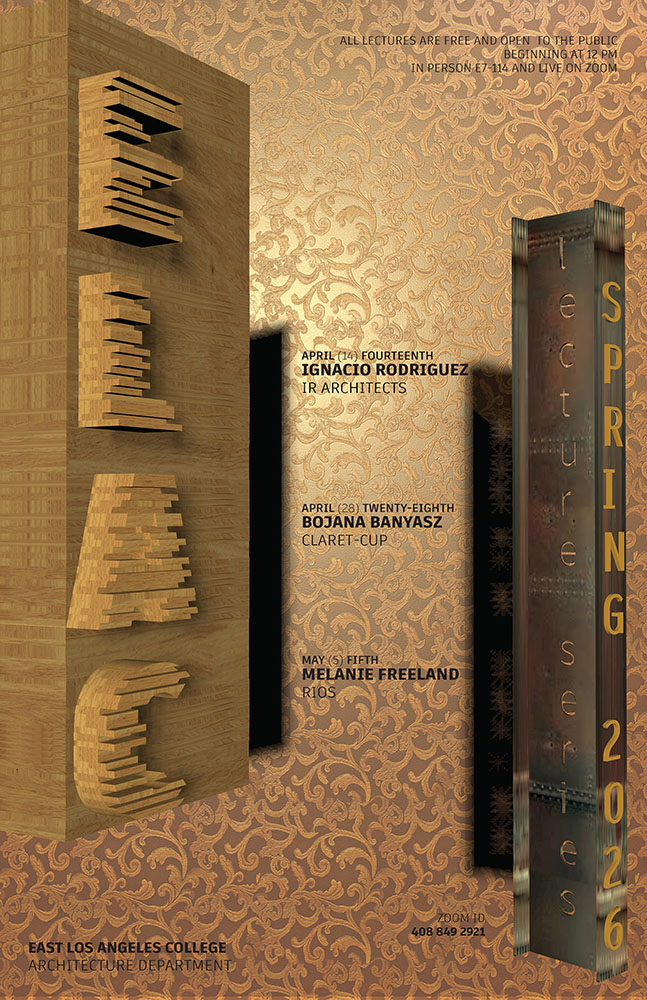
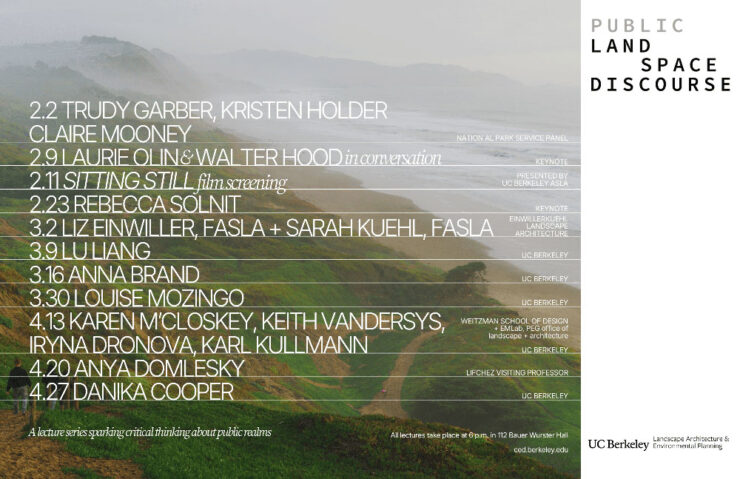
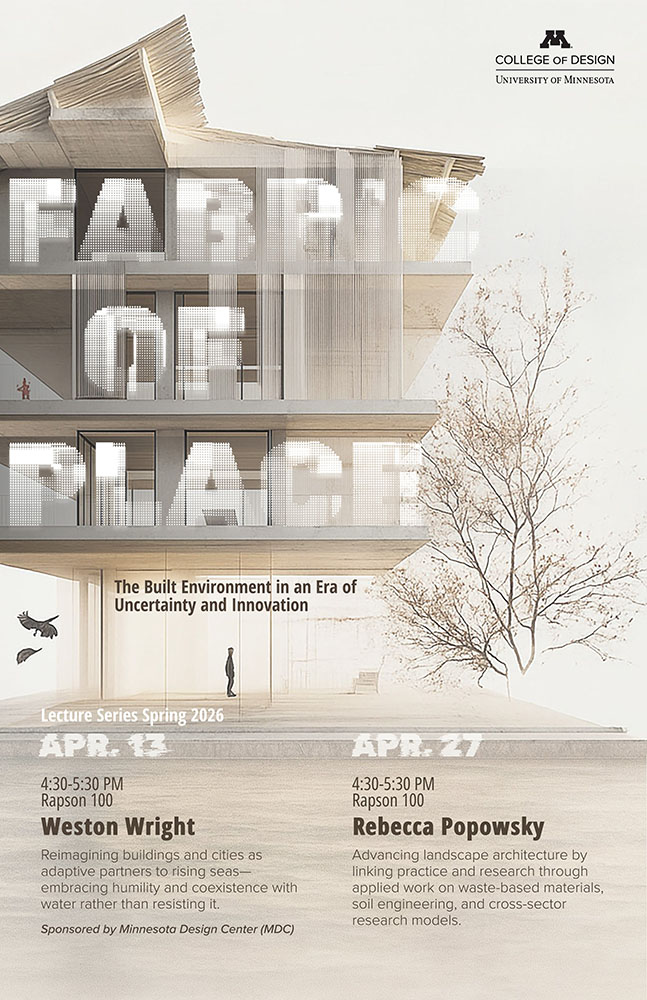
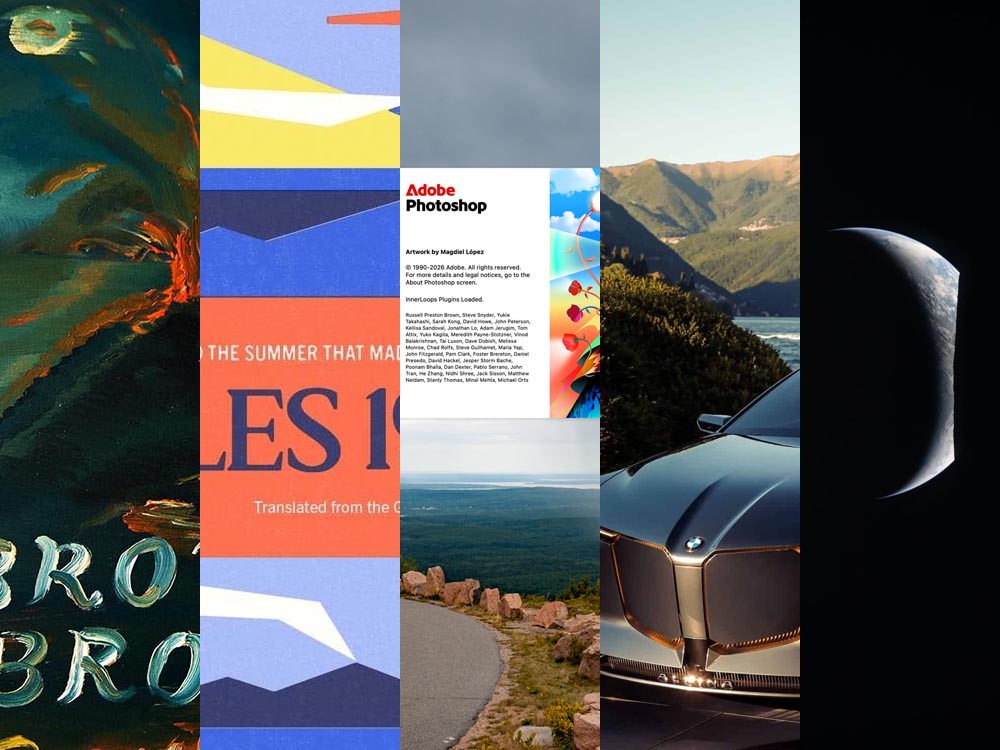
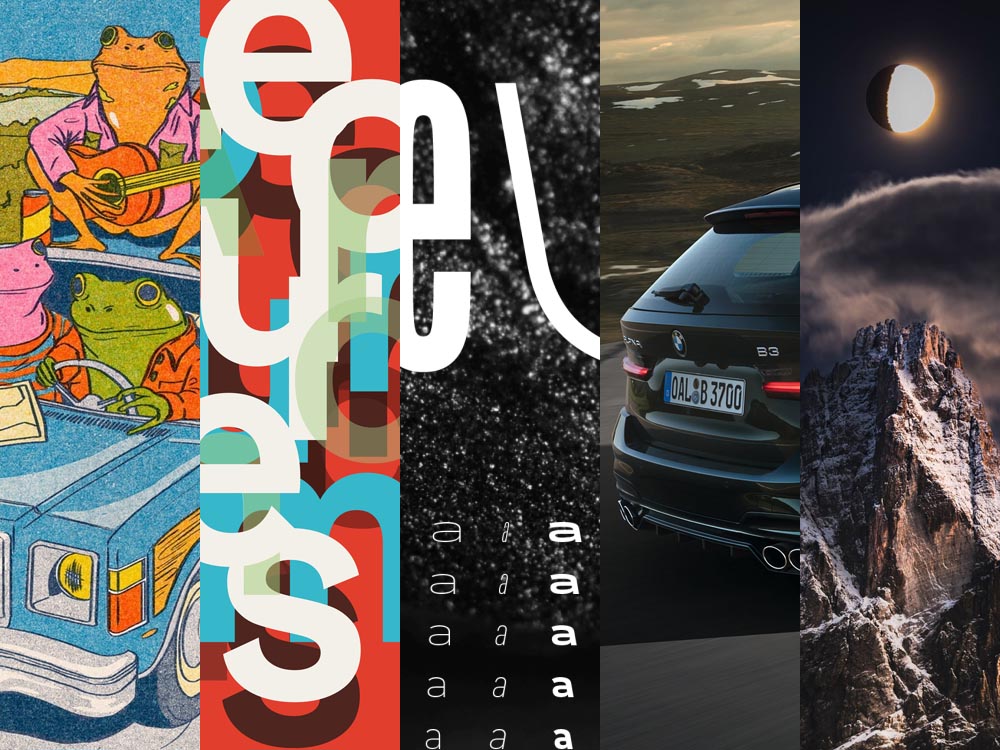
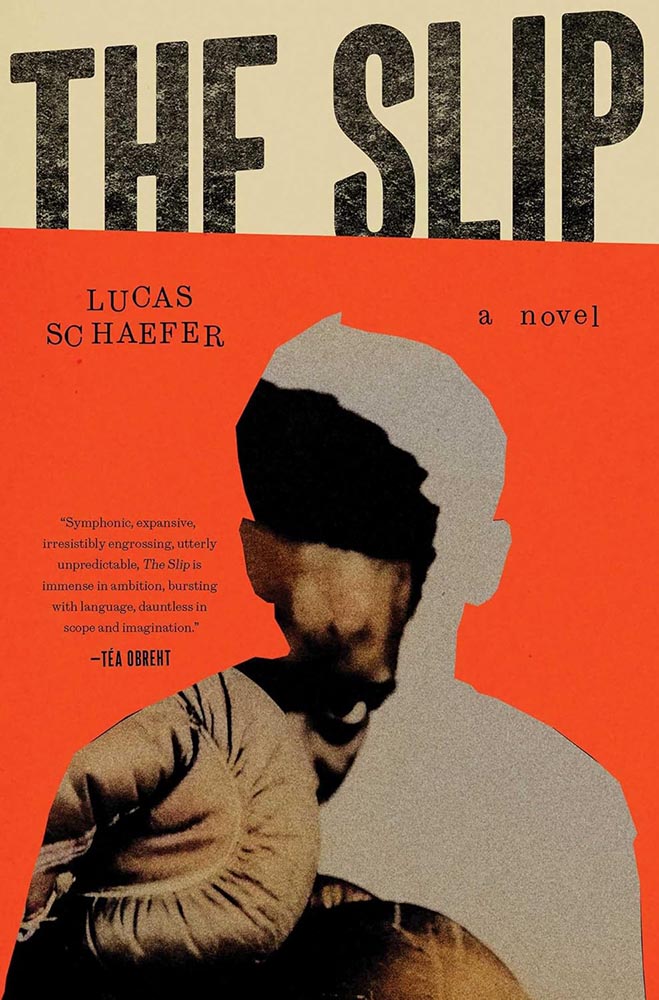
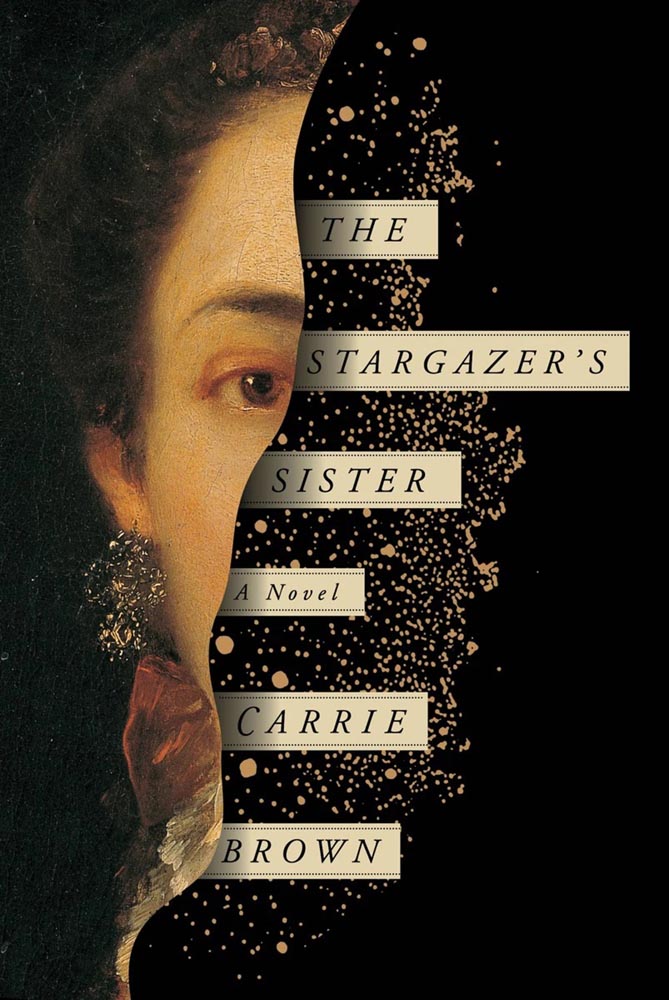
Favorite Book Covers of 2025, and More

If you’ve not seen, set aside a few minutes to enjoy:

Cover design by Jack Smyth.

More than a hundred examples of book design greatness, with commentary, for the fifth year in a row. Bring a beverage.

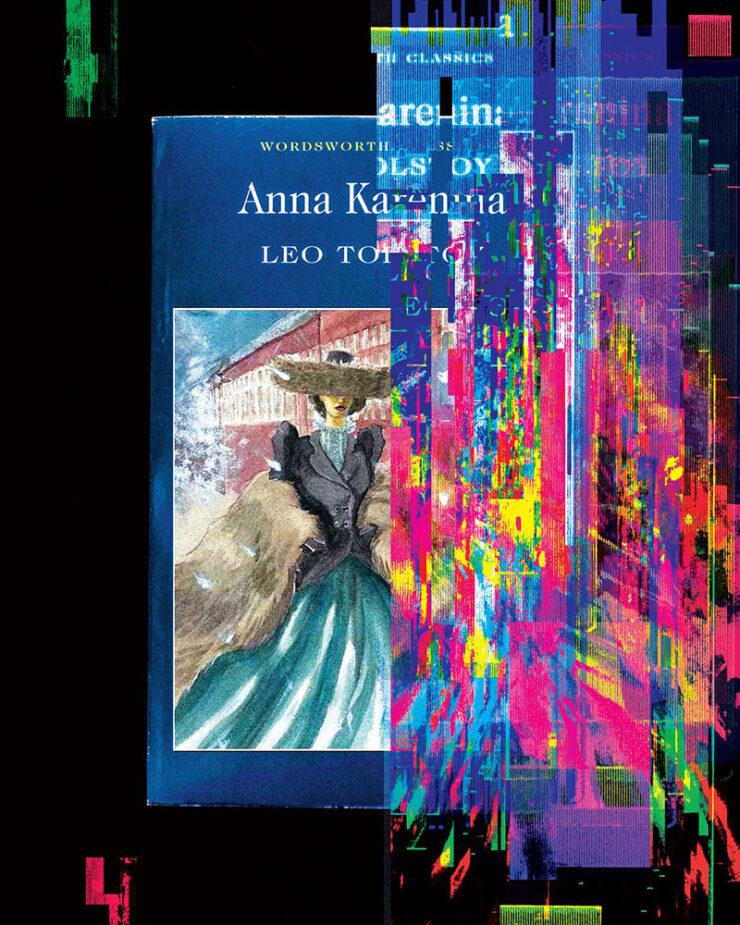
But wait, there’s more:

Cover design by Oliver Munday.

LitHub has posted a summary of the last decade of their favorites, too. Whew!

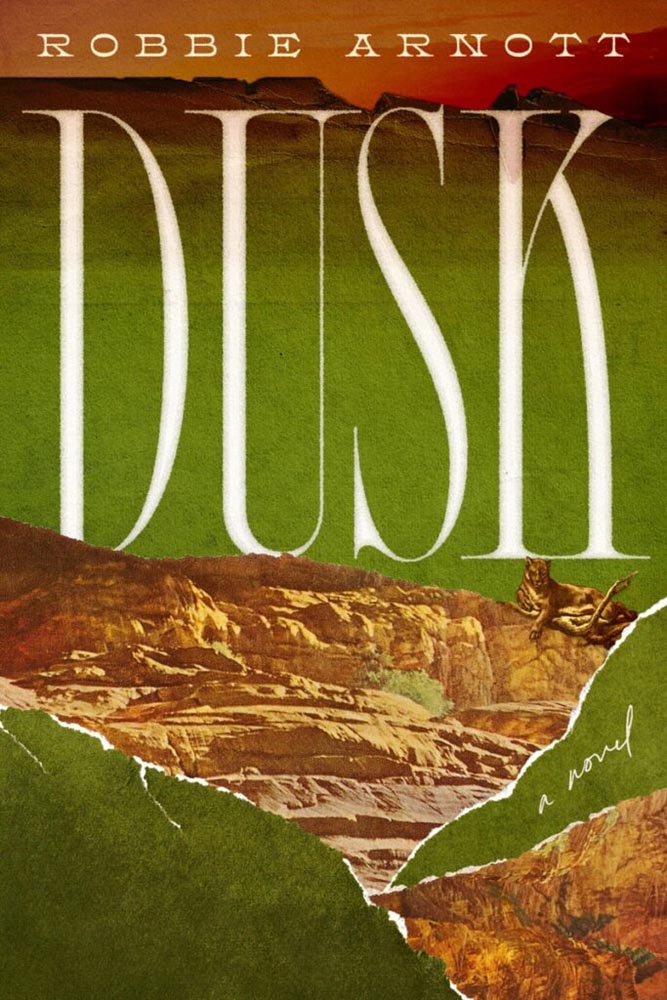
Cover design by Alicia Tatone.

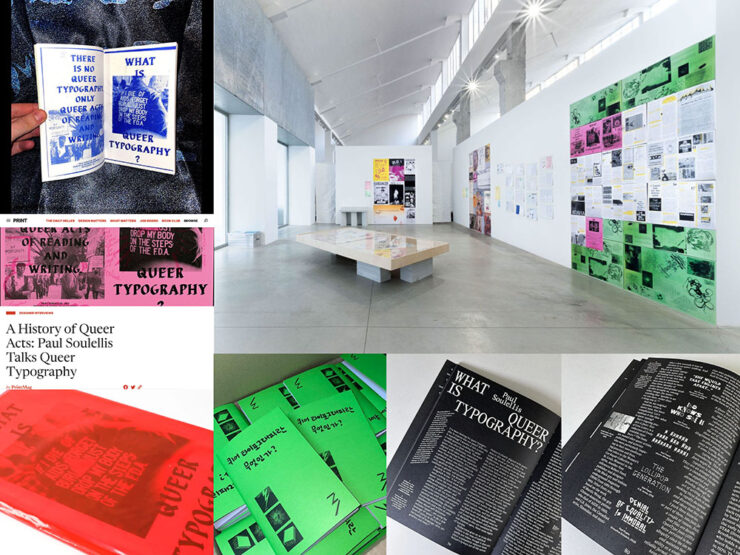
Special Bonus #1: Our Culture has a feature on seven book designers to watch in 2026. None will be a surprise to regular readers, although Alicia Tatone hasn’t been highlighted here as much as she deserves (she had three cover designs, including Dusk, in the runners-up folder for my ’25 favorites, but didn’t appear in the final list).

This Month’s Spine

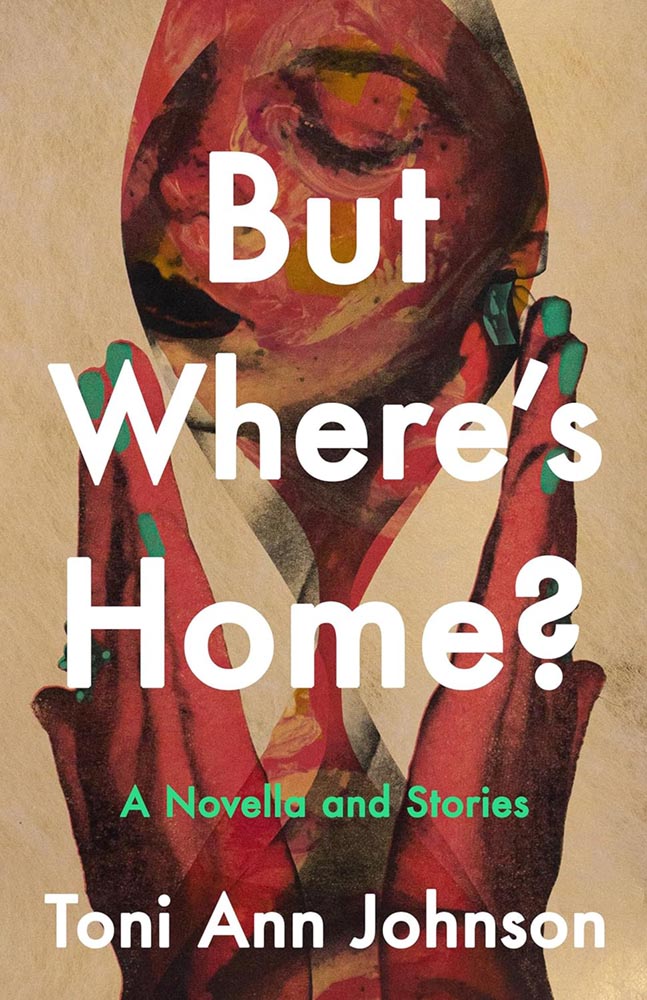
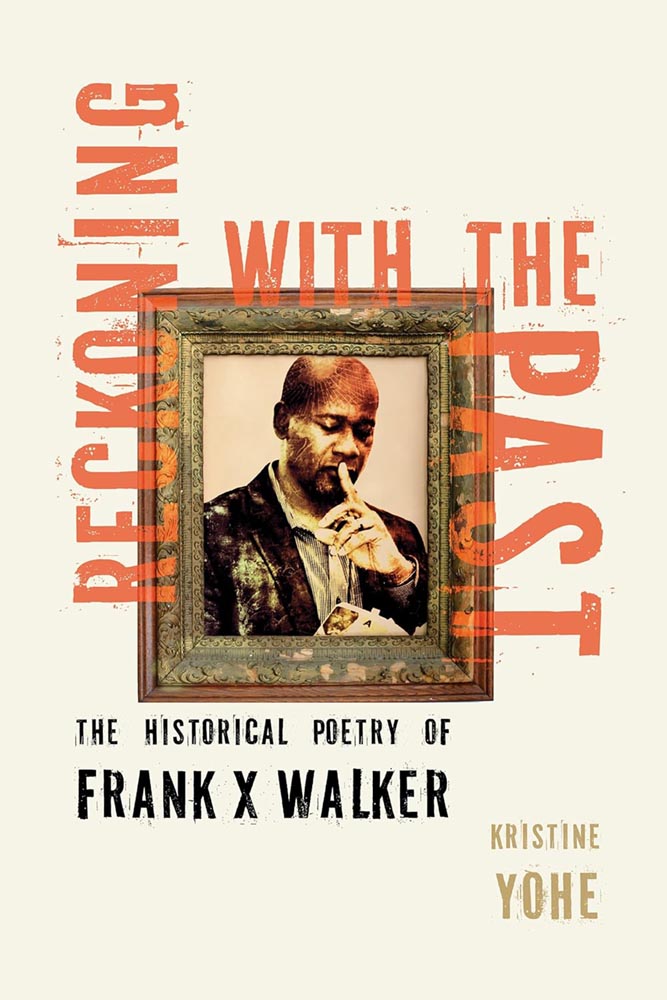
Meanwhile, over at Spine, my monthly column on University Press goodness has been posted, including this:

Cover design by Kat Lynch for the University Press of Kentucky.

Walker, FYI, was the first Black person to be named Kentucky Poet Laureate and coined the term, “Affrilachia.”

More from the Design Department
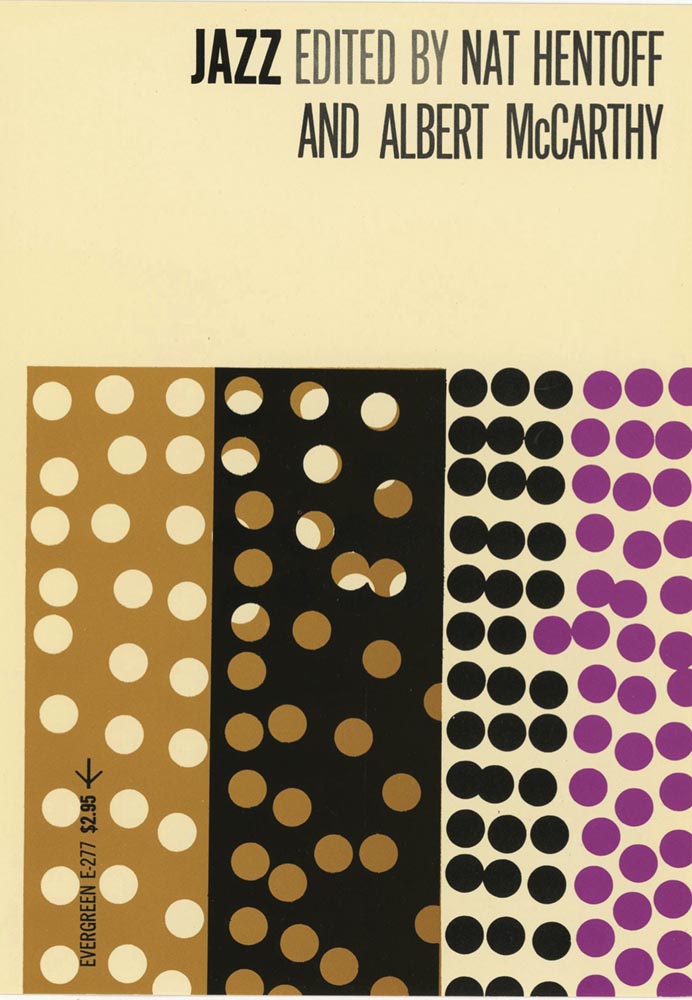
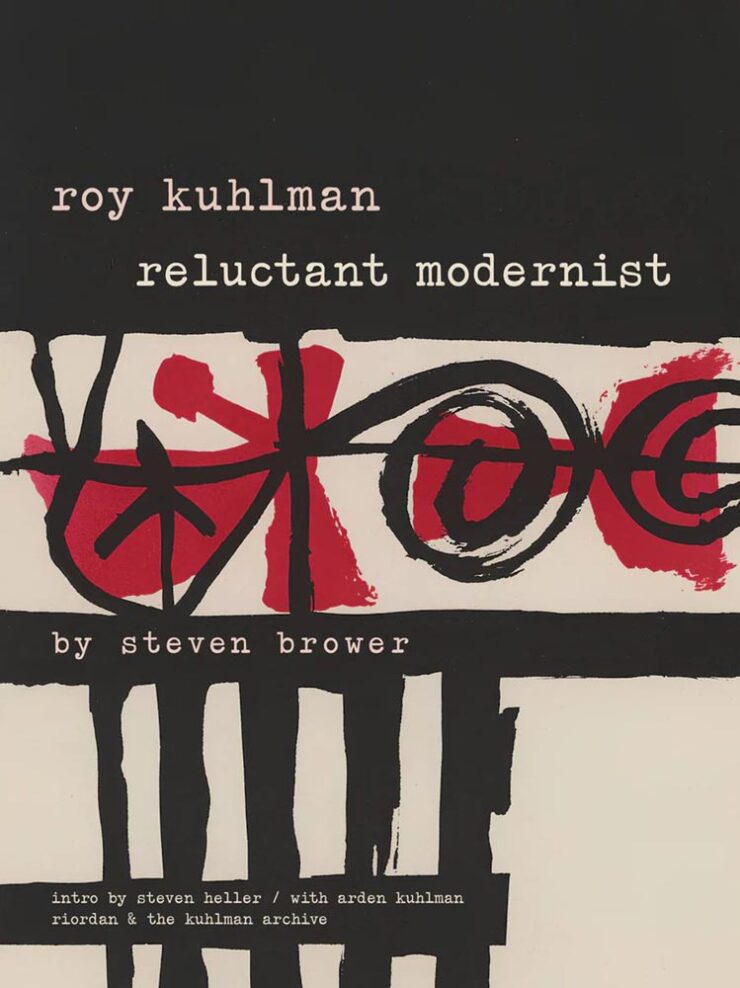
Heller on Roy Kuhlman

Steven Heller’s column in PRINT is always fantastic, but some introduce designers more of us should know by name — this time, Roy Kuhlman:

Cover design by Roy Kulhman.

“He designed almost exclusively for the edgy indie Grove Press, defining its list of literary, critical, philosophical and politically radical nonfiction titles,” Heller writes, discussing a new retrospective (that he wrote the introduction for):

Many of his abstractions tested the reader’s perception. His lexicon of kinetic, morphing shapes was usually rendered in flat colors with painterly and collage randomness. They could stand on their own. But usually, to make them functional, he used simple sans serif or elegant classic serif typefaces; fitting the abstract nature of his manner, he’d frequently draw or paint hand-scrawled titles and subsidiary texts. Much of his work employed two or three colors, as opposed to four-color process — and he was more than adept with limitations.

— Steven Heller, PRINT

Very cool. See the rest.

January Typeface Favorites

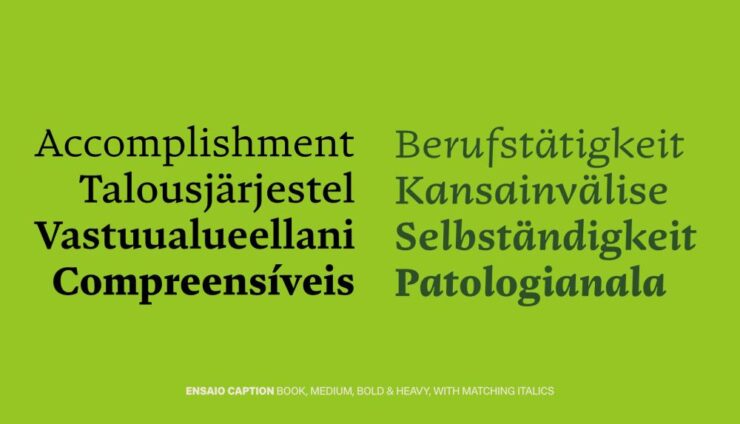
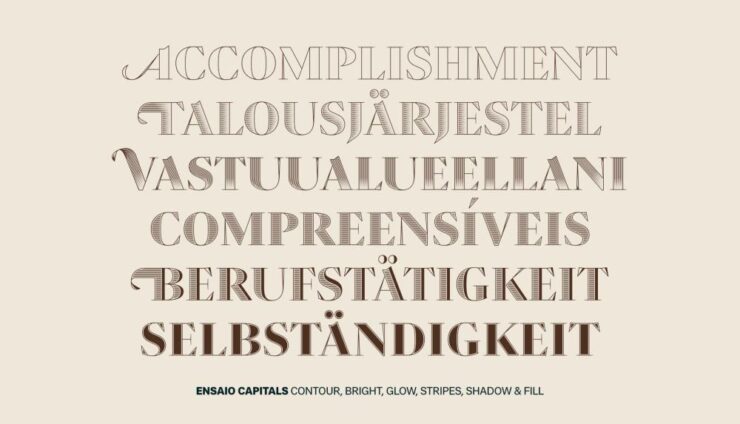
Speaking of CreativeBoom, their regular feature on new typefaces has several that I like. Let’s start with the elegant Appeal, by new foundry We Type:

Next up, the old-style, almost-evokes-needlepoint Bárur, by MNDT Type:

Another new foundry, Designomatt, brings us the neat and “unpretentiously functional” Stróc:

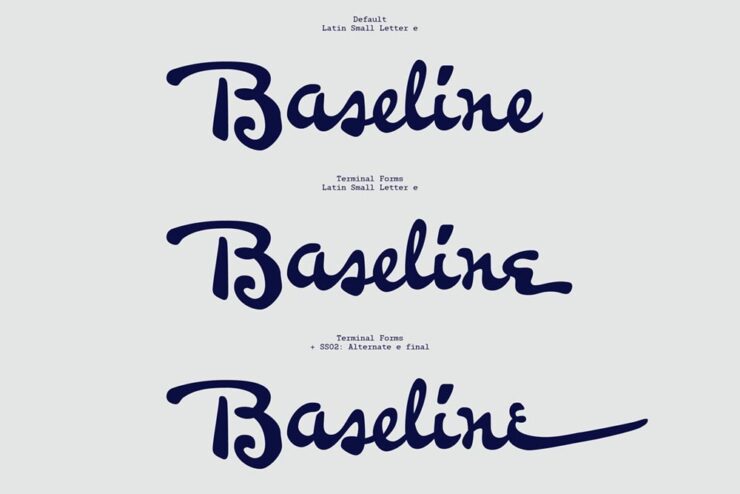
The last to highlight is probably my favorite of the bunch, this cool and well-executed script called Pennline, from The Northern Block. It’s a “meticulous resurrection of Bulletin — a script first cast in 1899 by Philadelphia’s Keystone Type Foundry — demonstrat[ing] how historical preservation and contemporary utility can coexist when approached with respect and imagination.”

See ’em all — type joke intended — at CreativeBoom.

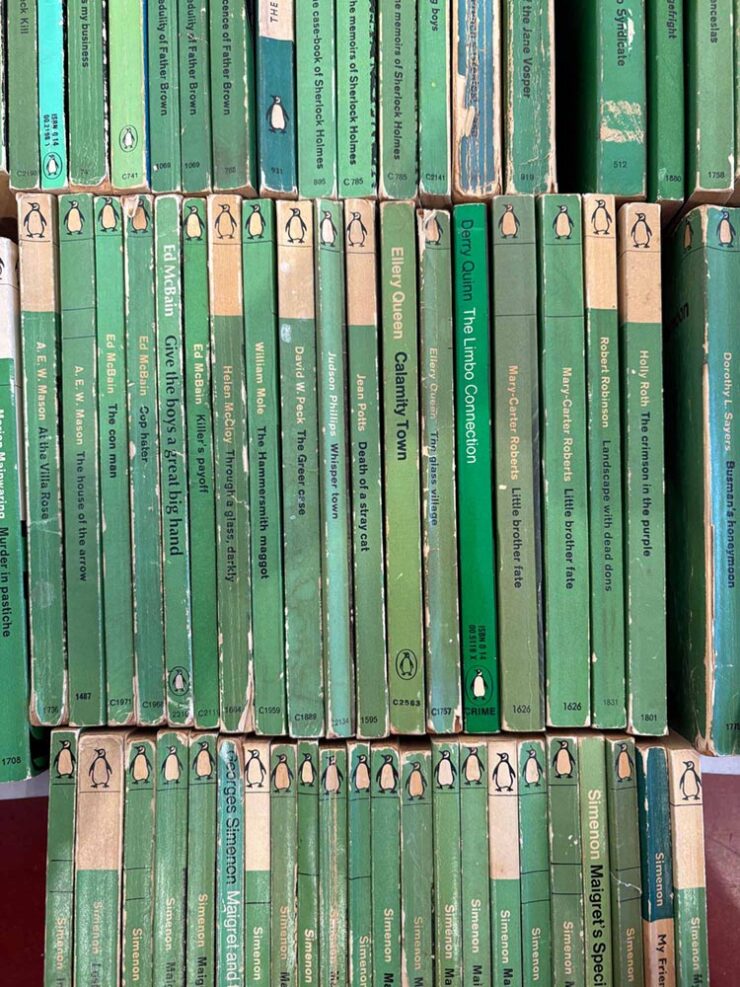
Faber Editions: Just My Type

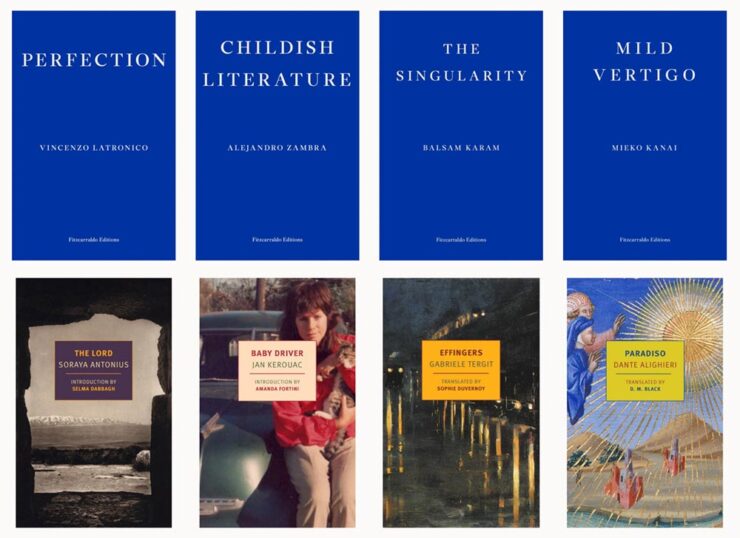
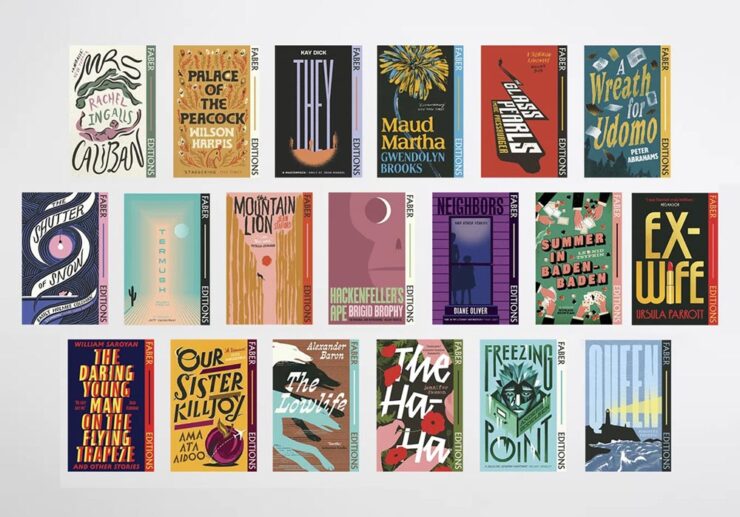
It’s Nice That has a great feature on the new — actually, newly-revisited — Faber Edition titles, with their primarily type-driven cover designs:

“In an industry that can often be focused on newness, Faber Editions is a great reminder of the groundbreaking literature that’s come before us, and a clear indicator of the importance of the artwork the words sit within,” writes Olivia Hingley.

Cover design by Bill Bragg.

Faber is a UK publisher, so while these covers could be excellent because they’re British — see several examples of the US vs. UK titles in the favorites post — I’m just going to call the style interesting, the “look” of the complete series compelling, and the resulting work excellent. Read on.

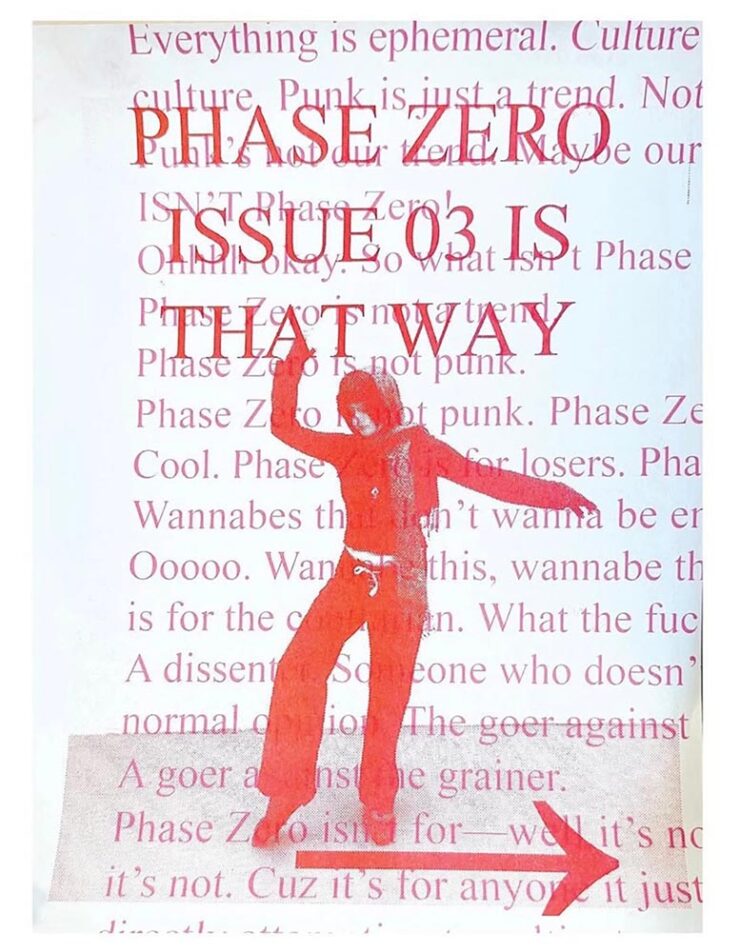
Special Bonus #2: “The graphic trends you’ll want to bookmark for 2026,” also from It’s Nice That. In short: lo-fi, anti-trends continue:

© Maya Valencia & Sydney Maggin, Phase Zero NYC, via It’s Nice That.

In other words, if AI struggles with it — if it’s authentic — it could be a winner. See the specifics.

Special Bonus #3: “AI isn’t the enemy. Our lack of nuance is,” Liz Seabrook writes at CreativeBoom. “The most powerful response is being more human.”

Life in ’26: DDOS? Or Just Velocity?

A few days apart, two new essays caught my attention and wound up feeling relevant enough — significant enough — that I wanted to share. They’re new takes on where we’re at, or, the specifics of “how.”

The first is from new-to-me author Joan Westenberg, discussing a computer term called the Distributed Denial of Service (DDOS) attack:

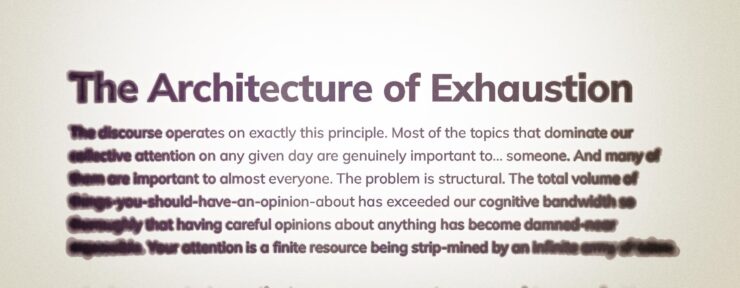
[The] attack works by exhausting resources. It doesn’t need to be clever. It just needs to be overwhelming. The target’s defenses are simply overrun. The server can’t distinguish between legitimate requests and attack traffic because, in a sense, all the traffic is legitimate. The attack succeeds when the system has spent so much energy processing requests that it can no longer serve its actual function.

— Joan Westenberg, “The Discourse is a DDOS”

Does that sound like it might apply to life in the ’Twenties? Yeah.

The old media ecosystem had gatekeepers, and those gatekeepers were often stupid or corrupt, but at least the stupidity and corruption were bounded. There were only so many column inches in the New York Times, only so many minutes of evening news. A finite supply of attention-worthy items existed, and someone had to decide which ones made the cut. That selection process was biased and imperfect, but it performed an important function: it told you, implicitly, that you didn’t have to have an opinion about everything. Most things that happened in the world weren’t important enough to make it into your awareness at all. Local political disputes in New South Wales? Nobody in Washington DC gave a [crap], and vice-versa. This was as close to optimal as we’ve ever got.

But the gatekeeping function has now been distributed across millions of individual users, each of whom can boost any piece of content into viral prominence if it happens to resonate with the right combination of tribal anxieties and engagement incentives. The feed is infinite, and every slot in the feed is optimized to make you feel something strongly enough that you’ll engage with it. Outrage works, and so does fear. Disgust works, and righteousness
really […] works. Nuance and careful reasoning don’t work at all, because by the time you’ve finished a thought that begins with “Well, it’s complicated…” someone else has already posted a much simpler take that makes people feel validated, and the algorithm has moved on.

— Joan Westenberg, “The Discourse is a DDOS”

Om Malik, long-time in-the-trenches tech nerd (and fellow Leica enthusiast), completely agrees:

Authority used to be the organizing principle of information, and thus the media. You earned attention by being right, by being first in discovery, or by being big enough to be the default. That world is gone. The new and current organizing principle of information is velocity.

What matters now is how fast something moves through the network: how quickly it is clicked, shared, quoted, replied to, remixed, and replaced. In a system tuned for speed, authority is ornamental. The network rewards motion first and judgment later, if ever. Perhaps that’s why you feel you can’t discern between truths, half-truths, and lies.

— Om Malik, “Velocity Is the New Authority. Here’s Why.”

Westenberg has a suggestion I wholeheartedly recommend:

What I do know is that the feeling of being overwhelmed, of never being able to keep up, of having strong opinions about everything and confident understanding of nothing, is not a personal failing. It’s a predictable response to an impossible situation. Your brain is being DDoS’d, and the fact that you’re struggling to think clearly under that onslaught is evidence that your brain is working normally. The servers aren’t broken. They’re overloaded. And until we figure out how to reduce the load or increase the bandwidth, the best any of us can do is recognize what’s happening and try, when possible, to step away from the flood long enough to do some actual thinking.

— Joan Westenberg, “The Discourse is a DDOS”

“Find one topic,” she says, and start there. Get with experts, get evidence, get uncomfortable, actually get into it … but just get into that one.

And stay true to the idea that it shouldn’t — can’t — get away from you.

I get some feedback for my lack of participation in social media. I don’t hate social media; if anything, the past few weeks of mayhem organized resistance in Minneapolis proves it has a place. But I long ago heeded advice to narrow my focus. Instead of burying my head in the sand — tempting though it may be at times — I choose to concentrate on those things that a) really hold interest and b) things I actually want to be part of my life.

Both of these essays summarize the situation well, and both offer insights on how we got here. Westenberg’s offers good advice. When you have a spare few minutes, read both.

(DDOS article via Doc Searls, whom I don’t link to often enough. Om’s article via Daring Fireball.)

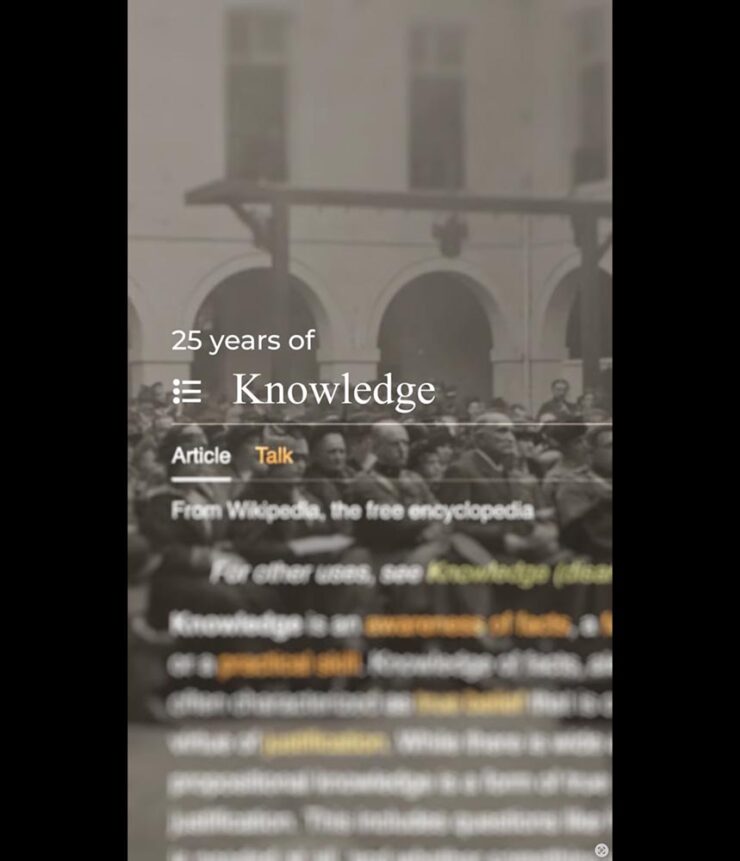
Wikipedia Turns 25

Let’s please turn to something that the Internet does right.

Whenever I worry about where the Internet is headed, I remember that this example of the collective generosity and goodness of people still exists. There are so many folks just working away, every day, to make something good and valuable for strangers out there, simply from the goodness of their hearts. They have no way of ever knowing who they’ve helped. But they believe in the simple power of doing a little bit of good using some of the most basic technologies of the internet.

— Anil Dash, “Wikipedia At 25: What The Web Can Be”

“When Wikipedia launched 25 years ago today, I heard about it almost immediately, because the Internet was small back then, and I thought ‘Well… good luck to those guys,’” Dash writes.1I, too, remember those days of a small Internet — not a young person anymore. While I miss the community it felt like, the resources available today, of which Wiki might be at the fore, are without parallel. But it’s grown into something something amazing: the encyclopedia that’s free in every sense of the word.

One of the YouTube shorts published by Wikimedia Foundation.

Like countless others, I value being a contributor, in an incredibly small way, to the collective effort that is Wikipedia. Indeed, editors “span continents, professions and motivations,” a CreativeBoom article writes. “Together, their stories underline that, even in an age of AI, knowledge is still human and it still needs humans.”

“The site is still amongst the most popular sites on the web,” Dash agrees. “[B]igger than almost every commercial website or app that has ever existed. There’s never been a single ad promoting it. It has unlocked trillions of dollars in value for the business world, and unmeasurable educational value for multiple generations of children.”

Of course, all is not perfect. Like Universities, DEI, and whatever else, Wikipedia has become a target; Grokipedia, for instance, exists specifically to undermine Wiki’s centrality and success. (And, it’s important to note, Groki used Wiki as a basis … because it’s open and freely available. No hypocrisy.)

In fact, so many rely on Wikipedia that access has become a thing. Luckily, some large enterprise users of the site have recognized that the trillions they’ve earned as a result of having access to Wiki’s collective knowledge is worth paying for:

[T]he Wikimedia Foundation announced API access deals with Microsoft, Meta, Amazon, Perplexity, and Mistral AI, expanding its effort to get major tech companies to pay for high-volume API access to Wikipedia content, which these companies use to train AI models like Microsoft Copilot and ChatGPT. […] In April 2025, the foundation reported that bandwidth used for downloading multimedia content had grown 50 percent since January 2024, with bots accounting for 65 percent of the most expensive requests to core infrastructure despite making up just 35 percent of total pageviews.

— Benj Edwards, Ars Technica (15 Jan 2026)

Anil Dash best finishes up: “Twenty-five years later, all of the evidence has shown that they really have changed the world.” I couldn’t agree more.

Happy 25 to Wikipedia. May there be countless more.

Special Bonus #4: In an excellent article, Ars calls 2025 “the year AI came back down to Earth.” And while we’re on the subject of excellence, Cory Doctorow’s essay for The Guardian applies.

Cory Doctorow in The Guardian.
Follow-Up: BMW Alpina and Honda Formalize Logos

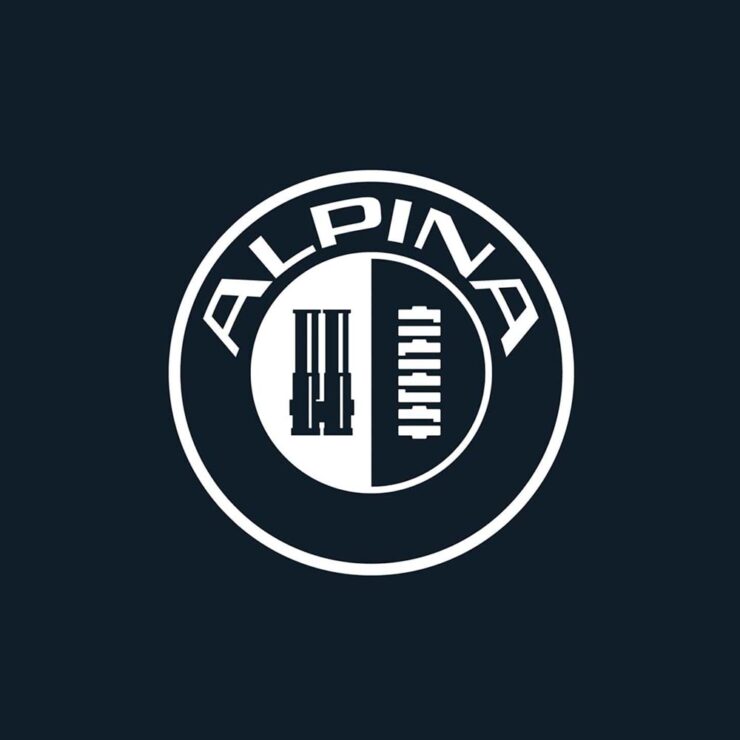
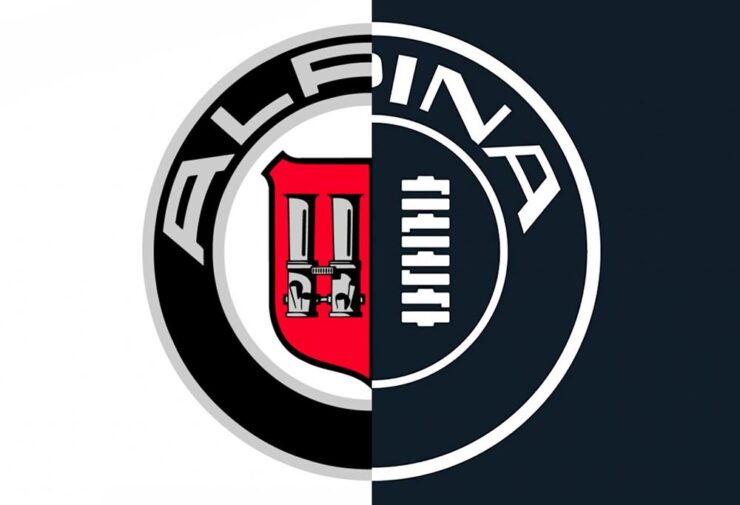
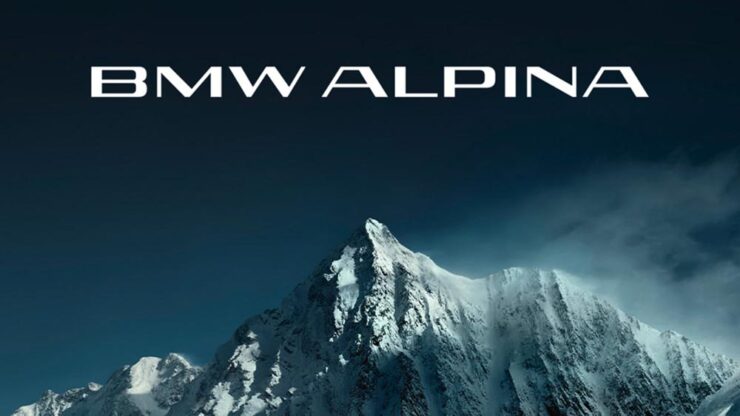
Alpina, for formerly-independent tuner of BMW cars (and SUVs), has, as of the first of this year, officially become a division of BMW, akin to MINI or Rolls-Royce. With it comes a new logo — well, at least, this:

Conservative, cool, collected. Definitely part of a bigger corporation now.

That’s slightly different that what I covered back in June of 2023; the “A” is less dramatic, probably for the better. BMW calls the new logo “calm and confident,” saying the upcoming models will “master performance and comfort.”

[Alpina] recently entered into an agreement to be purchased by BMW itself, not unlike AMG becoming part of Mercedes-Benz; starting in 2026, they are scheduled to represent the middle ground between BMW and Rolls-Royce — hopefully continuing the comfort, power, and style. It seems that the new ground will be the upmarket models only (that is, no 3-series-based items, and possibly even no 5-series), so think of items $200,000 and up.

— Beautifully Briefed, June 2023

Here’s the old logo, for reference:

Alpina’s now-old logo: exhaust and crankshaft, sir. Nuthin’ like it.

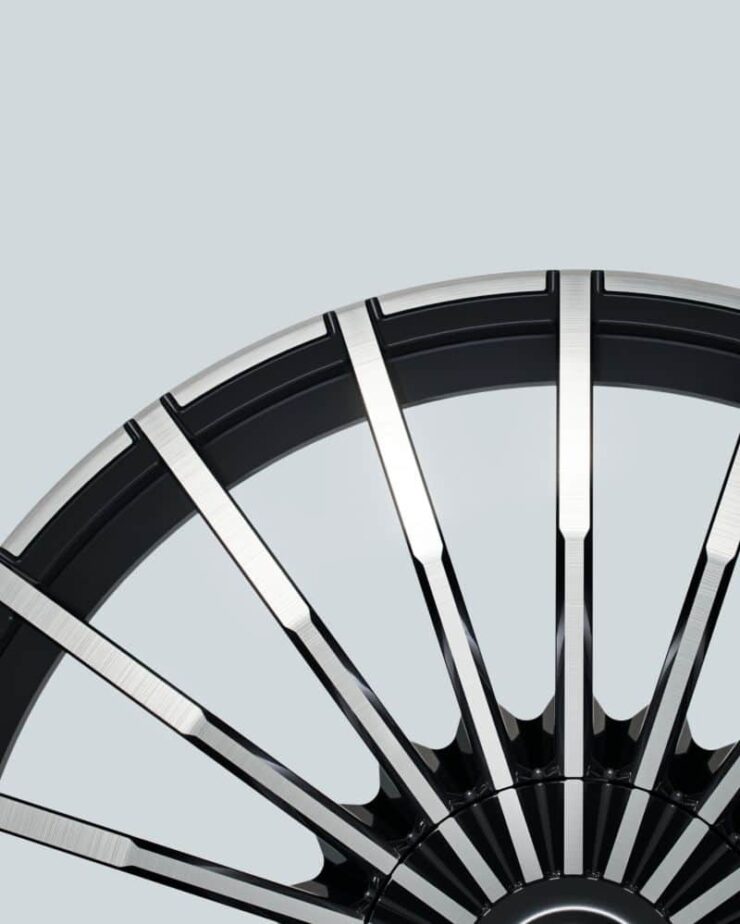
And: they’re going to update the wheels!

Photo via BMW Blog.

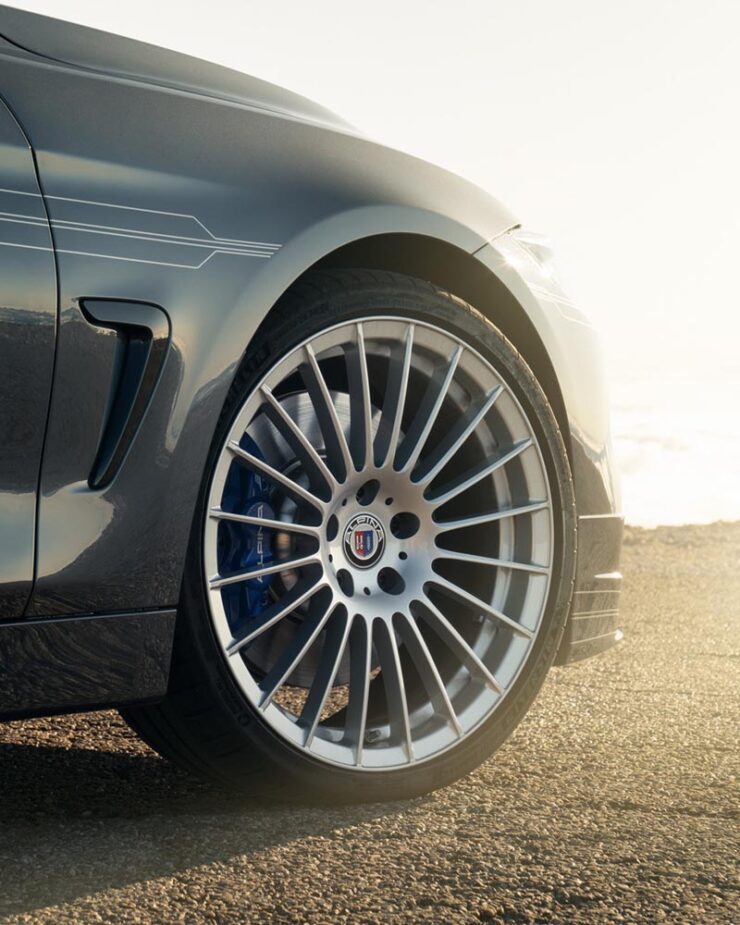
As someone who’s become much more familiar with Alpina in the ten years I’ve owned BMWs, these wheels are iconic. Here’s the existing version, on one of my favorite pieces of unobtainium:

Photo via BMW Blog.

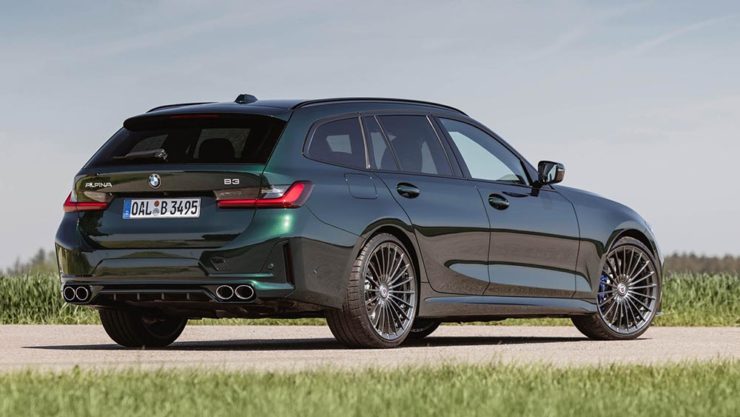
That’s a 2016 Aplina B4 BiTurbo Coupé, by the way. Not quite my favorite B3 Touring, but in either case, “drool” doesn’t quite cover it. (Neither were available in the States.)

Curious to see whether this is successful. Expectations are high.

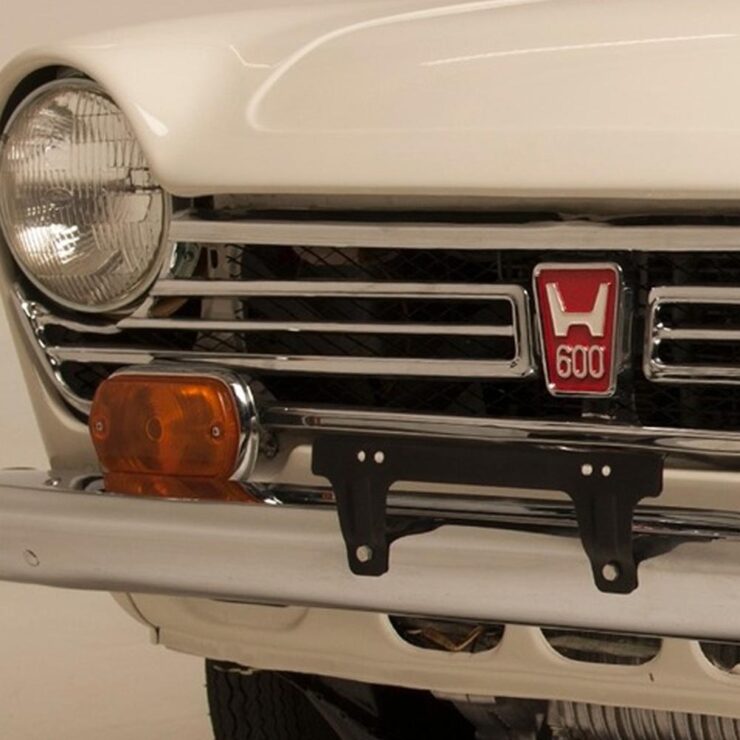
The “old” H logo, shown on a 1971 600. (See wiki for more info.)

Meanwhile, Honda initially said — and I reported, two years ago — that their new, slightly-retro “H” logo would be limited to electric cars. Of course, electric as a strategy has changed; they decided this month to make it official for all their cars.

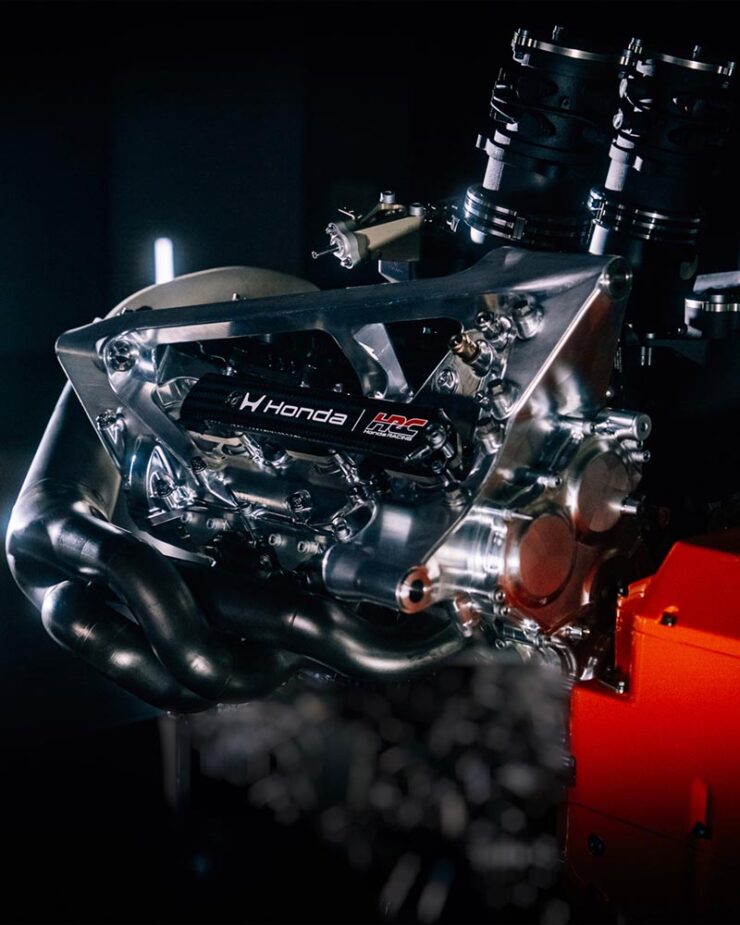
Motorsports, too. Here’s their F1 engine with the new logo:

Photo via The Drive.

I love that both Honda and BMW are, at their heart, engineering companies.

Get the full story on BMW Alpina at Dezeen or BMW Blog (logo, wheels). Honda’s details are available at The Drive (logo, F1) or The Autopian, where you can enjoy some sharp commentary on Honda’s press release.

January Photography Round-Up
2025 Architecture Master Prize
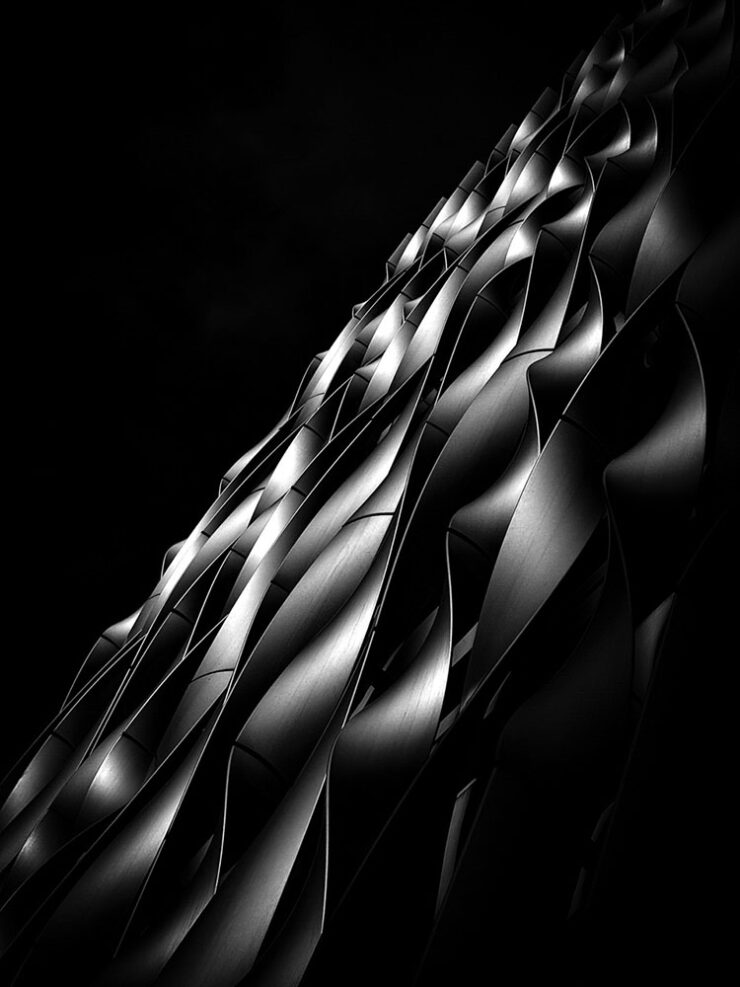
“Arbour House.” Photograph by Younes Bounhar (Interior Architecture).

I suppose it’s no surprise that an architectural photography selection tops this round-up, but the annual Architecture Photography MasterPrize highlights “compelling perspectives on buildings, cities, landscapes, and interior spaces, revealing the rich visual language of the built environment.”

In other words, “catnip.”

“Details (Series).” Photograph by Guanhong Chen (Other Architecture).

There’s a huge variety of winning photographs, from professionals, amateurs, and students alike — all excellent. (They have awards for designs, firms, and products, as well.)

“Mustras,” Sardinia. Photograph by Barbara Corsico (Exterior Architecture).

I can’t possibly cover them all, but can provide links: photography winners, honorable mentions, student winners, and winners by country. Both Archinect and PetaPixel have stories. Enjoy!

Two Photographers, Highlighted
Photography by Dennis Lehtonen.

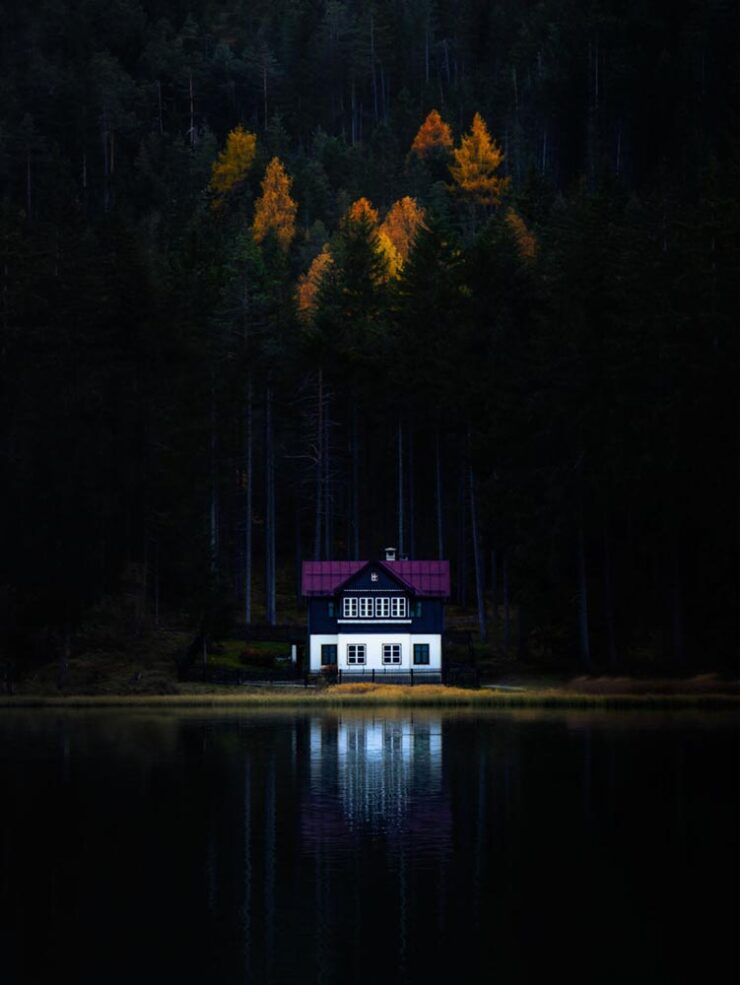
Neither drone images nor folks who primarily post to social media usually get featured here, but these images of Greenland are both timely and excellent. This is Colossal has a great selection of items from photographer Dennis Lehtonen.

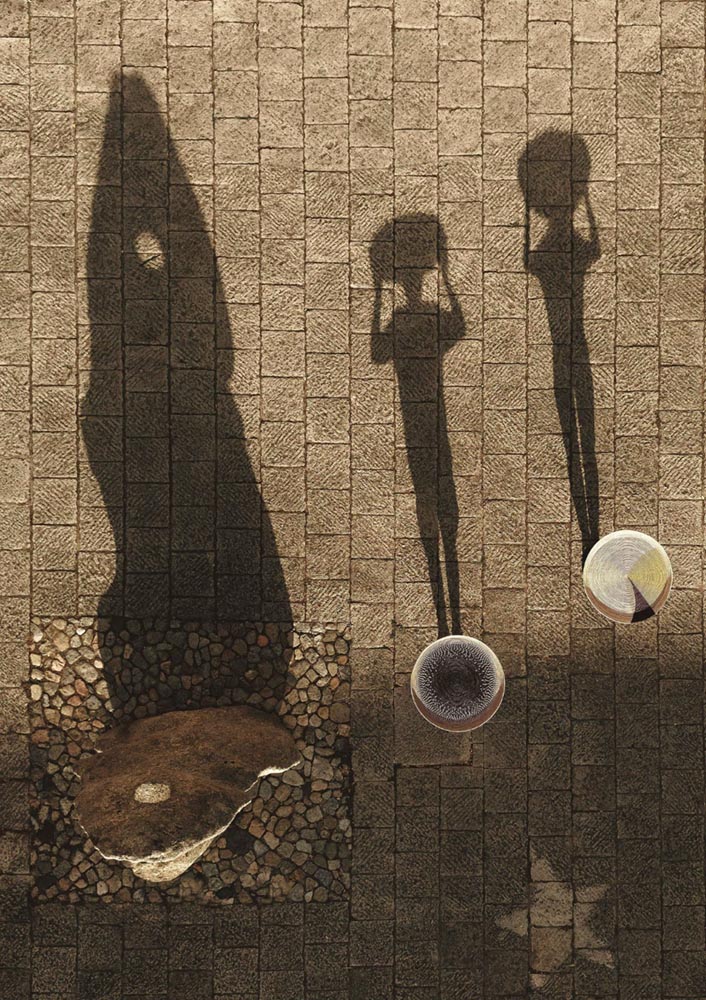
“From Alps to Andromeda.” Photograph by Tom Rae.

“My photography style is rooted in landscape and night photography, with an emphasis on atmosphere, scale, and a strong sense of place. I’m drawn to environments that feel raw, remote, and otherworldly,” Tom Rae relates to PetaPixel. Otherworldly feels just right: good stuff.

Society of Photographers’ Photographer of the Year 2025
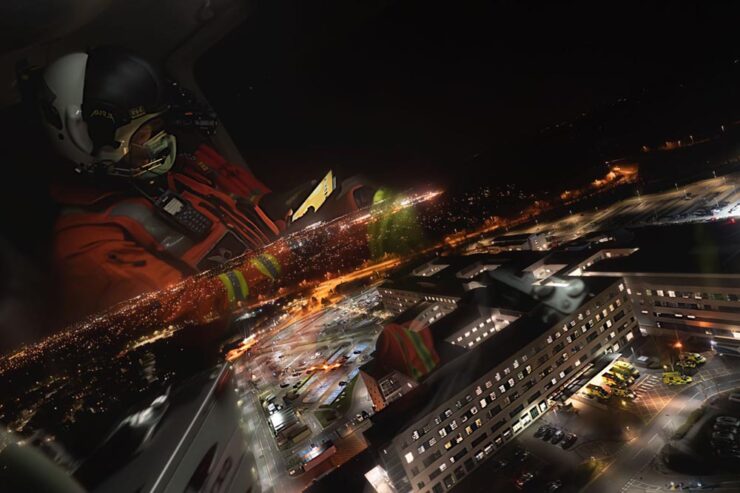
Photograph by Terry Donnelly.

I also usually don’t cover documentary-style photography — see narrow focus, discussed above — but there were several documentary-style photographs in this set of award winners that were excellent, including this Medivac flight from the UK.

However — thankfully — there were more categories:

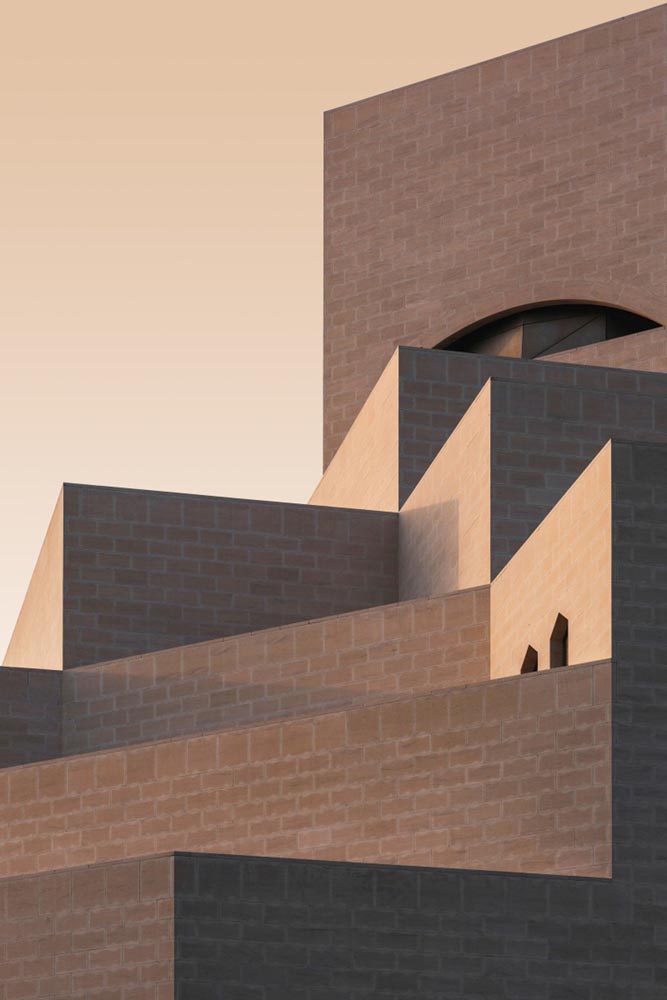
Photograph by Mark Scicluna.

It’s the winner in the “travel” category, because apparently they don’t have one called “dramatically soothing.” No matter the labelling, see the rest of the winners at PetaPixel or head over to the Society’s website for more.

Finally: Some Cats

Speaking of catnip, let’s close out with something that purrs — in soprano:

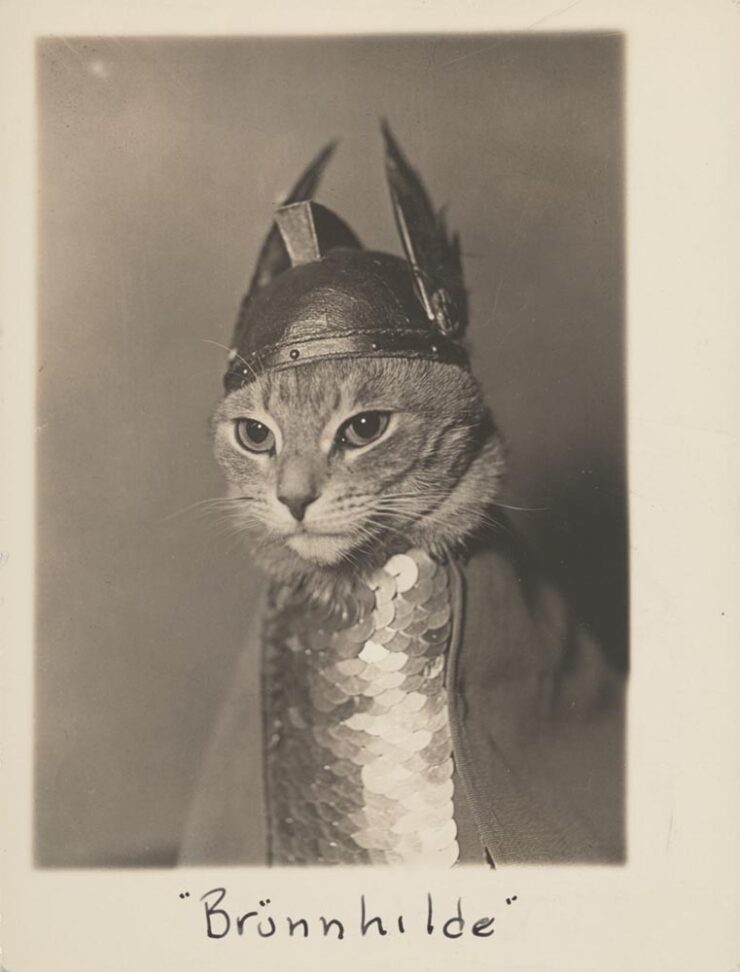
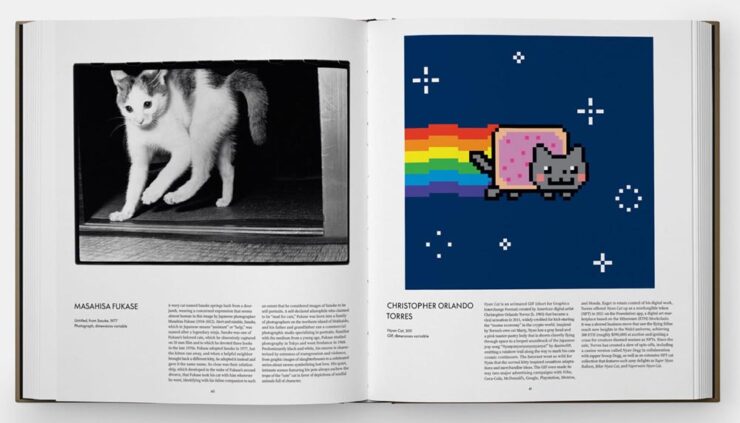
Let’s not go ’round and ’round: that deserves framing. Or at least publication. Thankfully, Phiadon has you covered:

A “whimsical visual survey of the house cat in art and popular culture, exploring humanity’s enduring connection to one of our most loved animal companions.” Awesome. (Via This is Colossal.)

Have a great February, everyone!

  • 1
    I, too, remember those days of a small Internet — not a young person anymore. While I miss the community it felt like, the resources available today, of which Wiki might be at the fore, are without parallel.

Beautifully Briefed 24.3: Bloomin’ Breadth

The end of March here in Middle Georgia means flowers aplenty, and usually with that, some photography — but I’ve not yet had a chance. (Stay tuned.) I have, however, been saving up links o’ interest: fonts, books, photography, and new(ish) car logos. Let’s go!

Kottke Meets 2024

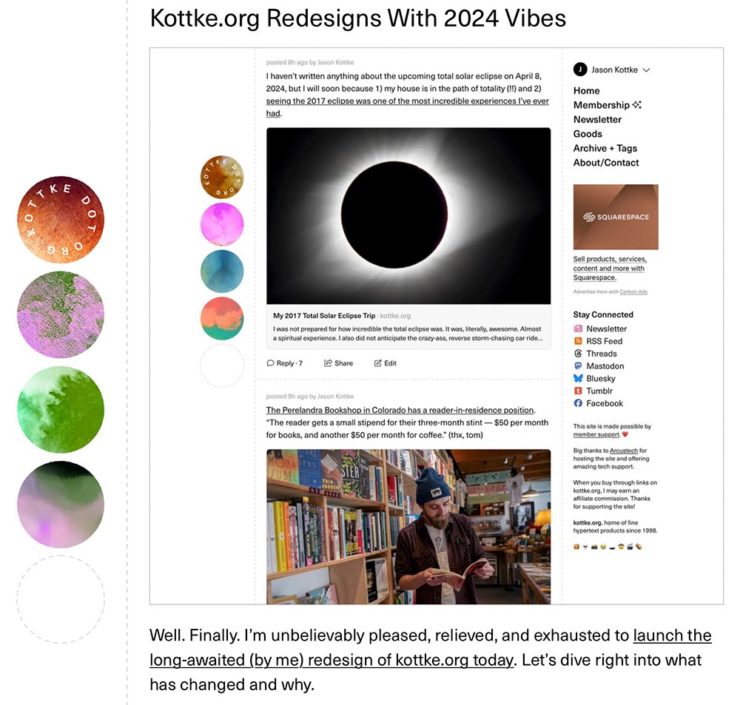
Starting with one of the very few places that is still around from Foreword’s old days, the always-interesting Jason Kottke:

2024 marks Kottke.org’s 26th year on the ’net.

Great new looks for great content, with better Quick Links — the previews are ace — and incredibly-appreciated gift links to places like The New York Times and The Atlantic. If you haven’t been in a while, click and enjoy.

Fab Spring Type

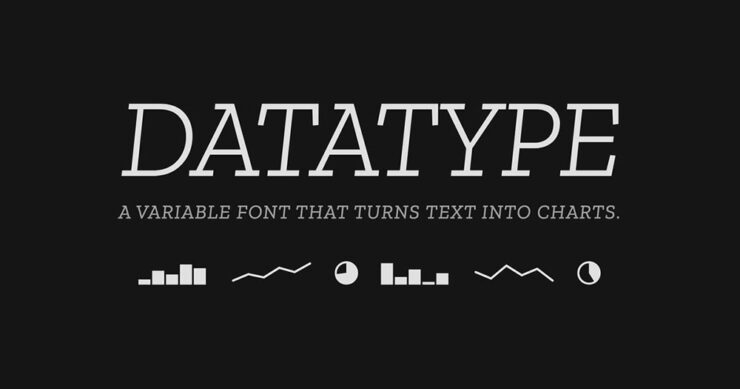
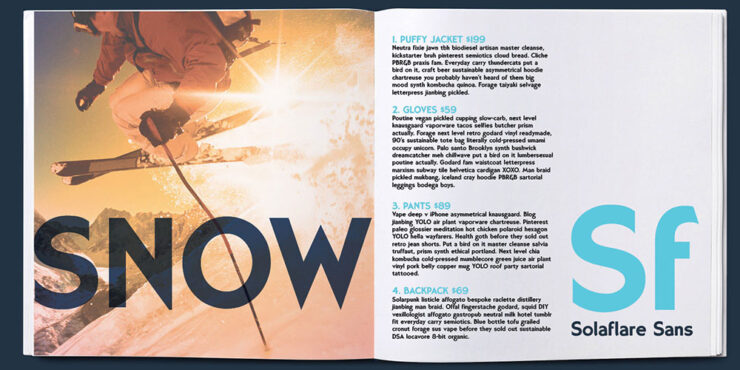
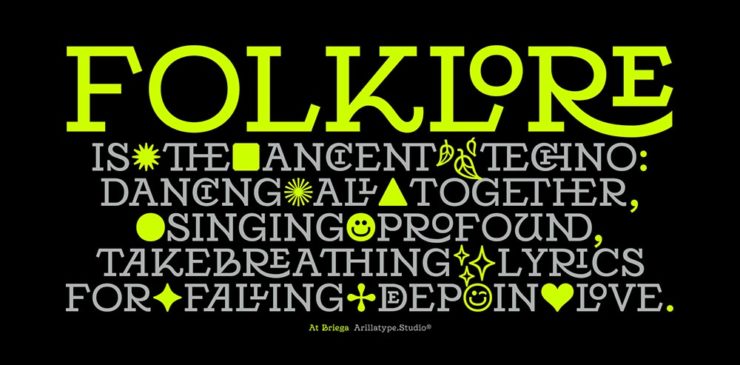
With “a plethora of captivating new typefaces,” CreativeBoom celebrates spring with 11 new faces to tempt, inspire, and bring joy:

Arillatype.Studio brings us a thousand glyphs of greatness.

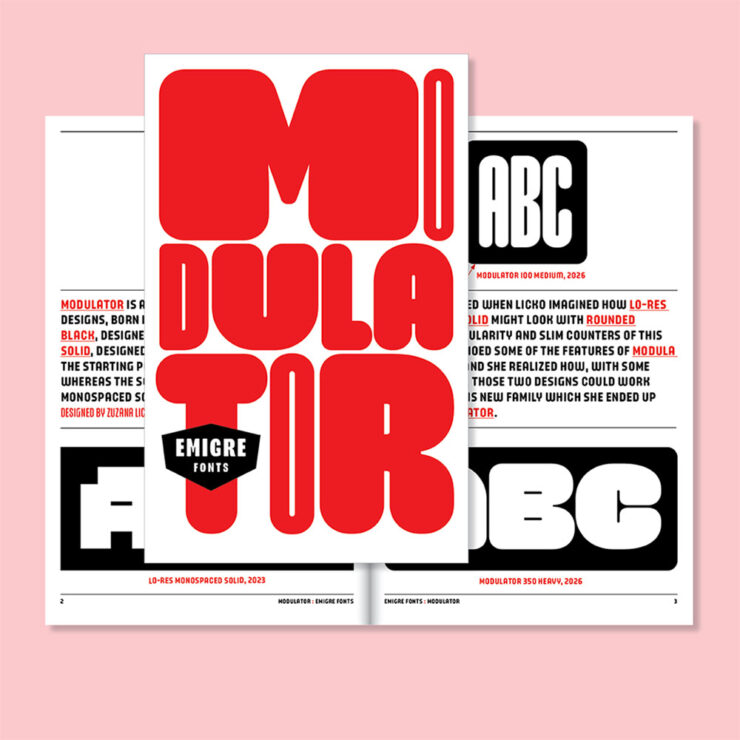
Zanco, with its bell-bottom style; Seabirds, inspired by 1930s book covers; Module, a “fluke side hustle;” and Graffeur, improvised from gaffer tape and glimpsed in this post’s header image, are all great. My far-and-away favorite, though, is At Briega, “inspired by the concept of hybridisation” and shown above.

See ’em all here.

Literary Three-Fer
M.C. Escher’s Lesser-Known Works
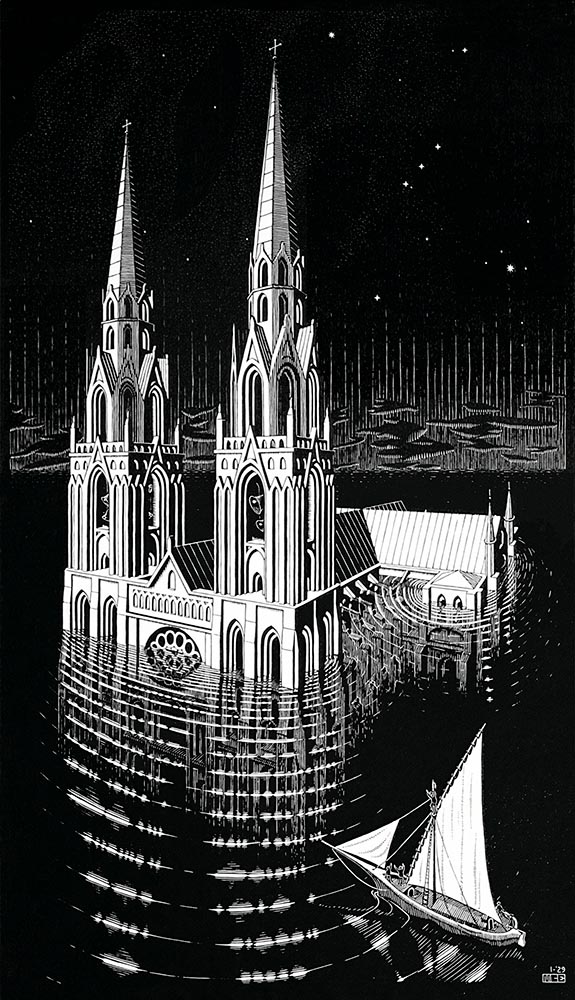
“The Drowned Cathedral,” a 1929 woodcut.

“Unique perspective” never does justice to someone whose name defines the term. See some never-before-seen images alongside old favorites in a new Escher book highlighted at Hyperallergic.

Multidimensional Libri

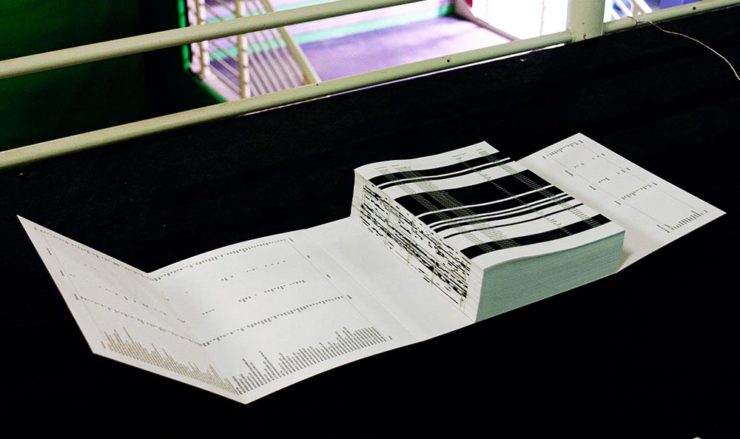
“Experimental books are flourishing, [a]nd the evidence is seen” in this Daily Heller from PRINT: a traveling exhibition on three-dimensional books, all published titles.

Oh, those Italians. Read on.

Book Design Snobbery
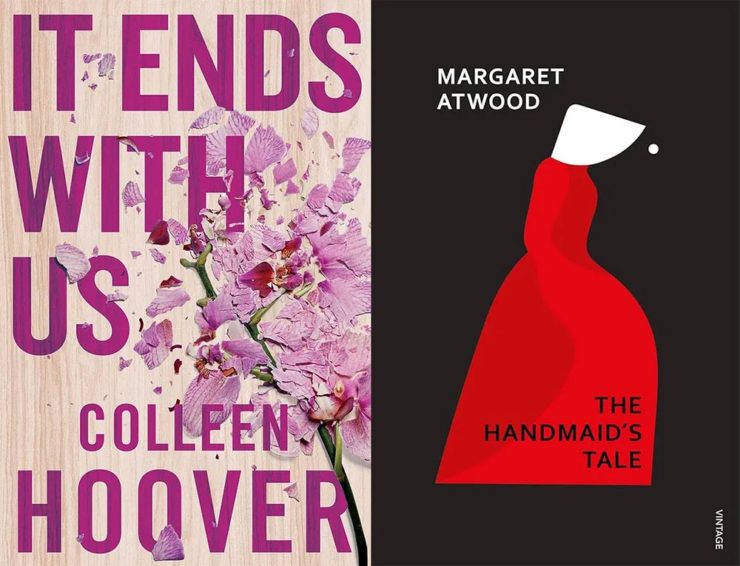
Hoover vs. Atwood — no joke.

“Don’t get held back from the simple pleasures of reading,” argues Natalie Fear at CreativeBloq, “not everything needs to be minimalist.” Justification for commercialism or a common-sense explanation for the bookshelves’ current look? You decide.

Photography Three-Fer
Winners of Monochromatic Minimalism
“Black Pearl” by Sascha Kohne. An honorable mention for the magazine, but a winner for me.

Some incredibly good stuff here — but perhaps more importantly, did you know of Black & White Minimalism Magazine? There’s no end to today’s continued diversification, methinks.

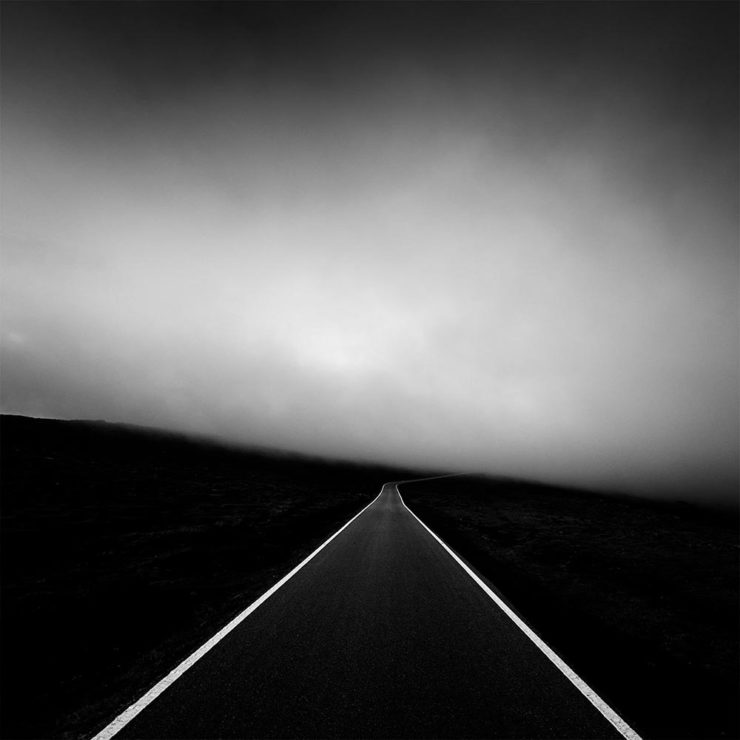
“Traveling through Costa da Morte, Galicia. 600m above sea level where the mountains separate the Cantabria sea from the Atlantic Ocean,” explains third-place winner Alexandre Caetano.
Aging Facades of France

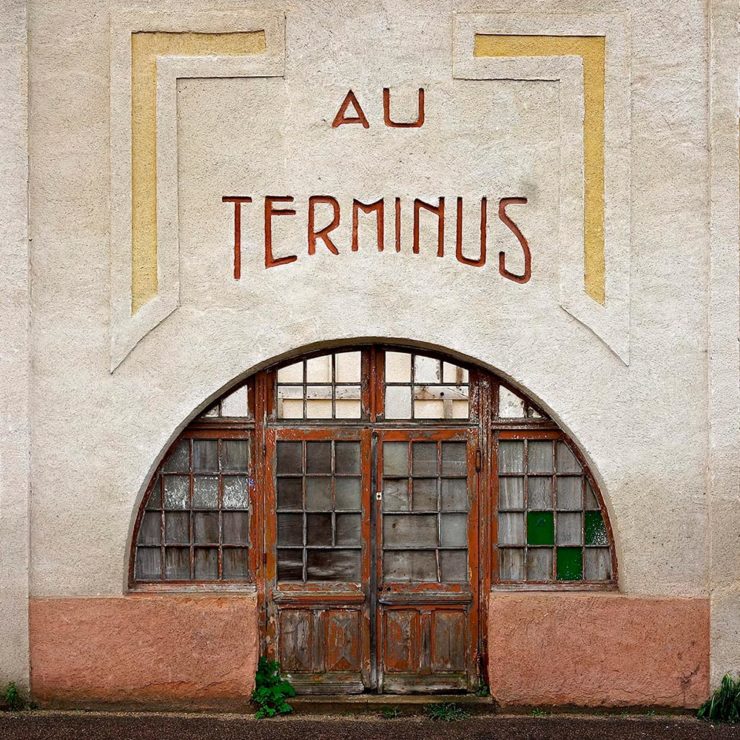
“Shuttered blinds, peeling paint, and aging doors don’t usually indicate an invitation, but for French photographer Thibaut Derien, the fading facades of long-closed shops are well worth a stop,” This is Colossal says.

Sony Photography Awards: Architecture
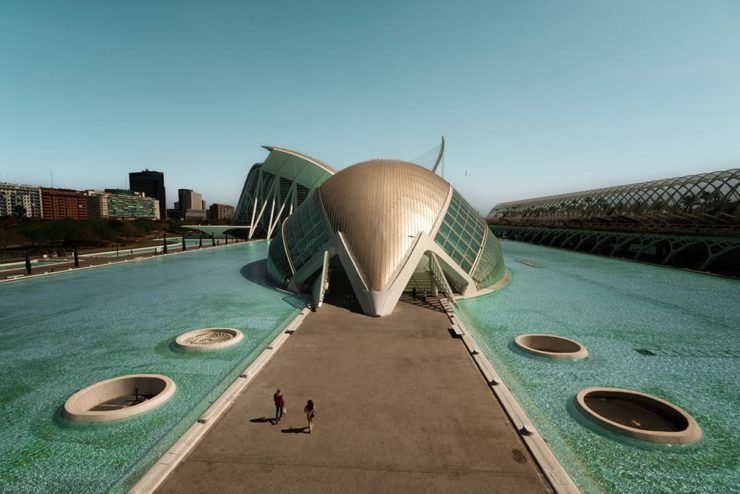
The Ciudad de las Artes y las Ciencias (City of Arts and Sciences) in Valencia, Spain: “Hemispheric,” by Eng Tong Tan, Malaysia.

ArchDaily‘s coverage of the annual Sony awards shortlist announcement was an insta-click.

New Bull: Now Flat. (And a BMW.)

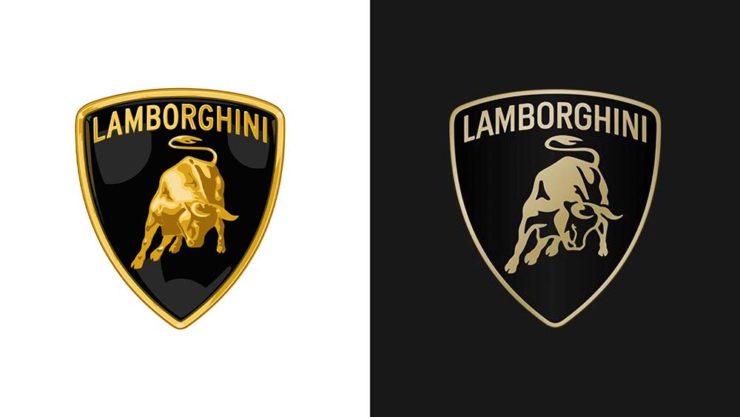
Lamborghini practically defines flamboyant. So it’s worth a link when their logo gets less interesting:

Old logo, left, new, right.

Late at following the industry trend of flat-is-better, because, well, Volkswagen. (Okay, I undersell. Perhaps.) Read the lack of news at Motor11Motor1 also has a decent roundup of new car logos, from 2016-present, which underscores the “flatness” trend. or The Drive, where they manage to convey the brand’s use of the phrase “digital touchpoints.”

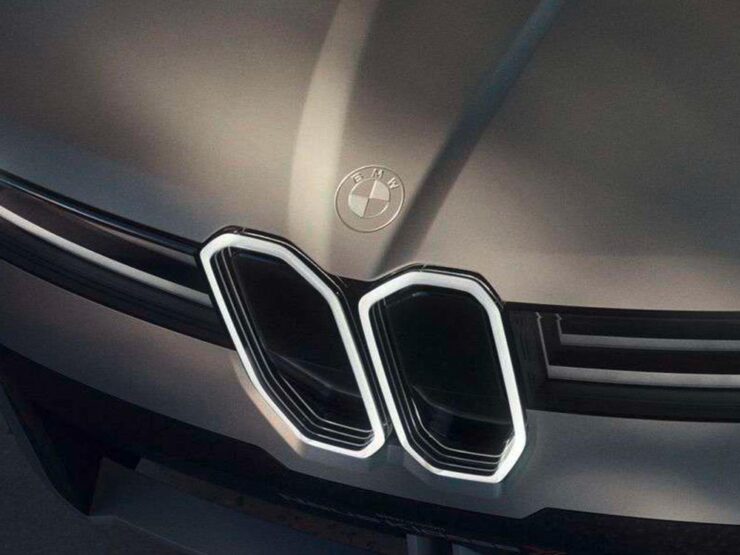
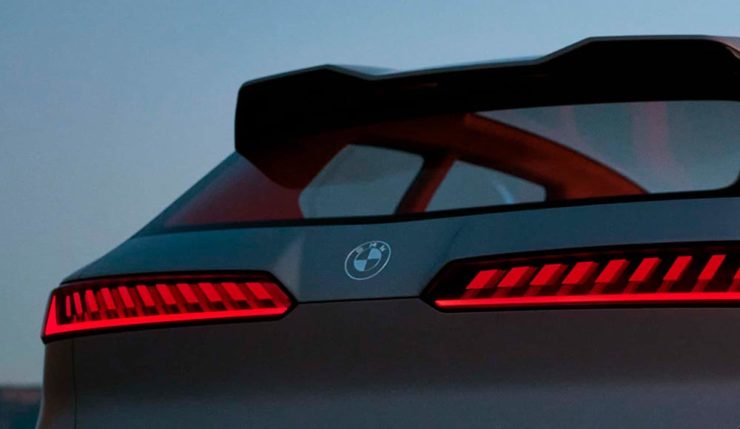
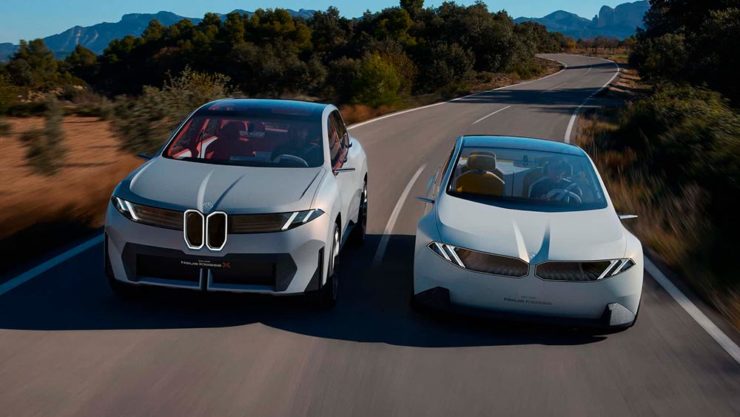
I don’t know whether this will make any more sense in a few or even many months — which is relevant because of BMW. Four years ago, one of the industry’s design leaders expressed strong this new style, and I didn’t get it. But it’s worn better than most, and superlatively on occasion — check out the logo’s use on the Vision Neue Klasse X:

Rather than a standalone, plastic part sitting on the paint, it’s etched into the finish. Man, I hope that makes it into production.

Neue Klasse: do like. Bull? No so much.

Update, 2 April: BrandNew, itself sporting a new look, has weighed in on the new Lambo style, calling it “not good.” (FYI, BrandNew is a subscription, quite possibly the best $20/year someone interested in design can spend.)

  • 1
    Motor1 also has a decent roundup of new car logos, from 2016-present, which underscores the “flatness” trend.

Updated Gallery: Automotive (Details)

Two different photographic opportunities have meant additions to the Automotive gallery recently: some motorcycles in Columbus, and some BMWs at an event in Hampton, a suburb of Atlanta and home to the Atlanta Motor Speedway.

All of these were taken with Leica’s superlative APO 90mm macro (yes, I know, I go on and on about this lens — it’s that good), and almost all are just details — a lens that long in a crowd means leaving the big picture aside in favor of the minutiae. Luckily, that’s a strength of the camera system, and one of my favorite ways to use it.

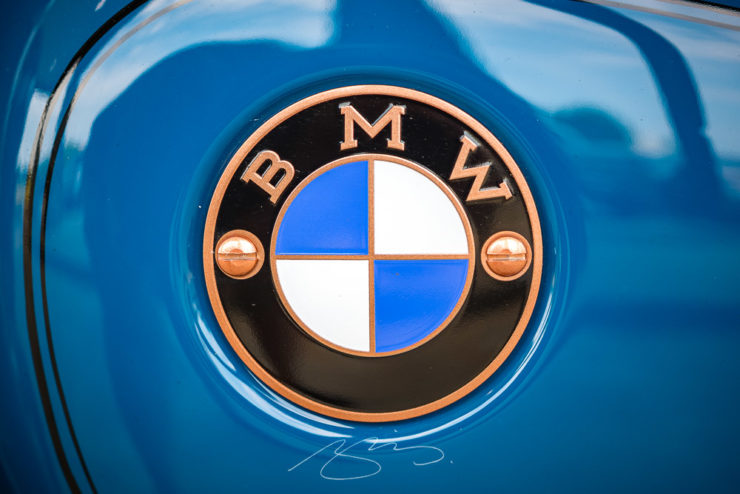
Retro BMW (Motorrad) Roundel
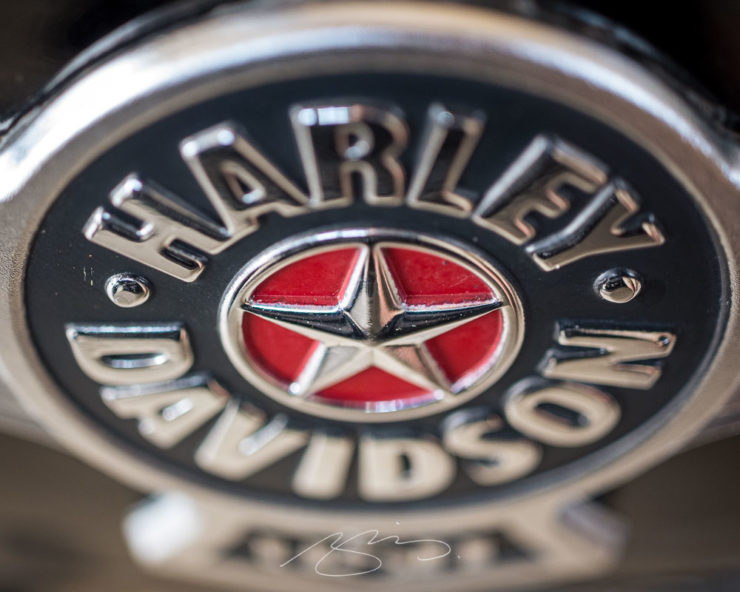
Harley Davidson Star Logo (Detail)

The Harley logo wasn’t one I was familiar with — and it’s great — but the BMW is fantastic in its retro glory, complete with copper screws.

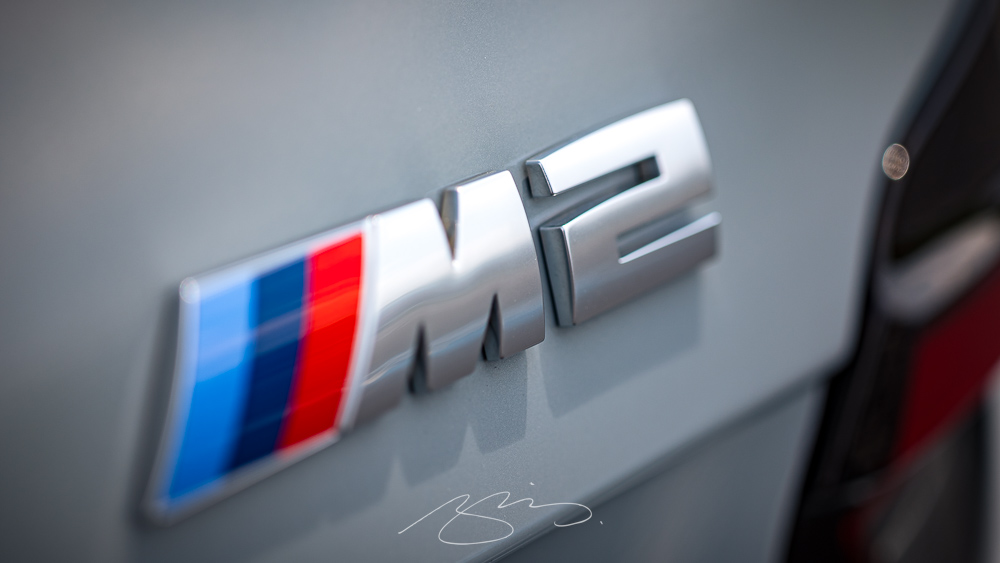
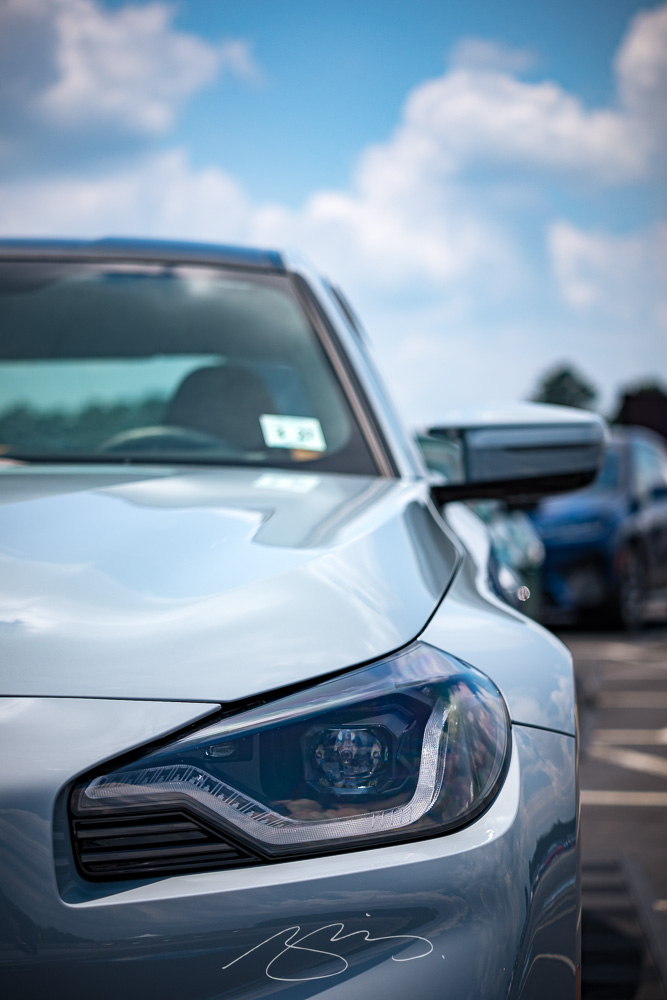
Meanwhile, speaking of BMWs, they hold their Ultimate Drive Experience yearly in the Atlanta area, and Gerald and I are in regular attendance. It was my first time seeing a number of new models, including the new M2:

M2 (Headlight Detail)

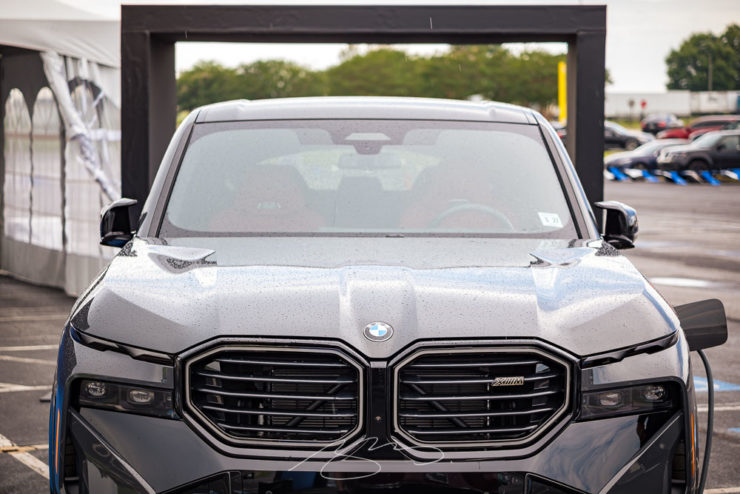
Didn’t like this until I saw it there; it’s a shortened M4 but wide and swollen in all the right ways. However, the undisputed star of the show was the new XM. Like many modern BMWs, it’s better in person — exuding presence:

XM (Charging)

I wish I’d somehow been able to better convey its stance, its proportions, and what I imagine it would look like coming up behind you. Then again, $160k and 664 horsepower will do that. Speaking of horsepower:

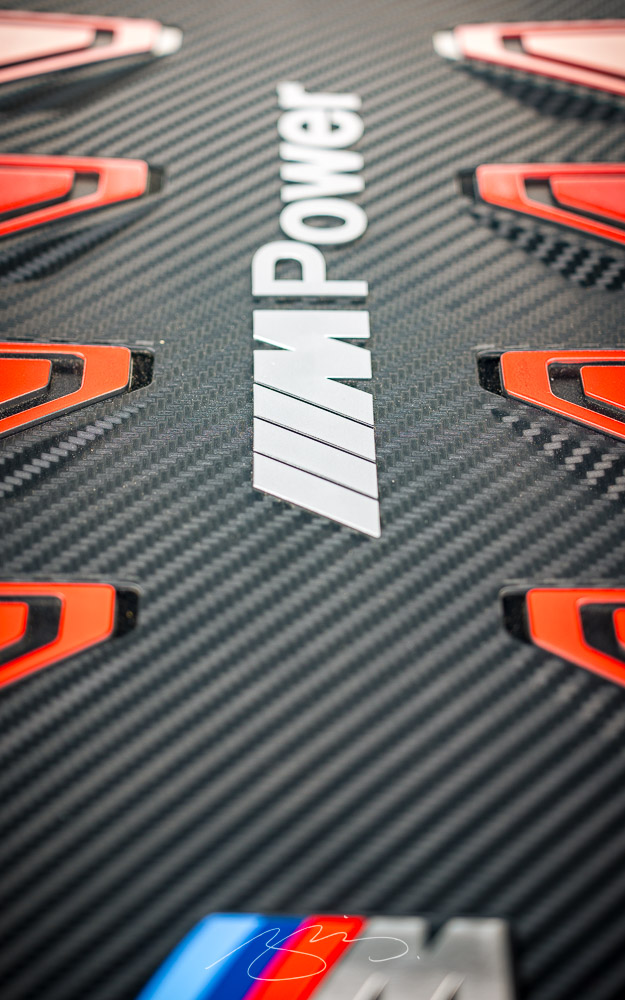
XM (M Power V8 Hybrid)

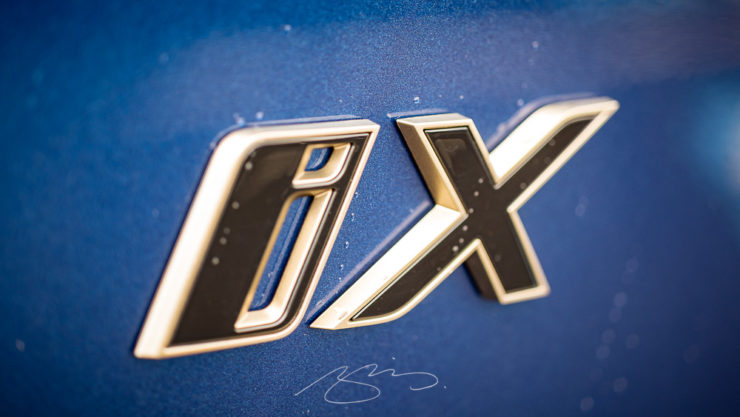
Nuthin’ like a carbon fiber engine cover in a three-ton machine. That said, for both Gerald and I the far-and-away favorite wasn’t the XM but rather the iX:

iX (Badge Detail)

The iX is a little ungainly from some angles, but its battery-powered, carbon fiber goodness is both fast and efficient. Plus, it sports one of the best BMW interiors going right now, and that’s saying something. (Ventilated wool seats for the win, folks.)

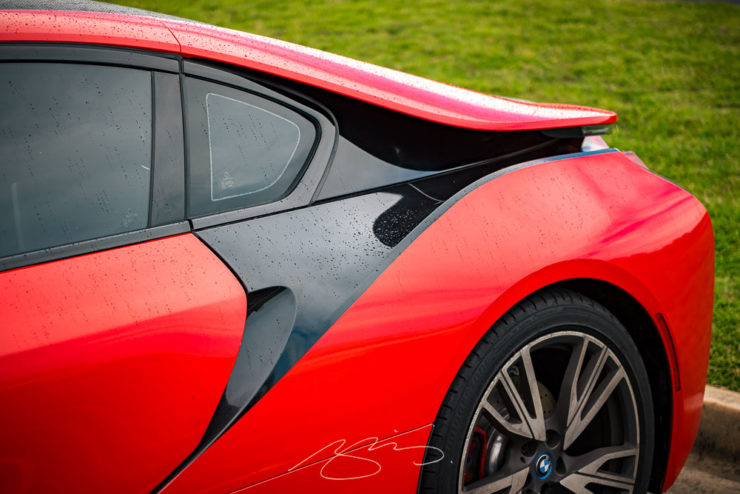
These events usually boast parking lots filled with classics, but either the late Sunday afternoon or thunderstorms kept the older items safely garaged. However, there was a sweet and very bright red i8 gracing the scene:

i8 Swoop

If you’re at all into cars, there are 150 photographs in the automotive gallery waiting for you to enjoy. (As the note says, “some bias may be shown.”)

Have a great weekend!

Update: Gerald had already posted on this, but I didn’t see it in time to link above. Thanks, man!

Beautifully Briefed 23.6 Follow-up: New Automotive Logos

Within literal days of my writing that we should be done with the automobile companies’ logo updates, we got three. (Well, two and a preview.) Details follow.

Infinity

Back in the early ’90s, Nissan introduced a premium brand called Infiniti. Following the likes of Lexus (Toyota) and Acura (Honda), Nissan wanted a piece of the upscale action and knew that a public that still remembered Datsun would need convincing.

So they embraced the home country: Japan. They leaned heavily into the distinctive style and craftsmanship; their initial products were different and put up an interesting argument when compared to (especially) Lexus.

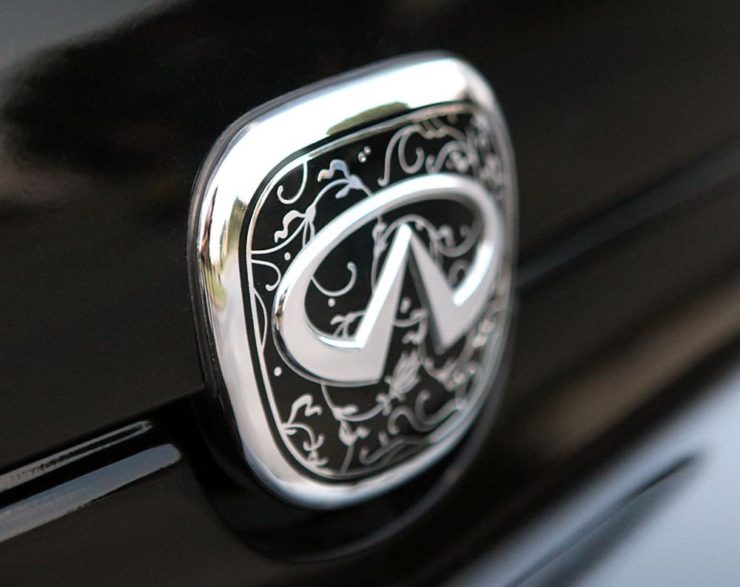
Awesome original emblem from the 1991 Q45’s “grille.” Photo by Ben Hsu.

Alas, they lost the cachet almost immediately — to a point where today, I almost always get out of an Infiniti’s way due to their being the official representative of the poorest-quality drivers on the road. (And I say that as a BMW driver.) It’s also, unfortunately, one of the most-likely brands to wear a coffee-can-sized exhaust finisher, heavily-tinted windows, and/or dubious lowering springs.

Enhancing customer connection and delivering thoughtful hospitality across all touch points underpins INFINITI’s comprehensive refresh. Central to the update is a new global retail architecture design, along with an evolved logo and new multisensory experience.

Infiniti Press Release

So to hear them recommit to the “Japaneseness” of their brand is, well, interesting. Perhaps the signature scent will help.

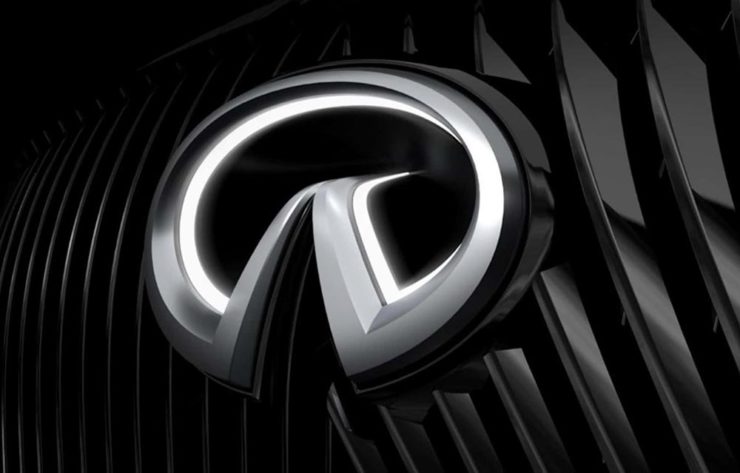
Infiniti’s logo evolution, with the oldest at the left.
Note the available illumination.

Brand New, as usual, has the best coverage, but as it’s a subscription, alternatively see this story from Motor1.

Opel
Forgive the color banding — it’s in the original.

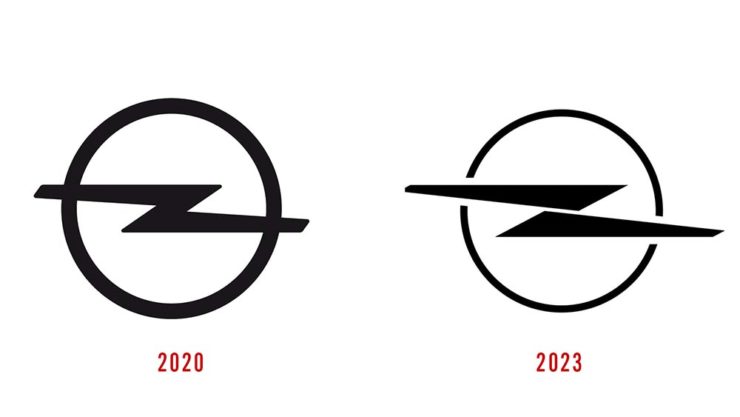
Opel earned a brief mention here on Foreword in December 2020, when they joined were sold to PSA — Peugeot, Citroen, and company — which a month later (!) merged with Fiat Chrysler to form Stellantis. They’re back with an unfortunate update to embrace their 2028 switch to all-electric.

The “increased sharpness,” as Motor1 puts it, is appreciated, I suppose — but the break in the middle goes against everything the lightning bolt its meant to represent. In fact, I’d argue that the mark now doesn’t resemble lightning at all. (Perhaps clouds?)

Sigh.

Preview: Alpina

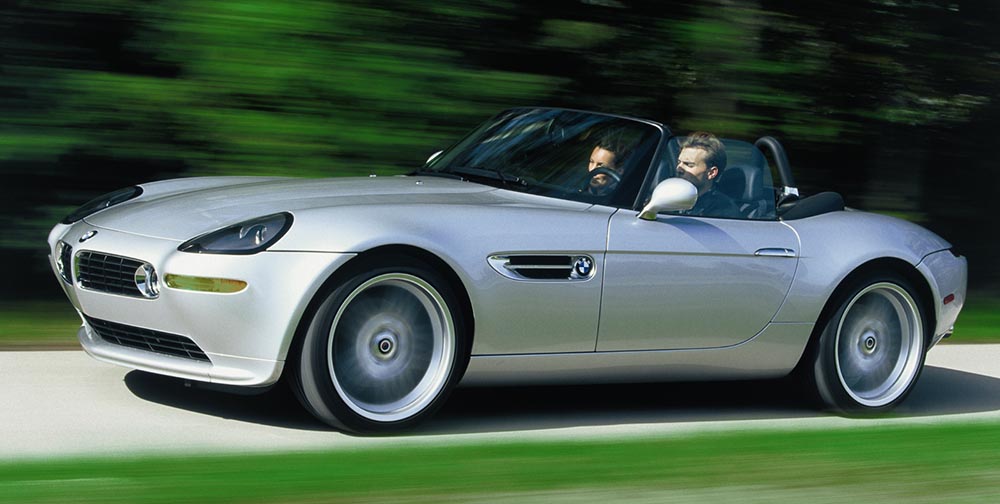
So, on to more interesting things: Alpina. Established in 1962 as a tuner and racer of BMWs, it’s had more or less the same logo since 1967 and was established as an actual manufacturer in 1983: they do more than just tune BMWs, they reengineer them. These days, they stand for the ultimate Grand Tour cars, simultaneously more comfortable, more powerful, and more stylish than the cars they’re based on. (See the lovely Alpina Z8 at the top of this post, for instance.)

Alpina’s current logo: exhaust and crankshaft, sir. Nuthin’ like it.

Naturally, that means most of them aren’t available here in the US.

The ultimate unobtanium machine: a 2022 Alpina B3 touring. Drool.

In any case, they’ve recently entered into an agreement to be purchased by BMW itself, not unlike AMG becoming part of Mercedes-Benz; starting in 2026, they are scheduled to represent the middle ground between BMW and Rolls-Royce — hopefully continuing the comfort, power, and style. It seems that the new ground will be the upmarket models only (that is, no 3-series-based items, and possibly even no 5-series), so think of items $200,000 and up.

Now, an eagle-eyed I5 Talk forum poster noted a filing with the German government:

The proposed wordmark, horizontal.
A close-up of the Alpina “A.” Note that it’s the trailing one; hopefully, not a sign of things to come.

BMW Blog has the details.

Bonus #1: Motor1 has updated their roundup of every automaker logo refresh from recent years.

Bonus #2: All of the automotive — and carmaker logo — stories here on Foreword, from newest to oldest.

Monticello and Barnesville Galleries Updated

February has been beautiful here in Georgia, with spring just beginning to show — which means the Leica and I are out and about again.

Let’s start in Monticello. (Although named for Jefferson’s estate of the same name, it’s actually pronounced “Monti-sello.”) The tractor’s still there:

Monticello Tractor (Pinhole)

And my chase of architectural details continues anew:

Cornice and Corbel, Collected

More to see in the updated gallery. (A reminder: once there, click on any photo to start a slideshow.)

Next, Barnesville:

Red Southern Caboose Against Blue Sky

Across Main Street is this:

Whitewalls of Thine Increase

Enjoy that updated gallery, too.

Bonus Update: Gave the 235 some exercise, too — which means a couple of photographs.

Beautifully Briefed, Early February 2022: A Car, a Photo, and a Book

BMW i3 Discontinued

As some of you know, for getting around town, I zip about in an electric BMW i3. The range isn’t great — 120 miles, give or take, meaning I’d have to recharge there if I went to Atlanta — but for Macon and pretty much all of Middle Georgia, it’s perfect. Grocery store? No problem. Park, for a walk? No warmup, no emissions. Enough range for an ice cream in Musella or lunch in Milledgeville? Easy.

In fact, it’s not an understatement to say that I rave about my i3. Simply put, I love it.

Electric Toolbox, Wooden Shed

When introduced in 2014, it was hugely ahead of its time. Built on a bespoke platform with a carbon-fiber body and an eye-catching style (that somehow just looks electric), it was a huge change of pace for the “Ultimate Driving Machine” folks. And it’s done well for them, too: a quarter-million since.

Alas, it’s just been discontinued: people want SUVs instead. Bah.

From cars to boats

Leica has announced their photograph of the year for 2021:

Over the past ten years, Leica Camera AG has honoured twelve renowned photographers for their life’s work, by inducting them into the Leica Hall of Fame. A Leica Picture of the Year has now been designated for the first time, with the aim of sharing this success with all Leica enthusiasts. 

Leica’s 2021 Photograph of the Year

One of the things that makes photography so glorious is how many different ways the person behind the camera could approach a subject. So, I ask myself: would I have taken that photograph? Almost certainly not. That said, would I hang it on my wall? Yes. For $2000? Maybe another lens instead!

LeicaRumors has more. Meanwhile, I’ll keep improving. Someday….

Update: The official Leica page: Ralph Gibson and the M11.

2021 Cover of the Year addition

Lastly, the New Yorker’s Briefly Noted book reviews (from 6 December — I get them second-hand, and subsequently, am a little behind) reveals a collection of poetry — a reinvestigation of chemical weapons dropped on Vietnam — whose cover is sublime:

Yellow Rain, 7 x 9″ paperback, Graywolf Press, cover by Jeenee Lee Design

Noted, indeed — I wish I’d seen this in time for my favorite covers of 2021. Belated Honorable Mention! (Thanks, Youa.)

On Volvo’s New Logo

Volvo Concept Rechage (2021) title image

The “Iron Mark” has been given a makeover, and the result is … interesting. First, as a reminder, here’s the logo as it appeared previously — no, the one previous to that:

2009 Volvo Iron Mark (on S80)
My mother’s 2010 Volvo S80

The blue has been associated with Volvo’s logo for a long while now, and it’s slowly been disappearing from the lineup (in favor of black in the same location). However, they’ve decided — they being both Volvo Cars and Volvo Group, two distinct entities (the latter including Volvo Trucks, the Volvo construction folks, Volvo Penta [marine], etc.) — to change to this new, more austere logo and word mark simultaneously. Aaaaaand:

2021 Volvo Iron Mark

Words fail me. Thankfully, there’s been plenty of coverage. See Brand New (subscription), CarScoops, and The Drive. What’s interesting — and largely gone under the radar — is that the logo debuted on a concept car back in June.

Volvo Concept Recharge (2021)

It’s part of a trend, too:

2021 car logo redos

See the previous coverage on Foreword. Can’t go, however, without a hat tip to Kristen Shaw at The Drive, who dug out this 1937 version — which, I’d argue, beats ’em all. Kudos.

Volvo logo (1937)

On BMW’s New Logo (16 Updates, latest 3/20/21)

Original post, March 5th, 2020: After 23 years, BMW has updated its logo … but there’s a problem.

Let’s back up a little, as even the previous logo wasn’t perfect. Debuted in 1997, it followed the then-trendy “3D” look, complete with highlights. It was, however, clearly BMW — black background, blue-and-white roundel, chrome outline, lettering. This new one, however, loses the iconic black (for transparent) and chrome outline (for white):

BMW’s logo: 1997 (left) and 2020 (right)

It’s less representative and less clear in my opinion, but hey, I’m only a BMW owner, not any part of their marketing team.

Another problem: it debuted on the Concept i4. controversial all by itself.

Why not revert to the earlier, 1963 version? (Or update it with new type — but keep the black?) Transparency is fine in some cases, but I’m not sure that this isn’t a case of style over substance in the actual use cases (web site logo, app logo, etc. — more than just on the cars, I mean).

More from the alwaysexcellent Brand New.

Update: 3/11/20: “BMW speaks out on ‘misinterpretation’ of new logo.” (Think about the “Instagram-ability!! Gak.)

Update: 3/20/20: BMW explains. (Via BMWBlog.)

Update, 7/15/20: Copenhagen, Denmark-based Dim Newman takes a stab at an alternate solution. (I like it.)

Update, 7/27/20: Dezeen has a roundup of the six other companies that have made their logos “flat,” proving the “3D” look mentioned above is truly out of fashion:

Audi, Citroen, VW, Nissan, Mini, and Toyota, oh boy!

Update, 9/25/20: Vauxhall joins the trend:

Update, 11/27/20: The Ford update that never was:

Ford Almost Let a Graphic Design Legend Update Its Blue Oval Logo in 1966: Paul Rand, who designed iconic logos for IBM, Cummins, ABC and numerous other companies, designed a sleek logo for Ford that went unused.

Ford’s unused 1966 logo

Read more at The Drive.

Update, 12/2/20: Not enough? How ’bout Opel:

Opel’s new “Blitz” logo, circa 2020

“Opel Details All-New, Slimmer And More Modern ‘Blitz’ Logo,” at CarScoops.

Update, 12/30/20: Kia’s was previewed on a show car earlier in the year, but they’ve gone and made it official:

There were some changes along the way, if you compare what’s on the show car and what you see above — and not all for the better, as it almost gets smeared. Still, looking forward to seeing where one of the most dynamic car companies today goes with this.

Update, 1/8/21: GM. One word: GAK.

So bad I actually feel sorry for them. More here and here.

Update, 1/13/21: Brand New is actually much nicer to GM’s logo update than I expected. Diplomacy? You decide. (Brand New is a subscription now, BTW — the best $20/year available, IMHO.)

Update, 3/2/21: Peugeot has joined the fray. Not great, especially at smaller sizes, but at least not the GM train wreck — and, in many ways, better than the last couple of outline lions (this one seems to be based on the 1960 version):

Read about the lion’s history here, Peugeot’s press release “reaffirming its personality and character” here, or one of the regular site’s notes, including a potential move upmarket here or here.

Update, 3/4/21: Audi, while not redoing their iconic “4 rings” logo, has redone the branding around that logo:

Brand New has more (note: BN is now subscription-only — easily the best $20 that I’ve spent in a while).

Update, 3/6/21: Speaking of Brand New, they have a good deal more information regarding Peugeot. Good stuff!

Update, 3/10/21: Dezeen has more on Peugeot, as well. And CarScoops has the first pictures of the new 308 — the new logo premieres on this model update — and discusses that, on the grille, some of the car’s sensors appear behind the logo. Interesting. (I still preferred the lion on the grille, myself. Not that we get Peugeots in the United States, anyway….) Check it out.

Update, 3/10/21: CarScoops has some more on Nizzan — uh, Freudian slip there: Nissan and their new logo.

Okay, who’s gonna be next…?

Update, 3/13/21: Uh… Renault!

Not as big a change as Peugeot, and more successful, too: single color, retains history well, still instantly recognizable, works at small sizes. Nice. Details from Motor1 or CarScoops.

Update, 3/20/21: Brand New discusses the new Renault logo:

There is nothing wrong at all with it and I do like the approach to its construction but, ultimately, it’s like it’s missing some emotion or passion or, pardon my French, a Je ne sais quoi to make it special.

I agree that the 1972 version is superior. Let’s see how this one evolves.