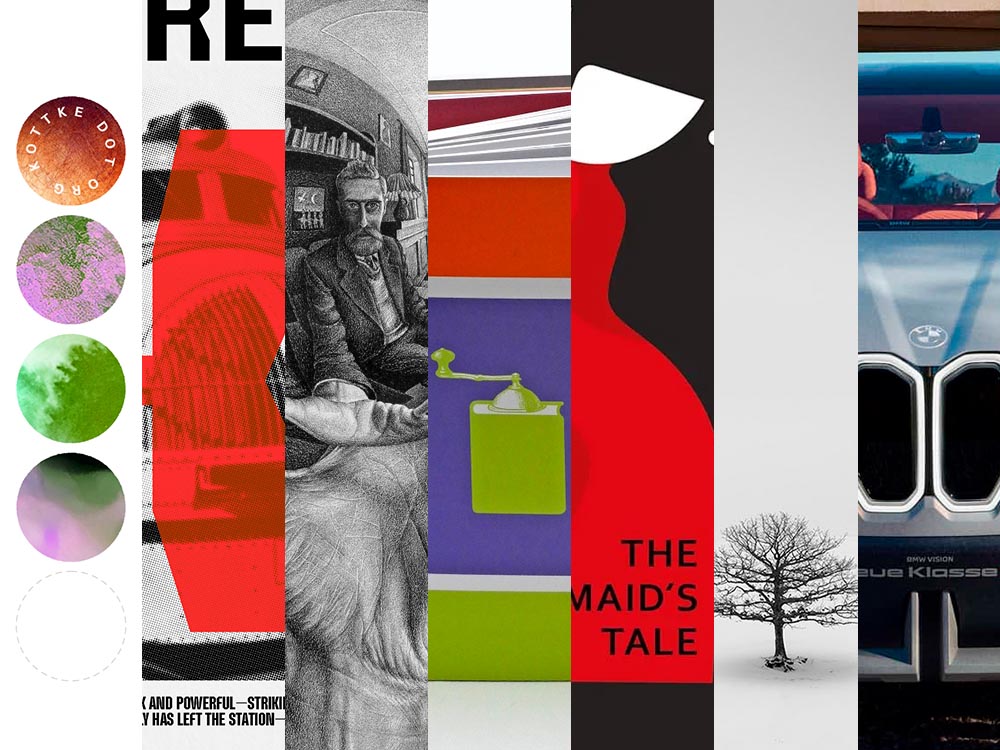
The end of March here in Middle Georgia means flowers aplenty, and usually with that, some photography — but I’ve not yet had a chance. (Stay tuned.) I have, however, been saving up links o’ interest: fonts, books, photography, and new(ish) car logos. Let’s go!
Kottke Meets 2024
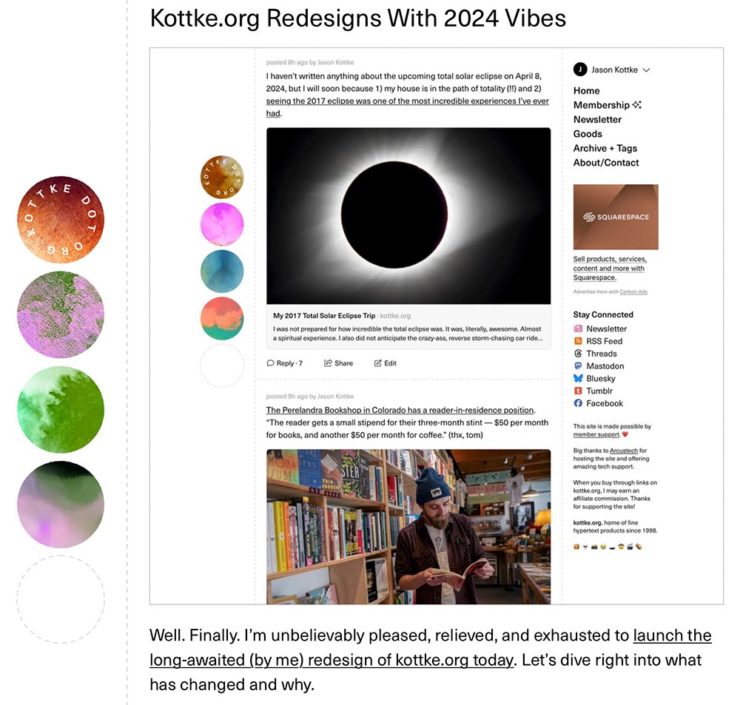
Starting with one of the very few places that is still around from Foreword’s old days, the always-interesting Jason Kottke:
2024 marks Kottke.org’s 26th year on the ’net.
Great new looks for great content, with better Quick Links — the previews are ace — and incredibly-appreciated gift links to places like The New York Times and The Atlantic. If you haven’t been in a while, click and enjoy.
Fab Spring Type
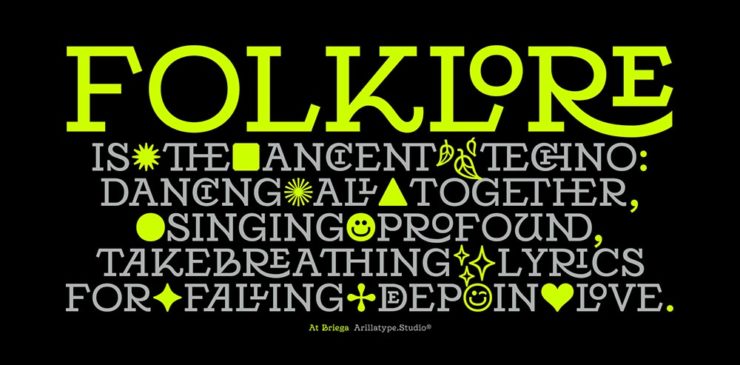
With “a plethora of captivating new typefaces,” CreativeBoom celebrates spring with 11 new faces to tempt, inspire, and bring joy:
Arillatype.Studio brings us a thousand glyphs of greatness.
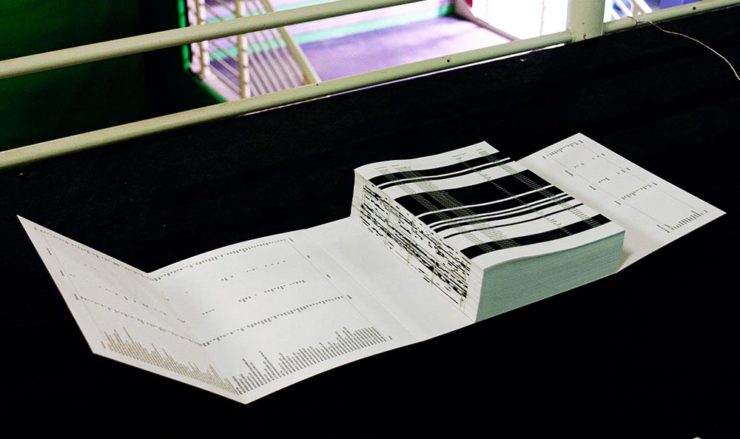
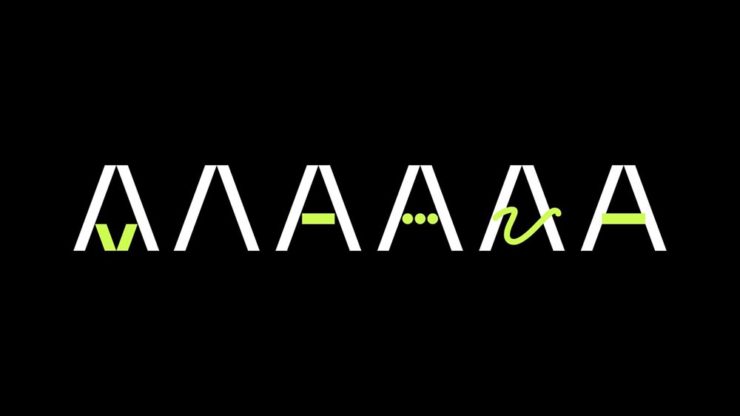
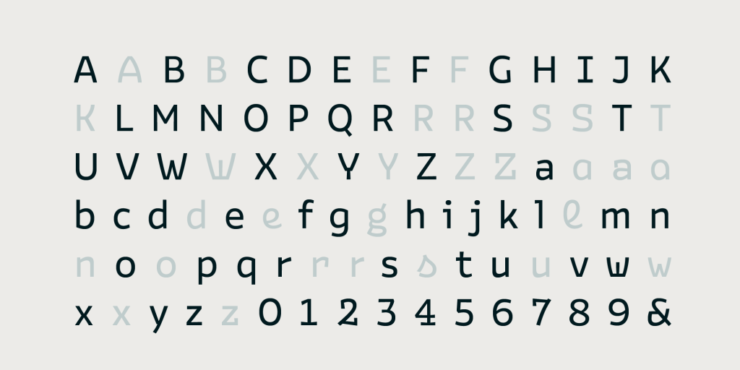
Zanco, with its bell-bottom style; Seabirds, inspired by 1930s book covers; Module, a “fluke side hustle;” and Graffeur, improvised from gaffer tape and glimpsed in this post’s header image, are all great. My far-and-away favorite, though, is At Briega, “inspired by the concept of hybridisation” and shown above.
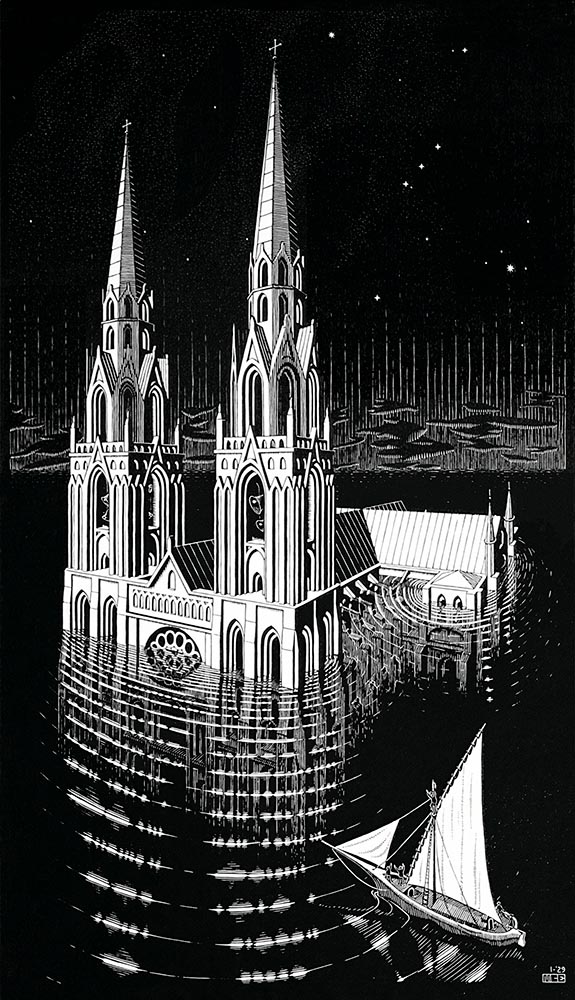
“Unique perspective” never does justice to someone whose name defines the term. See some never-before-seen images alongside old favorites in a new Escher book highlighted at Hyperallergic.
Multidimensional Libri
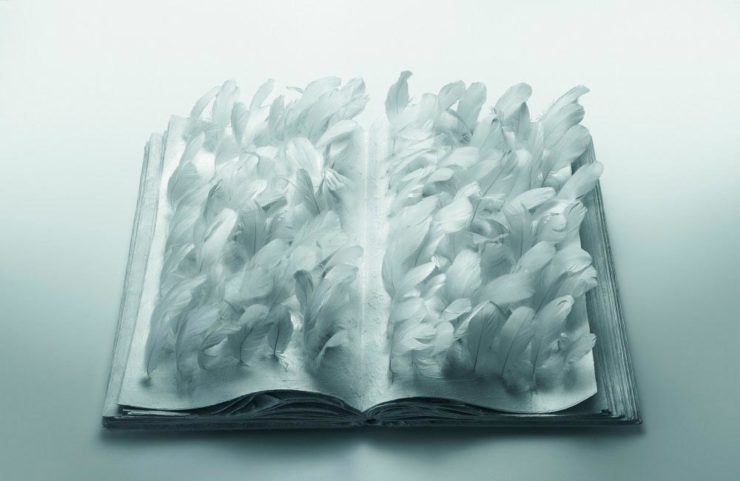
“Experimental books are flourishing, [a]nd the evidence is seen” in this Daily Heller from PRINT: a traveling exhibition on three-dimensional books, all published titles.
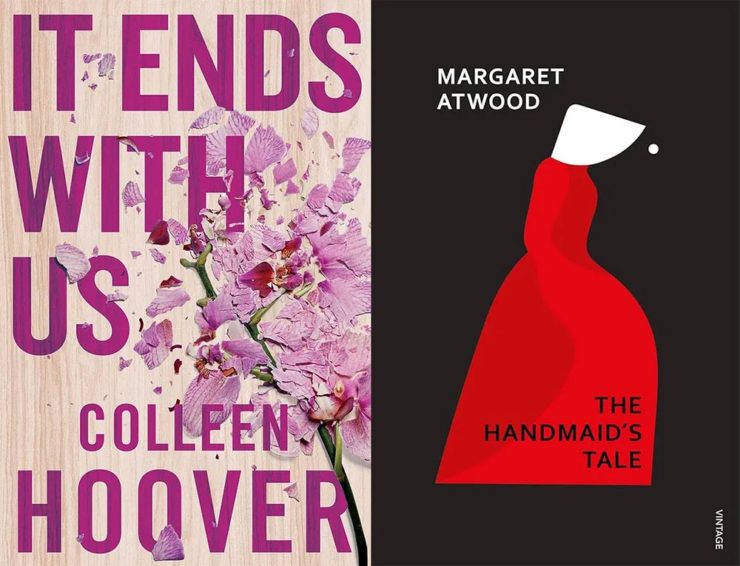
“Don’t get held back from the simple pleasures of reading,” argues Natalie Fear at CreativeBloq, “not everything needs to be minimalist.” Justification for commercialism or a common-sense explanation for the bookshelves’ current look? You decide.
Photography Three-Fer
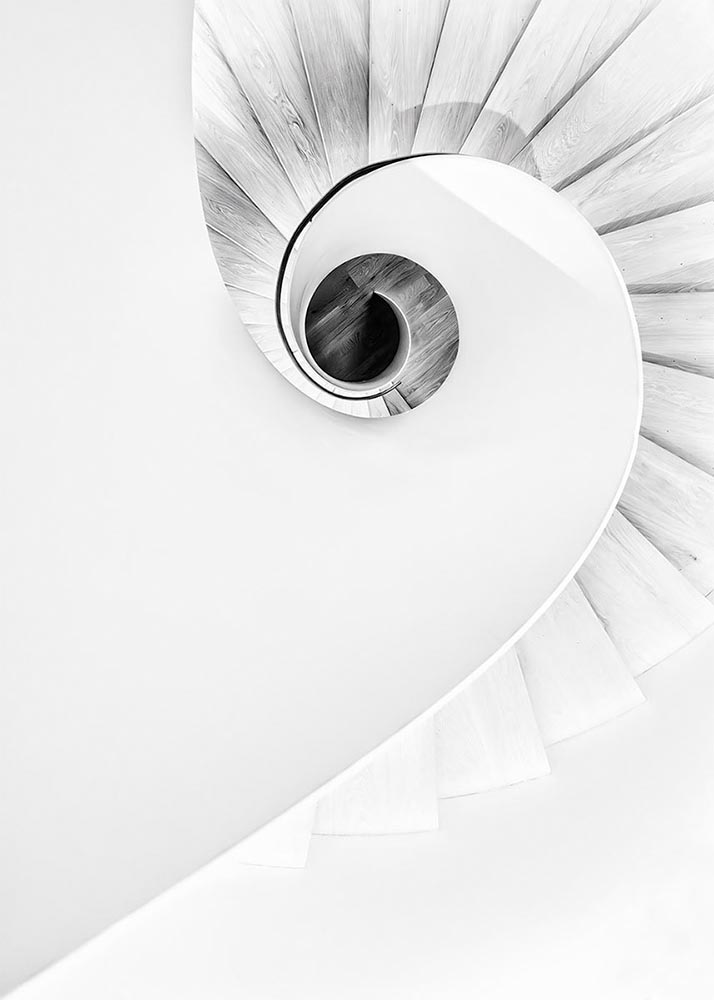
Winners of Monochromatic Minimalism
“Black Pearl” by Sascha Kohne. An honorable mention for the magazine, but a winner for me.
“Traveling through Costa da Morte, Galicia. 600m above sea level where the mountains separate the Cantabria sea from the Atlantic Ocean,” explains third-place winner Alexandre Caetano.
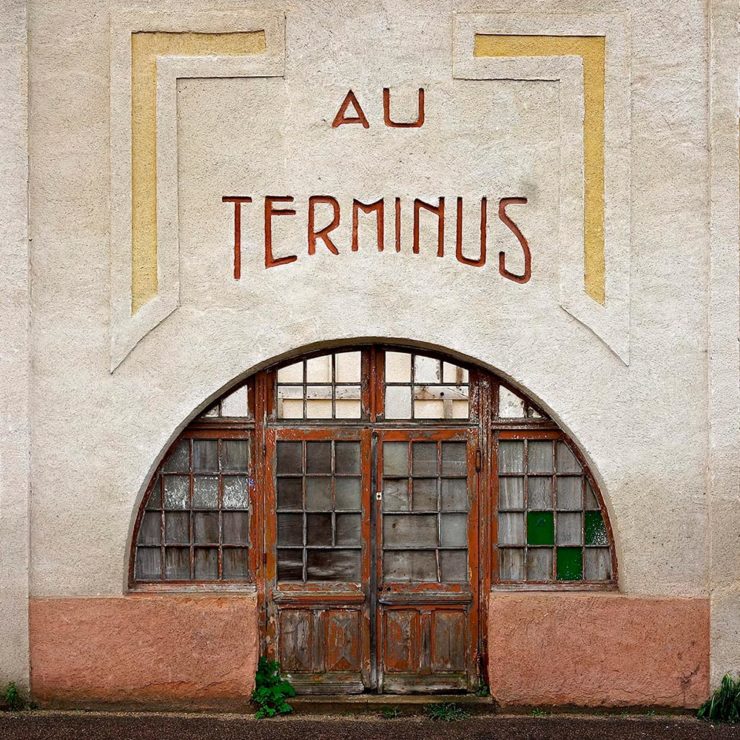
Aging Facades of France
“Shuttered blinds, peeling paint, and aging doors don’t usually indicate an invitation, but for French photographer Thibaut Derien, the fading facades of long-closed shops are well worth a stop,” This is Colossal says.
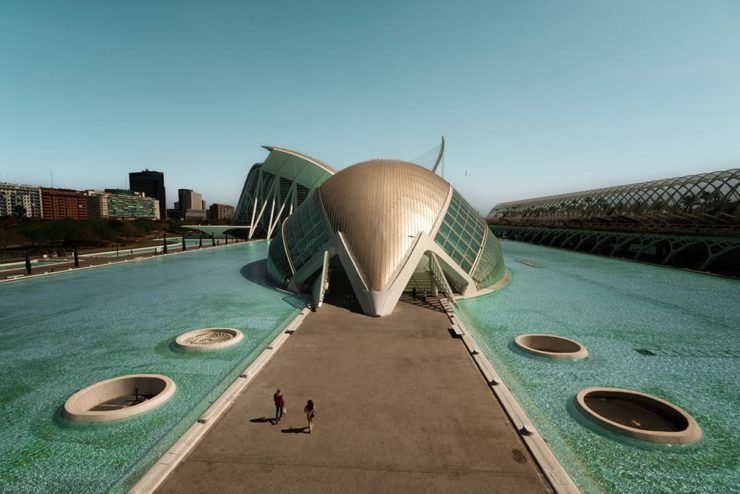
Sony Photography Awards: Architecture
The Ciudad de las Artes y las Ciencias (City of Arts and Sciences) in Valencia, Spain: “Hemispheric,” by Eng Tong Tan, Malaysia.
ArchDaily‘s coverage of the annual Sony awards shortlist announcement was an insta-click.
New Bull: Now Flat. (And a BMW.)
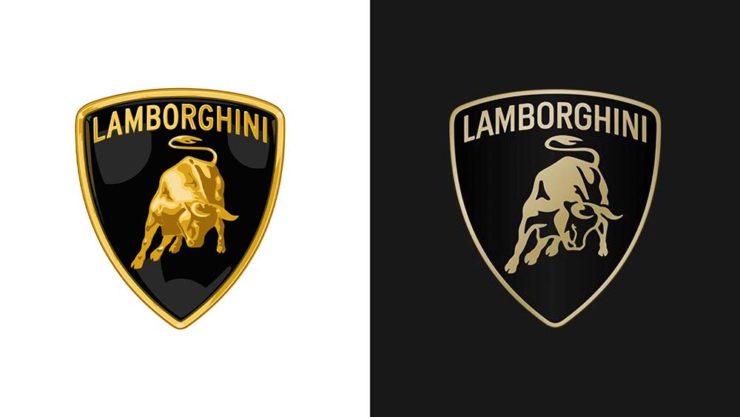
Lamborghini practically defines flamboyant. So it’s worth a link when their logo gets less interesting:
Old logo, left, new, right.
Late at following the industry trend of flat-is-better, because, well, Volkswagen. (Okay, I undersell. Perhaps.) Read the lack of news at Motor11Motor1 also has a decent roundup of new car logos, from 2016-present, which underscores the “flatness” trend. or The Drive, where they manage to convey the brand’s use of the phrase “digital touchpoints.”
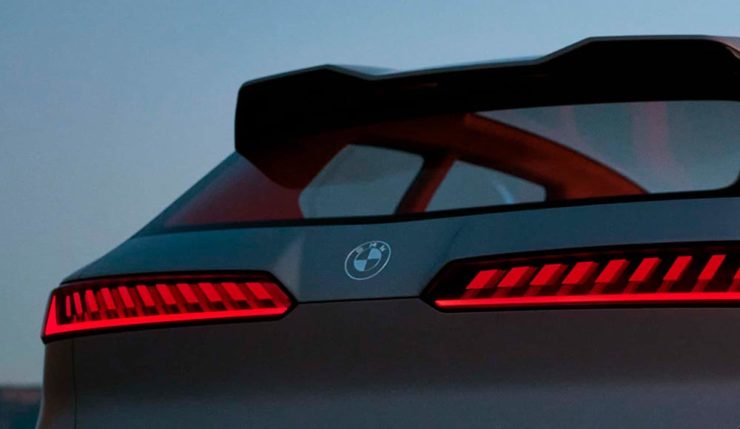
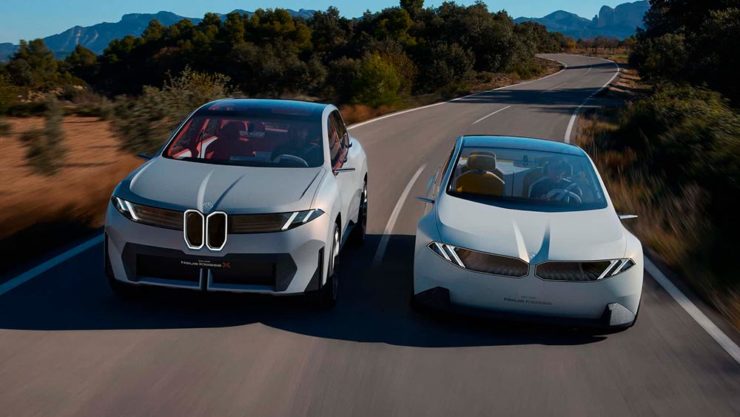
I don’t know whether this will make any more sense in a few or even many months — which is relevant because of BMW. Four years ago, one of the industry’s design leaders expressed strong this new style, and I didn’t get it. But it’s worn better than most, and superlatively on occasion — check out the logo’s use on the Vision Neue Klasse X:
Rather than a standalone, plastic part sitting on the paint, it’s etched into the finish. Man, I hope that makes it into production.
Neue Klasse: do like. Bull? No so much.
Update, 2 April:BrandNew, itself sporting a new look, has weighed in on the new Lambo style, calling it “not good.” (FYI, BrandNew is a subscription, quite possibly the best $20/year someone interested in design can spend.)
1
Motor1 also has a decent roundup of new car logos, from 2016-present, which underscores the “flatness” trend. ↩︎
A variety of interests addressed this time: a bit on Shift Happens, a great question on branding, and Leica’s new M camera — and its content credentials. (Plus, bonuses.) Happy October!
Booking a Keyboard
We talked about this title back in January, but it’s worth the reminder:
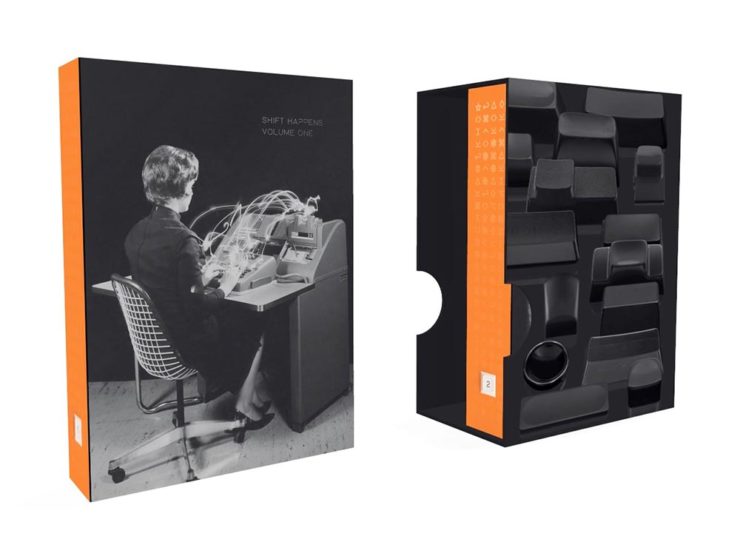
A 3D rendering of Shift Happens.
Marcin Wichary has long been interested in keyboards. In his words,
Keyboards fascinated me for years. But it occurred to me that a good, comprehensive, and human story of keyboards — starting with typewriters and ending with modern computers and phones — has never been written. How did we get from then to now? What were the steps along the way? And how on earth does QWERTY still look the same now as it did 150 years ago? I wanted a book like this for years. So I wrote it.
—Marcin Wichary, Shift Happens
This title fascinates me, partially because it’s an interesting subject — one we’ve all interacted with, often without thinking about — and partially because it’s a great, well-covered exercise in book design.
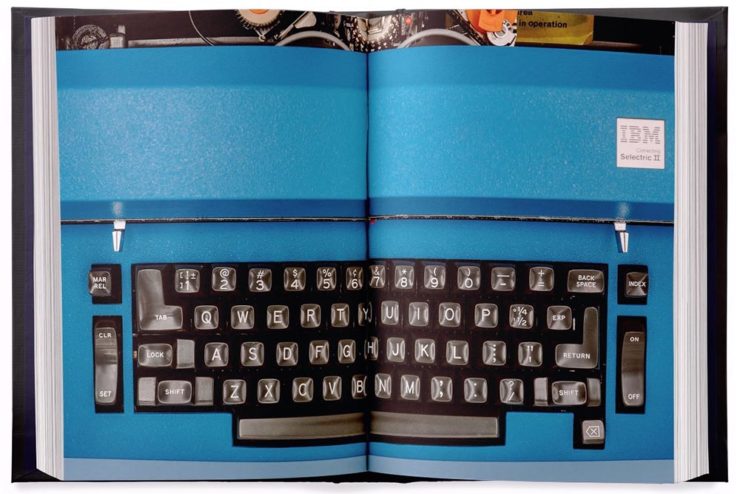
A very cool photograph of an IBM Electric. Photo by Marcin Wichary.
I am a web guy, and I used to think that the web (just like typewriters, once) took away a lot of hard-won typesetting nuance and tradition. But it turns out that the web also makes it much easier to do certain things. To have a word be surrounded by a rounded rectangle—a visual representation of a key—is a few lines of CSS or a few clicks in Figma. But for the book, I had to cut my own font and then write Python scripts to do typesetting inside the font-making software, which I’m pretty sure you are not supposed to do[.]
—Marcin Wichary, Shift Happens
Really looking forward this title. Copies are, as of this writing, still available.
Let’s Talk Branding.
It’s Nice That asks a great question: “Are rebrands starting to look the same? The challenges facing commercial design,” in which author Elizabeth Goodspeed discusses whether “shortened turnarounds and economic tensions” are taking a toll on originality.
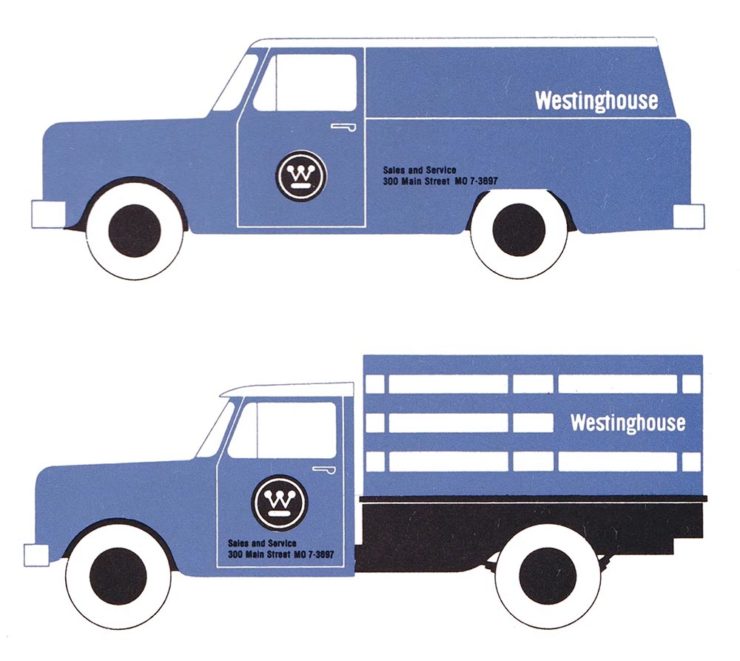
Westinghouse branding guidelines from the ’60s.
The answer might seem to be, “Well, duh,” but it’s nonetheless a thoughtful and insightful article that asks the correct question: “how does one define originality in an age saturated with visual stimuli?”
[T]he digital applications more often associated with modern rebrands, while comparatively easy to update, may counter-intuitively promote less care and attention towards their making. [A]nother possible issue contributing to rebrand redundancy: lack of rollout support beyond rebrand launch. Even a unique identity may lose its spark when its primary consumer touchpoint is what a social media manager produces on Canva after skimming the brand guidelines once. Further still, many clients no longer approach design studios to harness their expertise but, instead, with preconceived notions of the result they expect; design studios may want to create original work, but sometimes clients are willing to pay more for a rebrand that mirrors their own preconceived ideas of what the work should look like.
— Elizabeth Goodspeed, It’s Nice That
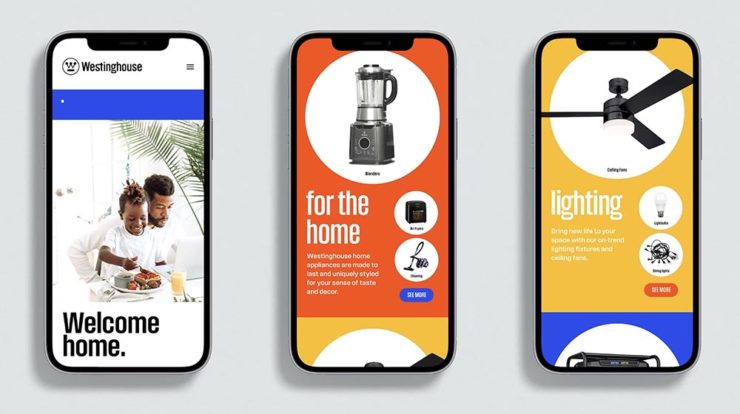
The logo’s the same, but the applications vastly different.
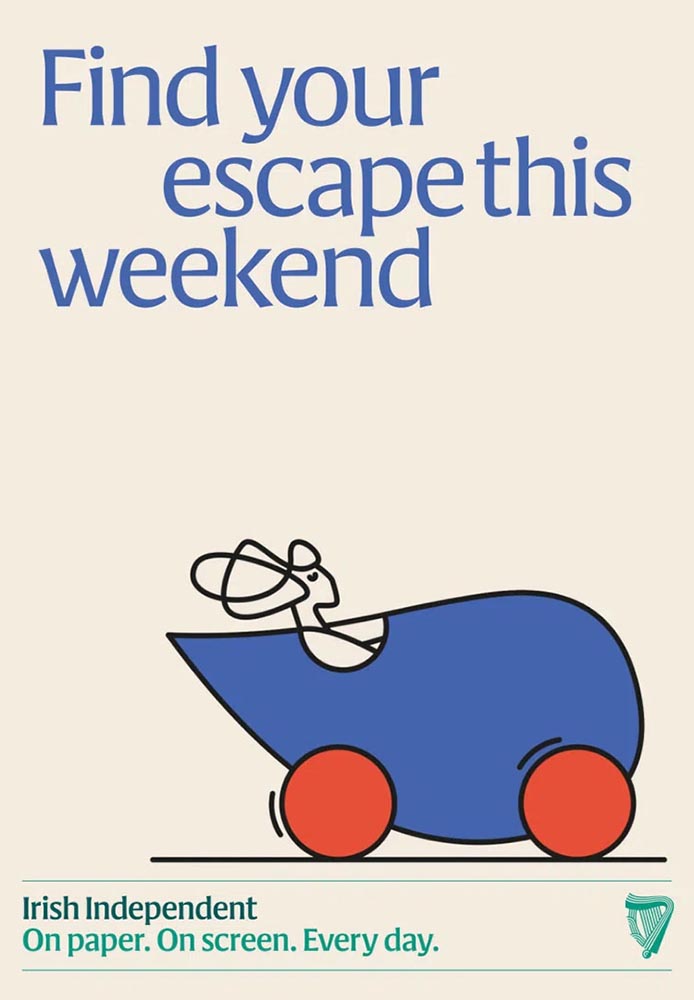
Special Bonuses #1 & 2: Let’s look at a couple of places where branding has been in the news recently (pun intended). Also from It’s Nice That, an article on The Irish Independent rebrand. Here, as is often the case recently, it’s the custom illustrations that carry the day:
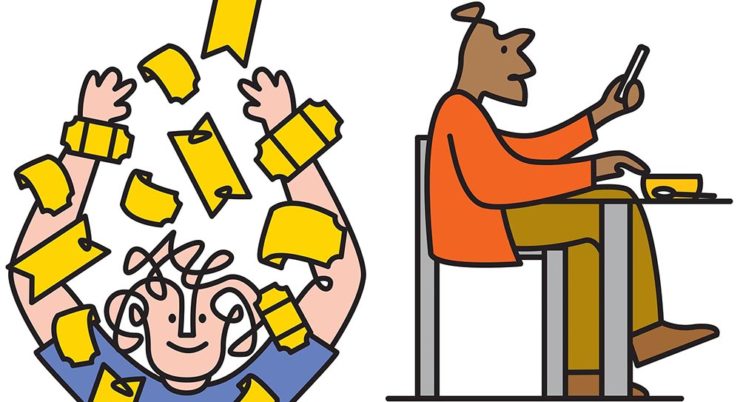
“Andy Goodman is the illustrator responsible for the lively work found throughout, which toe the line between measured and playful,” It’s Nice That writes. Agreed 100%.
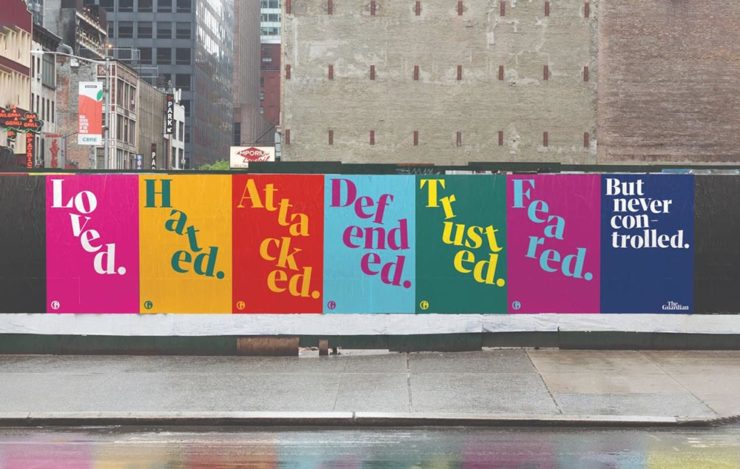
Less successful is England’s The Guardian, whose ongoing campaign to raise money — they don’t have a paywall, relying instead on reader contributions — perhaps could have used more work:
These ads don’t really have me on the fence: The Guardian deserves better.
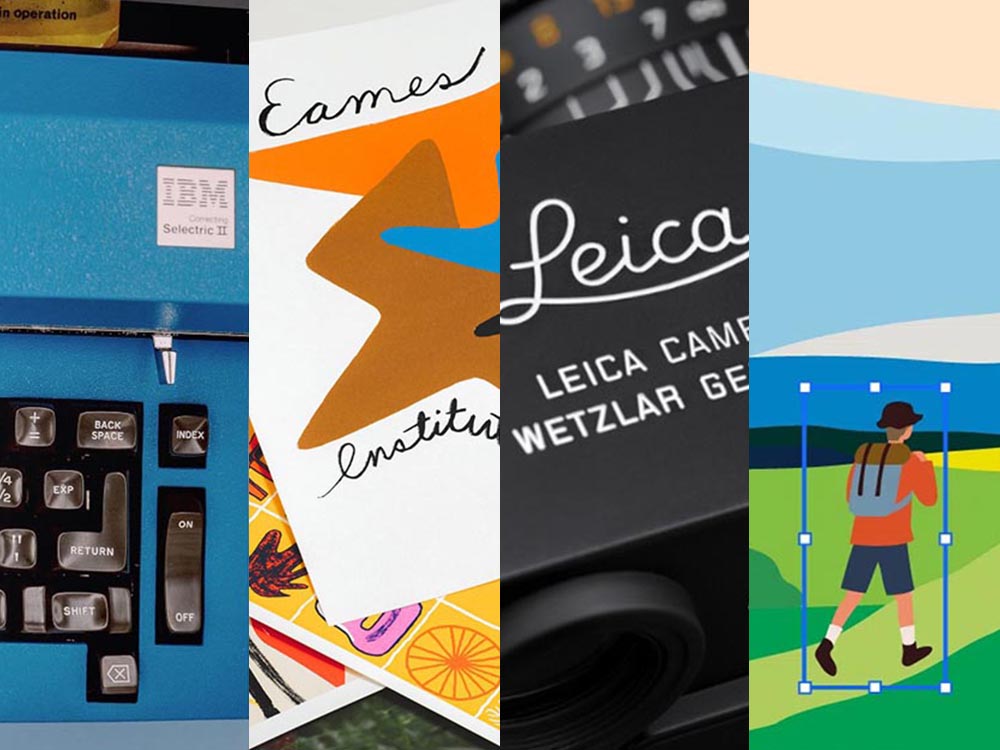
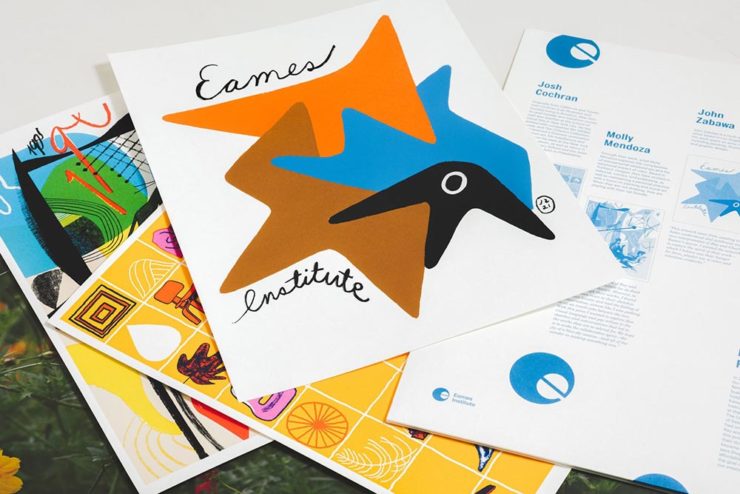
Special Bonus #3: From the wildly successful, original branding department comes, of course, the brilliantly-named Eames Institute of Infinite Curiosity. They’ve been covered here twicebefore, but are back in the news with a new branding Manual. See why that’s capitalized at Dezeen.
The Eames Institute branding oozes positivity, class, and — you guessed it — infinite curiosity. Nice.
Leica, Adobe, and Content Authenticity
One would assume that Leica users are the epitome of content authenticity — there’s nothing like the world’s best lenses (IMHO), attached to some incredible cameras, to provide photographers with all that’s needed to make the bestpossible images.
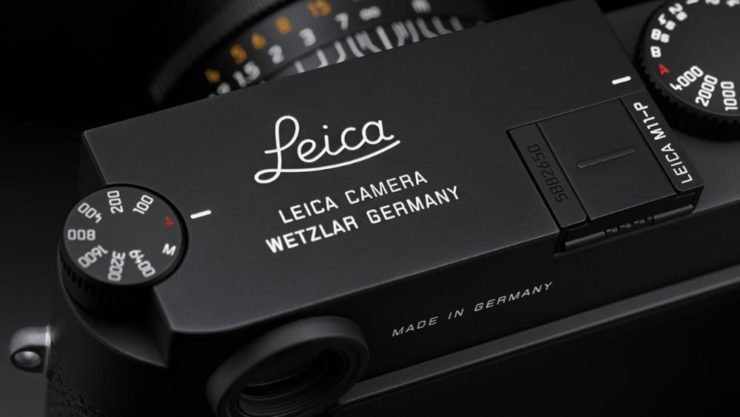
Leica’s new M11-P, however, packs a world first: hardware encryption that supports a system called the “Content Authenticity Initiative (CAI).” In CAI corporate-speak, it’s “the future of photojournalism […] usher[ing] in a powerful new way for photojournalists and creatives to combat misinformation and bring authenticity to their work and consumers, while pioneering widespread adoption of Content Credentials.”
Leica’s new M11-P. A bargain at $9,195. (Lenses extra, of course.)
The Content Authenticity Initiative (CAI) is a collaborative effort initiated by Adobe in partnership with various other organizations, including The New York Times and Leica, among others. Announced in late 2019, its primary goal is to develop a standard for digital content attribution. The rise in manipulated digital content, deep fakes, and misinformation has underlined the need for a more transparent system of content attribution, which the CAI seeks to address.
The interesting thing here is Adobe’s initiative. What’s their goal?
Adobe has been suffering a few hits recently. They’ve just raised prices — on the heels of record profits — and “monopoly” is not in any way a stretch. Photoshop? Entered the lexicon. InDesign? No credible alternatives. Illustrator? Professional standard across multiple industries. In other words, we’re stuck with ’em, and they know it.
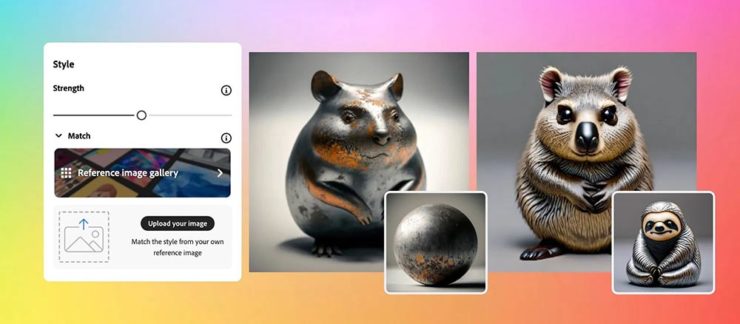
Ignore’s Adobe’s unfailingly cute examples: AI + texture = exactly what some “creative director” needed. Seriously uncute.
They’re pushing hard into AI, too, and surprisingly up-front about it changing creative work in ways potentially less creative:
Firefly 2 was unveiled yesterday at the 2023 Adobe Max conference with the artificial intelligence (AI)-powered tool incorporated into Lightroom’s new lens blur feature that simulates depth of field along with a host of other tools.However, it was the new “Generative Match” tool that will allow users to upload a reference image to guide the AI image generator to a specific style that prompted Adobe to comment that the new tools could mean less work for photographers.
Adobe is appealing to companies who want a “consistent look across assets.” It is offering brands the chance to generate hundreds, if not thousands, of similar images for different uses such as websites, social media, and print advertisements.
— Matt Growcoot, PetaPixel
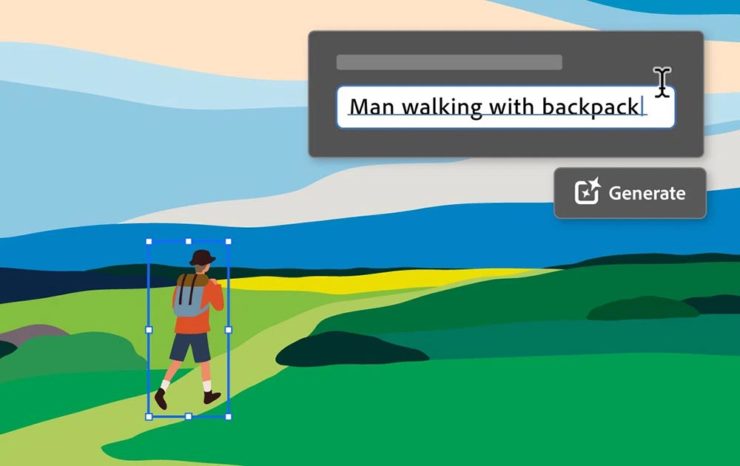
Or how about this example: An agency or freelancer working on a vector image in Illustrator, and need to add something that they either don’t have the time or talent to do myself. Previously, they could find either a stock item — made by a human (who is paid, by the way) — or hire it out (again, to a human, and again, one who is paid for their work). Now? Just tell the computer what you need.
All of which ties nicely back to the previous section on whether branding is beginning to homogenize. Is AI going to accelerate that process? You betcha.
Value human creativity, folks. Artists, teachers, writers, thinkers: all the people pushing at the edges of the envelope will now have to push even harder, in an era when envelope-pushing is increasingly demonized.
Special Bonus #4:Ars Technica argues that the U.S. Copyright Office’s blanket ban on the copyright-ability of AI-generated images isn’t going to age well, using photography as an argument.
Update, 26 June 2026: As part of the 2026 website and gallery overhaul, the Automotive gallery has been retired. I’ve left the post up for posterity.
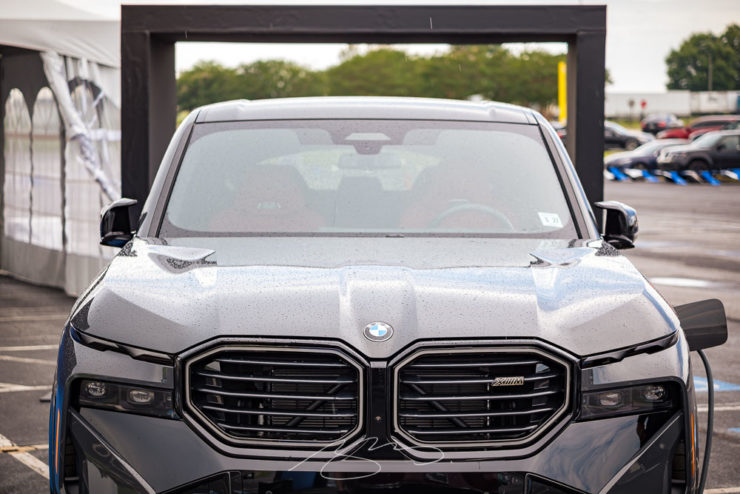
Two different photographic opportunities have meant additions to the Automotive gallery recently: some motorcycles in Columbus, and some BMWs at an event in Hampton, a suburb of Atlanta and home to the Atlanta Motor Speedway.
All of these were taken with Leica’s superlative APO 90mm macro (yes, I know, I go on and on about this lens — it’s that good), and almost all are just details — a lens that long in a crowd means leaving the big picture aside in favor of the minutiae. Luckily, that’s a strength of the camera system, and one of my favorite ways to use it.
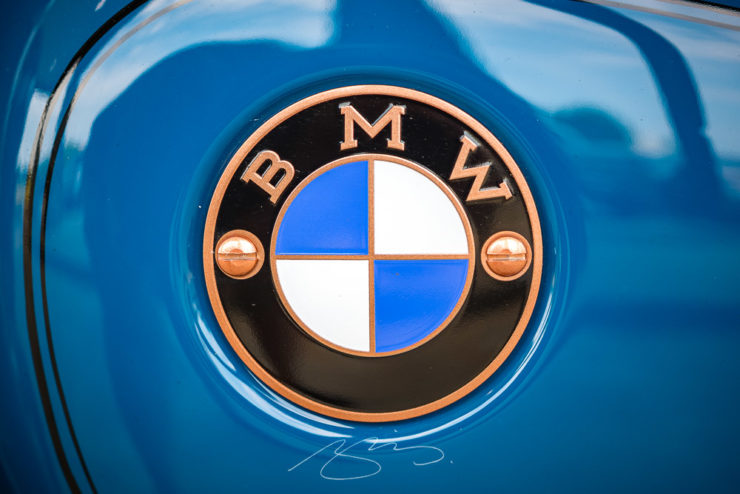
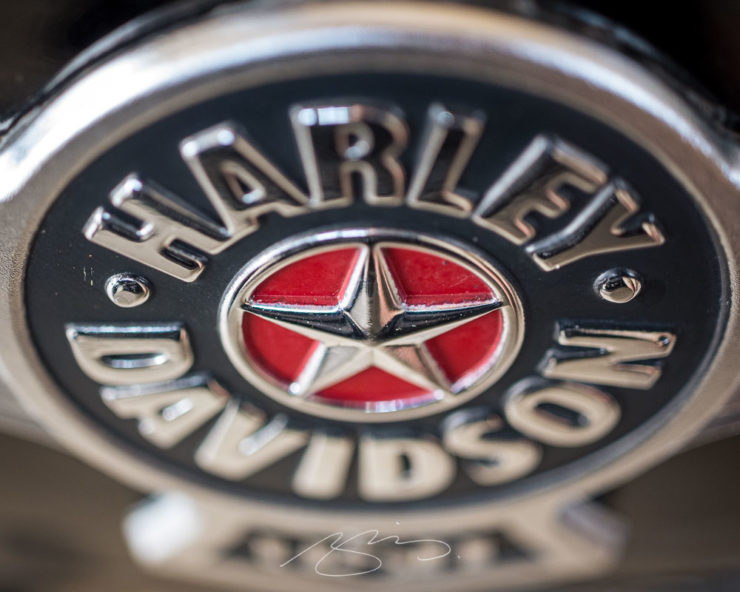
Retro BMW (Motorrad) RoundelHarley Davidson Star Logo (Detail)
The Harley logo wasn’t one I was familiar with — and it’s great — but the BMW is fantastic in its retro glory, complete with copper screws.
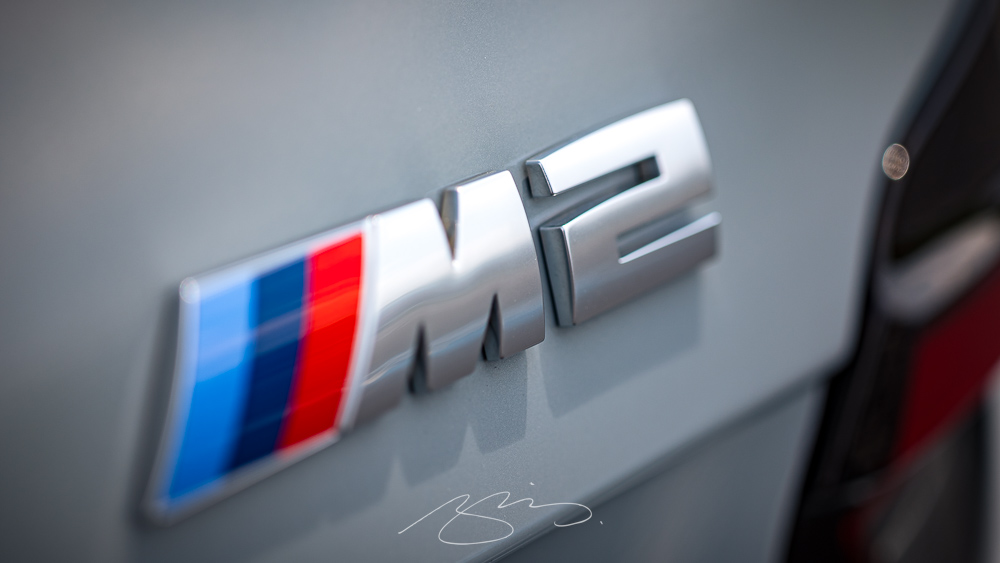
Meanwhile, speaking of BMWs, they hold their Ultimate Drive Experience yearly in the Atlanta area, and Gerald and I are in regular attendance. It was my first time seeing a number of new models, including the new M2:
M2 (Headlight Detail)
Didn’t like this until I saw it there; it’s a shortened M4 but wide and swollen in all the right ways. However, the undisputed star of the show was the new XM. Like many modern BMWs, it’s better in person — exuding presence:
XM (Charging)
I wish I’d somehow been able to better convey its stance, its proportions, and what I imagine it would look like coming up behind you. Then again, $160k and 664 horsepower will do that. Speaking of horsepower:
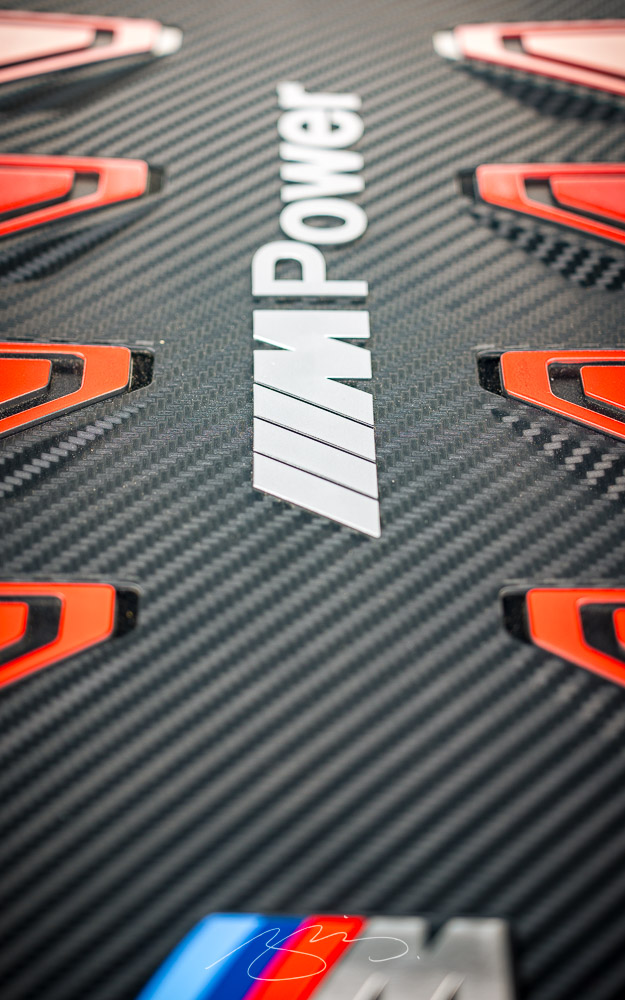
XM (M Power V8 Hybrid)
Nuthin’ like a carbon fiber engine cover in a three-ton machine. That said, for both Gerald and I the far-and-away favorite wasn’t the XM but rather the iX:
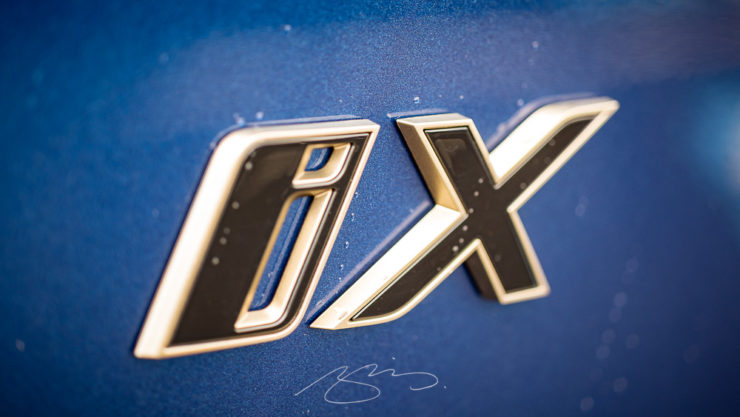
iX (Badge Detail)
The iX is a little ungainly from some angles, but its battery-powered, carbon fiber goodness is both fast and efficient. Plus, it sports one of the best BMW interiors going right now, and that’s saying something. (Ventilated wool seats for the win, folks.)
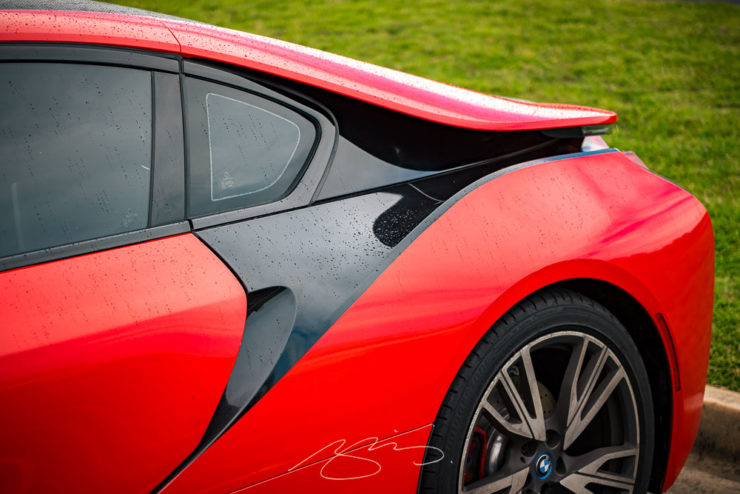
These events usually boast parking lots filled with classics, but either the late Sunday afternoon or thunderstorms kept the older items safely garaged. However, there was a sweet and very bright red i8 gracing the scene:
i8 Swoop
If you’re at all into cars, there are 150 photographs in the automotive gallery waiting for you to enjoy. (As the note says, “some bias may be shown.”)
Have a great weekend!
Update: Gerald had already posted on this, but I didn’t see it in time to link above. Thanks, man!
The mission for these posts is simple: independent, unrelated items which add up to something interesting. This time, it’s nifty type, aka NFTy.pe, photographic AI (or not), the 2023 Logo Trends Report, great London Review of Books illustrations, and a worthy art book list hijacked for a rant on stickers. Boom!
Better Than it Sounds: NFTy.pe
Typefaces have become, from this designer’s point of view, become commodities — perhaps even part of a broken system. Most clients don’t have a budget for unique type, there are too many spread across too many different sites, and, as Creative Boom puts it, “ownership has become poorly policed, if not non-existent.”
NFType really flips the script on all of that and attempts to reimagine the industry from creation to sale. In a nutshell, NFTy.pe uses a combination of modular type design and generative scripts to create fonts with unique visual attributes. The upshot is that no two character sets are exactly the same. And thanks to smart contracts and embedded metadata, ownership is quick and easy to verify.
— Craig Ward, NFTy.pe creator, via Creative Boom
Create a unique typeface that rewards, in more ways than one.
As pointed out, it’s not just for type users:
There’s a lot of work to be done to put some distance between the dumpster fire that represents much of the NFT space and projects – like this one – with actual utility. I wouldn’t vouch for the worth of a lot of what I’ve seen out there, but the underlying tech – the smart contracts themselves – [is] actually genius and will be a game changer for any industry where provenance is a key factor – agriculture, property, fashion etc.
This year has been centered around AI, it seems — and, as illustrations go, some of the results are indeed a new form of art. Take this one posted by Dezeen as part of their AItopia competition:
Created by Midjourney for Daniel Riopel.
Fantastic. Its creator, a production technician in the prefabricated housing industry, deserves major kudos for describing something to the Midjourney engine that’s intricate and, if I dare use the term with AI, creative. (Several of the images there are excellent — check ’em out.)
That said, I’m not a fan of articles like PetaPixel‘s recently-posted “Photographers May Have to Embrace AI, Whether They Want To or Not.” Simply put: no. I don’t have to embrace it, because nothing has changed — either I can get the photograph I want using the cameras and lenses I have or I can’t. I’m not going to “generate the fill,” pure and simple. (I don’t control the computational photography my phone produces, but Apple isn’t prone to creating what isn’t there.)
I’ve been trying to write on this subject for a while, without success. Possibly because I don’t need a longer version of the above paragraph, possibly because it’s something else I haven’t been able to articulate yet — even to myself.
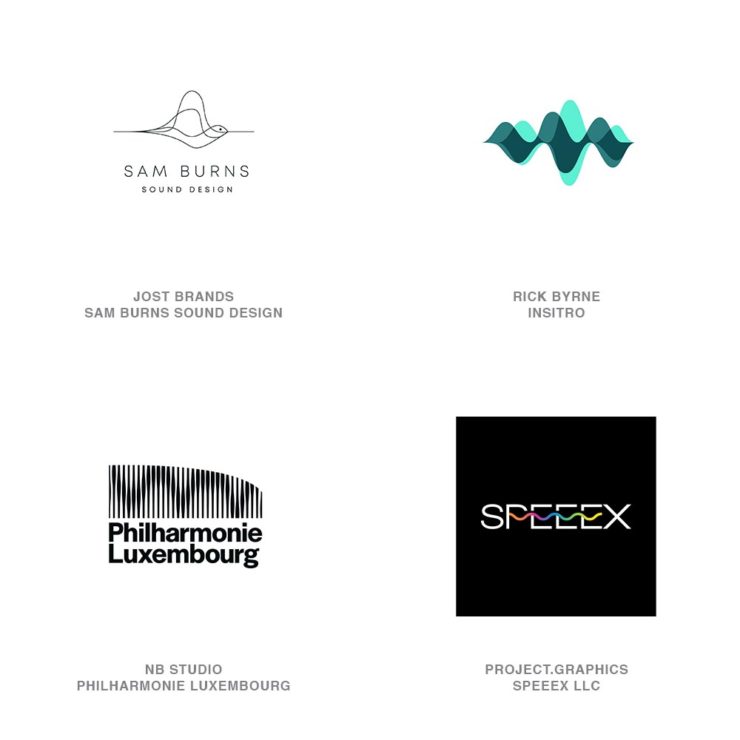
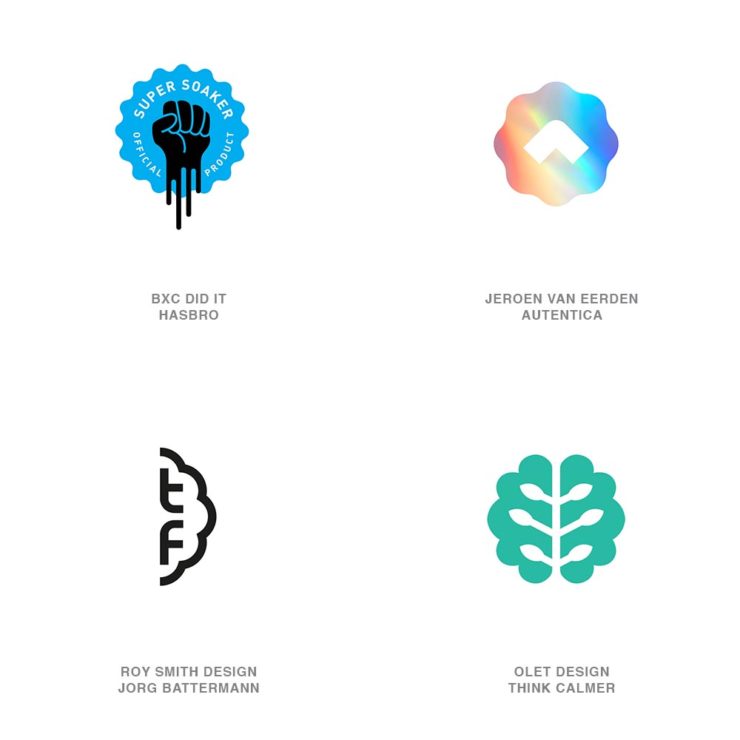
The 2023 Logo Trends Report
It’s back! BrandNew points us to the latest in styles and, as advertised on the tin, trends:
“Sonics,” part of the 2023 Logo Trends Report.“Ritz,” as in the cracker, part of the 2023 Logo Trends Report.
Always an interesting read, including this fantastic tidbit directly related to the previous section:
“Don’t worry about AI stealing your job. To replace graphic designers with AI, clients will need to accurately describe what they want. We’re safe.”
— Bill Gardner, LogoLounge
Read the full report, “a whirlwind of ideas, symbols, and AI, evolving how creators like us create,” at LogoLounge.
Illustrations at the London Review of Books
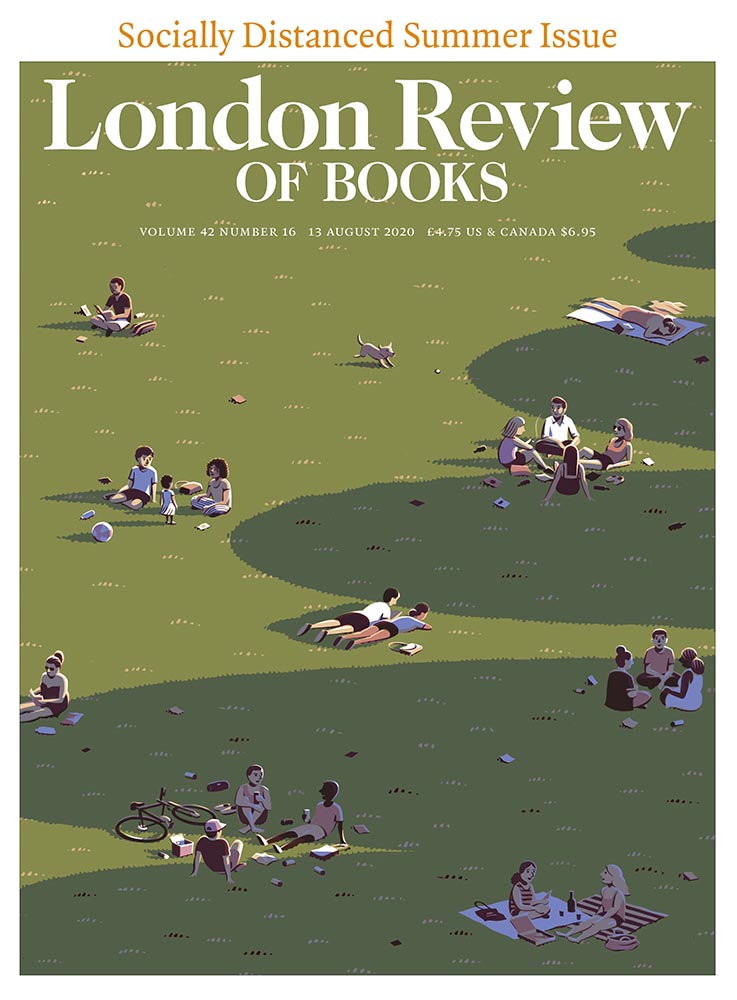
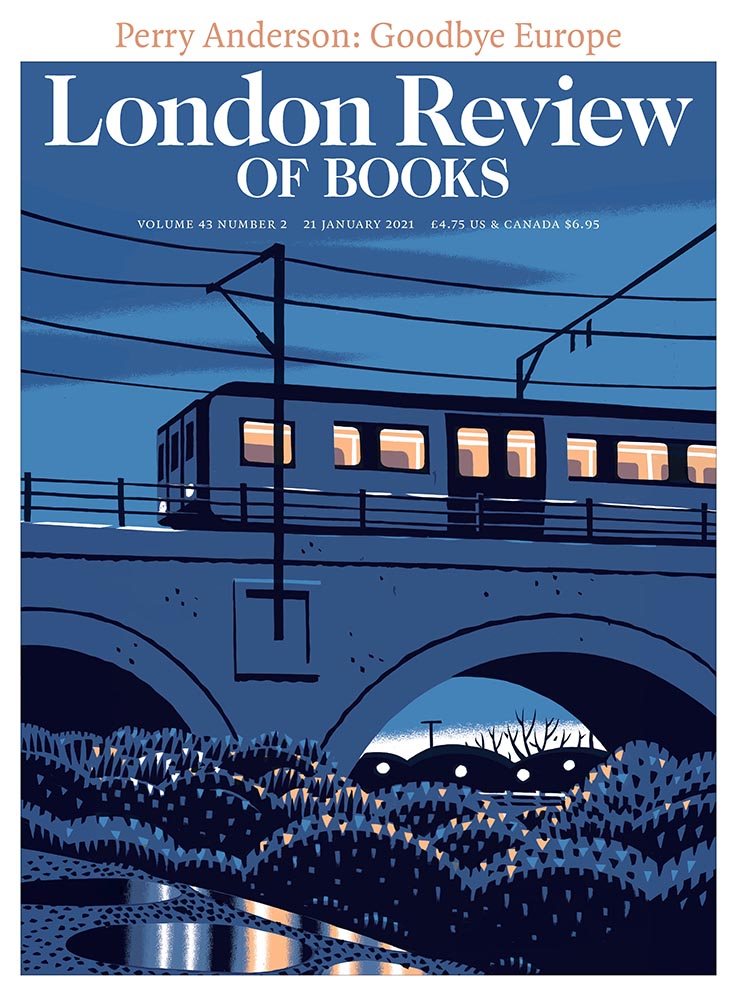
Because we cover books here often (pun intended), an article on Jon McNaught’s awesome illustrations for the London Review of Books absolutely caught my eye. “A collaborative relationship,” it’s called — and the results produced not only illustrate a huge variety of subjects in a consistent style, but do so in a way that delights:
A great illustration by Jon McNaught. Of the examples posted, there’s not a single one I don’t like. Copyright Jon McNaught.
Since 2011, Jon has been collaborating with the renowned literary journal, creating works that have a quietly mesmerising quality. His scenes breed comfort with their universality, but also their ability to evoke specific memories and feelings in the individual viewer. Through his covers, Jon artfully captures the essence of everyday life by representing the vastly contrasting nature of British weather, plus the uniqueness of London’s architecture, green spaces and public transport.
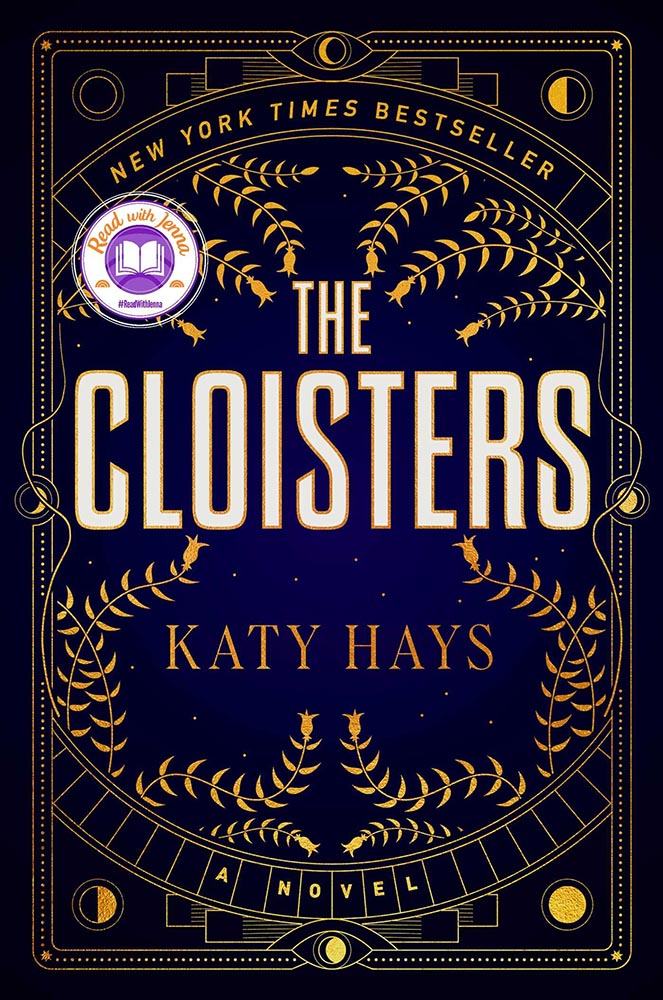
As usual, whenever I see something like this, I’m going to do something else at the same time: mine it for potentially great book design. Which, if you’ll indulge, leads to this short rant: I hate good covers marred by stickers.
“Read with Jenna?” Seriously?
Solid cover. Soooo, who’s Jenna? Is she important enough to mar the cover with? (I DuckDuckGo’d the answer: maybe … if you watch television. Not sure that’s the audience publishers should want to cater to.)
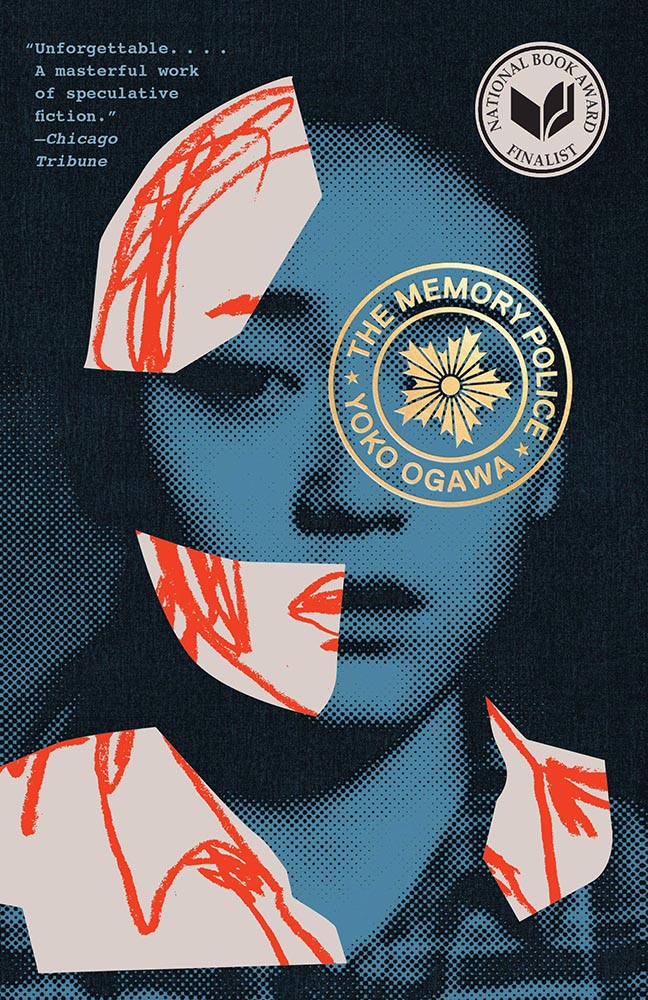
This time, the “sticker” is National Book Award Finalist. Better, but still.
Another solid cover — perhaps even really good, something that’s appropriate for a title up for the National Book Award. Real shame, then, that the sticker gets in the way, winding up completely distracting from the very nice circular title treatment (I’m sorry I don’t know either book designer to list here.)
I understand that it’s a little like trying to hold back the tide with a shovel, but it’s something I needed to express. [/rant]
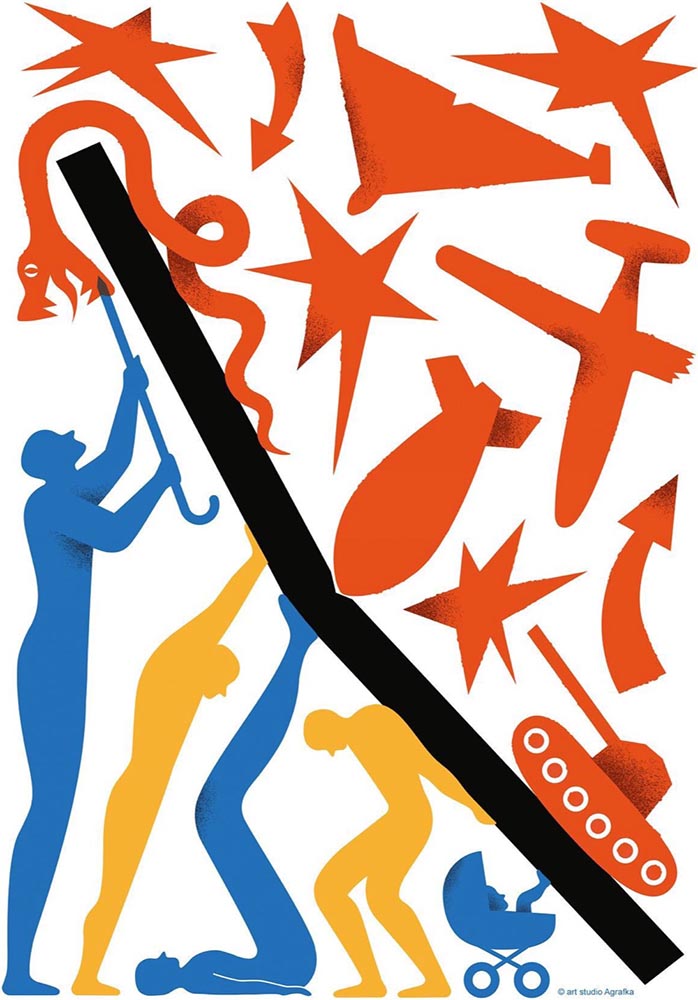
Bonus #2 (amazing):Via Kottke, a fantastic poster and perhaps better question:
Poster for the 2023 International Book Arsenal Festival, by Art Studio Agrafka
A book festival. During a war. In a city under martial law. While schools and legislatures here in the US ban books about Black and LGBTQ+ experiences based on bad faith complaints of tiny fundamentalist parent groups. Tell me, who’s doing democracy better right now?
— Jason Kottke, Kottke.org
That’s all for early July, folks. Go forth and make your summer a better place.
Within literal days of my writing that we should be done with the automobile companies’ logo updates, we got three. (Well, two and a preview.) Details follow.
Infinity
Back in the early ’90s, Nissan introduced a premium brand called Infiniti. Following the likes of Lexus (Toyota) and Acura (Honda), Nissan wanted a piece of the upscale action and knew that a public that still remembered Datsun would need convincing.
So they embraced the home country: Japan. They leaned heavily into the distinctive style and craftsmanship; their initial products were different and put up an interesting argument when compared to (especially) Lexus.
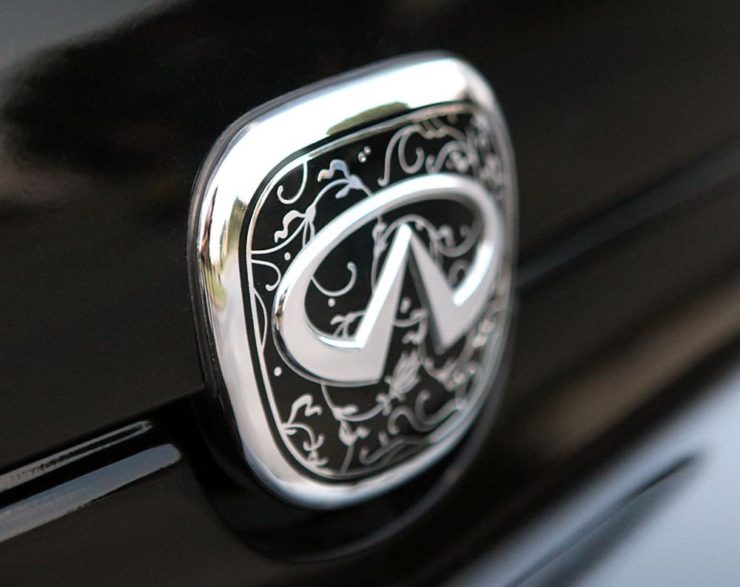
Awesome original emblem from the 1991 Q45’s “grille.” Photo by Ben Hsu.
Alas, they lost the cachet almost immediately — to a point where today, I almost always get out of an Infiniti’s way due to their being the official representative of the poorest-quality drivers on the road. (And I say that as a BMW driver.) It’s also, unfortunately, one of the most-likely brands to wear a coffee-can-sized exhaust finisher, heavily-tinted windows, and/or dubious lowering springs.
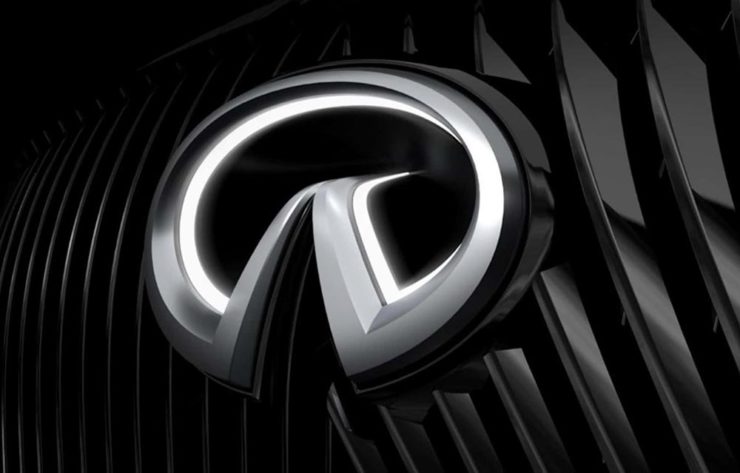
Enhancing customer connection and delivering thoughtful hospitality across all touch points underpins INFINITI’s comprehensive refresh. Central to the update is a new global retail architecture design, along with an evolved logo and new multisensory experience.
— Infiniti Press Release
So to hear them recommit to the “Japaneseness” of their brand is, well, interesting. Perhaps the signature scent will help.
Infiniti’s logo evolution, with the oldest at the left.Note the available illumination.
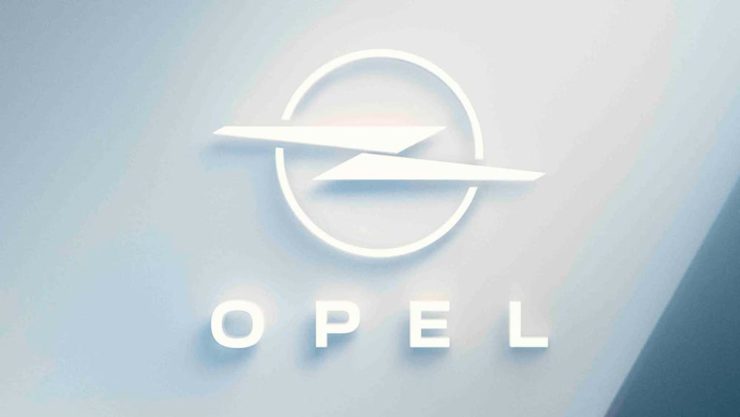
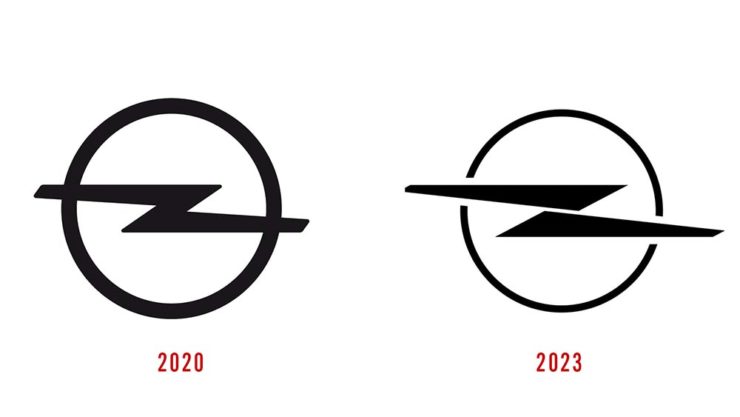
Opel earned a brief mention here on Foreword in December 2020, when they joined were sold to PSA — Peugeot, Citroen, and company — which a month later (!) merged with Fiat Chrysler to form Stellantis. They’re back with an unfortunate update to embrace their 2028 switch to all-electric.
The “increased sharpness,” as Motor1 puts it, is appreciated, I suppose — but the break in the middle goes against everything the lightning bolt its meant to represent. In fact, I’d argue that the mark now doesn’t resemble lightning at all. (Perhaps clouds?)
Sigh.
Preview: Alpina
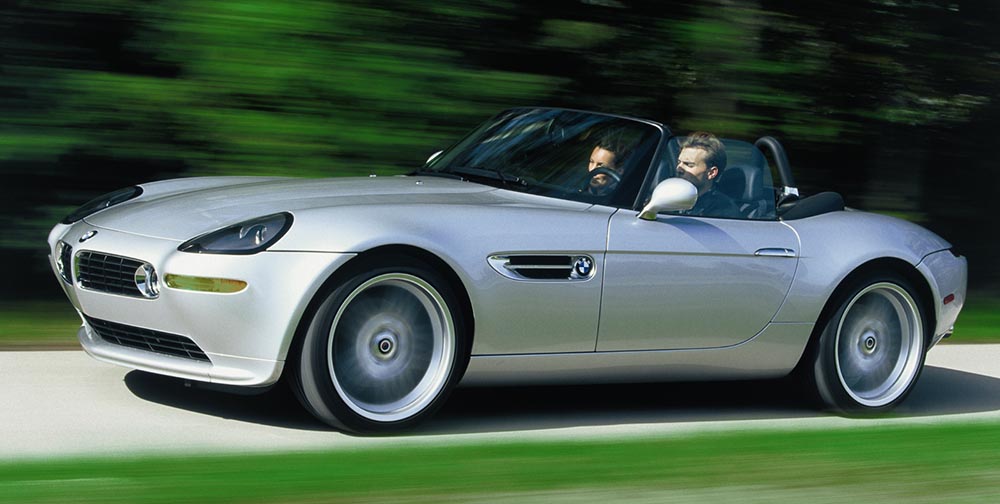
So, on to more interesting things: Alpina. Established in 1962 as a tuner and racer of BMWs, it’s had more or less the same logo since 1967 and was established as an actual manufacturer in 1983: they do more than just tune BMWs, they reengineer them. These days, they stand for the ultimate Grand Tour cars, simultaneously more comfortable, more powerful, and more stylish than the cars they’re based on. (See the lovely Alpina Z8 at the top of this post, for instance.)
Aplina’s 1962 logo: exhaust and crankshaft, sir. Nuthin’ like it.
Naturally, that means most of them aren’t available here in the US.
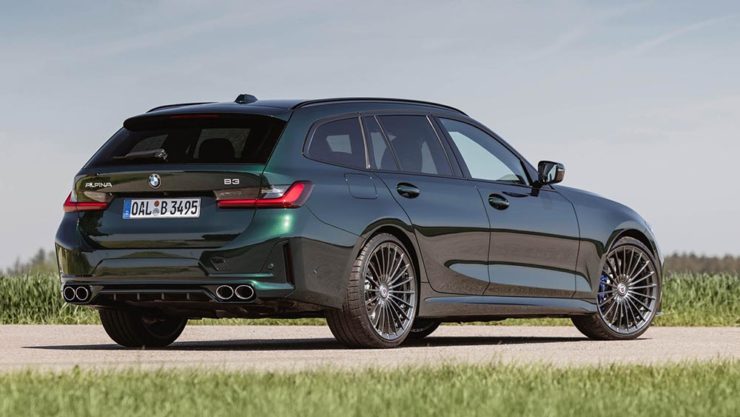
The ultimate unobtanium machine: a 2022 Alpina B3 touring. Drool.
In any case, they’ve recently entered into an agreement to be purchased by BMW itself, not unlike AMG becoming part of Mercedes-Benz, and, starting in 2025, are scheduled to represent the middle ground between BMW and Rolls-Royce — hopefully continuing the comfort, power, and style. It seems that the new ground will be the upmarket models only (that is, no 3-series-based items, and possibly even no 5-series), so think of items $200,000 and up.
Now, an eagle-eyed I5 Talk forum poster noted a filing with the German government:
The proposed wordmark, horizontal.A close-up of the Alpina “A.” Note that it’s the trailing one; hopefully, not a sign of things to come.
This time, several items related to books and bookstores; two more — possibly the last two — from the automotive logo category; and PRINT Magazine’s 2023 roundup of great design.
Book Four-For
AI book covers? Here, now.
Creative Bloq, which I wasn’t familiar with, has a post up that’s only here because it’s the first I’ve seen of what is sure to be a trend: AI imagery on a book cover.
Image: Bloomsbury UK (Also: Where’s the body to go with the head?)
“Causing controversy,” they say, in that…:
[F]or a while now, with concerns over copyright and ethics plaguing text-to-image generators. Perhaps the most existential worry of all is the idea that AI could put human artists out of work – and while many still find the idea fanciful, we’re already seeing examples of AI-generated art being used commercially.
— Daniel Piper, Creative Bloq
The article itself has a hint of click-bait about it, what with Twitter users spotting a NY Times bestseller but complaining about the UK version of the cover design . . . but the larger question of AI coming for the book designers everywhere is valid.
Then again, AI imagery has the potential to reshape much of the creative landscape. Let’s hope — hope! — that it’s deployed ethically.
B&N’s Market Repositioning
Image: NYTimes (modified)
BookRiot asks whether Barnes & Noble’s new presentation as “a local bookstore” — something that’s part of the community in a way that Amazon can never be —is genuine, let alone successful. (We have a B&N here in Macon, which I visit infrequently, and which doesn’t feel “local.”)
Background: The BookRiot article (and the image) above ultimately stem, I believe, from a NY Timesoption piece from 2018.
Temples of Books
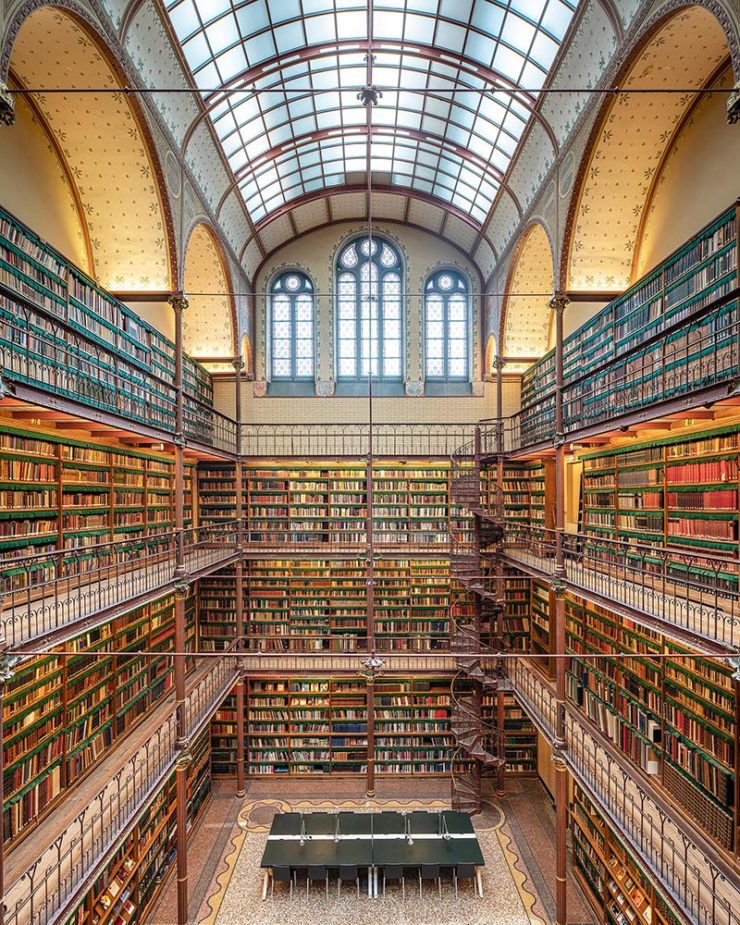
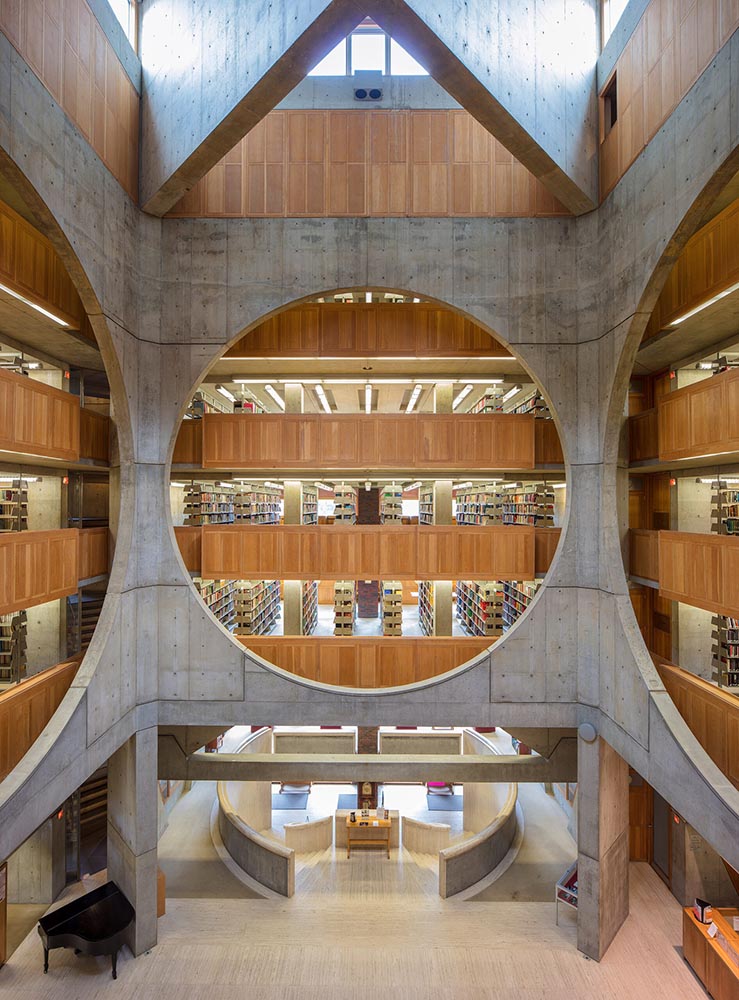
As regular readers know, I’m a huge fan of combining books and photography. Naturally, great photographs of great libraries strike just the right chord:
Phillips Exeter Academy Library, Exeter, New Hampshire
Positioning these spaces as intellectual havens, Temples of Books highlights their wide array of offerings, including botanic gardens, archival repositories, and of course, room to read. “As an institution that can curate knowledge, scrutinize the status quo, and encourage education, the library is more important today than ever,” a statement says. “This responsibility is only growing as the freedom to publish on all manner of channels increases.”
— Grace Ebert, This is Colossal
Instant wishlist item!
Take Action for Libraries
Image: everylibrary.org
Simple brilliance: a handy step-by-step guide on what to do if you don’t like a book at your local library.
Carmaker Logo Updates: Porsche and JLR
Jaguar Land Rover > JLR
No, that’s really it.
Formerly Jaguar Land Rover, but generally known in the industry as JLR, the British company1Technically, it’s an Indian company, as JLR is a subsidiary of the TATA conglomerate. decided to have a FedEx moment and rebranded. Alas, Paul Rand was unavailable, so there’s no brilliance in the execution. (We’ll absolutely leave whether walking away from Land Rover as a brand is a smart move for another, longer discussion.) Motor1 has the details.
Porsche > Almost all other mainstream car brands
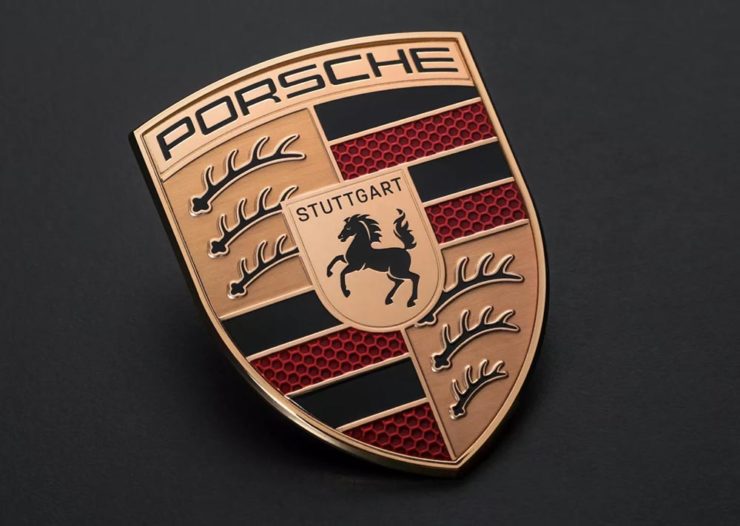
There’s a new Porsche logo!
The new 2023 version of the Porsche logo. (Image: Porsche)
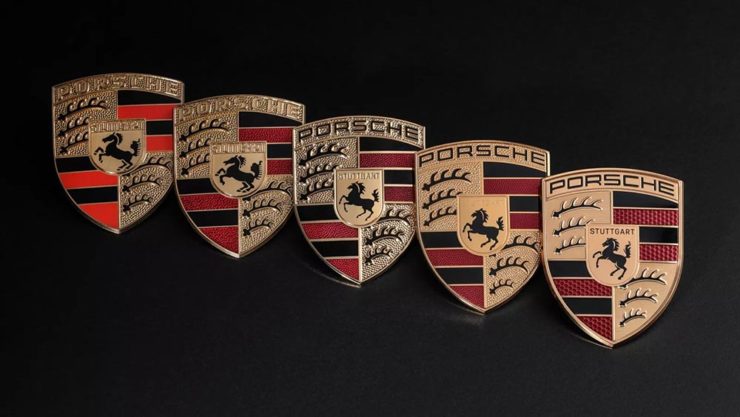
That’s right: it’s a very subtle change. But it’s a significant one, perhaps because it’s only the fifth in the company’s 75-year history:
All five Porsche badges. (Image: Porsche)
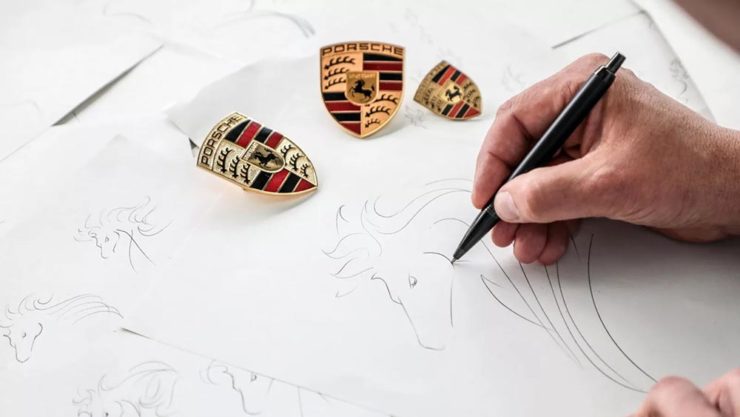
The biggest changes are the backgrounds and the prancing horse in the middle, which is completely redrawn. (And, yes, has more than a passing — heh — resemblance to Ferrari’s.)
PRINT reminds us that not everything is digital these days — so much of the work still goes on paper or packaging — in their 2023 roundup of great stuff:
The 2023 PRINT Awards celebrated outstanding design in every shape and form, from the delicate texture and exquisite form of print to digital design that married technical skill with precise craftsmanship.
— PRINT Magazine
The best in show is a brilliant environmental design, the annual reports category is oddly satisfying (I didn’t know that Land O’ Lakes is a cooperative that owns Purina, for instance), the editorial category contains brilliance, and many, many more worthy of a design lover’s attention.
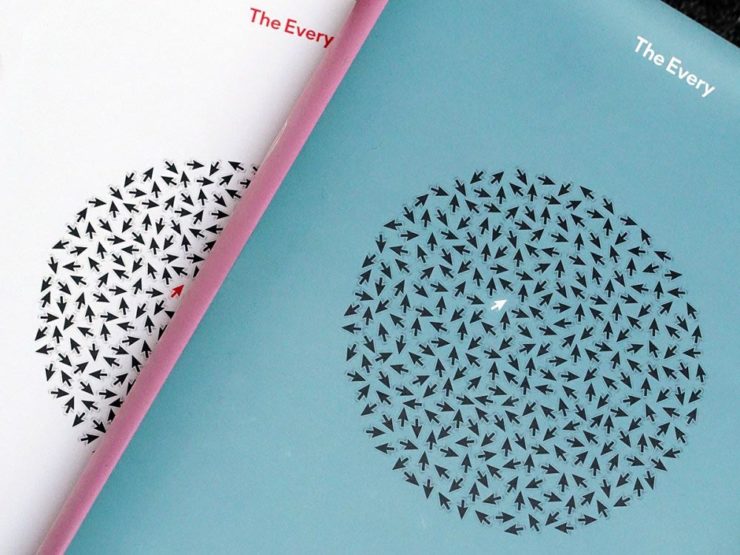
Sadly, their book design category is a bust. I like “The Every,” but pretty much any of my Best of 2022 picks run circles around it (and the other two choices):
The Every as photographed by PRINT.
But there are gems. I really like Bakemono, for instance, a winner in the fonts category and the best monospaced font I’ve seen:
Italian foundry Zetafonts brings us Bake Mono.
It’s a long article (they call it a 74-minute read!), but when you have a moment, grab a drink and an iPad and enjoy — hopefully as much as I did.
And that’s it! Settle into summer, and stay tuned for more soon.
1
Technically, it’s an Indian company, as JLR is a subsidiary of the TATA conglomerate. ↩︎
I don’t usually think it’s fair to quote another blog post in its entirety, and I certainly won’t make a habit of it. With that out of the way, the always-interesting Pixel Envy, written by Nick Heer, hits us with a doozy — one that, due to its length and depth, requires the complete quote:
It’s a cycle. People create something, together, that reflects their energy and weird work; that thing becomes compelling as a result, and that makes it valuable, and at some point someone puts a price on it and someone else pays that price. It is at that moment that the thing begins to change. The new owner will almost always decide that what is most interesting about this thing is not the human essence that gave it value, but The Owner Himself, and will act accordingly. People will come back for the valuable stuff until the owner succeeds in crowding it out; when that crowding is done, the owned thing dies. Until then, what’s left is just what’s valuable—the humanity and brilliance and unpredictability and fun that all that cynical and idiotic and self-serving wealth is always and everywhere busy replacing with itself. There’s nothing to do but look for the good stuff until the looking becomes too challenging, or until it’s gone.
Heer writes in response: “You may disagree with Roth’s headline thesis — ‘everything is Silicon Valley now’ — or his tie-in with the story du jour, Twitter, or his analysis of baseball’s problems. But the paragraph above? That is something to keep pinned in your brain. For most of us, it is a reminder to be wary of how things are changed in exploitative ways; for those in power, it should be seen as a cautionary pattern.”
Pinned.
Kottke is Back!
After a few months off, Jason Kottke is back in the blogger’s seat to enrich all of our lives. As someone who’s been reading for years — he started in 1998, and I’m certain his site was in the blogroll of the old Foreword, back in the Aughts.
Fine hypertext products indeed: Kottke.org, December, 2022.
We might be waiting a while for his so-called “comically long what I did on sabbatical post,” but his Sabbatical Media Diet post is a gold mine of to-read and to-watch items.
Welcome back, sir. May you blog for many seasons more.
Stop Stealing [Free] Sheep
No, not that — the type book:
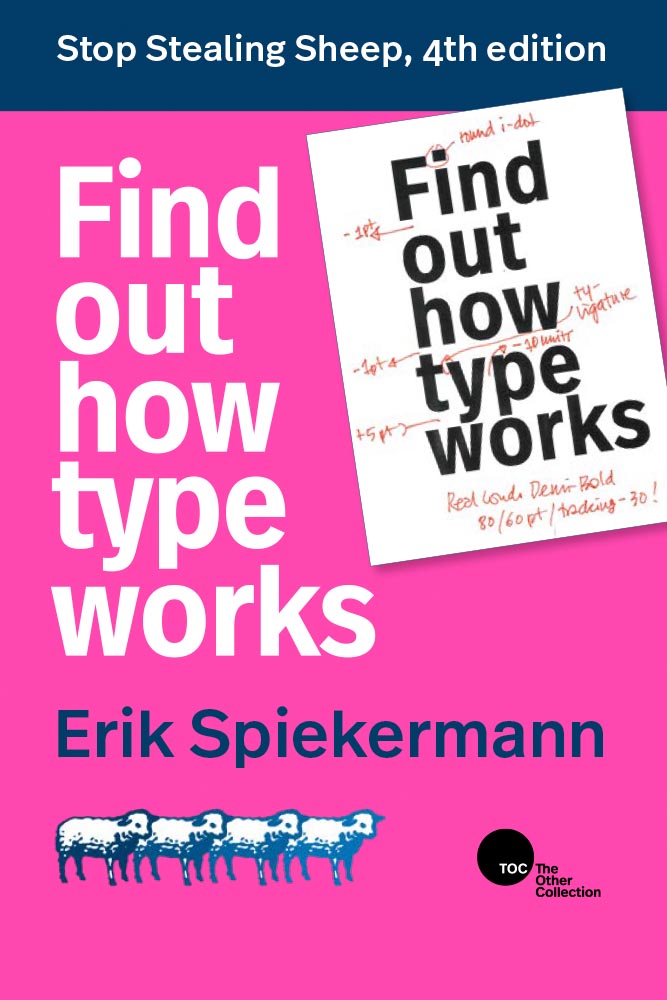
From Kottke, while we’re on the subject, one of his Quick Links from Dec 20th: “Google Fonts is offering a free download of the newly updated 4th edition of Erik Spiekermann’s Stop Stealing Sheep & Find Out How Type Works.” It’s a PDF, available now.
9th Annual Landscape Photography Awards
It’s fair criticism to say that I both decry photography contests and yet sometimes celebrate the results. But…:
“The Winding Journey” by Max Rive, Border Between Chile And Argentina, Patagonia
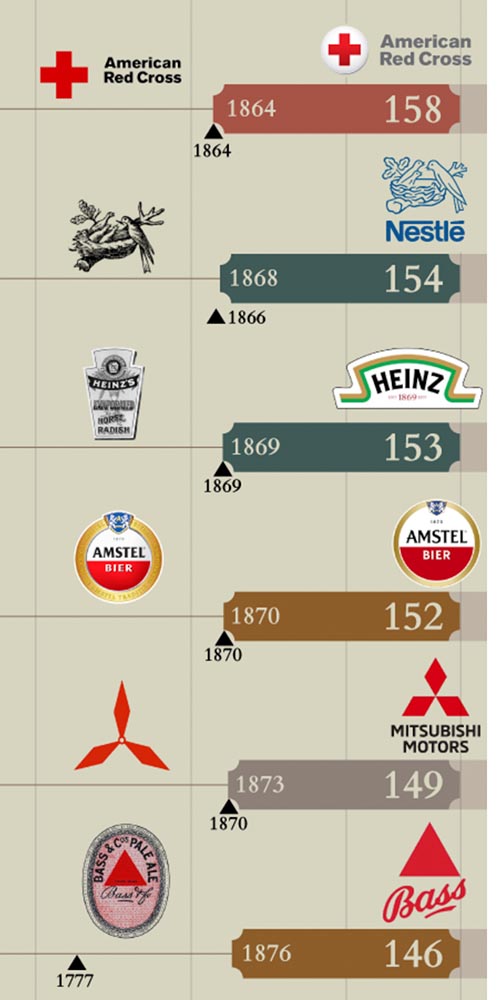
Image Relay has an interesting item showing how long some familiar logos have been used — and, yeah, there’s a reason they’re familiar!
The black triangle is when the company was founded, and the bar indicates how long a logo with elements still used today has been around.
That’s but a sample of the complete listing; shown are nos. 3–8. Coca-Cola, the company I’d probably name if asked for the oldest logo, is no. 12. Click through for the rest.
That’s it for this year
Foreword will be back in January with our annual first-of-the-year best-of: my favorite book covers of 2022. Happy holidays, everyone!
Top image: Tree Lights, December 2020, downtown Macon, Georgia.
This time, it’s three automotive logos . . . and Mercedes’ accounting department, plus a holiday bonus. Joy to the Auto!
New Audi Logo Falls Flat
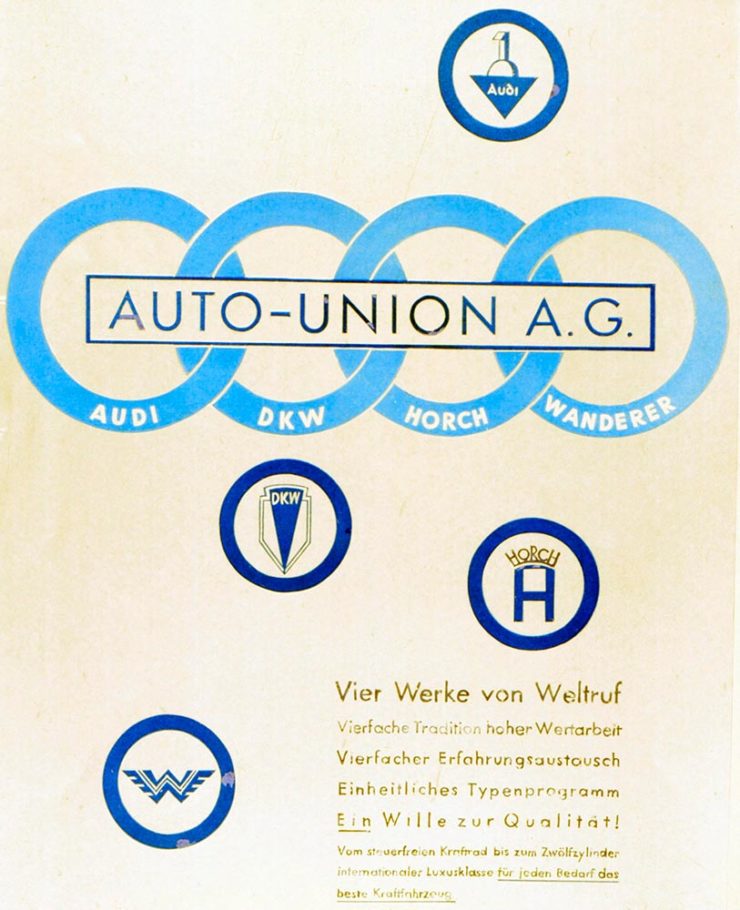
Audi’s “Four Rings” have been around for a long time — since Auto Union was formed, ninety years ago:
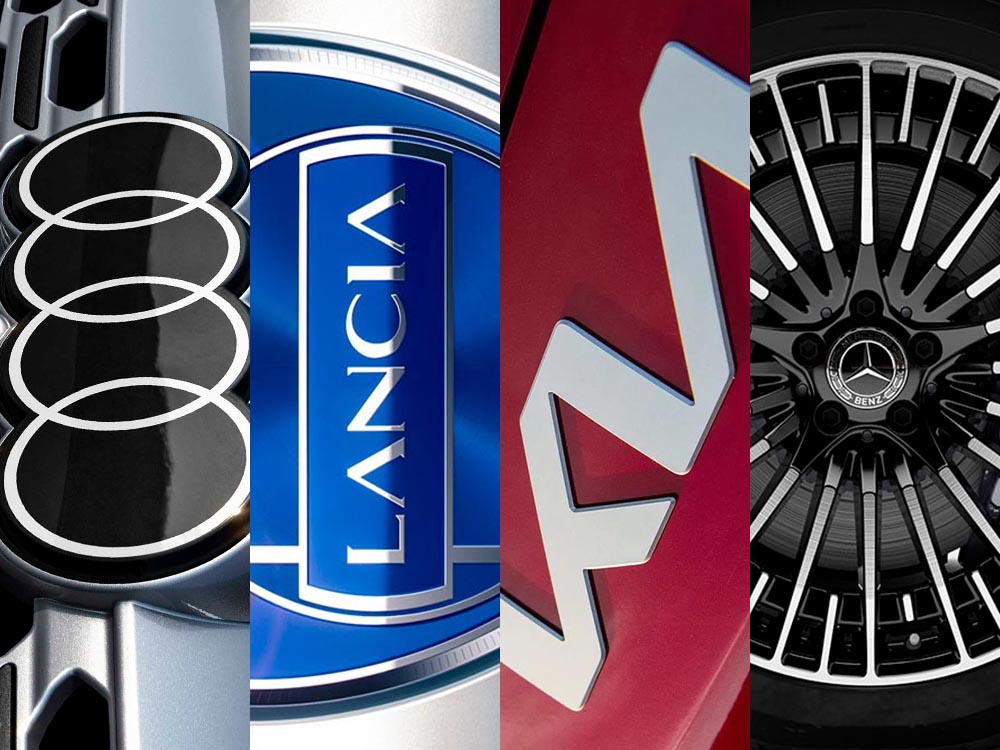
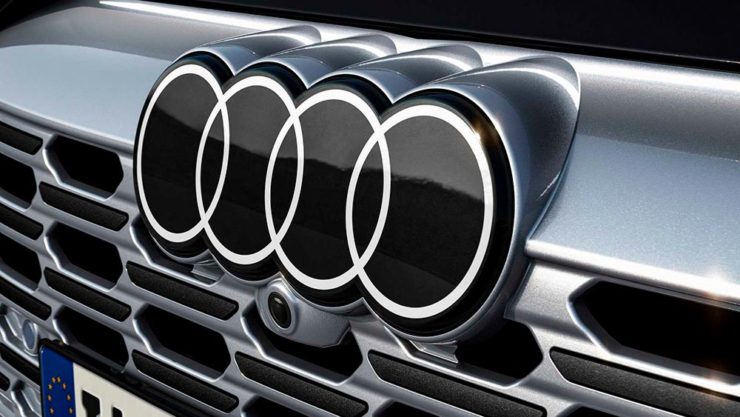
Now Audi follows the pack (see VW, Mini, Volvo, etc.) and converts their logo from three-dimensional to two; the rings now are either white and framed by a thin black border or dark grey with black borders.
Four-ring closeup. (It’s hiding sensors, too.)
Not an improvement, IMHO. One of the articles mentions the concept of “a consequence of digitalization,” and think that’s about as good a description as you’re gonna get.
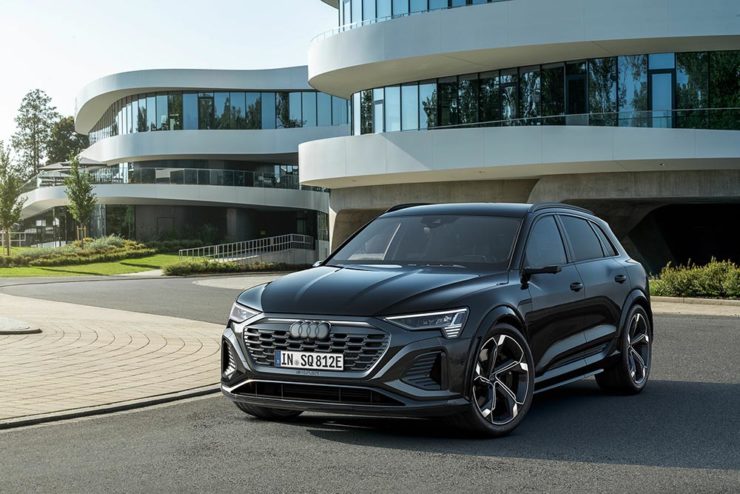
The change will roll out starting with the updated Q8 e-tron — which, thankfully, still looks good:
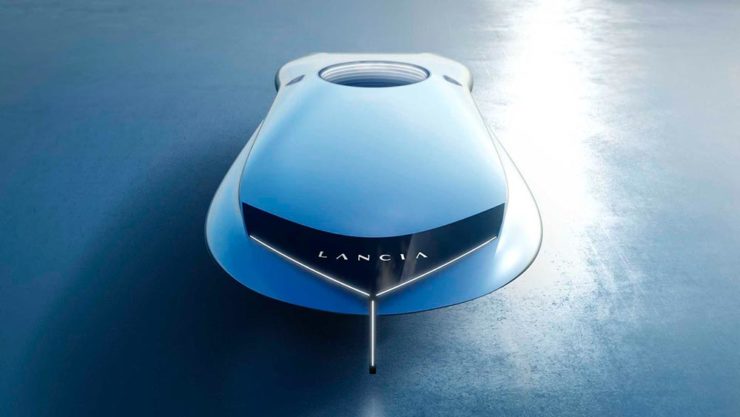
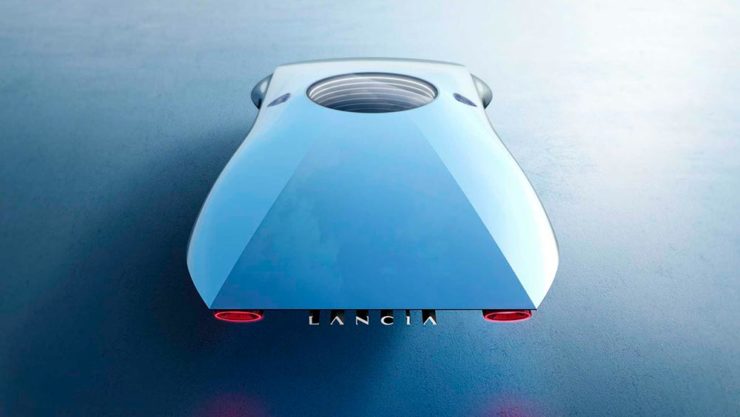
Okay, it’s not really — it’s a conceptual sculpture, titled “Pu+Ra Zero,” that represents their rebirth:
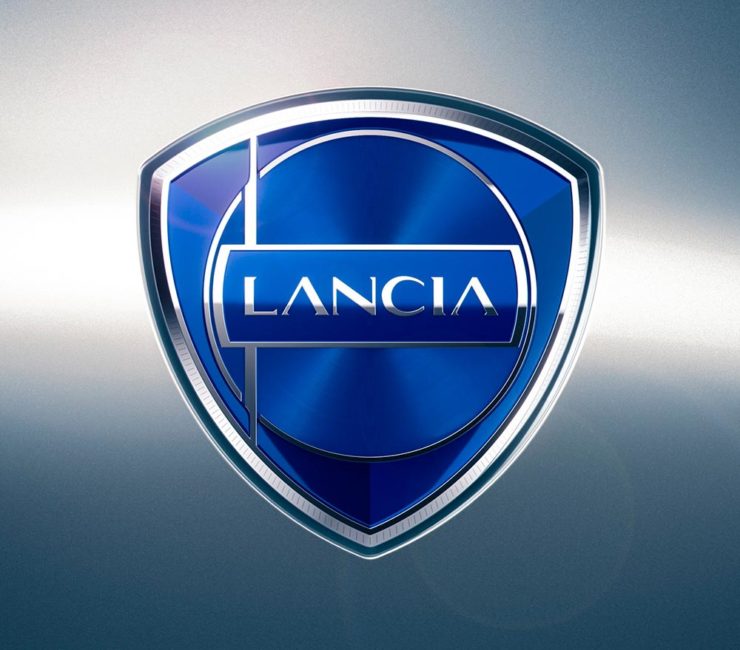
They call it a “a three-dimensional manifesto,” and no, I don’t get it either. (The light signatures and, apparently, the circular sunroof will carry through to the new models, however.) The logo, their eighth in 116 years, is new as well:
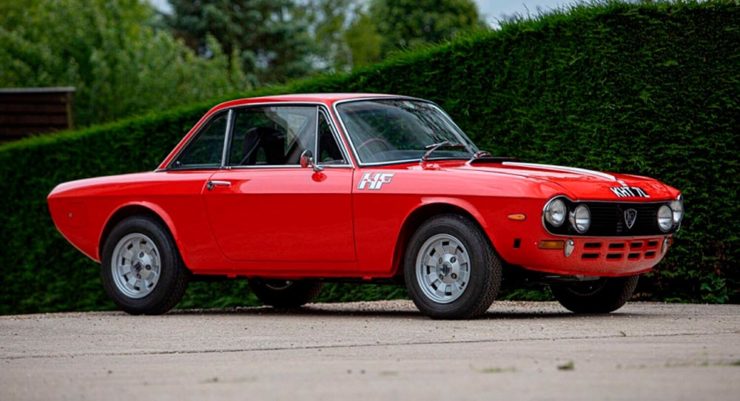
I didn’t know Lancia well (only in passing? Eh. —Ed.) until the famous Top Gearsegment naming them “the Greatest Car Manufacturer of All Time,” although I knew of the Delta Integrale — and think that the Fulvia is one of the prettiest sedans ever:
The 1972 Lancia Fulvia
Let’s hope their new models, and conversion to an all-electric manufacturer, lives up to their past achievements. Meanwhile, The Autopian has the best roundup of the new Lancia.
Kia, KN, and … Wait, What?
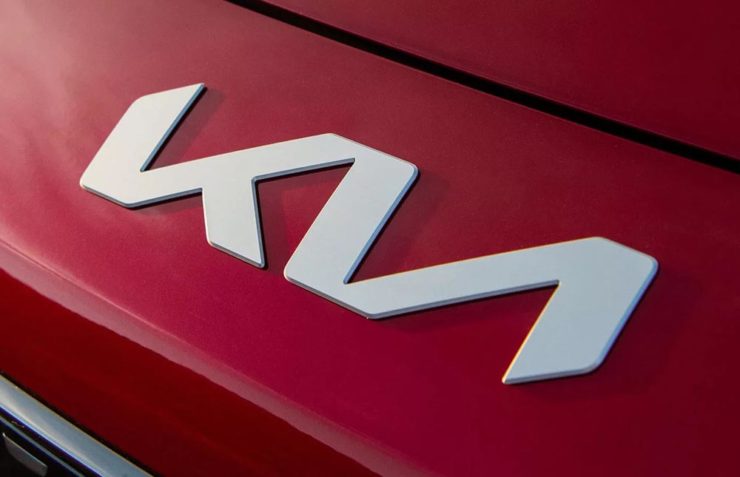
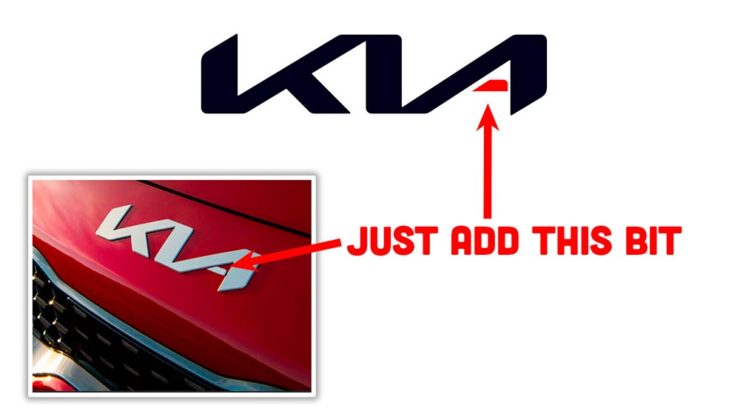
30 thousand folks a year are doing Google searches for “the KN car.” Why? Kia’s logo, of course:
I’m not a huge fan of the new Kia logo — and can absolutely see the “KN problem” — but I think it speaks more to modern society that this is a news item than anything related to graphic design. Willing to be wrong.
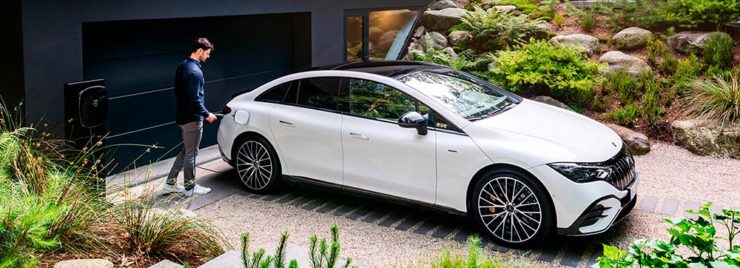
Mercedes: $1200/yr for Full Output
This subscription thing has gotten seriously out of hand: Mercedes-Benz USA, in an effort to further bilk their customers — ’cause, y’know, MBs don’t cost enough — has decided that the last 60-110 horsepower available on their 2023 electric vehicles are only available for a yearly fee.