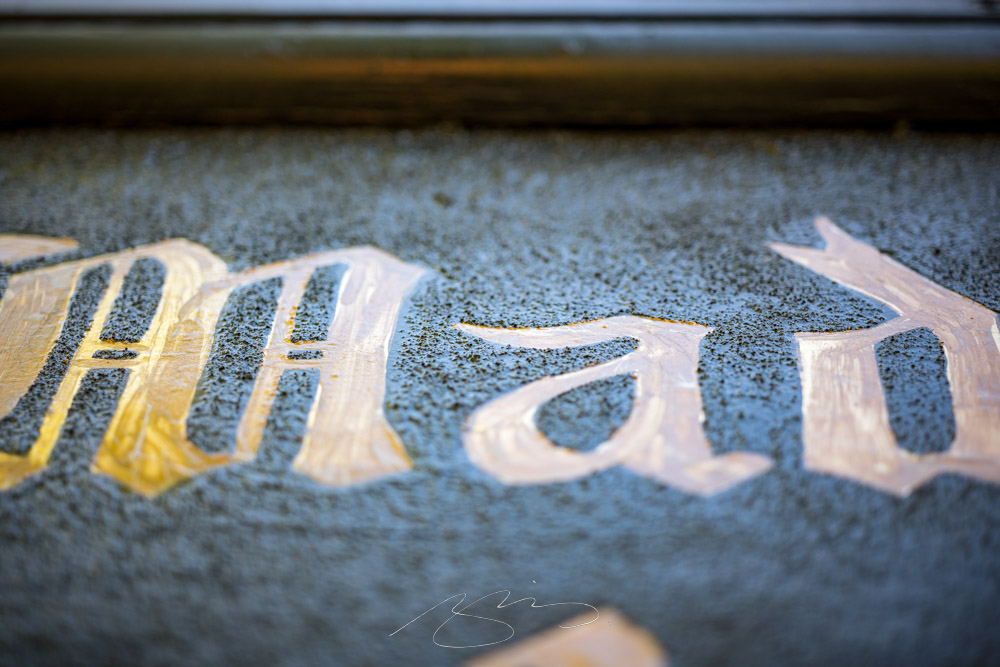
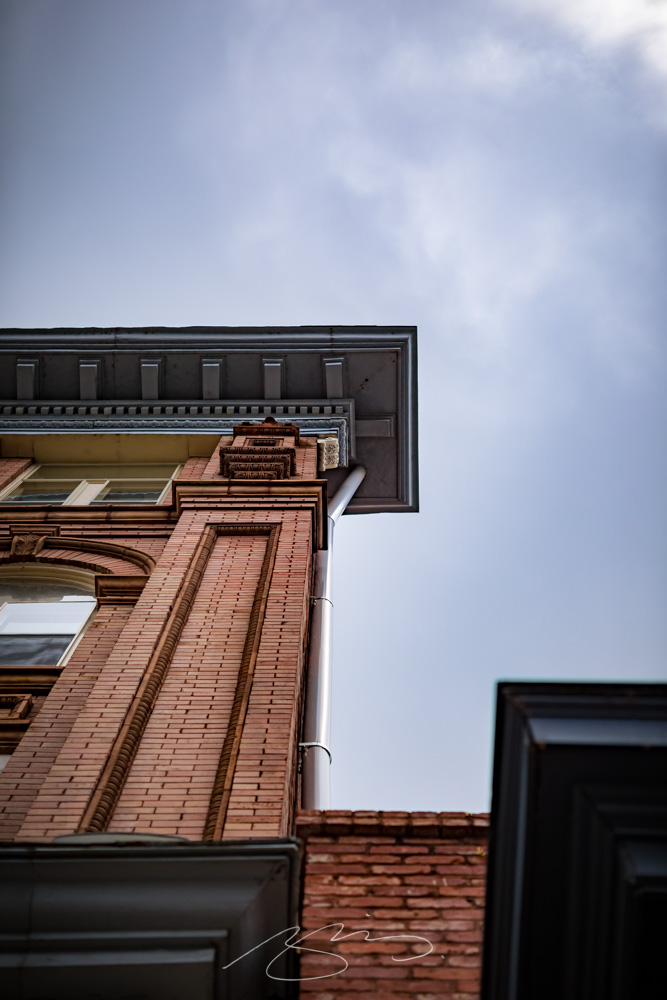
The past couple of days represented a much-needed break from the recent heat wave — an opportunity to get out of the house and celebrate a stunning morning with camera in-hand.
I pass through Madison regularly (it’s along the route from Macon to Athens), and have been meaning to stop and take some photographs for literally years. Today, the first of two parts this week, with more to come soon.
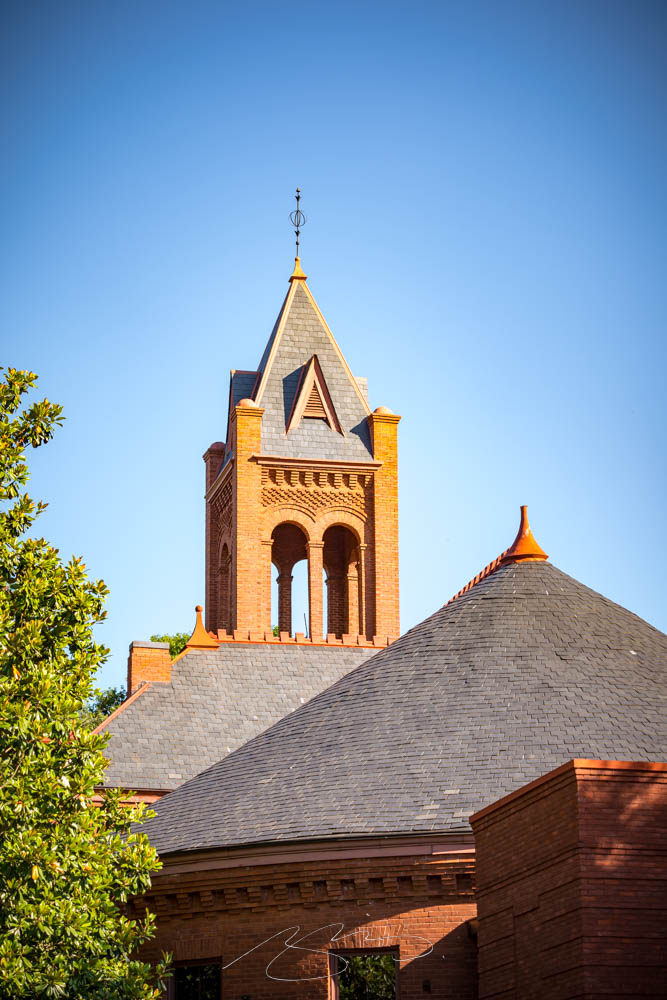
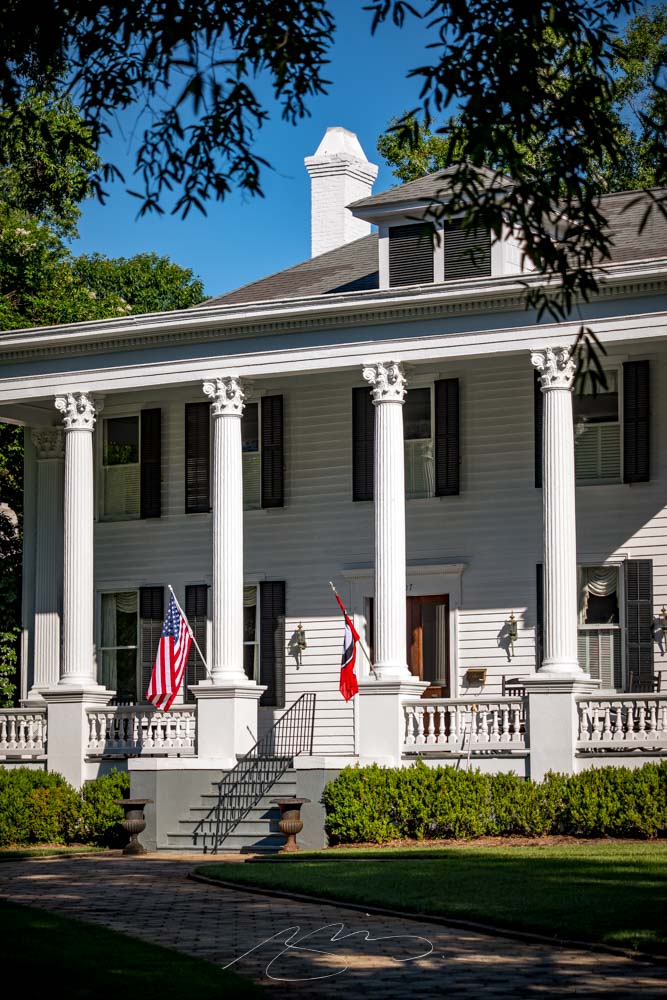
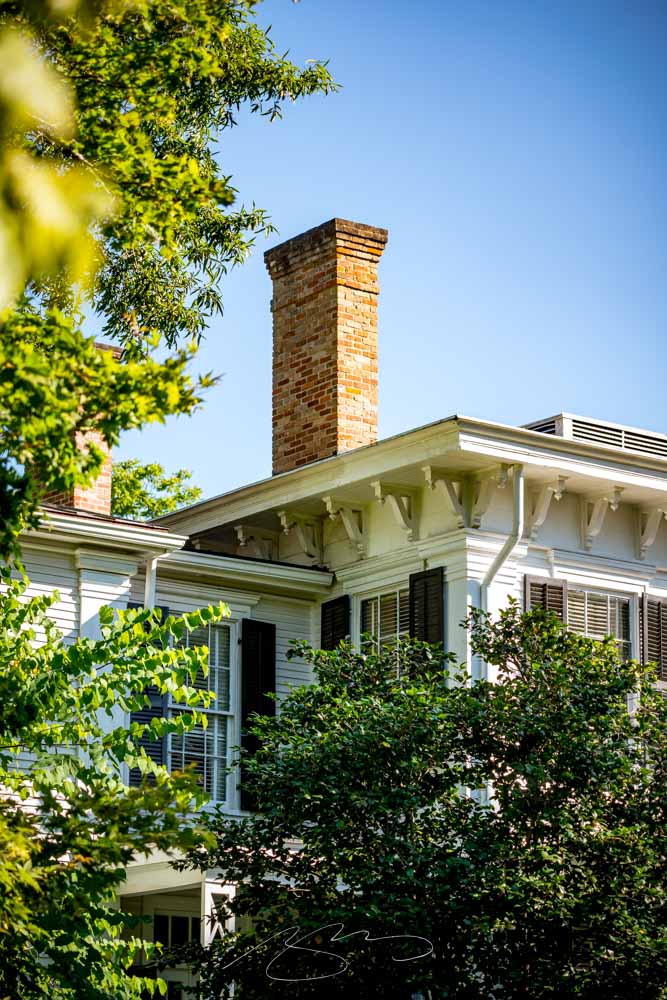
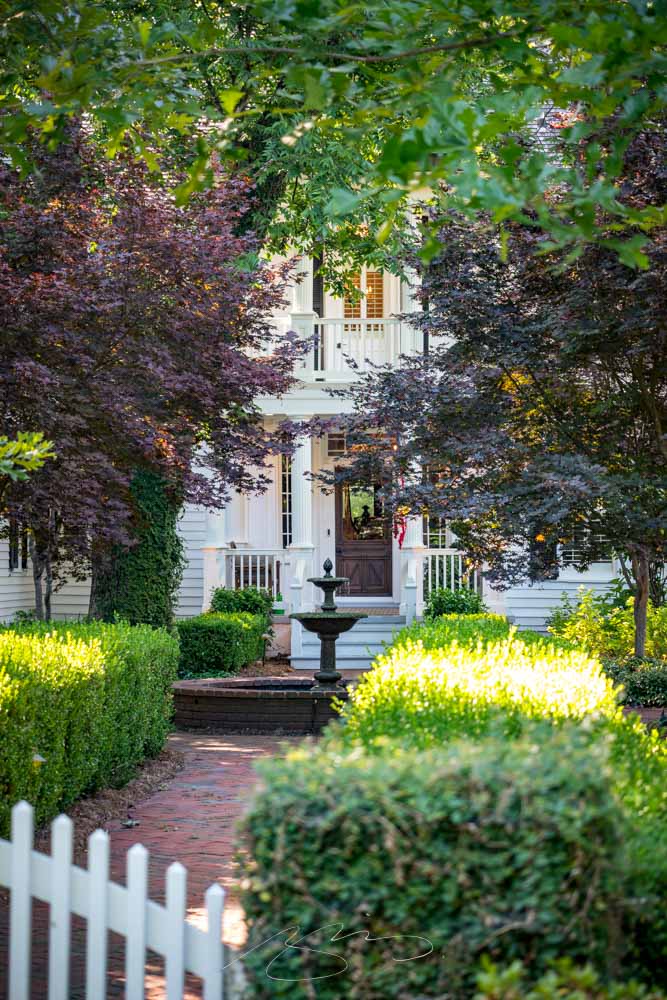
We start at the Madison Morgan Cultural Center and loop through the historic district — and its many, frankly stunning buildings — south of downtown:
Madison Morgan Cultural Center (Detail #4)507 S. Main Street #1411 Old Post Road #1413 S. Main Street, Photographed from Old Post Road
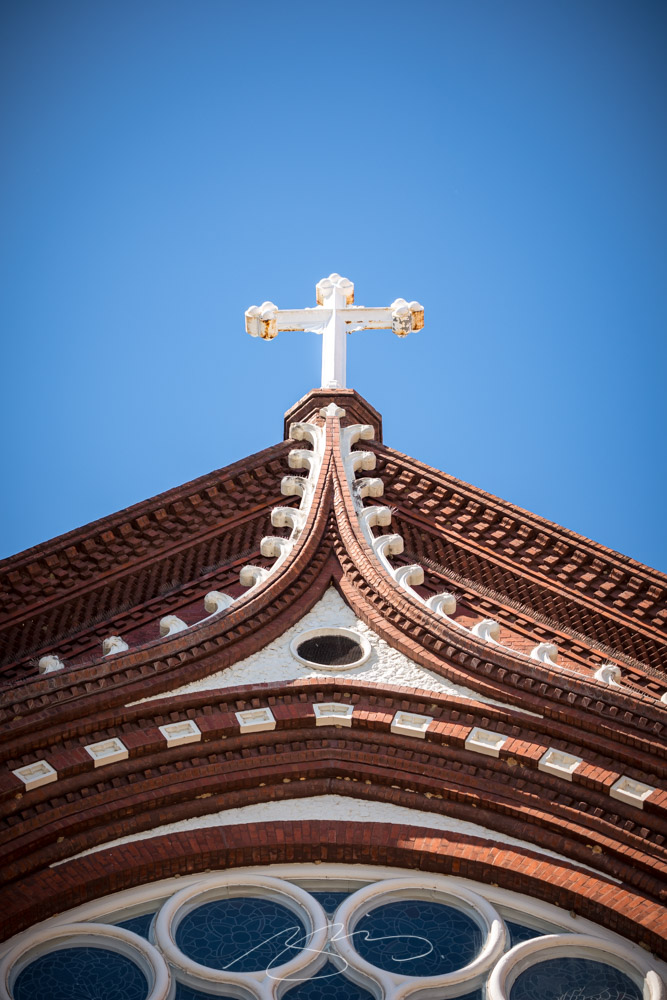
There are a few detail shots mixed in, too, like this one from the Presbyterian Church:
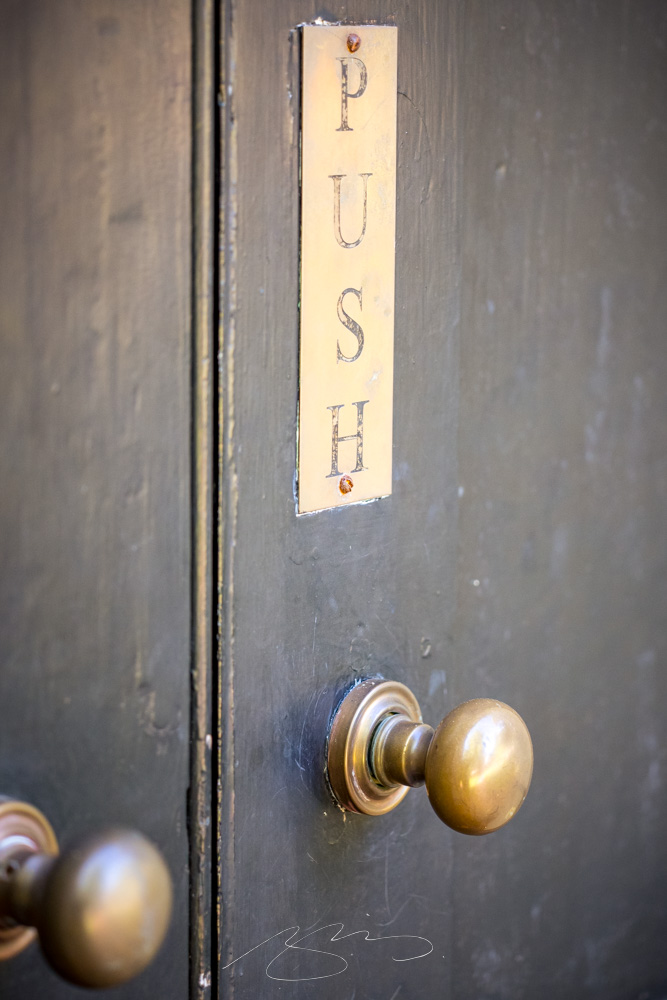
Madison Presbyterian Church (Door Detail)
See the first 34 photographs in the new gallery. (Remember to double-click on a photograph to see larger.) Next time, downtown. Happy Monday!
FedEx pulled up around 8:30 this morning and dropped off a new lens. (It wasn’t due ’til Tuesday — bonus!) Given that it was an absolutely beautiful morning, I shelved my plans for the day, picked up the camera, and headed downtown.
Verdict? It’s so a keeper. See for yourself:
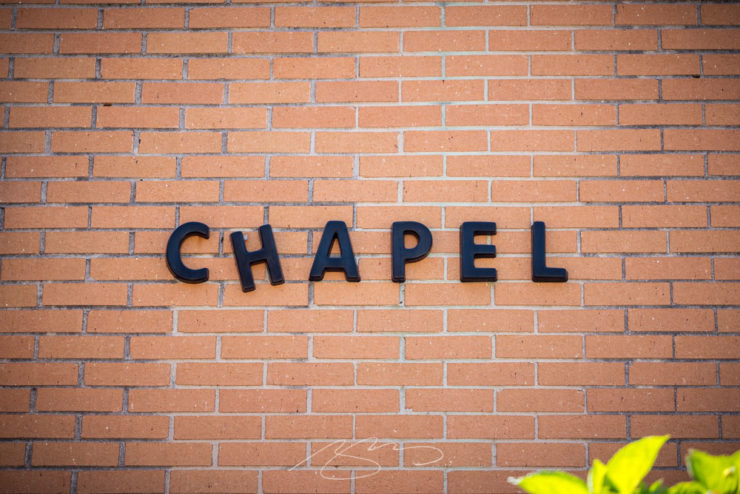
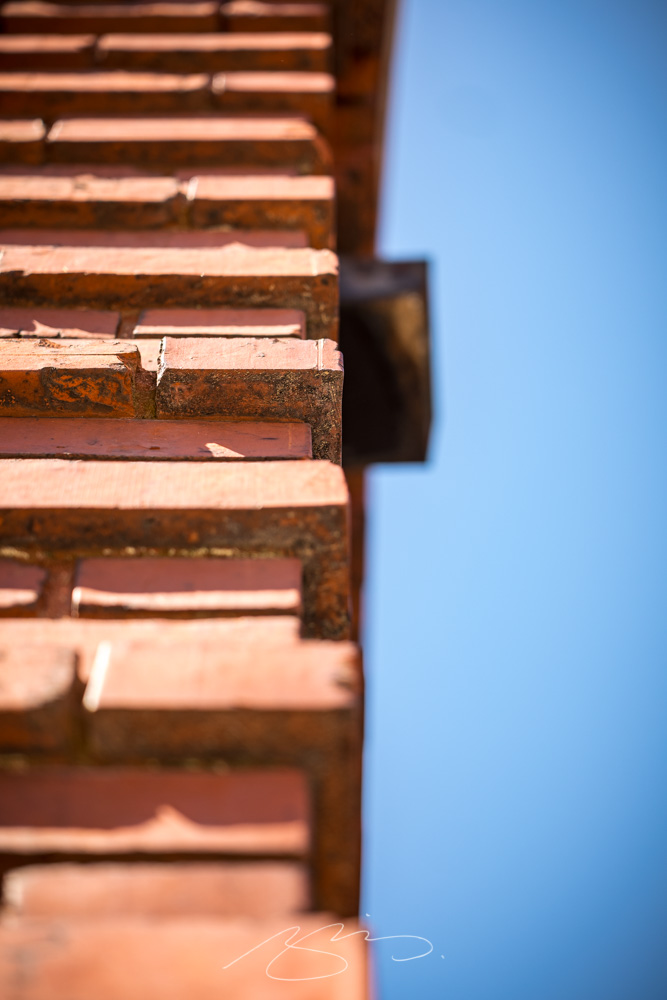
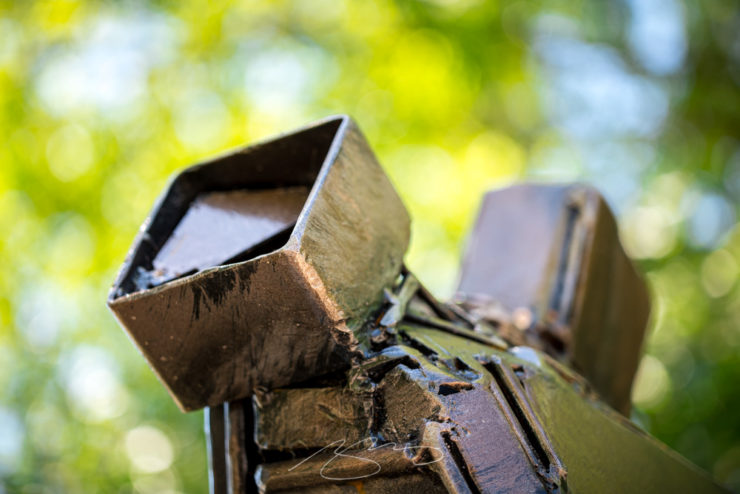
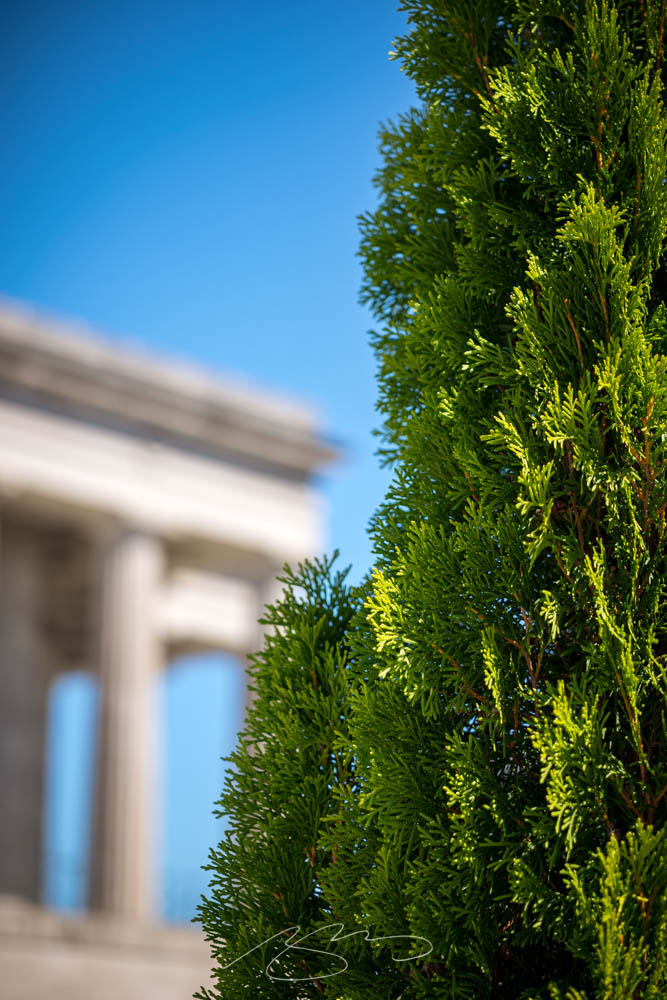
Catholic Cross, St. Joseph’s, MaconPurple Hydrangea, St. Joseph’s, Macon(Funeral) Chapel, New St., Macon552 New St. (Brick Detail), MaconPublic Art (Detail #1), D T Walton Sr Way, MaconTree and City Auditorium, Macon
Wound up with sixty new items posted. However, the downtown Macon gallery was getting almost too big — confusing, even — so has been separated into three parts:
As I mentioned in the last entry, Gerald and I were in Columbus, Georgia on Saturday, where our primary photographic mission was The Columbus Museum — specifically, its Olmsted Garden.
Celebrating the bicentennial of the birth of Frederick Law Olmsted, Sr., known as “the father of landscape architecture”, the Cultural Landscape Foundation has created an ever-growing digital guide of Olmsted’s most notable works.
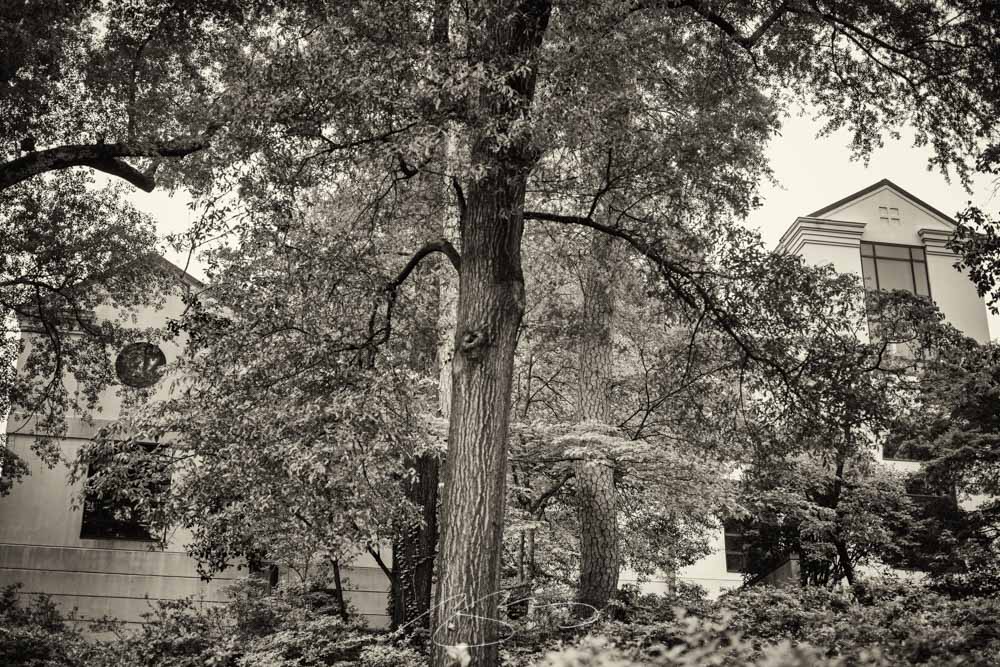
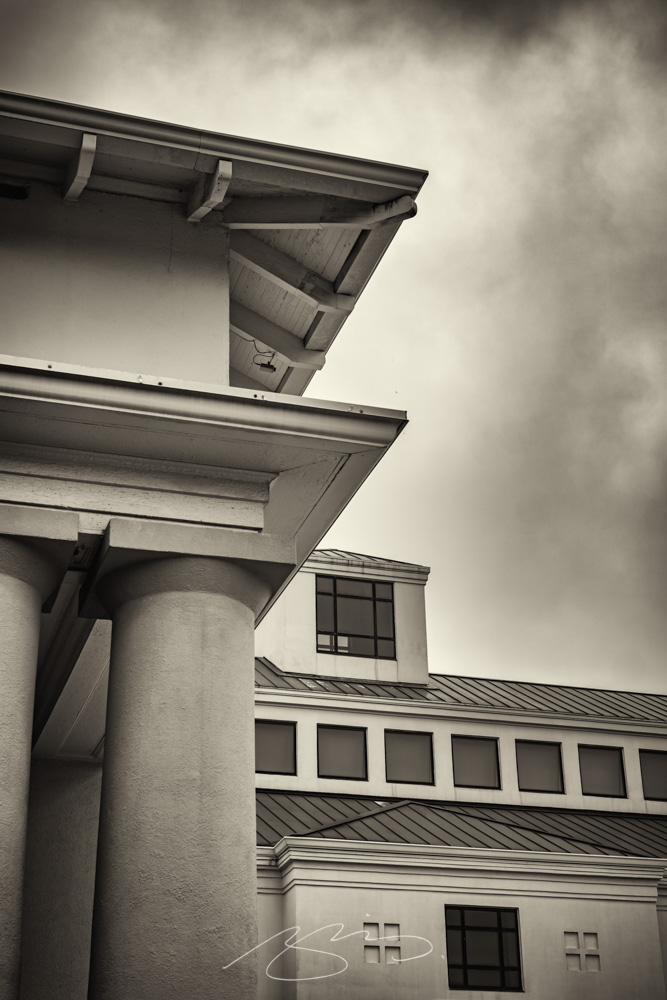
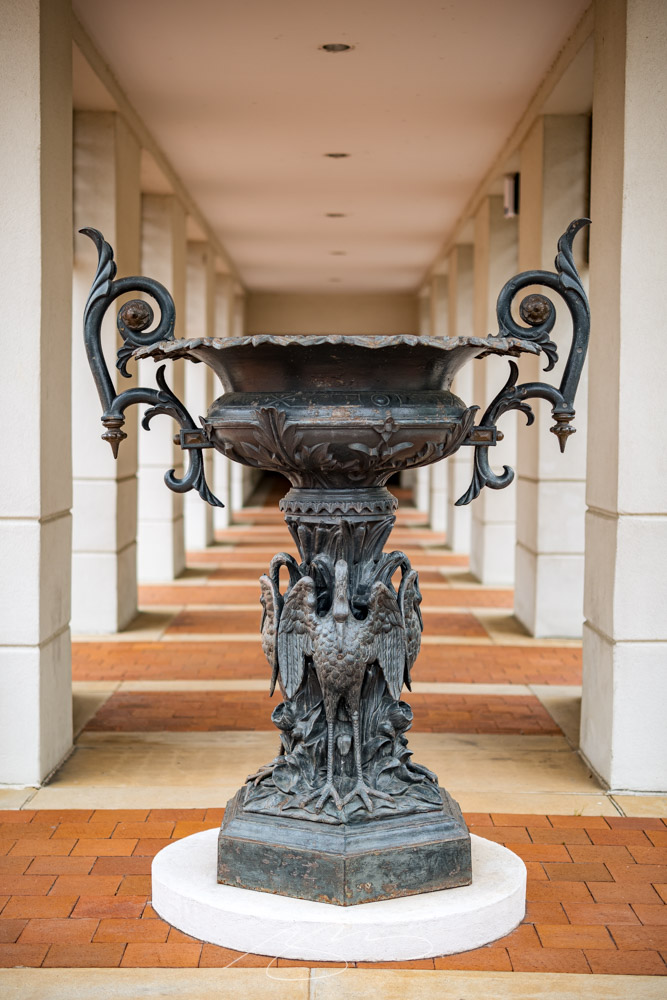
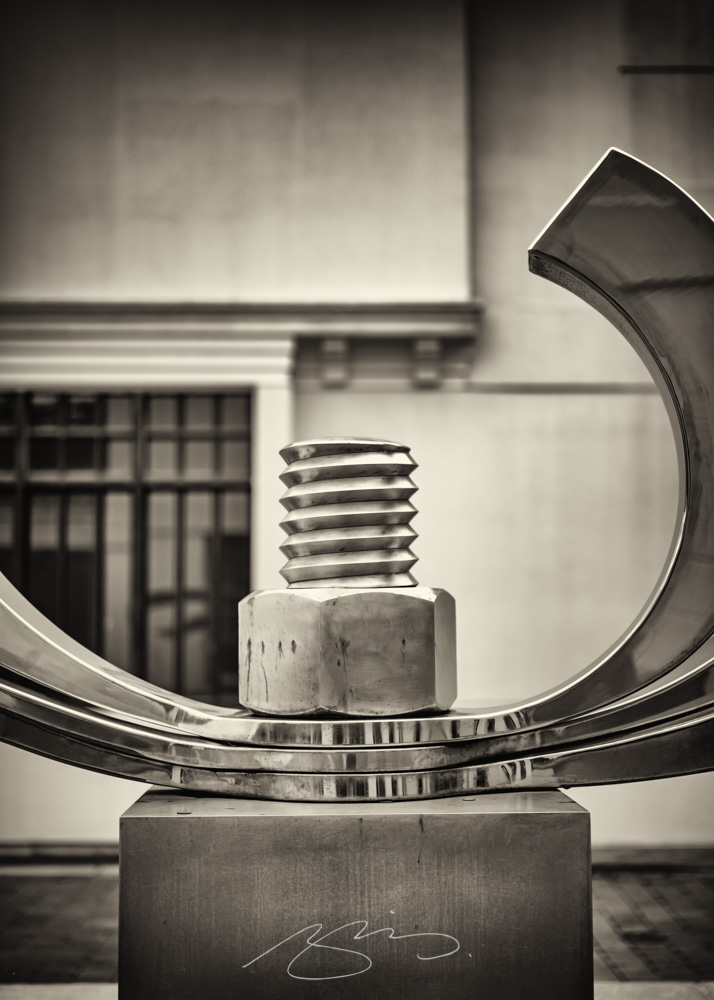
Of course, the building’s interesting, too, so there’s a good mix of architecture, gardens, architecture from the garden, and — you guessed it — garden architecture:
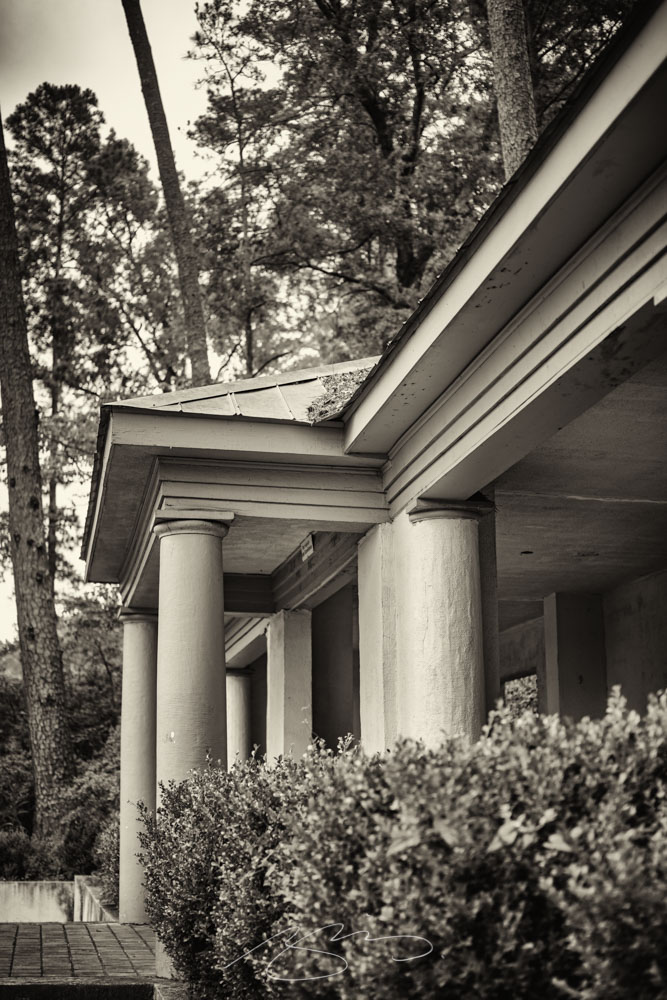
The Columbus Museum (B&W #1)Urn, Columns and Bricks, The Columbus MuseumCrawford’s Kindred (B&W detail), The Columbus MuseumOlmsted Garden (Flower #3), The Columbus MuseumOld Pool House (B&W), Olmsted Garden, The Columbus Museum
I enjoyed the visit, and as a result of that visit, added 32 new photographs to the Columbus gallery. (They’re grouped together: “Columbus Museum – Mar22.”) Peruse anytime; purchase if you’d like. Thank you!
Gerald and I were in Columbus, Georgia, today, which included a delicious lunch at The Black Cow — no word whether the name is related to the Steely Dan song — and which meant a few photographs:
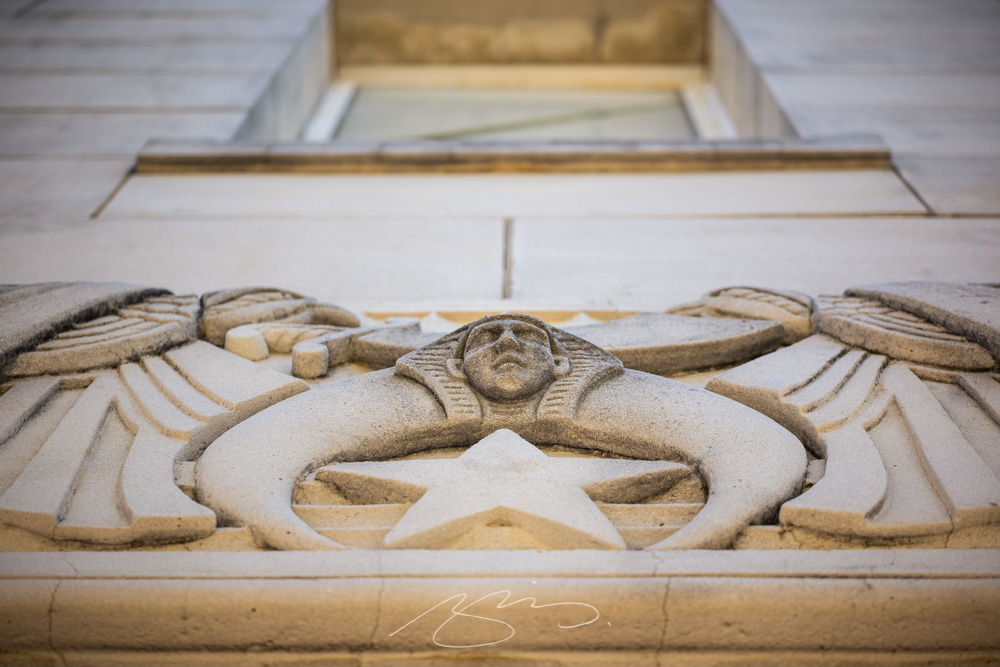
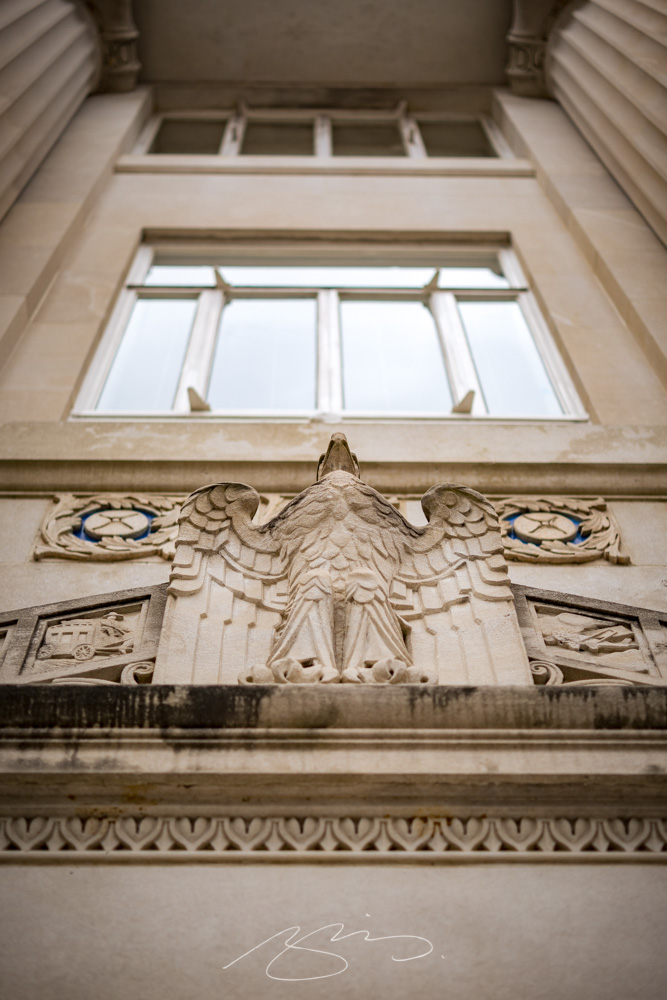
United States Post Office and Court House (Eagle Detail), Columbus, Georgia
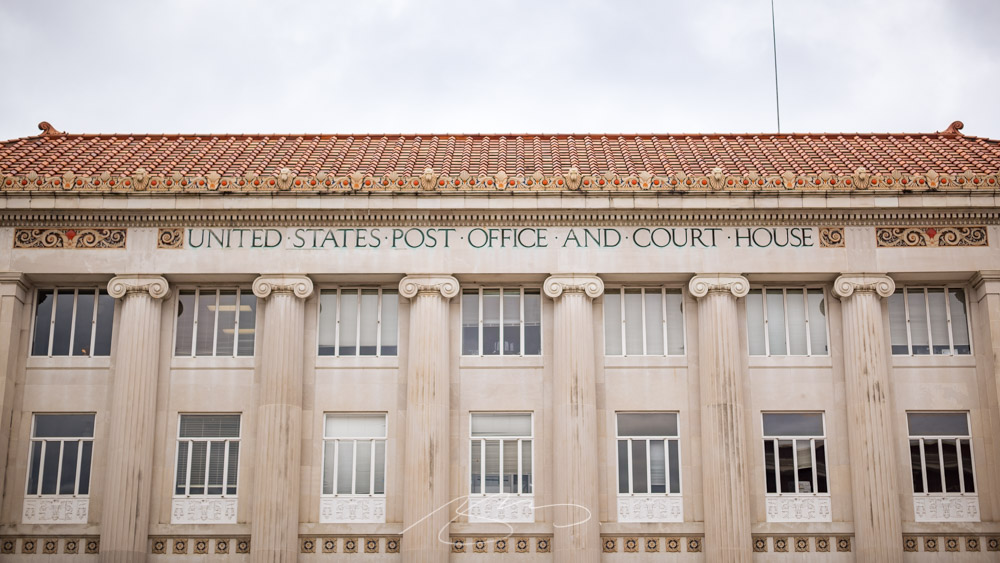
One of several of the Post Office and Court House (the header photograph is that building, too), along with a few others from downtown:
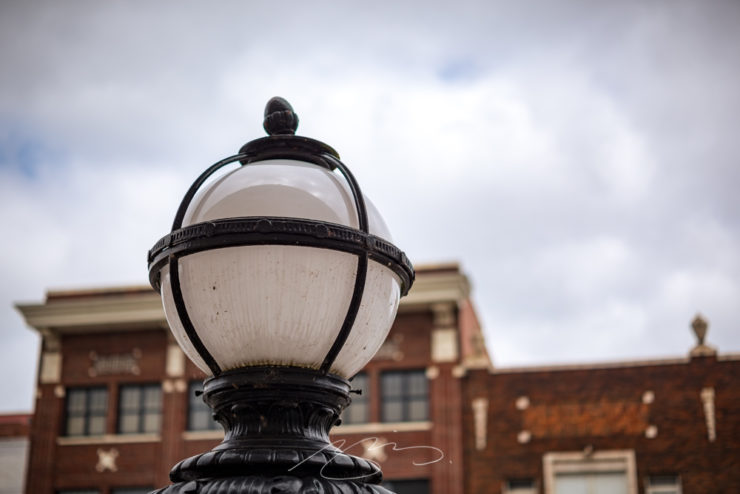
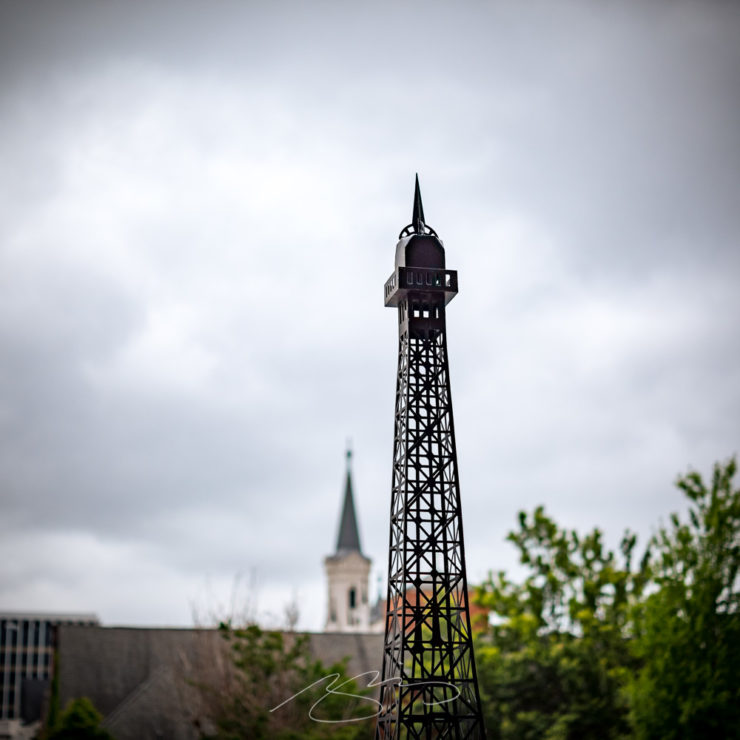
Lamp and Buildings, Downtown Columbus, GeorgiaArches, Planes, and Sky, Downtown Columbus, GeorgiaTower and Spire, Downtown Columbus, Georgia
Columbus is really well covered in its dedicated gallery: check it out. The majority of today’s photographs, however, were from the Columbus Museum; those will be posted Monday. Stay tuned.
Three completely unrelated items for you this time, ranging from the serious and interesting through the loony and interesting to something of a whole different stripe.
The Eames Institute of Infinite Curiosity
Update 2, 25 Apr:Brand New discusses this logo, with the usual catchy title: The Fast and the Curious: Counterspace Drift
Eames Institute’s “curious” logo variations, discussed at Brand New
Update, 8 Apr: It’s Nice That has more: The Eames Institute launches with a curious, “Eamesian” identity, and a logo that observes
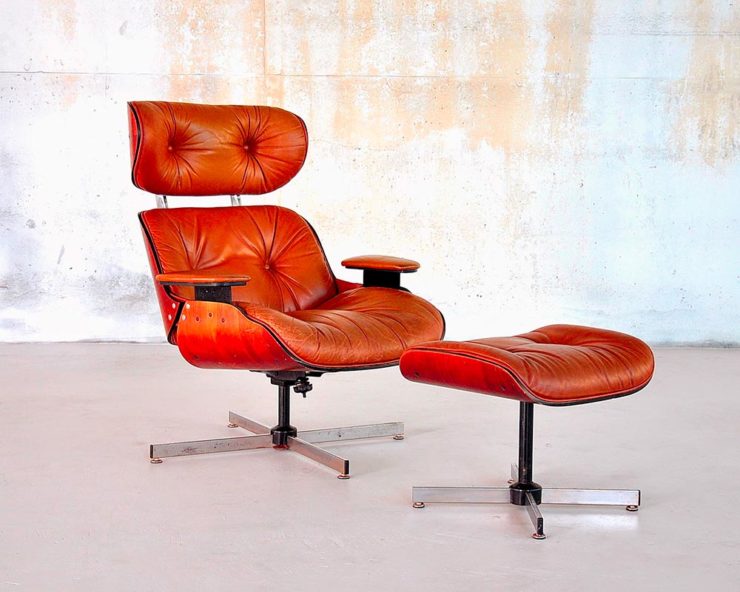
Original post: Practically everyone has heard of an Eames Chair:
A particularly awesome example of an Eames Chair (and ottoman).
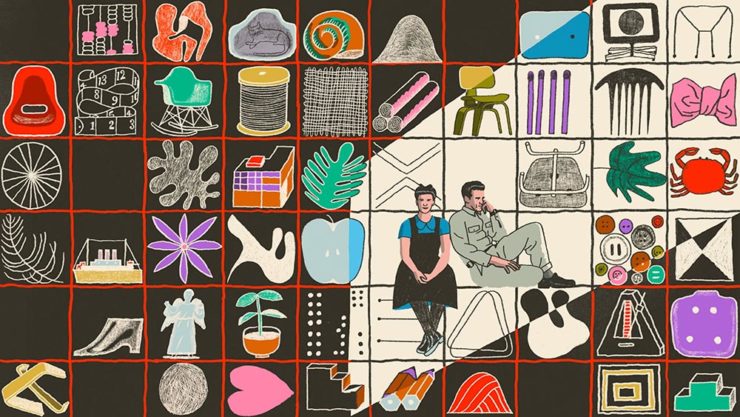
What you might not realize is that the legacy Charles and Ray Eames left behind enriches our lives to this day. It’s a shame, then, that while their house is a mid-century masterpiece (and museum), much of their lives have remained behind closed doors.
For almost three decades, a barn-like building in Petaluma, California, contained remnants of one of the most iconic design legacies of the twentieth century. […] We created the Eames Institute because we want you to examine the archive of what you know—the collection of your experiences, understanding, memories, and questions—and connect to the provocations that call to you. We want you to tap into that same fount of relentless curiosity, and its power to shift your perception and open you to innovations and discoveries.
Now, however, there’s the Eames Institute of Infinite Curiosity. Awesome name aside, it introduces us to the more personal side of one of design’s strongest partnerships.
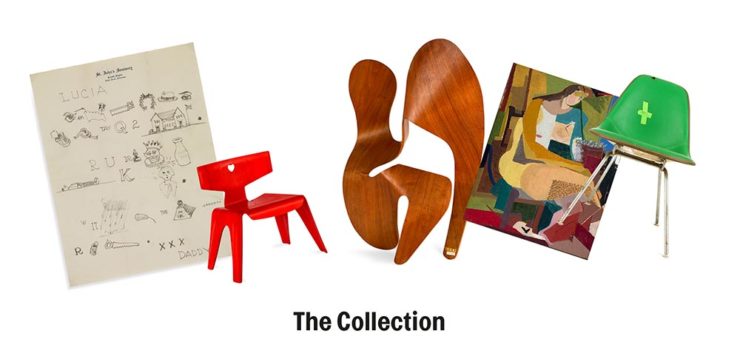
Items from the Charles and Ray Eames Institute. Drawings from the Charles and Ray Eames Institute.
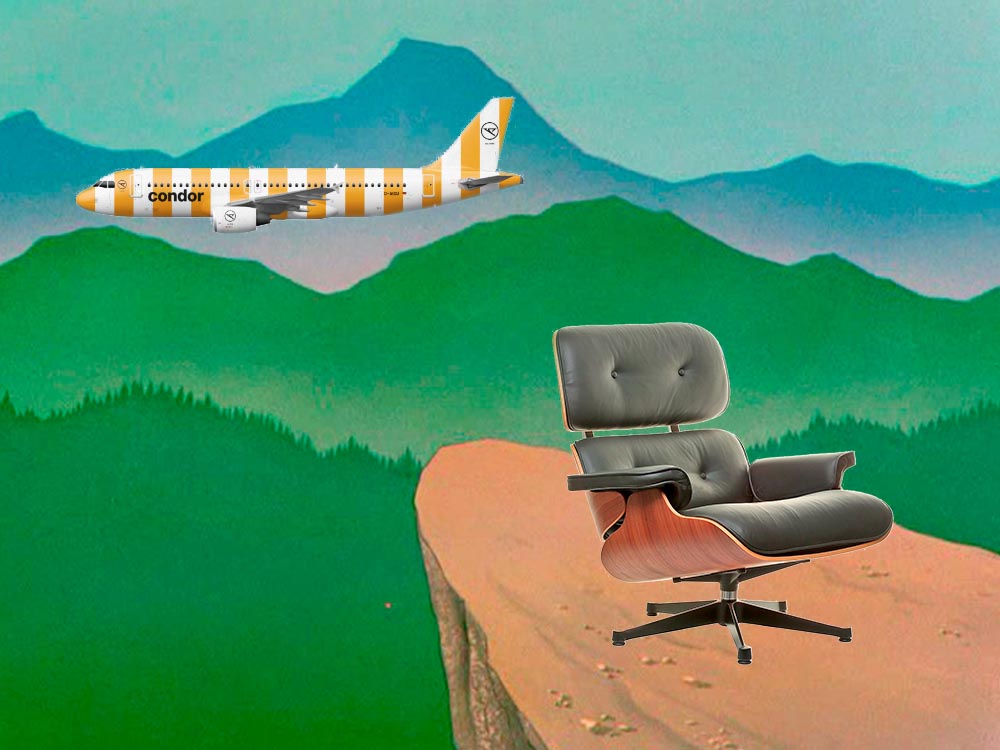
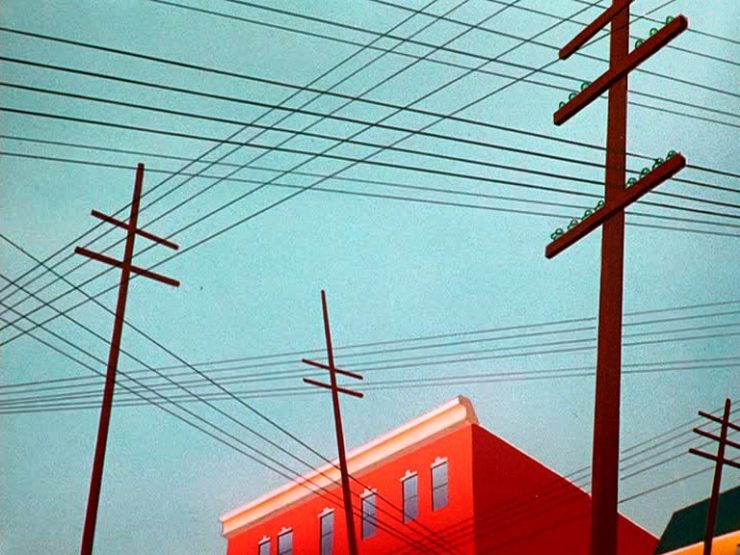
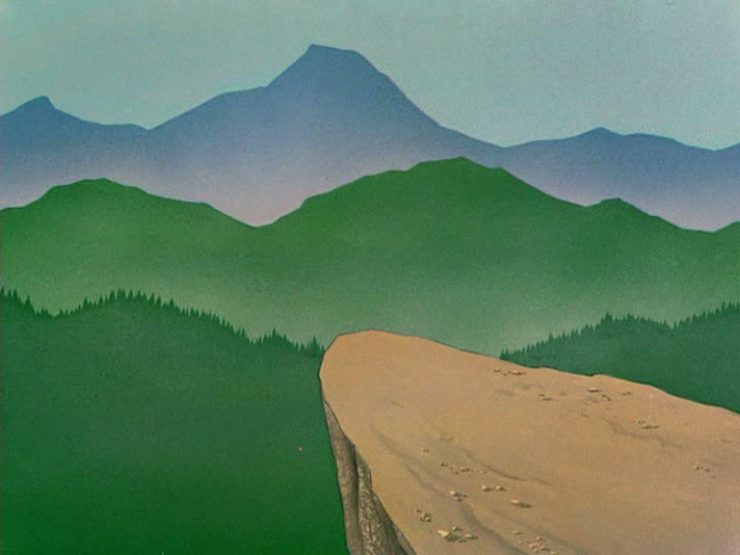
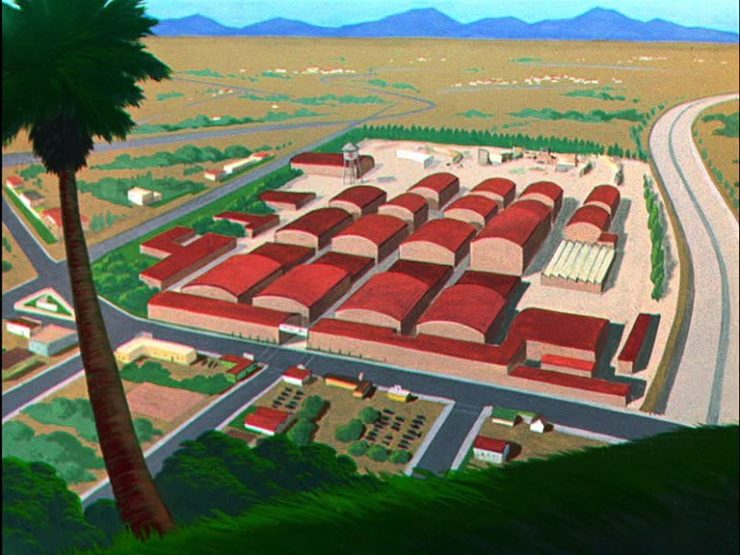
Crossed wires, anyone?Imagine who might run up to — or even get pushed off of — this cliff.A nice, innocent factory. Nothing could possibly go wrong.
Next time I treat myself to a Loony break, I’m going to make sure to spend some time looking beyond the action and appreciate the backgrounds. Nice.
Condor Airlines Rebrands
Most of you have probably never heard of Condor Airlines; they’re mainly a European thing, a “leisure” airline associated with Thomas Cook, formerly owned and run by Lufthansa. (Here’s some history.)
It doesn’t particularly matter. What does is the bravado exhibited by management. Before, a typical airline logo — dare I say, typically Germanic:
Condor’s OLD livery.
Then someone said yelled, “HEY. WE DO VACATIONS. LIKE BEACH TOWELS. LET’S DO STRIPES.” The result:
Condor’s NEW livery. Wow.
Armin Vit:
The new livery has zero fucks to give and just plasters every plane with thick vertical stripes that go against pretty much every single assumed tenet of what makes a good livery. It doesn’t look speedy, it doesn’t look nimble, it requires a lot of paint, and by all other standards it is just plain ugly and I love it.
Catching up with a few unrelated stories that I’ve been meaning to post — including one pretty significant failure on my part, one potentially significant failure, and because not everything should be about fail, an extremely interesting and thoughtful interview.
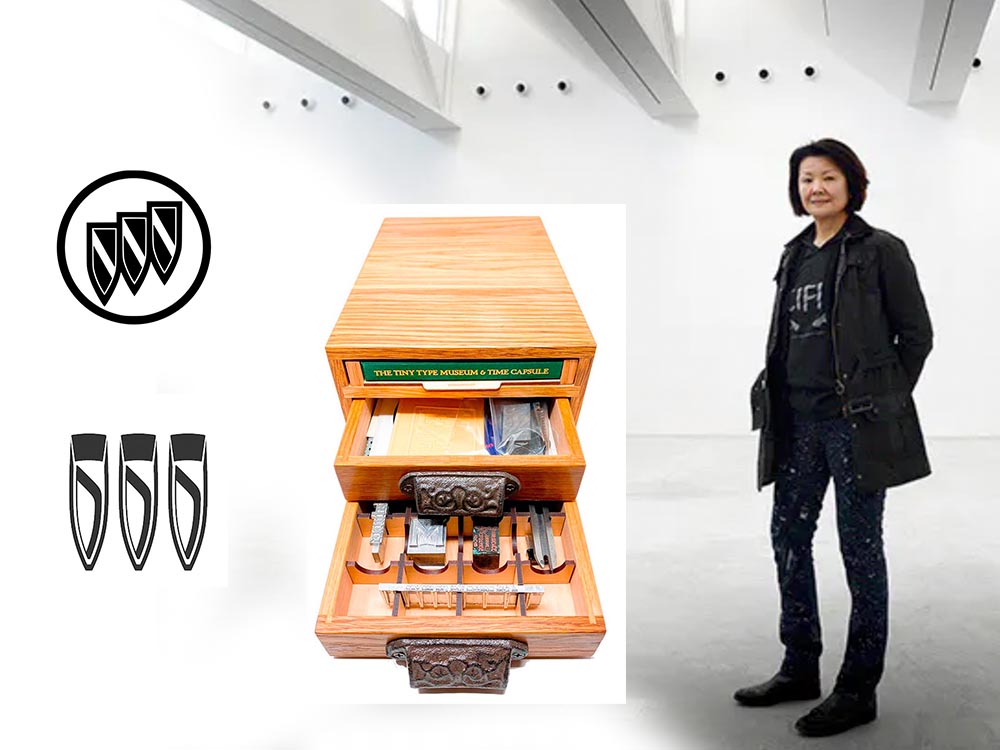
Tiny Type Museum Sold Out
I was cleaning up open Safari tabs on my phone the other day — the detritus that results from checking things on the fly when out and about, often or never closed — and noticed that I’d sort-of bookmarked something for action and … missed it. Crap!
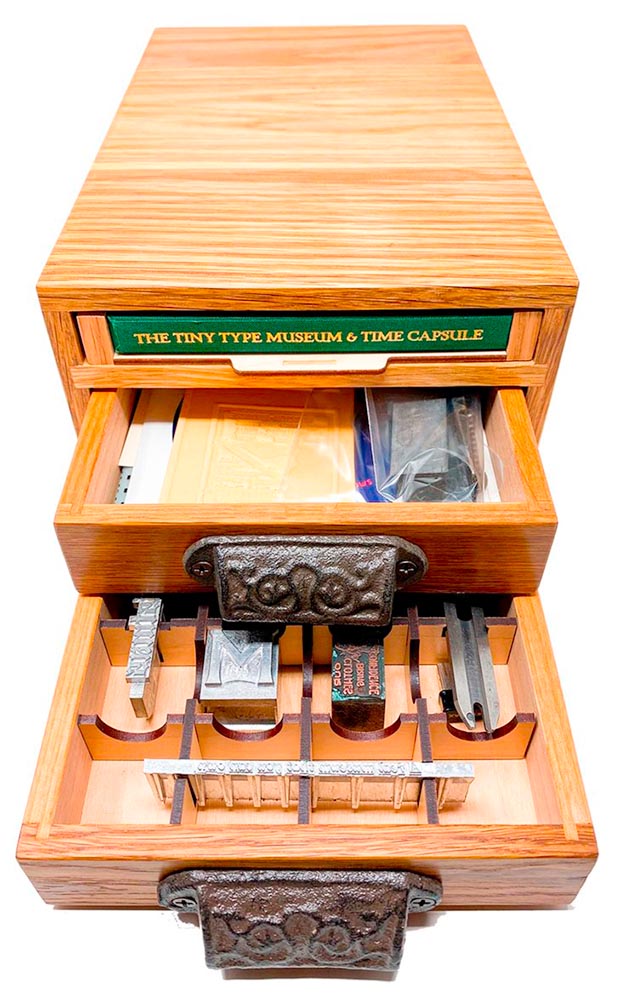
The Tiny Type Museum & Time Capsule, with specimens and those beautiful drawer pulls.
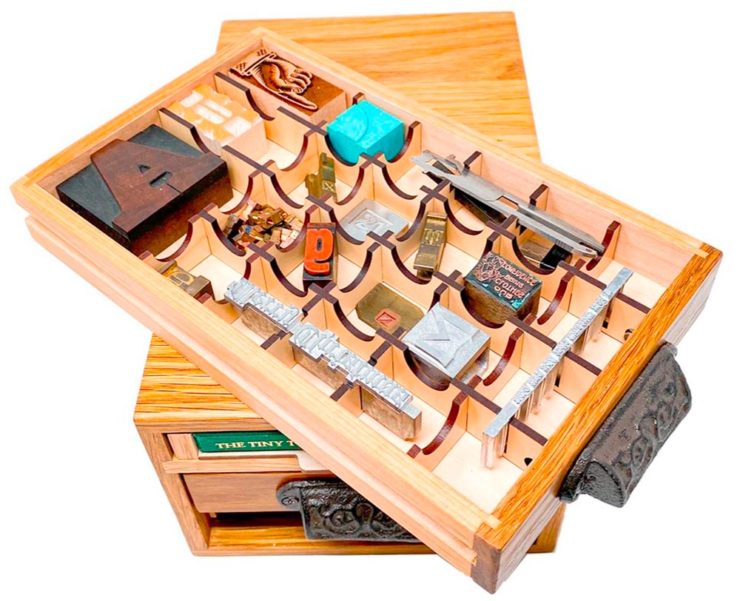
The Tiny Type Museum & Time Capsule is a celebration by journalist and printing historian Glenn Fleishman of type and printing, and an effort at preserving history for future generations to re-discover. Each custom, handmade wood museum case holds several dozen genuine artifacts from the past and present, including a paper mold for casting newspaper ads in metal, individual pieces of wood and metal type, a phototype “font,” and a Linotype “slug” (set with a custom message), along with original commissioned art, a letterpress-printed book, and a few replicas of items found in printing shops.
The Tiny Type Museum. (Bottom drawer.)
The museum includes a letterpress-printed book written for the project, Six Centuries of Type & Printing, in which Fleishman traces the development of type and printing starting before Gutenberg printed his Bible around 1450 up through the present day. This book acts as “docent” for the museum, providing insight into the stages in technological and artistic development that took place, and explaining the importance and nature of the artifacts. It also slides out neatly as part of a sled from the top of the museum case, and provides the visible name.
The letterpress book is still available: get your copy, or subscribe to the podcast. But even if you don’t, take a moment to appreciate the work that went into this — well done, indeed.
Buick’s New Logo
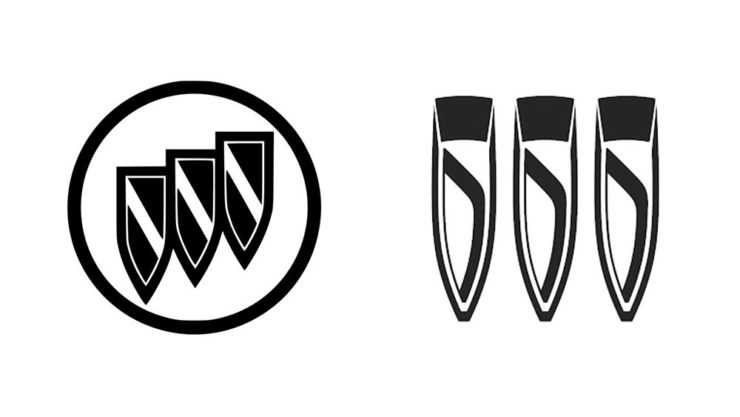
This one … I dunno. The race to do car logos flat black-and-white has seemed like a race to the lowest common denominator. (See previous coverage of BMW, Volvo, Cadillac, and more.) Below, Buick’s old (left) and new (right) logos, courtesy of Motor1:
The trademark filing for Buick’s new logo.
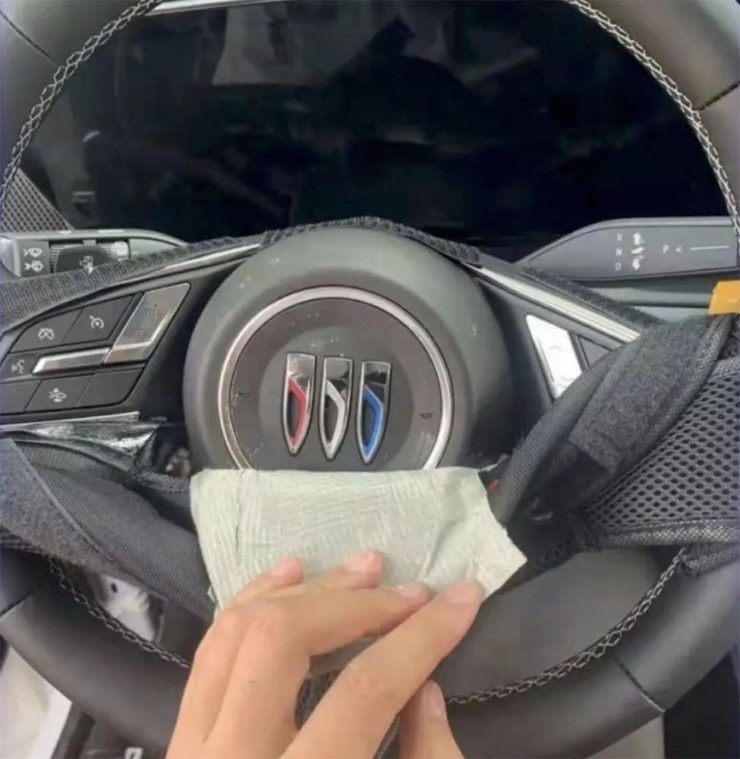
Thankfully, there’s been a leak — Instagram, natch, so no link here — demonstrating that it’ll still be in color:
From Instagram (alas): The new Buick logo in living color.
Still, not sure. Will have to see the official announcement and package that goes with it; Motor Trend suggests that it might be part of an EV-only future. Stay tuned for Brand New’s take, I guess….
I think innovation doesn’t come in one huge leap. It’s a series of small steps. Accumulations of small discoveries, followed by incremental implementation. And then it all adds up. Innovation is not a single idea—it’s incredibly incremental and additive. Even these small discoveries can change the way we think about things very quickly. So I think every step of the way—problematizing “what are the issues?” and “what are the solutions?” filtering issues of sustainability, supply chain, accessibility, will eliminate many solutions which are not possible. And then you end up with small nuggets of potential. In a way it’s very systematic, innovation, and so is experimentation. It’s the elimination of what’s not possible and focusing on goals.
Toshiko Mori. Image courtesy of New Reader.
You know, history is not about the past, really. History is about the story of an individual interpreting history. Historians cannot be unbiased narrators. Every history is a story, and then yes, there are facts—which are important, but the way you connect facts and then make diverse narratives is super interesting.
As you can see, Fox News provides false narratives, and a lot of times they skew the facts, and that’s a problem. It can be used dangerously, but it can also be used productively. I think that’s what makes history rich. It’s not about the past, it’s about projecting into the future. So when I teach students, I ask them to make their own story based upon their research. But it’s a story—so that’s kind of their own reality. And based upon that reality, they can develop diverse narratives and then communicate the story to others. It’s not as if you have different opinions, but you have different stories to share. It’s not about controversial opinions, but about the way we each look at life very, very differently—and that enriches everybody.
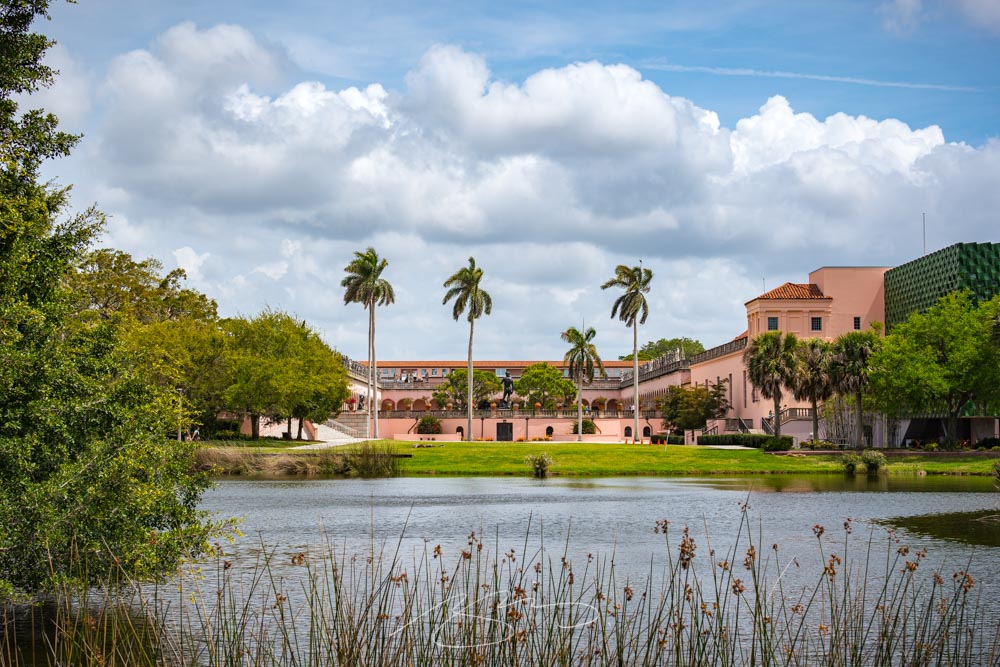
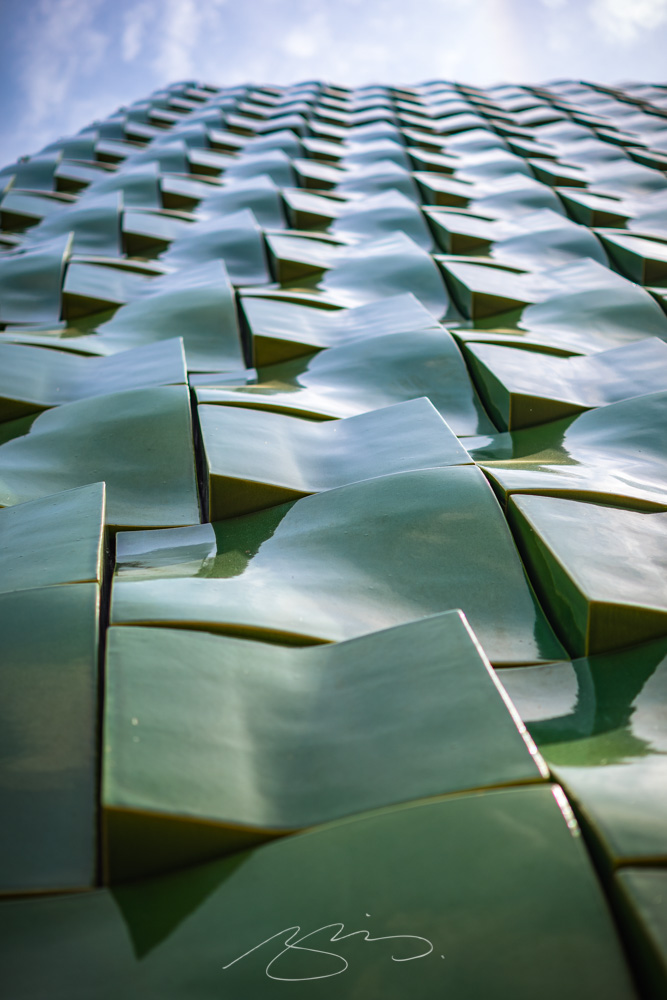
The Ringling Museum in Sarasota, Florida has been a place I’ve been taking photographs since I lived in the area, almost twenty years ago now — and a place where I continue to enjoy taking photographs whenever possible.
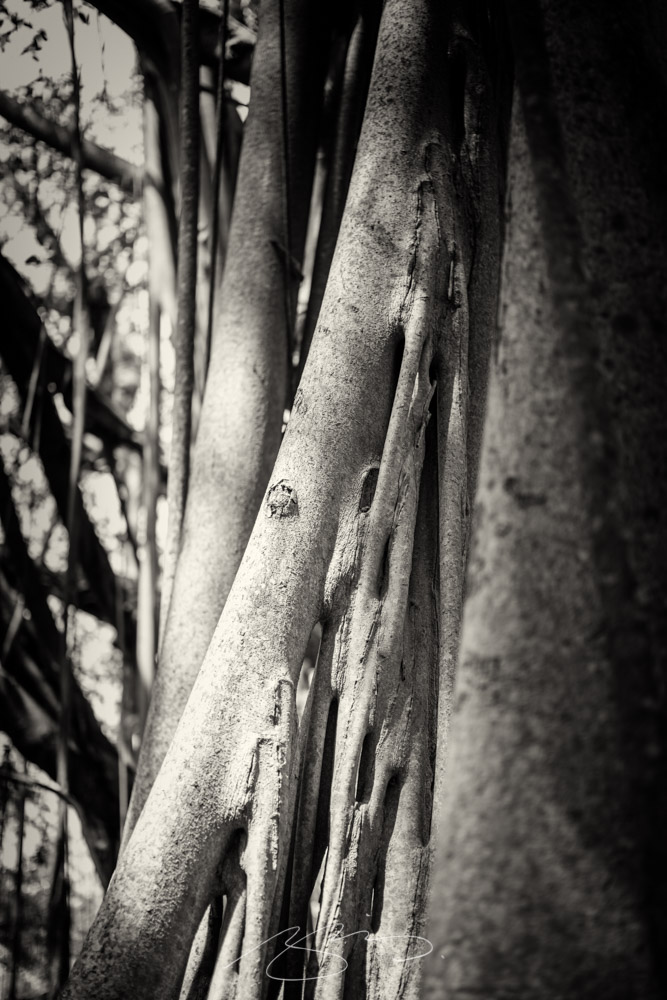
The grounds have these amazing banyan trees, with root systems larger than many houses:
Banyan (black and white, detail)
They’ve expanded over the years, adding buildings, a new entrance, and additions. This is the Chao Center for Asian Art:
Chao Center’s Asian Art Siding #3 (Detail)
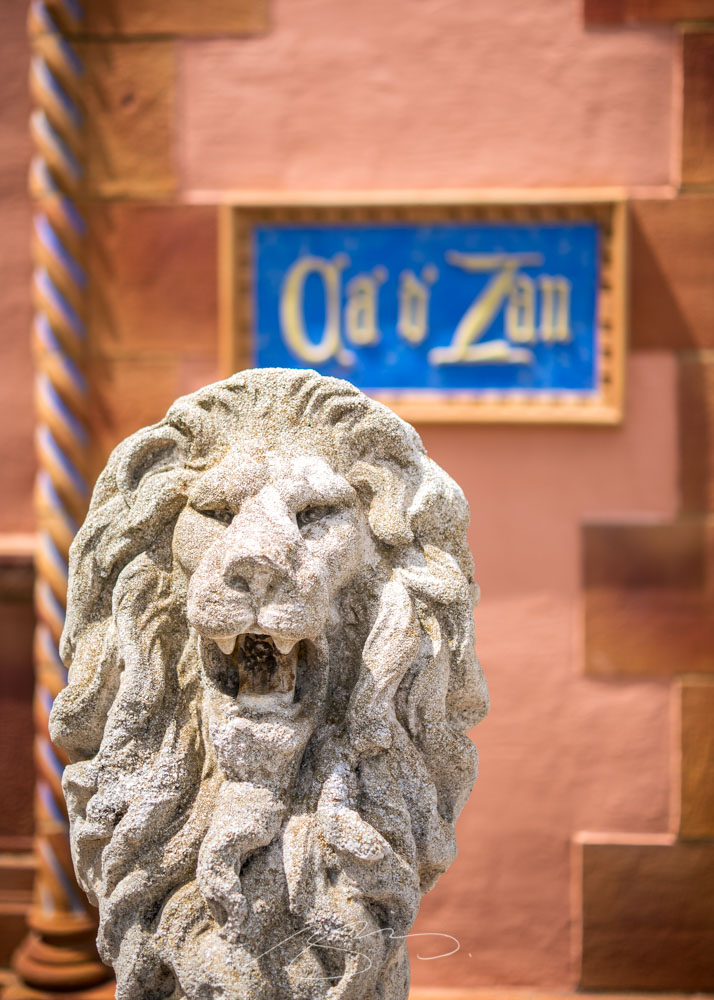
The old Ca d’Zan gate is the new main entrance:
Ca d’Zan Lion
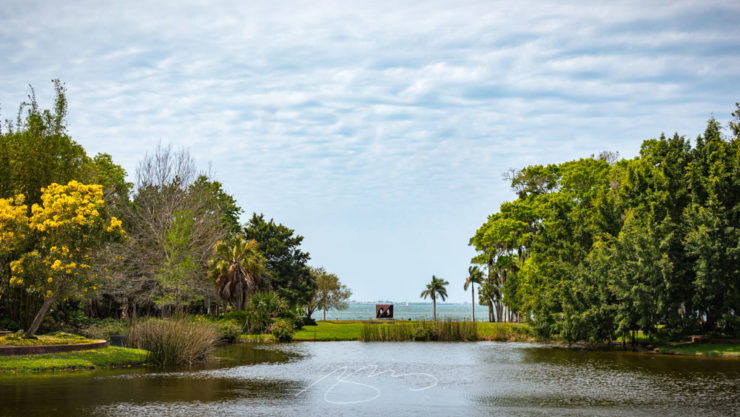
And, of course, the whole compound is right on Sarasota Bay:
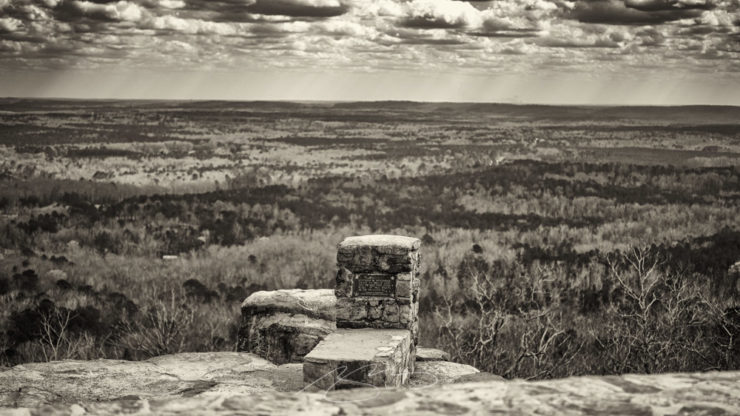
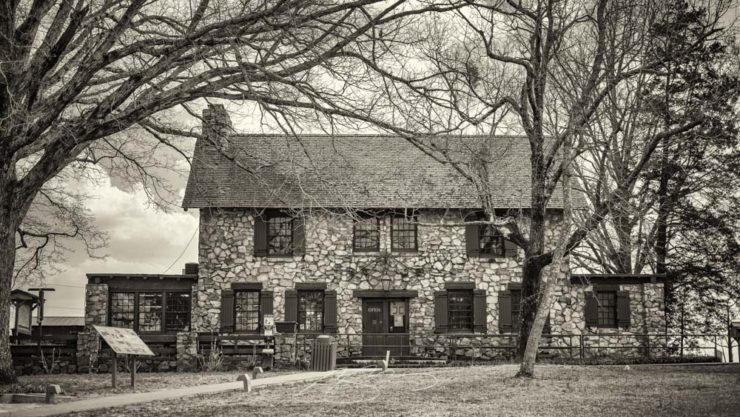
As I mentioned yesterday, Gerald and I enjoyed a lovely first-of-spring drive out of middle Georgia. Our destination was Pine Mountain, home of F. D. Roosevelt State Park. Needless to say, there were cameras involved.
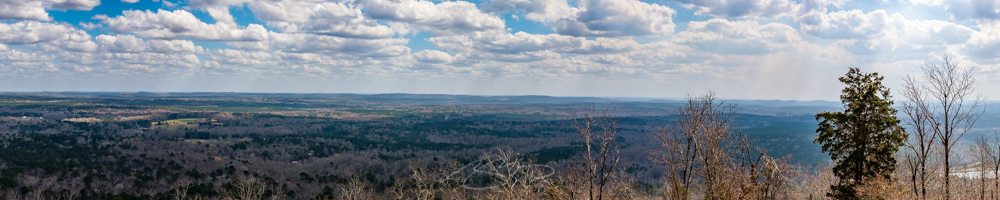
Starting on Dowdell Knob, FDR’s favorite picnic spot — with its amazing valley overlook:
Roosevelt’s Grill With a View, Dowdell Knob
Next was the park’s office and overlook complex:
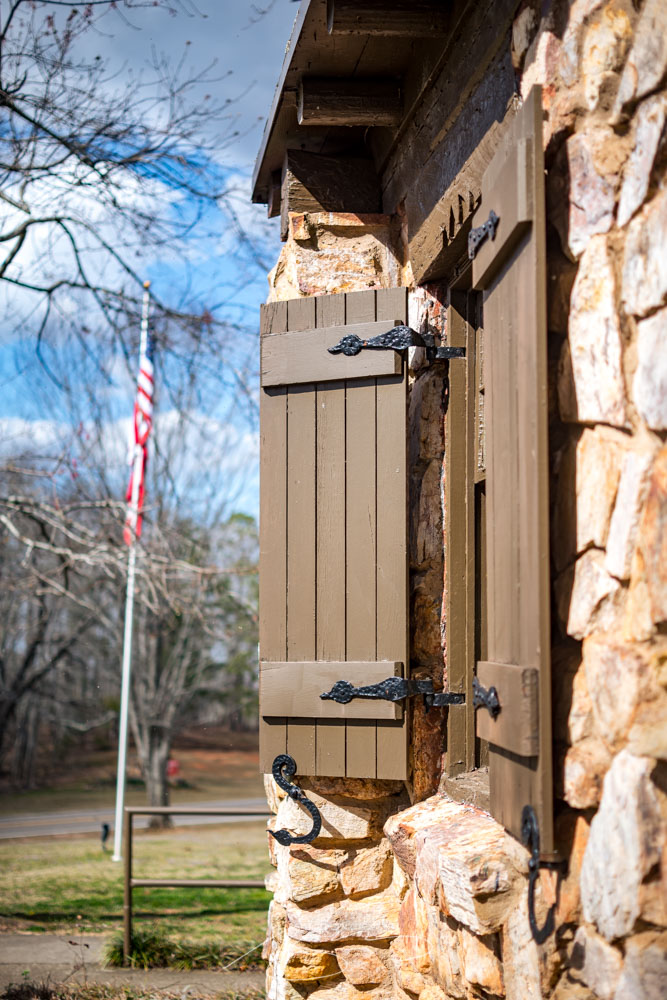
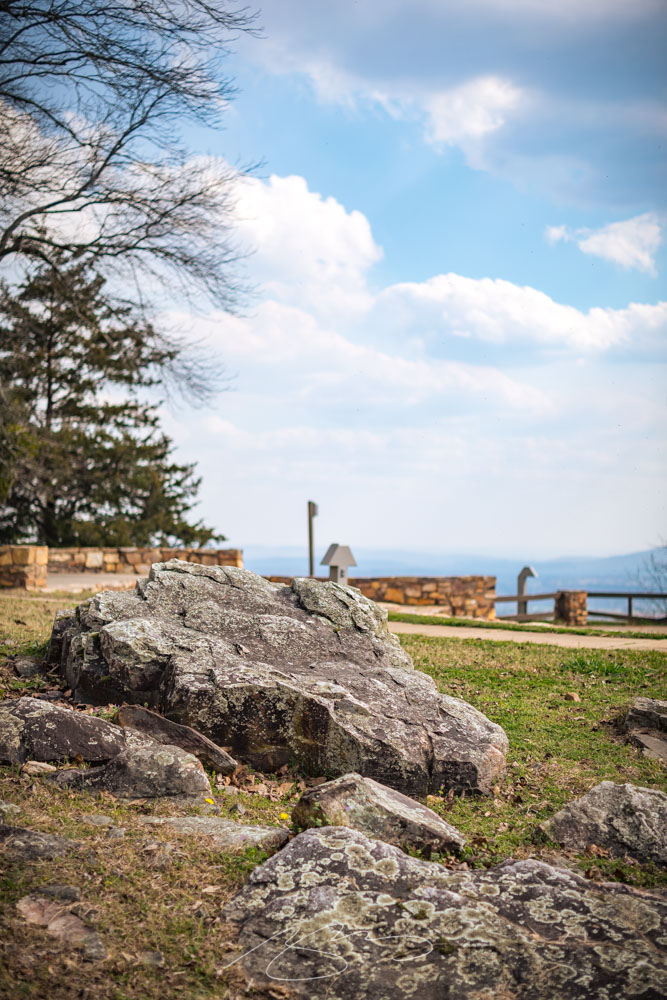
FDR State Park Office (B&W Study), Pine MountainStone, Shutters, and Stars and StripesFDR State Park Overlook: Rocks
Peruse the entire gallery here. And when you have some extra time, all of FDR State Park is worth a visit; it’s got everything from hiking trails to cabins to the Callaway Gardens Country Kitchen in its 9049 acres. Enjoy!
Bonus: Georgia Public Broadcasting, at the premier of its film A President in Our Midst: Franklin Delano Roosevelt in Georgia, said:
Franklin Delano Roosevelt had a very special relationship with the State of Georgia. This compelling documentary spotlights the mutual benefits that the friendship provided to both the president and the people of Georgia. The film is based on the book, A President in Our Midst: Franklin Delano Roosevelt in Georgia.
It’s no Ken Burns, certainly, but if you’re not familiar with FDR’s extensive time spent in west Georgia, it might be worth your time. See it here.