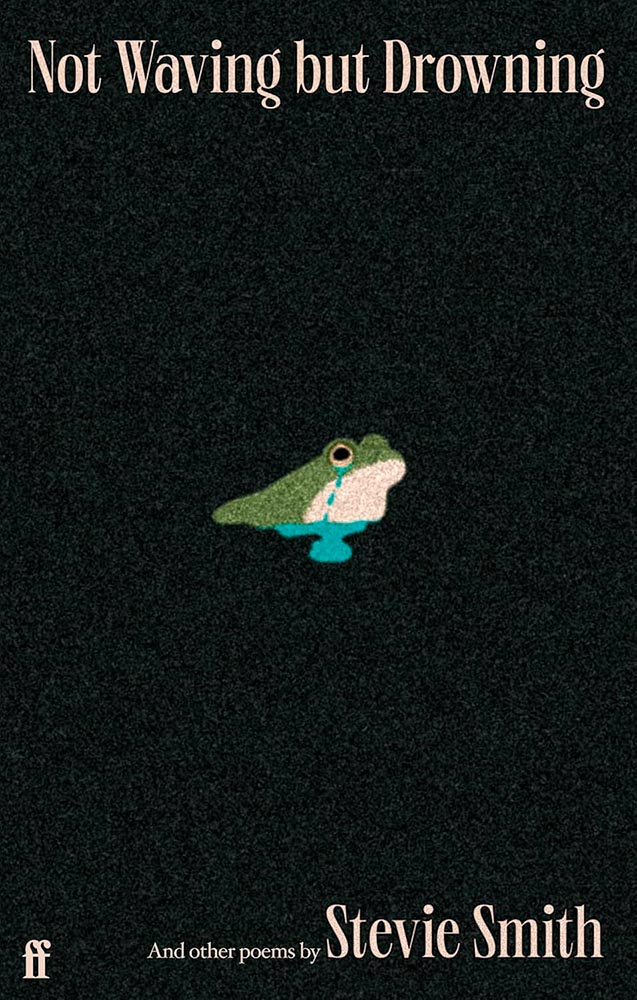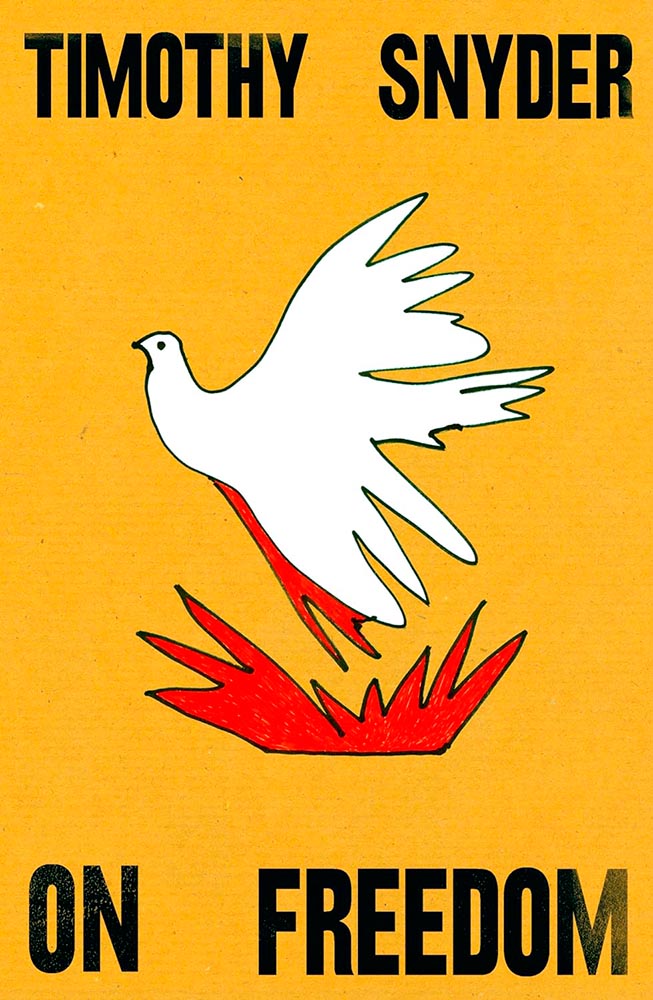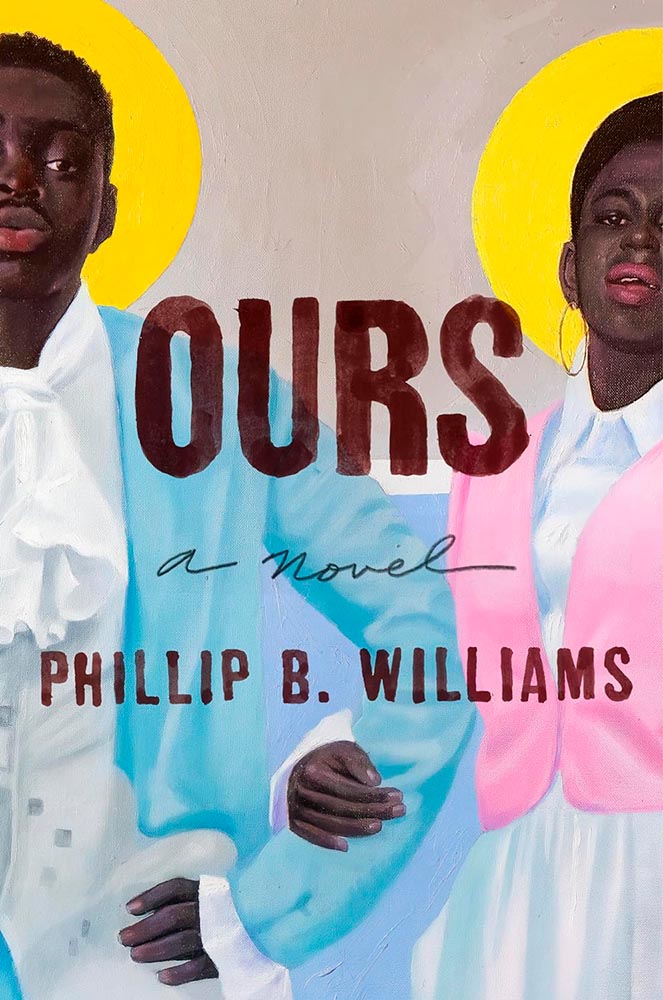
Tag: typography

  • Beautifully Briefed 25.1: A Different Year

    Beautifully Briefed 25.1: A Different Year

    This edition discusses new type, mergers and items set free, and visits with both some photo contest winners and winning poster designs. (And if you haven’t seen my annual Favorite Book Covers post, keep scrolling.) But first…:

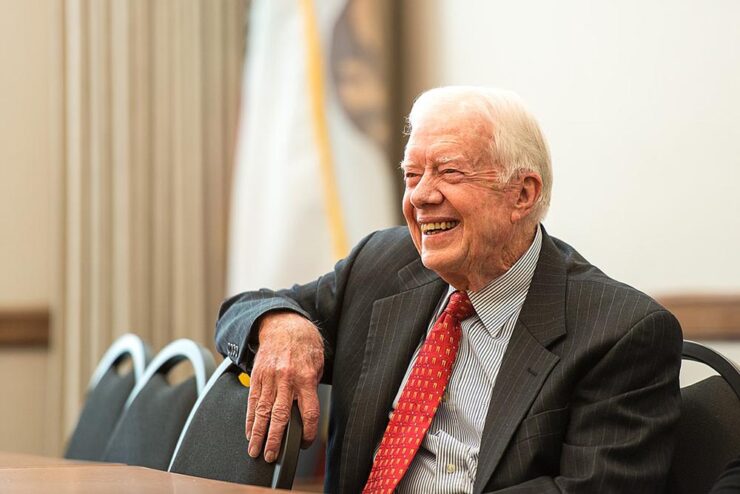
    Former President Carter
    Commonwealth Club, San Francisco, 2013. Photograph by Ed Ritger. (CC 2.0.)

    One of the strongest voices of reason left us on December 29th, 2024: former President Jimmy Carter. He’s the first president I actually remember, and one of the things I’ve appreciated about recent years is the growth of his stature from undeserved fill-in-label-here to treasured humanitarian.

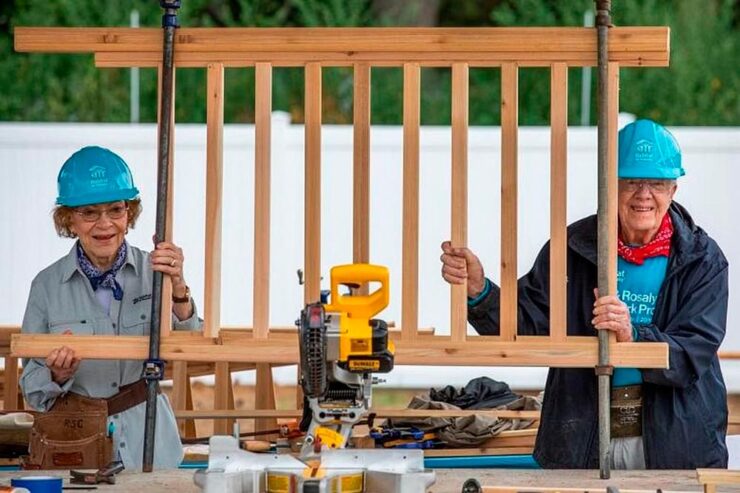
    I’d like to share a couple of items that are meaningful to me. First is his commitment to Habitat for Humanity — and not only as a speaker and fundraiser, but someone who contributed by actually swinging a hammer:

    Former President Jimmy Carter and former First Lady Rosalynn Carter. Photo via Habitat for Humanity.

    Into their 90s and still working. Take it from David Letterman:

    While we’re on the subject of David Letterman, this September, 1993 appearance shows both humanity and humor:

    Another quick item is this 60 Minutes tour of his office — something that always speaks volumes about a person:

    Plains, Carter’s lifelong residence, is a frequent sojourn for me, and a recommended way to both experience rural Georgia and learn more about his roots. (I had always intended to attend one of his regular Sunday school lessons and regret not having made the time.) Visit when you have the opportunity.

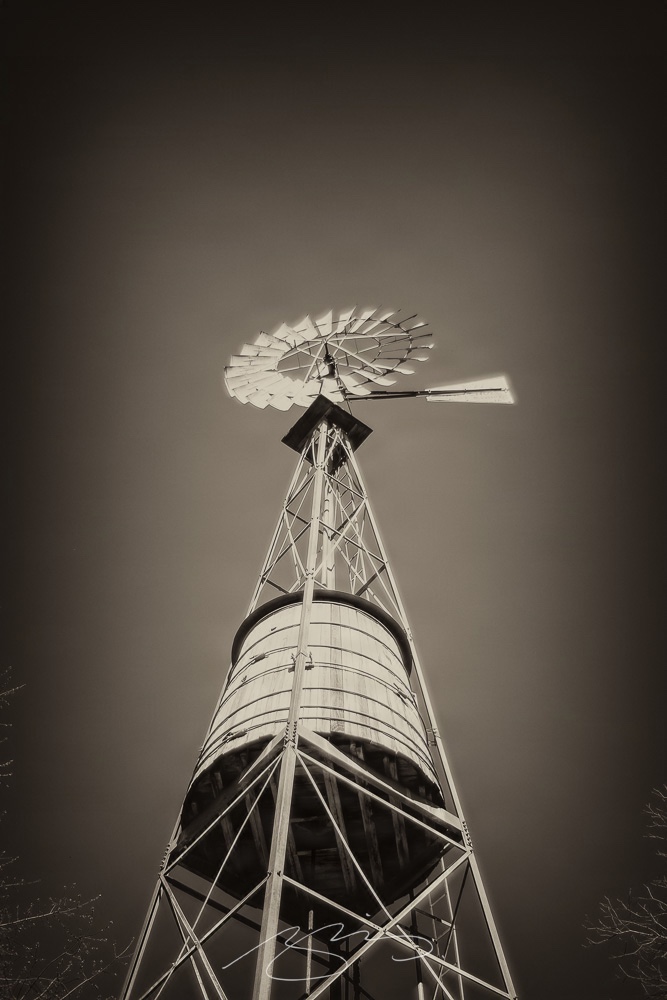
    Water Mill, Carter Farm, 2021. (Adobe Content Credentials applied.)

    May your influence of peace continue for another lifetime, Mr. President.

    New Type of Year

    Creative Boom brings us their roundup of new typefaces for January, and a couple caught my attention:

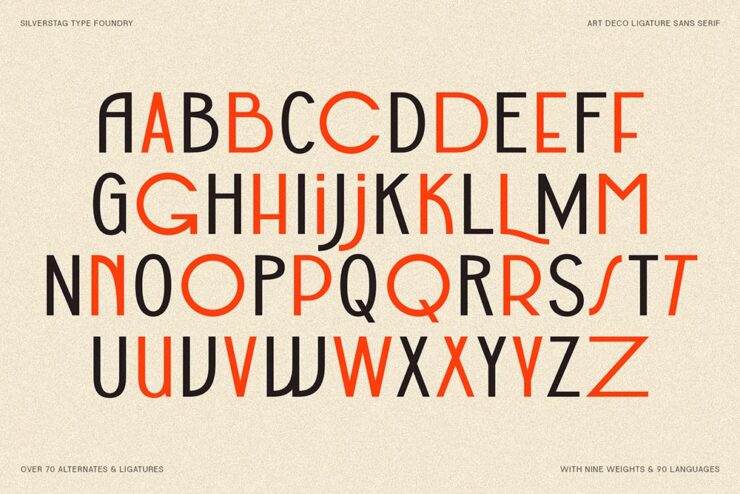
    Bergamot Grotesk.

    SLTF Bergamot Grotesk, an Art Deco-style, all caps headline face is a striking new option from Silverstag. This is trendy, of course — Art Deco is in — but timeless at the same time, and something I hope I have an opportunity to use.

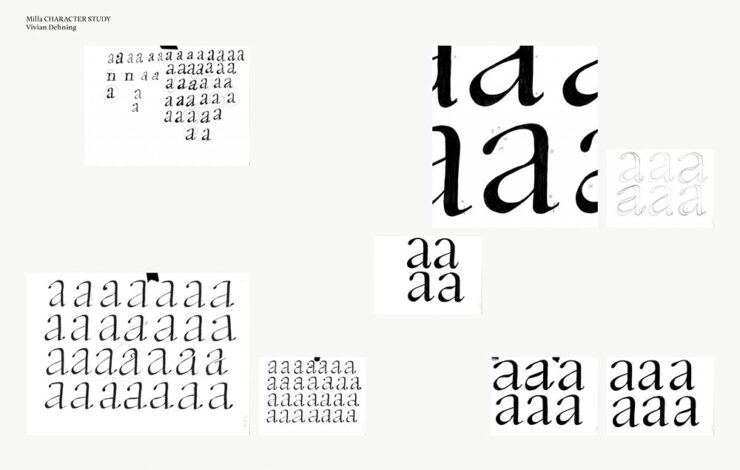
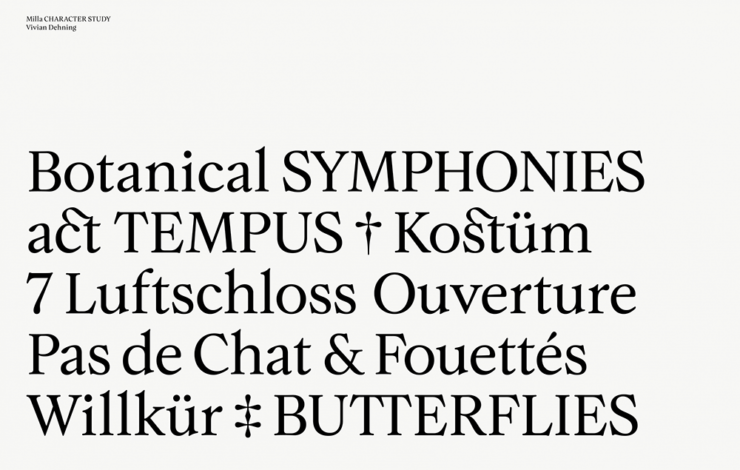
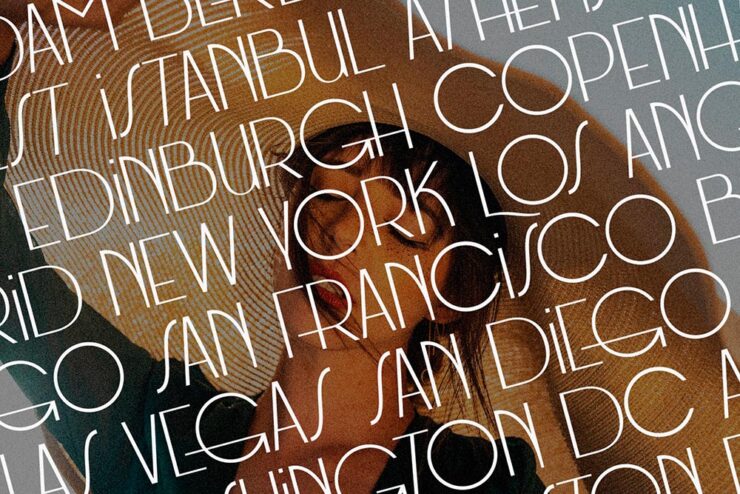
    Another is a new version that’s instantly a beautiful classic, Milla, hand-developed and a joy to look at:

    Hoping for the perfect book project for this one.

    Mergers … and Freedom

    If you’ve not heard, Getty and Shutterstock have proposed a merger. This is, put simply, both understandable and … not good.

    PetaPixel covers both the announcement, with the usual words from the greedy types CEOs, and a history of both companies and their role in how we got here. This is perhaps the most relevant, however:

    The rise of artificial intelligence has likely played a role in the merger; the combined assets of Shutterstock and Getty are a treasure trove of training data for AI companies. However, while AI licensing deals are an opportunity, it could also be an issue for stock photo companies as customers may decide to use AI image generators like Midjourney or DALL-E rather than pay for individual pictures.

    — Matt Growcoot, PetaPixel

    For the record, I completely agree with PetaPixel‘s Jason Schneider when he opines that it’s “yet another step in a race to the bottom.” The deal could possibly attract antitrust notice from the U.S. government; here’s hoping.

    But it’s also hopeful — and slightly wonderful — that it’s new year, which means a new crop of items are now freed from the constraints of copyright. Kottke lists some of his favorites, and points us to a fantastic post from Duke University’s Center for the Public Domain, which has lists and links aplenty. (My favorite: Tintin.)

    Image via This is Colossal.

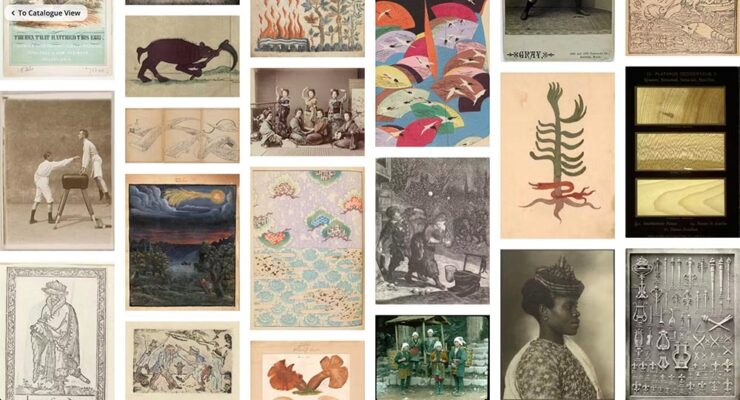
    But there’s more: This is Colossal points us to a new resource for items in the public domain: the Public Domain Image Archive, from the Public Domain Review, which hosts more than 10,000 images freely available to use, reuse, mix, or whatever. Awesome.

    Couple of faves:

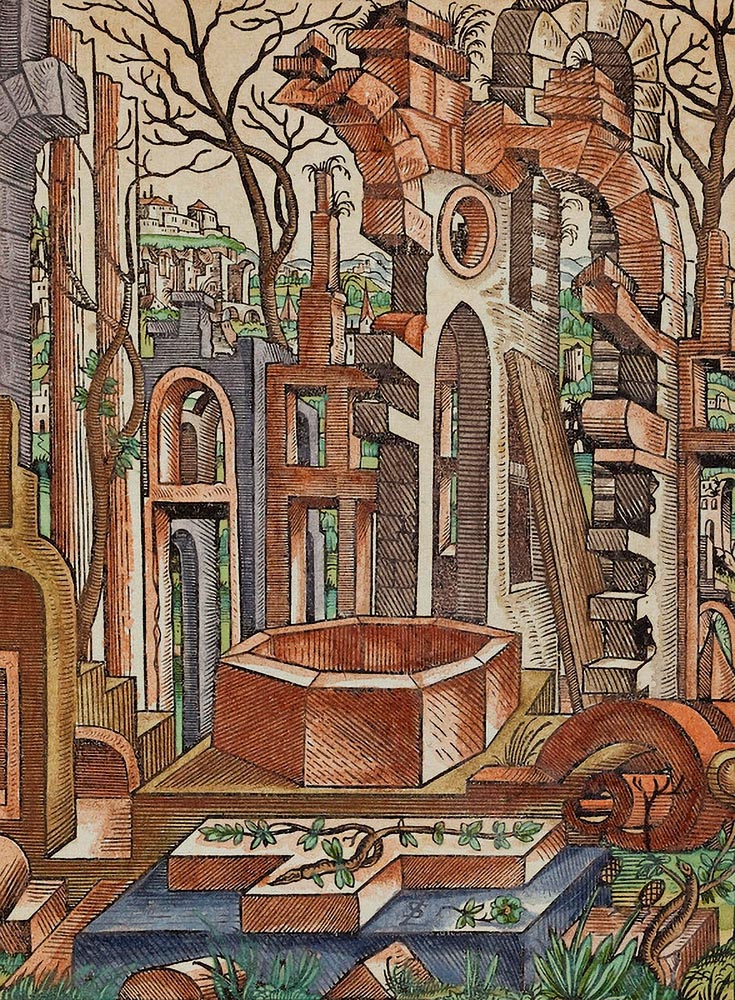
    Lorena Stoer, Geometric Landscapes, from 1567. (Yes, you read that right.)
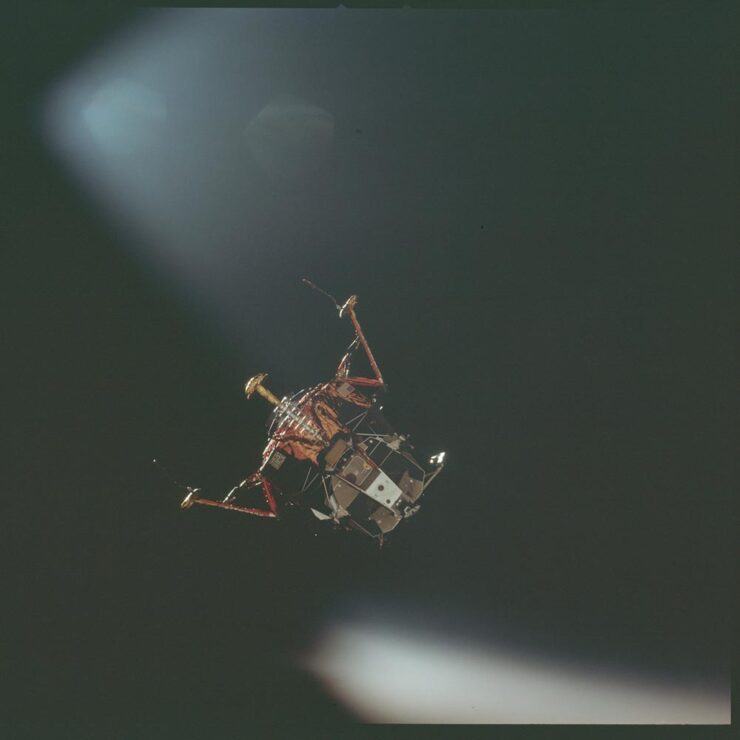
    Apollo 11, 1969, from NASA.

    Another NASA image is in the header, and we’ll see another from them in a minute.

    Meanwhile, Public Domain Review also has a list of items copyright-free as of the new year; check both resources — and use some newly-available items to your heart’s content.

    Special Bonus #1: This is Colossal, in 2016, also pointed us to another collection of freely-available items, this time from the New York Public Library. Great stuff.

    Special Bonus #2: In a three-fer for This is Colossal, they also highlight a new campaign from the U.S. National Archives asking those who can read cursive — no longer a requirement in school, a completely daft decision we’ll leave for another time — to contribute some time translating historical items. (And that’s not all you can do.) Become a Citizen Archivist today.

    Get Lectured

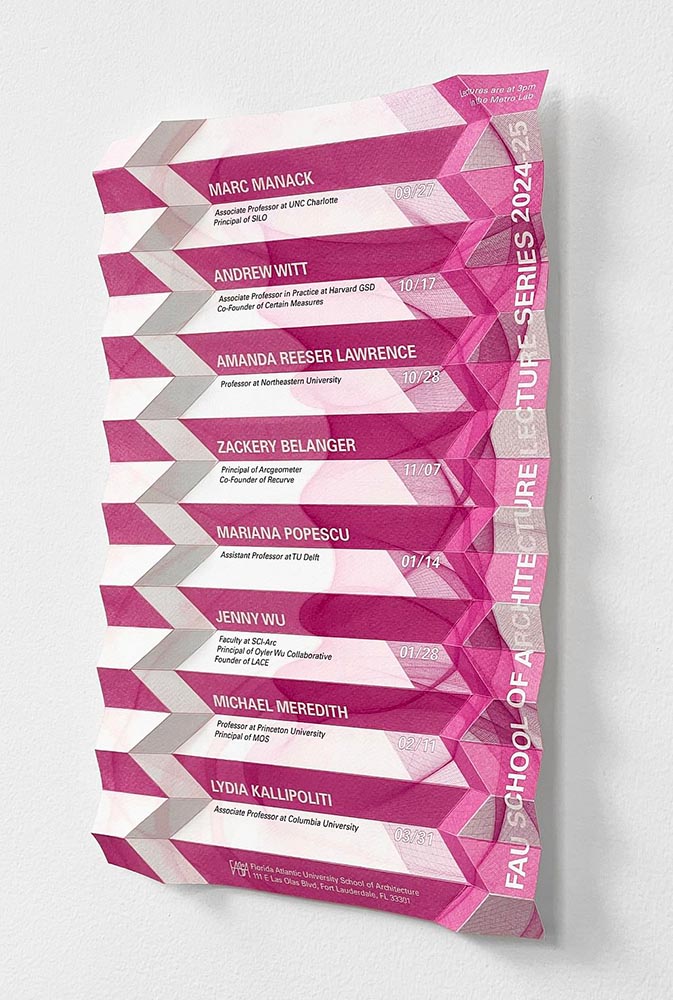
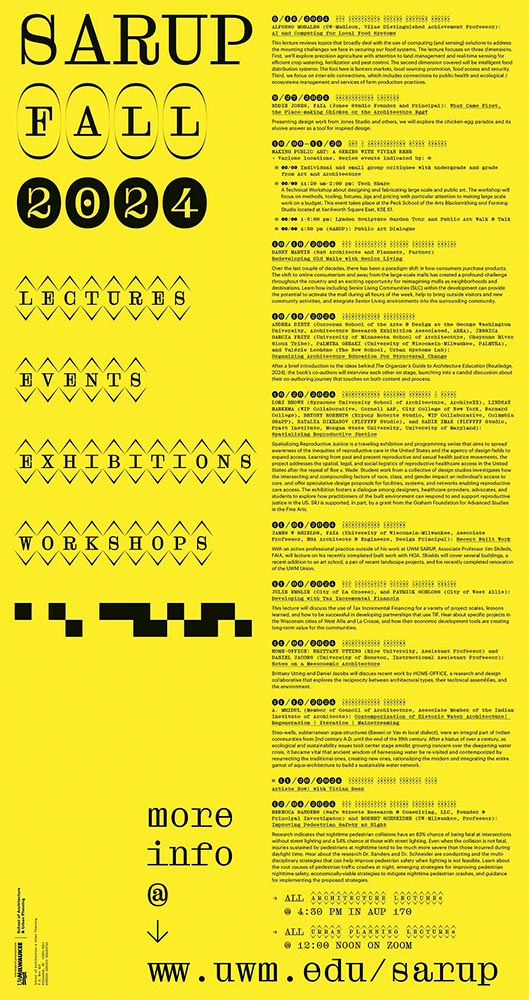
    No, not me: Archinect (previously) highlights their favorite architecture school lecture posters from Fall ’24, which I somehow didn’t mention. A couple of favorites:

    Florida Atlantic University.
    University of Wisconsin at Madison.

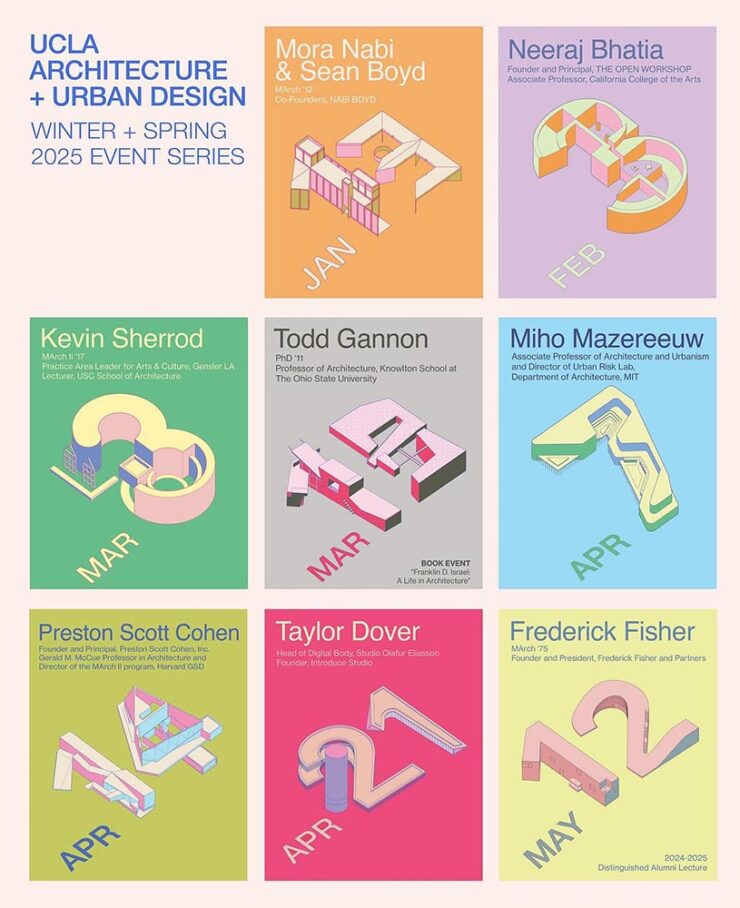
    The new year is off to a good start, too:

    UCLA.
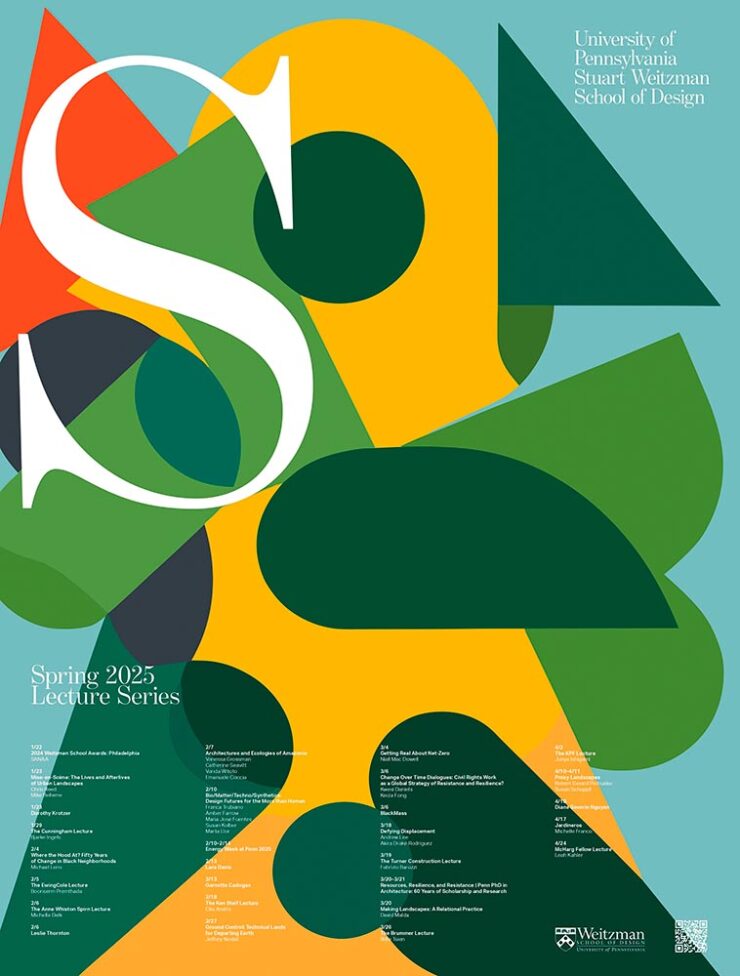
    UPenn.

    UPenn’s fall ’24 poster is in the same vein and also rocks. Check out all the winners — and watch this space for more.

    Winning Photography

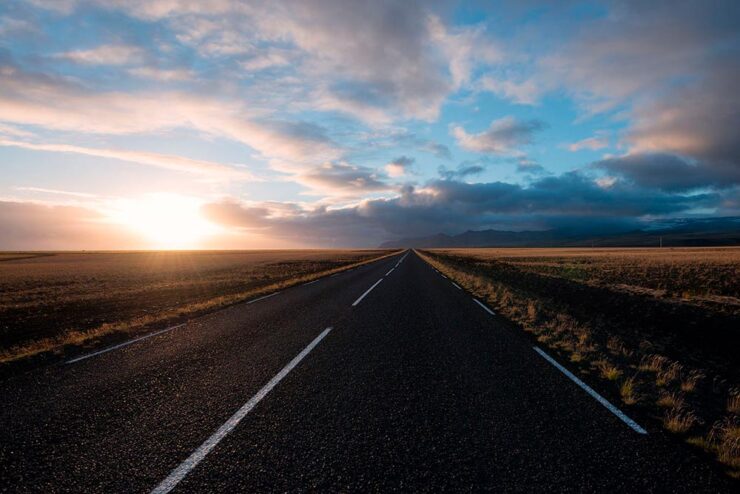
    I’m threatening to get a Raspberry Pi — the ol’ fashioned ad-blocker route is less and less effective, and a more robust alternative may be added — and was interested in this PetaPixel story about the desktop photos the system uses as standard: “[w]alking through a train station in New Zealand, Greg Annandale looks up to see his photo on an information screen. The Raspberry Pi computer powering the board has gone back to the desktop wallpaper which Annandale shot of a road in Iceland.”

    That would be this one:

    Road, Sólheimasandur, Iceland. Photo by Greg Annandale.

    Couple of others:

    Pia Fjord, Patagonia. Photo by Greg Annandale.
    Cordillera Darwin, Patagonia. Photo by Greg Annandale.

    Good stuff. Check out his website for more, and see the whole Pi here.

    Next, I promised NASA would put in another appearance. How’s this:

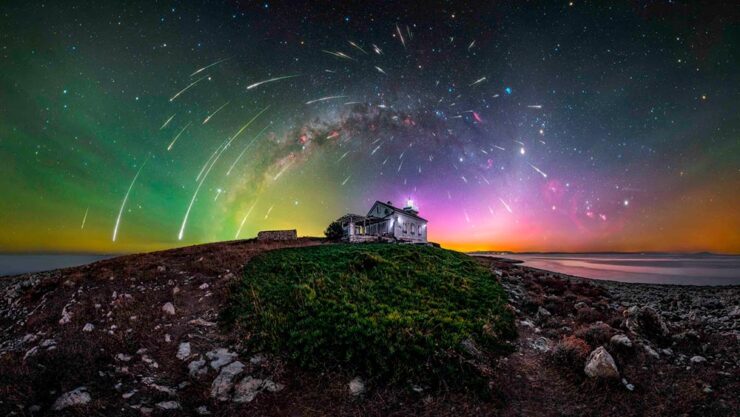
    Photo by Don Petit/NASA.

    In what Ars Technica senior space editor calls “the best picture ever taken from the International Space Station,” we have something special indeed. “In this image, one can see the core of the Milky Way galaxy, zodiacal light (sunlight diffused by interplanetary dust), streaks of SpaceX Starlink satellites, individual stars, an edge-on view of the atmosphere that appears in burnt umber due to hydroxide emissions, a near-sunrise just over the horizon, and nighttime cities appearing as streaks.”

    Wow.

    To round things out for January, we have a couple of photo contests whose winners caught my eye. We’ll start with The Society of Photographers and their photographer of the year 2024. My faves:

    Architectural Photographer of the Year award. Photograph by Andre Boto.
    Events Photographer of the Year award. Photograph by Mark Lynham.

    While I wish their selections were more extensively labeled and/or titled, it’s still awesome to see the raw talent highlighted with well-deserved accolades. See the PetaPixel story or the contests’ website for more.

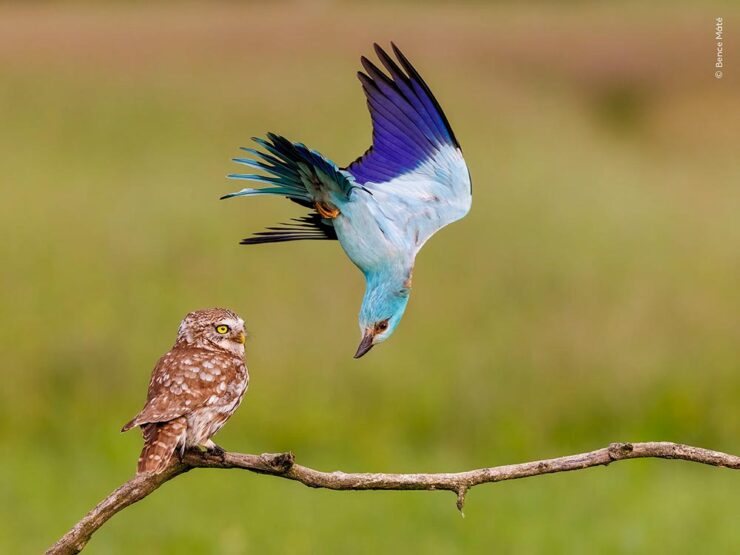
    Lastly, some life in the wild, courtesy of the UK’s Natural History Museum People’s Choice Award:

    Annoying Neighbour, Kiskunság National Park, Hungary. Photograph by Bence Máté.

    “Eyeing one another” fails to do this one justice. And then there’s the Villarrica volcano:

    Earth and Sky, Pucón, Chile. Photograph by Francisco Negroni.

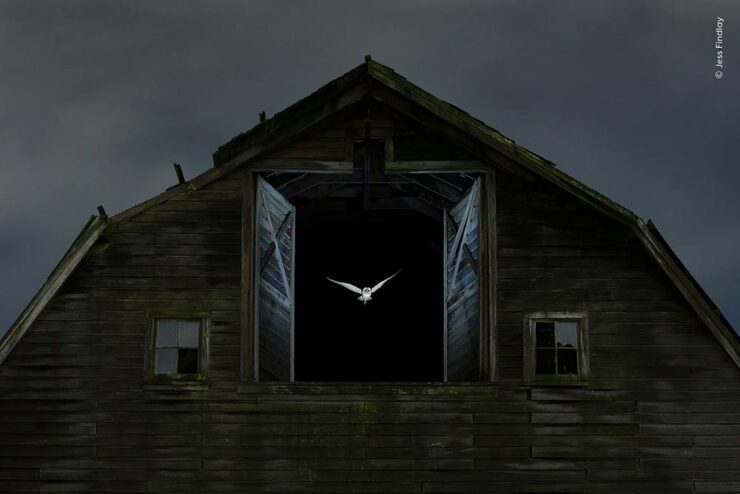
    But it’s the patience of this shot that wins it for me:

    Edge of Night, near Vancouver, BC, Canada. Photograph by Jess Findley.

    “Jess quietly watched the owl for several nights to understand its habits.

    “He set up an invisible beam that would trigger a flash when the owl flew out of the barn. Simultaneously, a slow shutter speed gathered ambient light cast on the clouds and barn.

    “On the tenth night, all the moving parts came together as the owl left to begin its hunt.”

    The winner of this contest will be announced on February 5th. Check the website. (Via This is Colossal.)

    See y’all in February.

  • My Favorite Book Covers of 2024

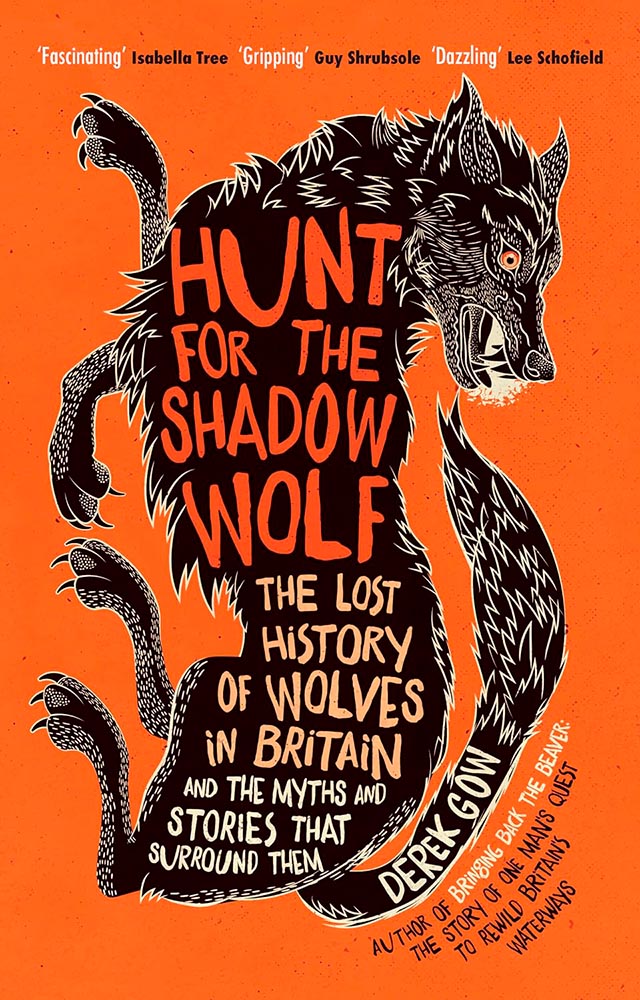
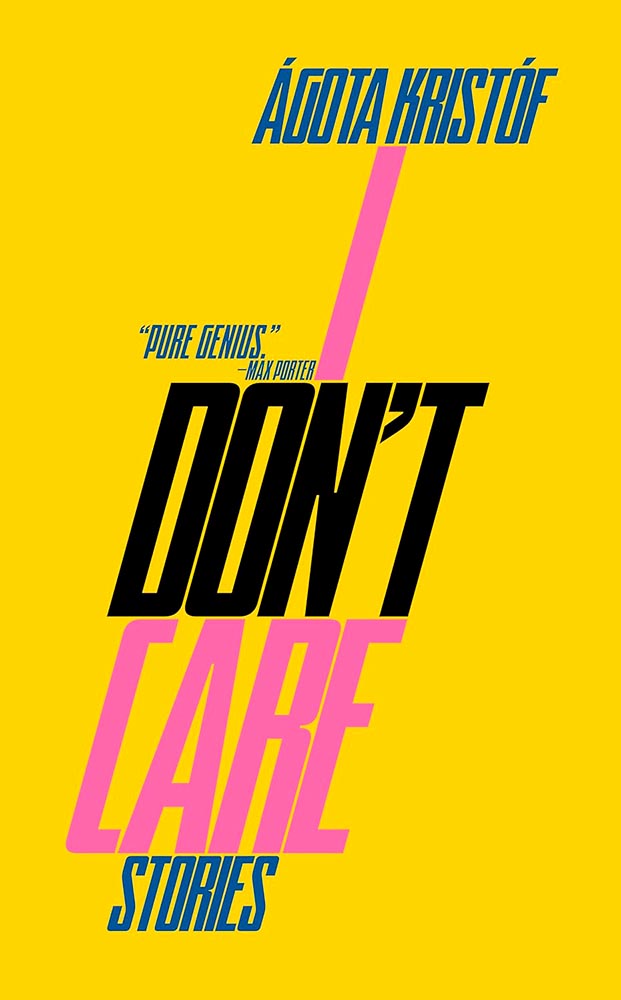
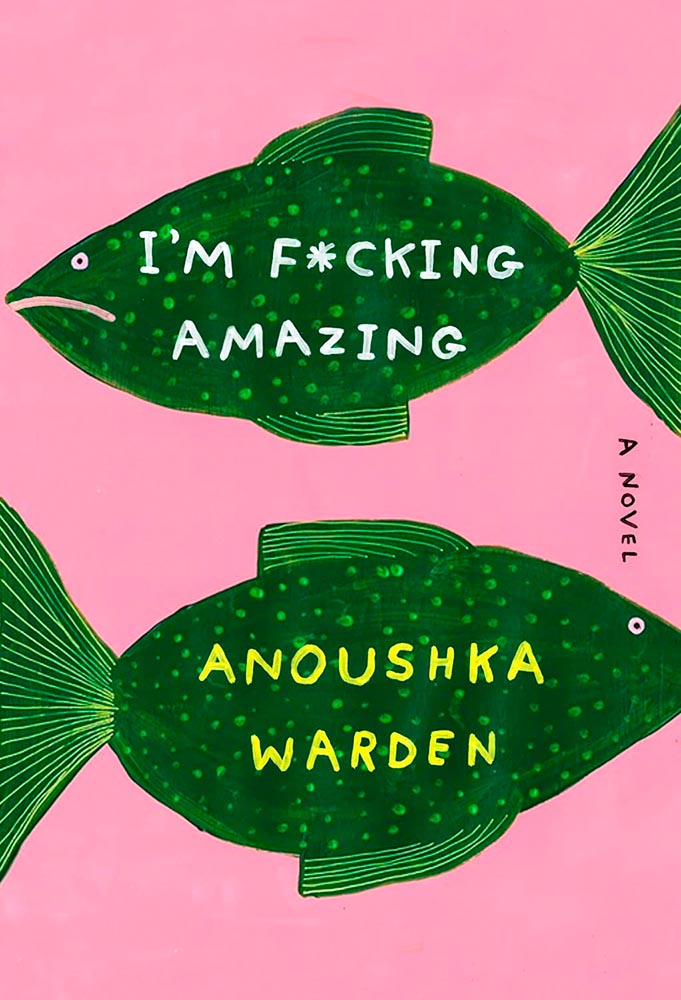
    My Favorite Book Covers of 2024

    2024 was interesting in the way of the apocryphal Chinese curse: “May you live in interesting times.” Taking the time out to peruse the best of the new releases — for both book cover design and books in general — is tremendously enjoyable. Needed, even, now more than ever.

    When it came time to do the years’ tally, summary, and post, the number of candidates in the favorites folder was well over three hundred: a third more than last year, more than double 2022’s.

    It’s been argued that the increasing number of published titles is a reflection of publishers’ woes, including fighting back against publishing slop. (See my Beautifully Briefed series for more.) However, the increasing number of published titles means more work for the book designers among us — some of whom show, or continue to show, exceptional skill.

    Consequently, this year’s list of favorite book design items has grown: up to one hundred and sixteen. Wow.

    Fix a beverage and get comfy.

    Please remember that the usual disclaimer applies: these are my favorites — others might say “best,” but I’ve been in this business long enough to know that there’s always another title you haven’t seen or read about. I don’t want to disrespect any of the talented book designers not on this list. I’ve tried to include design credit where I could — special thanks to the folks who answered emails with that information — and wish to stress that any mistakes in the list below are mine.

    Note: If you’re on Foreword’s main page, please click on the post title, above, to view this list. You’ll get larger covers for your viewing pleasure.

    • • •

    My Four Faves for ’24
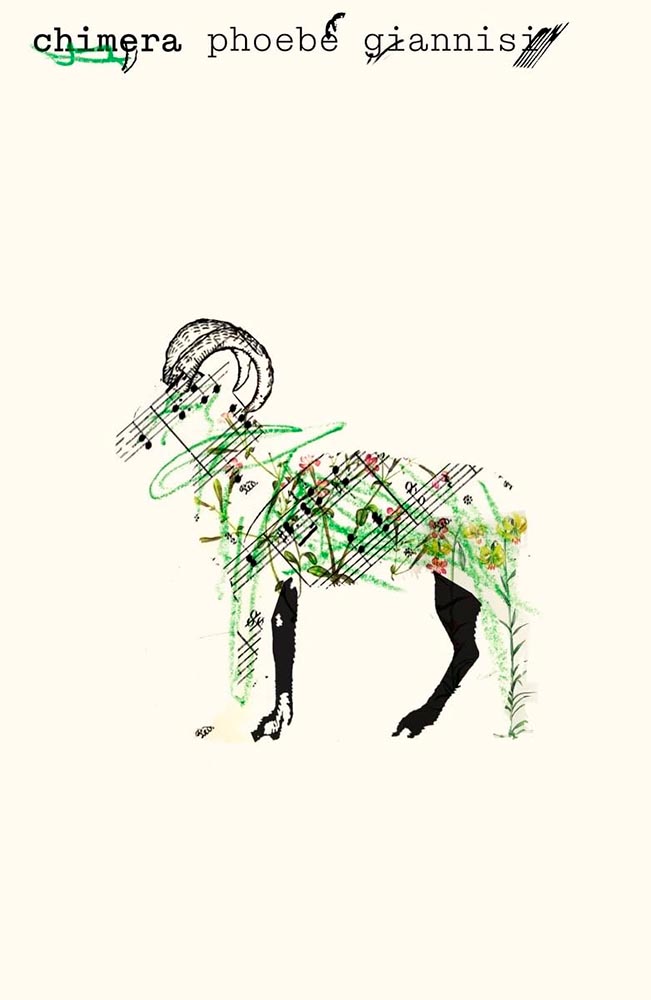
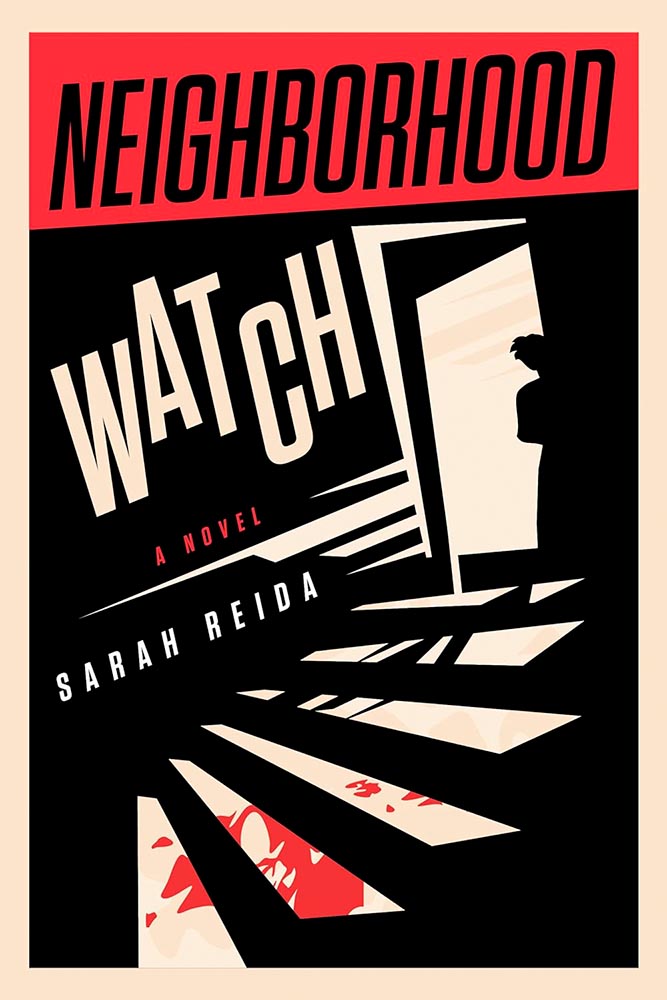
    Cover design by Pablo Delcan.

    It’s no surprise that we’re leading with an example of minimalism-as-superlative. This UK title is described thusly: “The centre of Chimera engages with a three-year field research project on the goat-herding practices of the Vlachs, a nomadic people of Northern Greece and the Southern Balkans, who speak their own language. In these poems, day-to-day activities such as shearing and shepherding mix with snippets of conversations, oral tradition and song―locating a larger story in this ancient marriage between humans and animals.”

    Aside from being visually arresting, I can’t think of a better visual summary — yet still in keeping with the style of Cicada, the previous title. Awesome.

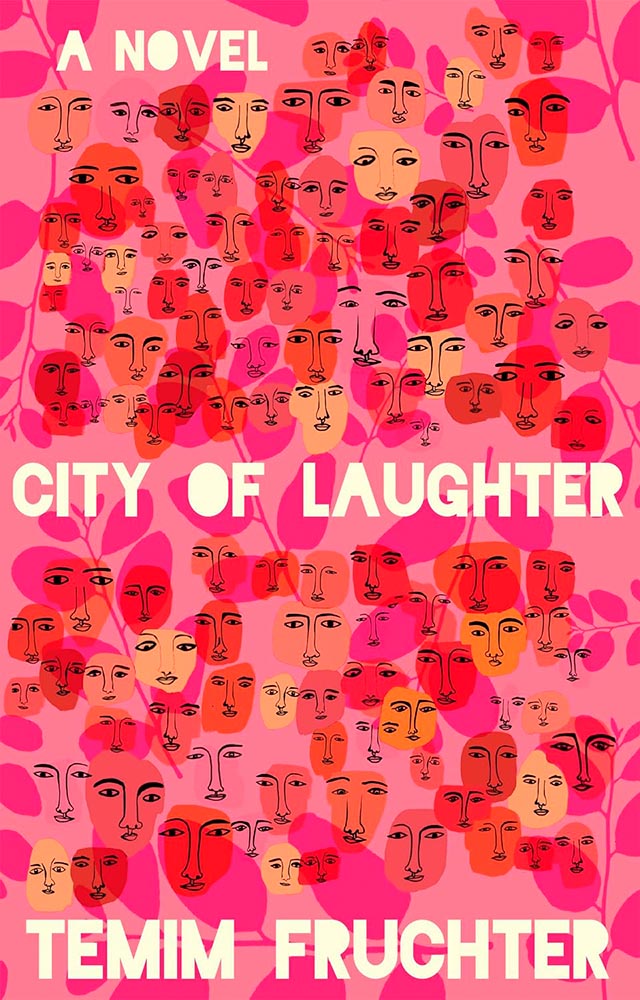
    Cover design by Kelly Winton.

    “[F]our generations of Eastern European Jewish women bound by blood, half-hidden secrets, and the fantastical visitation of a shapeshifting stranger over the course of 100 years,” all on a book cover, in a style that’s fresh and colorful with great lettering.

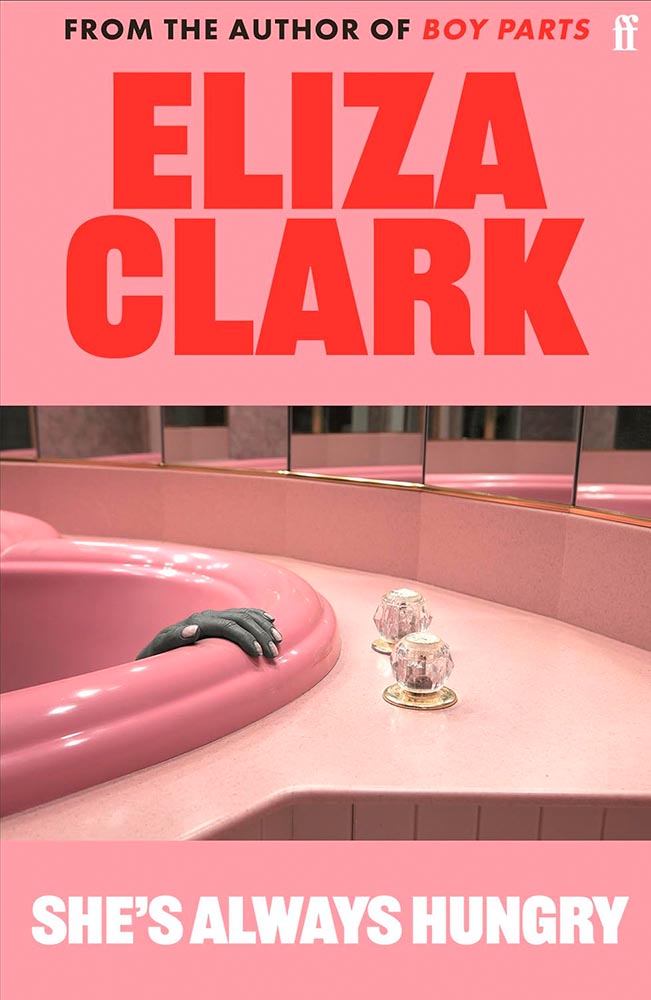
    Cover design by Faber. Photograph by Juno Calypso.

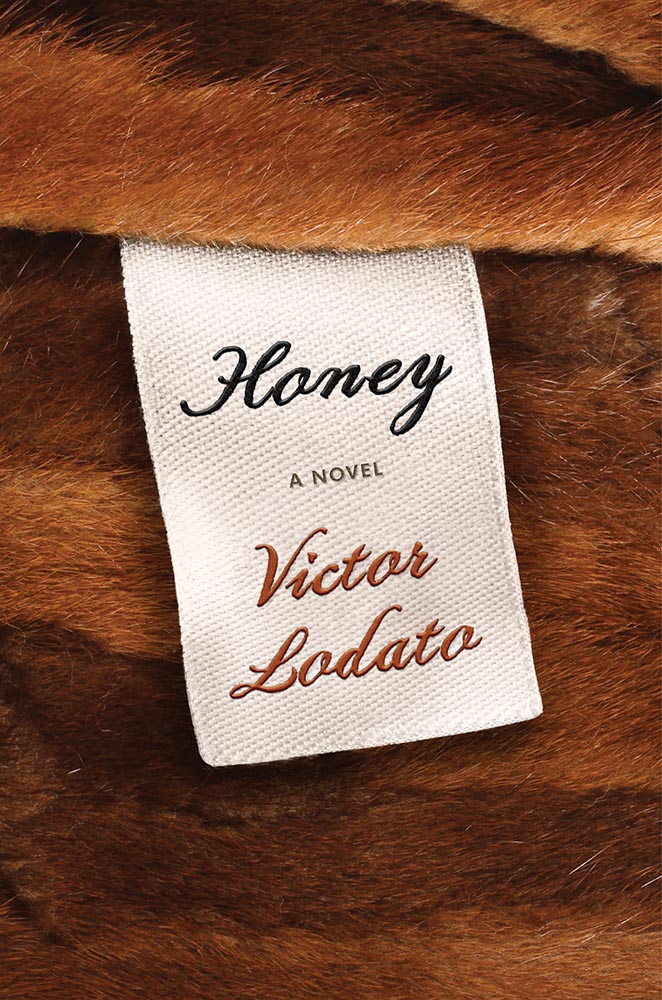
    Occasionally, a photograph just makes a cover — and this one vaults it to the top. (Sometimes, great book design is as “simple” as selecting great elements.) Part of a series called “the Honeymoon,” it’s absolutely the style of photographer Juno Calypso.

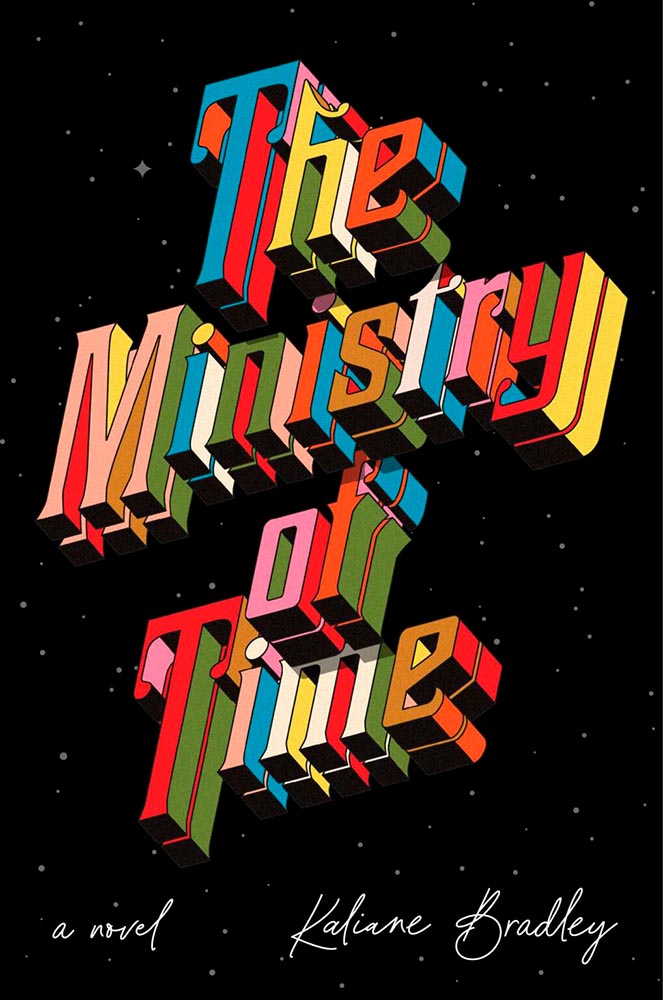
    Cover design by Alison Forner. Typography by Andrew Footit.

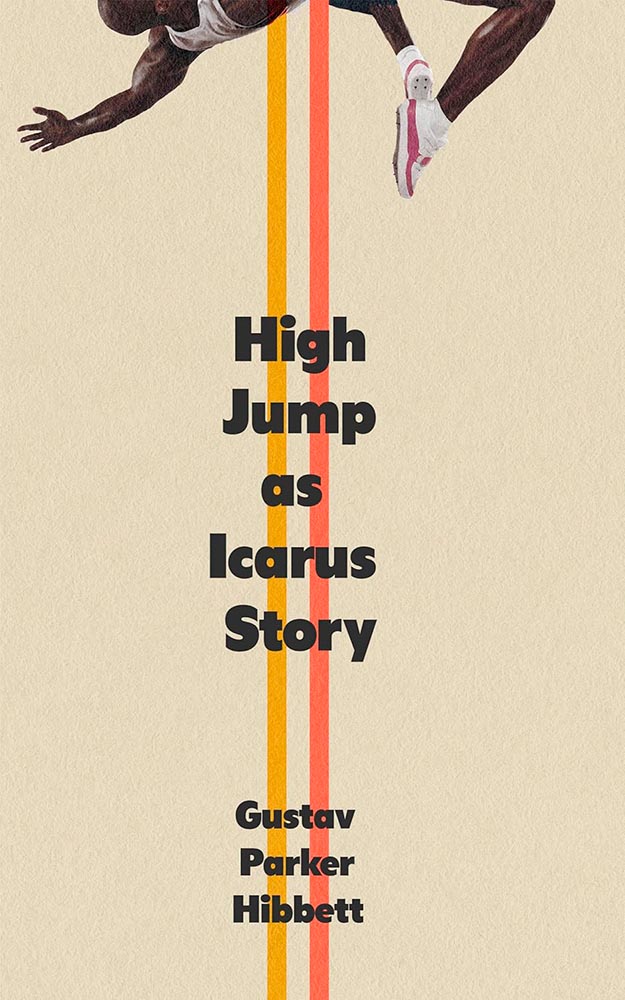
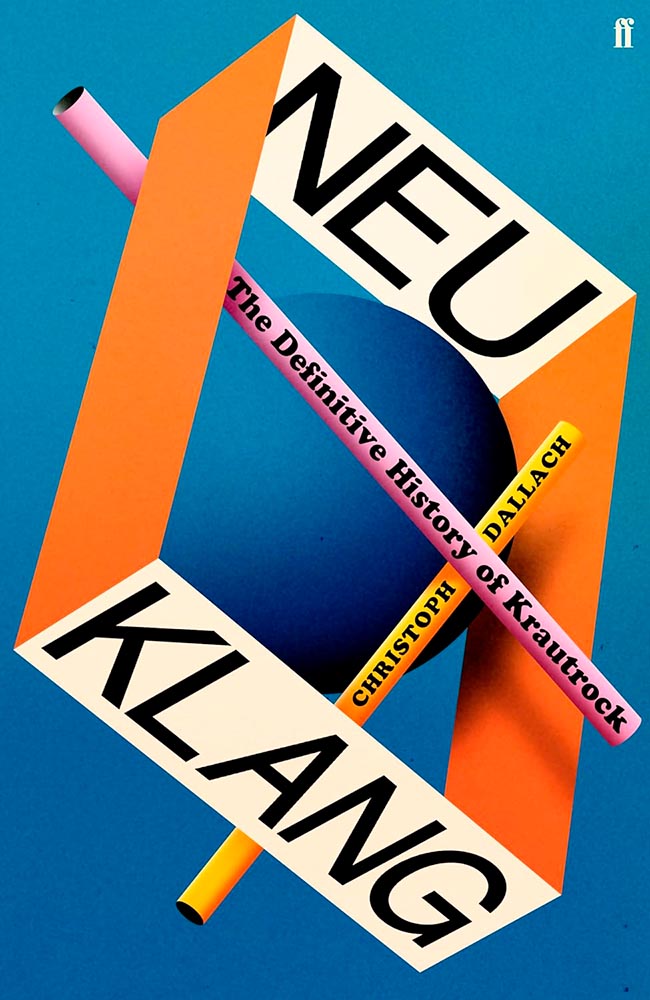
    Never mind the “time travel romance, spy thriller, workplace comedy, and ingenious exploration of the nature of power and the potential for love to change it all” — it’s the oh-so-dimensional title that transcends. (All that other stuff is just a bonus.)

    Other 2024 Favorites, in Alphabetical Order
    Cover design by Mary Austin Speaker.

    “I am unfinished business,” indeed.

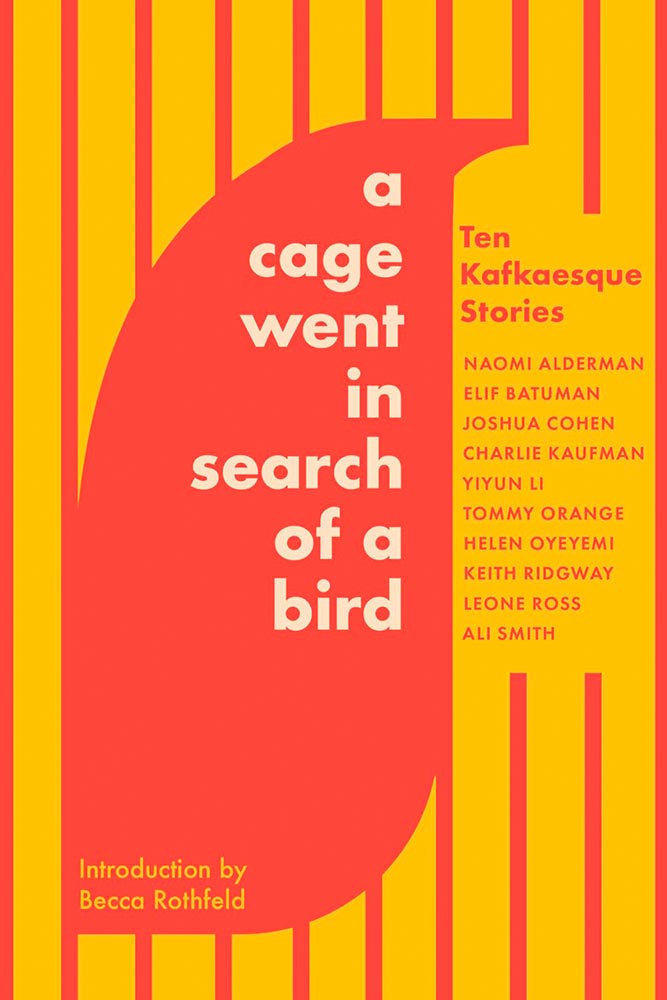
    Cover design by Nico Taylor.

    A-as-eye, shape-as-bird, lines-as-cage: Kafkaesque-as-subtlety. Yet….

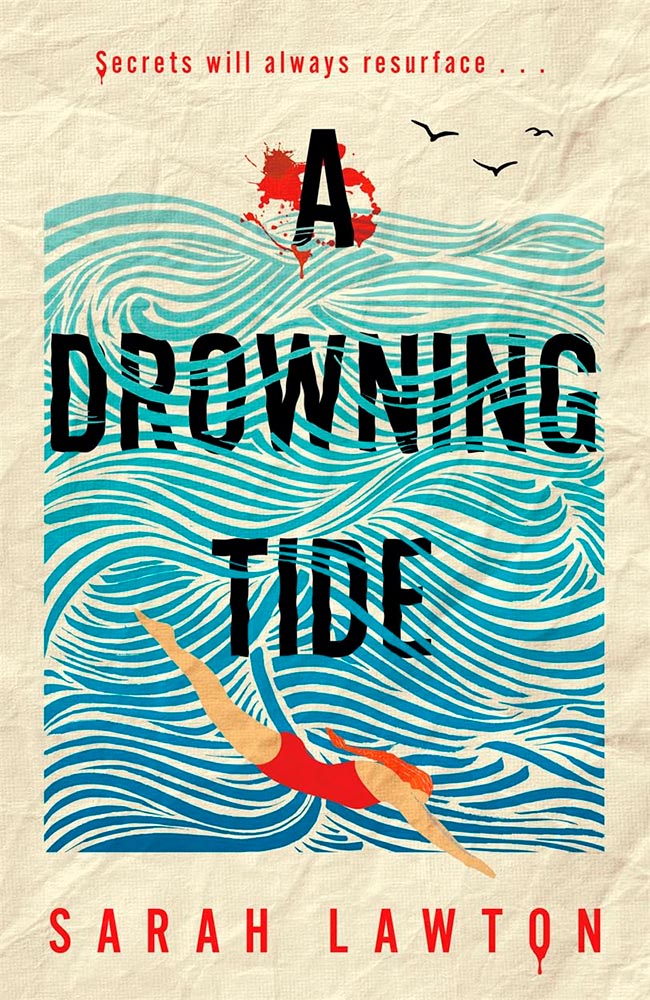
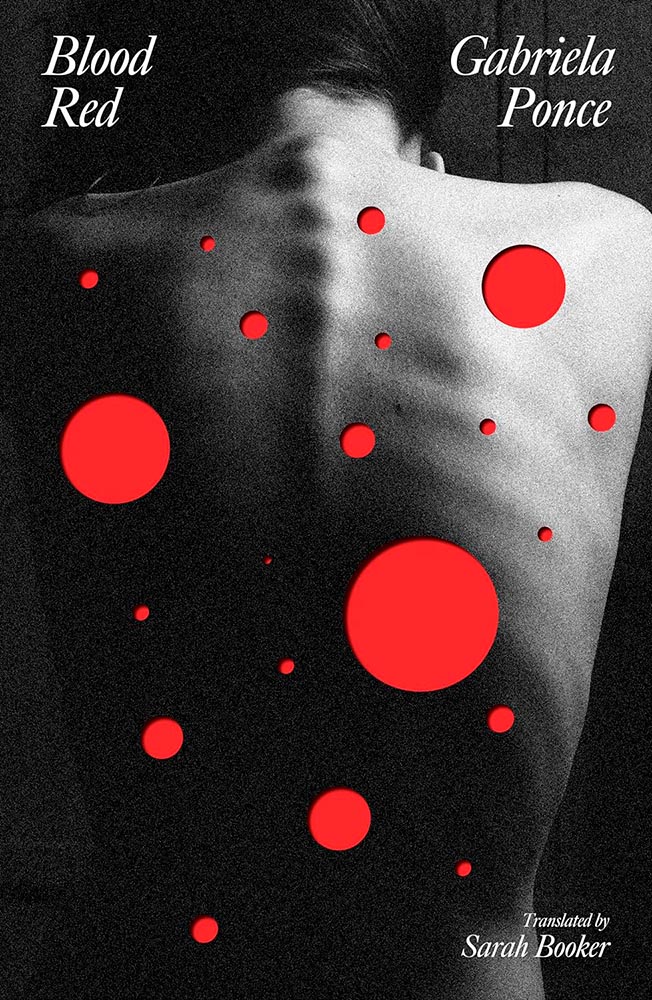
    Cover design by Emma Rogers.

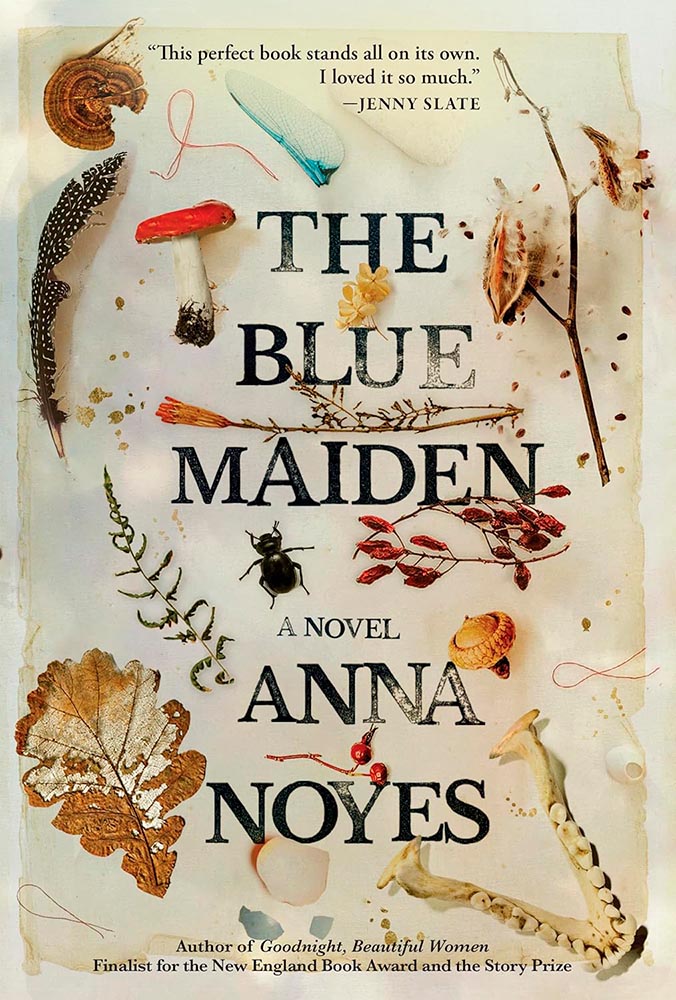
    The paper is perfect, the title interleaved with the water superlative, and the blood, which can absolutely be done into the realm of cliché, drips rather than gushes.

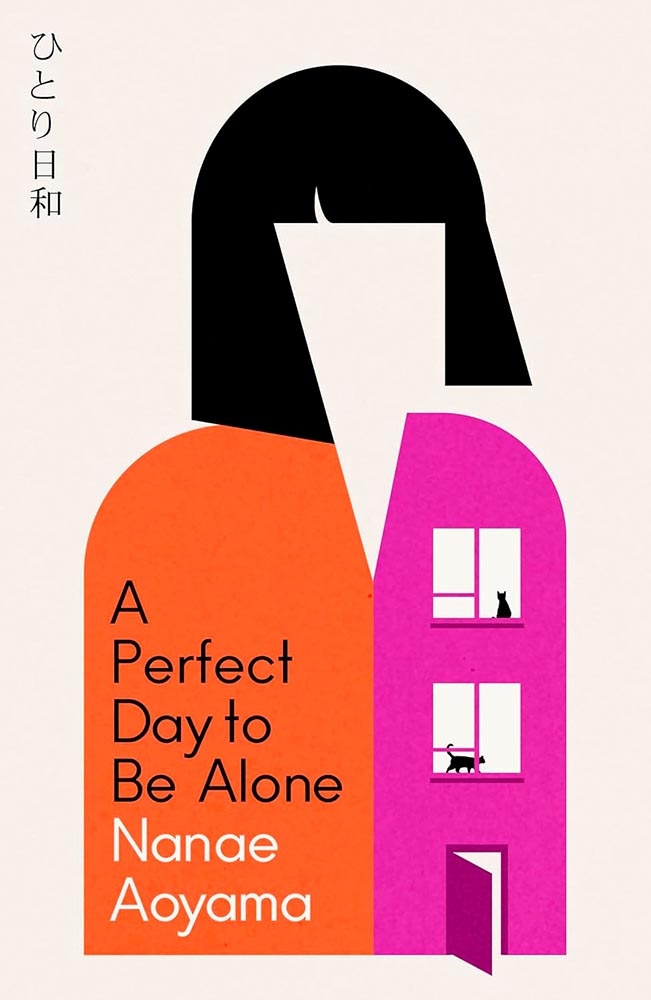
    Cover design by Jack Smyth.

    The first of five appearances for Jack Smyth — tops this year — this cover speaks to solitude (and cats!) with fantastic expression.

    Special Bonus: A 2019 write-up on Smyth at It’s Nice That.

    Cover design by Emma Ewbank.

    This photographic subject is so strong, yet clearly speaks to the cloudy tenderness within. (Also, title placement.)

    Cover design by Helen Yentus.

    Another examples of typography-on-the-edge — but, really, the hero on this cover.

    Cover design by Johnathan Pelham.

    Fantastic title placement (with the perfect hint of wear), complimented by the unusual treatment of the author’s name and pull quote, this cover only hints at the story within yet holds it up.

    Cover design by Janet Hansen.

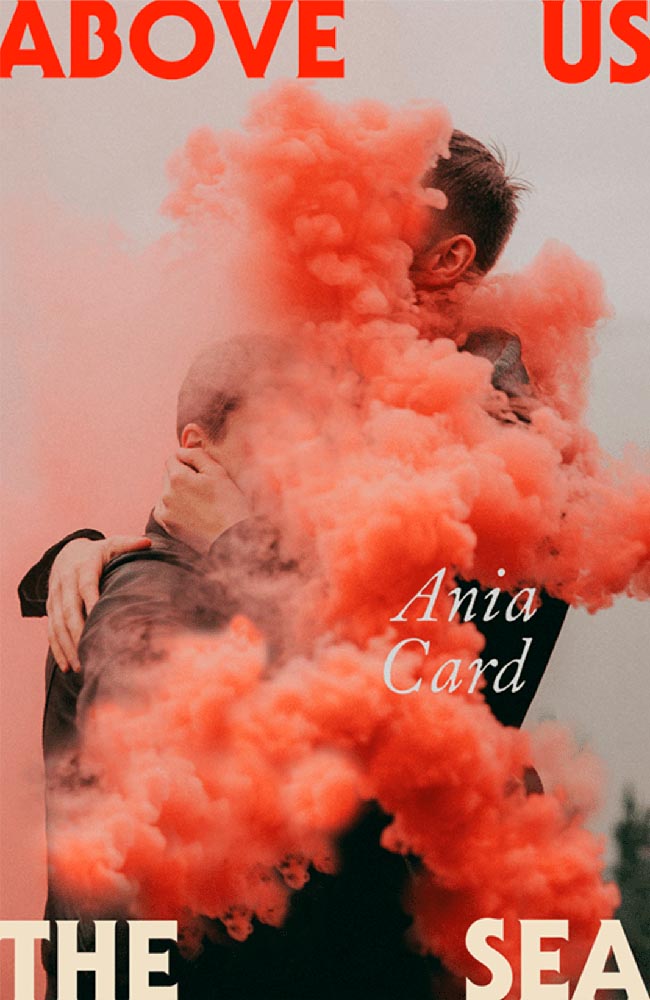
    I’ll admit: it’s not immediately clear how this title and cover work together. Yet they do, and it’s not just because of the (male) hand and (female) face — or striking colors — it’s more the representation of reflection, something required in maturity.

    Cover design by Chris Bentham.

    The rearrange-the-pieces treatment for faces has become a thing, but few do it so well. Special bonus for the selection of photograph for this UK version of the title — and great color choices.

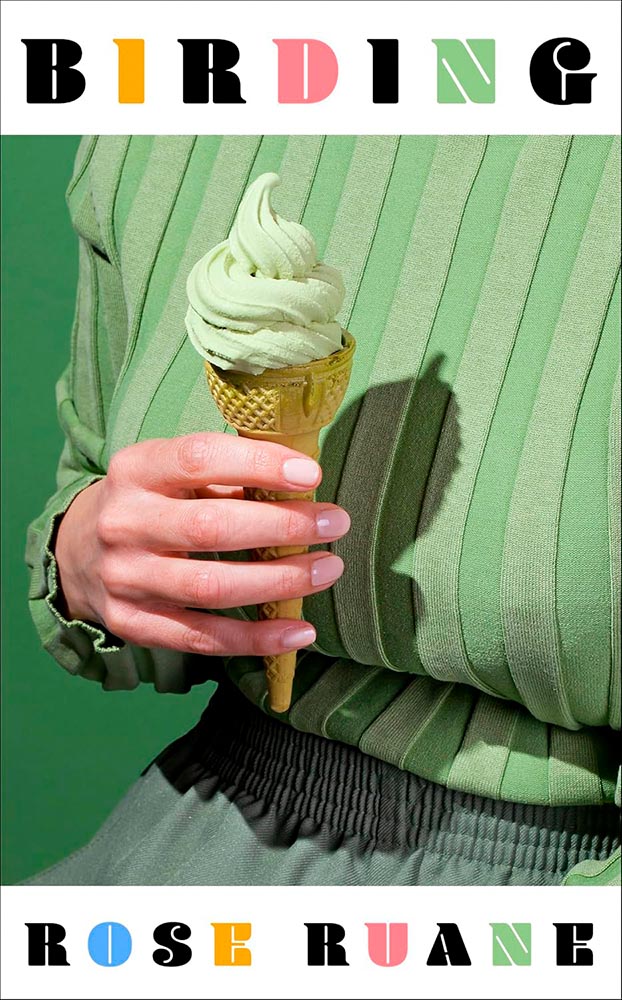
    Cover design by Charlotte Stroomer. Photograph by Kelsey Mcclellan.

    Another example of the photograph making the cover — but with simply awesome typography, too. (Huge fan of the overall color scheme, too.)
    Cover design by Luke Bird.

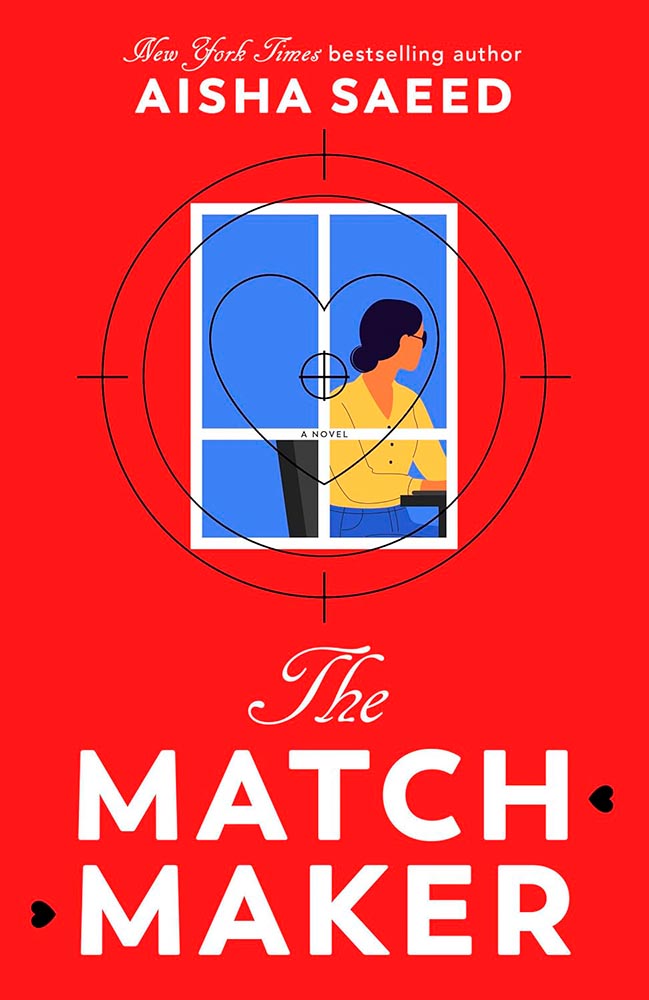
    This UK title shoots to kill, perfect for a story of shooting one’s self in the back. (The Irony Dept. reports that the publisher is Dead Ink, by the way.)

    Cover design by Emma Pidsley.

    Sticks it to ’em in the most compelling way. (Also: “There are two things that I simply cannot tolerate: feminists and margarine.”)

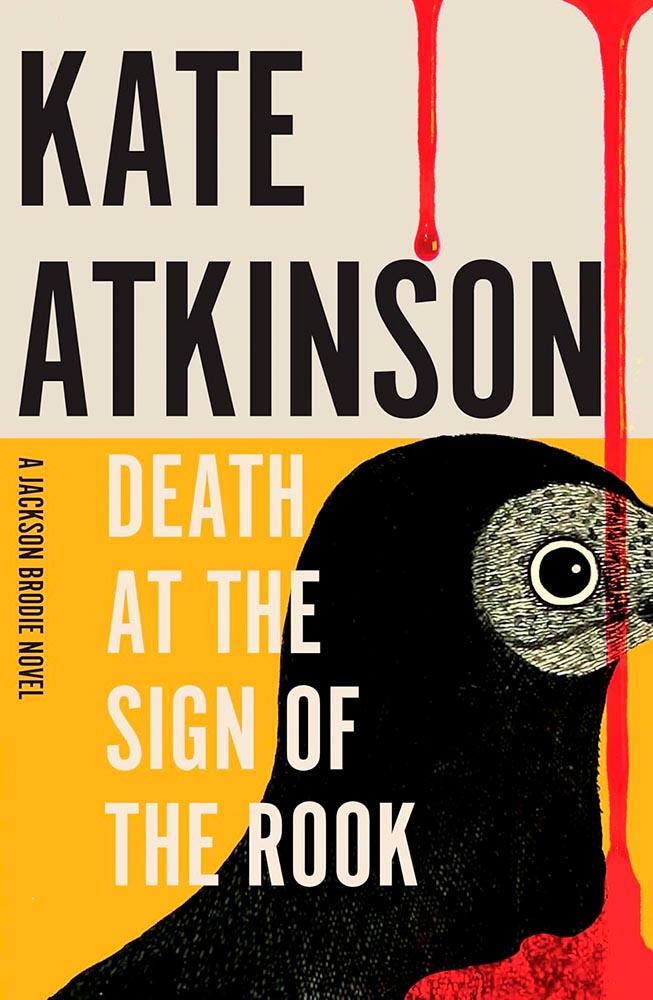
    Cover design by Anna Morrison.

    Another UK title, this one counters the too-much-blood thing with fabulous typography and an over-the-top — well, off-the-side, really — crop. (I especially love that the top of the rook’s head just peeks above the yellow.)

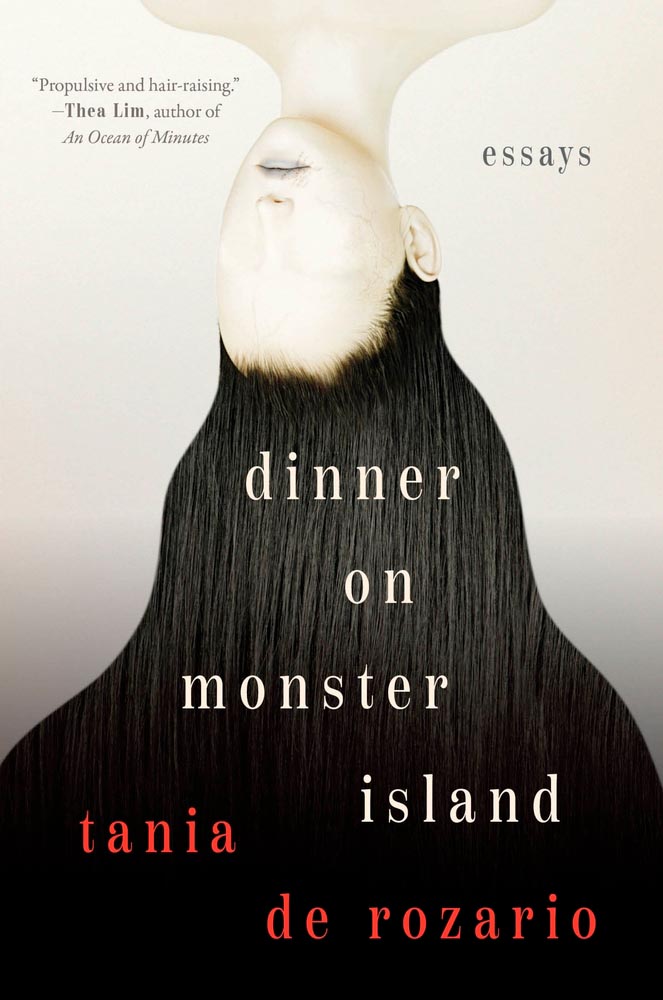
    Cover design by Olivia Mcgiff.

    “Hair-raising,” indeed. (Check out the veins.) The opposite of queer, brown, and fat — and yet, somehow, just right.

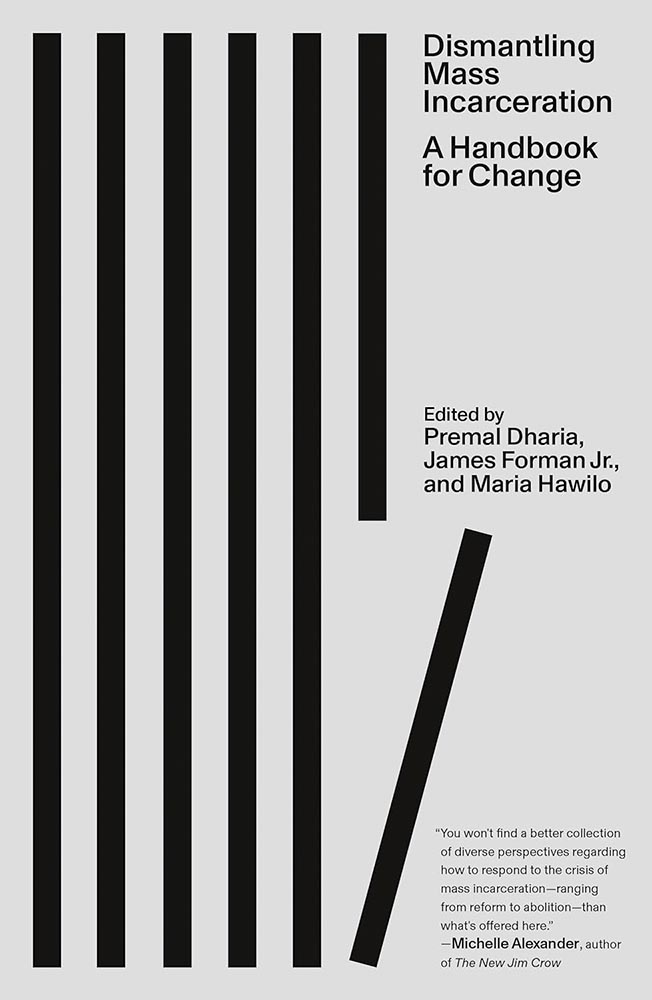
    Cover design by Oliver Munday.

    Few others can express so much with just a line. It sounds like a joke, something that treats the subject with something less than it deserves, but quite literally the lines on this gray background make all the difference.

    Cover design by Suzanne Dean. Illusustion by Neue Gestaltung.

    Greeks myths, contemporary dystopian narratives — never mind that, it’s the illustration on this cover that gets the “terrifyingly talented” label.

    Cover design by Terri Nimmo.

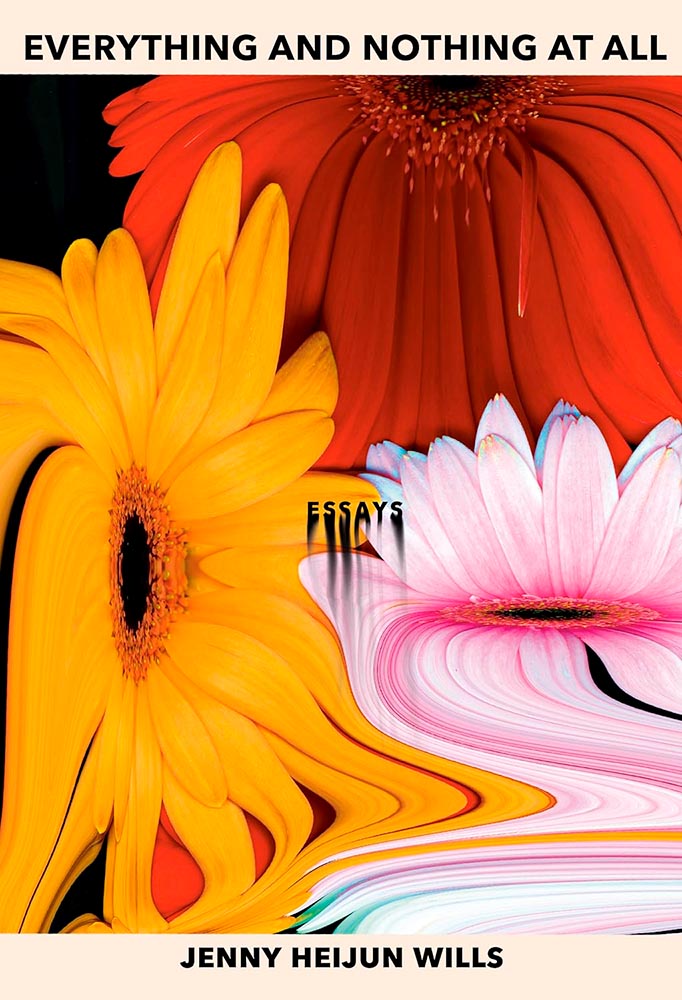
    Subversive, surreal, yet “refuses to pander or be pinned down and possessed.” (Also, “Essays.”)

    Cover design by Sara Wood. Art by Isabel Emrich.

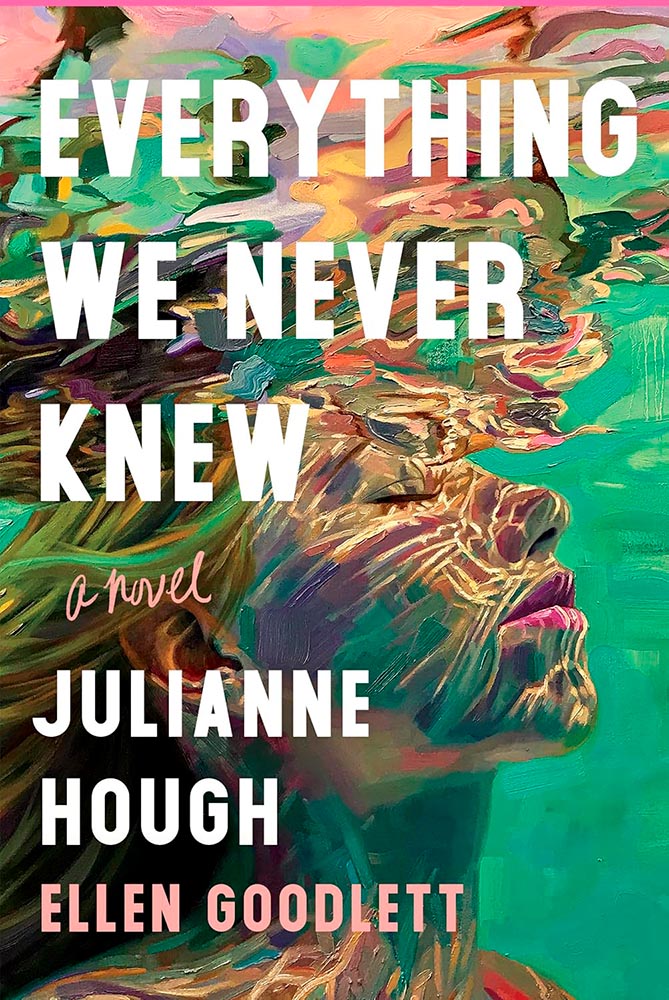
    Real estate agent Lexi senses a drowning, leading to … well, a novel — but it’s the artwork, by painter Isabel Emrich, that carries this cover to the next level.

    Cover design by Steve Coventry-Panton.

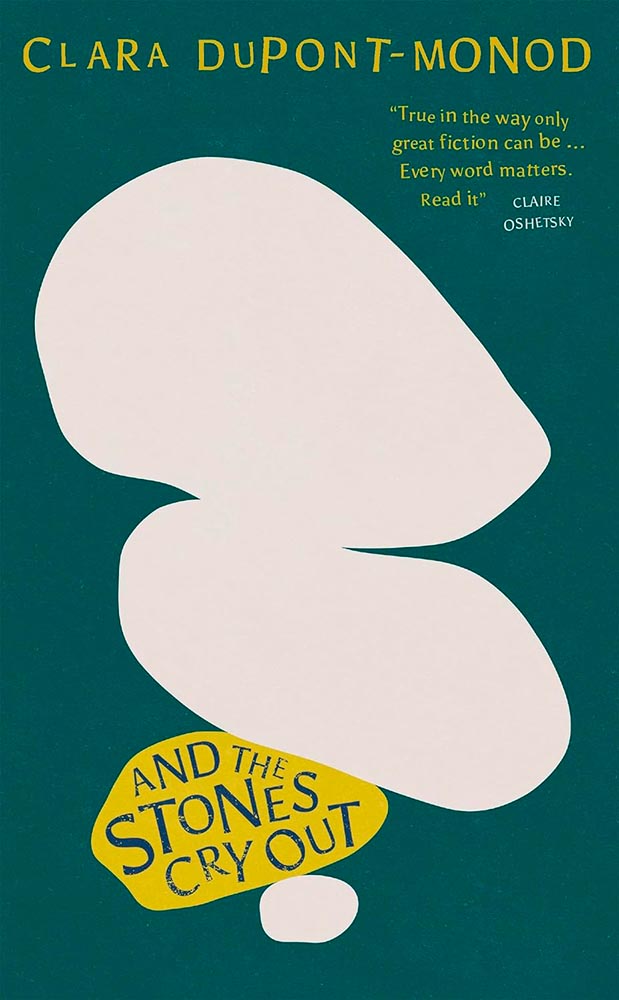
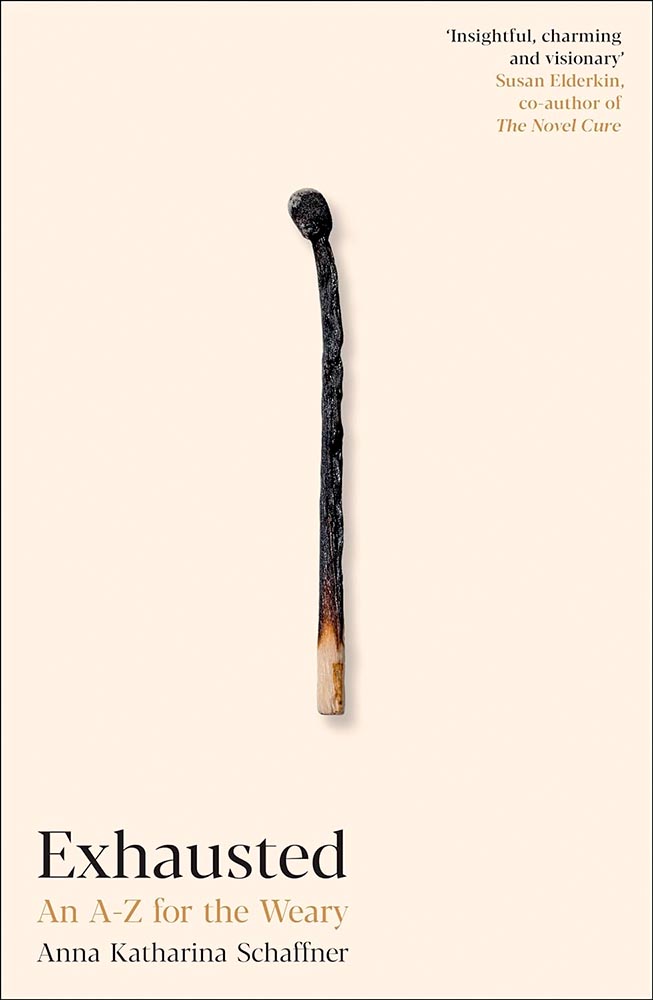
    Minimalism exemplified. While some could argue cliché, I’d argue that it’s the perfect choice: for the weary, for the curious, for this cover.

    Cover design by Isabel Urbina-Peña.

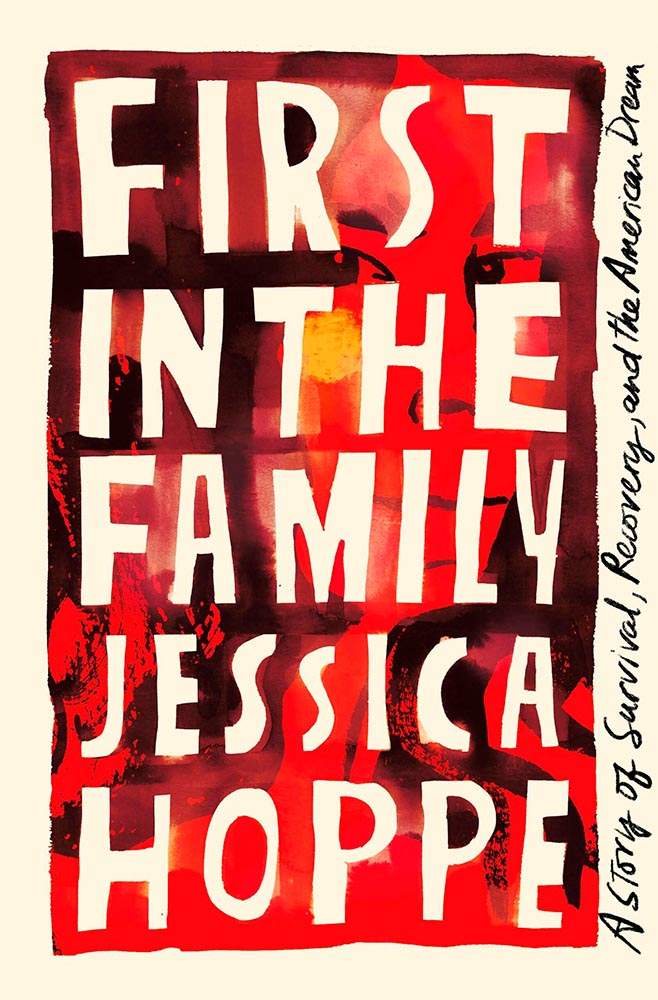
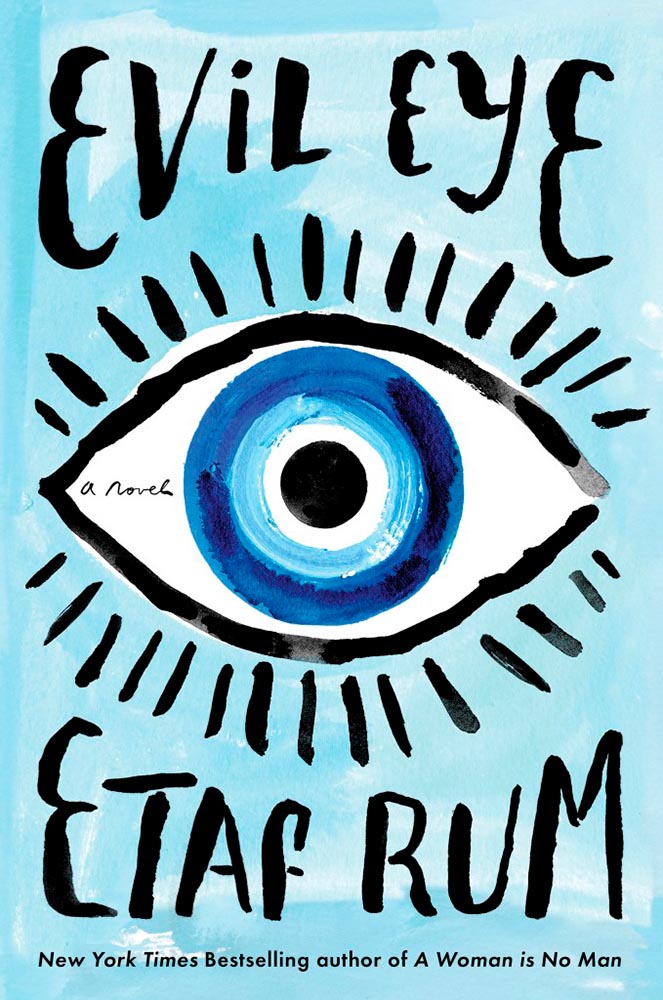
    The eyes just grab you — “crackle like a bonfire,” to quote one of the reviews. (They were speaking of the text, not the cover, but better words….)

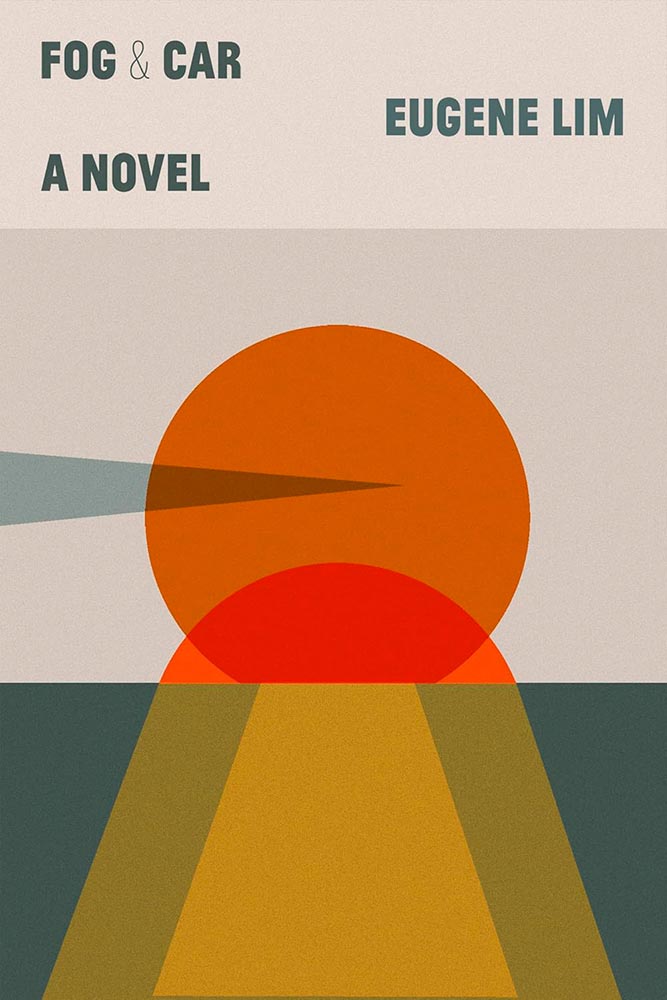
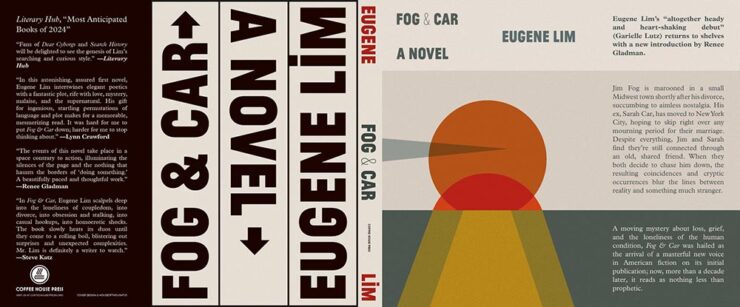
    Cover design by Michael Salu.

    Simple and geometric, yet story-telling in the finest.

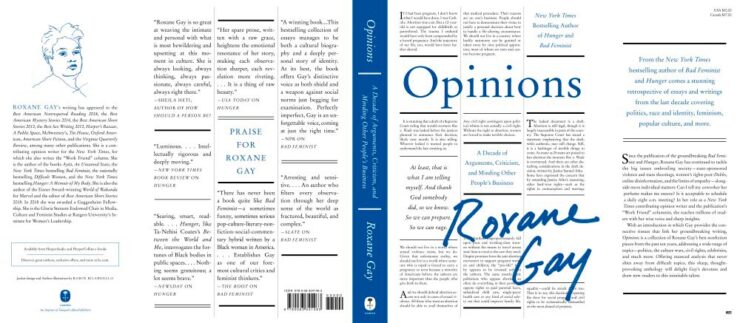
    Also, the whole jacket wins. (The bar code space is below “a novel,” by the way.)

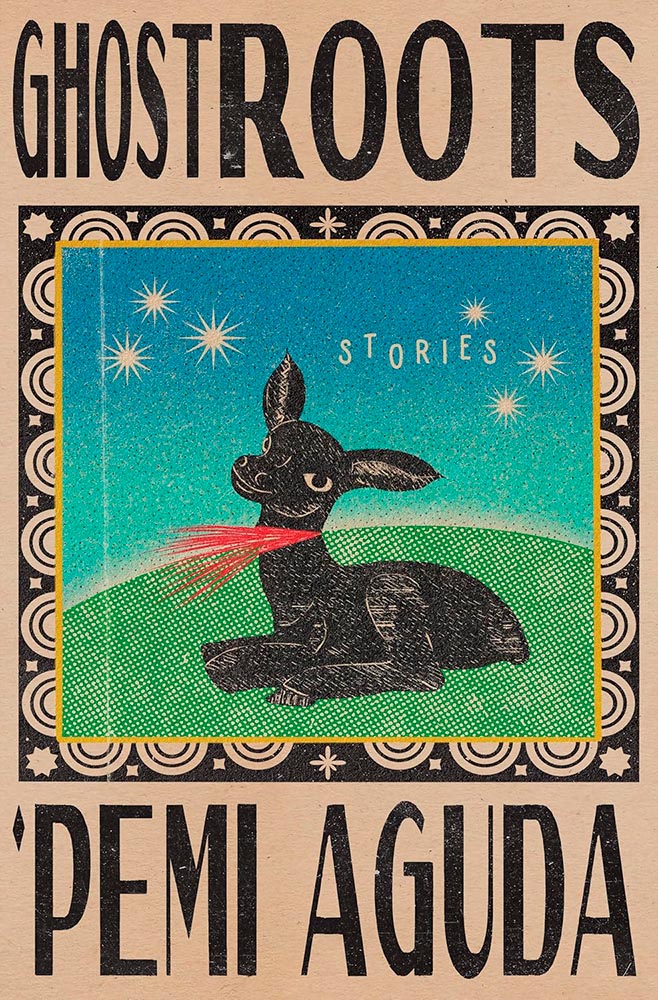
    Cover design by Ssarahmay Wilkinson. Art by Day Brierre.

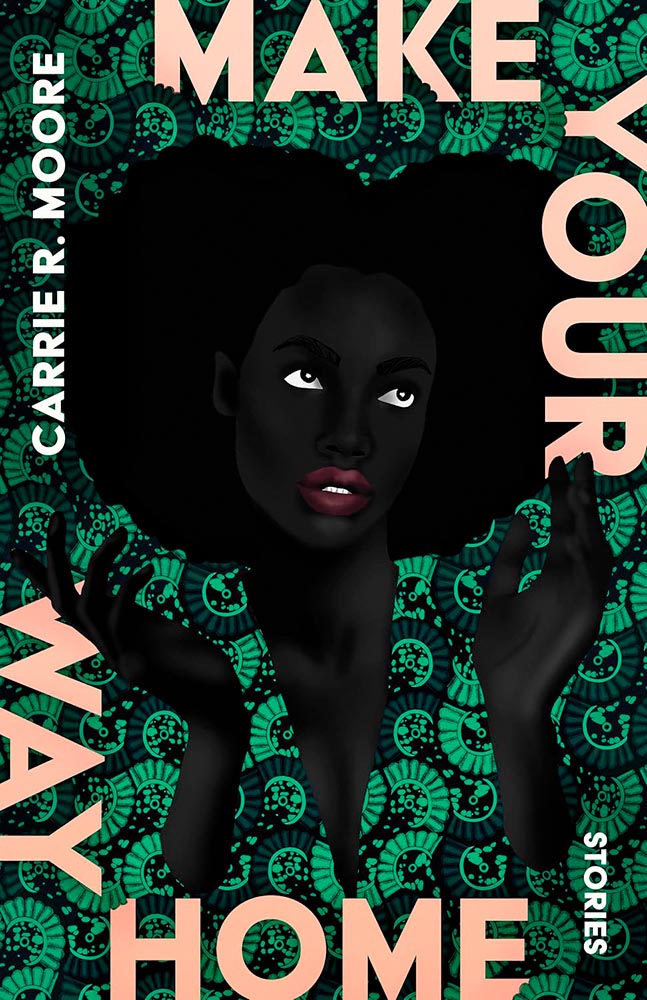
    Containing short stories set in Lagos, Nigeria, this cover speaks to African roots yet does so in a way that causes both admiration and upset in equal measure. “Brilliant” is overused, but….

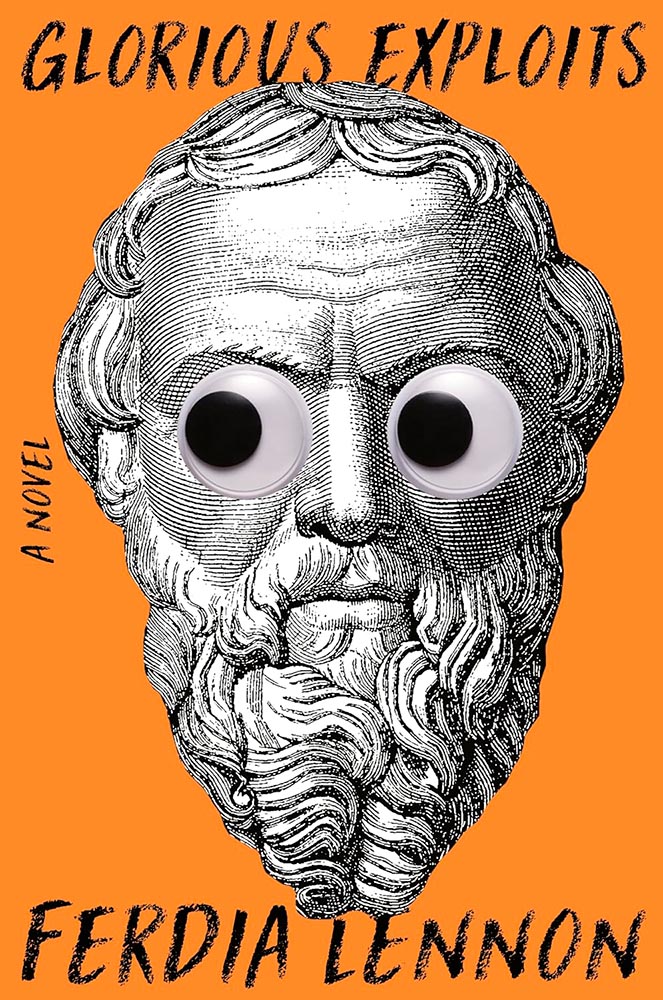
    Cover design by Gregg Kulick.

    “Glorious Exploits,” indeed.

    Cover design by Jack Smyth.

    It’s, oddly, the UK version of this cover that does it for me: the US version relies on art, while Smyth’s version relies on talent. (Perhaps a metaphor for the bestseller within…?)

    Cover design by Alex Merto.

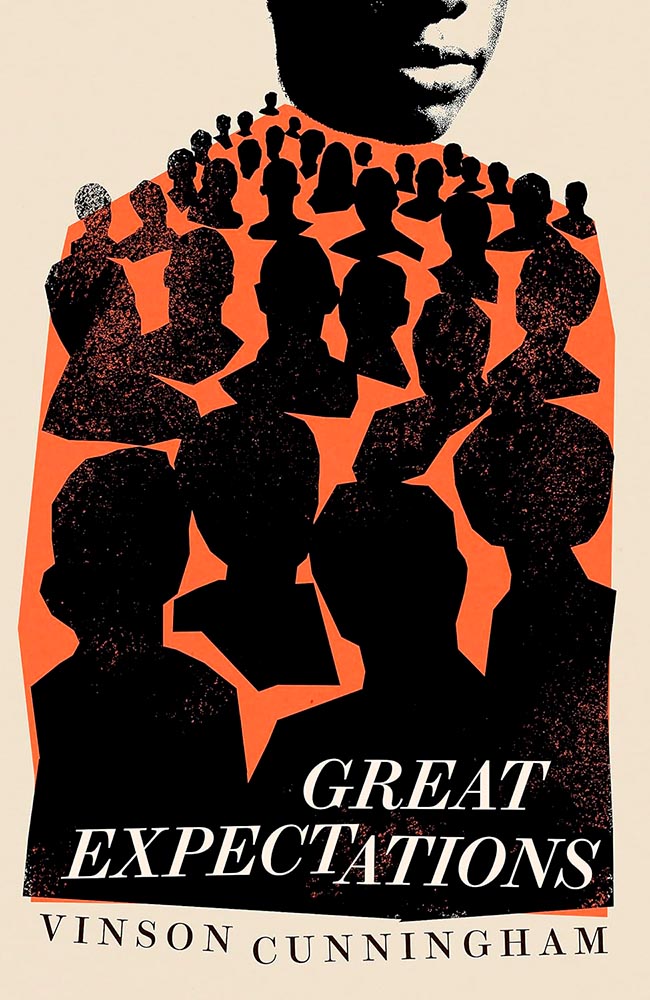
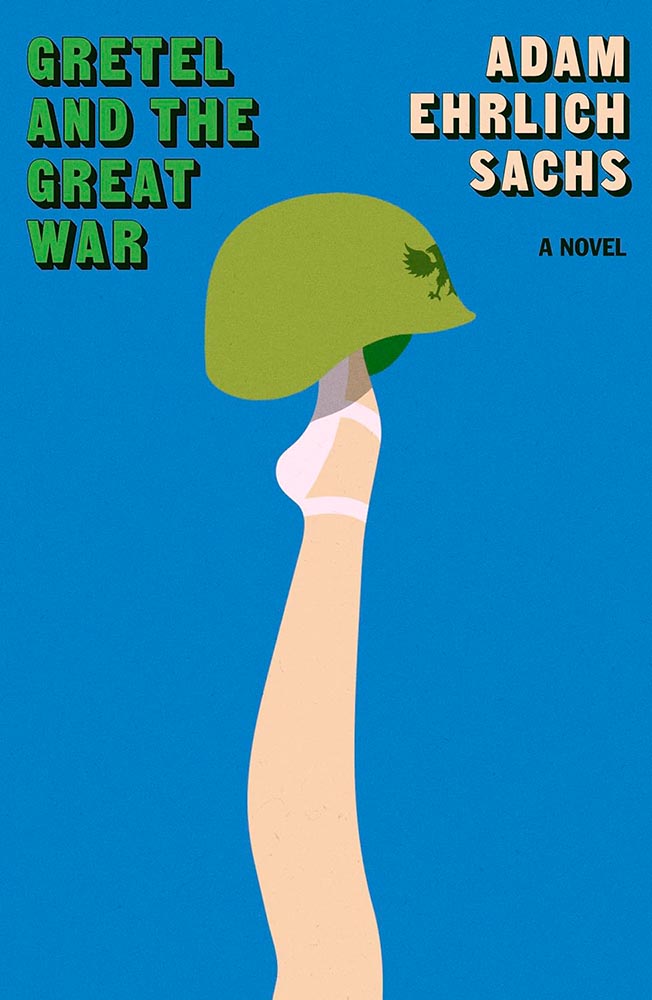
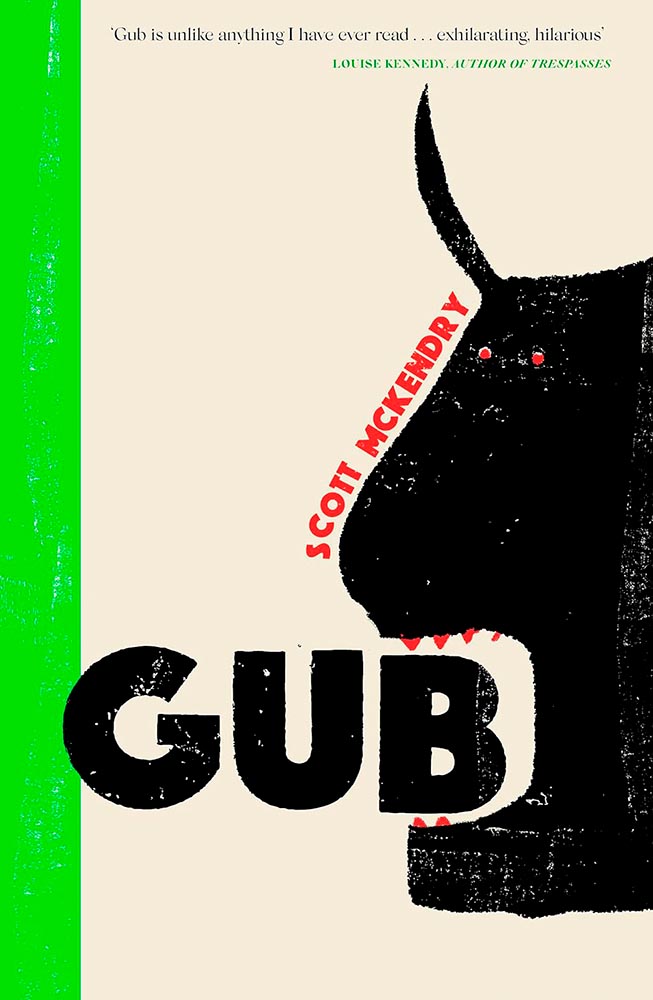
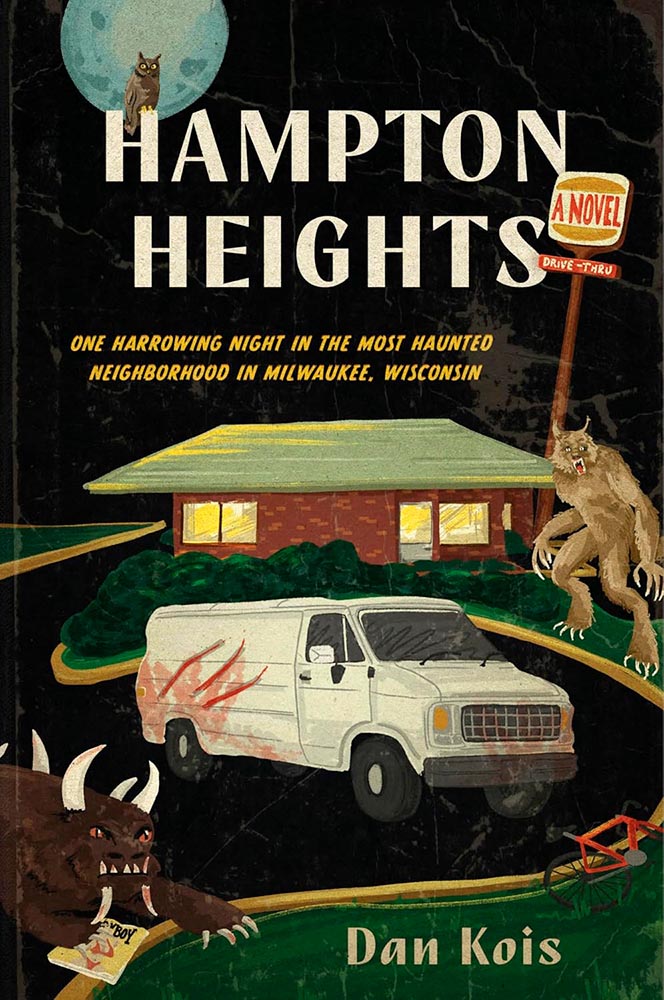
    Shades of M*A*S*H, certainly, yet brilliant on its own: lunatics is war.

    Cover design by Anna Morrison.

    “Playful demotic,” writ large.

    Cover design by Olivia McGiff.

    “A novel” is King. (Sorry.) Most haunting in exactly the right way.

    Cover design by Anna Morrison.

    The paper, the lines, all perfect — but it’s the crop that, well, sends it over the top.

    Cover design by Robin Bilardello.

    Labeled “perfect.”

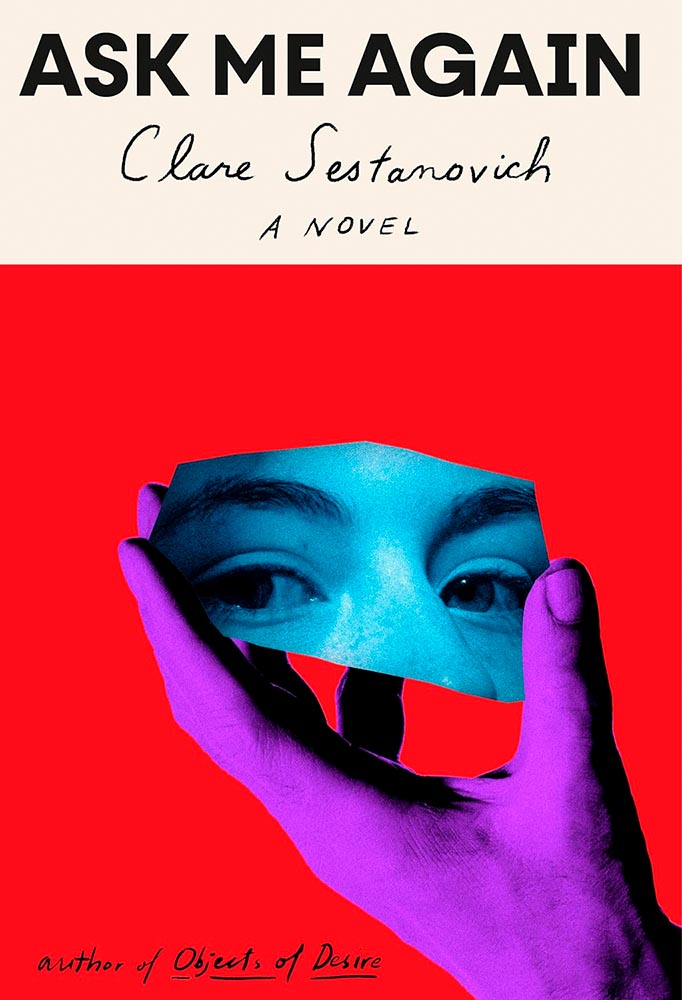
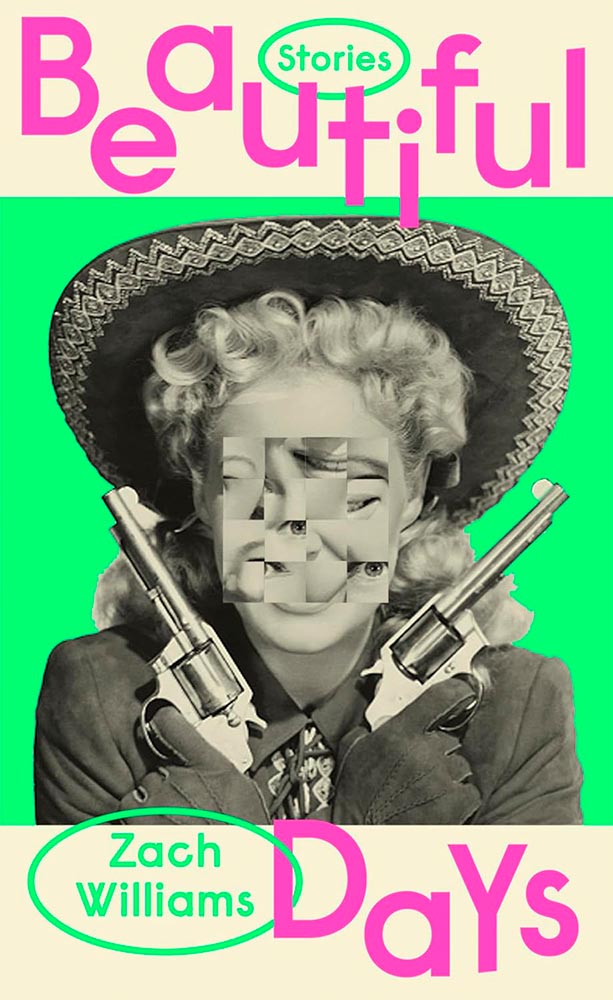
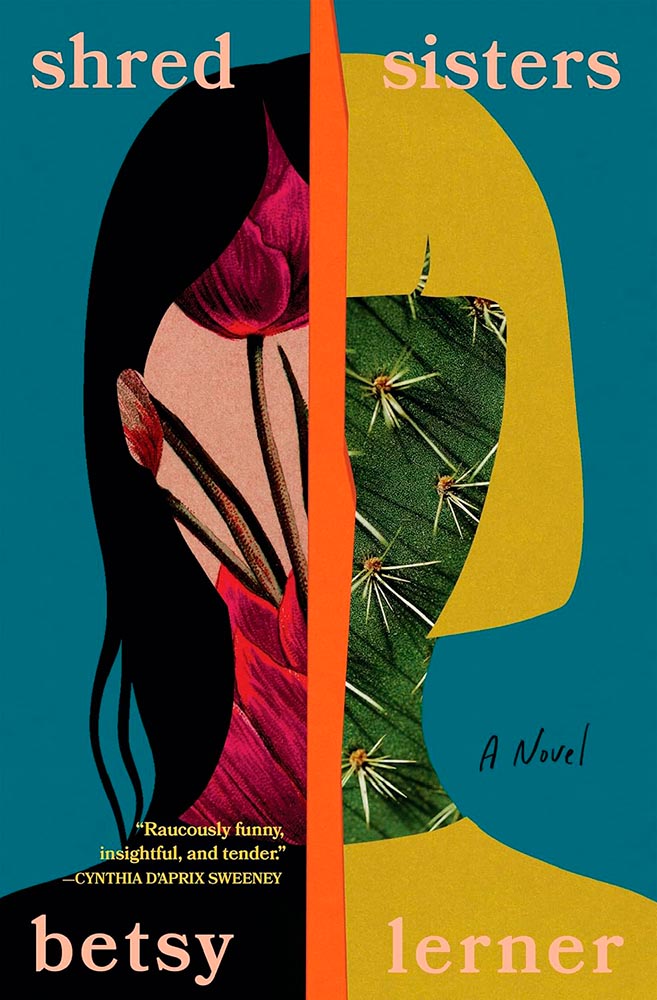
    Cover design by Arsh Raziuddin.

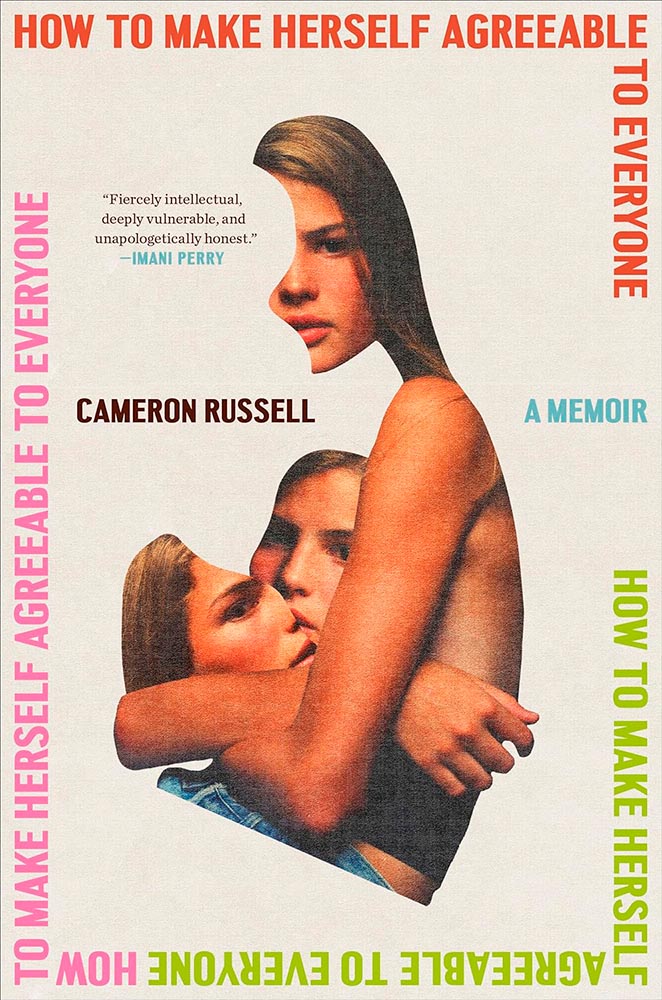
    This girl represents the appropriate reaction to an image-based culture, a cut-apart look in the mirror that shouldn’t necessarily be limited to the fashion industry. (That the collage is vaguely heart-shaped probably ins’t a coincidence.) Bonus points for the title repeating around the edge.

    Cover design by Oliver Munday.

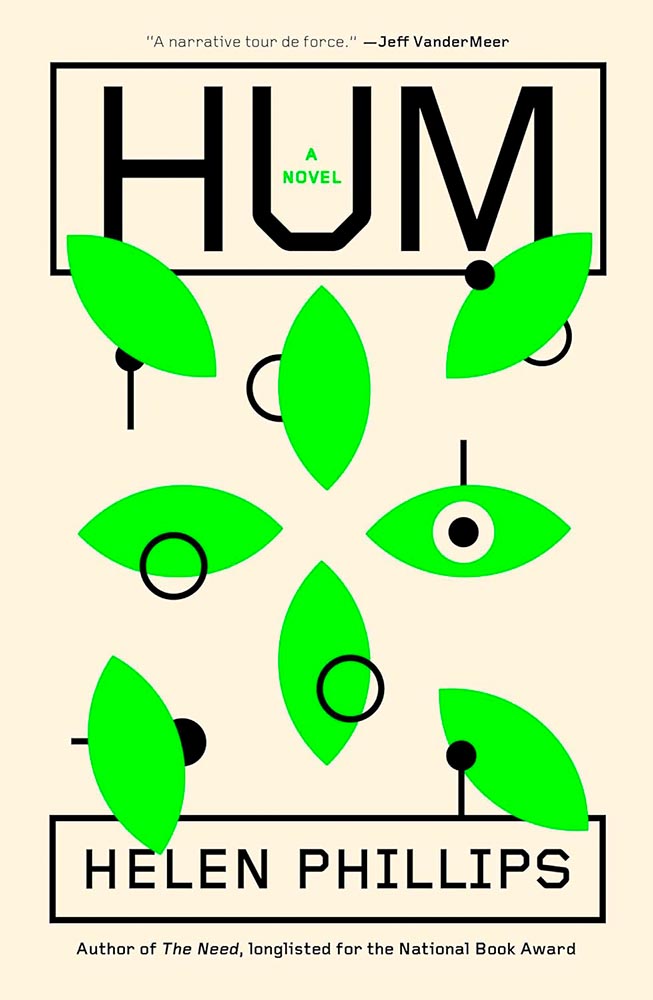
    “In a near-future world addled by climate change and inhabited by intelligent robots called ‘hums,’ May loses her job to artificial intelligence,” the description reads. Yes.

    Cover design by Edward Bettison.

    The illustration and type work so very well together. (Also, color.)

    Cover design by Erik Carter.

    Movie poster! (Also, color.)

    Cover design by Emily Mahon.

    With a title like that, it’s tempting to let it carry the day. Uh … no.

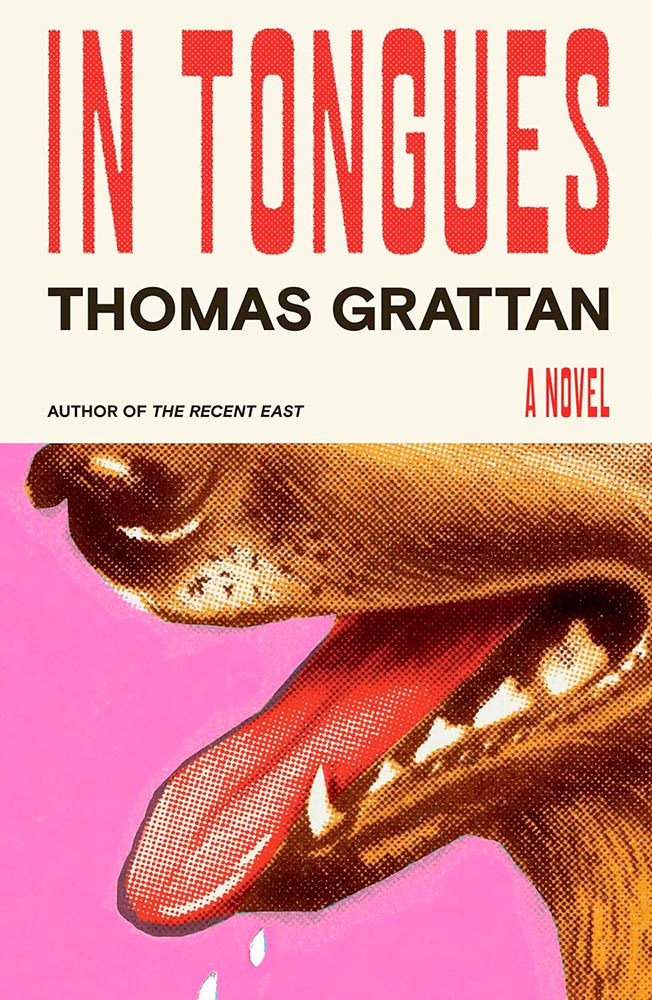
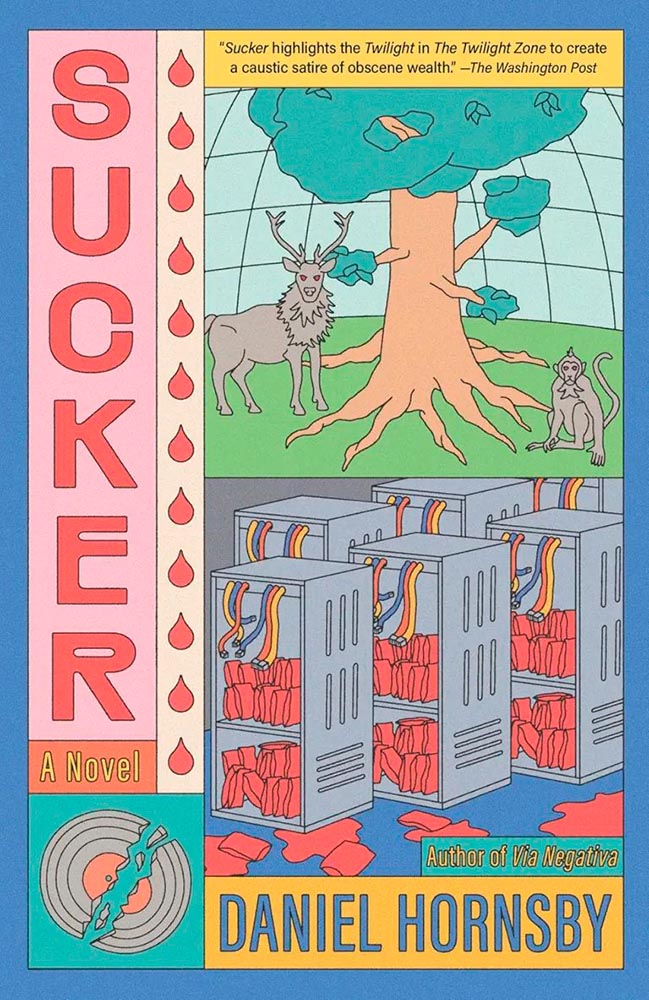
    Cover design by Alex Merto.

    The pink isn’t in halftone. (Also, the drops of drool.)

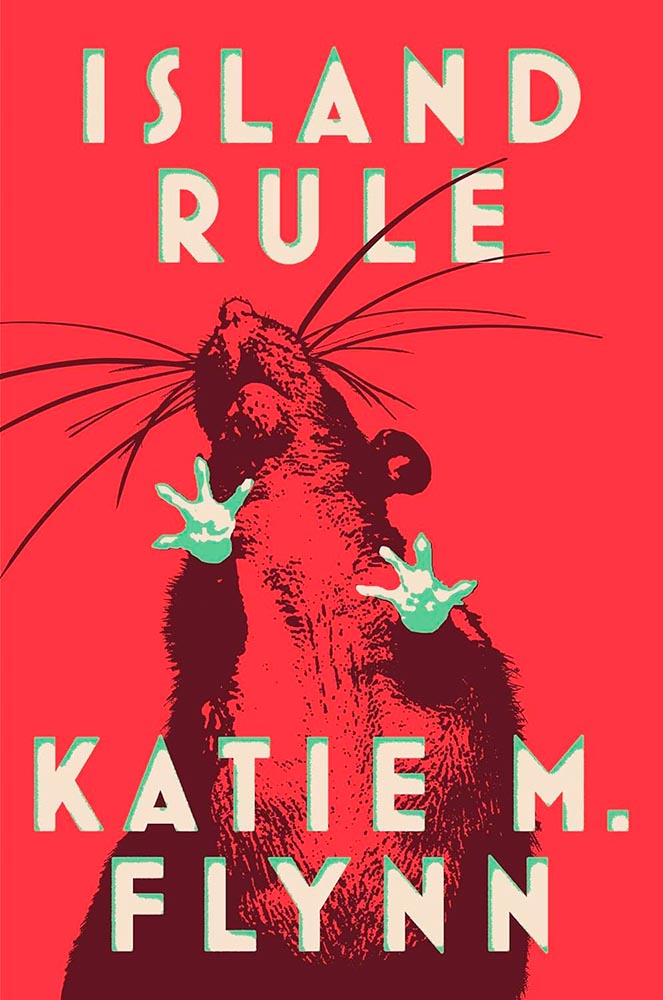
    Cover design by Adriana Tonell.

    A red, red rat is awesome. But it’s the way the green works — in the feet, yes, but especially the type — defines “win.”

    Cover design by Arsh Raziuddin.

    Not an easy title, handled with absolute skill.

    Cover design by Jack Smyth.

    “This book is written out of both love and hate for the world.” Nuthin’ but love for the cover from me.

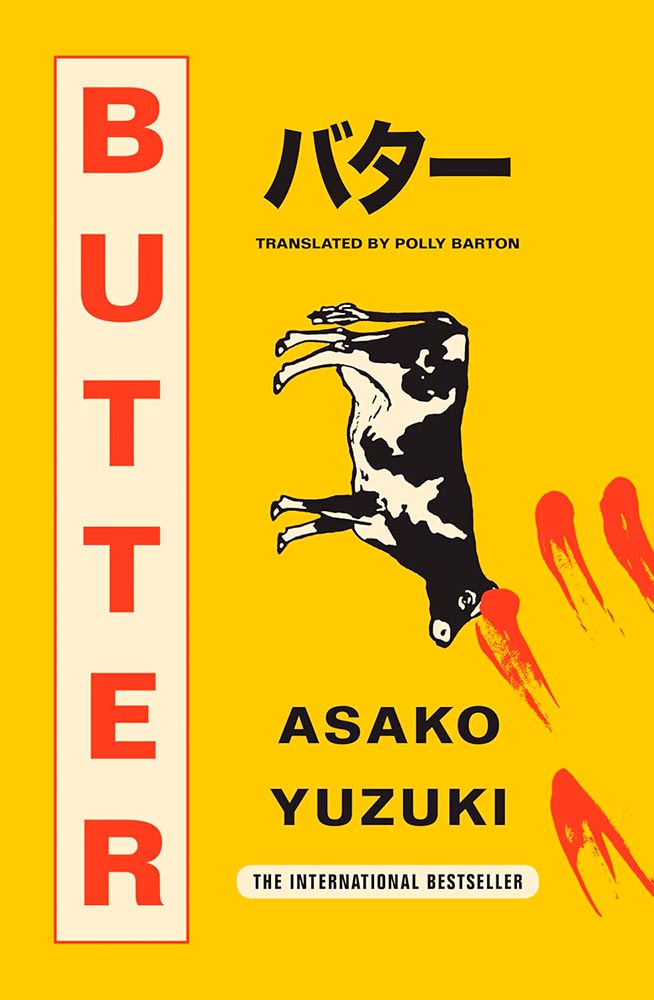
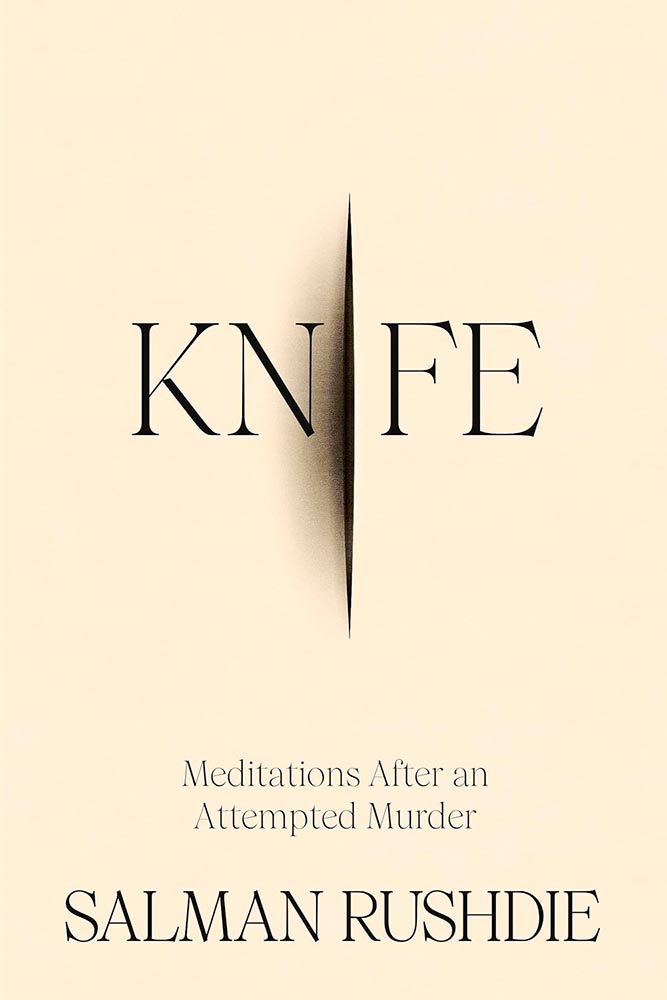
    Cover design by Emily Mahon.

    Sometimes, the literal approach works. (Pardon the expression.) But it’s the added burn mark that makes it.

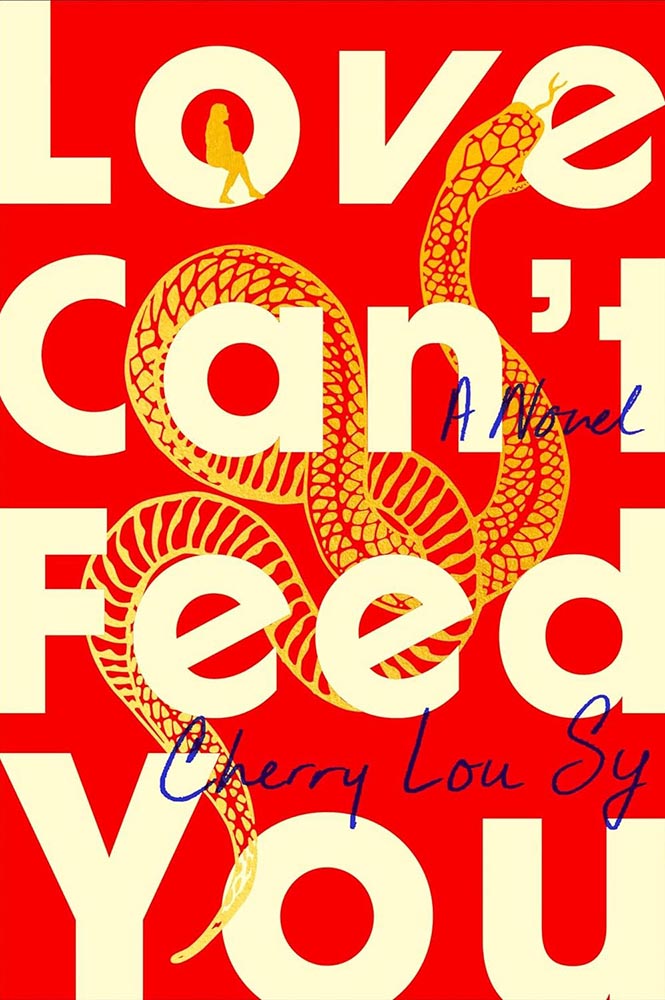
    Cover design by Dominique Jones.

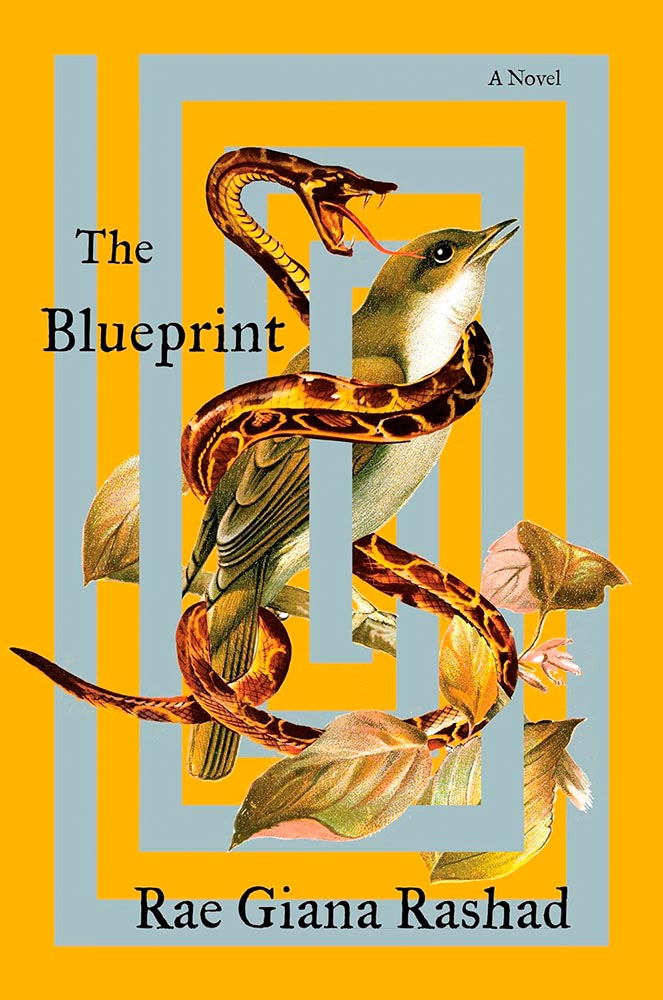
    The red and gold, the title treatment, the complimentary blue ink, and the woman in the “o” are all fantastic. The snake, though, from scales to bite, is superlative.

    Cover design by Oliver Munday.

    Oooollllliiiiivvvvvveerr! (Two years in a row, even.)

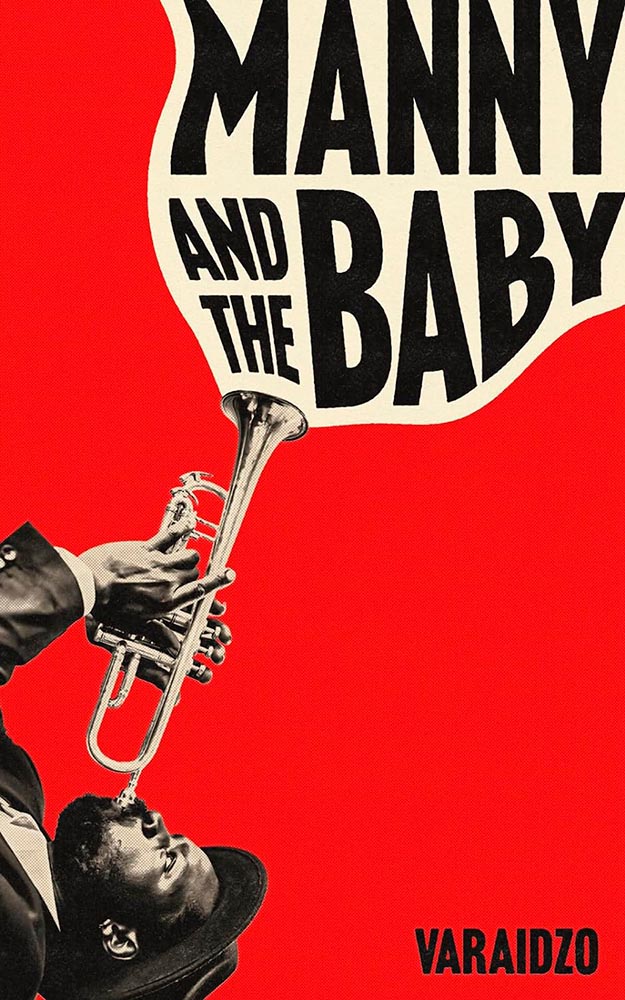
    Cover design by Jodi Hunt.

    “British and Black, with Jazz and Character” is a tough brief, handled here in a way that makes the title incredibly appealing.

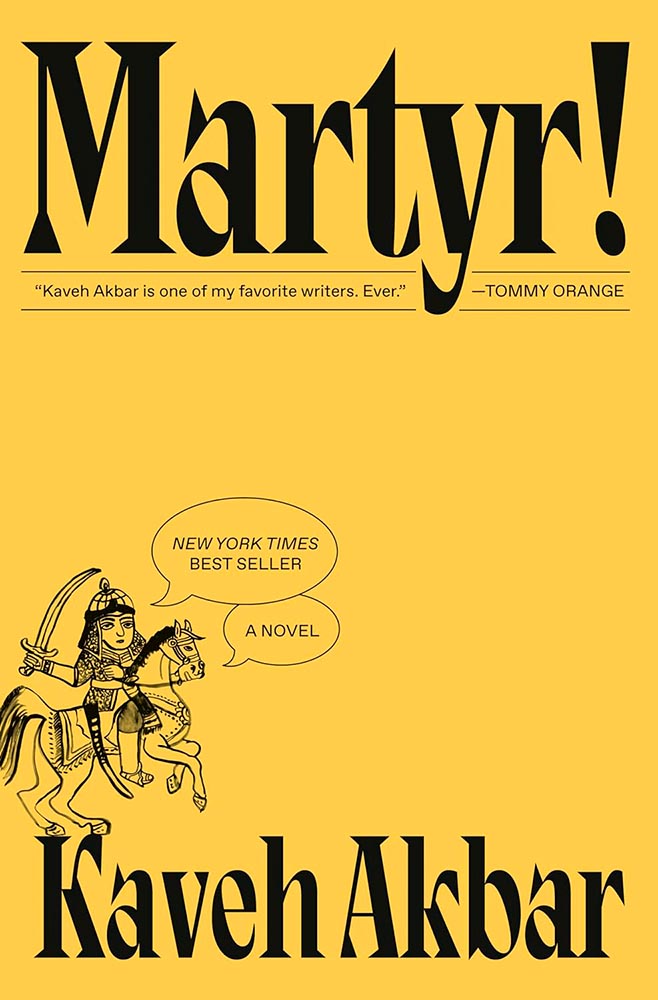
    Cover by Linda Huang.

    Unusual color choice, eye-catching type, the explanation point! But, of course, it’s the illustration — and the accompanying speech bubbles — that take it to the next level. Bonus points for both the hooves balanced on the “K” and the treatment for the pull quote.

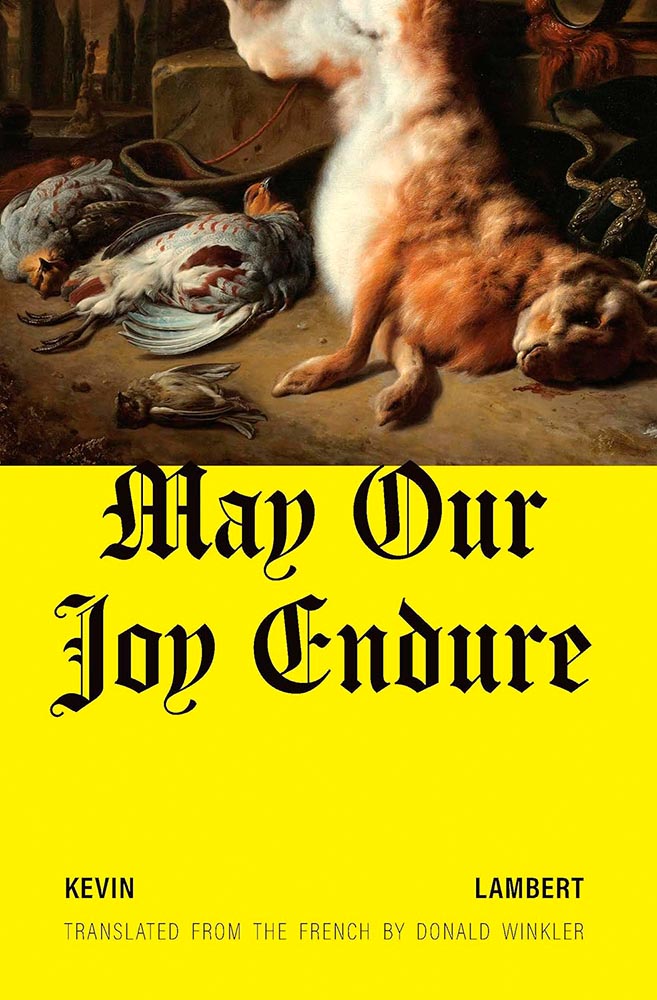
    Cover design by Zoe Norvell.

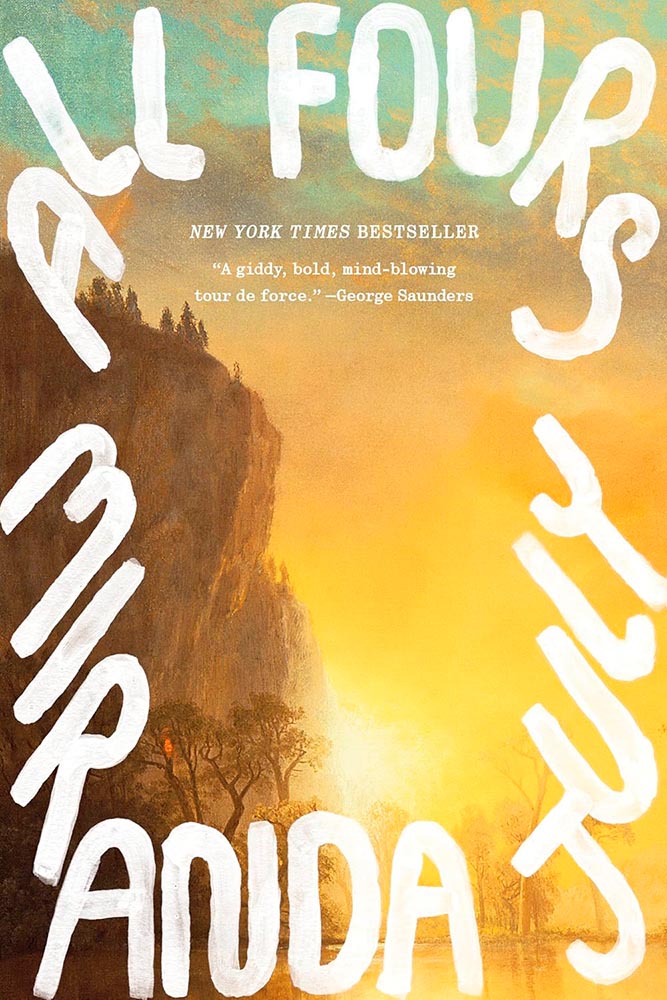
    That yellow, the blackletter title and unusually-spaced author play perfect — and curiosity-peaking — supporting roles to that painting. Purity, indeed.

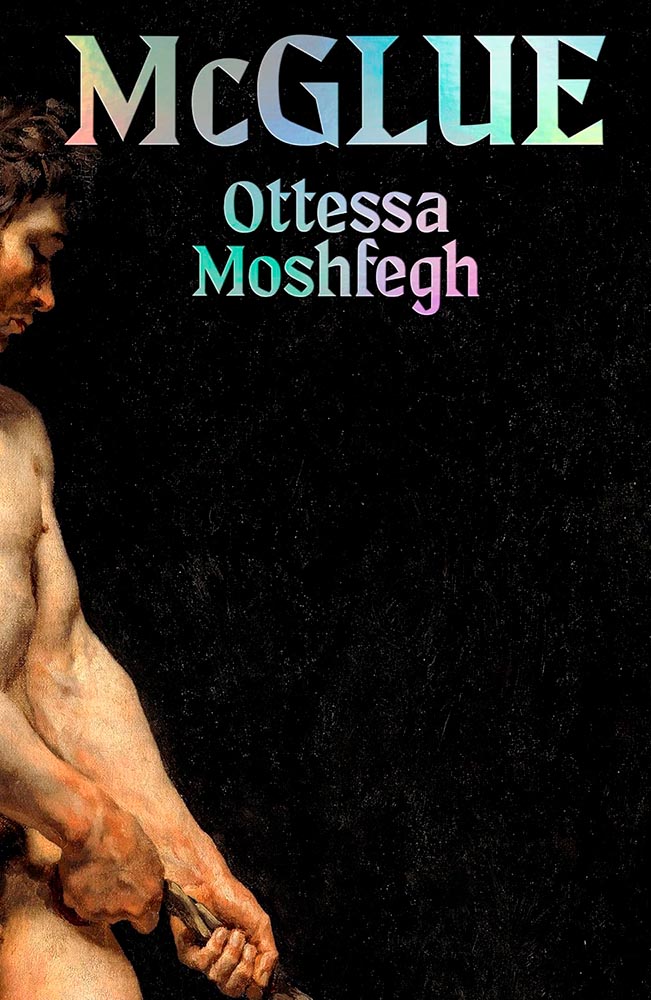
    Cover design by Jonathan Pelham.

    What’s he pulling on, now? (Also, the title/author treatment.)

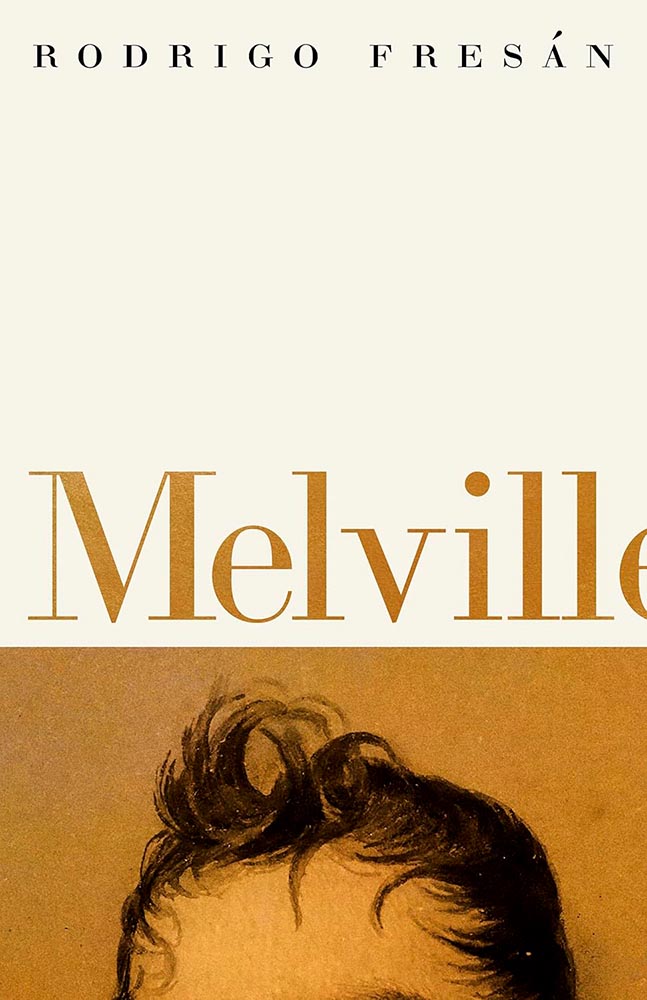
    Cover design by Daniel Beneworth-Gray based on a concept by Daniel Fresán.

    Cropped to perfection.

    Cover by Suzanne Dean.

    The first of three UK versions in a row: this title lights it up.

    Cover design by Tom Etherington.

    The US version of this title was in last year’s list, but this UK version is equally strong — in an entirely different way.

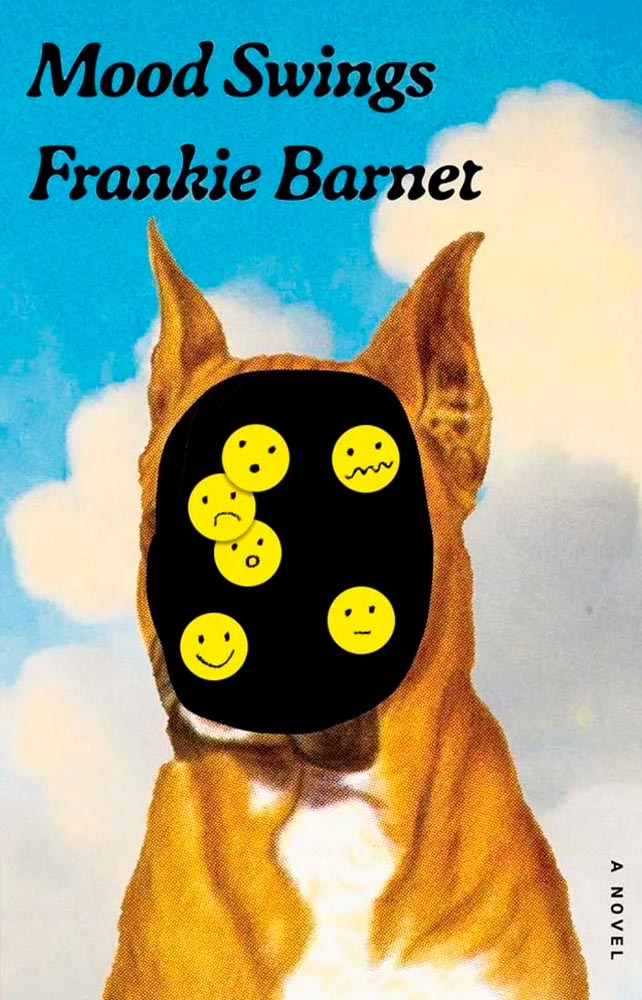
    Cover design by Kate Sinclair.

    Another UK version, another winner. Love the typography. Bonus points for the homemade emoji.

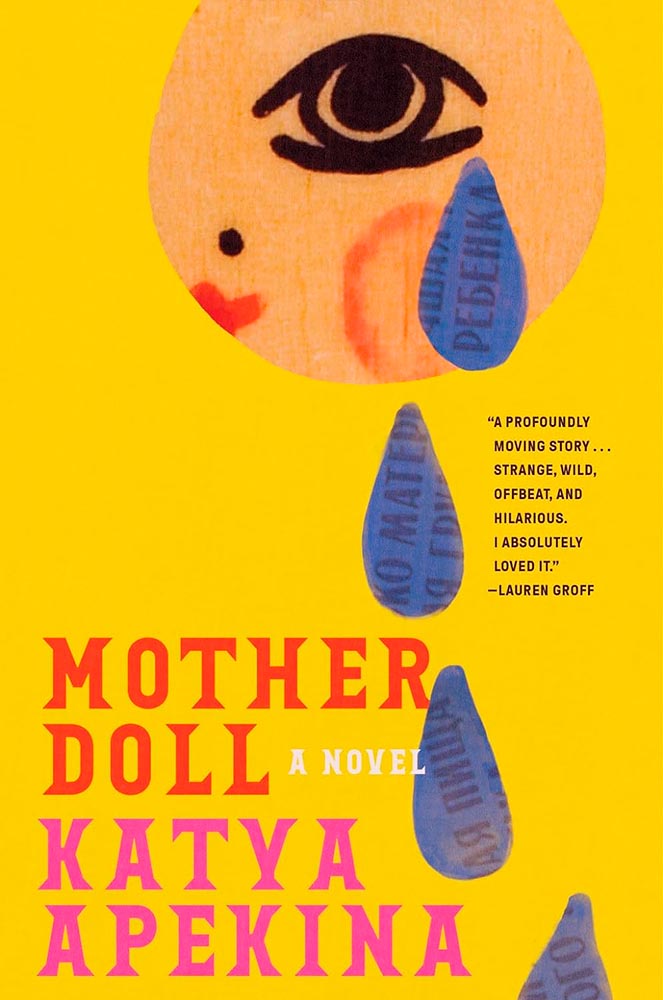
    Cover design by Arsh Raziuddin.

    All kinds of goodness nested into this one, from the title treatment to the slight fading in the tears (which continue on the back cover).

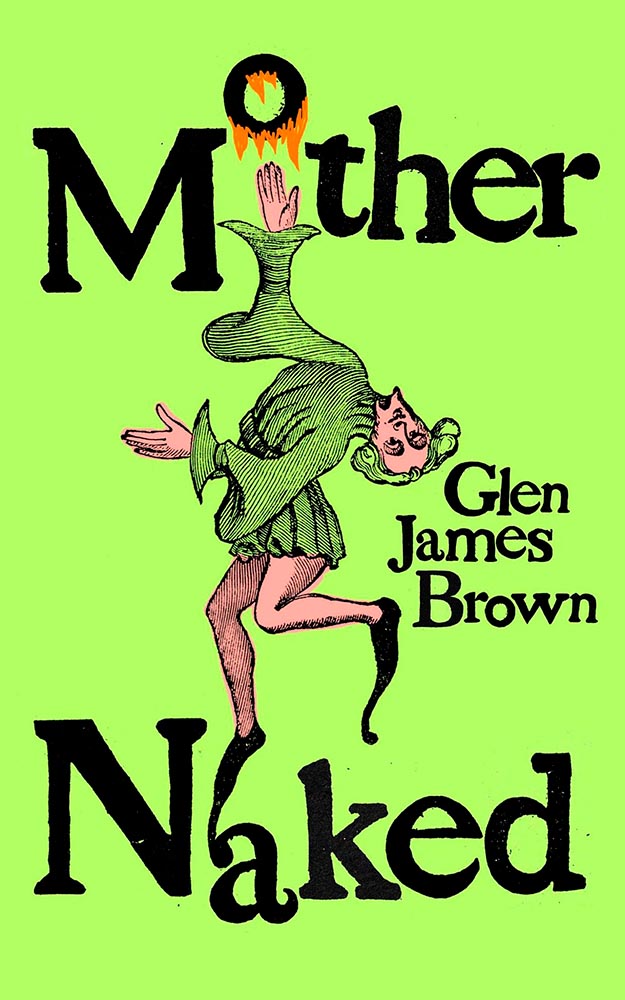
    Cover design by Jon Gray.

    From the green to the typography to — especially — the illustration, this cover weaves a tale from 1434 straight into our brains.

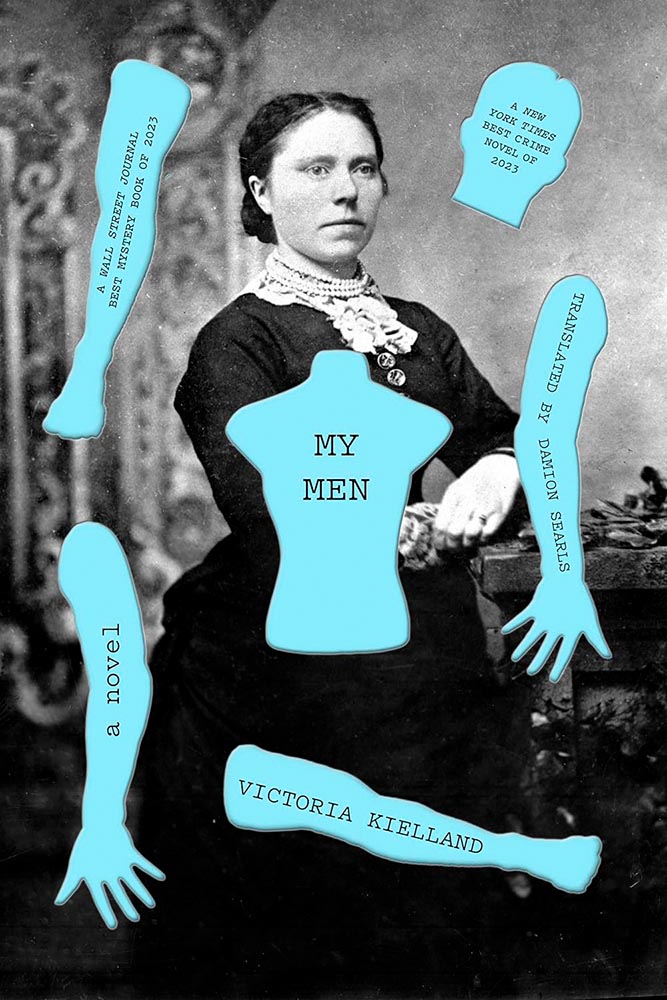
    Cover design by Adriana Tonello.

    The disembodied bits. ’Nuff said.

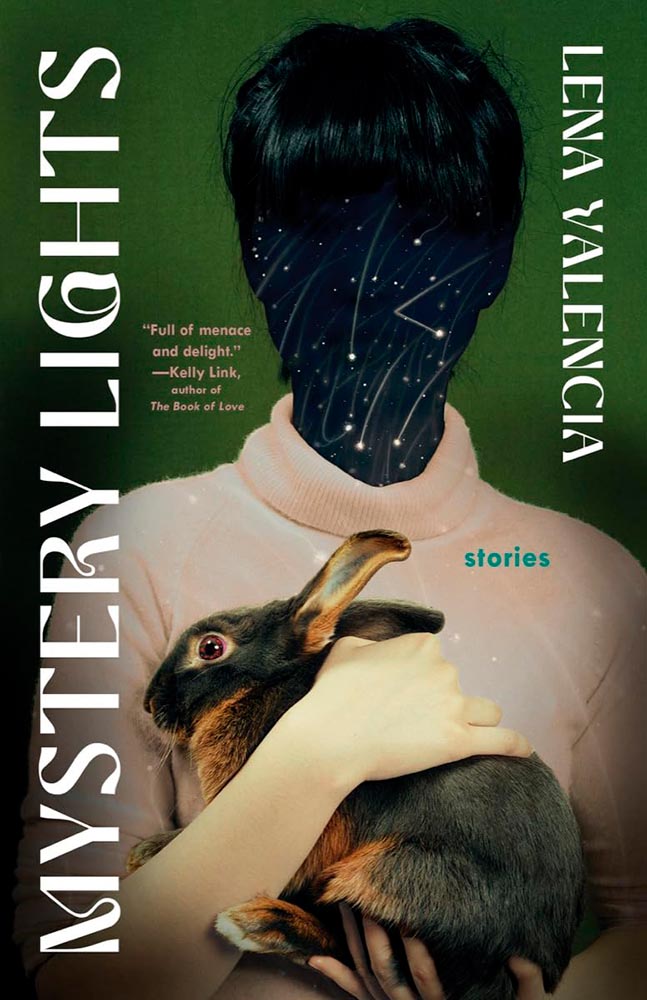
    Cover design by Beth Steidle.

    I feel for the rabbit.

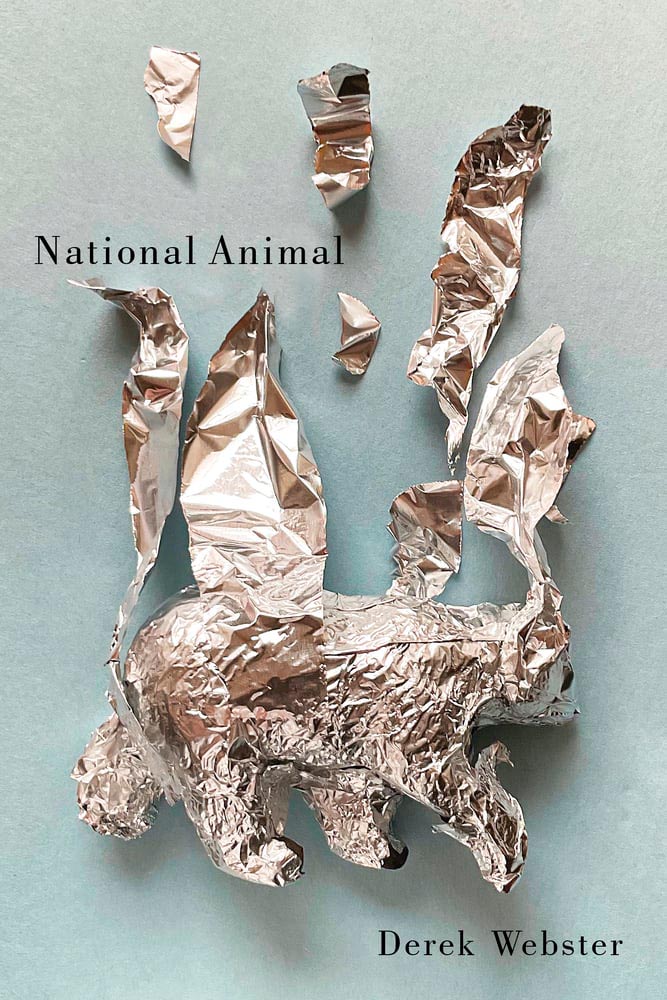
    Cover by David Drummond.

    Speaking of empathy for the animal: this slim volume of poetry is perhaps an all-too-real sign of the times. (The cover, too.)
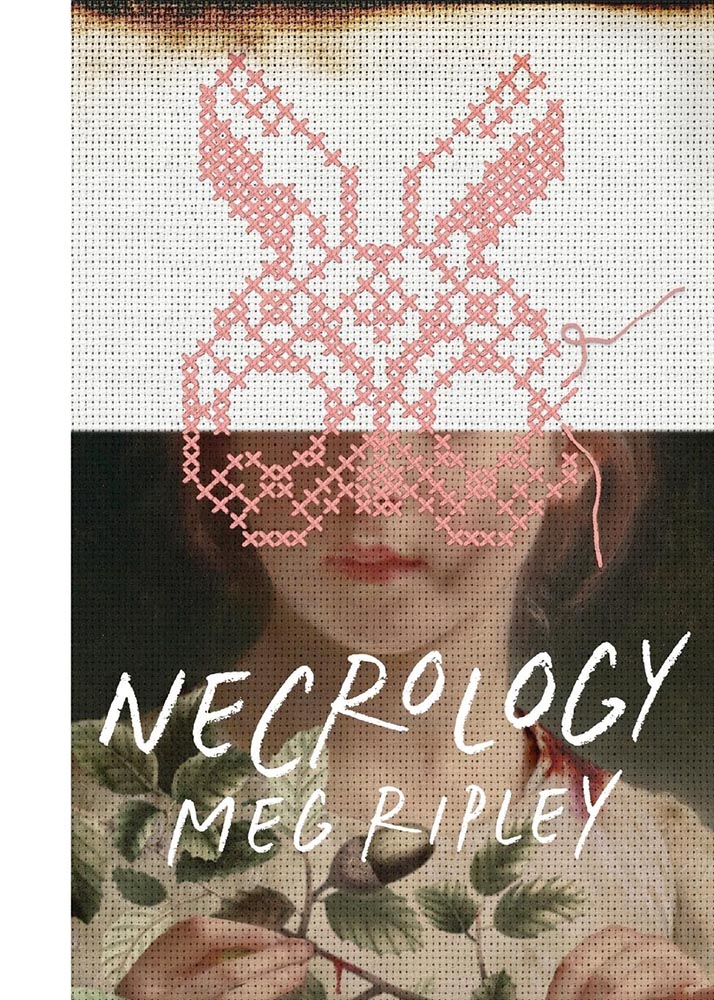
    Cover by Luisa Dias.

    Pink Rabbit, slightly dirty: there’s a quality to this that grabs on and won’t let go. (Thankfully, it’s the first in a series….)

    Cover by William Ruoto.

    The opposite of the above, yet still bloody good at capturing attention.

    Cover by Jack Smyth.

    1968 called, with the perfect cover original of the moment.

    Cover by Zak Tebbal.

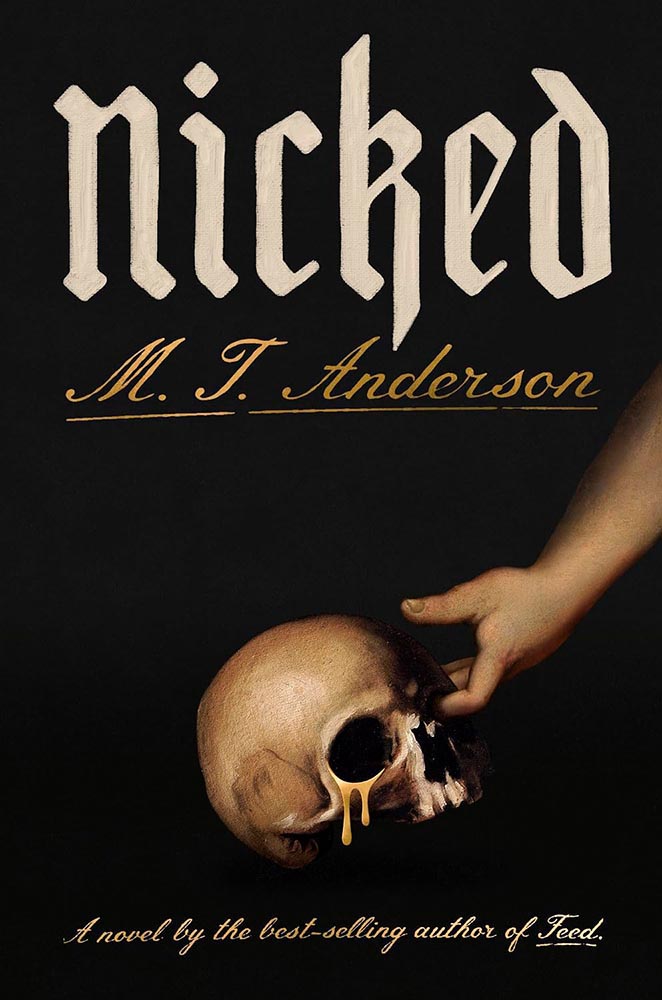
    “Do a cover on sacrilegious theft,” someone said. Saint Nick brought us a gift.

    Cover by Holly Battle.

    Hard as one might try, topping this might never be possible.

    Cover by Pete Adlington.

    This UK title’s cover does so much more than it has any right to. Brilliant. (Bonus points for the grain.)

    Cover design by Suzanne Dean. Art by Anton Logov.

    Another gem from the less-is-more department. (Also, the paper texture and slight aging on the lettering.)

    Cover design by Lynn Buckley. Art by Damilola Opedun.

    There’s something about this that just works. Take a moment to read this LitHub intro instead of listening to me.

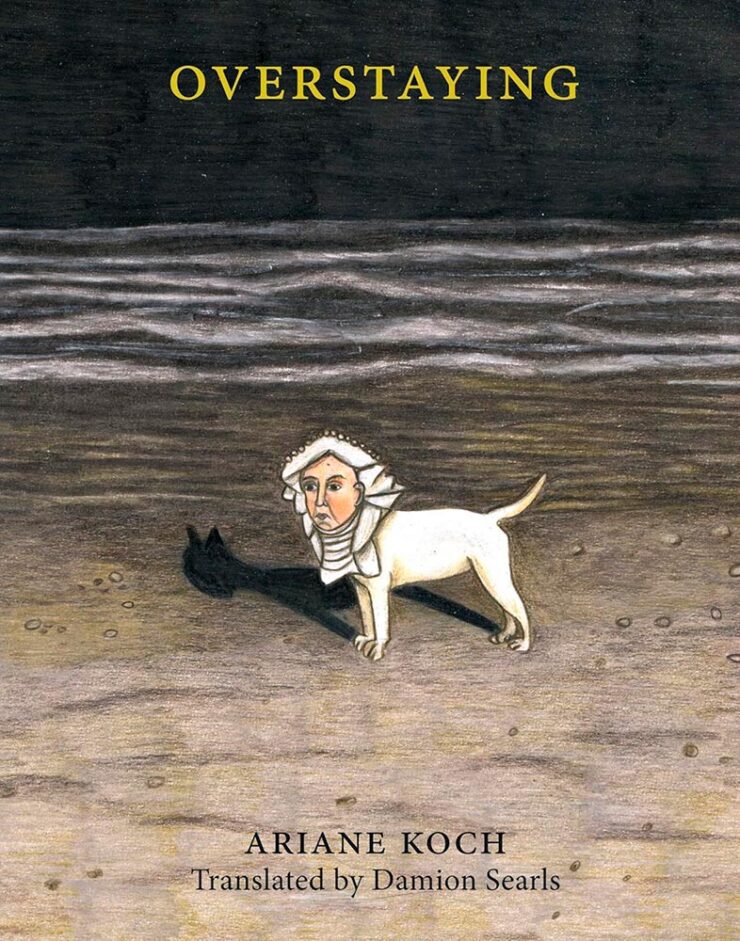
    Cover design by Lucie Kohler.

    Overstays … in your brain. Very nearly put this at the top of the pile.

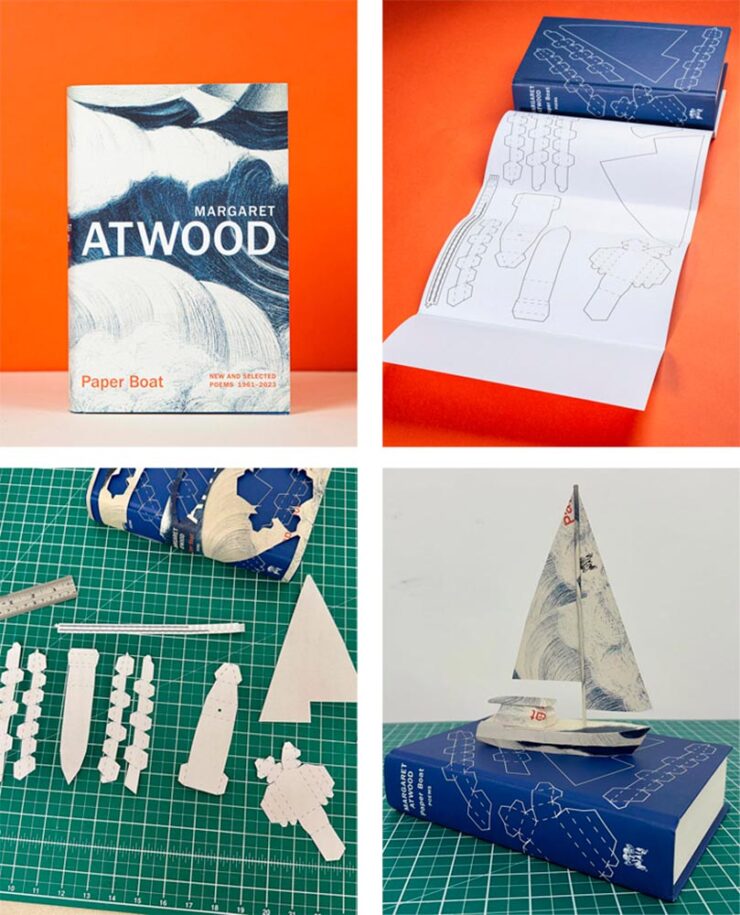
    Cover design by Suzanne Dean.

    The energy in this cover is fantastic. But it’s what’s under the cover:

    Paper art by Nathan Ward. Photos courtesy of LitHub.

    The printed cover, too. Awesome.

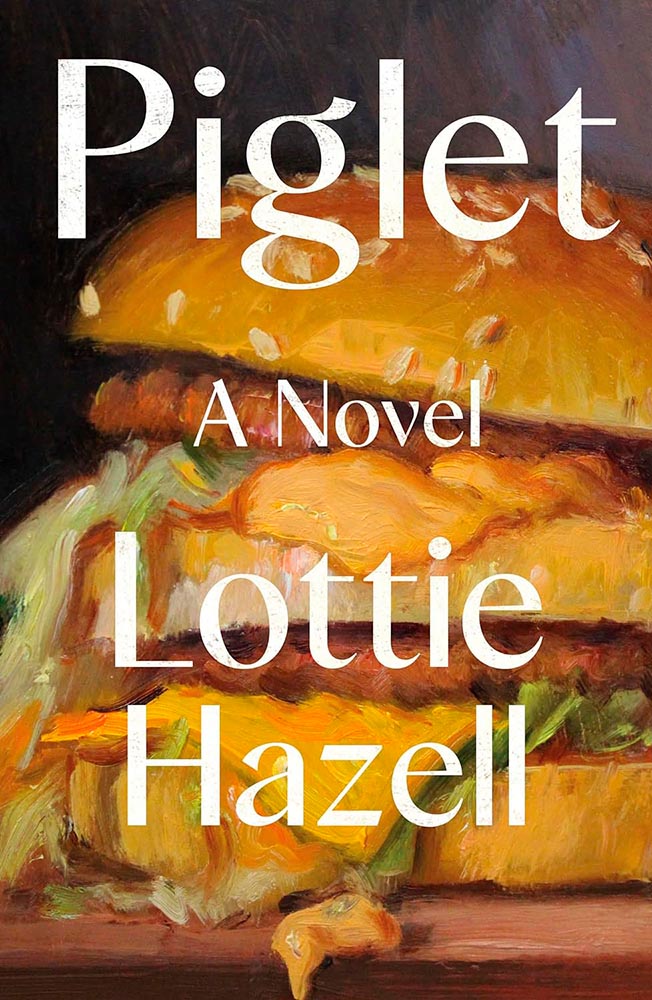
    Cover design by Jenni Oughton. Art by Noah Verrier.

    Leaving aside the notion that Americans can recognize a Big Mac on sight, even when idealized/stylized — beautifully — like this, it’s the perfect compliment to this title.

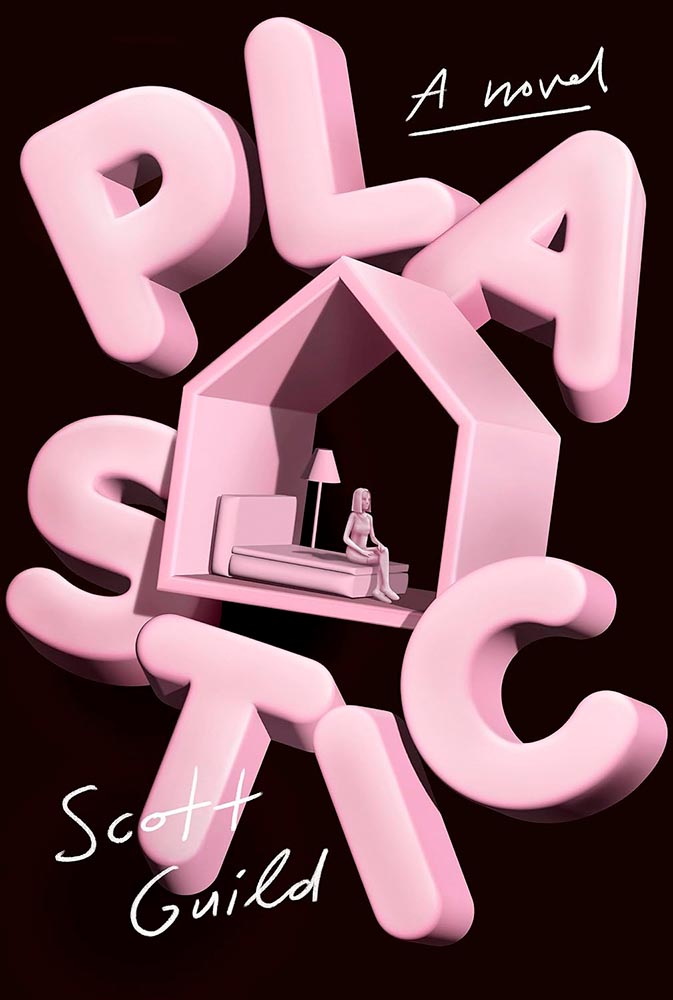
    Cover design by Tyler Comrie.

    Farcical dystopia, embodied.

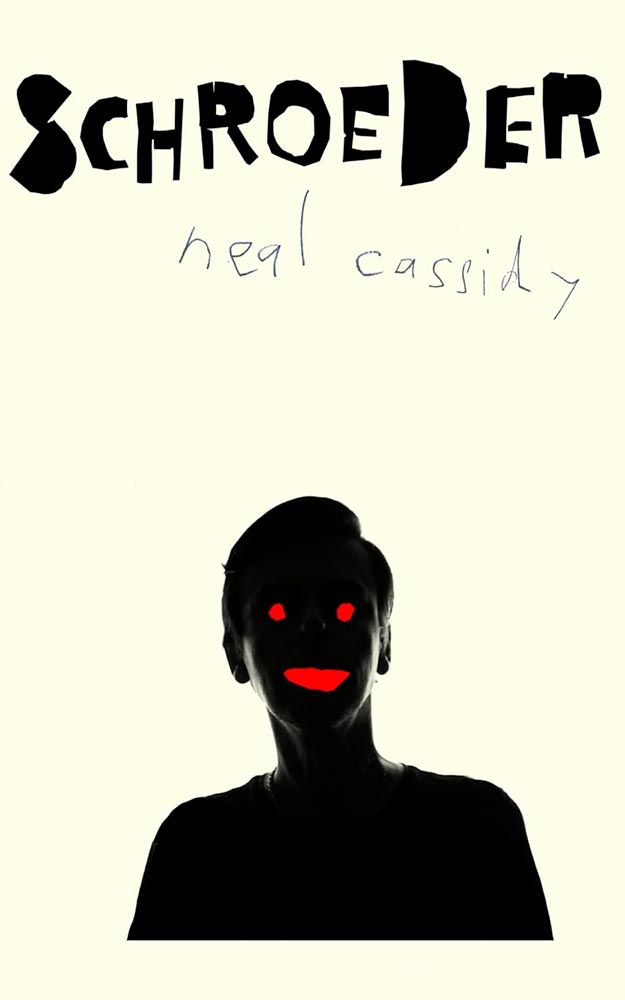
    Cover design by Tom Etherington.

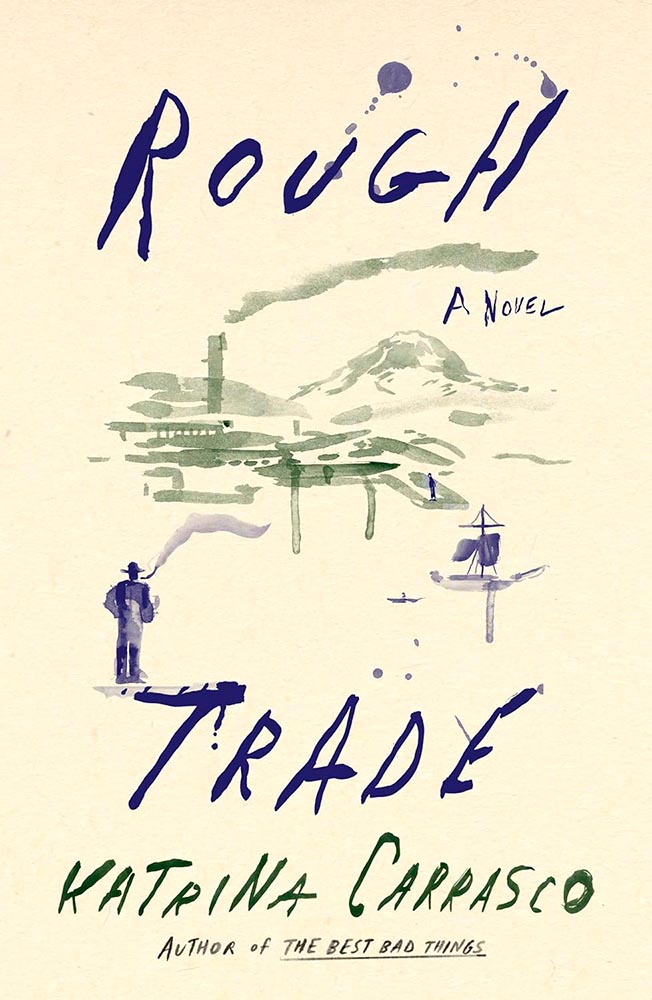
    Unsee the face! (Bonus points for superlative typography.) Battled with Chimera and Rough Trade for one of the top spots.

    Cover design and illustration by Vivian Lopez Rowe.

    Reflections, indeed. (Also, color.)

    Cover design by Sukruti Anah Staneley.

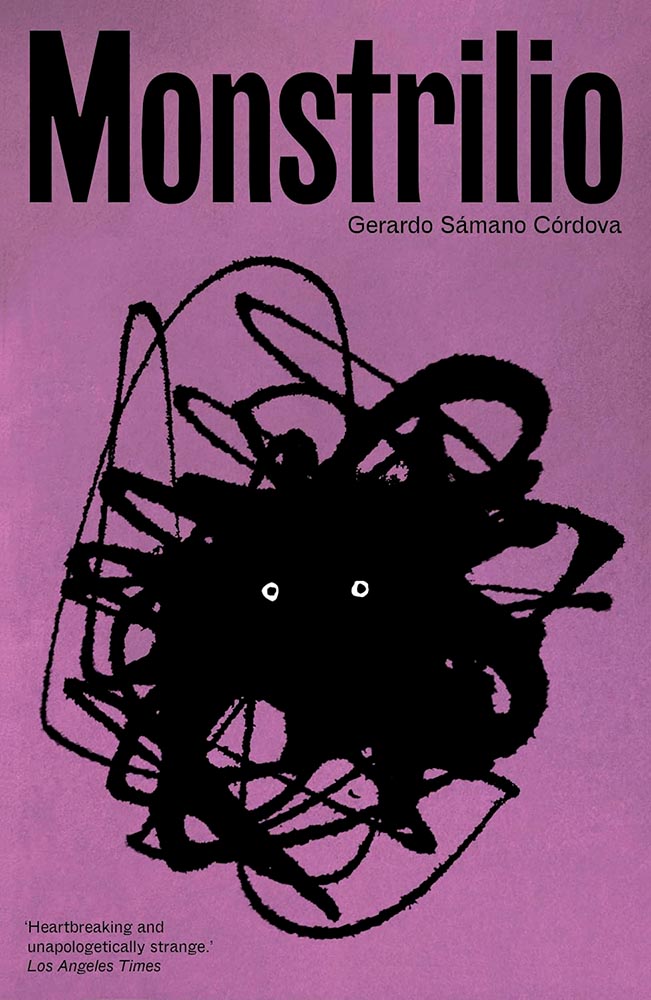
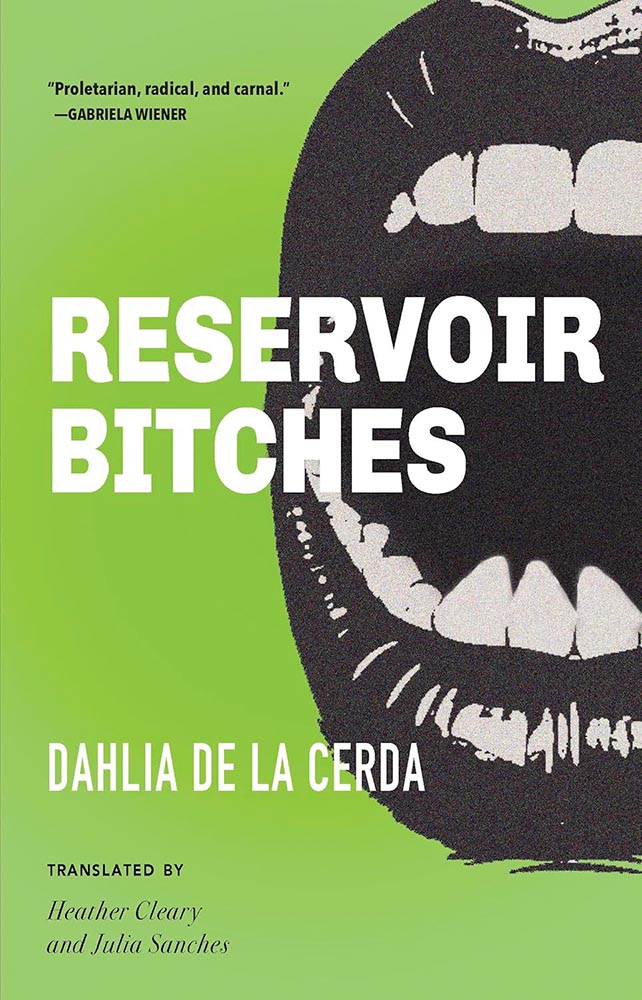
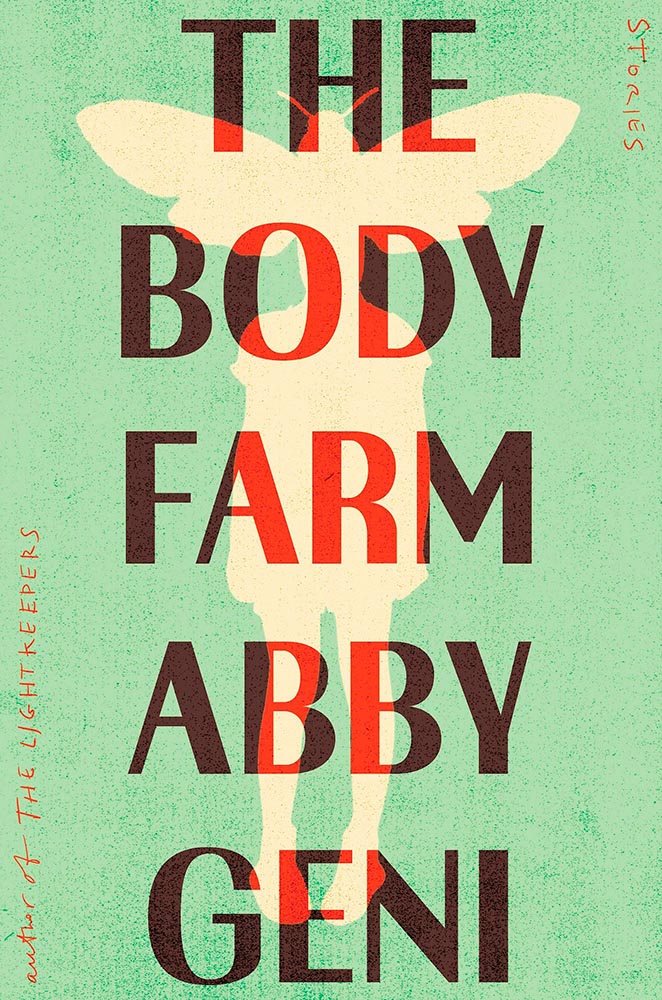
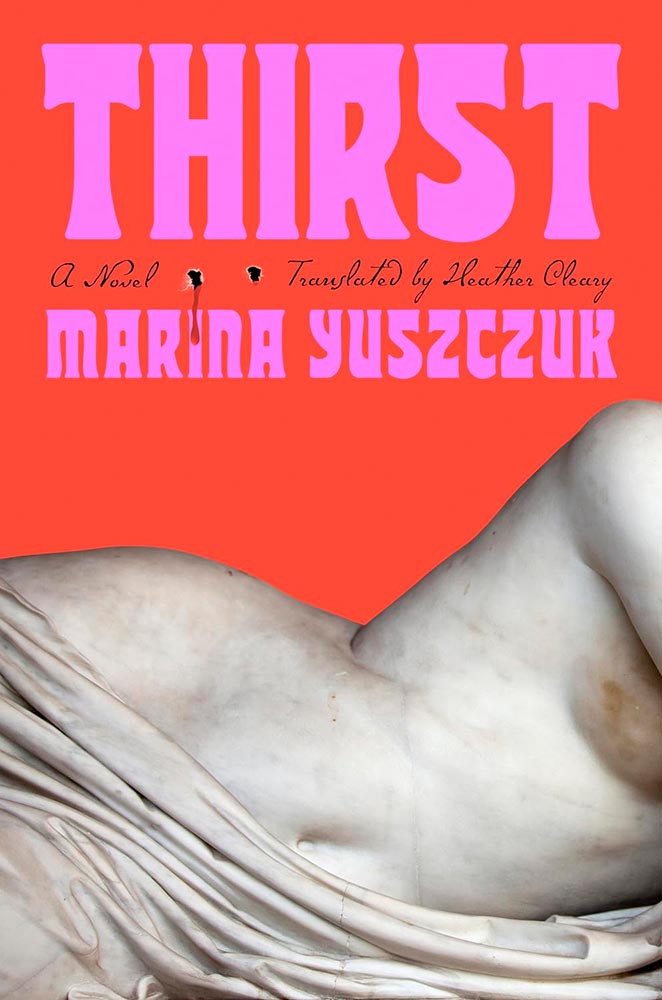
    “Prod the bitch that is Life and become her.” These thirteen linked stories demand a cover that leaps off the shelf and grabs you.

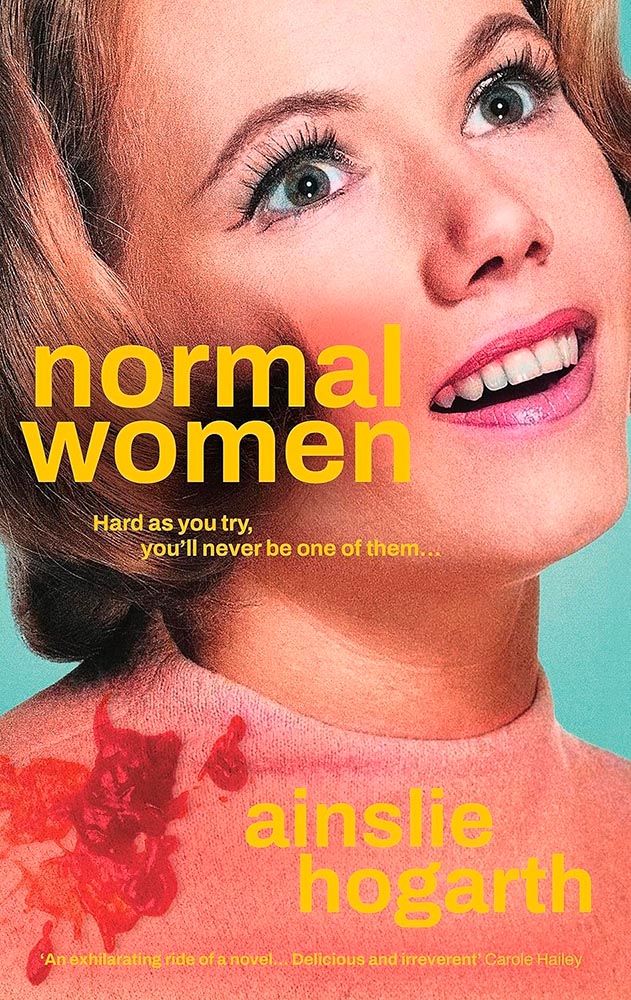
    Every year, there’s at least one title that so incredibly well illustrates how that notion works here in the US versus in the UK, and this year, it’s this one. I really like the above — the color’s awesome, and those teeth! — and believe it’s exactly right for the US market.

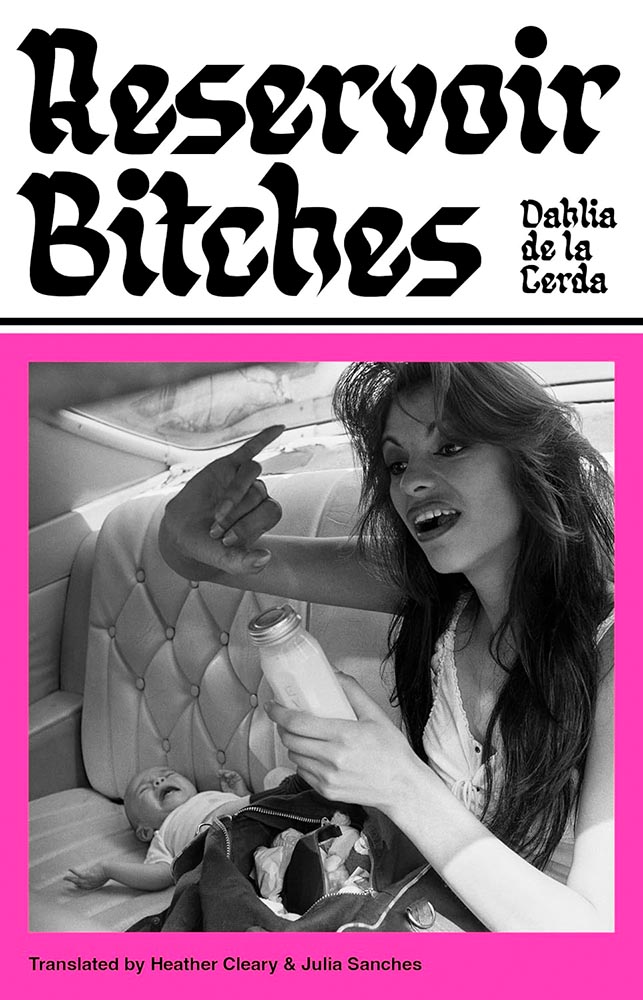
    Cover design by Luke Bird. Photography by Graciela Iturbide.

    But for the UK market … that photograph. (Bonus points for the title treatment.)

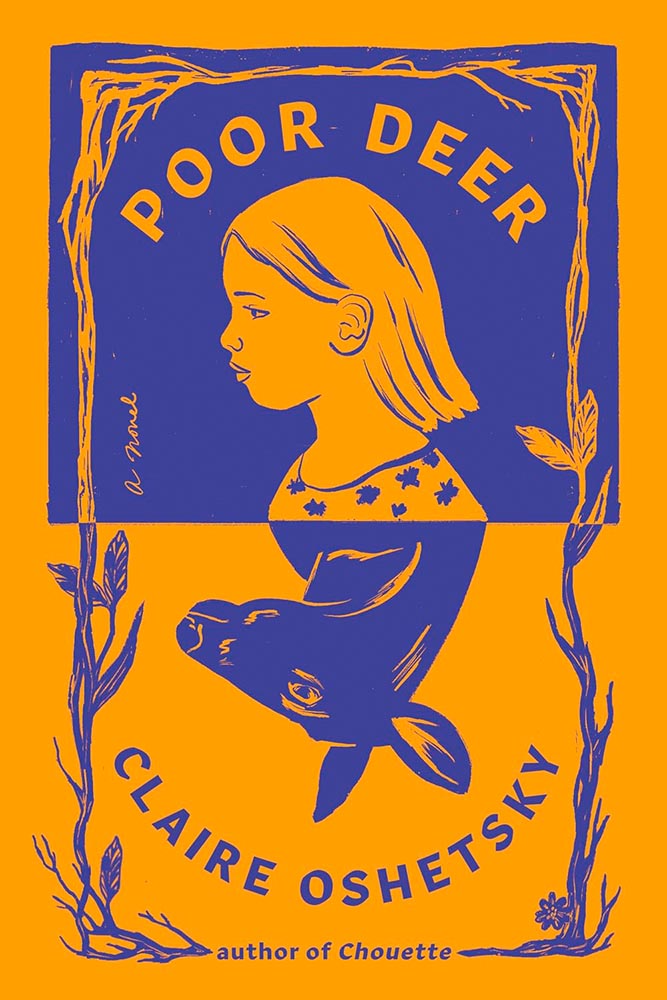
    Cover design by Na Kim.

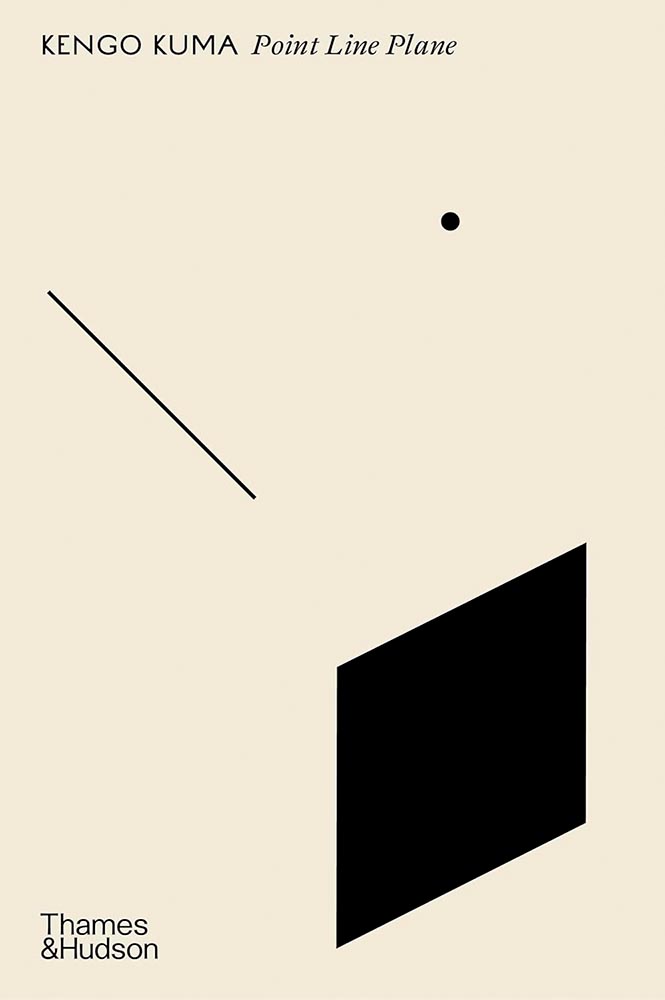
    Watercolor perfection. Competed with Chimera and Point Line Plane for the one of the top spots. (I felt only one illustration-against-plain-background cover should be at the top. Might have been wrong.)

    Cover design by Jamie Keenan.

    The title treatment, the ink author’s name, and the photograph alone would be compelling. But … wow.

    Cover design by Amanda Hudson.

    From the illustration-makes-it dept. (Bonus points for the not-quite-halves.)

    Cover design by Tom Etherington.

    Paper and color, oh my.

    Cover design by Luke Bird.

    Yeah, it’s a cookbook. Who knew? Also:

    Quadrille unfortunately didn’t return a request for the photographer’s name.

    Bonus points for the fantastic photography within.

    Cover design by Sarahmay Wilkins.

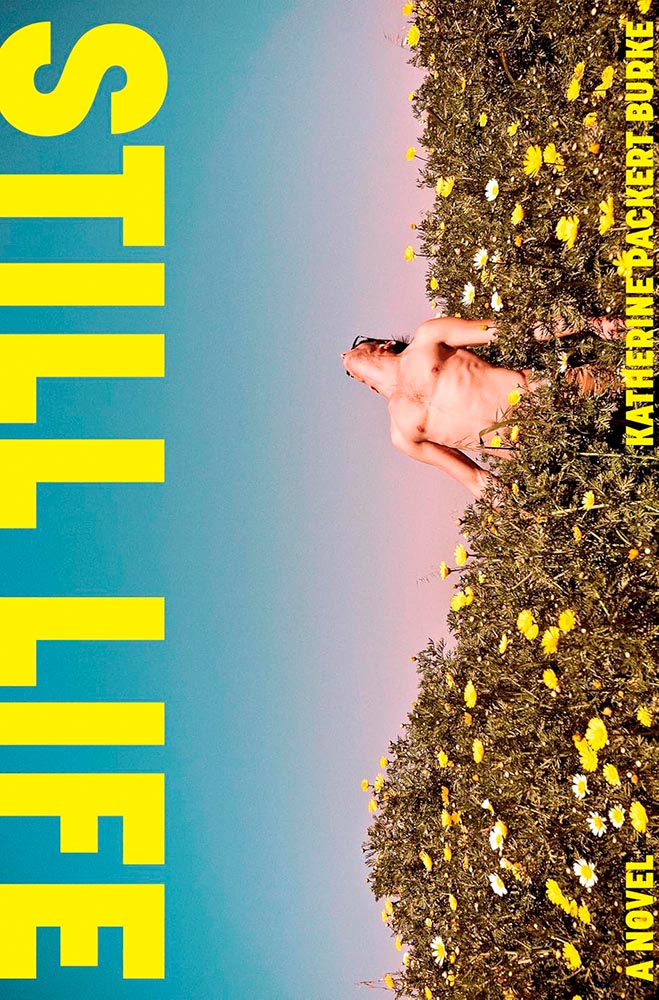
    This would work perfectly well on the vertical. But it’s so much more this way.

    Cover design by Perry De Le Vega.

    Definitely amongst the 1%.

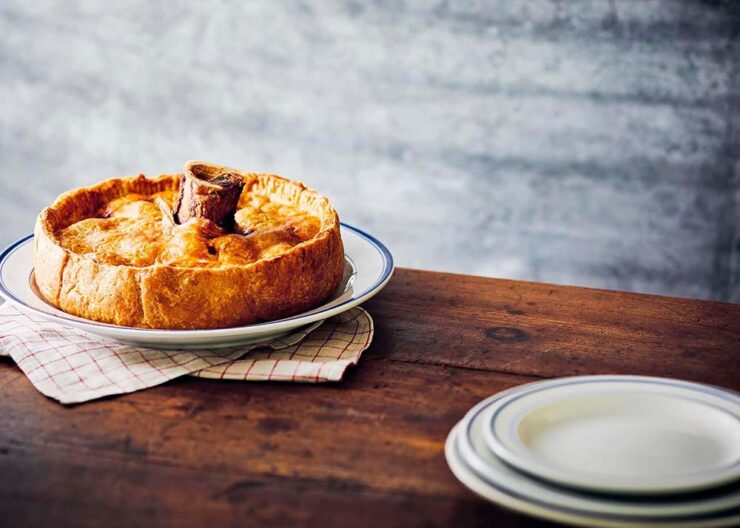
    Cover design by Jamie Keenan.

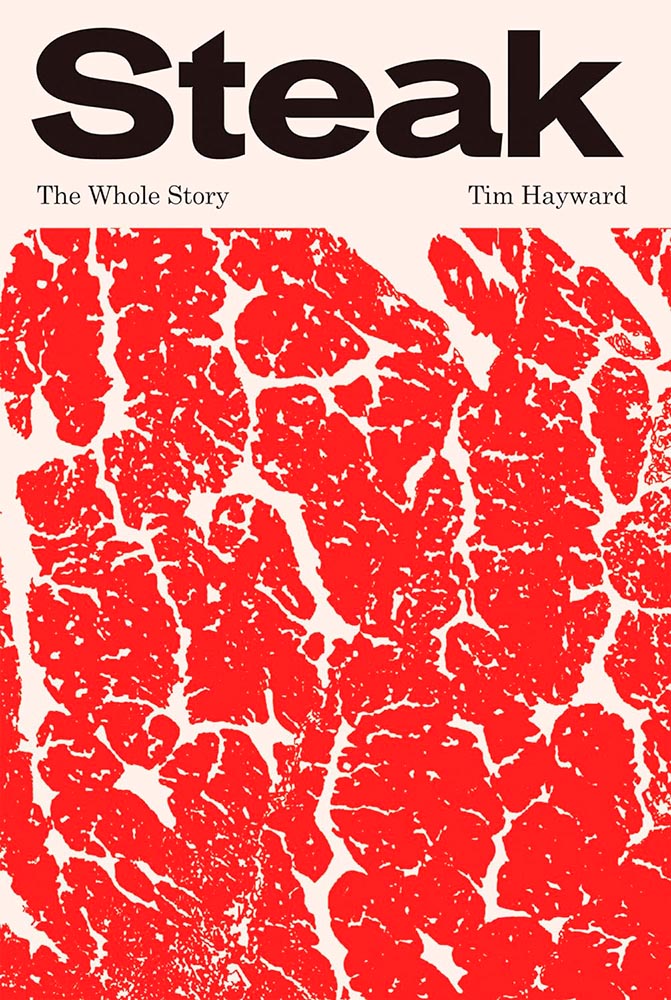
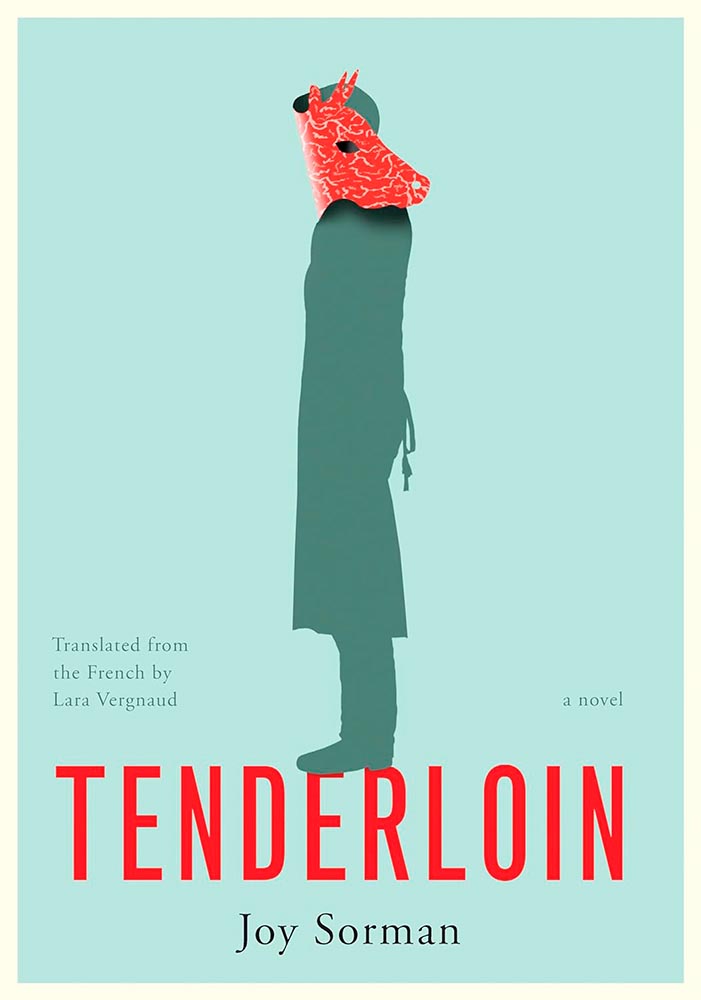
    Someone chose not to butcher. Except…. (Extra points for the apron strings.)

    Cover design by Kelly Winton.

    I’m a huge fan of a photorealistic collage, but this, interleaved with the title, defines superlative.

    Cover design by Robin Bilardello.

    In a world of algorithms, proof that creativity and talent are so very human. (Also, color.)

    Cover design by Jaya Miceli.

    That awesome green, the color-burned title treatment, the hand lettering, the texture — all add up to top-flight attention-getting. (Bonus points for the entomology illustration/hint.)

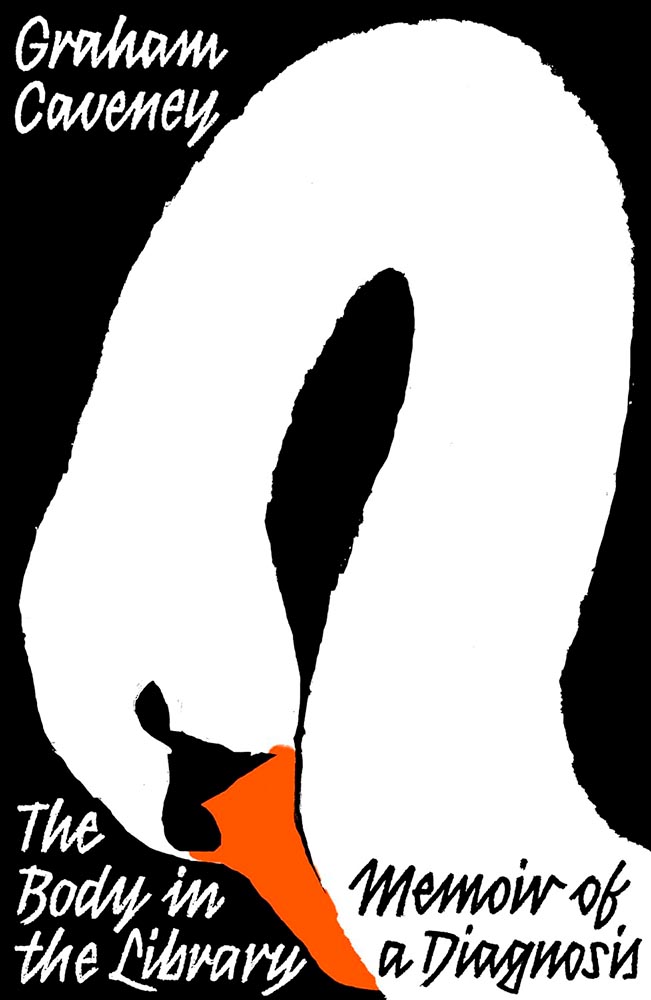
    Cover design by David Pearson.

    The swan’s pose of contemplation, indeed. (Also, color — perfect.)

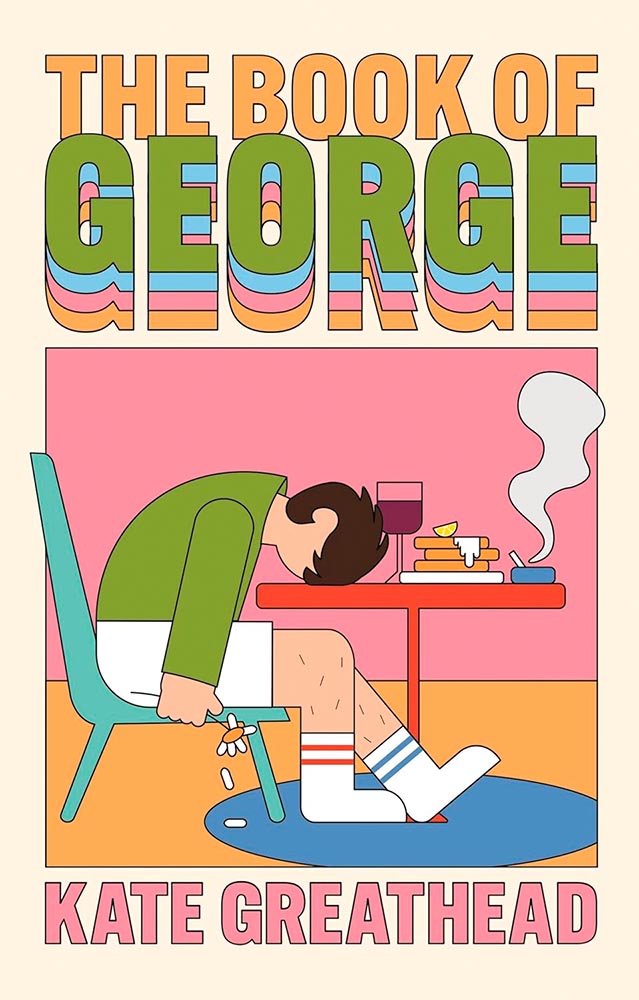
    Cover design by Holly Battle.

    We all know a George.

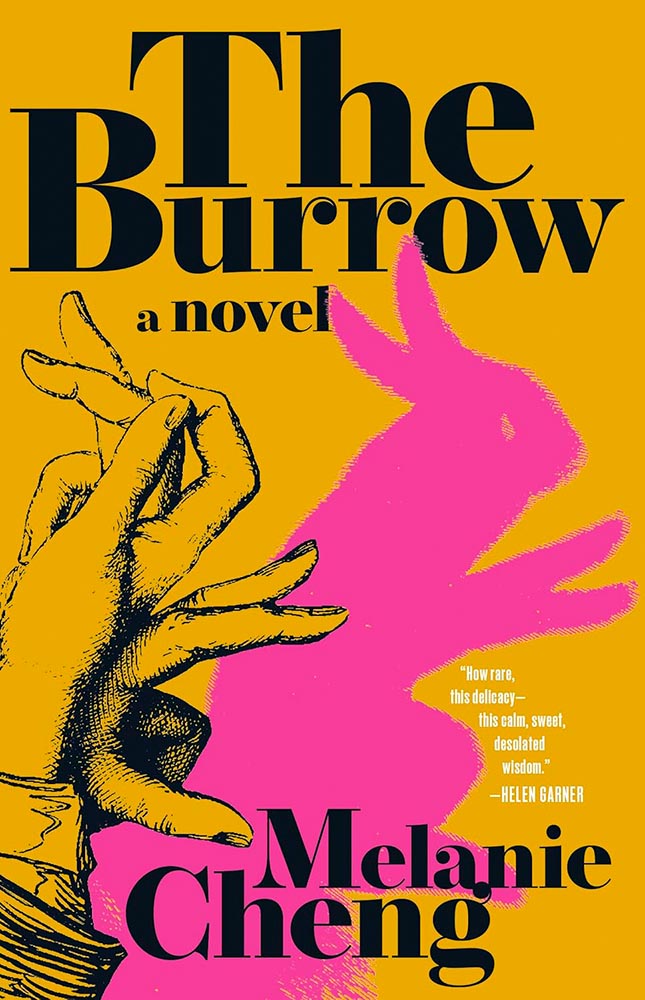
    Cover design by Beth Steidle.

    So much more than just a pet rabbit. (Also, color.)

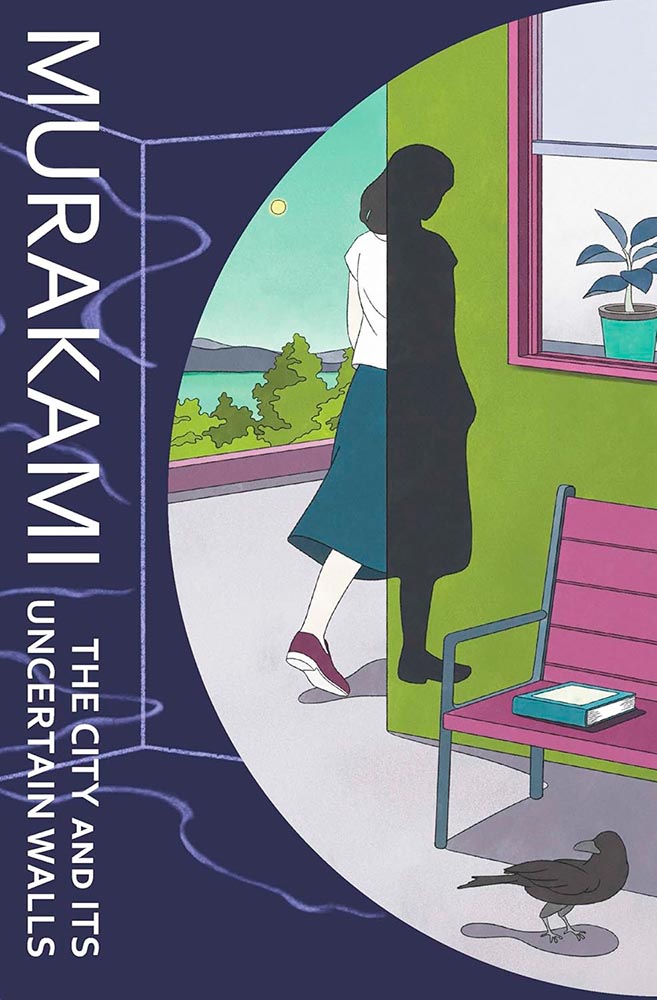
    Cover design by Suzanne Dean. Illustration by Jialun Deng. Painting by Takaya Katsuragawa.

    This cover had me at “uncertain walls.” (See also: End of the World and Hard-Boiled Wonderland.)

    Cover design by Jaya Miceli.

    Never mind that this shade of yellow seems to be having a moment, let’s talk about that photograph: the goal of any cover is to peak your curiosity. And we have … win.

    Cover design by Diego Becas.

    A collection, indeed. (Also, color.)

    Cover design by Lauren Peters-Collaer.

    Ink gets blotted out. (Also, paper.)

    Cover design by Jack Smyth.

    Never mind the brilliance in the middle — the four pull quotes are, quite literally, the end of the rainbow.

    Cover design by Derek Thornton.

    Cultural and emotional shifts through technology, as expressed in (cover) art.

    Cover design by Oliver Munday.

    At the risk of repeating myself, no one does more with less than Oliver Munday: this level of white space deserves an award.

    Cover design by Luisa Dias.

    The eyes are eclipsed only by the rising magic dust. (Also, screening.)

    Cover design by Jonathan Pelham.

    Another where the US and UK express things differently; the UK’s, above, is brilliantly simple and simple in its brilliance.

    Cover design by Sarah Schulte.

    While the US version is more while still “less” in the big scheme of things. A two-fer.

    Cover design by Kelli McAdams.

    Text blocks do. (Also, awesome art.)

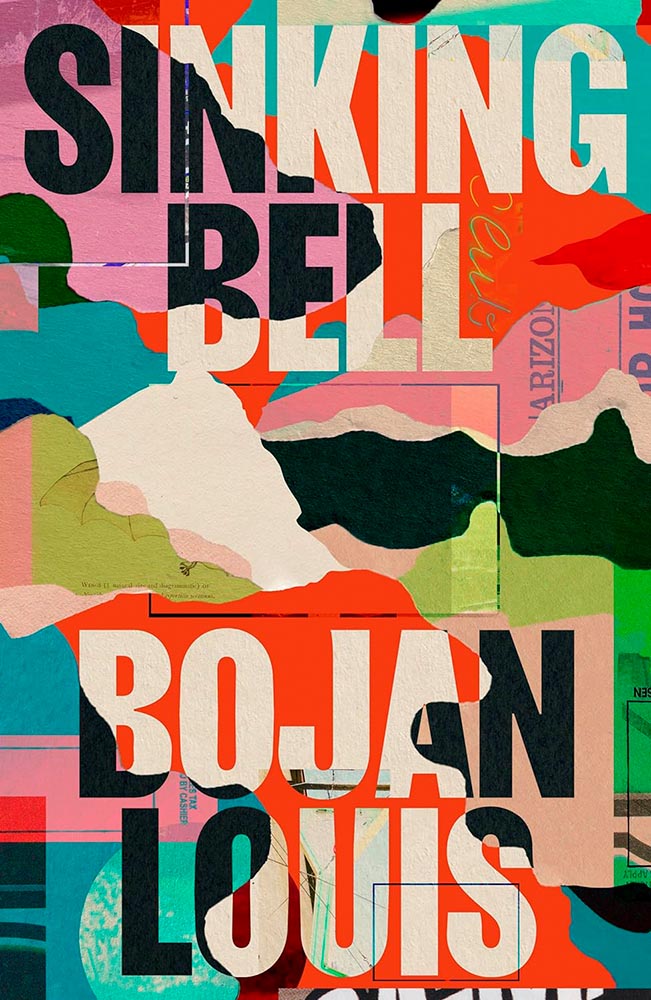
    Cover design by Arsh Raziuddin.

    Get lost in it. (Also, the article peeking out on the left.)

    Cover design by Beth Steidle.

    Reflections, torn asunder yet so lovingly smoothed out and preserved for posterity.

    Cover design by Tom Etherington.

    Two-color, geometric brilliance, given center stage.

    Cover design by Ben Prior.

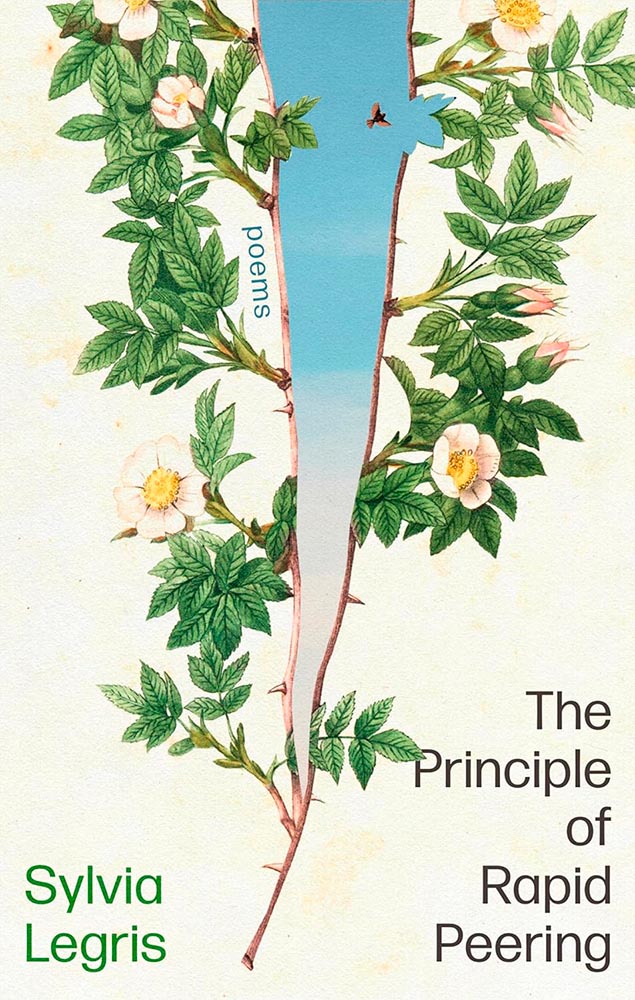
    “Self-seeding wind / is a wind of ever-replenishing breath,” the title poem reads, but it’s the cover that drops the ultimate clipping. (Also, placement of “poems,” appropriately.)

    Cover design by Jaya Miceli.

    “Heavily textured” has never read so well.

    Cover design by Alica Tatone.

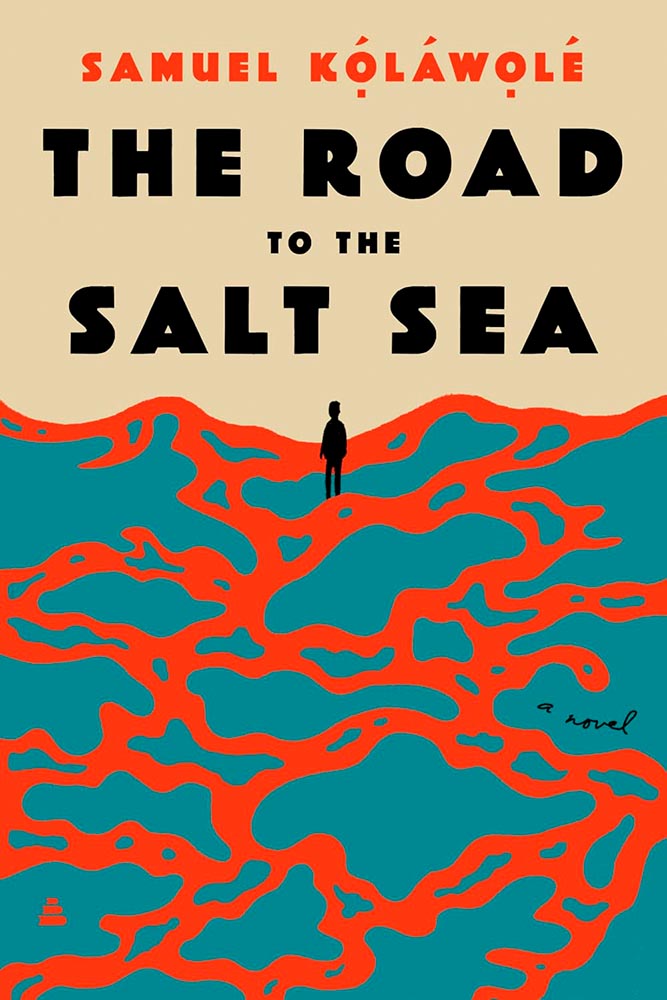
    I’m not sure what the illustration on this cover stands for — desert, sea, paths taken or not, or something I don’t or even can’t understand — and perhaps that’s why this design works on so many levels: an enigma that requires further exploration.

    Cover design by Beth Steidle.

    Cuddly in just the right way.

    Cover design by Kimberly Glider. Illustration by Cory Feder.

    “An affair with an arborist could result in a cutting,” I chose not to say. Wait. (Also, the accompanying cover.)

    Cover design by Emily Mahon.

    Geometry, color, content: this cover’s been promoted to the actual story.

    Cover design by Tyler Comrie. Photograph by Matt Eich.

    Photograph, texture, photograph, title treatment, photograph. (Also, the subtle shadowing in the author’s name and previous title.) Another very nearly at the top.

    Cover design by Kaitlin Kall.

    From color to art choice, this is a masterpiece. But those bite marks … aaaah!

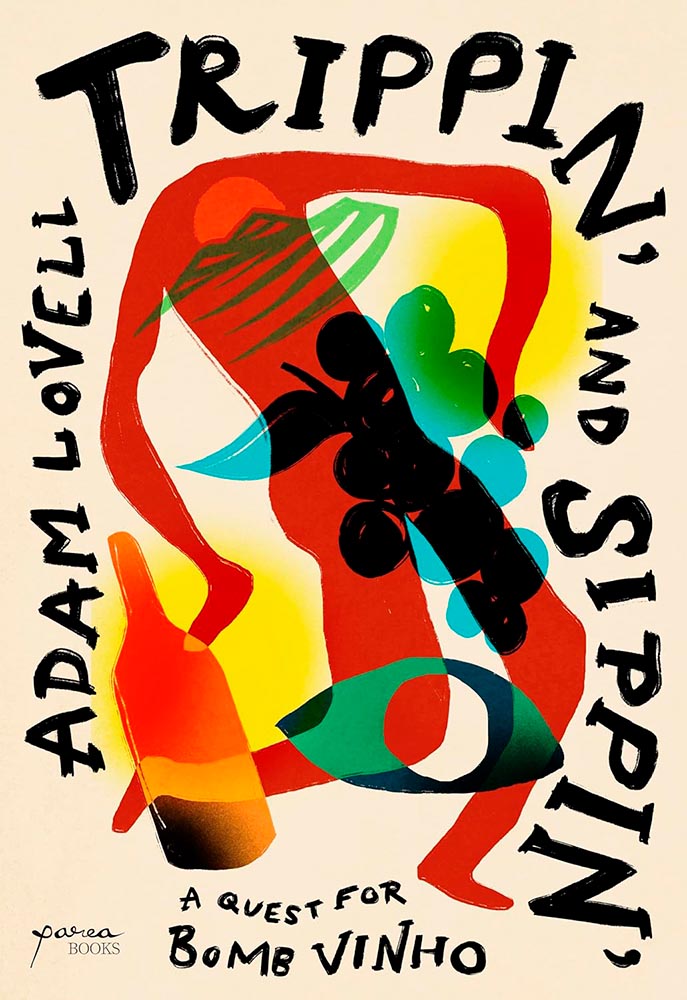
    Cover design by Holly Ovenden.

    Tripping on a quest for a Bomb: yes.

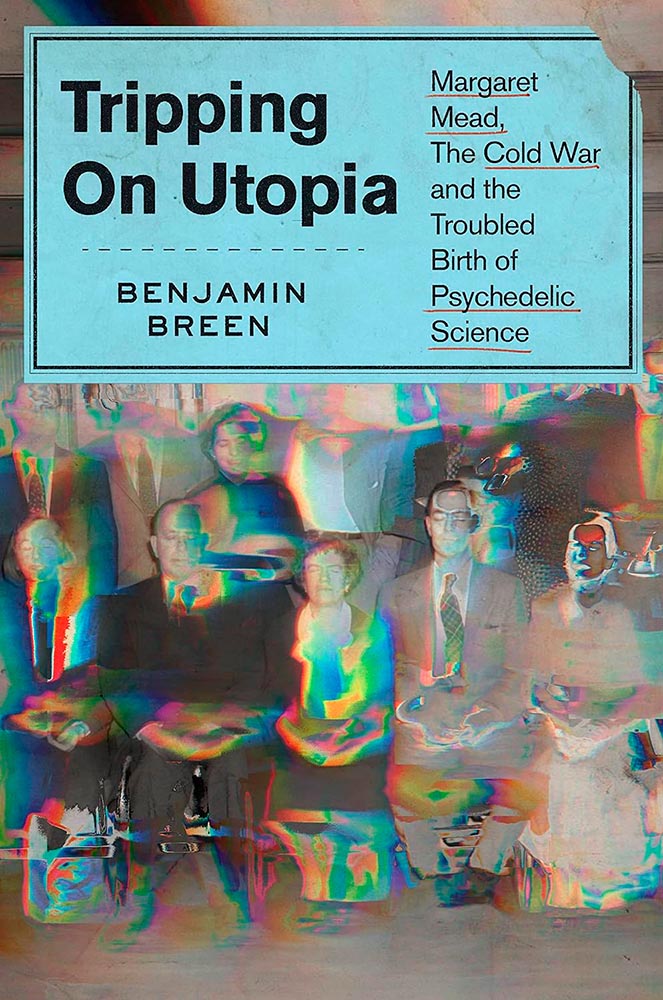
    Cover design by Tyler Comrie.

    Tripping on a quest for Utopia: yes.

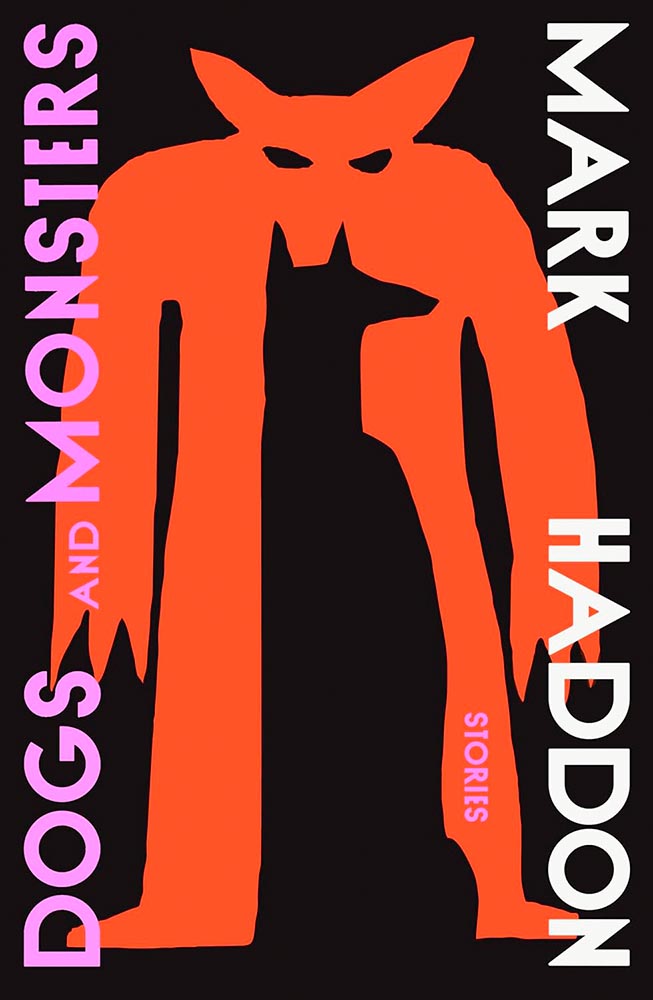
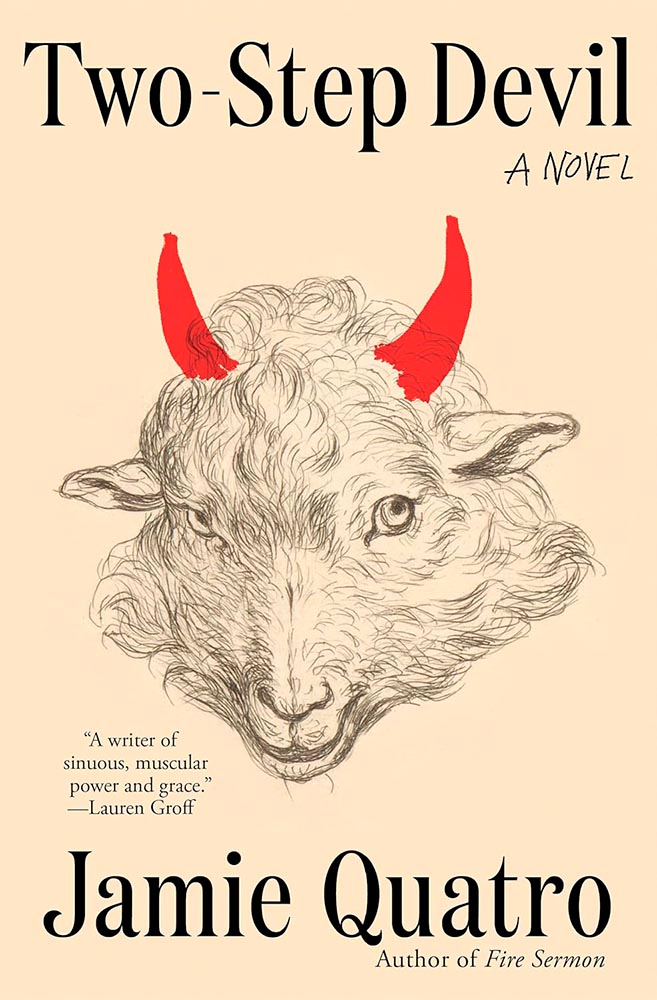
    Cover design by Alex Merto.

    The eyes, the fur … and the horns. Transcendent.

    Cover design by David Mann.

    Something not to talk about … yet, so remarkably expressive.

    Cover design by Angela Maasalu.

    Never mind anything else: it’s the fingernails.

    Cover design by Nicole Caputo.

    Just when you think these eyes have seen it all…. (Also, the typography.)

    Cover design by Alicia Tatone. Art by Shannon Cartier Lucy.

    “Dryly witty” describes more than just the text within. (Also, the title treatment … and “Mormon mommy bloggers.”)

    Cover design by Mary Austin Speaker.

    Surround yourself, feel, and bring great typography.

    • • •

    A moment of self-criticism, if I may: comparing this year’s list to the 2023 favorites, I can’t help but notice there’s a bit too much of the same. For myself, for my clients, and for my readers, I need to work on being too much inside a comfort zone. (Apparently hypocritically, in the 2023 summary, I commented on “sameism” being a thing.)

    Meanwhile, again like last year, I’d like to highlight Dan Wagstaff’s comments over at The Casual Optimist:

    recent article on Spine argued that there is a battle between minimalism and maximalism going on. I think that could be true. Different approaches work for different audiences. But I also think it’s messier than that. I get the sense that publishers are less sure of what they want and what sells (certain genres notwithstanding).

    It has been a rough year for a lot of publishers, so there is undoubtedly a lot of uncertainty, and no small amount of anxiety. I could go on about why that it is (and the publishing’s self-inflicted wounds) but, in short, what I think we’re also seeing with book covers is more meddling and less direction.

    — Dan Wagstaff, The Casual Optimist

    I’d read that Spine article, too, and generally agree with their argument that, “This is not just because designers have different ideas about the best way to cut through the noise, but because they are ultimately trying to appeal to two different types of readers. […] It is the designer’s job to know how to grab the attention of the specific readership that the author is trying to reach.”1I have point out: one of their minimalist examples, One Day, Everyone Will Have Always Been Against This, is a 2025 title already in the favorites folder. Stay tuned.

    The buyers that minimalist and the maximalist covers appeal to don’t always overlap. But they do appear next to one another on shelves, actual or virtual. For one just perusing, it’s possible for the volume, whether minimalist or maximalist, to dissolve into noise. Dan’s right to caution.

    Thankfully, the designers on this list have battled the committees bent on mediocrity and overcome with great talent, great design, and great perseverance.

    My best wishes to them — indeed, all of us — in 2025. It has all the hallmarks of another interesting year.

    How this list was compiled

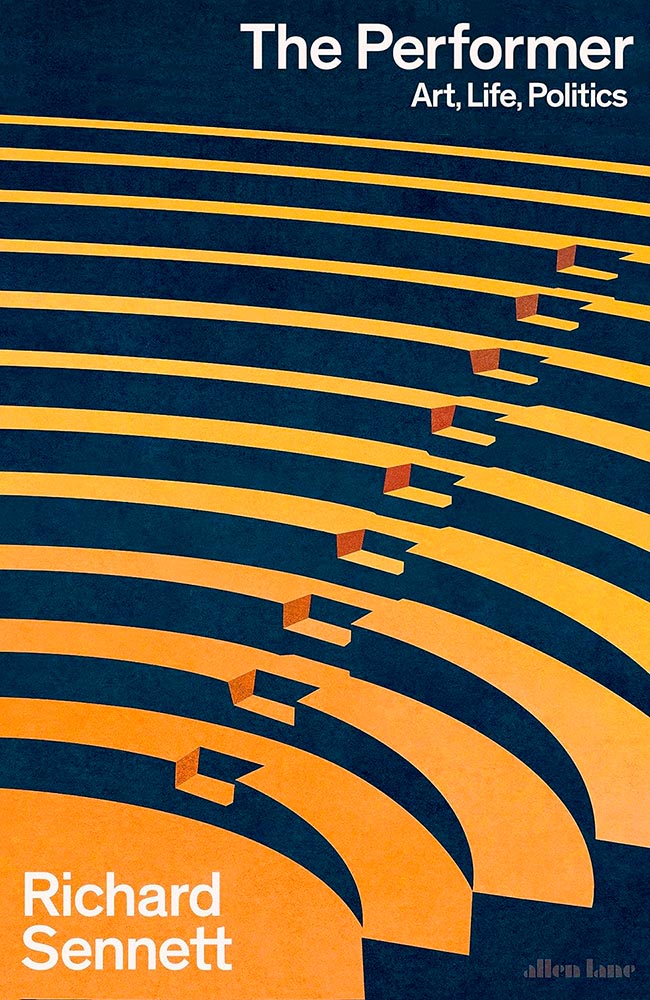
    My selections stem from books I’ve seen in person; the “best of” lists from NPR, The Guardian, and the BBC (among others); and the best book cover lists from Spine, The Casual Optimist, BoingBoing, Creative ReviewPRINT, and LitHub. (Shout out to LitHub’s 50 Biggest Literary Stories of 2024, too.) Please check all of those, and enjoy — a great many more outstanding examples of book cover creativity await.
  • Beautifully Briefed 24.12: New Year’s Eve Fireworks

    Beautifully Briefed 24.12: New Year’s Eve Fireworks

    Let’s continue a couple of discussions before closing out 2024, and send you into 2025 with some photographic and typographic goodness.

    More AI Book Design

    This was mentioned in another context in July, but is heading our way more aggressively as time goes by, with Microsoft and TikTok, among others, getting into the publishing arena.

    Cover design: unknown. (Human or machine: unknown.)

    While Microsoft’s new imprint, 8080 Books, plans “to test and experiment with the latest tech to accelerate and democratize book publishing.” They’re not entirely up-front about what that is — and might not know themselves yet, given the rapidly evolving tech and marketplace. That said, with the corporate giant’s name attached, we can be assured of some level of quality.

    Yes, I just wrote a sentence suggesting that Microsoft is a guardian of quality. (“Books matter. In a deluge of data. In a bloat of blogs, a sea of social, and a maelstrom of email. Books will always matter,” they write.)

    With others, the for-profit nature — TikTok’s engagement-before-all-else approach speaks volumes (or writes volumes, as the case might be) — assures that quality might come behind, say, slop. Publisher’s Weekly reports that 320 publishing startups have emerged just in the last two years, most in the AI space, adding to the 1,300 noted as of 2022. (PW also notes, “It is widely believed that each of the Big Five publishers has internal AI projects discreetly hidden from view.”)

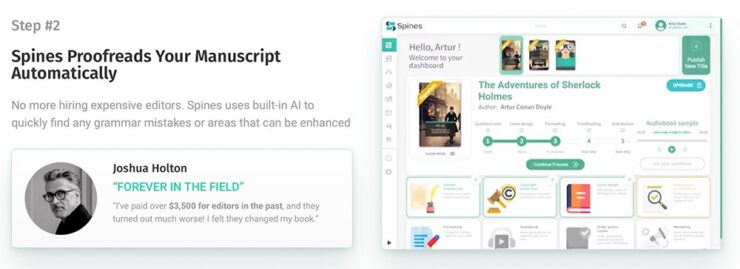
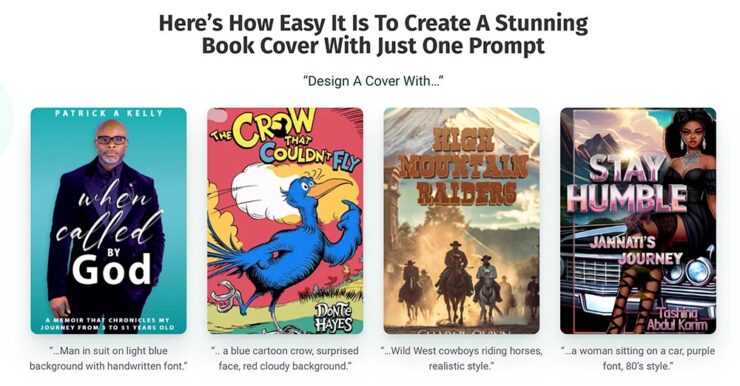
    And then there’s this: introducing Spams Spines, your AI book design and book completion service: “[f]rom manuscript to book in your readers’ hands – a single platform to help any author proofread, cover design, format, print, and distribute over global channels — zero tech know-how required.” Prices start at $1500 and promise a finished product in less than 30 days.

    Their goal is to release 8,000 books per year. AI is heavily involved:

    There’s a Sherlocked joke here somewhere….

    Because, yes, you want a machine to suggest that Sir Arthur Ignatius Conan Doyle needed assistance regarding a turn of phrase. (Never mind his expensive editor.)

    The first and third are really “only” bad. However, Dr. Seuss would like a word with Spines’ AI training dataset, please, and the cover for “Stay Humble” defies words.

    But it’s the book design that got my attention: these are apparently the good ones, the cited examples to which someone says, “Yes! Take my money!”

    The sad thing is that people will say that. Have already said that. And there’s much, much on the publishing industry’s horizon. Our horizon.

    Read more at The Conversation, “The tech world is ‘disrupting’ book publishing. But do we want its effortless art?” Shout out to the AV Club and the aforementioned PW article.

    The Cat Leaps

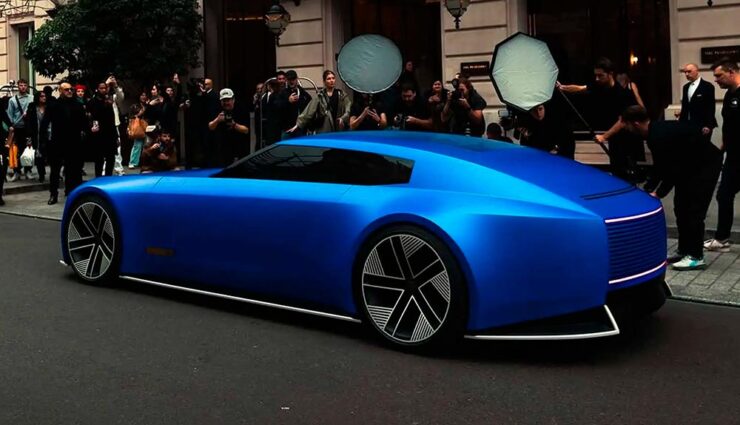
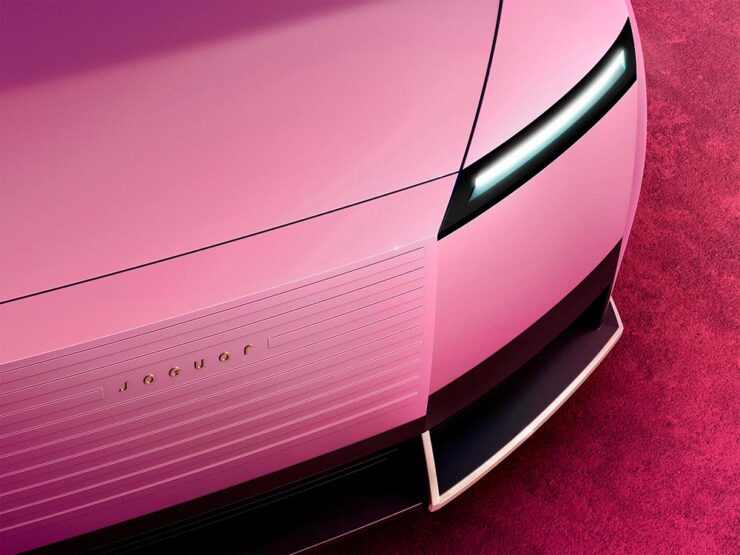
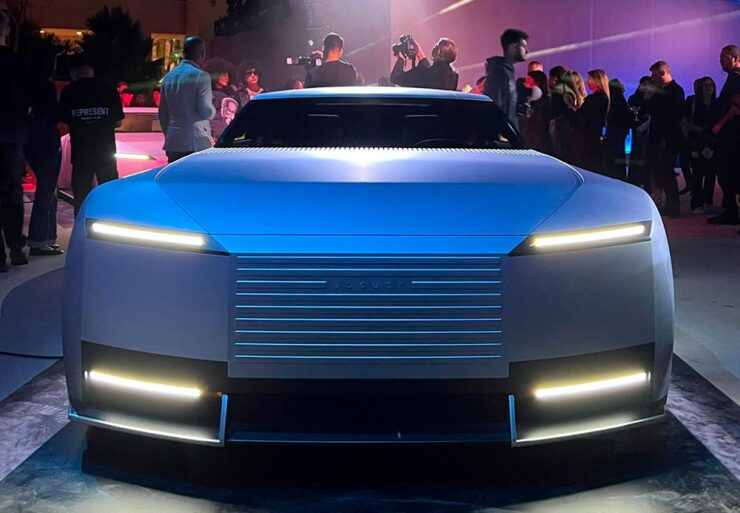
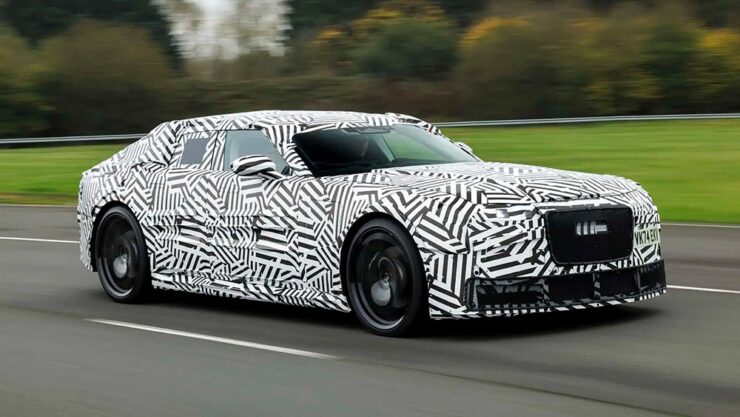
    Last month, we left off Jaguar’s continuing road trip with a teaser. Let’s get right to it. The car’s called the Type 00:

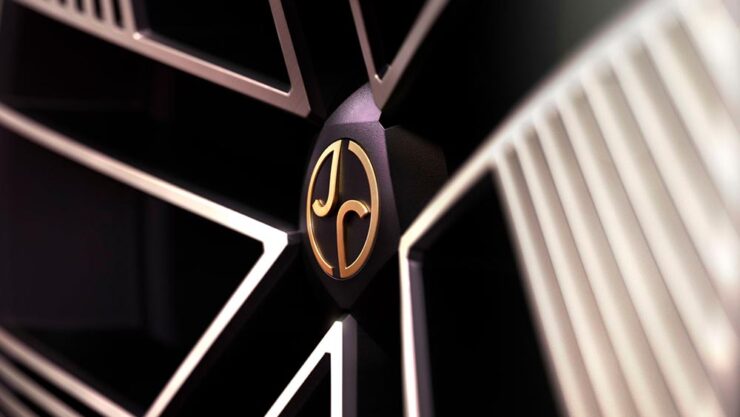
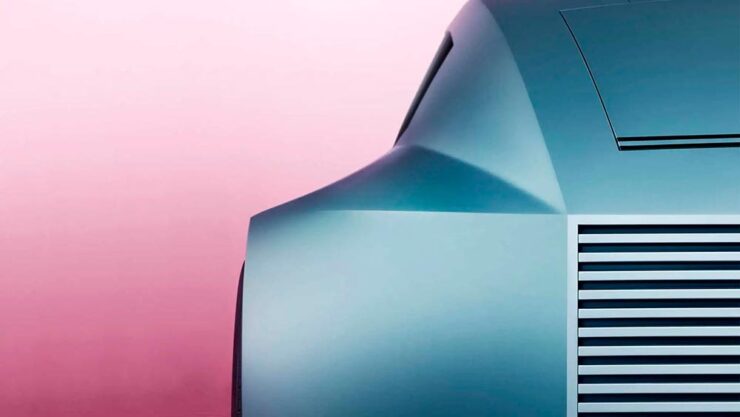
    Some details:

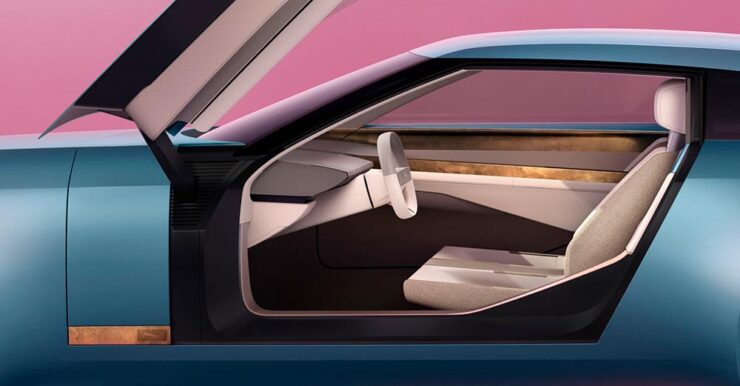
    The interior:

    The internet, predictably, has lost its collective … um, mind. However, amongst the melee, there are a few items worth mentioning.

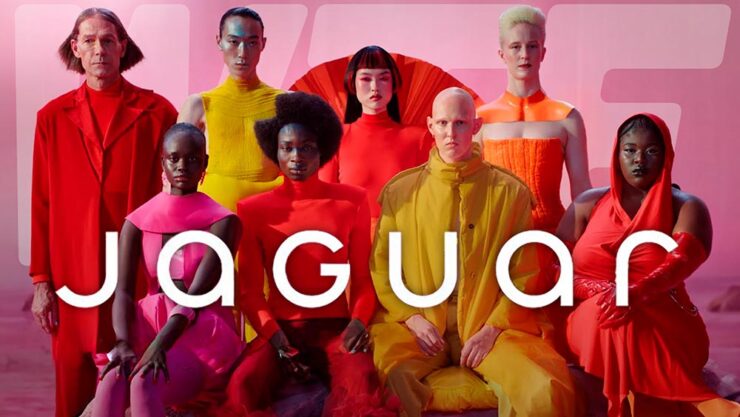
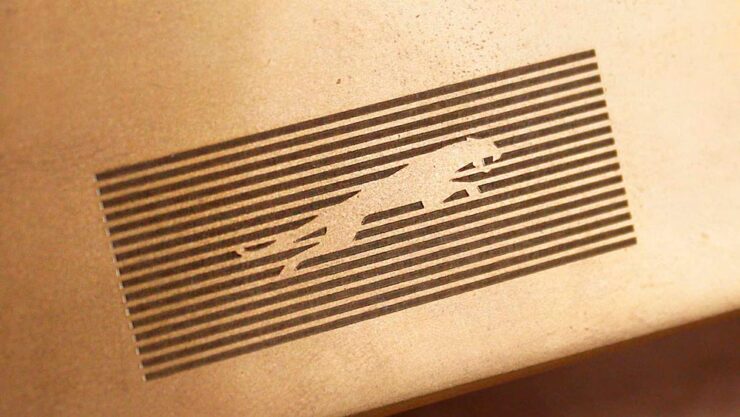
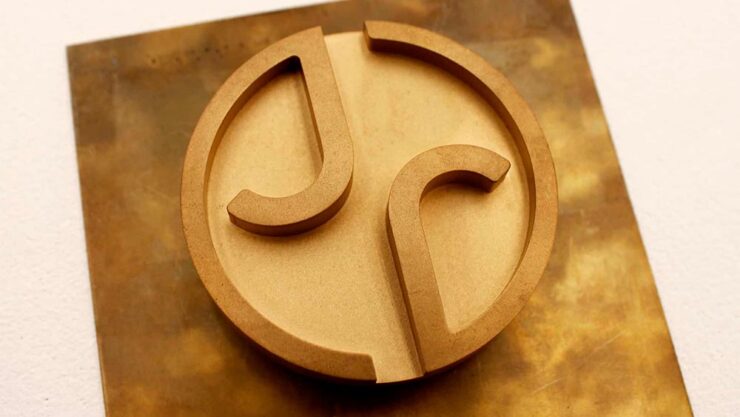
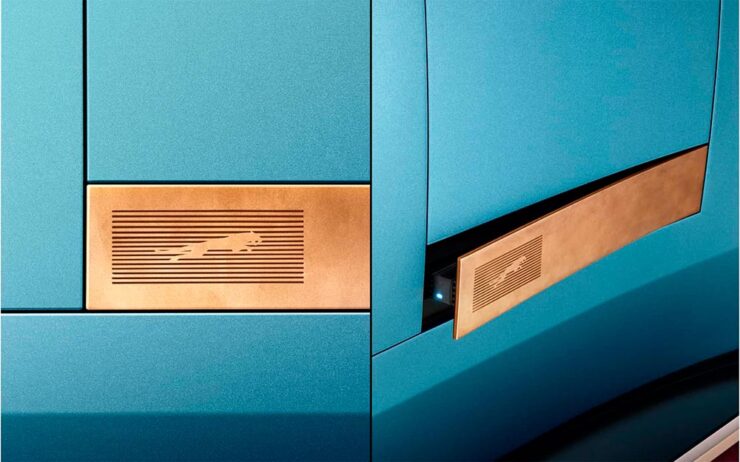
    Creative Boom: “If the new logo seemed divisive in isolation, seeing it brought to life with Type 00’s design has brought much clarity. The flush surfaces, panoramic roof, and glassless tailgate – all adorned with the new Jaguar device mark and reimagined leaper – create a cohesive vision of modern luxury. Rawdon Glover, managing director of Jaguar, emphasised the importance of this shift: ‘We have forged a fearlessly creative new character for Jaguar that is true to the DNA of the brand but future-facing, relevant and one that really stands out.’”

    The quote there is something to pay attention to. Read those words again, and think about the actual choice of language; it’s this, exactly, that has struck some. Armin at Brand New, for instance: “[W]hat I dislike the most about the new Jaguar brand: its tone of voice is INSUFFERABLE. Everything from the platitudes in the campaign to the script of McGovern’s presentation to the press releases is obnoxiously over-confident and self-congratulatory.” (Brand New, while excellent, is subscription-only — alas without a sample article. Here’s a link anyway.)

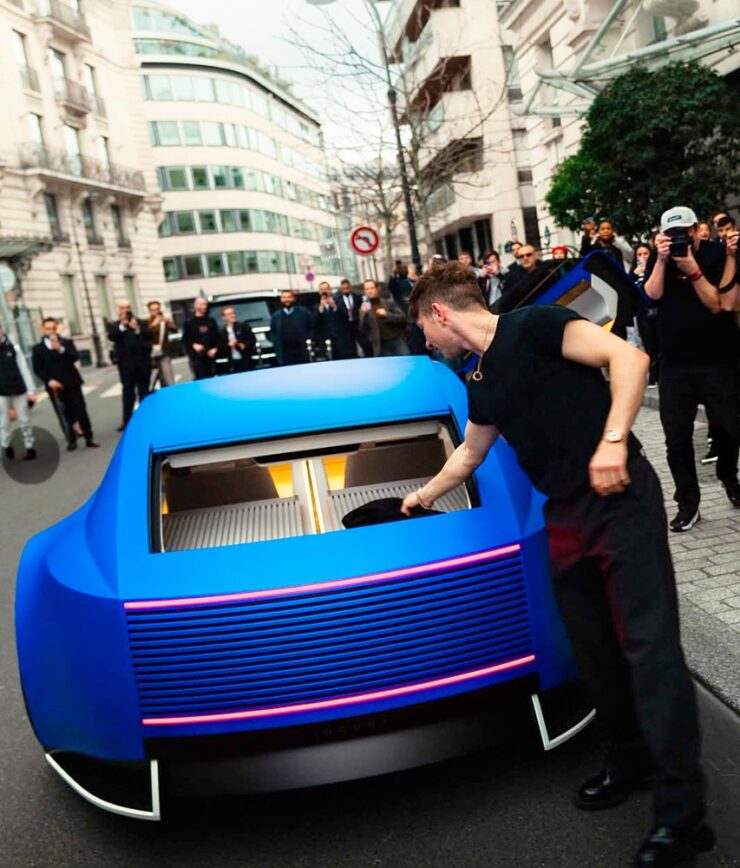
    Meanwhile, Dezeen provides us some real-world images from the Miami launch:

    Wai Shin Li, via Dezeen

    But it’s The Autotopian that stands out. They have not one but two excellent articles by Adrian Clarke, an ex-JLR1That’s Jaguar Land Rover, before it was, um, initialized by owner Tata. designer, who has several important points to contribute:

    A couple of weeks ago, the cancelled X351 Jaguar XJ leaked onto the internet. During my time at Land Rover, I saw this car back in 2018 and can confirm this is indeed, or rather was the EV XJ. Back when Mr. Tata was still alive every six months or so there would be a big board level presentation for him on upcoming products. […] I was privy to all the future production Jaguars and concepts. There was a J-Pace SUV to sit above the F-Pace (no problem in revealing this as it’s common knowledge) and everything else was as you’d expect. These cars were then cancelled as part of the revamp and one absolutely incredibly beautiful and exceptional proposal aside, nothing of value was lost.

    It’s the first time I’d seen the cancelled-just-before-release XJ EV, and despite the incomplete body panels and obviously-on-the-sly phone shot, it’s incredibly disappointing. They made the right call.

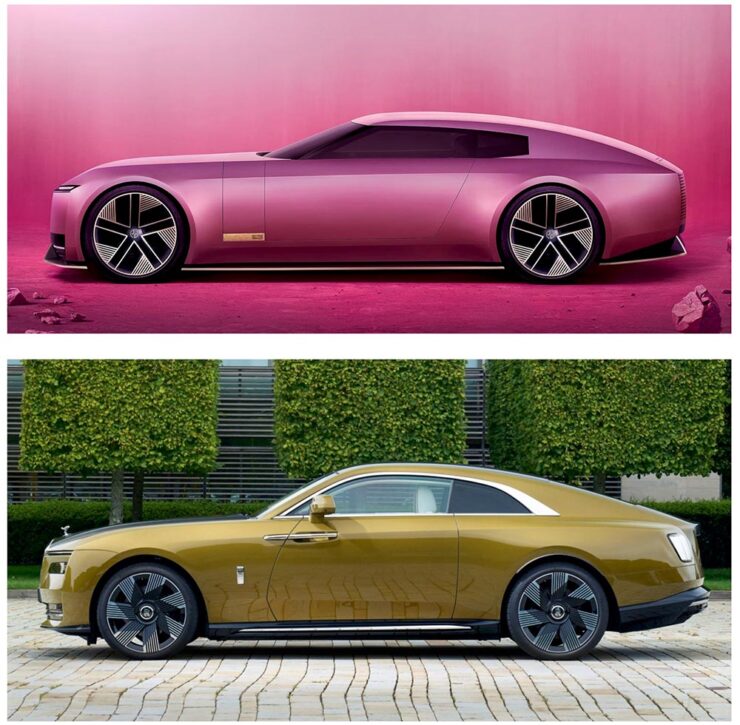
    Compare it next to a Rolls Royce Spectre, a car the production Type 00 will be a competitor for, and see how successfully it hides its bulk in profile. [I]n the side view, particularly in the bottom half, I’m seeing some Range Rover. The crisp shoulder line, the kick-up of the tail behind the rear wheel, and the feature line along the bottom of the bodyside all scream Range Rover. This is exacerbated by the verticality of the front and rear of the car – the new full-size Range Rover and Sport have sharply docked tails. I heard that the initial sketch of this car was done by Massimo Frascella before he departed for Audi. Frascella was McGovern’s right-hand man at Land Rover for decades before Ian Callum retired and McGovern used the opportunity to bring both the Jaguar and Land Rover studios together. So maybe that’s where this Range Rover influence comes from.

    The Jaguar Type 00, top, and Rolls-Royce Spectre, bottom, courtesy of The Autopian.

    We must remember this is only a concept. The actual production car will be a four-door GT. This is only a preview of the visual style of future Jaguar models. It’s certainly striking, but you’d struggle to call it beautiful. It’s also monolithic and slabby.

    Let’s hope this brutal revamp is […] successful, because there are a lot of jobs depending on it.

    — Adrian Clarke, ex-JLR designer

    There’s much more from those two articles, too much to quote here, so please go read them — the initial report is more on the design, while the second delves into the why: “Why Jaguar Had To Blow Up Its Brand In Order To Save It.

    Meanwhile, I’ll actually be rooting for JLR to pull this one off. I’m not in the target audience — at all — but Jaguar needed to do something radical and, by God, they did just that. The concept is interesting. Some of the details are fantastic. Here’s hoping, indeed.

    Update, 15 Jan 2025: Turns out the Jaguar’s designers were a little worried about the outcome — or the outsourcing, in this case — and its effect on the brand. The Drive has the details.

    Special Bonus #1: Motor1 has a feature on Ian Callum’s current whereabouts. There are too many hypercars these days, but the Skye looks cool:

    The Callum Skye concept. (An island buggy?)
    Some Extraordinary Items of “Normalcy”

    To close out 2024, let’s take a break, pour a beverage, and enjoy some of what you read Foreword for: great photography, typography, and design.

    Northern Lights

    I didn’t know — or didn’t remember — that amongst the glut of photography contests is one dedicated to the phenomenon known as the Northern Lights.

    Cosmic Explosion, Isteria, Croatia. Photograph by Uroš Fink.

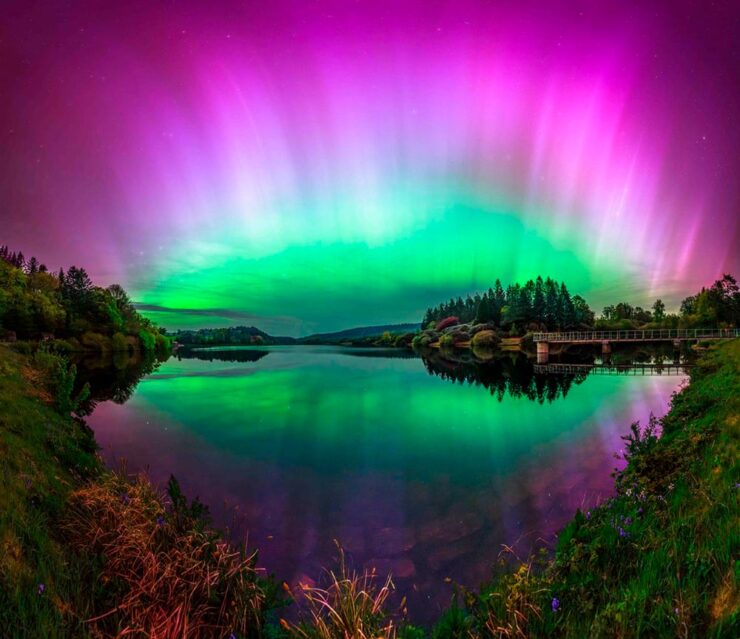
    PetaPixel reminds us that Capture the Atlas’ Northern Lights Photographer of the Year competition features some exceptional opportunities to make spectacular captures this year due to the solar maximum — the peak of its eleven-year cycle.

    Celestial Reflection, Dartmoor National Park, UK. Photograph by Max Trafford.

    The 2024 competition awards feature 25 winners, each with a narrative and each a striking example of the larger system we’re part of. Check it out. (Also via This is Colossal.)

    Nature

    PetaPixel is among several that point us to the Nature Photographer of the Year contest, with images both poignant and funny. Since it’s New Year, let’s go with the latter:

    Besties, Washington State, US. Photograph by Marcia Walters.

    Of course, there’s just “spectacular,” too:

    Cross to Bear, Talek River, Kenya. Photograph by Paul Goldstein.

    The contest’s winners page features many more, separated into categories; be sure to click on the individual photographs to get larger sizes and the story with each. Fantastic stuff.

    Frozen Prairie Landscapes

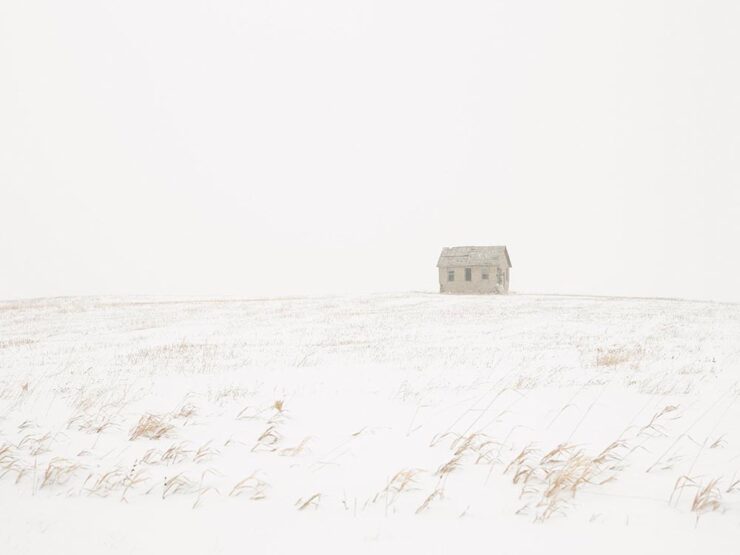
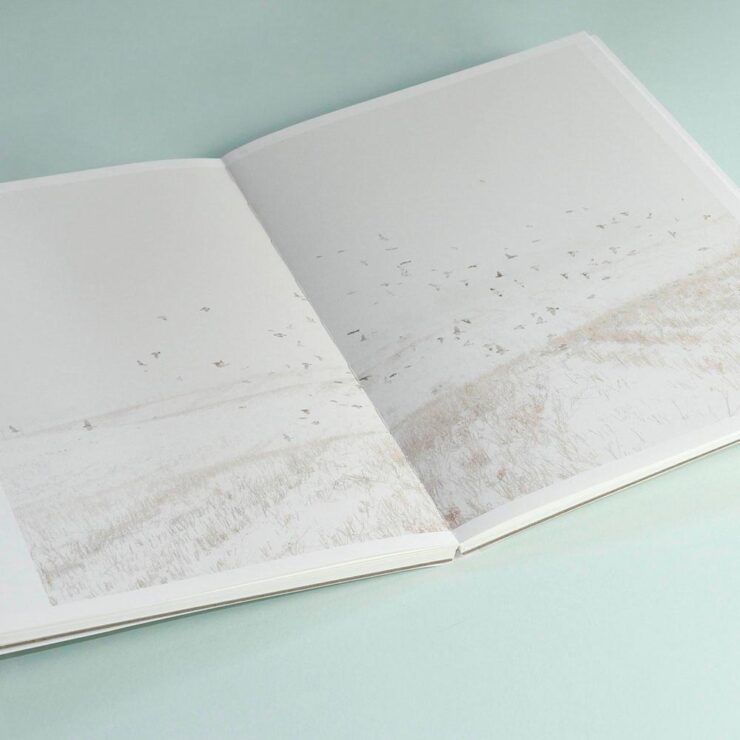
    Saskatchewan gets cold in the winter, but there’s a beauty to those temperatures, photographer Angela Boehm tells PetaPixel.

    Image from Minus Thirty. Photograph by Angela Boehm.

    “The frozen prairie landscapes, while a subject in their own right, serve as a powerful metaphor for the deeper themes the book explores: loss, memory, and resilience,” she says. […] “The loss is embodied in the emptiness and biting cold. The memory, or its gradual fading, is represented by the snow obscuring the horizon, softening and blurring the scenes. And the resilience is in the solitary tree — a steadfast survivor of countless storms in this unforgiving landscape.”

    — Angela Boehm, Minus Thirty

    Read more of PetaPixel‘s story of realization to publication or just check out the title.

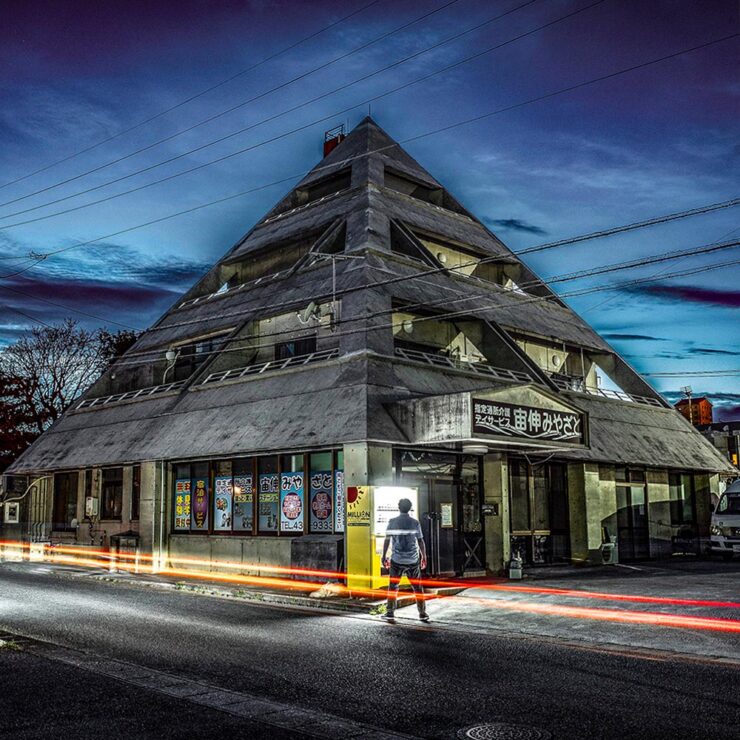
    Special Bonus #2: Another book on an interesting subject — Japan’s brutalist architecture, which somehow manages to bring an inherent quality to the cement:

    Mixed-use complex, 1994, by Kuniyoshi Design. Photograph by Paul Tulett.

    Dezeen has more.

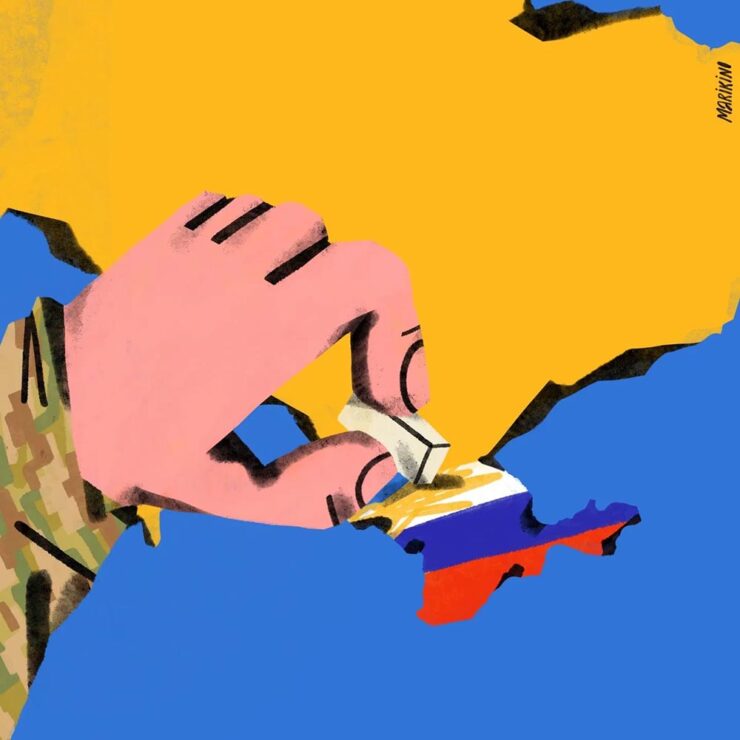
    Ukraine’s “Fight for Visual Identity”

    This PRINT piece is excellent: “A cultural gap persists in how history is organized and interpreted. I left the library without my requested images but with a lingering realization that how we organize history, even within the hallowed walls of an institution like the New York Public Library, can reflect the biases and oversights of a collective cultural perspective,” writes El. Stern.

    Home Soon, Dear. Image by Maria Kinovych, 2022.

    “Today, Ukrainian graphic design is rooted in national identification, in search of future needs, and in understanding the cultural influence of a painful past on a, once again, painful present.”

    Ukraine’s search for a future — and present, and past — in design. Great read.

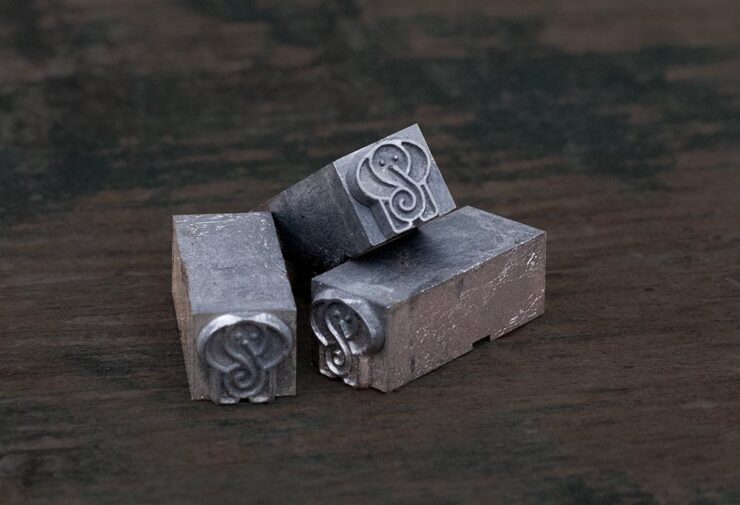
    “A must-have manual for hot metal enthusiasts and linotype lovers”

    Type Archived, a new book whose fundraising campaign I didn’t see in time: a “stunning visual tour of traditional typefounding and offers a definitive account of London’s legendary Type Archive,” writes Wallpaper*.

    Custom metal for the book project.

    The book “traces the origins of typography through the physical tools, objects and machinery that made the printed word possible. Full of rich photography, [it’s] a visual journey through the punches, matrices, presses, type and paper which tell the story of the UK’s preeminent typefounding industry.”

    Hopefully available at bookstores soon.

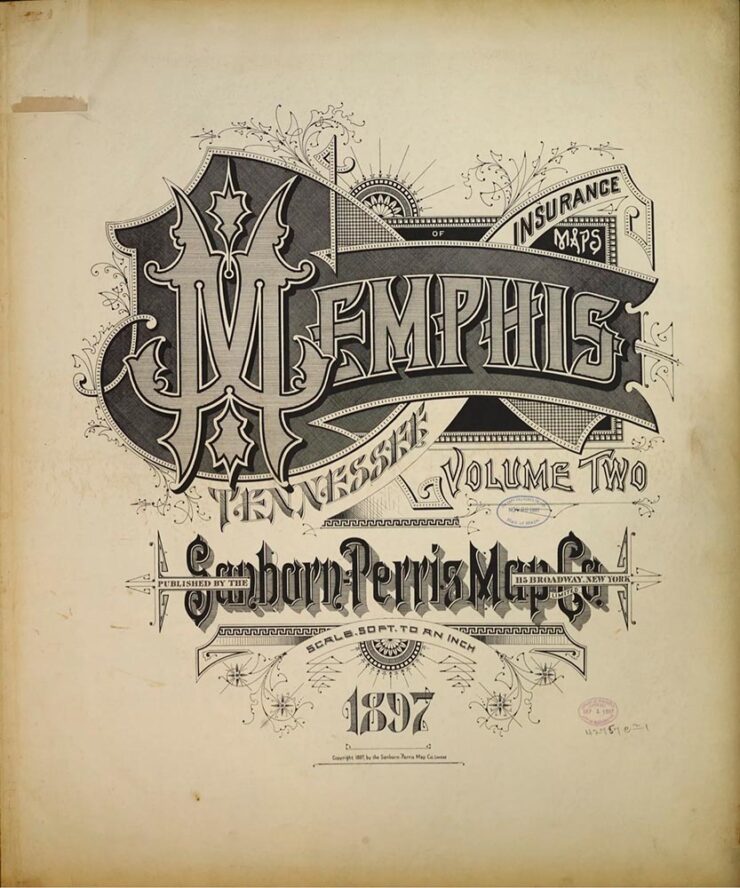
    “The Arresting Typography of the Sanborn Fire Insurance Maps”

    Jason Kottke writes, “Several years ago, Brandon Silverman become obsessed with the lettering and typography on the fire insurance maps published by the Sanborn Map Company in the late 19th and early 20th centuries.”

    Silverman’s launched an archive of the maps, an absolutely fantastic way to pass a few minutes hours.

    Special Bonus #3: Nick Heer, at the always-excellent Pixel Envy, has an essay on the essentials: “[E]fficiency and clarity are necessary elements, but are not the goal. There needs to be space for how things feel.” Delicious Wabi-Sabi is worth a few moments.

    Wishing you and yours a very happy New Year!

  • Beautifully Briefed 24.6: Summer of Win (Mostly)

    Beautifully Briefed 24.6: Summer of Win (Mostly)

    In this installment of Beautifully Briefed, let’s take a look at some great posters, great print items, and great photography. Plus, an update from Adobe’s continued campaign to lose friends and attract government attention. Fun stuff!

    GET LECTURED (ON ARCHITECTURE)

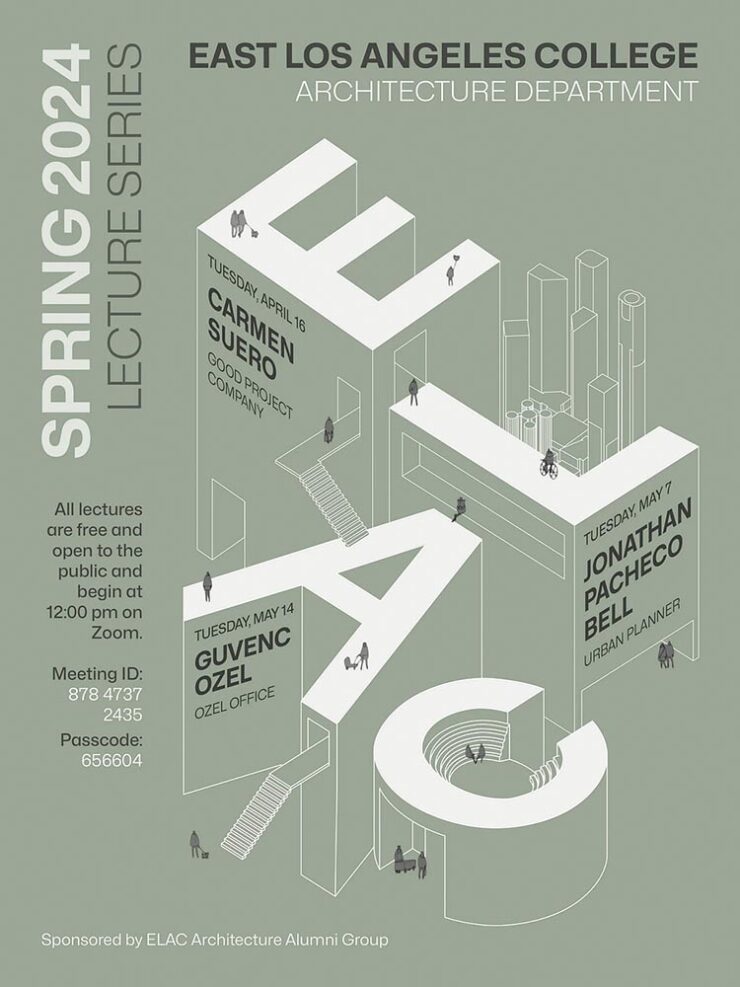
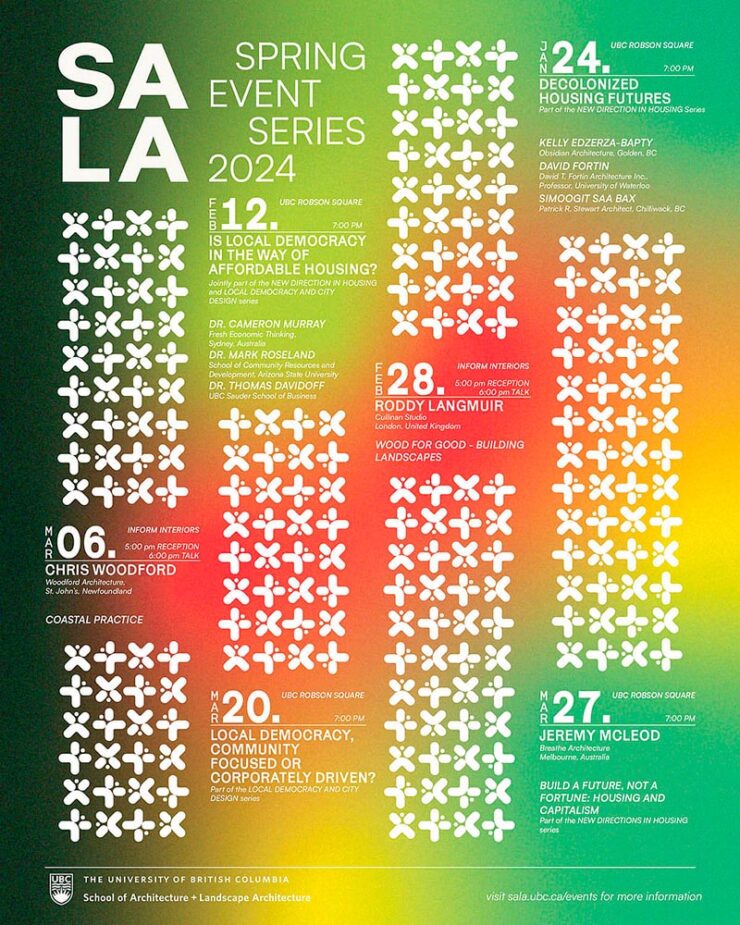
    Back in September, I mentioned Archinect’s Get Lectured poster series. They’re back with the Spring 2024 winners, including these two faves:

    ELAC lecture poster design by Tashfiah Ahmed.
    Lecture poster from the University of British Columbia; designer not listed.

    Great examples of design in a often difficult category. See the rest.

    Architecture Photographs by Hélène Binet

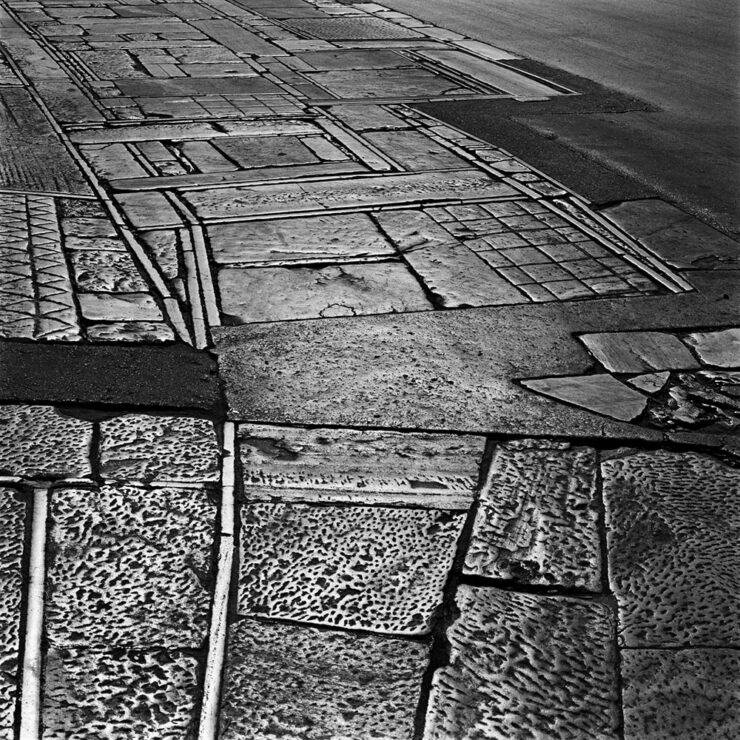
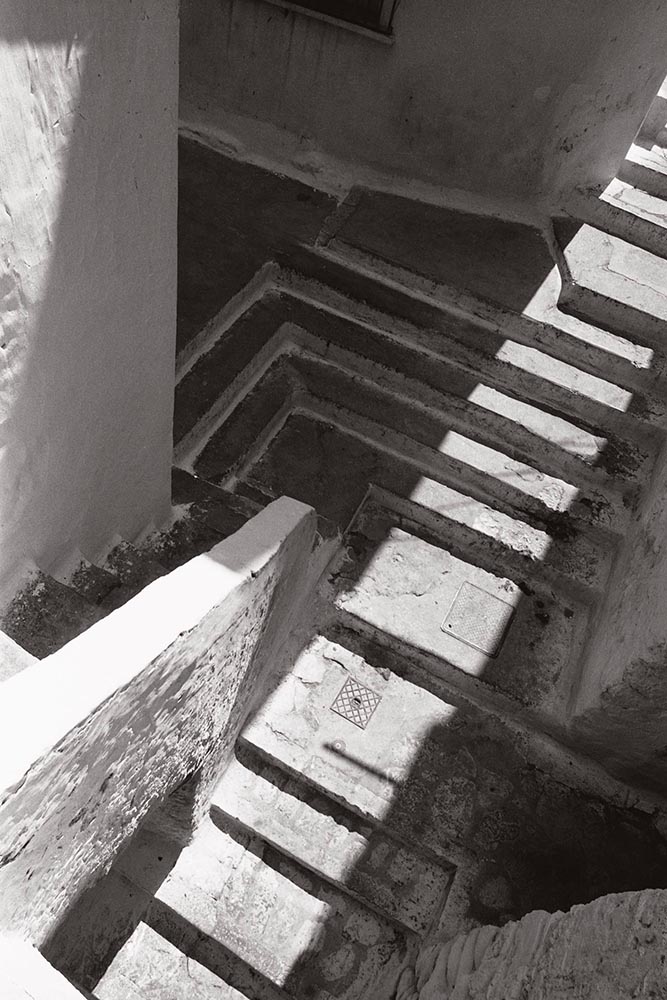
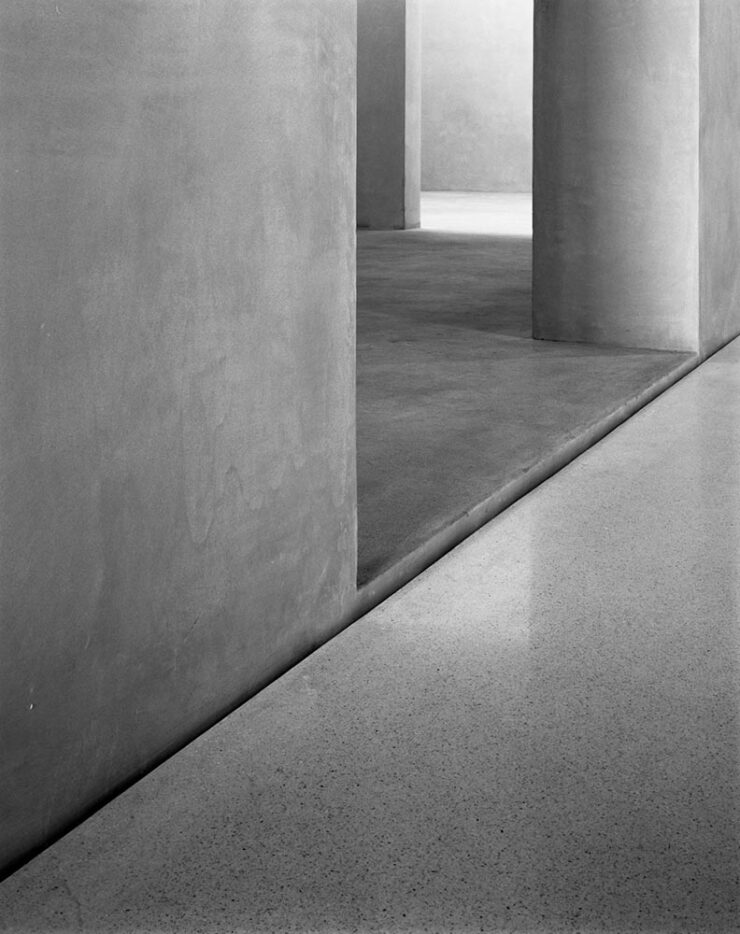
    While we’re discussing architecture, let’s talk about a Dezeen post that caught my eye: photographer Hélène Binet has a new book out, adding to her long career capturing the old-school way — using film.

    “A Sentimental Topography by Dimitris Pikionis, landscaping of the Acropolis, Athens, Greece.”

    This series captures shadows and light with exceptional talent, including the above, where she’s praised for “captur[ing] in a single image the tactile and textured presence of tectonic form, both in built and natural environments.”

    “Staircases in Sperlonga, Latina, Italy.”

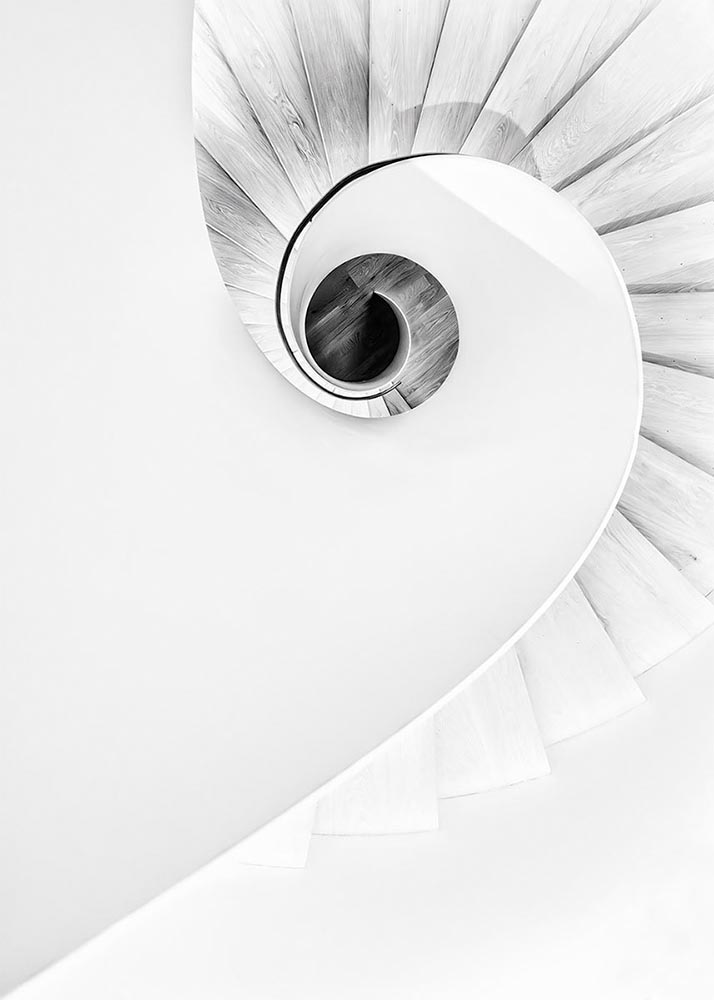
    I love the softer shades of gray than shown in the previous image, and both this and the image below demonstrate a deep understanding of architectural expression.

    “Kolumba Museum, Cologne, Germany, by Peter Zumthor.”

    Read the post from Dezeen, see more examples of outstanding work on her website, or buy the book with 170 photographs, essays, and more.

    2024 Audubon Photography Winners

    This is Colossal posted about this a day before my Audubon magazine showed up with these prominently featured, and they’re all winners.

    Wild Turkey, Female Bird Prize Winner, by Travis Potter.

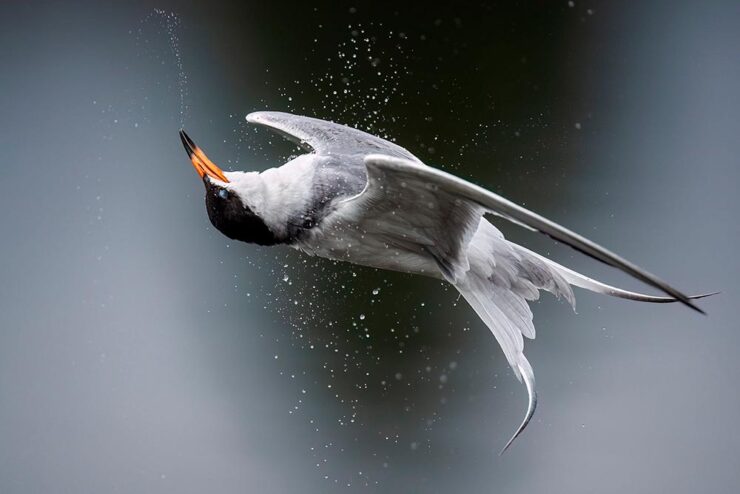
    Bird photography is a difficult skill requiring patience, perseverance, and specialized gear; those who excel at it deserve recognition. Plus, there’s this:

    Audubon’s climate science report Survival by Degrees reveals that two-thirds of North American birds are threatened by extinction from climate change, including species featured in this year’s Audubon Photography Awards like the Blackburnian Warbler, California Quail, and Sedge Wren.

    Forster’s Tern, Professional Honorable Mention, by Kevin Lohman.

    Check out the Colossal post, or see the full story at the Audubon website.

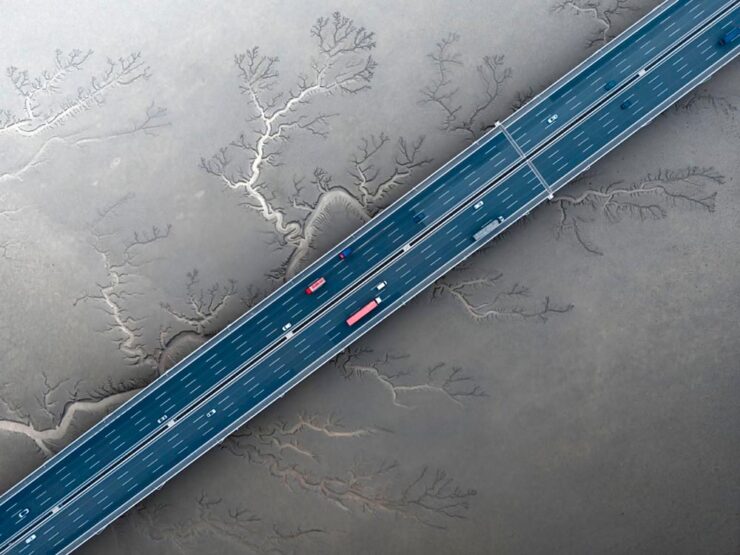
    Special Bonus #1: Kottke points us towards the Siena 2024 Drone Photography Awards. “Look! Up in the sky! It’s … another contest!” Good stuff nonetheless:

    “Jiashao Bridge” by Sheng Jiang, China.
    PRINT 2024 Awards

    The annual PRINT awards are out, featuring — natch — great items in print, including items like the Smithsonian’s annual report and a Naked Trails brochure. Here are a couple of items from the book design category:

    Jacket design by Robin Bilardello.

    Author sketch and lettering by the author. Also, let’s get the . . . :

    Cover design by Milan Bozic, with illustration and typography by Lauren Tamaki.

    Fantastic.

    Special Bonus #2: Hoefler & Co. brings us Typographic Doubletakes: “While good typefaces have prodigious families of carefully related styles, some of the best typography builds unexpected relationships between unrelated fonts.”

    Left: Chronicle Hairline + Landmark. Right: Vitesse + Gotham.

    Their blog refreshes as you scroll in more ways than one — enjoy.

    Left: Mercury Text + Ideal Sans SSm. Right: Whitney + Operator and Operator Mono.

    Special Bonus #3: Kottke points us to a LitHub post arguing for adding full credit pages to books acknowledging everyone who worked on them. “How lovely it is to be seen and appreciated.”

    Adobe “Too Easy to Hate,” Say Users, Employees

    Adobe continues to score big with the public — in the best Boeing style, a formerly-great company has put profits before users and employees. While successful from the shareholders’ point of view (record profits, again), some are . . . upset. PetaPixel:

    Just over a month ago, an Adobe exec called AI the “new digital camera.” Simultaneously, an Adobe marketing campaign chucked photographers under the bus, and not for the first time, which caught the attention of the American Society of Media Photographers (ASMP). At the very top of Adobe, there is a concerning and frustrating lack of understanding about art and the people who make it.

    Even “exasperated employees implored leadership to not let it be the “evil” company customers think it is;” while that might be a stretch — “ignorant greed” is a better description — either is not a winning look.

    The latest was a terms-of-service update that many saw as a rights grab, allowing the company to use users’ work to train its AI services. While those have been amended, the seemingly clear language — “We’ve never trained generative AI on customer content, taken ownership of a customer’s work, or allowed access to customer content beyond legal requirements” — comes from a company that has lost the trust of users, making those words just that — words. Time will tell if they are truth.

    But there’s more: Adobe’s just been sued by the FTC (via PetaPixel, Pixel Envy) for hidden fees and difficult cancellations:

    “For years, Adobe has harmed consumers by enrolling them in its default, most lucrative subscription plan without clearly disclosing important plan terms,” the lawsuit alleges. “Adobe fails to adequately disclose to consumers that by signing up for the ‘Annual, Paid Monthly’ subscription plan, they are agreeing to a yearlong commitment and a hefty early termination fee that can amount to hundreds of dollars. Adobe clearly discloses the early termination fee only when subscribers attempt to cancel, turning the stealth early termination fee into a powerful retention too that [redacted] by trapping consumers in subscriptions they no longer want.”

    I’m actually glad for this, as I wasn’t aware that my $60+ monthly fee is a payment on an annual plan. (Ug.) Not too big an issue — I actually feel like there’s decent value in the plan and will continue to subscribe for the foreseeable future.

    But I’d also be lying if I said I’m completely satisfied with our business arrangement: alternatives are few and far between. While Adobe does not have a monopoly legally or technically, in the publishing industry at least, they are, for all intents and purposes, the only game in town. It would be nice if they would at least demonstrate a modicum of respect for their users.

    Update, 25 July 2024: “Adobe Exec Says Early Termination Fees Are ‘Like Heroin’ for the Company,” according to PetaPixel. Hmph.

  • Beautifully Briefed 24.3: Bloomin’ Breadth

    Beautifully Briefed 24.3: Bloomin’ Breadth

    The end of March here in Middle Georgia means flowers aplenty, and usually with that, some photography — but I’ve not yet had a chance. (Stay tuned.) I have, however, been saving up links o’ interest: fonts, books, photography, and new(ish) car logos. Let’s go!

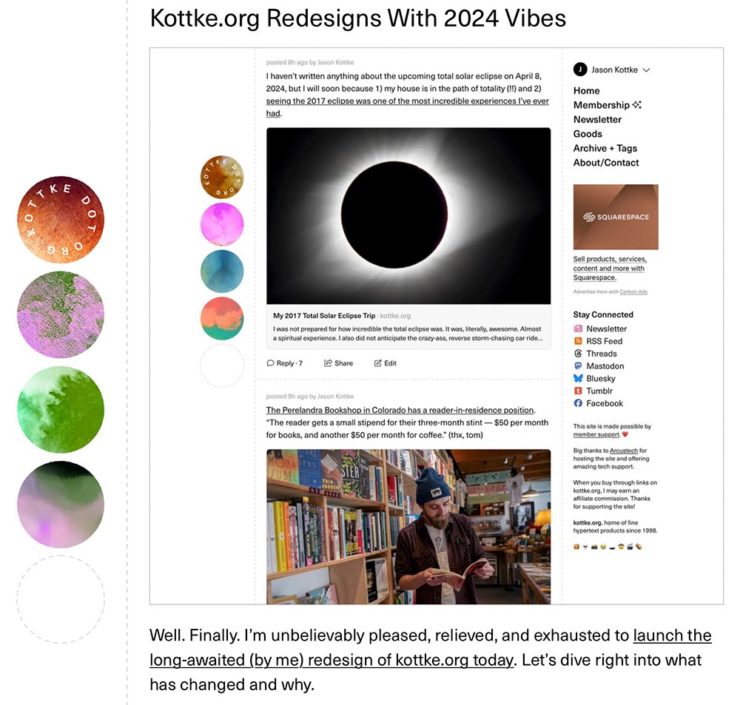
    Kottke Meets 2024

    Starting with one of the very few places that is still around from Foreword’s old days, the always-interesting Jason Kottke:

    2024 marks Kottke.org’s 26th year on the ’net.

    Great new looks for great content, with better Quick Links — the previews are ace — and incredibly-appreciated gift links to places like The New York Times and The Atlantic. If you haven’t been in a while, click and enjoy.

    Fab Spring Type

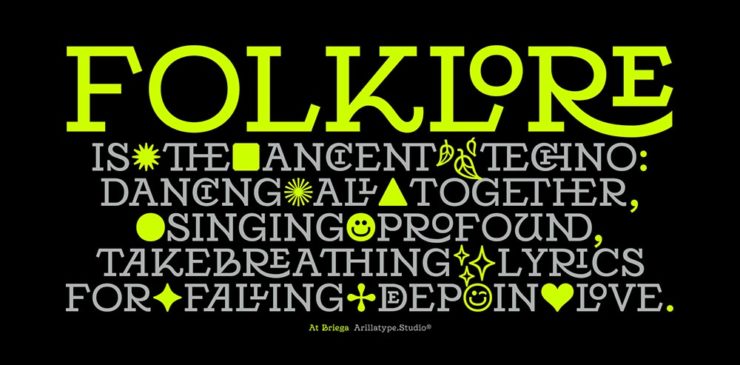
    With “a plethora of captivating new typefaces,” CreativeBoom celebrates spring with 11 new faces to tempt, inspire, and bring joy:

    Arillatype.Studio brings us a thousand glyphs of greatness.

    Zanco, with its bell-bottom style; Seabirds, inspired by 1930s book covers; Module, a “fluke side hustle;” and Graffeur, improvised from gaffer tape and glimpsed in this post’s header image, are all great. My far-and-away favorite, though, is At Briega, “inspired by the concept of hybridisation” and shown above.

    See ’em all here.

    Literary Three-Fer
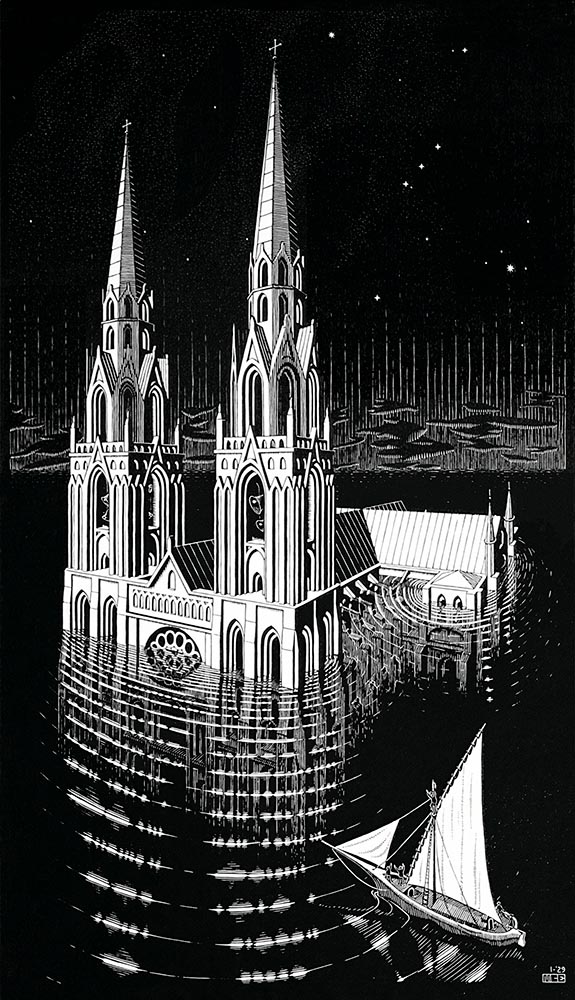
    M.C. Escher’s Lesser-Known Works
    “The Drowned Cathedral,” a 1929 woodcut.

    “Unique perspective” never does justice to someone whose name defines the term. See some never-before-seen images alongside old favorites in a new Escher book highlighted at Hyperallergic.

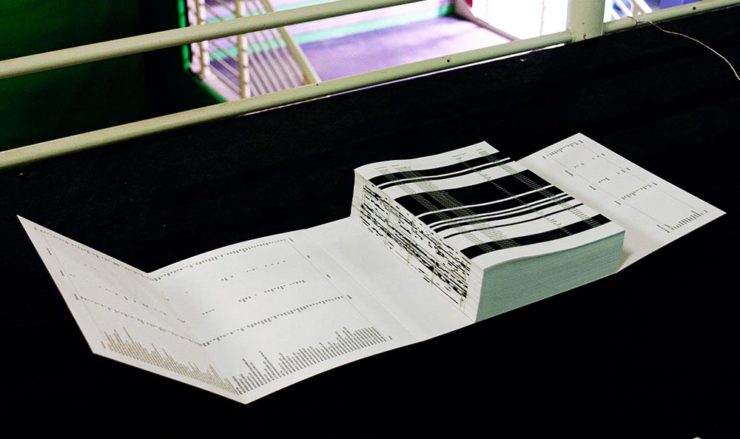
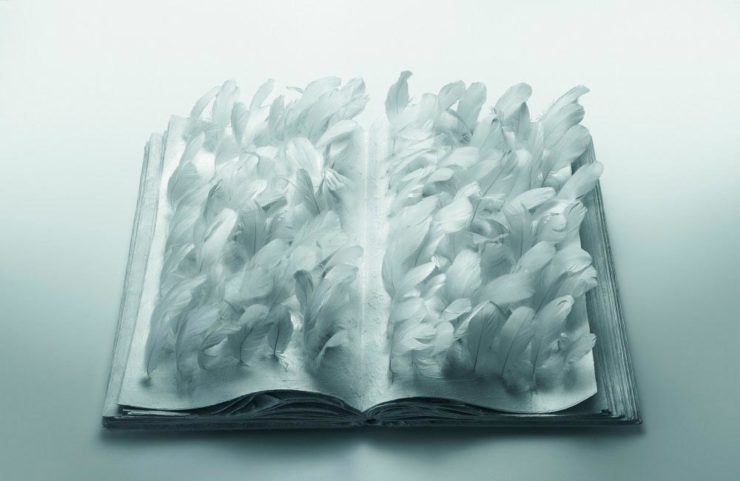
    Multidimensional Libri

    “Experimental books are flourishing, [a]nd the evidence is seen” in this Daily Heller from PRINT: a traveling exhibition on three-dimensional books, all published titles.

    Oh, those Italians. Read on.

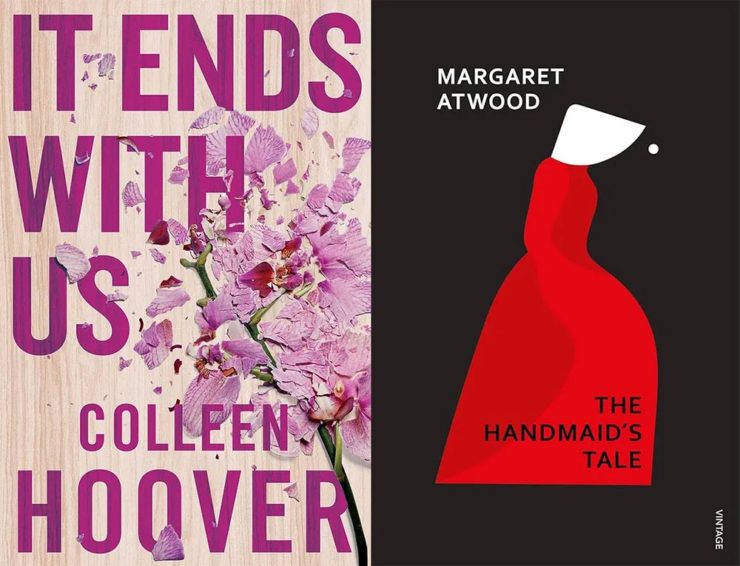
    Book Design Snobbery
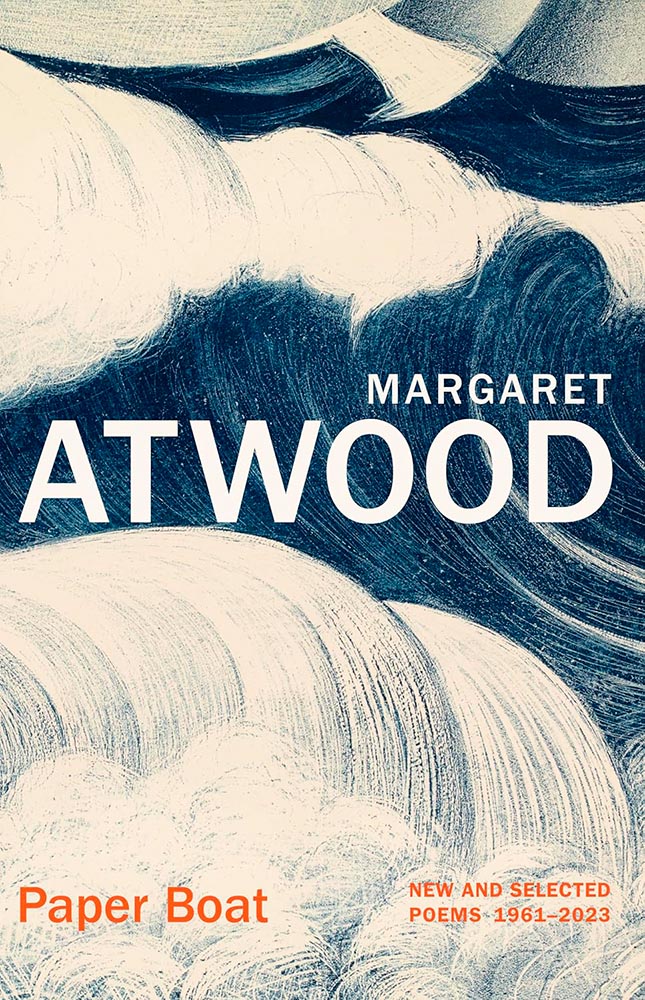
    Hoover vs. Atwood — no joke.

    “Don’t get held back from the simple pleasures of reading,” argues Natalie Fear at CreativeBloq, “not everything needs to be minimalist.” Justification for commercialism or a common-sense explanation for the bookshelves’ current look? You decide.

    Photography Three-Fer
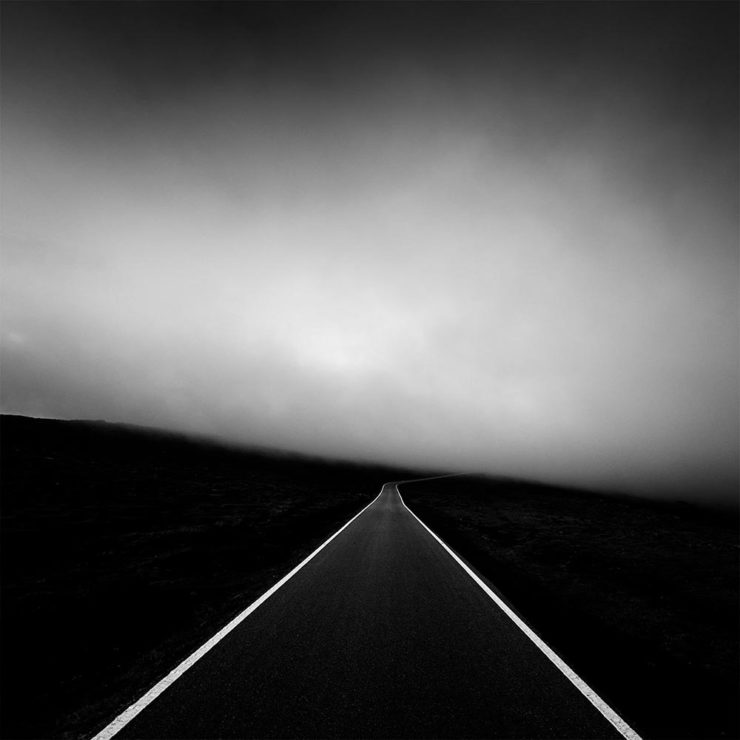
    Winners of Monochromatic Minimalism
    “Black Pearl” by Sascha Kohne. An honorable mention for the magazine, but a winner for me.

    Some incredibly good stuff here — but perhaps more importantly, did you know of Black & White Minimalism Magazine? There’s no end to today’s continued diversification, methinks.

    “Traveling through Costa da Morte, Galicia. 600m above sea level where the mountains separate the Cantabria sea from the Atlantic Ocean,” explains third-place winner Alexandre Caetano.
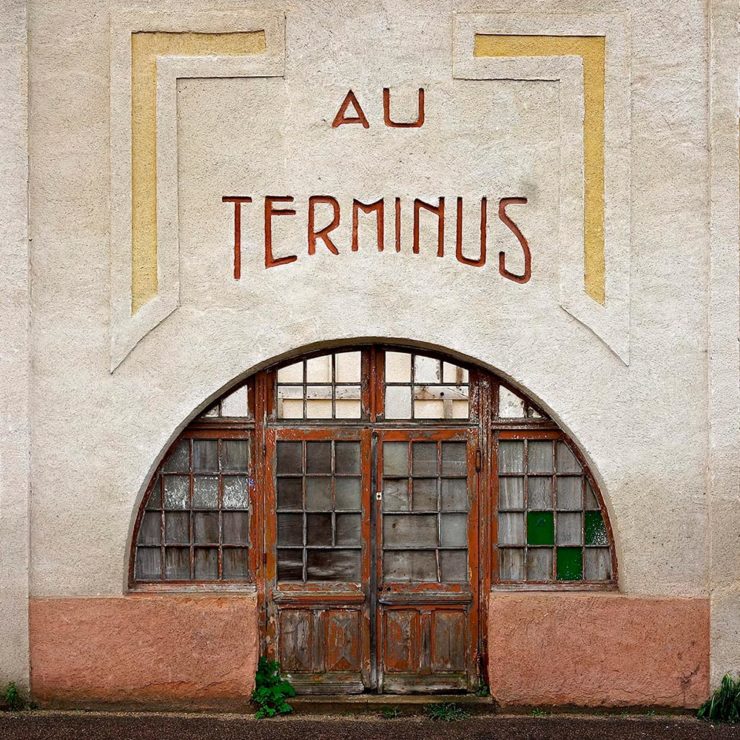
    Aging Facades of France

    “Shuttered blinds, peeling paint, and aging doors don’t usually indicate an invitation, but for French photographer Thibaut Derien, the fading facades of long-closed shops are well worth a stop,” This is Colossal says.

    Sony Photography Awards: Architecture
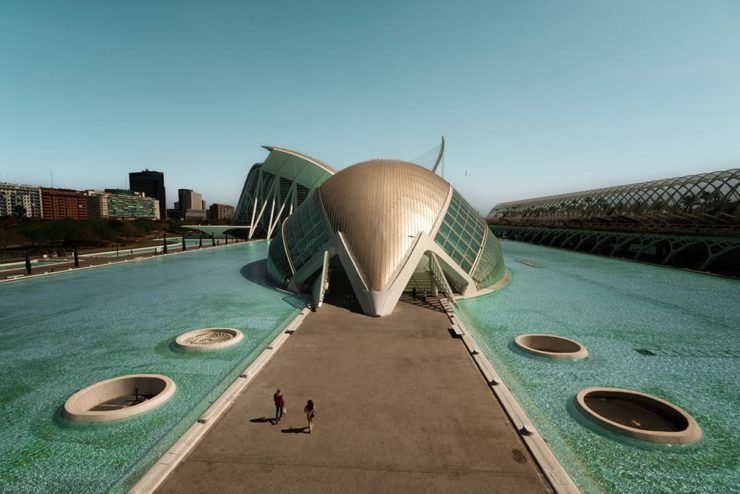
    The Ciudad de las Artes y las Ciencias (City of Arts and Sciences) in Valencia, Spain: “Hemispheric,” by Eng Tong Tan, Malaysia.

    ArchDaily‘s coverage of the annual Sony awards shortlist announcement was an insta-click.

    New Bull: Now Flat. (And a BMW.)

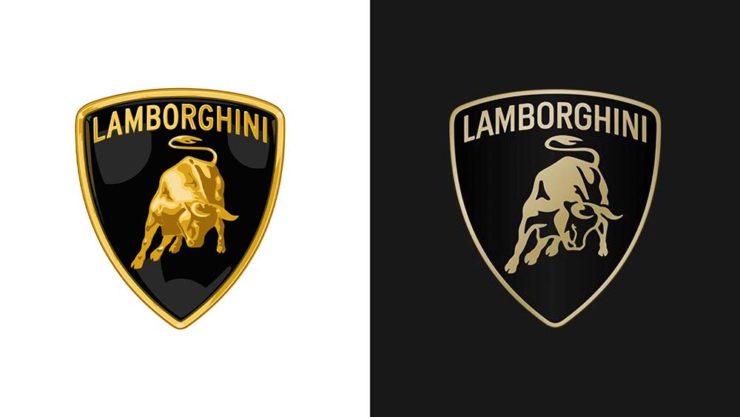
    Lamborghini practically defines flamboyant. So it’s worth a link when their logo gets less interesting:

    Old logo, left, new, right.

    Late at following the industry trend of flat-is-better, because, well, Volkswagen. (Okay, I undersell. Perhaps.) Read the lack of news at Motor11Motor1 also has a decent roundup of new car logos, from 2016-present, which underscores the “flatness” trend. or The Drive, where they manage to convey the brand’s use of the phrase “digital touchpoints.”

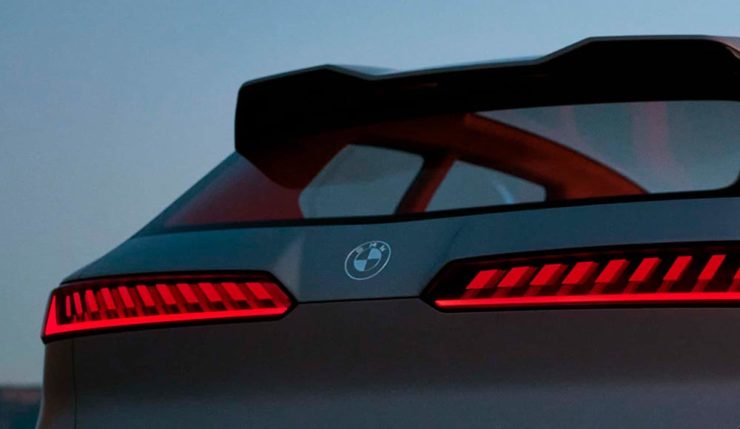
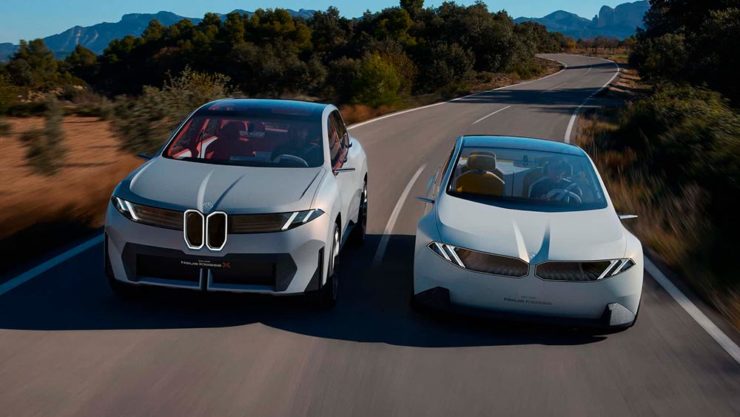
    I don’t know whether this will make any more sense in a few or even many months — which is relevant because of BMW. Four years ago, one of the industry’s design leaders expressed strong this new style, and I didn’t get it. But it’s worn better than most, and superlatively on occasion — check out the logo’s use on the Vision Neue Klasse X:

    Rather than a standalone, plastic part sitting on the paint, it’s etched into the finish. Man, I hope that makes it into production.

    Neue Klasse: do like. Bull? No so much.

    Update, 2 April: BrandNew, itself sporting a new look, has weighed in on the new Lambo style, calling it “not good.” (FYI, BrandNew is a subscription, quite possibly the best $20/year someone interested in design can spend.)

    • 1
      Motor1 also has a decent roundup of new car logos, from 2016-present, which underscores the “flatness” trend.
  • Beautifully Briefed 23.11: Considerations

    Beautifully Briefed 23.11: Considerations

    A selection of diverse items for this entry in the series: a new publication from The Guardian, open source fonts for your 2023 goodness (along with more for ’24), and the Natural Landscape Photography Award winners. Also: DAK. Let’s get into it.

    The Long Read

    Regular readers will know that I’m a big fan of The Guardian, including its unusual-for-journalism payment model (that, frankly, some outlets in the US would be wise to copy). Now, they’re on newsstands with a “bookazine” called The Long Read.

    The back cover. (See the front cover at the left in the header image.)

    “We know that for many people, myself included, when it comes to long, immersive pieces, reading in print […] is still the most satisfying reading experience, and one that should be cherished in a climate so saturated by disturbance,” quotes It’s Nice That. With most of these more evergreen stories taking months or even years to build, hardy print felt the best way for them to live. [A] ‘bookazine’, it balances all the things we love about magazines (“the drama, the pace, the energy”) with the considered typesetting of a book. A lot of attention was given to packaging its large volume of text – clocking in at 55,000 words – to make the reading experience as relaxing as possible, from body type size to column widths.

    Liz Gorny, It’s Nice That
    An article title page — indeed, the best of a newspaper magazine in book form.

    Read more at It’s Nice That, and give The Long Read a look at The Guardian bookstore or a newsstand near you.

    Three Open Source Fonts for 2023, and 50 for ’24

    As a self-confessed font junkie, I’m always interested when a new one comes across the bow — but there are so many these days, they’ve unfortunately become almost commodities. (That’s a huge shame, but also a discussion for another time.) So it’s interesting when I see ones that are not only good but also available for everyone, free and open source.

    Monaspace is the first of three I want to highlight, “a monospaced type superfamily with some modern tricks up its sleeve.” Designed for code — hence the monospace — it’s a successful answer to the question, “Letters on a grid is how we see our code. Why not make those letters better?”

    Get the full story or download from GitHub.

    B612 is designed for — get this — the screens on Airbus commercial planes. “[T]he challenge was to improve the display of information on the cockpit screens, in particular in terms of legibility and comfort of reading, and to optimize the overall homogeneity of the cockpit.” Read the back story here.

    B612 is available from Google or GitHub.

    Inter is described as, “The 21st century standard,” “a workhorse of a typeface carefully crafted & designed for a wide range of applications, from detailed user interfaces to marketing & signage.” One of the world’s most-used font families, it’s perfect when readability is at the fore.

    Inter is detailed and downloadable here.

    But there’s more!

    Brinca by In-House International. (Image via CreativeBoom.)

    CreativeBoom has their annual compilation of 50 new fonts for the coming year up, “a comprehensive list of the best fonts that demand your attention in 2024. We’ve compiled this comprehensive list by asking the creative industry for their favourites, analysing work from the last 12 months, and taking on board the design trends emerging right now.”

    National Museum in Gdańsk by Tofu Studio. Featuring Migra by Pangram Pangram. (Image via CreativeBoom.)

    Great stuff. Creative. Boom!

    Special Bonus: Simon Garfield publishes biographies on Albertus, Baskerville and Comic Sans. Seriously:

    The Natural Landscape Photography Awards

    For once: a contest that demands more — like the original RAW files. (Literally the raw image from the camera, before processing, for those who don’t know — think film negatives, rather than the resulting prints.) Okay, sure, it’s not perfect; there are entry fees and it doesn’t have a long track record, but the rules are solid with respect to image integrity.

    Of course, the quality of the subject chosen to photograph is, if you’ll pardon the expression, subjective. The overriding theme here seems to be the perfection of dramatic subtlety — not an easy thing to get right.

    Photo: Adam Gibbs
    Photo: Adam Gibbs

    The two photographs above are both by Adam Gibbs and reflect the judges’ desire to reward photographers who display a diverse portfolio of subjects.

    Photo: Alberto Rodriguez Garcia
    “Once Upon a Time.” Photo: Matt Redfern

    A winner from the “abstracts and details” category for the first and a great title for the second image that does indeed tell so many stories. Rounding it out, another beautiful black-and-white:

    Photo: Franka Gabler

    See the contest website for the complete selection of 2023 winners. (Via PetaPixel.)

    Remember the DAK catalogs?

    If you’re a certain age — that is, were around in the ’80s — the DAK catalog was a regular. (Give me one, together with a JC Whitney catalog, and a weekend was gone.) A recent post by Cabel Sasser brought it all back:

    The catalog from Summer 1983.

    Oh, the products. The explanations. The fun.

    I’m not going to spoil the effort put into the story of Drew Alan Kaplan, a.k.a. DAK, Joseph Sugarman, Products That Think, or any of it: go enjoy for yourself.

  • 50 Books | 50 Covers, 2022 Edition

    50 Books | 50 Covers, 2022 Edition

    AIGA once again surprises and delights in their annual competition of book design.

    Since its inception in 1923 as the Fifty Books of the Year competition, this annual event highlights AIGA’s continued commitment to uplifting powerful and compelling design in a familiar format we know and love. As book jackets became more prevalent, the competition evolved with the field to acknowledge excellence in cover design. Beginning in 1995, the competition became known as 50 Books | 50 Covers. 

    AIGA Press Release

    The jury and I were very impressed with both the quantity and quality of the entries this year, which made choosing only 50 extremely difficult. Among the trending techniques this year were use of exposed bindings and elaborate page sequencing and mixed paper choices. For me, there was a greater overall sophistication in book design, with a mix of aesthetically beautiful and graphically brash approaches in the final choices.

    Andrew Satake Blauvelt, Director, Cranbrook Art Museum (Chair)

    As usual, there’s some overlap with various lists of “best of 2022” — here’s Forewords — but, as LitHub puts it, these are the best book [designs] of 2022 that you (probably) haven’t seen.

    A selection of my favorites, in alphabetical order:

    Cover design by Mary Austin Speaker

    Simplicity itself — along with some awesome block type — add up to a great cover. (Love the angled blurb, too.)
    Book design by Zack Robbins and Bentzion Goldman

    One of the great things about this post is the “50 Books” part; this cover’s okay, and the spine more than okay, but it’s the interior design that really wins in my book (pardon the expression):

    Book design by Zack Robbins and Bentzion Goldman
    Book design by Zack Robbins and Bentzion Goldman

    Kudos: the photography is great, but the spread above is artistic in wonderful way.

    Book design by Kimberly Varella.

    The trend, mentioned above, to mix paper stocks and styles is shown to full effect here. This book has too many great examples to post; see more.

    Meanwhile, Uncovering Singapore’s Traditional Chinese Puppets may not be a title you’d automatically reach for, but…:

    Book design by Alvin Ng and Jesvin Yeo.
    Book design by Alvin Ng and Jesvin Yeo.

    More mixed papers (sizes, too), more great stuff. (See additional examples.)

    Cover and jacket design by Lindsay Starr.

    This is an interesting, compelling cover and jacket design as shown above. However, once again, rather than post it all here, I’m just hoping to whet your appetite — you need to see this one unfold (literally).

    Cover design by Raúl Aguayo.

    Great colors, great combinations, great cover.

    Cover design by Vi An Nguyen.

    I’m always a sucker for photographs of practical items used in ways that make book covers great, and this one’s a shining (pink) example.

    Book design by Maria Elias.

    There’s so much great design work done in the children’s book market it’s not even funny. The first of two great examples. (See more from this title.)

    Book design by Mỹ Linh Triệu Nguyễn.

    A book’s edges are so often a canvas left unexplored. Not with this book, Pacita Abad. (See examples from this title’s wonderful interior, too.)
    Cover design by Christopher Sergio.

    I’ve highlighted this design before, but every time I see it I like it more. Glad to see it as an AIGA 50 Covers winner.

    Book design by Brian Johnson, Michelle Lamb and SilasMunro.

    Typographic Messages of Protest, indeed — done in an appropriately powerful way. The suggestion of motion is a great touch.

    Cover design by Chris Allen.

    “Block party,” defined. Excellent.

    Book design by Jay Marvel.

    The second children’s title on this list, including an interesting and distinctive style. (See the interior of this book.)
    Again, these are only some of my favorites — there are many more, all of which deserve a look. Congrats to all the designers who made these title happen and thanks to the AIGA for this annual delight.

    See also: Last year’s winners. Via: It’s Nice That.