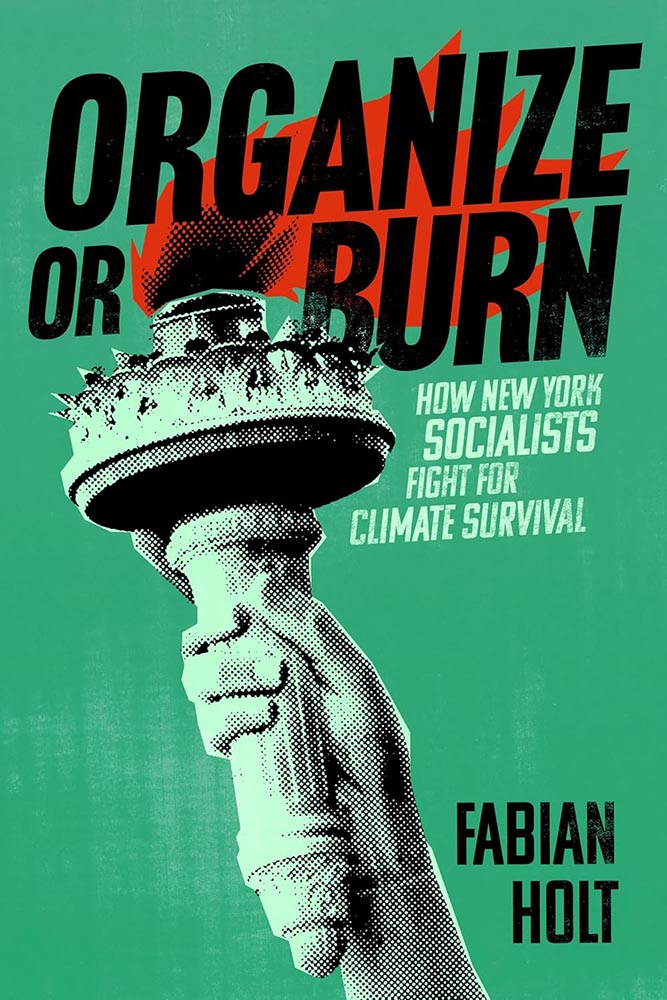
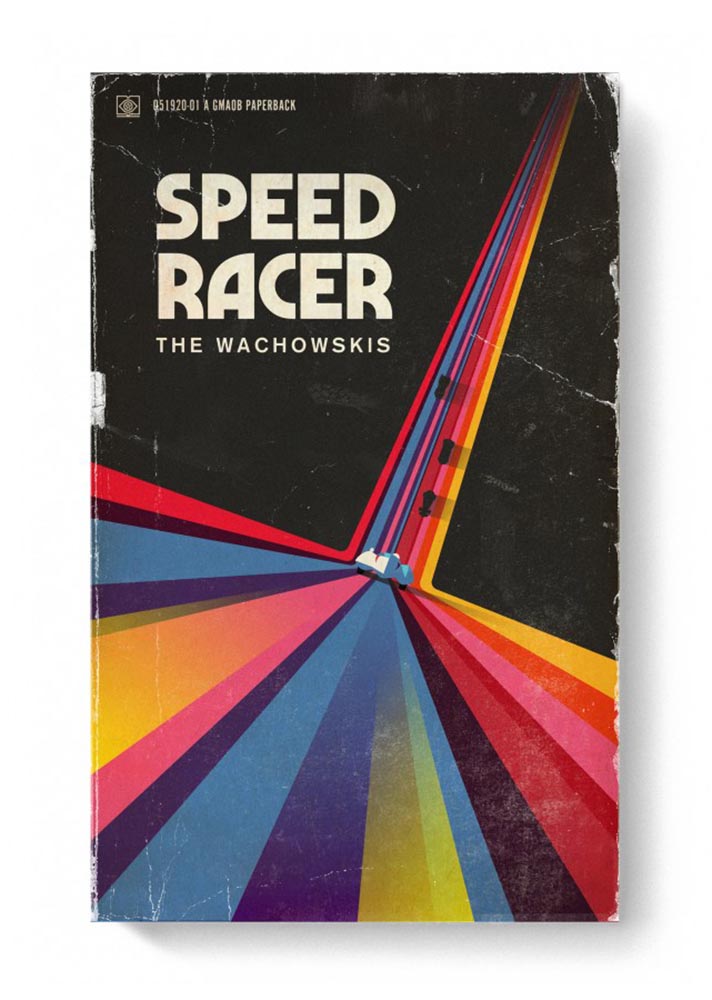
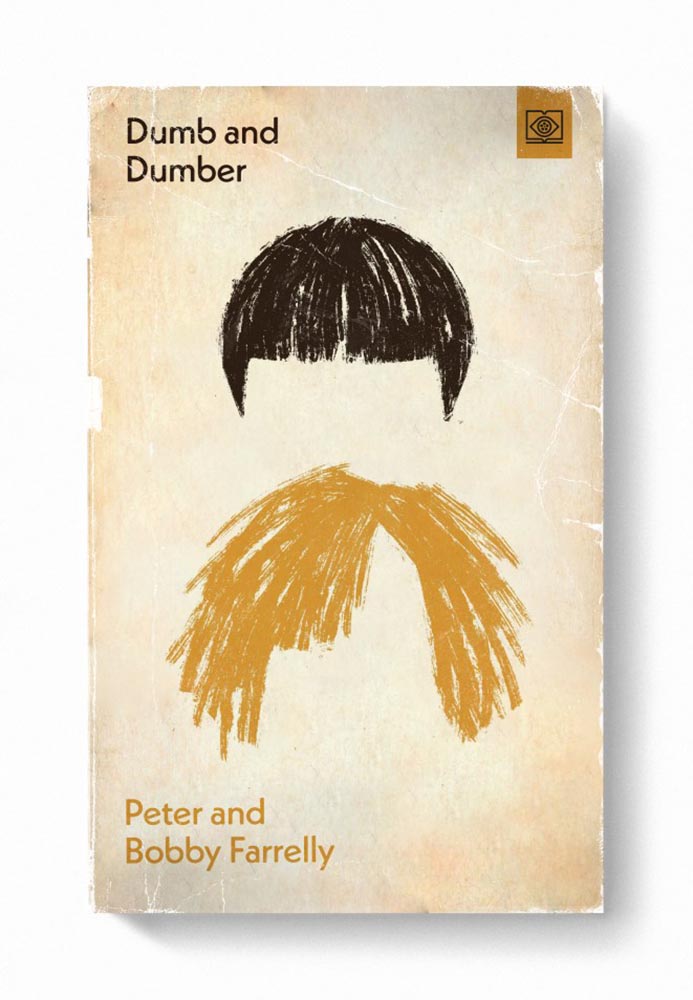
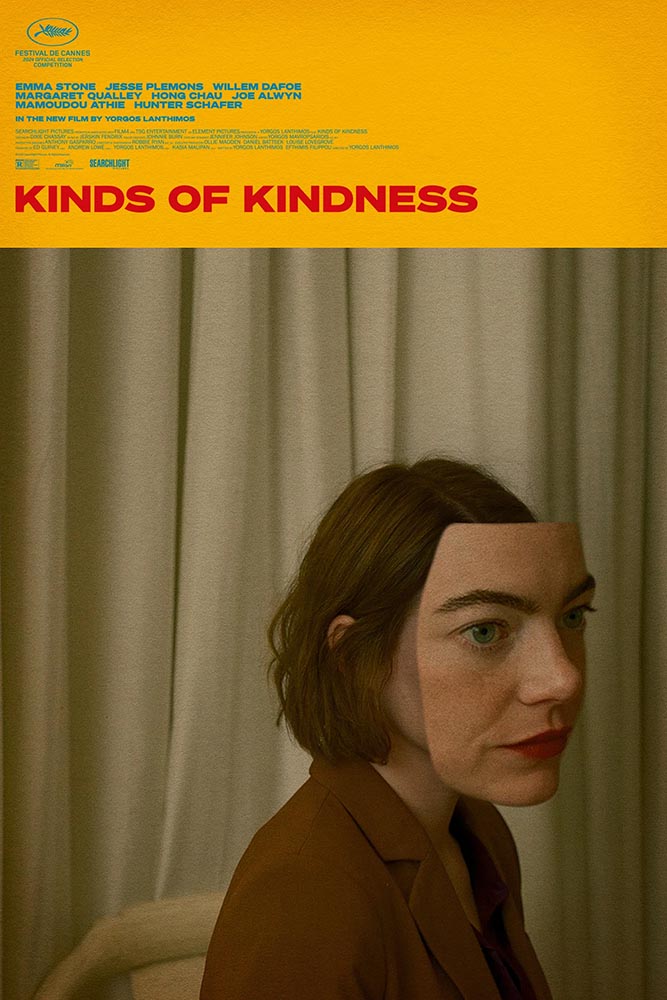
Note: Title updated with the reorganized sorting system.
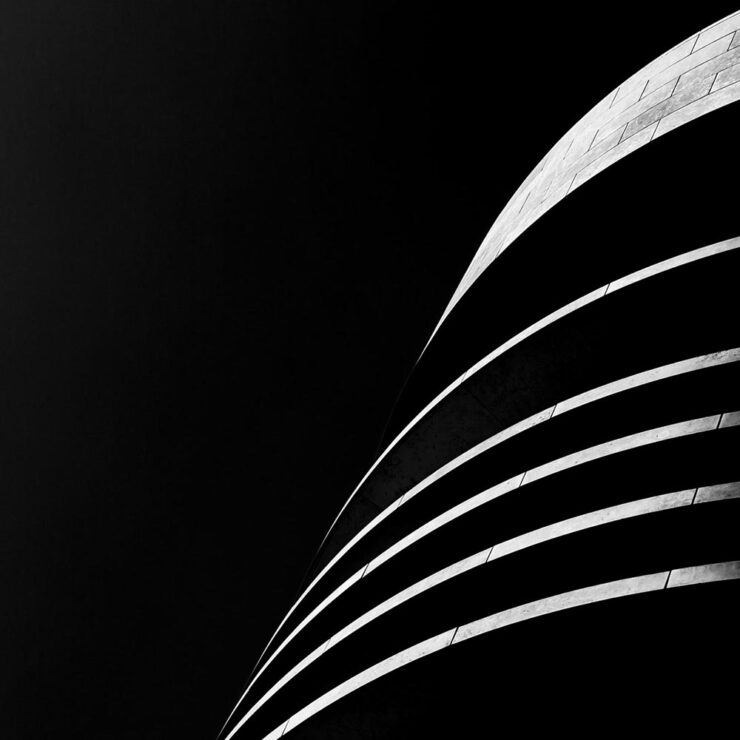
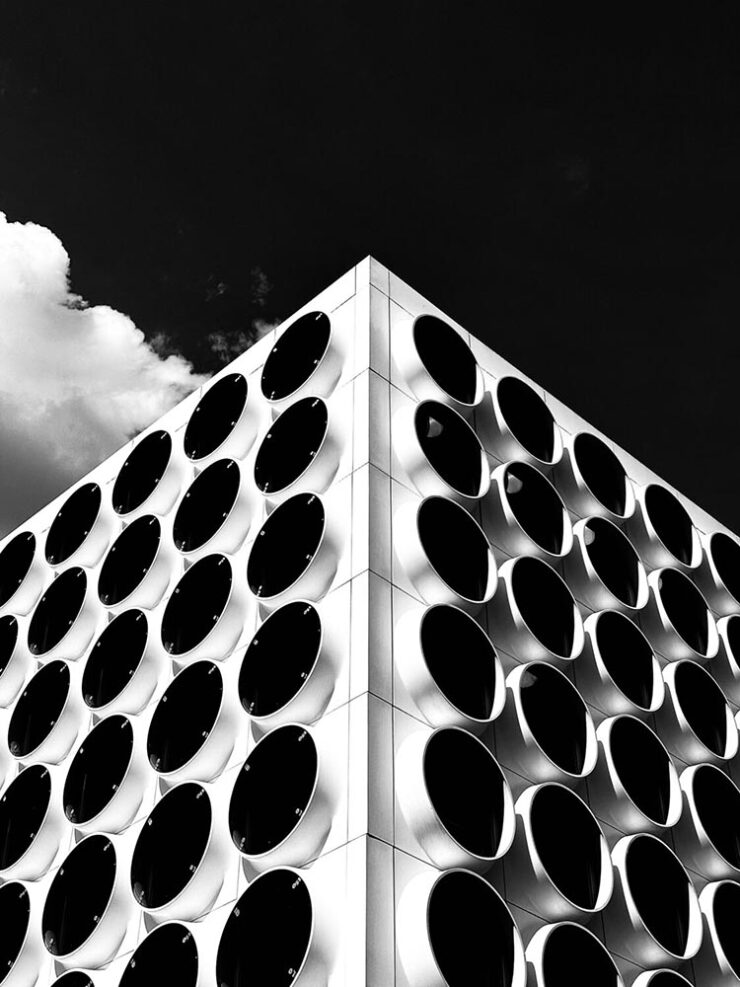
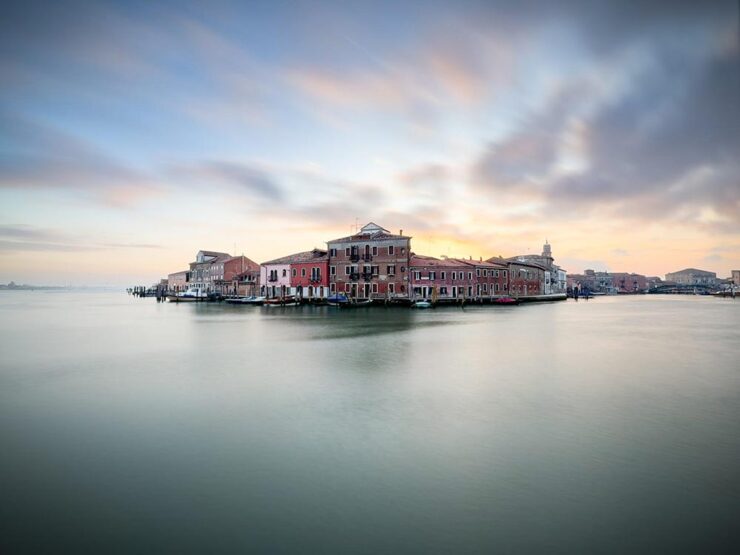
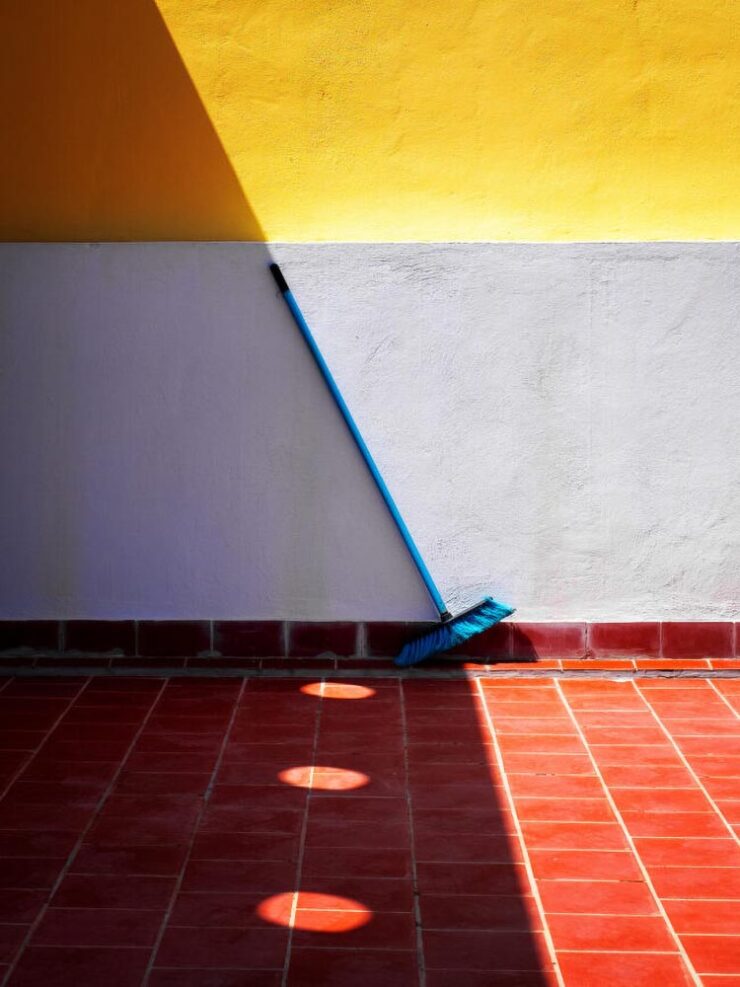
The first photostroll downtown this year involved some new gear, an extremely sharp and astonishingly compact wide-angle zoom from Sigma. I’ve wanted something wider that the 35mm-equivalent that is my daily driver for a minute now, and this absolutely fits the bill.
It also gave me an excuse to see a couple of new and updated spots in Macon:
Rosa Parks Square (Memorials and Seating), Poplar and First Sts.
First up is the refreshed completely redone Rosa Parks Square, now with extensive hardscaping, seating and more — a much needed change to one of the most important areas in the city, right next to the City Auditorium and downtown’s Hotel 45:
Rosa Parks Square (Circle), Poplar and First Sts.
Also completely new is the Otis Redding Center for the Arts, a refreshingly contemporary building with its own new landscaping and gardens:
Zelma Redding Amphitheater (with Statue), Cherry St. and First St. Ln.
It’s a pleasure to be able to get a huge amount of detail, landscape, and space into a single photograph; the wide-angle itch is well and truly sated. Better still, when asked to focus on details, it shines very brightly indeed:
Cherry Blossom Festival Decor (#1), Parish Seafood, 580 Cherry St.
It does retro well, too:
St. Joseph’s Catholic Church (Spire), 830 Poplar St.
So, ask me how I feel about this upgrade. Well, how ’bout this:
I Heart Downtown (Sculpture), Second St.
Sigma got this lens just right. Including the seven posted here, a total of 30 new photographs have been added to the Downtown Macon (2022-2026) gallery.
Note: Once you’re in the photo gallery, the new items are near the middle of the stack — look for the retro photo from this post and it’s the photos that follow. Remember that you can click on any photo to enlarge to a single photo with locations/titles and next/back controls (or run a slideshow). If you’re in a downtown Macon mood, don’t forget the 2008–2018 and 2020–2021 galleries as well. Thank you!
This time: authenticity fake and real, practical photography, and lots more goodness — things you can connect with. Enjoy.
This month’s Spine
University of Kentucky Press. Cover design by Dominique Jones.
“[T]his collection of connected stories is about a Black family moving to and living in a very white New York town — begging the question that is the title. This is supported by an absolutely superb cover, whose painterly qualities and expert composition evoke emotions and make potential readers want to seek answers,” I said in this month’s University Press Coverage.
“There’s well-done, and then there’s next-level. This is definitely the latter.”
But Where’s Home is one of fifteen covers highlighted this month. Check it out.
Also in book design
While we’re on subject of Spine, Linnea Gradin posted an article — she’s usually a writer for Reedsy — about design trends for ’25 and predictions for this year.
A selection of titles the article calls, “The Serialized Standalone.”
I didn’t devote much time to book design trends in my annual Favorite Book Covers post, so if you’re not familiar with what’s hot in book design at the moment, this article could be worth a moment of your time.
That’s not to say trends aren’t important. I completely (begrudgingly?) acknowledge trends exist and definitely drive design, from book design to logos; however, like so many things these days, trends seem to beare about chasing social media — and I’m not going to celebrate popular opinion when I can celebrate excellence.
A selection of 1960s Penguin crime novels.
Meanwhile, Jason Kottke posted a link to The Case of the Green Covers, a risograph-printed zine that documents the history of the “Green Penguins”, “a series of hundreds of crime novels published with green covers by the UK publisher Penguin in the 1960s.”
After years and years of doggedly collecting what are commonly called “Green Penguins,” a series of hundreds of crime novels published with green covers by the UK publisher Penguin in the 1960s, I’ve both mounted an exhibition of the collection, and created a zine that documents the history of the books, their design, and the designers that made them. The content in the zine is an expansion and re-crafting of the writing I did about these books here, on the Justseeds blog, for my old Judging Books By Their Covers series (you can read those HERE).
— Josh MacPhee, Justseeds
Great stuff. If you’re in Philly, go see the exhibit — “held at Tomorrow Today, a very cool art & politics bookshop that recently opened,” Josh writes — but if not, the zine might very well be fun.
Special bonus #1: It’s Nice That highlights a new title from the British Design Council:
Tucked away in a Manchester Metropolitan University archive lies 22,000 photographic slides of iconic British post-war design, ranging from the grand (a high-speed passenger train, for example) to the seemingly inconspicuous (plush bean bags and stackable ashtrays). These 35mm slides were made between 1948-1994 by the UK’s Design Council […] as a means of cataloging and preserving the UK’s design history, alongside a select handful of items from abroad. Now, Projecting British Design, a book published by the modernist, documents a selection of 100 of those slides — in the process demonstrating the vast array of objects that have changed the way we live.
— Olivia Hingley, It’s Nice That
I do wish the collection were online, but the post is cool — there are a bunch of examples — and the book will be fun for aficionados of British design, no matter the era.
Faking analog
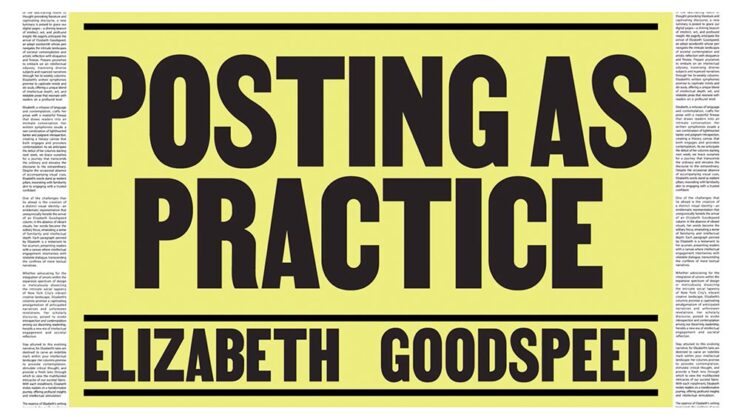
Elizabeth Goodspeed, by now a regular here on Foreword, has a new column up at It’s Nice That, in which she posits on imperfection as a design strategy: “Faking ‘realness’ on a computer doesn’t get us anywhere new.”
By now, the central point — “[f]or every person declaring that analogue is back, there’s someone offering the same explanation why: AI and other digital tools have made perfection cheap, fast, and easy, so imperfection now signals authenticity” — is generally accepted in design circles. (See comments regarding trends, above.) But she asks a better question: “But if analogue only matters as a foil to the digital, why are analogue aesthetics being embraced without analogue tools?”
She provides a lovely — and classic — graphic.
“[T]his suggests that what’s being described as an “analogue revival” is less a material shift than a semiotic one. Terms like “handcrafted” no longer reliably describe how something was produced, but how an image wants to be read. Whether something was made with ink, a brush, or film often seems secondary, if it matters at all. What’s actually taken on weight is the idea of analogue, and the set of values now projected onto it.
As ever, the blame doesn’t fall on artists (or even the people selling texture packs). The practical reality is that most people no longer have the time, tools, or support to make fully analogue work, even if they want to. The creative infrastructure that would make it viable – materials access, slower timelines, financial stability – isn’t widely available. Designers and illustrators are stuck in a bind: analogue signals value, but digital is what’s feasible.”
— Elizabeth Goodspeed, It’s Nice That
It’s another case of I-could-quote-the-whole-thing-but-should’t, of course — so please just go read it. Because she’s right: it’s a trend, it’s a response, and it’s something that needs to be recognized. (Additional teasers for the article: a stack o’ pancakes and pre-stained Prada. No mention of who’s wearing it.)
Actual analog
A three-fer for you:
Cover design by Samantha Hahn.
• From Spine, a book cover where analog — that is, actual composition of items, arranged and photographed, won the day. See the other options presented.
A lovely additive-printed stamp from Poland.
• From It’s Nice That, via Kottke: lovely collection of stamps. If you’re into great examples of “graphic design in miniature,” “from the recurring Olympics theme to the colourful modernist designs” — and you can stomach Instagram — you can enjoy daily goodness. If not, there are plenty of still to choose from at the links.
Flyer design by Cat Duncan.
• An identity for Athene Club, a women-centred run and hike club in the UK, designed by Cat Duncan. Done in a style that’s awesomely analog — okay, okay, there might be a computer involved — and started before it became a trend. (Also via It’s Nice That.)
Architecture poster favorites, again
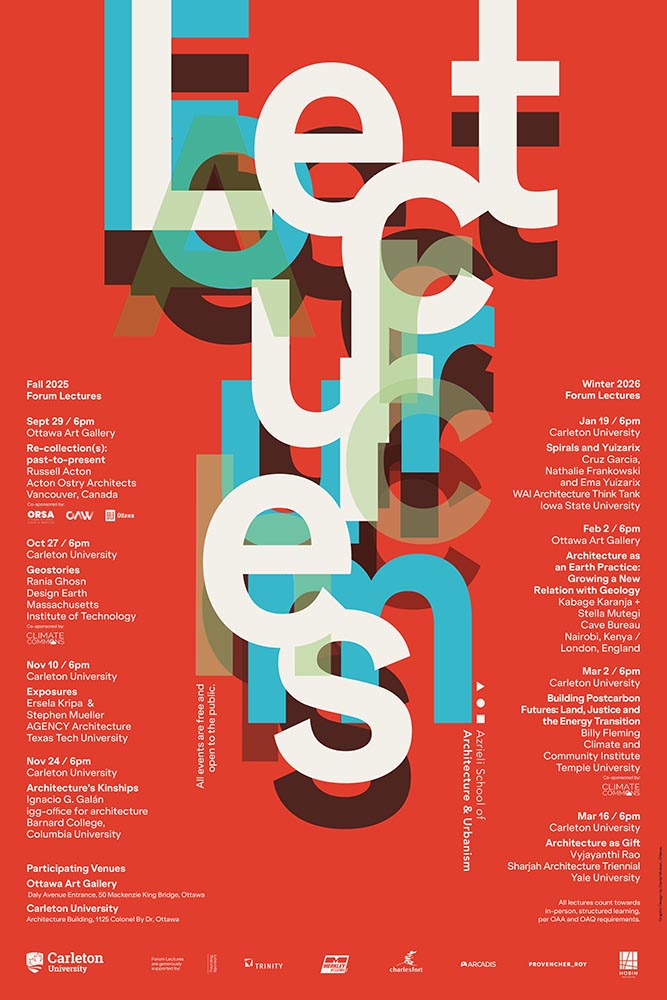
Archinect‘s ongoing series of architecture school lecture posters (previously) highlights examples that continue serve an informational purpose with fantastic design:
Washington University.UTexas at Austin. Yale University.
Although their contest for readers to vote for their favorite closed yesterday, it’s not the winner — it’s that they all pretty much win. See the whole list. (And get a head start with the Spring ’26 posters with one from Pratt.)
February fonts
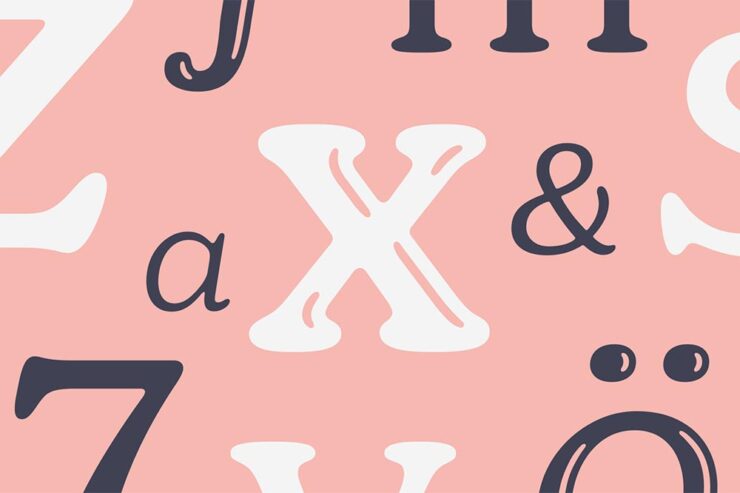
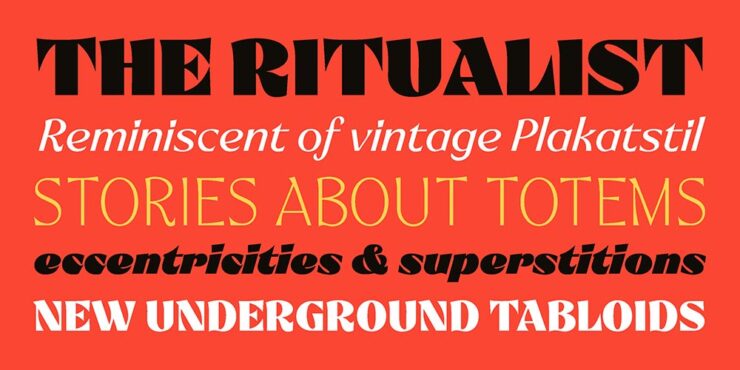
CreativeBoom‘s usually-monthly roundup of new fonts includes some I’d like to mention — and hopefully use. (Is typeface addiction a thing?)
WG Buttered Crumpet by Jamie Clark Type
Yes, absolutely, the name has everything to do with Wallace and Gromit.
“The finished typeface – Buttered Crumpet – gives Aardman [Studios] a timeless, familiar tone of voice with bundles of charm. It includes over 200 characters, covering all Western European languages, and was designed in a single, carefully crafted weight with room for future expansion,” Clark writes. “As a Bristol-based designer, it was a joy to create a lasting connection with my home city and one of its most renowned creative studios.”
Veloce by Rob Andrews
Yes, absolutely named after an Alfa Romeo.
“Veloce began as a single-weight studio font and grew into something with real range. Clear and neutral, with enough personality to avoid feeling anonymous, it’s a strong choice for both body text and signage,” CreativeBoom writes. “What really sets it apart, though, is the language coverage. […] It’s an unusually thoughtful decision for a debut, reflecting serious long-term thinking about global communication.”
“[A] font born from a spark of energy and a little nudge of mischief. It started as a scribble with attitude, leaning forward like it had somewhere important to be — and honestly, it still does,” Yenty Jap writes on her site. “YJC Volt Swing carries that charged-up spirit into every letter, giving your words a bold voice that feels alive, confident, and just a tiny bit rebellious (in the good, hug-you-after kind of way).”
(CreativeBoom had listed — and spoke well of — YJ Knotted Ink, something completely different, while using pictures from YJC Volt Swing. Oops.)
Special bonus #2:PRINT says, “From DSType Foundry [and] designed by Dino dos Santos in 2025, Ensaio feels like a modular system for book design.” The caption flavor is my favorite — but they’re all awesome.
“Rather than having one set of forms stretch across every application, it’s built into four purpose-built variants: Text, Cover, Caption, and Capitals — acknowledging that the typographic needs of a novel’s body copy are fundamentally different from those of a cover or a footnote,” PRINT says.
“Yes,” this book designer agrees.
BMW Alpina, again
Last month’s Beautifully Briefed mentioned the new BMW-Alpina wordmark. (I incorrectly used the word logo, ’cause someone did in something I read and I repeated it without thinking — sorry). The actual logo, which is to say, the badge you’ll see on the vehicles, the website, and some marketing materials, has now been made public:
Still an exhaust and crankshaft, but in the “flat” style also used by BMW (and countless others — see trends, above).
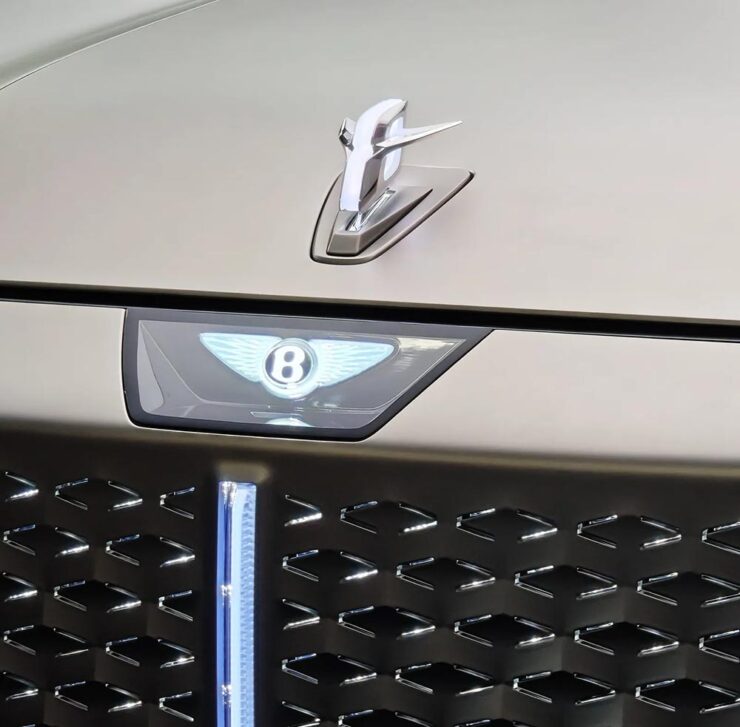
Parenthetically, BMW has suggested that at some point their logo will be etched into the paint rather than a chrome add-on (as on the concept, below), or possibly used as a backlight on the grille (much more trendy likely, I believe):
From the Vision Neue Classe X concept.
In any case, here’s a before-and-after, courtesy of The Autopian:
MacFilos‘ title for their profile of Italian photographer Marco Ronconi suggests a certain negativity — which, in a way, is true. But in the positive sense.
Face to Face (Arctic Hare). Photograph by Marco Ronconi.
He “masters the art of reducing his images to what is essential. By omitting everything he believes to be unnecessary, even colour, he creates unusual wildlife images.”
An image from the Chiaro | Scuro Project. Photograph by Marco Ronconi.
Special bonus #3: “Berlin-based Italian photographer Paride Ambrogi recently combined two of his loves, photography and pasta, in a brilliant, possibly tasty way,” PetaPixel writes. “Ambrogi made the Ravihole Camera, a working pinhole camera made entirely from fresh pasta dough.”
Al Dente Photography.
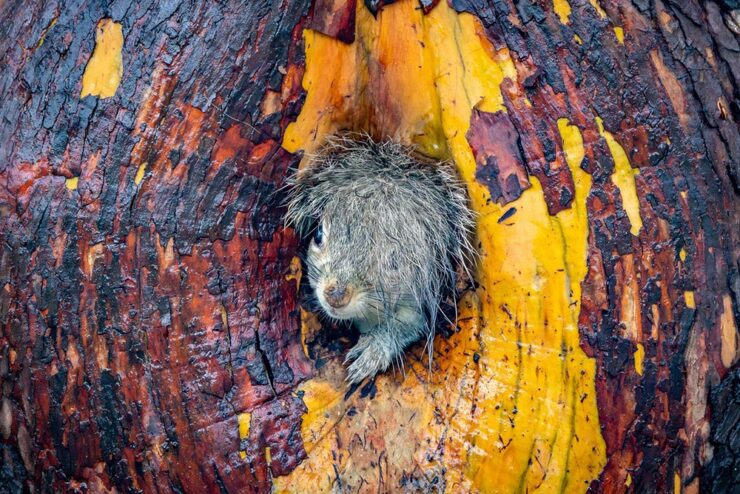
SINWP Bird Photographer of the Year 2025
Bird photography is an incredibly specialized skill. So contest winners are usually pretty amazing photographs. These absolutely don’t disappoint:
Photograph by Liam McBride.
“With over 2,200 photographs submitted from around the globe, the SINWP Bird Photographer of the Year 2025 competition has revealed a stunning celebration of avian beauty, from kingfishers and bald eagles to owls, flamingos, and countless species beyond. The diversity and quality of the entries have been truly breathtaking,” a press release reads. The contest benefits the Royal Society for the Protection of Birds, or RSPB.
Photograph by Emma Brooke.
That’s Society of International Nature and Wildlife Photographers, by the way. See more at PetaPixel.
Sony World Photography Awards Open Competition winners 2025
Sony has announced the “10 category winners and the 120 shortlisted photographs from its Open competition, which recognizes the best single images captured by photographers worldwide in the past year.”
Winner, Architecture. Photograph by Markus Naarttijarvi.
Photographers do not need Sony cameras or lenses, only talent — of which there’s plenty.
Shortlisted, Motion. Photograph by Christoph Oberschneider.
As is often the case, I prefer some of the shortlisted photographs to the winners. Like the skier above, or this dystopian, almost science fiction shot from Asia:
Shortlisted, Architecture. Photograph by Utshaho Gupta.
A couple of celebrities, lots of great portraits, and many of nature. That latter category has what’s probably my favorite:
Winner, Natural World and Wildlife. Photograph by Klaus Hellmich.
“The World Nature Photography Awards were founded in 2020 with the goal of not only promoting the world’s best nature photos but also inspiring people to connect deeper with nature,” PetaPixel writes. “WNPA partners with Ecologi to plant a tree every time someone enters the competition as well.”
“Shy but Still Majestic.” Silver, Black and White. Photograph by Ross Wheeler.
“This year’s winning images are a powerful reminder of both the wonder of our planet and the importance of protecting it,” a press release perhaps understates.
“Stoicism in a Sandstorm.” Gold, Behavior — Amphibians and Reptiles. Photograph by Dewalkd Tromp.
Special bonus #4: “My photography boomed when I stopped looking at social media,” Ivor Rackham writes at PetaPixel, with tips and ideas for successful business alternatives aplenty.
Cold and wet — but happy. Photograph by Ivor Rackham.
Interesting comparison to soap operas — or is that soapboxing? You decide, but I’d argue that his photos prove some talent.
The flowers are just starting to come out here in Georgia. May spring bloom for all of you, too. See you soon.
We’re setting into our third snow of the season here in Georgia, an extraordinary event even in a world where “normal” doesn’t seem to happen all that often any more. Thankfully, there are still gems, waiting to be discovered. Hopefully you’ll find several in the links below.
Note: The site was offline for several hours mid-month due entirely to my mismanaging an update; the backups took a minute and didn’t restore the plug-ins, so it wound up being rough around the edges for a couple of days. If you visited — or tried to — during that time, apologies.
Favorite book covers of 2025, and more
If you’ve not seen, set aside a few minutes to enjoy:
LitHub has posted a summary of the last decade of their favorites, too. Whew!
Cover design by Alicia Tatone.
Special bonus #1:Our Culture has a feature on seven book designers to watch in 2026. None will be a surprise to regular readers, although Alicia Tatone hasn’t been highlighted here as much as she deserves (she had three cover designs, including Dusk, in the runners-up folder for my ’25 favorites, but didn’t appear in the final list).
Steven Heller’s column in PRINT is always fantastic, but some introduce designers more of us should know by name — this time, Roy Kuhlman:
Cover design by Roy Kulhman.
“He designed almost exclusively for the edgy indie Grove Press, defining its list of literary, critical, philosophical and politically radical nonfiction titles,” Heller writes, discussing a new retrospective (that he wrote the introduction for):
Many of his abstractions tested the reader’s perception. His lexicon of kinetic, morphing shapes was usually rendered in flat colors with painterly and collage randomness. They could stand on their own. But usually, to make them functional, he used simple sans serif or elegant classic serif typefaces; fitting the abstract nature of his manner, he’d frequently draw or paint hand-scrawled titles and subsidiary texts. Much of his work employed two or three colors, as opposed to four-color process — and he was more than adept with limitations.
Speaking of CreativeBoom, their regular feature on new typefaces has several that I like. Let’s start with the elegant Appeal, by new foundry We Type:
Next up, the old-style, almost-evokes-needlepoint Bárur, by MNDT Type:
Another new foundry, Designomatt, brings us the neat and “unpretentiously functional” Stróc:
The last to highlight is probably my favorite of the bunch, this cool and well-executed script called Pennline, from The Northern Block. It’s a “meticulous resurrection of Bulletin — a script first cast in 1899 by Philadelphia’s Keystone Type Foundry — demonstrat[ing] how historical preservation and contemporary utility can coexist when approached with respect and imagination.”
It’s Nice That has a great feature on the new — actually, newly-revisited — Faber Edition titles, with their primarily type-driven cover designs:
“In an industry that can often be focused on newness, Faber Editions is a great reminder of the groundbreaking literature that’s come before us, and a clear indicator of the importance of the artwork the words sit within,” writes Olivia Hingley.
Cover design by Bill Bragg.
Faber is a UK publisher, so while these covers could be excellent because they’re British — see several examples of the US vs. UK titles in the favorites post — I’m just going to call the style interesting, the “look” of the complete series compelling, and the resulting work excellent. Read on.
Special bonus #2: “The graphic trends you’ll want to bookmark for 2026,” also from It’s Nice That. In short: lo-fi, anti-trends continue:
In other words, if AI struggles with it — if it’s authentic — it could be a winner. See the specifics.
Special bonus #3: “AI isn’t the enemy. Our lack of nuance is,” Liz Seabrook writes at CreativeBoom. “The most powerful response is being more human.”
Life in ’26: DDOS? Or Just Velocity?
A few days apart, two new essays caught my attention and wound up feeling relevant enough — significant enough — that I wanted to share. They’re new takes on where we’re at, or, the specifics of “how.”
The first is from new-to-me author Joan Westenberg, discussing a computer term called the Distributed Denial of Service (DDOS) attack:
[The] attack works by exhausting resources. It doesn’t need to be clever. It just needs to be overwhelming. The target’s defenses are simply overrun. The server can’t distinguish between legitimate requests and attack traffic because, in a sense, all the traffic is legitimate. The attack succeeds when the system has spent so much energy processing requests that it can no longer serve its actual function.
— Joan Westenberg, “The Discourse is a DDOS”
Does that sound like it might apply to life in the ’Twenties? Yeah.
The old media ecosystem had gatekeepers, and those gatekeepers were often stupid or corrupt, but at least the stupidity and corruption were bounded. There were only so many column inches in the New York Times, only so many minutes of evening news. A finite supply of attention-worthy items existed, and someone had to decide which ones made the cut. That selection process was biased and imperfect, but it performed an important function: it told you, implicitly, that you didn’t have to have an opinion about everything. Most things that happened in the world weren’t important enough to make it into your awareness at all. Local political disputes in New South Wales? Nobody in Washington DC gave a [crap], and vice-versa. This was as close to optimal as we’ve ever got.
But the gatekeeping function has now been distributed across millions of individual users, each of whom can boost any piece of content into viral prominence if it happens to resonate with the right combination of tribal anxieties and engagement incentives. The feed is infinite, and every slot in the feed is optimized to make you feel something strongly enough that you’ll engage with it. Outrage works, and so does fear. Disgust works, and righteousness really[…] works. Nuance and careful reasoning don’t work at all, because by the time you’ve finished a thought that begins with “Well, it’s complicated…” someone else has already posted a much simpler take that makes people feel validated, and the algorithm has moved on.
Authority used to be the organizing principle of information, and thus the media. You earned attention by being right, by being first in discovery, or by being big enough to be the default. That world is gone. The new and current organizing principle of information is velocity.
What matters now is how fast something moves through the network: how quickly it is clicked, shared, quoted, replied to, remixed, and replaced. In a system tuned for speed, authority is ornamental. The network rewards motion first and judgment later, if ever. Perhaps that’s why you feel you can’t discern between truths, half-truths, and lies.
— Om Malik, “Velocity Is the New Authority. Here’s Why.”
Westenberg has a suggestion I wholeheartedly recommend:
What I do know is that the feeling of being overwhelmed, of never being able to keep up, of having strong opinions about everything and confident understanding of nothing, is not a personal failing. It’s a predictable response to an impossible situation. Your brain is being DDoS’d, and the fact that you’re struggling to think clearly under that onslaught is evidence that your brain is working normally. The servers aren’t broken. They’re overloaded. And until we figure out how to reduce the load or increase the bandwidth, the best any of us can do is recognize what’s happening and try, when possible, to step away from the flood long enough to do some actual thinking.— Joan Westenberg, “The Discourse is a DDOS”
“Find one topic,” she says, and start there. Get with experts, get evidence, get uncomfortable, actually get into it … but just get into that one.
And stay true to the idea that it shouldn’t — can’t — get away from you.
I get some feedback for my lack of participation in social media. I don’t hate social media; if anything, the past few weeks of mayhem organized resistance in Minneapolis proves it has a place. But I long ago heeded advice to narrow my focus. Instead of burying my head in the sand — tempting though it may be at times — I choose to concentrate on those things that a) really hold interest and b) things I actually want to be part of my life.
Both of these essays summarize the situation well, and both offer insights on how we got here. Westenberg’s offers good advice. When you have a spare few minutes, readboth.
Let’s please turn to something that the Internet does right.
Whenever I worry about where the Internet is headed, I remember that this example of the collective generosity and goodness of people still exists. There are so many folks just working away, every day, to make something good and valuable for strangers out there, simply from the goodness of their hearts. They have no way of ever knowing who they’ve helped. But they believe in the simple power of doing a little bit of good using some of the most basic technologies of the internet.
— Anil Dash, “Wikipedia At 25: What The Web Can Be”
“When Wikipedia launched 25 years ago today, I heard about it almost immediately, because the Internet was small back then, and I thought ‘Well… good luck to those guys,’” Dash writes.1I, too, remember those days of a small Internet — not a young person anymore. While I miss the community it felt like, the resources available today, of which Wiki might be at the fore, are without parallel. But it’s grown into something something amazing: the encyclopedia that’s free in every sense of the word.
Like countless others, I value being a contributor, in an incredibly small way, to the collective effort that is Wikipedia. Indeed, editors “span continents, professions and motivations,” a CreativeBoom article writes. “Together, their stories underline that, even in an age of AI, knowledge is still human and it still needs humans.”
“The site is still amongst the most popular sites on the web,” Dash agrees. “[B]igger than almost every commercial website or app that has ever existed. There’s never been a single ad promoting it. It has unlocked trillions of dollars in value for the business world, and unmeasurable educational value for multiple generations of children.”
Of course, all is not perfect. Like Universities, DEI, and whatever else, Wikipedia has become a target; Grokipedia, for instance, exists specifically to undermine Wiki’s centrality and success. (And, it’s important to note, Groki used Wiki as a basis … because it’s open and freely available. No hypocrisy.)
In fact, so many rely on Wikipedia that access has become a thing. Luckily, some large enterprise users of the site have recognized that the trillions they’ve earned as a result of having access to Wiki’s collective knowledge is worth paying for:
[T]he Wikimedia Foundation announced API access deals with Microsoft, Meta, Amazon, Perplexity, and Mistral AI, expanding its effort to get major tech companies to pay for high-volume API access to Wikipedia content, which these companies use to train AI models like Microsoft Copilot and ChatGPT. […] In April 2025, the foundation reported that bandwidth used for downloading multimedia content had grown 50 percent since January 2024, with bots accounting for 65 percent of the most expensive requests to core infrastructure despite making up just 35 percent of total pageviews.
Anil Dash best finishes up: “Twenty-five years later, all of the evidence has shown that they really have changed the world.” I couldn’t agree more.
Happy 25 to Wikipedia. May there be countless more.
Special bonus #4: In an excellent article, Ars calls 2025 “the year AI came back down to Earth.” And while we’re on the subject of excellence, Cory Doctorow’s essay for The Guardian applies.
Cory Doctorow in The Guardian.
Follow-up: BMW Alpina and Honda formalize logos
Alpina, for formerly-independent tuner — re-manufacturer, really — of BMW cars (and SUVs), has, as of the first of this year, officially become a division of BMW, akin to MINI or Rolls-Royce. With it comes a new logo.
Well, at least, this:
Conservative, cool, collected. Definitely part of a bigger corporation now.
[Alpina] recently entered into an agreement to be purchased by BMW itself, not unlike AMG becoming part of Mercedes-Benz; starting in 2026, they are scheduled to represent the middle ground between BMW and Rolls-Royce — hopefully continuing the comfort, power, and style. It seems that the new ground will be the upmarket models only (that is, no 3-series-based items, and possibly even no 5-series), so think of items $200,000 and up.
— Beautifully Briefed, June 2023
Here’s the old logo, for reference:
Alpina’s now-old logo: exhaust and crankshaft, sir. Nuthin’ like it.
And: they’re going to update the wheels!
Photo via BMW Blog.
As someone who’s become much more familiar with Alpina in the ten years I’ve owned BMWs, these wheels are iconic. Here’s the existing version, on one of my favorite pieces of unobtainium:
Photo via BMW Blog.
That’s a 2016 Aplina B4 BiTurbo Coupé, by the way. Not quite my favorite B3 Touring, but in either case, “drool” doesn’t quite cover it. (Neither were available in the States.)
Curious to see whether this is successful. Expectations are high.
Meanwhile, Honda initially said — and I reported, two years ago — that their new, slightly-retro “H” logo would be limited to electric cars. Of course, electric as a strategy has changed; they decided this month to make it official for all their cars.
Motorsports, too. Here’s their F1 engine with the new logo:
Photo via The Drive.
I love that both Honda and BMW are, at their heart, engineering companies.
Get the full story on BMW Alpina at Dezeen or BMW Blog (logo, wheels). Honda’s details are available at The Drive (logo, F1) or The Autopian, where you can enjoy some sharp commentary on Honda’s press release.
January photography round-up
2025 Architecture Master Prize
“Arbour House.” Photograph by Younes Bounhar (Interior Architecture).
I suppose it’s no surprise that an architectural photography selection tops this round-up, but the annual Architecture Photography MasterPrize highlights “compelling perspectives on buildings, cities, landscapes, and interior spaces, revealing the rich visual language of the built environment.”
In other words, “catnip.”
“Details (Series).” Photograph by Guanhong Chen (Other Architecture).“Details (Series).” Photograph by Guanhong Chen (Other Architecture).
There’s a huge variety of winning photographs, from professionals, amateurs, and students alike — all excellent. (They have awards for designs, firms, and products, as well.)
“Mustras,” Sardinia. Photograph by Barbara Corsico (Exterior Architecture).
Neither drone images nor folks who primarily post to social media usually get featured here, but these images of Greenland are both timely and excellent. This is Colossal has a great selection of items from photographer Dennis Lehtonen.
“From Alps to Andromeda.” Photograph by Tom Rae.
“My photography style is rooted in landscape and night photography, with an emphasis on atmosphere, scale, and a strong sense of place. I’m drawn to environments that feel raw, remote, and otherworldly,” Tom Rae relates to PetaPixel. Otherworldly feels just right: good stuff.
Society of Photographers’ Photographer of the Year 2025
Photograph by Terry Donnelly.
I also usually don’t cover documentary-style photography — see narrow focus, discussed above — but there were several documentary-style photographs in this set of award winners that were excellent, including this Medivac flight from the UK.
However — thankfully — there were more categories:
Photograph by Mark Scicluna.
It’s the winner in the “travel” category, because apparently they don’t have one called “dramatically soothing.” No matter the labelling, see the rest of the winners at PetaPixel or head over to the Society’s website for more.
Finally: some cats
Speaking of catnip, let’s close out with something that purrs — in soprano:
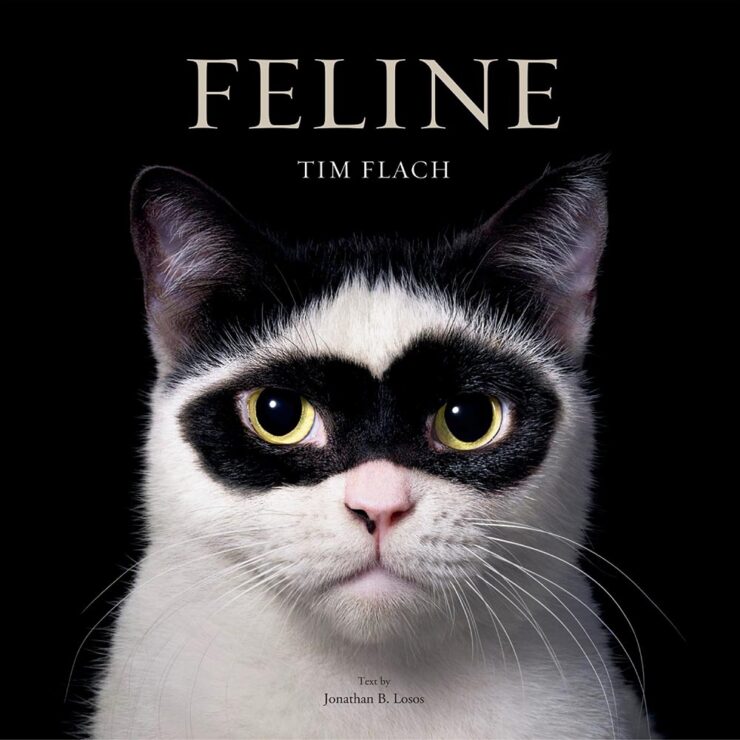
A “whimsical visual survey of the house cat in art and popular culture, exploring humanity’s enduring connection to one of our most loved animal companions.” Awesome. (Via This is Colossal.)
Have a great February, everyone!
1
I, too, remember those days of a small Internet — not a young person anymore. While I miss the community it felt like, the resources available today, of which Wiki might be at the fore, are without parallel. ↩︎
This month, the usual fontastic newness and photographic excellence. and I veer into nostalgia — maybe, perhaps, soapboxing — for the web’s “old days.” Also, for those in the U.S., I hope you had a wonderful Thanksgiving holiday. Pack up your leftovers and settle in.
University Press Coverage on Spine
This month’s column has some good stuff — On Gaslighting has been a favorite for a minute, and Post-Weird is pretty much guaranteed to make an appearance in January — but I thought I’d give the first of two shout-outs to the University of Georgia:
In their annual feature (previously), CreativeBoom lists fifty fonts that “will be popular with designers in 2025.” Most are paid, a few are free, and several are awesome.
It’s sometimes hard to see — yes, a new website is on the radar — but there are links in the captions if you’re interested. (Just to the website; I don’t do affiliate links, full stop.)
A “playful experiment” that is, in fact, quite a bit more.
In addition to the “Mock Tutor” long-s character (optional), it’ll even (temporarily) change your spelling to proper English, none of this American stuff. Oh, and it looks properly auld school. Free for personal use, with licensing for professional use.
A detail of the advertisement in the print edition (!) of The Onion.
The Onion is the world’s leading news publication, offering highly acclaimed, universally revered coverage of breaking national, international, and local news events. Rising from its humble beginnings as a print newspaper in 1756, The Onion now enjoys a daily readership of 4.3 trillion and has grown into the single most powerful and influential organization in human history.
— About Us page, theonion.com
“It is an incredibly competitive market for Creative Software. Adobe knows the best way to stay relevant in a space with so many options is to provide their customers with incremental adjustments and AI-powered conveniences to improve their birthday invitations on a monthly basis, all at a fluctuating yearly price point,” The Oniontells PetaPixel in an email. “This is the kind of ingenuity and integrity we are proud to advertise in America’s Finest News Source.”
Meanwhile, Pixel Envy points us to a post by Nakita Prokopov — no, I’ve never heard of him either — with an incredibly salient point: that software has gone from something we need … to something that needs us.
The company needs to announce a new feature and makes a popup window about it. Read this again: The company. Needs. It’s not even about the user. Never has been.
Both of those are worth a read — but it’s the notation after the quote that makes the Pixel Envy post special: mention of Photoshop’s “Quiet Mode.”
Wait. What?
That’s right: Adobe actually recognizes that it’s gone so overboard with it’s notifications, blue dots, pop-ups, and helpful “feature introductions” that it’s invented a preference setting to reduce — not eliminate, ’cause — interruptions to your workflow.
Now all they need to do is bring it to InDesign, Lightroom, Illustrator, ….
Cracker Barrel: falsehoods, cheesy falsehoods, and statistics
CreativeBoom usually works for me: more content than not, if you know what I mean. (The article on typography and Penguin linked above, for instance.) Alas, their recent article on Cracker Barrel — “The Cracker Barrel rebrand: a $100M masterclass in brand value” — so widely missed the mark that it’s shameful.
All because the author is speaking to a fixed narrative instead of the facts.
“When Cracker Barrel’s shiny new look caused its stock to drop by almost $200 million, the internet laughed. But buried in the chaos was a golden lesson: what happens when you forget that brand isn’t just visuals—it’s value, emotion, and culture, all rolled into one,” writes Cat How, a founder and executive creative director of How&How branding agency and, apparently, her real name. (“A former journalist and design critic, she leads climate and mentorship initiatives including GetSet and GetEven, and […] an Ambassador for UN Women,” her bio reads.)
The thing is: her journalism is at issue here. But what gives me, basically a nobody, the right to say that? Well, thank Brand New.
That website is subscription, so I’ll have to summarize their brief post. No, to heck with that, I’ll quote it in its entirety:
Cyabra, which offers an AI platform that shields companies and governments by uncovering fake profiles, harmful narratives, GenAI content, deepfakes, and other digital misinformation, analyzed the Cracker Barrel backlash and found that 21% of profiles discussing its logo change were fake accounts orchestrating a coordinated disinformation campaign that, in turn, triggered thousands of direct engagements from real profiles, which is when things start to snowball. This, apparently, is a full-fledged business known as Rage Farms, deploying bots to purposely harm brands.
— Armin Vit, Brand New
Those twenty-one percent of profiles discussing Cracker Barrel’s logo change were identified “as fake accounts orchestrating a coordinated disinformation campaign, whose […] content reached over 4.4 million potential views and thousands of authentic profiles’ engagements, [and that] manufactured outrage correlated with a 10.5% stock price drop,” and, viola, $100M in market value, Cyabra writes.
“Disinformation-as-a-Service” has become a profitable, global criminal enterprise: low-cost, high-impact bot networks hired to attack and destroy businesses and individuals … like you. And the social media platforms that could stop them won’t, because chaos is profitable. Propelled by AI, these strikes are targeting brands big and small. And the financial consequences are real — sliding stock prices, damaged brand equity, ruined careers.
— Mark Schaefer, businessgrow.com
That second quote, a follow-up to Cyabra’s post, is worth reading.
Now, to be clear: without complete information, Cat How’s post at CreativeBoom seems legit. But with that information, published almost a week before, it’s exactly what those fake profiles were after: justifying something when it shouldn’t be — and damaging reputations, including Cat How’s.
“One wonders how often this occurs,” he said … without a trace of snark.
Special Bonus #2:Investigating a Possible Scammer in Journalism’s AI Era. “This is likely not the first story you have read about a freelancer managing to land bylines in prestigious publications thanks to dependency on A.I. tools,” Pixel Envy‘s Nick Heer writes, “but it is one told very well.”
Special Bonus #3: Things do not necessarily need to be an outright fake to contribute to the problem. Many of you might have seen this image:
Accomplished, complicated, and … not quite what it seems.
PetaPixelspeaks glowingly of the process, the coordination, and laps up the marketing. But: it’s a composite. Interesting parts made with a good deal of effort — but made into something implied to be awesome when, in fact, it’s Photoshop.
I must be getting old, part two: those were the days
Elizabeth Spiers, “Requiem for Early Blogging”:
The growth of social media in particular has wiped out a particular kind of blogging that I sometimes miss: a text-based dialogue between bloggers that required more thought and care than dashing off 180 or 240 characters and calling it a day. In order to participate in the dialogue, you had to invest some effort in what media professionals now call “building an audience” and you couldn’t do that simply by shitposting or responding in facile ways to real arguments.
There’s a part of me that hopes that the most toxic social media platforms will quietly implode because they’re not conducive to it, but that is wishcasting; as long as there are capitalist incentives behind them, they probably won’t. I still look for people with early blogger energy, though — people willing to make an effort to understand the world and engage in a way that isn’t a performance, or trolling, or outright grifting. Enough of them, collectively, can be agents of change.
— Elizabeth Spiers
A progressive columnist, Spiers makes the argument that it is possible to work against the rage that so dominates at the moment; if you’ve not heard of her, she says, “Whether I like it or not, the first line of my obituary will probably be that I was the founding editor of Gawker.com.”
As a reminder, I don’t participate in social media. What I have to say is said here, on the record, under my own name, with all the consequences that entails. (Especially this month.) I’m old school enough — I’ve been blogging since the ’90s — to expectwant any responses to be posted in a similar venue: a conversation between people rather than a fight between usernames.
Special Bonus #4: Doc Searls, old school emeritus, suggests that it is, in fact, appropriate to capitalize: Internet and Web, even if there’s a “the” involved. On the other hand, Dave Winer, arguably the most emeritus of the old school, doesn’t. Section 7.85 of the Chicago Manual of Style says no — but Doc’s argument is a strong one.
While we’re on the subject of social media…
Short-form video platforms such as TikTok, Instagram Reels, and YouTube Shorts are now a major part of daily life for many people. Our synthesis of 71 studies revealed that greater engagement with these platforms is associated with poorer cognitive and mental health in both youths and adults.
The research clearly shows the stress-reducing properties of viewing original art and its ability to simultaneously excite, engage and arouse us. Stress hormones and inflammatory markers […] are linked to a wide range of health problems, from heart disease and diabetes to anxiety and depression. The fact that viewing original art lowered these markers suggests that cultural experiences may play a real role in protecting both mind and body.
— Dr Tony Woods, researcher, King’s College London
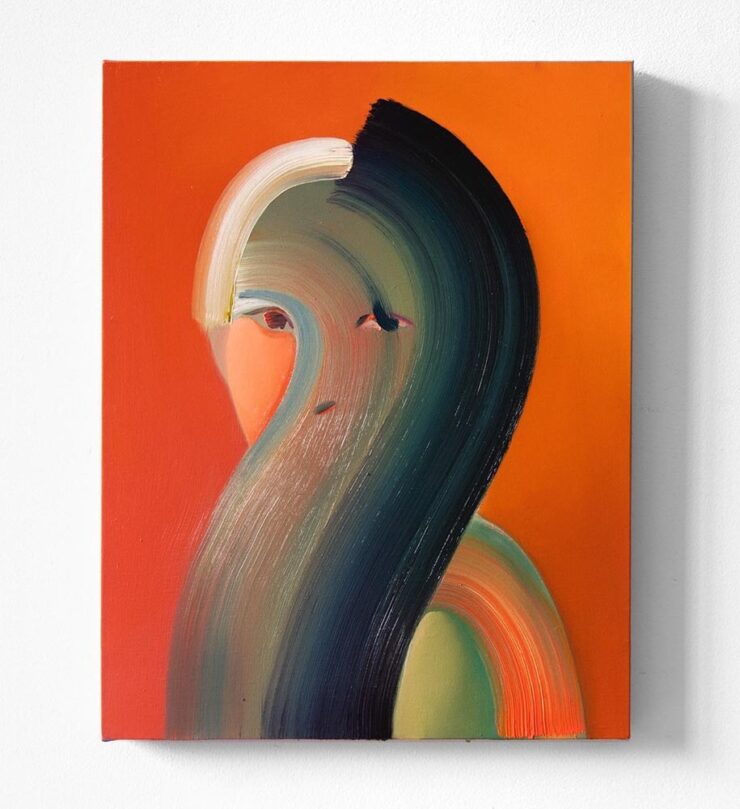
“It’s always a good time to look at art,” Kottke writes, pointing to Korean artist Lee Hyun-Joung’s work, Poetic Texture:
Special Bonus #5: I would argue that the average reader of this blog would suggest books, too; check out LitHub‘s interviews with National Book Awards Finalists for some worthwhile titles.
November’s photography round-up
UGA: Historic Rural Churches
For a while, I had it on my list to do a photographic tour of rural and abandoned churches across Georgia. There are a ton, and some of them are quite photogenic.
This one in Talbotton,1I took the opportunity to remaster these photographs to both correct an unnoticed error and for better consistency between the photographs taken in 2022 and those in 2025. for instance:
Historic Zion Episcopal Church, Circa 1848, Talbotton, GeorgiaZion Episcopal Church (Detail #3), Talbotton, Georgia
Alas, that project faded in importance, partially because I learned of the first volume of … you guessed it, Historic Rural Churches of Georgia, from UGA Press.
Now there’s a second volume — and a bundle — available. Check ’em out.
Oregon’s Trail of Tears, photographed
While we’re on the subject of interesting photography projects, this one is worth notice: retracing one of America’s (all-too-many) Trail of Tears:
Photography by Nolan Streitberger.
By any measure, photographer Nolan Streitberger has built a practice that bridges art, history, and the profoundly personal. His work, particularly his acclaimed project Oregon’s Trail of Tears, transforms beautiful photography into both historical document and dialogue, a means of reclaiming memory and giving voice to stories long overlooked.
— Kate Garibaldi, PetaPixel
Done manually, using a wet-plate, Eastman No. 33A large-format camera from 1935, he’s done something extraordinary. Take a moment and explore this great work.
Where George Orwell wrote 1984
Another large-format discovery:
Jura Stream, Scotland. Photograph by Craig Easton.
“Easton’s interior photographs of household items perfectly capture the simplicity of Orwell’s life[.] Collectively, they create an atmospheric vision of Orwell’s time on the island and the mood, desire and hope he experienced,” PetaPixel writes.
Table Still Life, Scotland. Photograph by Craig Easton.
Some great stuff to peruse — admittedly, most long-list than shortlist — in multiple categories of natural subjects at the website. The winners will be announced in January.
Farewell to Autumn. Photograph by Catherine Illsley.
The Royal Photographic Society Awards began 147 years ago — the world’s oldest — celebrating photography as an art form.
This shot, for instance, taken without a camera:
Full Moon, Hawthorn. Artwork by Susan Derges.
The RPS notes that Derges’ photographic work explores humanity’s relationship to the natural world, often by bringing natural phenomena to life in the photographic medium in new and exciting ways. For example, Derges has exposed the physical movement of rivers and oceans onto photosensitive materials at night using moonlight, carefully composing plants and other natural matter in front of photosensitive paper, and then exposing it to light, and exposing photosensitive materials to sound waves, letting the frequencies create the final prints.
— Jeremy Gray, PetaPixel
Plenty of other deserving artists, as well, but they use cameras:
Artic Heroes, Ittoqqortoomiit Storm. Photograph by Ragnar Axelsson.
No, you read that right: the first winners of next year, from the North American Nature Photography Association:
Cormorant Diving. Photograph by Kevin Lohman.
Most of these contain detail best seen at larger sizes. (See the website.) Well, okay, except maybe this one, which is cute at any size:
Fox Kit with Helper. Photograph by Marcia Walters.
Thank you for visiting
That’s it from here for November. I still owe you coverage of AIGA’s 50 Books | 50 Covers (update:posted); weather permitting, there will be a new photography gallery mid-month; there will, of course, another Beautifully Briefed at the turn of 2026; and, don’t forget my annual Favorite Book Covers post mid-January. Please have a happy and healthy holiday season.
1
I took the opportunity to remaster these photographs to both correct an unnoticed error and for better consistency between the photographs taken in 2022 and those in 2025. ↩︎
In this episode, design whims and wins, fontastic links, a Toyota Century, and the monthly round-up of great photography bracket some thoughts on — what else? — AI, especially as it relates to art. Grab a beverage, brush, or a comfy chair, and let’s dig in.
This Month’s Spine
New York University Press. Cover design by Devon Manney, art director, Rachel Perkins.
One could argue that this cover — and title — could work well even if the word “climate” was removed. See the whole list of University Press goodness.
And check back for a special, mid-month post in honor of University Press week, Nov. 10–14.
Good Movies as Old Books, Revisited
Let’s start with something great: Steven Heller highlights the “talent and imagination” of Matt Stevens (previously) as the paperback version of his book, Good Movies as Old Books, becomes available.
Cover design by Matt Stevens.Cover design by Matt Stevens.
“My goal with the style was to try new things and create interesting combinations. Oftentimes, I was trying to do something that had not been done for a particular film,” Stevens says. Short and fun, the PRINT interview is worth a few minutes of your time.
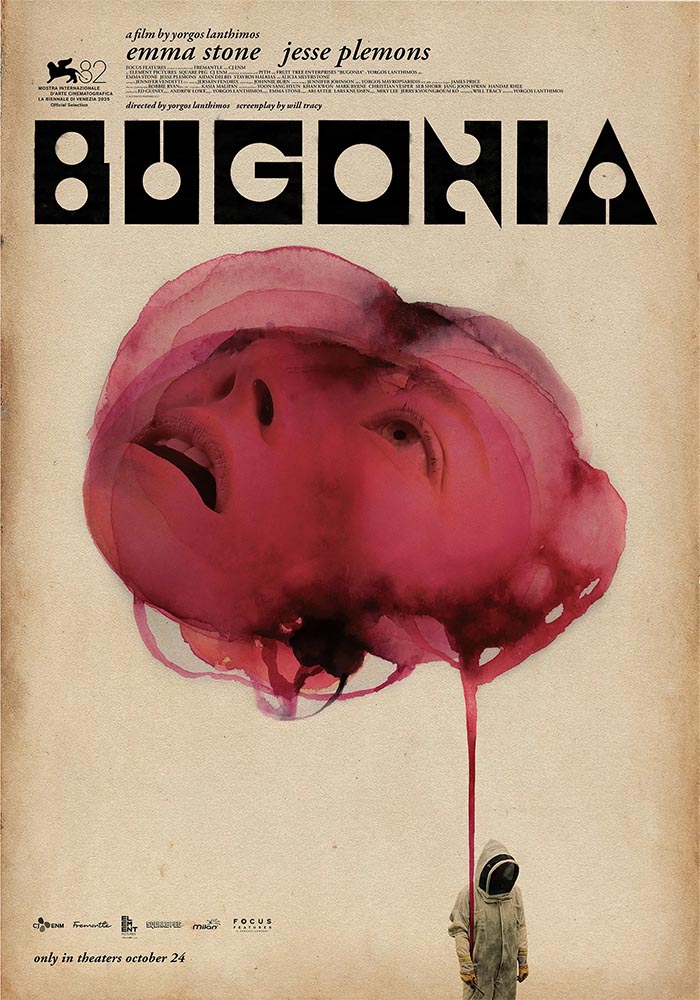
While we’re on the subject of movies, let’s slip closer to … well, what passes for reality these days: items “steeped in human anxieties and fever dreams.” It’s Nice That highlights poster and title design for films by Greek artist Vasilis Marmatakis.
Design by Vasilis Marmatakis.
With design, much like life itself, Vasilis says that his posters are his honest reactions to the films. The same approach runs like a red thread throughout his work, each poster leaning a little too heavily into one of the film’s themes. […] In Bugonia, Vasilis consciously restricts superfluous elements and allows the frames to breathe.
— Arman Kahn, It’s Nice That
Design by Vasilis Marmatakis.
Even the font — and how it’s used — is interesting: the freely-available Churchward Roundsquare, customized with brush and ink. That and much more is discussed in this great article.
New Vintage Classics Series
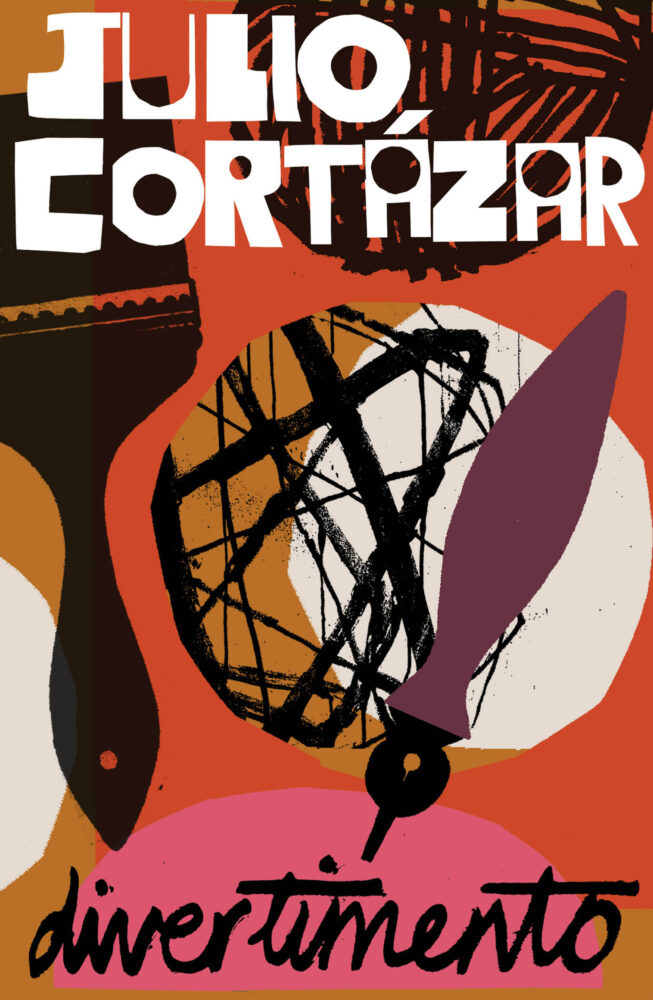
It’s unusual not to relish a new set of reissues from Vintage, and the new editions of Julio Cortázar are no exception:
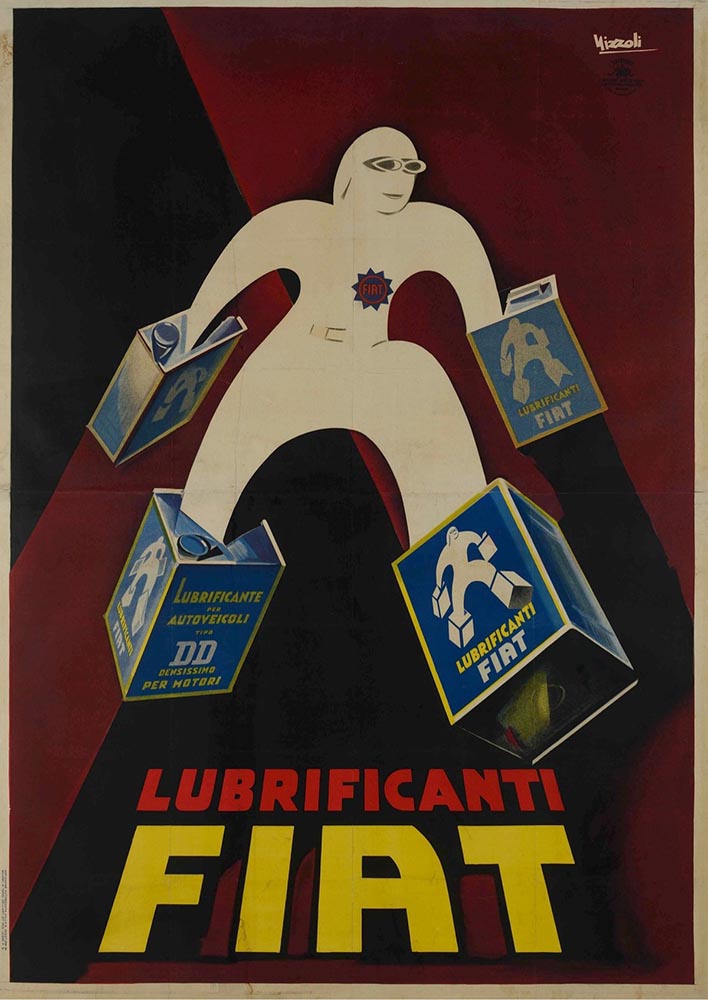
Also via Kottke are these posters, which evoke a certain … something:
In a fascist movement inspired by art, how does the fascist government influence the artists living in its grasp? This exhibition explores how Benito Mussolini’s government created a broad-reaching culture that grew with and into the Futurist movement to claw into advertising, propaganda, and the very heart of the nation he commanded.
The exhibit features “some of the best posters produced during the worst period in modern Italian history.” See more.
Special Bonus #2: While we’re perusing the poster department, Archinect‘s ongoing lecture series (previously) has another winner:
Fontastic Fall
New for October
CreativeBoom‘s monthly roundup is out, and while Grundtvig is retrotastic and the three-axis variable Pranzo is accompanied by some great illustrations, it’s Jovie that I’d love to use in print project:
“Jovie’s character emerges through its soft-serif approach, which tempers traditional serif authority with contemporary approachability. Playful italics, expressive alternates, swashes, and ligatures provide designers with a rich typographic palette, whilst maintaining coherent family relationships across all variations,” they note. (Another variable-width item, too.) Great stuff.
Custom Type is Everywhere, It Seems
Meanwhile, custom type for branding is becoming the norm. In another article, CreativeBoom explains why: “Bespoke letterforms are no longer a “nice-to-have” and they are increasingly seen as a strategic necessity[.] Type has become the glue that holds their voice together,” they write.
Those letters are your brand’s voice. They do the heavy lifting, they carry personality, and they create instant recognition – sometimes without the need for any other distinctive assets. […] Typography is everywhere in a brand system – packaging, products, campaigns, interfaces. When you build your own, you’re not at the mercy of someone else’s design choices, and you get a voice that’s tuned to your values, your audiences, and your long-term ambitions.
Elizabeth Goodspeed (previously) agrees, mostly. “For most of the 20th century, branding treated typography as background, not backbone,” she writes. But now, brands are recognizing that, “[a]s a primary container for meaning, typography inevitably carries an enormous share of that emotional load.”
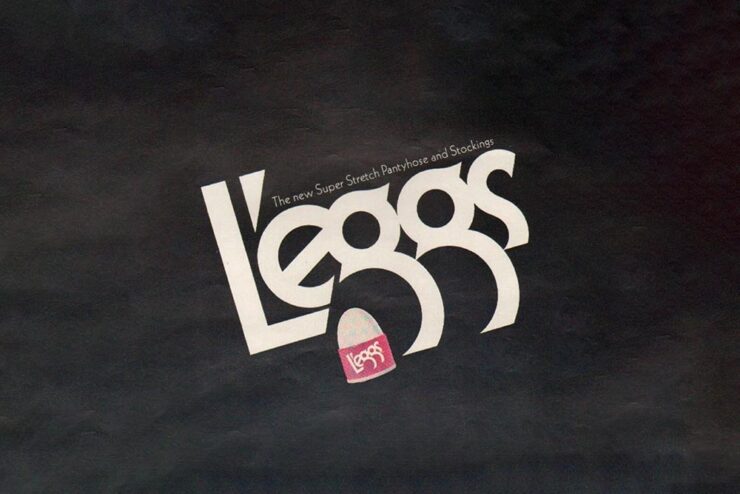
An exception to the rule: a type gem — with legs! — from 1971.
But, she cautions, “[s]peed also feeds a kind of conceptual shallowness. With so many studios drawing type, the market has been flooded with fonts that solve narrow visual problems but can’t stand up to long-term use. Too often, new brand fonts cling to a single gimmick while leaving the structure of the letters untouched.”
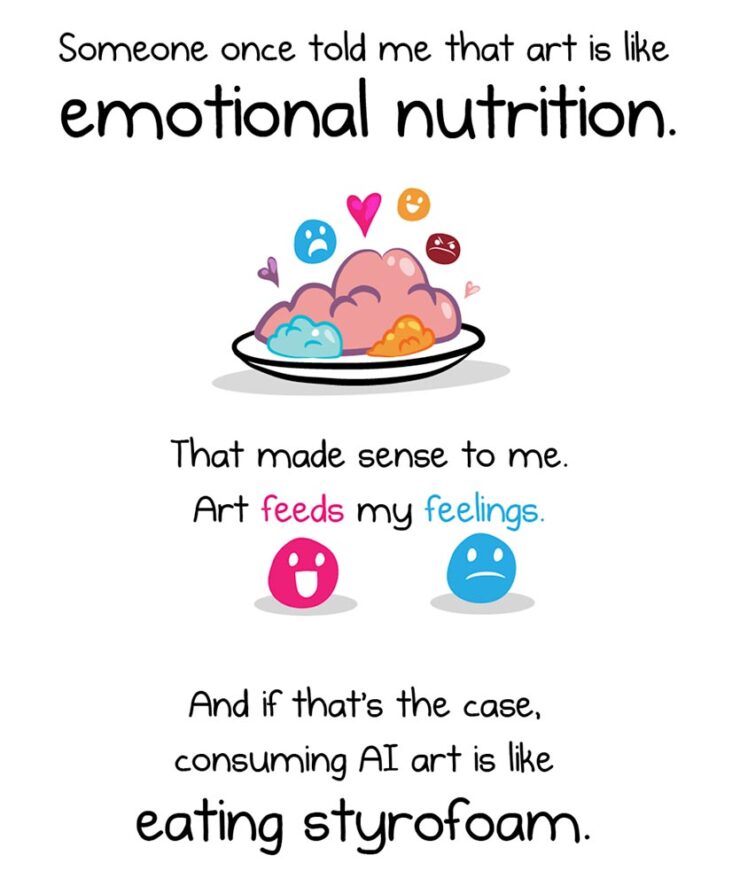
The Oatmeal, penned by Matthew Inman, has some thoughts on AI.
The new-to-me FlowingData — via Kottke’s rolodex feature — first pointed me to this piece, and it’s gotten a ton of press. In summary, Inman suggests that AI art causes a certain discomfort; that, perhaps, AI art even deserves air quotes around the word art because it’s somehow less than “actual” art.
Indeed, much of that press has been approving: a pile-on of people (not that such things happen on the internet) saying, “yes, AI art deserves those air quotes. It is less.”
One of my favorite reactions was from Nick Heer:
A good question to ask when looking at an artwork is “who made this?”, and learning more about what motivated them and what influences they had. This is a vast opportunity for learning about art of all mediums, and it even applies to commercial projects. Sometimes I look up the portfolios of photographers I find on stock image sites; their non-stock work is often interesting and different. There is potential for asking both questions of A.I.-assisted works in the hands of interesting artists. But it is too often a tool used to circumvent the process entirely, producing work that has nothing to offer beyond its technical accomplishment.
— Nick Heer, Pixel Envy
“Who made this?” is the right question — to start. But let’s take that a step further.
John Gruber, at Daring Fireball, quotes the piece: “[When] I find out that it’s AI art[,] I feel deflated, grossed out, and maybe a little bit bored. This feeling isn’t a choice.” Then says that he fundamentally disagrees with that premise:
I think it very much is a choice. If your opinion about a work of art changes after you find out which tools were used to make it, or who the artist is or what they’ve done, you’re no longer judging the art. You’re making a choice not to form your opinion based on the work itself, but rather on something else. […] Stanley Kubrick said, “The test of a work of art is, in the end, our affection for it, not our ability to explain why it is good.” If an image, a song, a poem, or video evokes affection in your heart, and then that affection dissipates when you learn what tools were used to create it, that’s not a test of the work of art itself. To me it’s no different than losing affection for a movie only upon learning that special effects were created digitally, not practically. Or whether a movie — or a photograph — was shot using a digital camera or on film. Or whether a novel was written using a computer or with pen and paper.
— John Gruber, Daring Fireball
“Good art is being made with AI tools, though, and more — much more — is coming,” he says. Over the next few days, he cited some examples, including David Hockney’s art made with a Xerox machine, and then this:
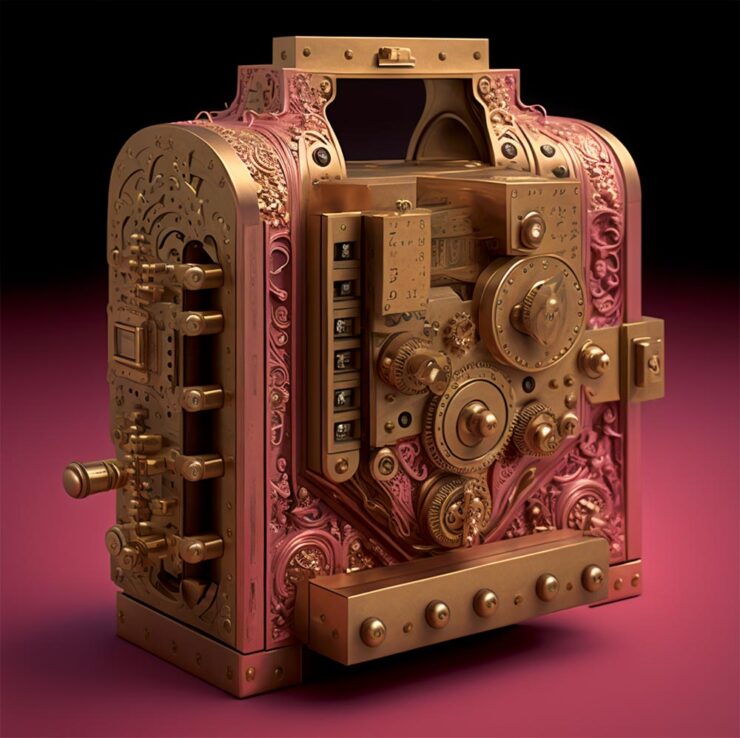
Jonathan Hoefler’s ongoing series, called Apocryphal Inventions.
The objects in the Apocryphal Inventions series are technical chimeras, intentional misdirections coaxed from the generative AI platform Midjourney. Instead of iterating on the system’s early drafts to create ever more accurate renderings of real-world objects, creator Jonathan Hoefler subverted the system to refine and intensify its most intriguing misunderstandings, pushing the software to create beguiling, aestheticized nonsense. Some images have been retouched to make them more plausible; others have been left intact, appearing exactly as generated by the software. The accompanying descriptions, written by the author, offer fictitious backstories rooted in historical fact, which suggest how each of these inventions might have come to be.
These images represent some of AI’s most intriguing answers to confounding questions — an inversion of the more urgent debate, in which it is humanity that must confront the difficult and existential questions posed by artificial intelligence.
“This is art,” Gruber says, with no other text. I don’t think any other is needed.
On a Related Note
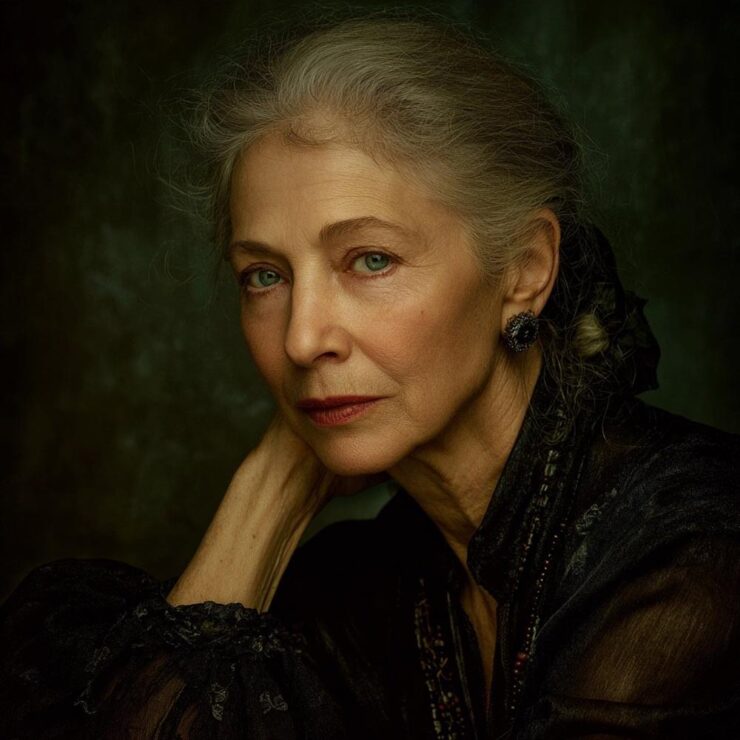
This is AI.
“The top 200 photographers requested by Midjourney users have been exclusively revealed to PetaPixel — and it’s a world-famous, still active photographer that tops the list.” I bet you can guess who that is.
This is, in fact, the majority of what Inman was thinking — or at least, feeling — when he drew out an argument on why AI art can be such a let-down, both intellectually and emotionally. The above “photograph” is both awesome and hugely disappointing at the same time.
Further Reading
I’m not qualified to speak with any authority on the state or potential future of AI, AGI (artificial general intelligence), or the continuing convergence of AI with … well, all the things. I will say that, to me, there’s a palpable sense of bubble going on; whether financial, material, or resource requirements, it feels like something is going to need to give fairly soon.
Below are several articles on the intersection of AI with life, culture, or art that I found valuable. If you can set aside a few minutes, the information provided could be helpful in the quest to stay informed:
Side Note: I’ve dropped the punctuation in “AI.” Not unlike capitalizing “Internet,” I think we’ve crossed that bridge.
Special Bonus #3: AI apparently overuses em dashes, something that has, frankly, caused me to use them less. Which is a good thing — I overuse them. But then, I am a professional. [That’s only funny if you’ve read the link. —Ed.]
The Century Coupé Concept
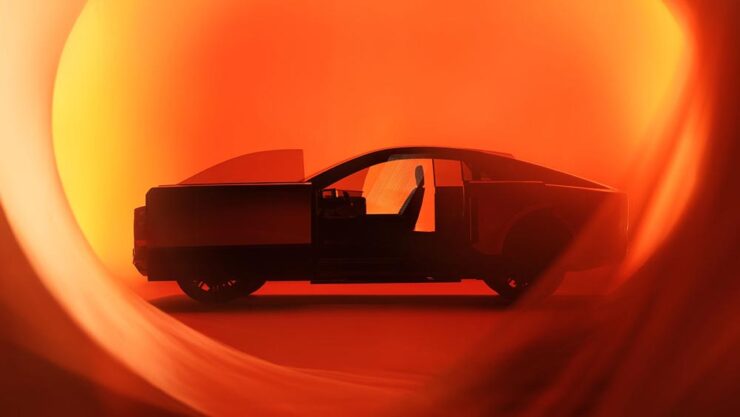
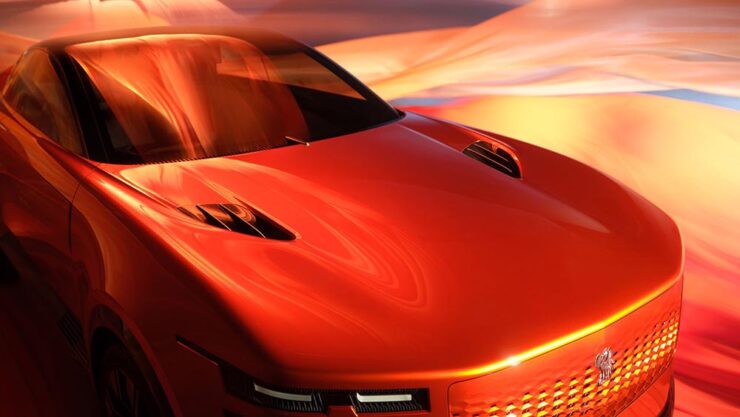
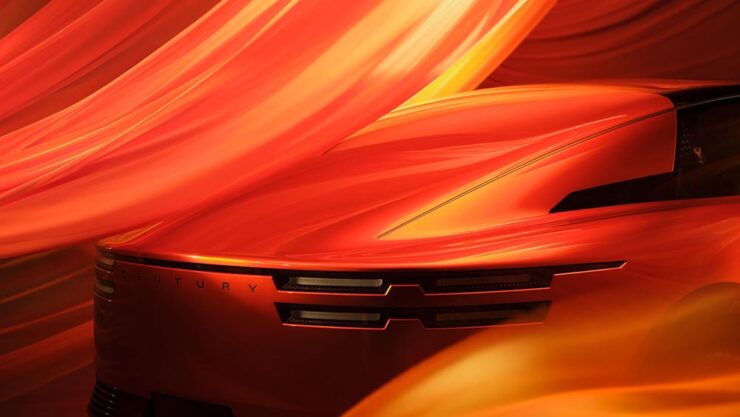
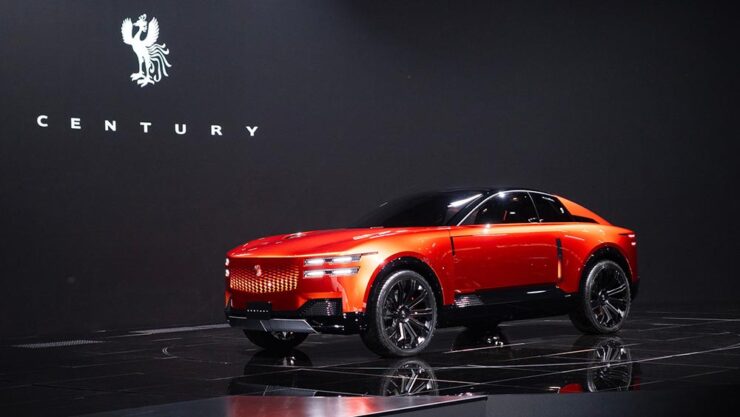
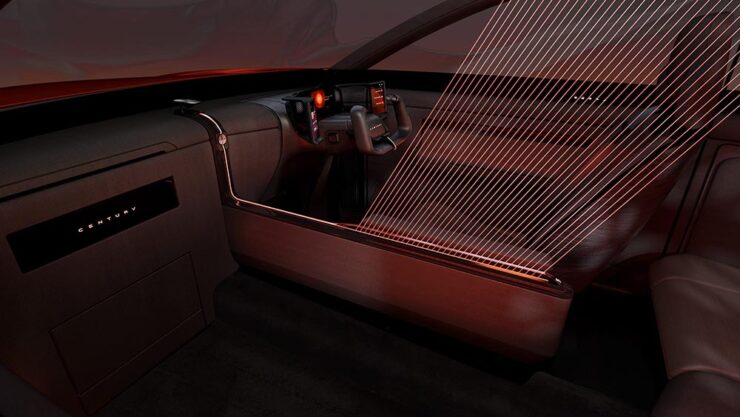
Toyota (the company) has reorganized: there are now three levels. There’s Toyota (the car line), for the mass market; Lexus, Japan’s first answer to BMW et al from the late ’80s and also very much mass market (if targeted differently); and now, to compete in the ultra-high-end market, Century:
Long hood, imposing “grille” — trend, recycling, or cliché, depending on outlook.The no-rear-window thing continues to grow in popularity. (For “cocooning.”) Hmph.
Powertrain is yet to be determined; the rumors suggest it’ll be available both with a combustion engine (possibly a V12) and electric drive. In the case of the latter, owners will, of course, be able to send their driver off to get the thing charged while they lunch or plot takeovers — no range anxiety here.
Century’s logo is a phoenix.
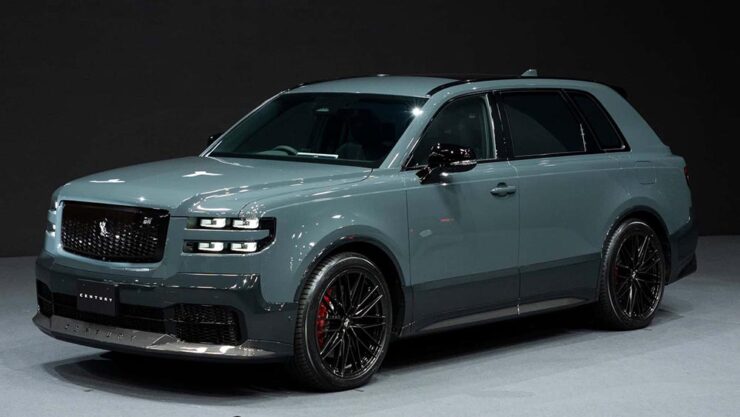
Car geeks will know that Toyota’s Century sedan model has been around forever. It’s always been badged as a Toyota, and is aimed at Japanese executives and members of state (and will, in fact, still be produced). It was joined a few years ago by a SUV that bears more than a passing resemblance to a Rolls-Royce Cullinan. Both existing Century models available only in Japan and China.
The 2025 Century SUV. That D-pillar absolutely “borrows” from the Cullinan.
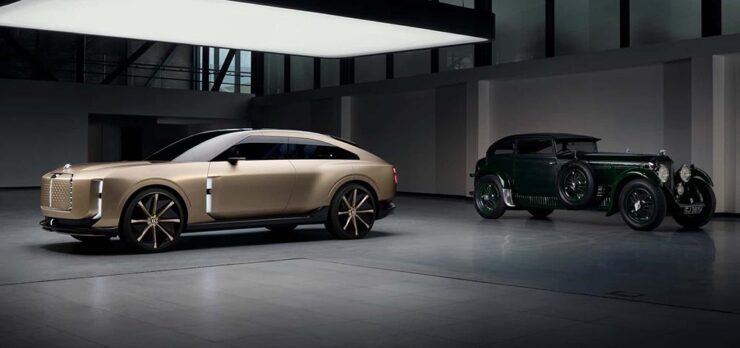
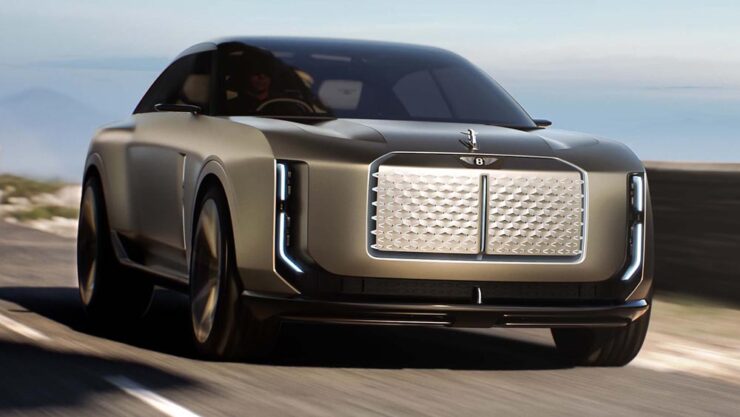
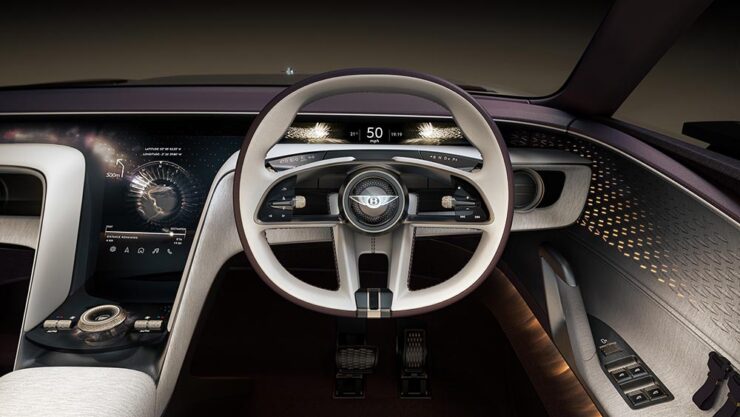
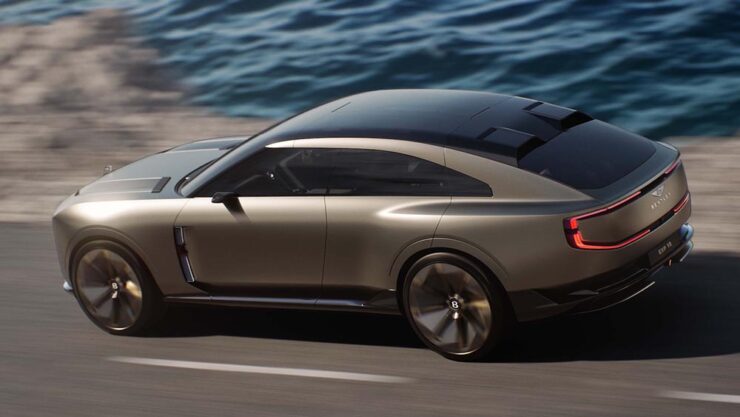
Toyota has decided to make those three models into a new brand that’s just called, “Century.” It’s going to be set up with exclusive dealers, eventually be available worldwide, and compete with Bentley’s new EXP 15 (previously) and Rolls-Royce’s … everything.
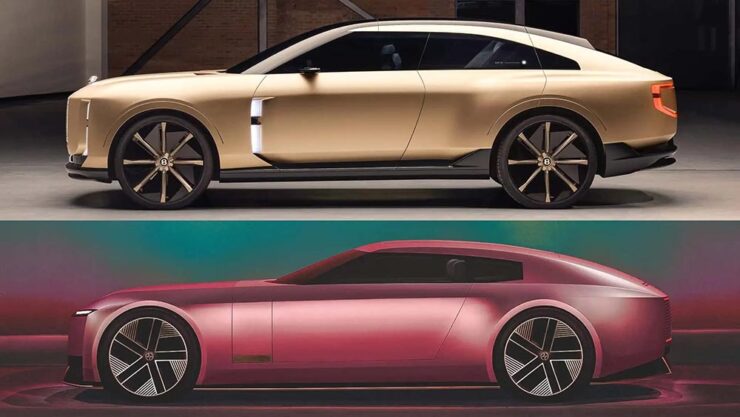
And, of course, Jaguar. The elephant in the room get a mention here because it’s looking more and more like JLR made the right call in targeting one-percenters with out-there, vaguely coupe-like designs. Because if the Century SUV resembles a Cullinan, the new coupé concept looks like a cross between the Jaguar Type 00 concept and said Bentley:
The Bentley EXP15, top, with the Jaguar Type 00, bottom.
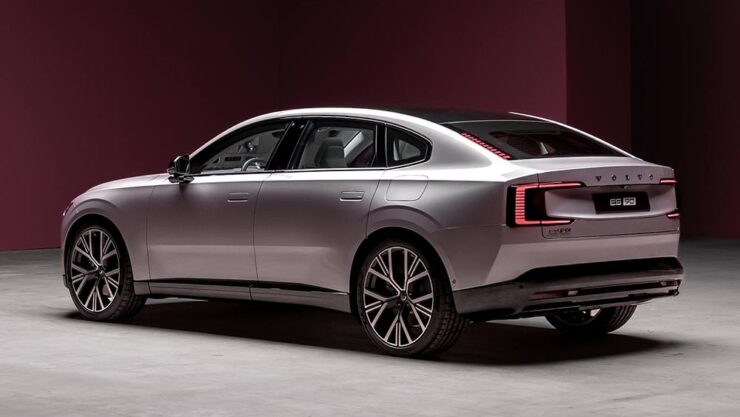
Very much unlike the Jag, which is low and could possibly be described as “sleek,” the Toyota has a higher stance; a coupé/sedan and SUV mix seems to be a new answer to the so-called “death of the sedan.” Volvo’s ES 90 might also apply here.
Bear in mind that I’m not talking about the coupé-style SUVs (BMW’s X6, for instance), which are a different animal — at least for now. It’s possible the whole class of “coupe-like things” might converge in the not-too-distant future.
That being said, a member of that new class of vehicle being aimed at the chauffeur-driven market is new.
The glass divider is to allow the chauffeured their privacy.
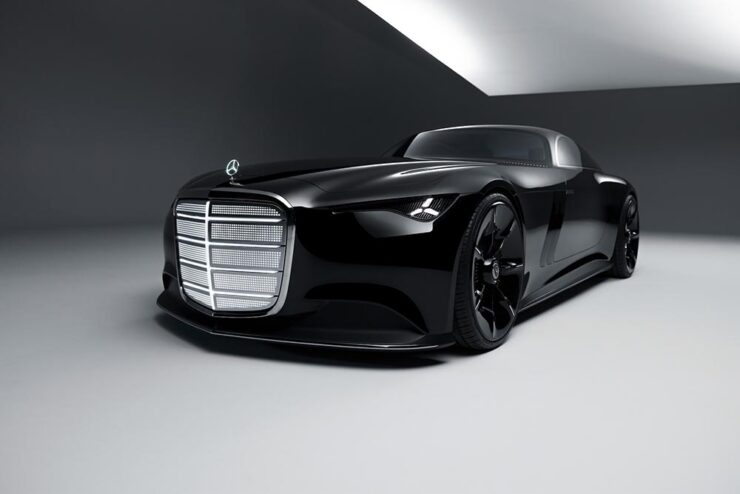
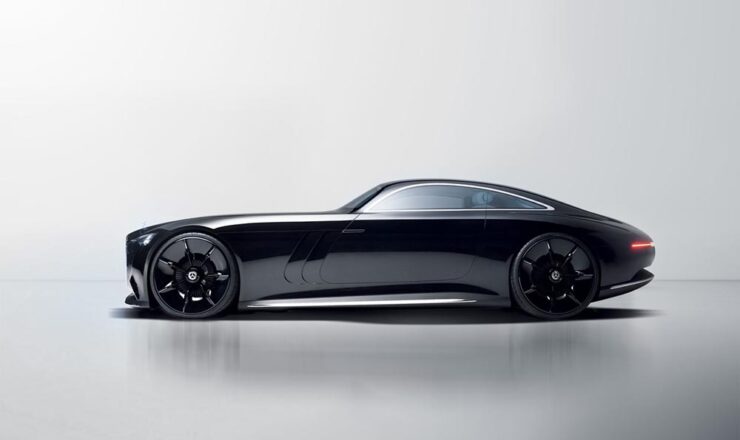
One more item: The old-school isn’t going quietly.
Did someone mention grille? (Lit, naturally.)Leaving the hood long behind.
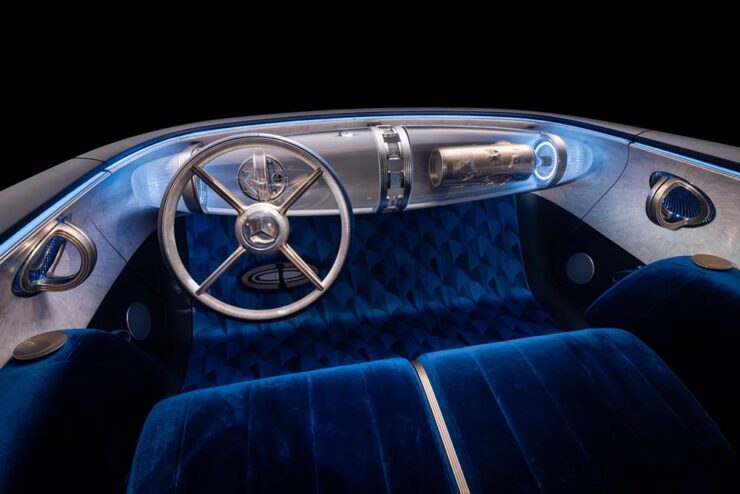
Mercedes is, arguably, the best (non-American manufacturer) at displaying “gangster” qualities. Oh, and check out the awesomely-retro interior:
Note the lack of screens amongst that vintage style. And yes, velour is “in.”
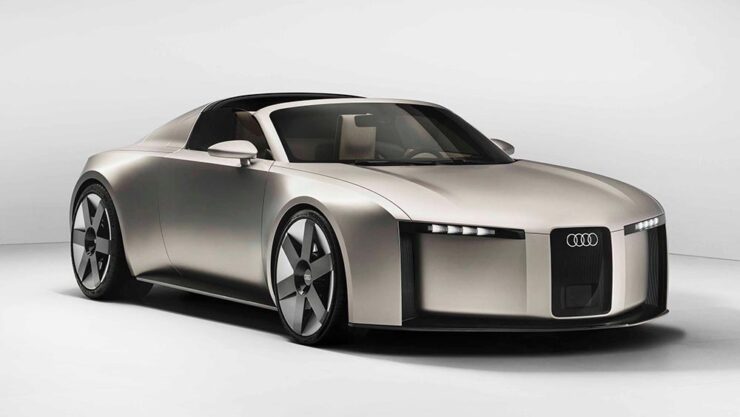
Special Bonus #4: Audi poached the Type 00’s designer. His first showing is the Concept C, Audi’s return to form, called “radical simplicity.” It’s a cross between their sports-driven R8 and designer-driver TT:
Love the wheels. The grille less so (there have been dictator comparisons), and the lack of rear window not at all.
October’s Photography Round-Up
2x Film
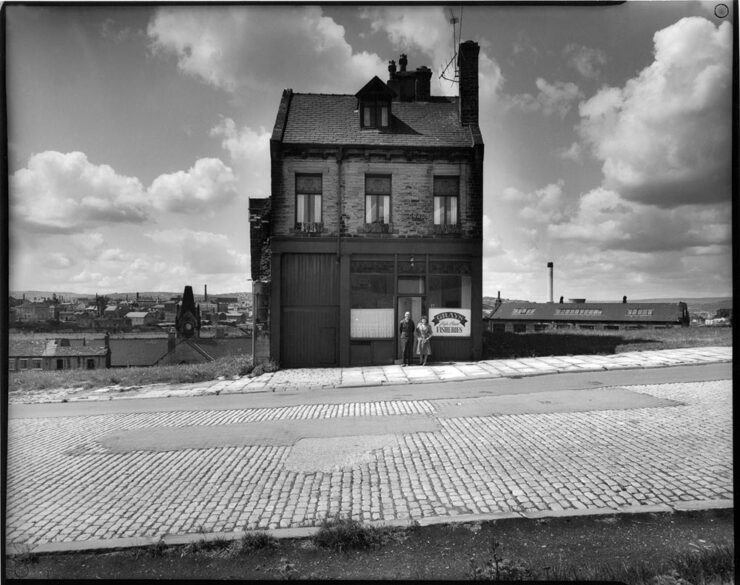
Grays Fisheries, Bradford (UK), left standing during inner city slum clearance. Photograph by Ian Beesley, 1977.
From an interesting and moving feature at MacFilos, “Capturing the decline of industries and communities with a Leica M6”:
At my recent career retrospective exhibition “Life” at Salt’s Mill, Saltaire (a world heritage centre near Bradford, West Yorkshire, England), a man came to talk to me. He said, “You won’t remember me, but I remember you. I worked in a camera shop in Bradford, and you were always coming in to buy rolls of black and white film. It makes me so proud to think that the film I sold you created some of these wonderful photographs.”
I take this as a great compliment and a very moving one. It is one of the reasons why I decided to donate my entire archive of negatives, prints, notebooks (over 200,000 items) to Bradford City Art Galleries and Museums. I am hanging on to my Leica M6 for a bit longer, but at some point, it will be re-united with all the negatives it created.
— Ian Beesley, MacFilos
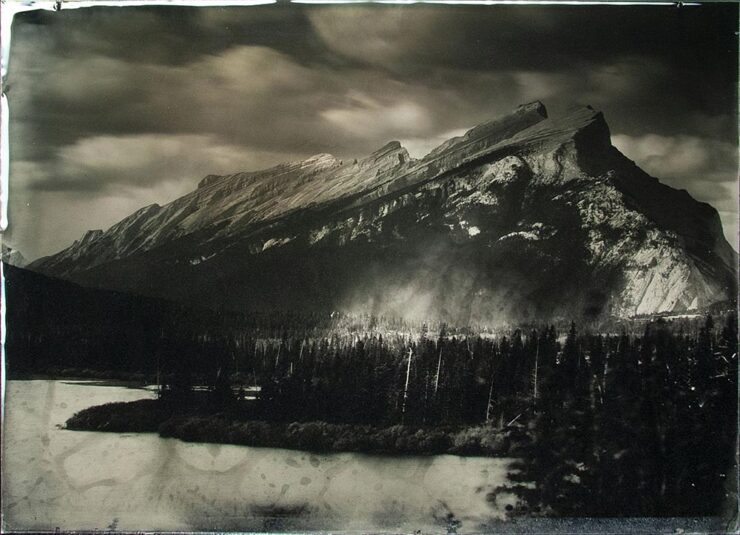
“Rocky Mountains On Wetplate Collodion,” Canada. Photograph by Bill Hao.
“The Analog Sparks 2025 International Film Photography Awards celebrate analog photography as a medium and elevate the best film photographers worldwide,” PetaPixel writes. Some excellent reminders that sometimes, the old ways are still the best ways.
Color and Pano
“Beholders No. 1.” Photograph by Li Sun.
“All About Photo Magazine unveiled the winners of its latest competition: Colors. The 25 prize-winning photographers demonstrate how powerful color can be in images, whether it’s vibrant, subtle, or minimal,” PetaPixel writes.
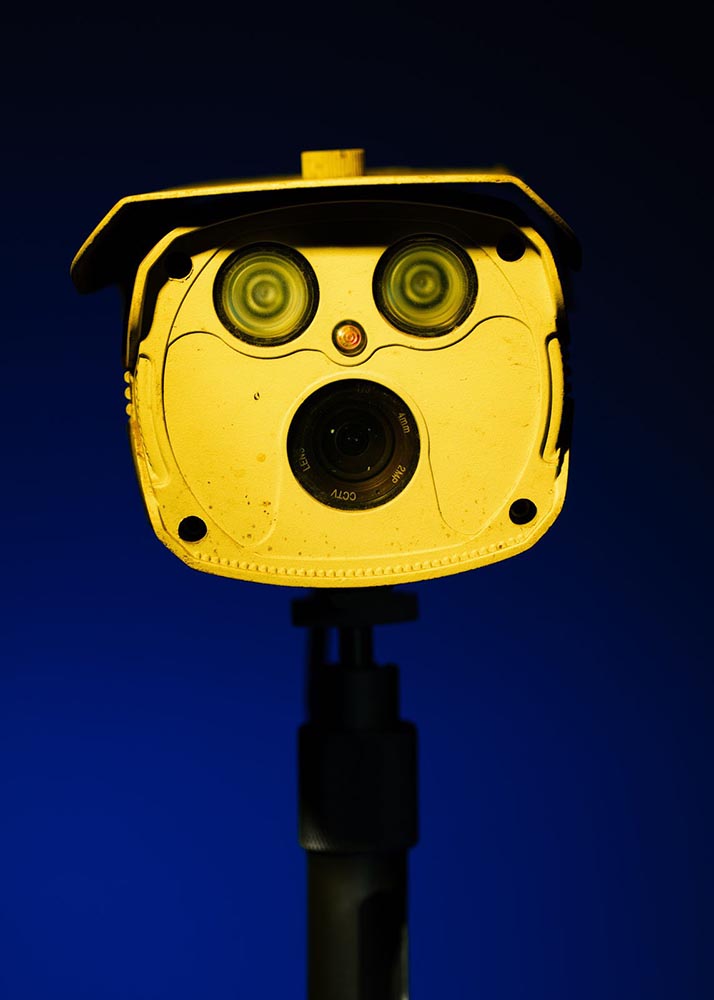
To be honest: at first, I thought this was a coin-operated binocular thing you see at attractions or overlooks, and laughed out loud. Alas, the laughter died away when I realized it was, in fact, CCTV — an overlook of an entirely different kind. I guess there’s a certain irony in the “face.”
The Mirror, Valencia, Spain. Photograph by Anto Camacho Villaneuva.
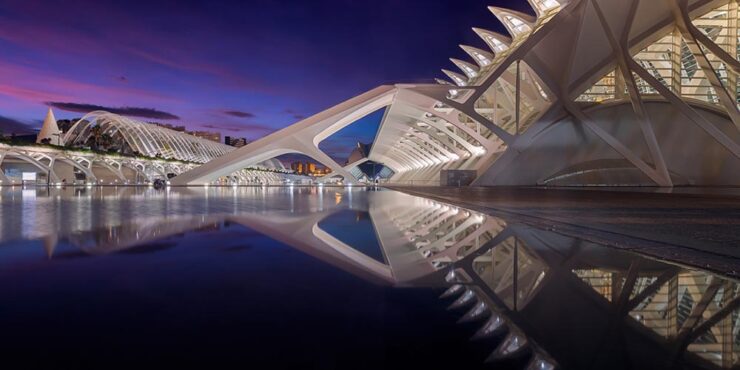
It is possible to recognize a Santiago Calatrava building immediately, with its soaring, often winged structures. (The World Trade Center Transportation Hub in New York springs to mind, for instance.) This panoramic photograph captures two of them — nice.
A press release from Epson, the contest’s sponsor, notes that this year there was a “prevalence of ultra-wide panoramas and increasingly innovative perspectives, including very low angles, very close-up subjects, and aerial photography,” including the above. PetaPixel has more.
Birds and Wildlife
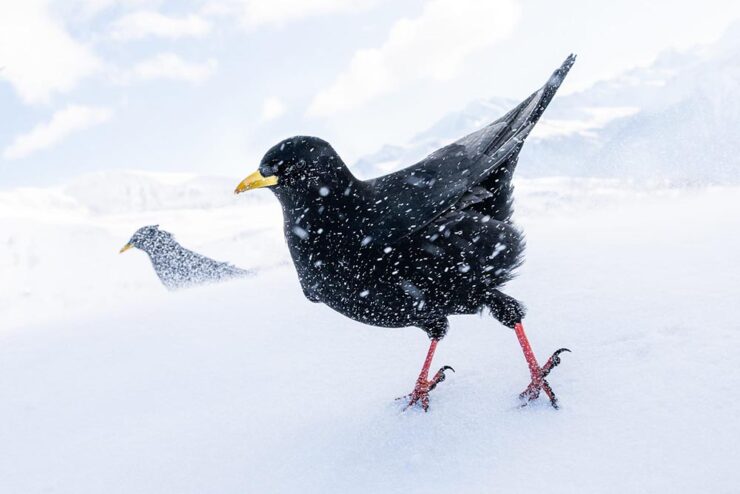
“Snowstorm,” Germany. Bronze Award, Best Portrait. Photograph by Luca Lorenz.
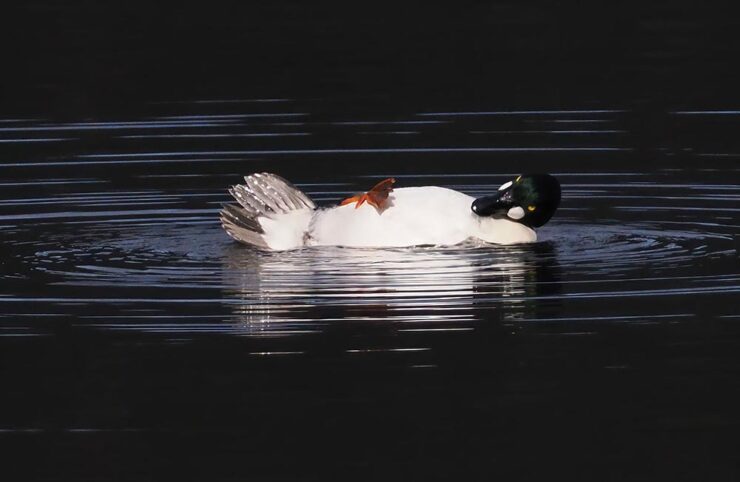
“The 2025 Bird Photographer of the Year gives a lesson in planning and patience,” This is Colossalwrites about this year’s contest winners (specifically, regarding the photo seen at the right in the header image) — but getting the cold shot, above, wasn’t an easy thing either. (See also: PetaPixel‘s plumagearticle.)
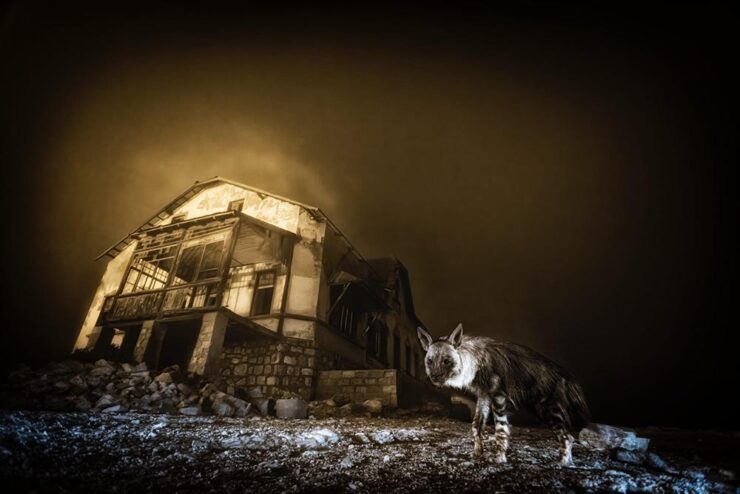
“Ghost Town Visitor,” Kolmanskop, Namibia. Winner, Urban Wildlife and Wildlife Photographer of the Year 2025. Photograph by Wim van den Heever.
From PetaPixel‘s coverage of the Wildlife Photographer of the Year 2025 contest: “Capturing the unusual intersection between nature and abandoned urban spaces, Wim’s photograph is a haunting yet captivating image of a brown hyena wandering through the skeletal remains of Kolmanskop, Namibia’s long-deserted diamond mining town. The shot was taken with a camera trap and is the result of a decade-long effort that began when Van den Heever first discovered the animal’s tracks at the site.” [Emphasis mine.] See This is Colossal‘s post, too.
Comedy and Dogs
To round out this month’s super-long post — thanks for bearing with me — something from the light-hearted department:
“It is tough being a duck.” Photograph by John Speirs.“Bad Hair Day!” Photograph by Christy Grinton.
The Nikon Comedy Wildlife Awards, 2025 edition, brings us 40 … um, moments. Awesome. PetaPixel has all the winners.
“Suppertime,” winner of the Open category. Photograph by Katie Brockman.
“Good Boys and Girls,” PetaPixel barks, regarding the 2025 Dog Photographer of the Year. (In the name of equal-opportunity pet celebration, I chose one that includes cats.)
Have a great Halloween. If you’re in the US, be sure to vote, Tuesday, Nov. 4th. And, don’t forget to check back for the special Spine post, Nov. 10th. Thank you!
It’s fontastic, illustrative, and full of imagery: your beginning-of-fall design round-up here on Foreword. (And A.I., because it’s everywhere.) Enjoy.
That was not a simple photograph to set up. Awesome.
Generative Book Cover Design
How 2 Shout Media presents a how-to: 20 cover design prompts for ChatGPT. “Creating the perfect book cover starts with the right vision — and that’s where ChatGPT transforms from a writing assistant into your creative design partner.” (Emphasis theirs.)
There are, for instance, specifics on “the anatomy of an effective prompt” and how to customize the provided templates; they even provide bonus templates to save and reuse, including one to quickly iterate on previous output.
The article contains some good advice, honestly, but the most relevant suggestion — to “[t]hink of ChatGPT as [a] creative director who provides vision and direction rather than final artwork” — is buried at the bottom of a fairly long page. I’m willing to get there are more than a few (especially in the self-publishing space) who read this as the definitive how-to . . . possibly without judging the output versus what a professional can create.
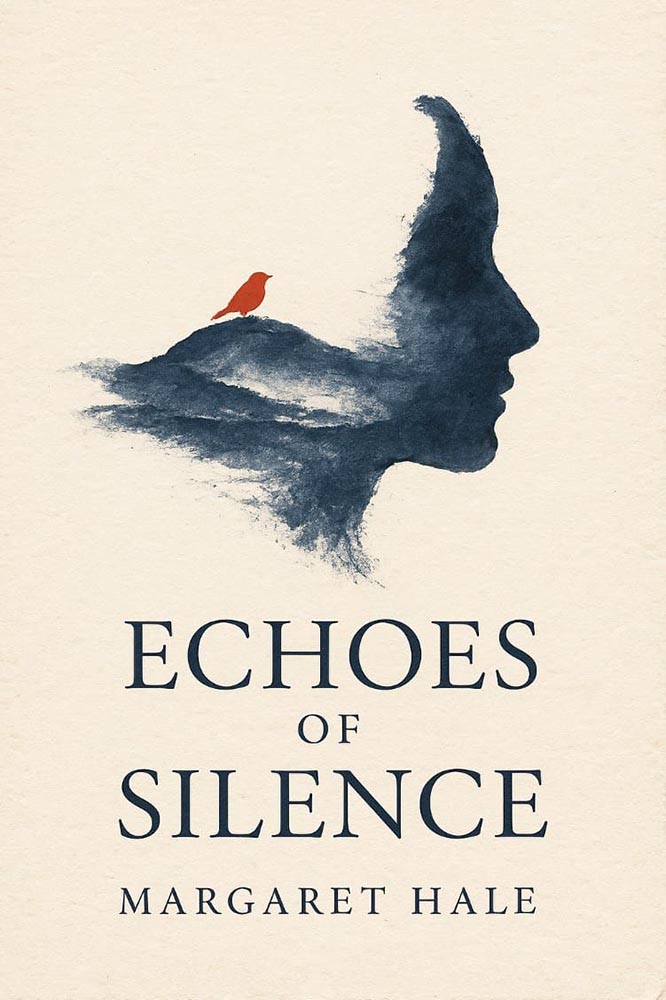
This cover sample is far and away the best of the eight illustrated options:
The prompt: “Design a literary fiction cover for ‘[Title]’ using a single continuous brushstroke that forms both an abstract landscape and a human profile when viewed differently—an optical illusion revealing loneliness and connection. Executed in indigo ink wash on cream paper texture. The brushstroke starts thick and confident, becoming increasingly fragmented and uncertain. Minimal color palette: indigo, cream, with one tiny spot of cadmium red as a focal point (perhaps a bird or flower). Title integrated into the negative space using a classic Garamond variant, appearing to be part of the original artwork. Author name in small, understated caps at bottom. Overall feeling: wistful, sophisticated, gallery-worthy.”
Take a moment to compare the output with the prompt, and you’ll see the generated output ignores several of the items, but overall, is kinda — sorta — close.
The other examples not so much. But I’m not going to spoil the whole thing: Go and see for yourself.
For now, I’d suggest that book design professionals — those that make a living from the art and science that is publishing excellence — are safe. Other professionals in the industry recognize what talent is and how valuable it is, and the designers themselves can take advantage of the power that some of these models offer to help brainstorm.
That said, today’s A.I. models are gaining quality at a rapid rate. In 5–10 years, at most, publishers (and authors self-publishing) that might not recognize that they’re best served by professionals — or those who don’t have the budget, despite the recognition — will have access to what might very well be “good enough.”
From Your Intelligence to Artificial Intelligence
So, where do the A.I. engines get their training material? From you and yours, of course; to quote a source we’ll get to in a moment, “[i]n writing this […] I am acutely aware it will become part of a training data set.” Some sites, such as Wikipedia and the Internet Archive, have seen an exponential upswing in traffic — all from the so-called “bots,” programs sweeping internet content into the never-satisfied regurgitation chamber that is today’s ChatGPT, Claude, and others.1One of the reasons my photography, as presented both here on Foreword and in the galleries, is both relatively lo-res and watermarked is to preserve a sense of ownership; likewise, one of the (many) reasons I no longer participate in social media is due to posts specifically being used to train A.I. — Instagram/Meta, for instance.
Ars Technica and Pixel Envy both highlight a new program, modeled on Really Simple Syndication (RSS), designed to “block bots that don’t fairly compensate creators for content.”
To quote Doug Leeds, the founder, “A.I. companies know that they need a constant stream of fresh content to keep their tools relevant and to continually innovate.” The “Really Simple Licensing” (RSL) standard evolves robots.txt instructions by adding an automated licensing layer that’s designed to block bots that don’t fairly compensate creators for content.
Free for any publisher to use starting today, the RSL standard is an open, decentralized protocol that makes clear to AI crawlers and agents the terms for licensing, usage, and compensation of any content used to train A.I[.] The new standard supports “a range of licensing, usage, and royalty models, including free, attribution, subscription, pay-per-crawl (publishers get compensated every time an AI application crawls their content), and pay-per-inference (publishers get compensated every time an AI application uses their content to generate a response).”
— RSL Press Release
But — and it’s a big “but” — RSL is only one response to the problem. Another is to wall content off entirely, breaking one of the most valuable qualities of the internet itself: its openness.
We’re watching the construction of a fundamentally different internet, one where access is controlled by gatekeepers and paywalls rather than governed by open protocols and user choice. And we’re doing it in the name of stopping AI companies, even though the real result will be to concentrate even more power in the hands of those same large tech companies while making the internet less useful for everyone else.
A.I. organizations have not created a bottom-up rebellious exploration of the limits of intellectual property law. They are big businesses with deep pockets exploiting decades of news, blogging, photography, video, and art. Nobody, as near as makes no difference, expected something they published online would one day feed the machines that now produce personalized Facebook slop.
— Nick Heer, Pixel Envy
“One thing that might help, not suggested by Masnick, is improving the controls available to publishers,” Heer writes, going on to discuss the new RSL standard proposal and what it might do to help. But, in the end, he’s not optimistic:
I simply do not know how much control I reclaim now will be relevant in the future, and I am sure the same is true of any real media organization. I write here for you, not for the benefit of building the machines producing a firehose of spam, scams, and slop. The artificial intelligence companies have already violated the expectations of even a public web. Regardless of the benefits they have created — and I do believe there are benefits to these technologies — they have behaved unethically. Defensive action is the only control a publisher can assume right now.
— Nick Heer, Pixel Envy
Yeah.
Special bonus #1: From the you’ve-trained-it-so-enjoy-A.I.-for-fun department,Kottke introduces us to generativ.design. “I wore out the “randomize” button on each of these,” he writes. (Via the new-to-me sidebar.)
Prefab Design
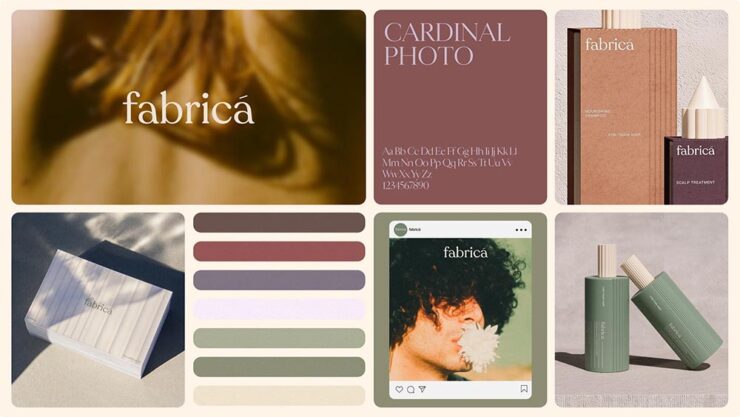
Meet fabricá, a new hair care company, whose identity ticks all the boxes: it’s trendy, eco-friendly, and well put-together:
But there’s a catch: fabricá doesn’t exist — at least not yet. It’s a fully-formed identity, available now at Brands Like These, a new prefab identity outfit from Lyon&Lyon.
Now I’ll admit: at first, this seemed like a Dewey, Cheetham, and Howe thing,2Yes, I grew up listening to Car Talk. something that we all had a chuckle over before allowing it to shuffle into the background, readily available for use as a pithy line whenever we needed it: “Ha, we got Lyin’ and Lyin’ selling your precious startup canned … stuff.”
Unfortunately, it’s not a joke.
When Elizabeth Goodspeed, of It’s Nice That, got thinking about it, she had lots to say. “In a good design engagement, the back-and-forth between company and designer pushes the company itself to sharpen what it is; the ‘friction’ people complain about is also the juice that makes the work exciting.” (I find this true in editorial and publishing work, certainly.) But there’s a warning, too:
If this cart-before-horse approach takes hold, it won’t just change how companies buy branding, but how designers make it. The skills a designer needs shift from listening and refining to cranking out polished shells that could plausibly fit anything. […] Even if sites like BLT only sell a brand once, the more ambiguous the design, the more it risks echoing a dozen others (and collapsing under trend fatigue). These models also threaten to hollow out the middle of the industry. We’ve seen this pattern before: bookstores went from indie shops and regional chains to Amazon or your local holdout; music from affordable CDs to either $50 LPs or all-you-can-stream. Branding may be headed for the same split – prefab kits at the low end, ultra-expensive bespoke at the high end, and little in between. And if prefab becomes the norm, it’s hard not to imagine the next step: why should these kits even be designed by humans? Once clients are trained to buy a look off the shelf, there’s little stopping A.I. from flooding the market with pre-packaged “brands” generated at scale.
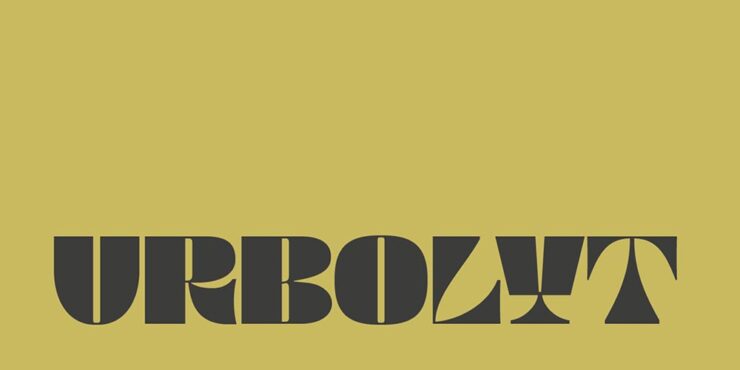
They have several, but my favorite is not dissimilar to the above, a new face called Urbolyt, a variable “that represents a clash between geometric rigor and organic forms.”
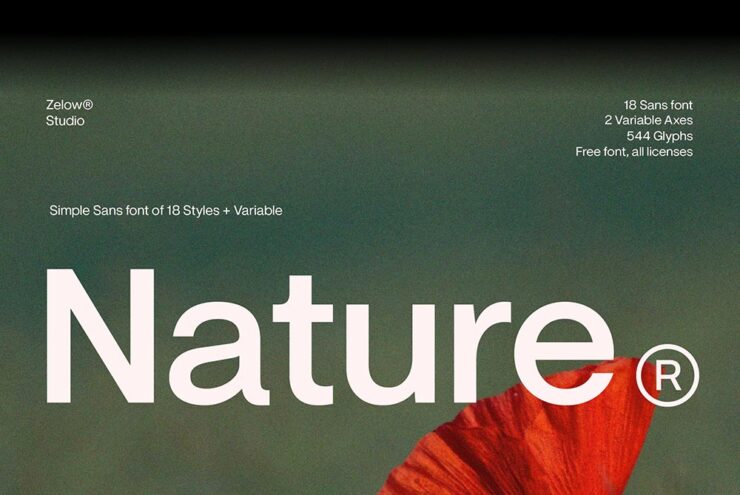
Zelow Studio’s Nature
Pixel Surplus brings us a new — and free! — variable grotesk typeface called Nature, available in a variety of styles.
CreativeBoom’s 50 for 2026
The vast majority of these are, basically, Helvetica; like Nature, the simple sans serifs are what’s in right now. (Sigh.) However, there are some gems on the list, and I’d like to take a moment to highlight an absolute favorite: Freight.
Freight is a collection of integrated typefaces ready to add unique style to any design project. What Joshua Darden started as a serif family inspired by the warmth and pragmatism found in 18th-century Dutch typefaces became The Freight Collection and now ranges across multiple weights, widths, and optical sizes — from Big to Display, Text, Micro, Macro, Sans, Neo, and Round — all of which include companion italics. That’s 192 fonts that have the ability to be bold and daring just as easily as they can be quiet and unassuming.
— freightcollection.com
I’ve used Freight in a variety of book projects and the breadth of options available always satisfies. It’s referred to as a superfamily: from the standard Text and beyond-excellent Neo (a sans with style), there’s an option for going Big and even two — Micro and Macro — best used at small sizes (readable footnotes!).
I cannot recommend more highly. Indeed, I could only take one font family with me to a desert island, I’d take Freight.
Illustrations Open Doors
Illustration Awards 2025
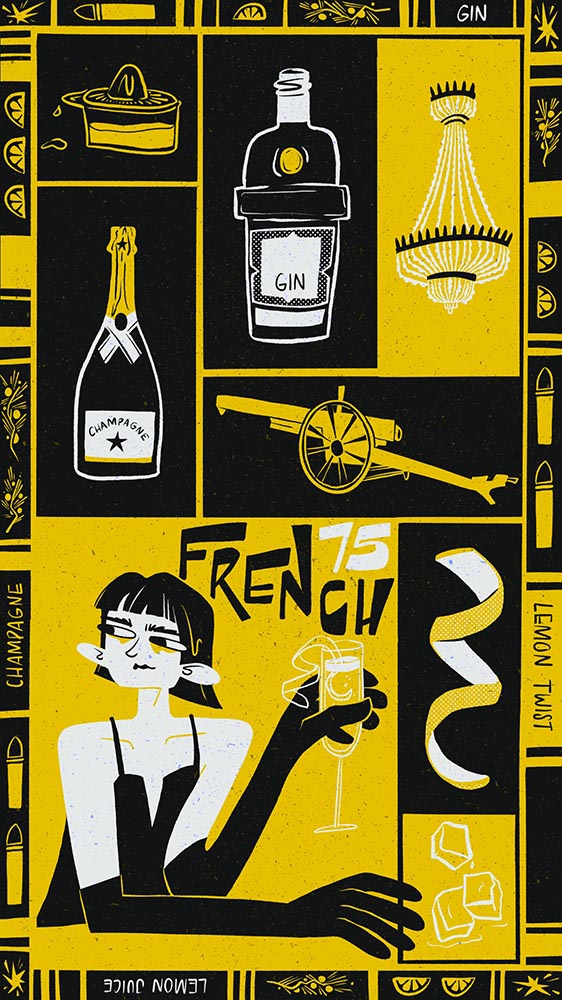
CreativeBoom: “From playful packaging to poignant explorations of identity, the World Illustration Awards 2025 showcase the breadth of contemporary illustration. With over 4,700 entries from 85 countries, this year’s winners reveal how artists are shaping how we see, think and connect.”
One of the overall winners is this great poster:
Léane Ruggli – RTD’s Cocktail Campaign
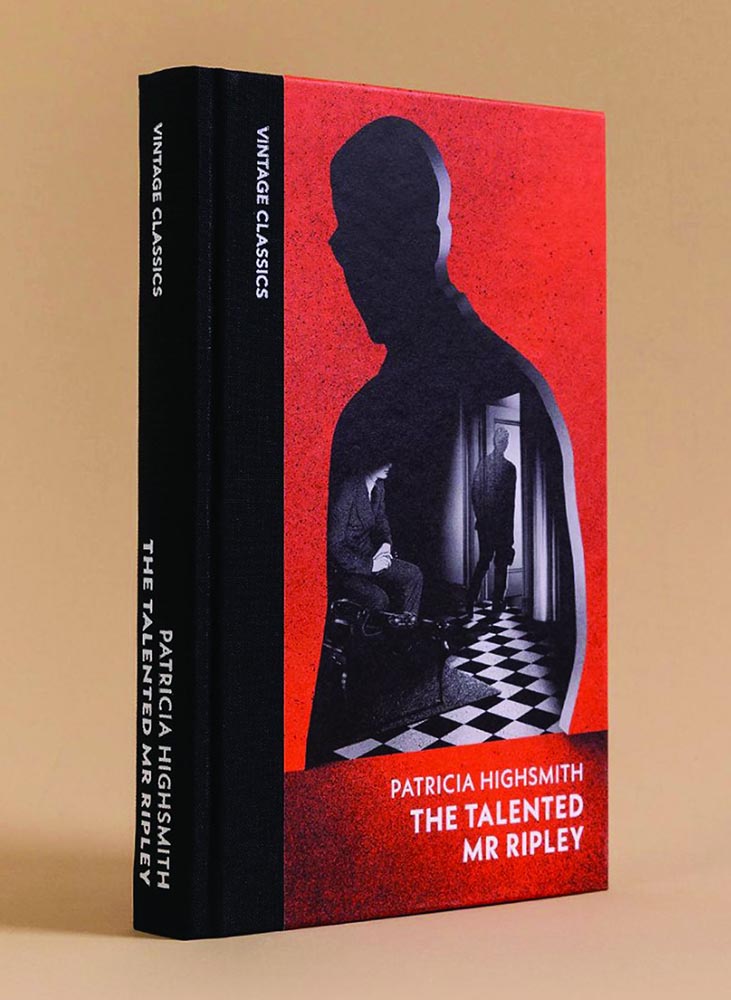
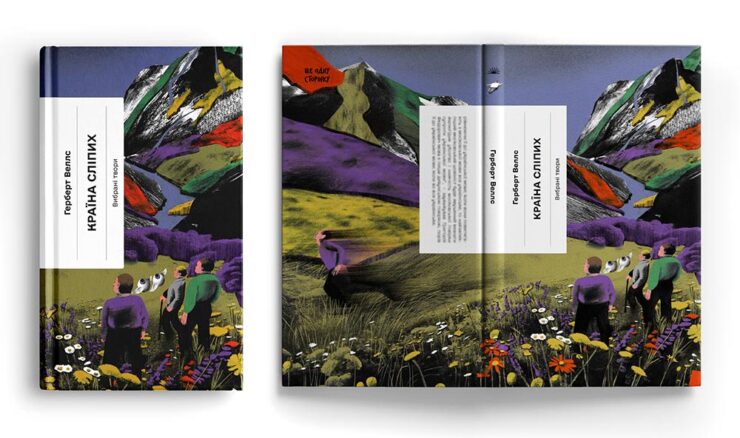
Book covers (adult and children’s):
Jennifer Dionisio – The Talented Mr RipleyJenya Polosina – The Country of the BlindCamila Carrossine – The Girl, the Ghost and the Beetroot Forest
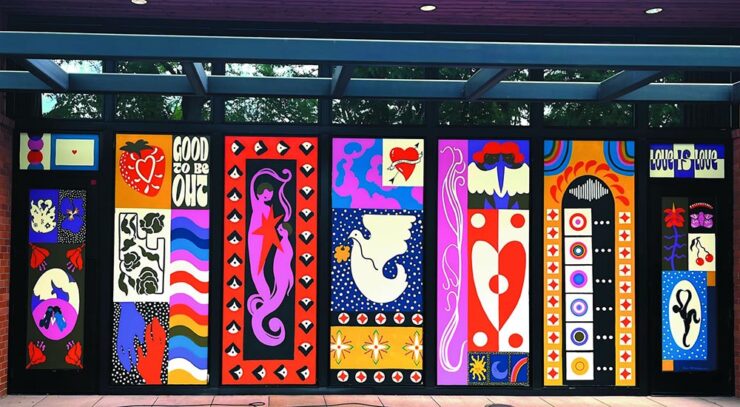
Site Specific:
Ren Kyles – Pride mural in Wilsonville, Oregon
The awards underline “how illustration continues to thrive as a medium of both beauty and urgency”: from packaging that delights to books that challenge taboos, the winning works reveal the versatility of illustrators working today.
See the whole list of winners and commended artists at the WIA 2025 Online Showcase, including interviews and insights into their creative process.
Illustration for Branding
Another CreativeBoom article suggests that, “[f]rom murals to motion, illustration is starting to reassert itself in advertising,” because “illustration still offers unique advantages. Distinctiveness is the obvious one because, in a sea of photography-led campaigns, an illustrated execution can […] cut through precisely because they are unexpected.”
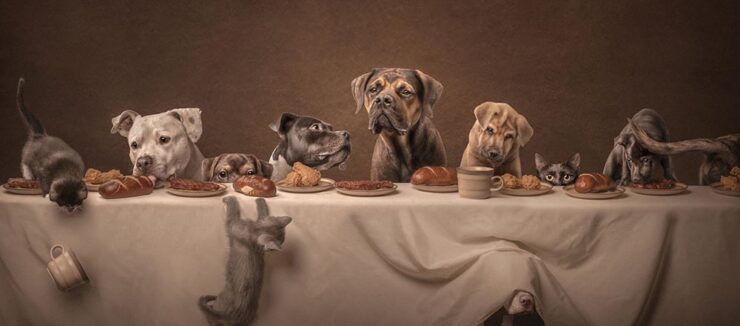
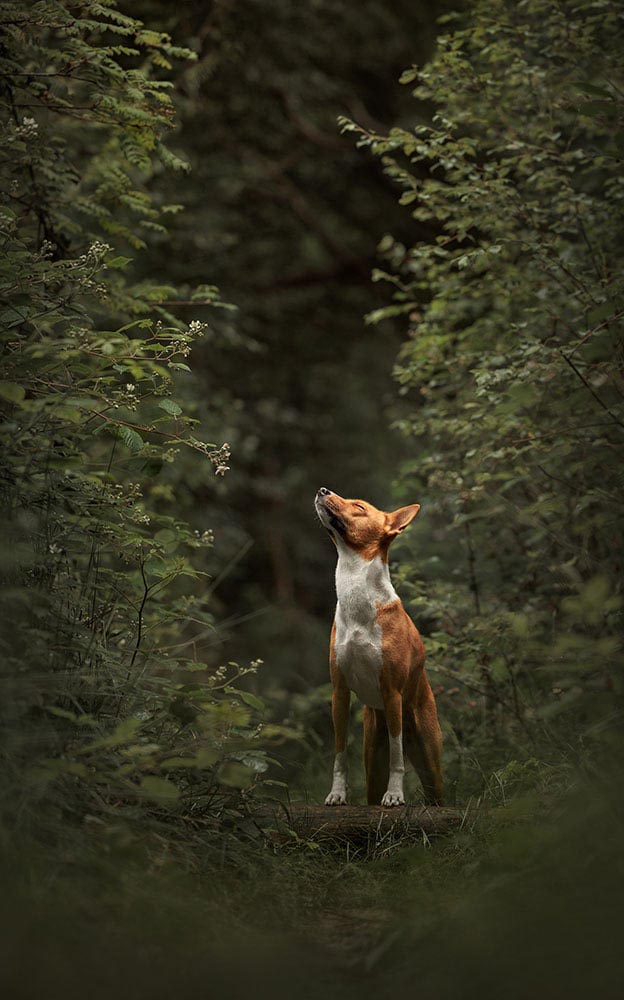
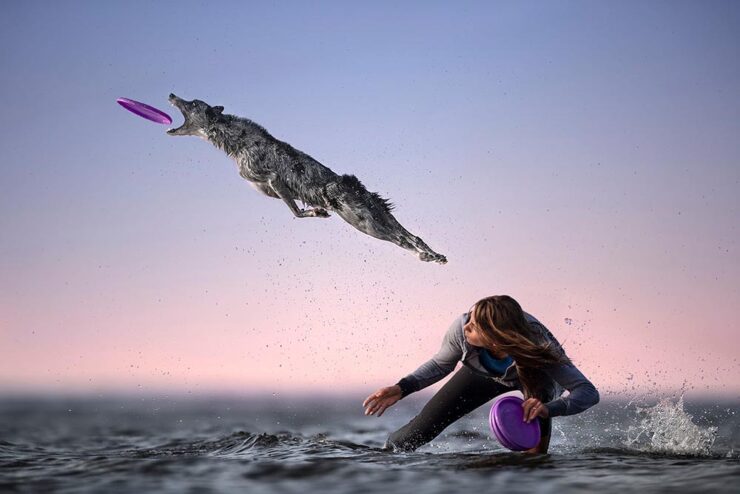
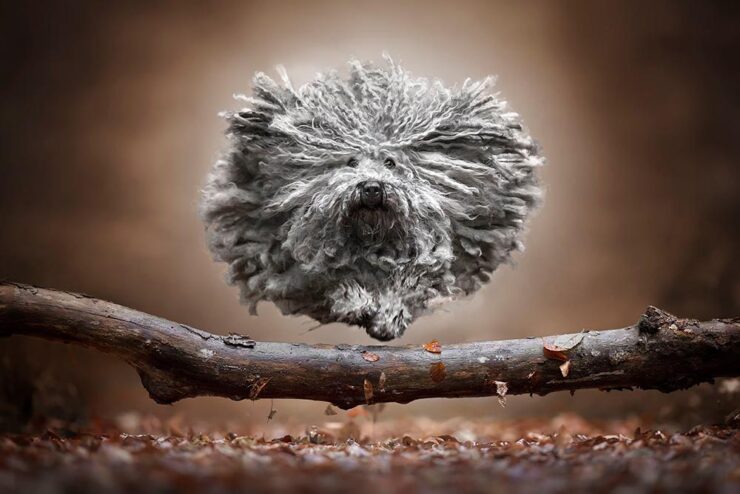
While we’re on the subject of cats — and dogs, whose entries far outstripped those for cats (and horses, rabbits, pigs, and all the other things folks keep for pets) — this year’s pet photography contest has some pretty spectacular results:
Photograph by Mirka Koot.Photograph by Shandess Griffin.Photograph by Janneke De Graaf.
Getting my dog to stand still long enough for a photograph is nigh-on impossible; some of the accomplishments shown in these winning photographs are fantastic. Kudos.
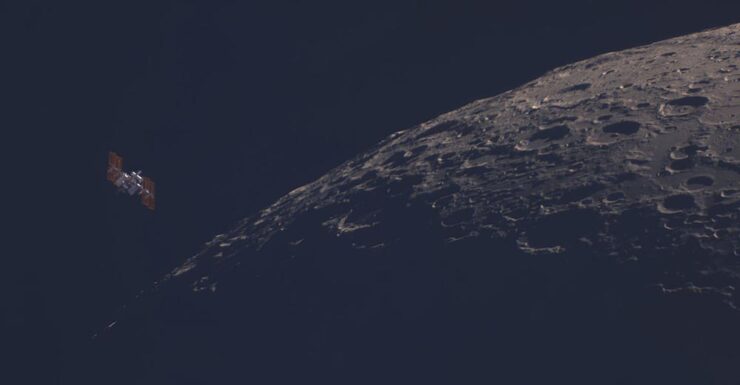
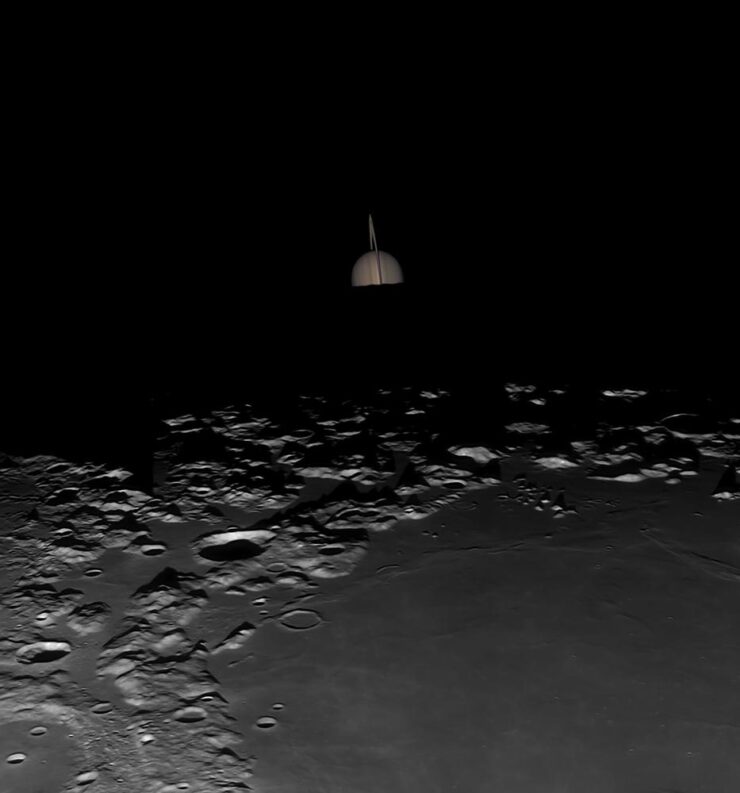
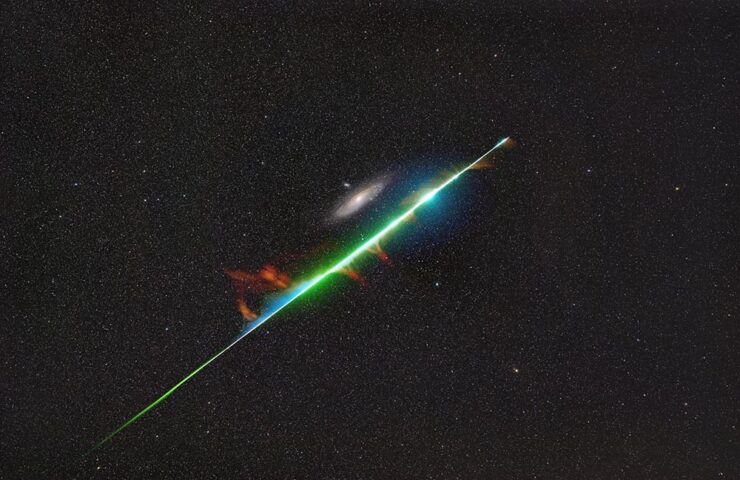
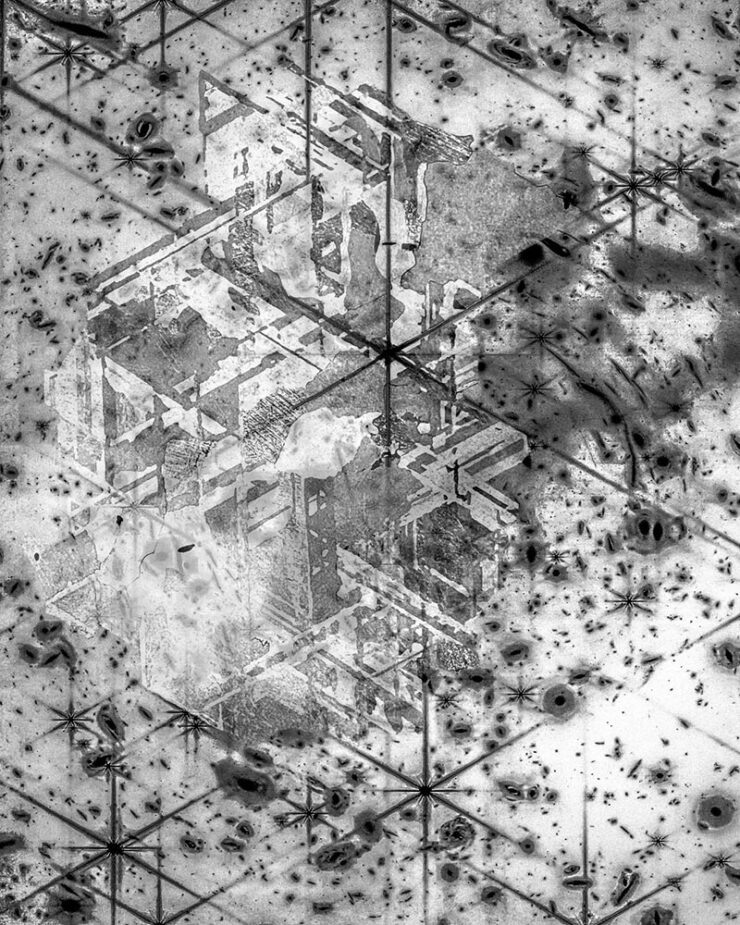
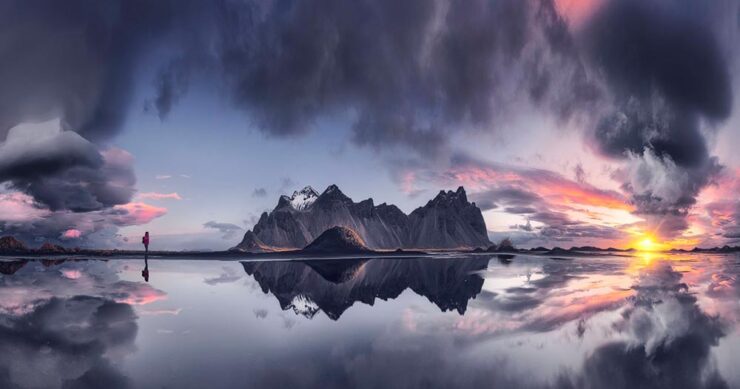
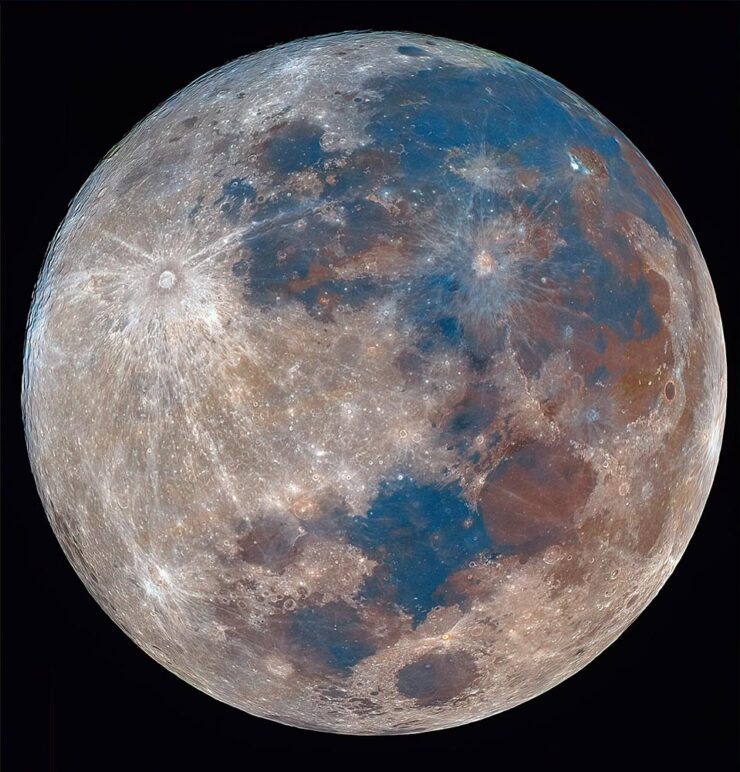
This is Colossal: “The universe’s workings may always remain a mystery. So it’s no surprise that when peering up at the night sky, whether it’s homing in on distant stellar clusters or simply watching the moon rise, photography helps us appreciate its enigmatic beauty.”
“ISS Lunar Flyby.” Photograph by Tom Williams.“Saturnrise.” Photograph by Tom Williams.
I didn’t realize until after I’d selected them that these were both from the same photographer, but unlike some that are just (amazing) night sky, these have an almost-science-fiction quality.
’Course, that’s only the tip of the iceberg: “The Royal Observatory Greenwich’s ZWO Astronomy Photographer of the Year 17 contest showcases the best astronomical and night sky images of the year, captured by exceptional photographers worldwide,” writes PetaPixel.
Two more that aren’t quite what you expect:
“Encounter Across Light-Years.” Photograph by Yurui Gong and Xizhen Ruan.“Fourth Dimension.” Photograph by Leonardo Di Maggio.
Special bonus #4: While we’re on the subject of Earth and sky, PetaPixelprofiles Italian photographer Gianluca Rubinacci:
Photograph by Gianluca Rubinacci.
Special bonus #5: The UK’s Weather Photographer of the Year 2025 Competition list of finalists has been announced, including this one:
Photograph by Lukáš Gallo.
See all of ’em — and vote (until October 16th) — here.
Natural Landscape Photography Awards
This one’s a little different, in that there can be no generative AI, no compositing of different photographs, and RAW files are checked by judges to ensure authenticity. (Refreshing, honestly.) “The competition is designed to promote photographers looking to work within the constraints of the natural landscape and traditional bounds of photography.”
From the Project of the Year, Sápmi (Lapland). Photograph by Hanneke Van Camp.
“Cyberpunk” and “Gotham” vs. “Otherworldly” and “Forgotten”
To close out this month, I’d like to mention a couple more book projects. Let’s start with Ben Moore, whose new photo book is titled Above & Across London. As the name suggests, he found high-up vantage spots: “I’ve always loved the look of a cool, urban, cyber-futuristic world, and at times I catch glimpses of that in London,” he writes.
Photograph by Ben Moore.
Meanwhile, photographer Bryan Sansivero feels a strong pull to document and explore forgotten dwellings; his new book, America the Abandoned, explores deserted homes around the country in 200 striking images — including this one:
“The Grand Room.” Photograph by Bryan Sansivero.
Have a great October, everyone.
1
One of the reasons my photography, as presented both here on Foreword and in the galleries, is both relatively lo-res and watermarked is to preserve a sense of ownership; likewise, one of the (many) reasons I no longer participate in social media is due to posts specifically being used to train A.I. — Instagram/Meta, for instance. ↩︎
Type opens up, the best designer you’ve never heard of, and photography to admire and inspire: all this and more for your August edification and enjoyment.
August University Press Coverage on Spine
Rather than show my favorite this month, I thought I’d share four of the runners up:
My favorite of the covers not in the Spine post.
Clockwise from upper left: Duke University Press, Mercer University Press, and two from the University of Washington. These are all good, but just missed being in the post because another option offered a better design — or story.
I’m highlighting these to celebrate the strong design in university work; despite limited budgets — or whatever other, shall we say, challenges universities face these days — most have realized that great design is worth the extra. Long live the University Press!
FYI, it’s at Figma, a site I’d heard of but not interacted with (it’s aimed at the collaborative market, aka “teams”); it took me a minute to orient myself. (Use the zoom in the upper right, then drag.)
In the comments at BrandNew, several folks point to the two Typewolf lists on the subject, one for Google and one for Adobe/Typekit. (Interestingly, I was not familiar with Typewolf — it was good enough to earn an instant bookmark. Stay tuned for more from them.)
That was on the 7th. On the 8th, BrandNew linked to a Google Design article on “the benefits of brands — for the brands and for users — making their proprietary typefaces open source and available to all to use, modify, and tinker with.” Google Fonts currently has 17 of them.
Lastly, on the 15th: Keep Calm and Icon. “Bettina Reinemann, Staff Experience Designer, Brand & Icons, at Adobe, offers an interesting and comprehensive deep dive into the evolution of a handful of Adobe’s most iconic, well, icons and how they have changed over the decades in style, meaning, and depiction.”
BrandNew is subscription, yes, but it’s one of the web’s subscription bargains at less than $25/year and packed with great stuff. I do wish they’d offer a free article or two within a given period of time so new folks can sample before purchasing, but that criticism aside, I can’t recommend them highly enough.
Many Thanks to … Double-Oh Who?
Joe Caroff, designer of so many things yet a so completely unknown personality, died on the 17th — one day short of his 104th (!) birthday. The Guardian has a nice obit … with this graphic:
The 2015 film by Sam Mendes, the 24th James Bond adventure.
That’s right, he’s the guy who designed that logo. John Gruber, at Daring Fireball, has a nice discussion of the logo and, specifically, its subtle evolution within the Bond franchise. (Did you know it was initially created for use on letterhead? Wow.)
He also links to a bunch of Bond one-sheet posters, a couple of which I’d like to post:
The 1962 film by Terence Young, andThe 1987 film by John Glen, the 15th.
I’m of the age to have grown up with Roger Moore, and really liked Timothy Dalton’s first film — it’s a shame it crashed and burned with the second — whose portrayal of the character has an edge you don’t see again until Daniel Craig stepped into the role.
But I digress. Joe Caroff’s poster history covers some greats, including this one:
Original 1961 U.S. one sheet poster by Joe Caroff.
But it’s a tidbit on the Wiki entry that warrants my publicly spending a minute remembering Joe Caroff: he designed the original jacket for Norman Mailer’s The Naked and the Dead:
When I had the privilege of redesigning The Mailer Review in 2017, the first cover paid homage to the above design:
The illustration is a self-portrait by Norman Mailer. (See Wikipedia for the old design.)
Read more about Joe Caroff’s many accomplishments at Print (spoiler: Steven Heller hadn’t heard of him before 2016!) or DesignWeek.
And Now For Something Completely … Wait.
A quick drive-by here: this is a Buick.
It’s quite literally out of this world: the Electra Orbit Concept is only for the Chinese market — their biggest. The interior, especially, has more than a few overtones of the Jaguar Type 00 concept. (Which is looking more and more prescient, frankly; see previouscoverage.) Read more at Motor1 or the Autopian.
“Sedans are dead,” someone said. Hmph.
August’s Photography Faves
100 Years of the Leica 1
1925’s Leica 1, the world’s first mass-produced 35mm camera.
PetaPixel has a nice piece covering all of the many ways the Leica 1 — the first from “a tiny German camera company” — has had such an outsized influence on the huge world that is photography today.
The 2025 M11 New York Edition. You can absolutely see the family resemblance.
2025 iPhone Photography Awards
It’s time for the annual iPhone Photography Awards — along with my annual observation that the camera you have with you is the most powerful of all. And since a substantial percentage of the world carries an iPhone, the possibilities are nearly endless.
Architecture: Photograph by Adrian Beasley, United Kingdom.Architecture: Photograph by Vladyslav Vasylkevych, Ukraine.Cityscapes: A second from Adrian Beasley, United Kingdom. (I didn’t see that until after I’d selected ones to post — and decided to post it anyway.)
Special Bonus #1: “Perhaps no building in the world captures the early 20th-century art deco movement quite like the Chrysler Building, which has been an iconic fixture in the Manhattan skyline since 1930. Its grace and beauty have captivated photographers for decades. For one NYC shooter, the building has become his life’s work. Mitchell Funk has been photographing the Chrysler Building for 50 years; his images are vibrant, eye-catching, and extremely creative.”
2025 Ocean Photographer of the Year Awards, and Prints for Wildlife
“Fragility, beauty, and urgency characterize” this competition, with “an emphasis on ocean conservation and the outsize influence humans have on marine life,” This is Colossal says. (More at PetaPixel, too.)
From the Adventure category: photograph by Ben Thouard.Human Connections: photograph by Jianping Li.Impact: photograph by Henley Spiers.
On that last one: “This green turtle was killed by a boat strike, an unnatural and unnecessary death for an endangered species,” says photographer Henley Spiers. “Only recently deceased, it is partly decomposed, with the haunting view of the bare skull in contrast to the skin, which remains on the rest of its body, and the juvenile fish which have adopted the turtle carcass as a form of safe refuge. We came across this turtle by chance, a dispiriting sight at the end of a long and fruitless day at sea. I can only hope that this image acts as a reminder of the enormous human burden placed on turtles and the ocean as a whole.”
“In 2025, the crisis isn’t a virus — it’s a withdrawal of critical funding for wildlife and conservation,” says program co-founder Pie Aerts. “Prints for Wildlife is more than a fundraiser; it’s a platform for connection, consciousness and hope in a time of crisis.” Browse photos by more than 200 photographers on the fundraiser’s website. The limited-edition prints will be available until September 21.
Special Bonus #2: “The Natural History Museum in London unveiled a first look at 15 of the breathtaking photos that are in the running to win the 61st Wildlife Photographer of the Year competition, including a lion staring down a cobra, a pack of Arctic wolves, and bats flying through the dark toward the camera; the 2025 Wildlife Photographer of the Year contest attracted 60,636 total entries, the most ever in the contest’s illustrious history.”
2025 Capture the Dark Sky Contest
DarkSky International announced the winners of its fifth annual Capture the Dark photography contest. Winners across eight main categories showcase the best in astrophotography and demonstrate why it is vital to protect dark skies worldwide; PetaPixel has a nice roundup.
In other words, I’m not going to let you go enjoy your Labor Day weekend (here in the US, at least) without once again closing with a photograph of two of my favorite things: lupines against a beautiful night sky.
“Celestial Dance over Lupine Fields,” New Zealand. Photograph by Lucy Yunxi Hu.
Take a break from the summer heat with a Mac delight, two interesting typefaces, a discussion of Bentley’s new concept — and updated flying “B,” with a quick mention of the other double-R — and, of course, some great photography. Better still, we close out with a guaranteed smile.
’Cause we need more smiles these days.
July’s Spine Post
July’s University Press Coverage has already been posted. My personal favorite of the bunch:
Yale University Press. Cover design by Jonathan Pelham; art direction by Rachael Lonsdale; image is an adaptation of Jacques-Louis David’s Napoleon Crossing the Alps.
While we’re on the subject of darn near perfect, Marcin Wichary — he of the now-sold-out Shift Happens fame, not to mention The Hardest Working Font in Manhattan — has gifted the world with another absolute gem:
Frame of Preference (Screenshot)
If you’re a Mac geek, whether a software history buff, or a just grizzled veteran, set aside a few minutes to take this trip down memory lane. There are 150 tasks to complete (!), five extra Easter eggs, great Mac hardware and software, and some of the best web programming extant. Enjoy!
ATC Identity Program Upgraded
The Appalachian Trail Conservancy celebrates its hundredth anniversary this year, and took advantage of the occasion to update its logo and identity system for the next hundred years.
Previous logo (left) and new (right).
The logo is a combination of a mountain peak, the AT symbol, a trail shovel, leaves (“growth and diversity”), and a holding shape (“protected ecosystem”); while overcomplicated in explanation, in practice it’s warm and friendly at first glance yet has depth for folks who know the Trail.
The blur and grain, highlighted against the beautiful scenery the AT is known for.The new logo against one of grain/blur backgrounds.
I’ll have to guess as to whether it’s actually “good for BookTok.”
July’s Font Finds
Karel, by Typonym
“Inspired by glyphs on a mid-century Prague plaque, Karel synthesises historical discovery with contemporary invention. Developed for brand messaging and retail identity, it includes alternate figures to vary the level of stylisation,” CreativeBoom writes.
Details on some of the glyph choices.Different versions are available, allowing you to match style with project.
“A constructivist condensed sans, [that,] in every case stands apart from the multitude of neo-grotesque alternatives,” Typonym writes. (Great company name, by the way.)
Penguin Inclusive Sans, with Olivia King
We’ve covered Inclusive Sans before, but to recap, it’s awesome, it’s free, it’s open-source, and as of February, it’s available at Google Fonts for anyone to use. So, guess who has adapted it into something new? (Okay, header spoiler, but still.) No one less than a publishing heavyweight: “A bespoke typeface for Penguin Books, uniting brand heritage, accessibility, and contemporary design to create a versatile typeface for its global publishing house,” creative director Olivia King writes.
Some historical images, worth including just for the penguin reading in the chair — feet up, natch.
“For 90 years, Penguin has been committed to making books for everyone. Its iconic sixpenny paperbacks revolutionised access to stories and knowledge, making reading more inclusive and affordable. Staying true to this spirit of inclusion, Penguin commissioned a custom version of Inclusive Sans — an accessible typeface — to serve as its primary brand font across its global publishing house.”
— Olivia King, Creative Director
Another item included “just ’cause” — mostly for the science fiction illustration.Included in the character set are glyphs for the Penguin.
“We transitioned Inclusive Sans from a Grotesque to a Humanist foundation, adding playful flicks and flourishes to create a sense of movement and approachability[;] whether used in a refined, understated way or in strong, confident applications, the typeface offers flexibility and distinctiveness.” Marketing speak, sure, but speaking to the applications rather than past them.
Penguin’s footprints as arrows: says something positive, I think.
The entire page is great: well put-together, well illustrated, and approachable. And wander around the site while you’re there — more than “O.K.,” it’s example after example of work the rest of us aspire to. (Via BrandNew.)
July’s Graphic Design Two-Fer
The World Illustration Awards 2025 Shortlist
From the book covers category, Ripples on the Lake by Becca Thorne.
“The Association of Illustrators has unveiled those in the running for this year’s World Illustration Awards, featuring 200 standout projects from over 4,700 entries worldwide. From editorial brilliance to site-specific design, it’s a showcase of illustration at its most imaginative,” CreativeBoom writes. It’s books and editorial to animation and product design — a cornucopia of illustrative goodness. Check it out.
Designer as Influencer
More than slightly NSFW — while actually about work. Read wherever you’re comfortable.
“As social platforms reward visibility, creatives are increasingly expected to make their practice public. Designers are no longer just making work; they are the work. But what started as promotion now risks swallowing design itself,” It’s Nice That writes.
Yet another reason to avoid social media … says the old guy who reads web pages published by actual individuals (and sticks to blogging). Still, very much worth a read.
Special Bonus Two-Fer. #2: From PetaPixel, DuckDuckGo, my search engine of choice, can now filter out AI images from search results. (It’s a simple toggle.) Nice.
Let’s just get this out of the way: the brutalist automobile is officially a trend.
The new EXP15 with a 1930 Speed Six.
Yes, you’ve seen that shape before — and that time, I asked y’all to hang on see what happens. This time, I’m less confident it will turn out well:
The EXP15, top, with the Jaguar Type 00, bottom.
The Jaguar is both more compelling and fresh — it’s somehow more, yet with less detail. Interestingly, Jag is trying to reposition itself in the Bentley space (including comparative pricing), preferring to move upmarket rather than compete with the likes of BMW or Mercedes.
It’d be quite the coup for Jaguar to leap in (sorry) and take charge.
Enough about Jaguar. Some more photographs/renders of the Bentley:
Arguably the best angle, somewhat hiding the EXP15’s SUV-esque size.The interior is better than the exterior, with some Bentley traditions intact. (Yes, the concept is a three-seater: the passenger seat was eliminated in favor of the pampered purebred.)The dash is all screens, yes, but not necessarily obviously so — something likely to age better than the iPad-on-dash approach.
Lastly, from the rear:
Wait. I’ve seen that look somewhere else.Oh, yeah, the Volvo ES90. (Itself riding at SUV height.)
I apologize for not being more positive on this one; I’ve been down on the Volkswagen Group in general for a while, and it makes me sad that, with their flagship brand, nothing in their new concept suggests they’re trying to reverse the trend.
Coverage: “This is What the Future of Bentley Will Look Like,” from Motor1; “The Bentley EXP 15 brings the bling and delves into tomorrow’s luxury automotive experience,” from Wallpaper*; and “Bentley Is Showing Jaguar How To Take A Luxury Brand Into The Future With The New EXP 15 (IPSO Fatso),” from The Autopian. (Apologies also for the three differing headline capitalization styles — blame the sources.)
Also worth reading: The Autopianquestions whether the new “Autobrutalist movement” — where I got the term — can be stopped; and Motor1 has not one but twoitems asking readers to give Jaguar a chance. (Probably unrelated.)
But wait: there’s another reason I’m down on Bentley right now.
The New Bentley Logo: Style over Substance
The five versions of the “winged B” logo, in order: 2025, 2002, 1996, 1931, and 1919.BMW called light “the new chrome.” Bentley absolutely gagged on it. At least the infamous Flying B is still there — hood ornaments are few-and-far-between these days.
When you’re Bentley, you shouldn’t be chasing trends, you should be leading them. Style over substance is nothing less than a mistake.
Also, because everyone else has one:
The flat version.
This new version was done in-house, the wrong choice on every level; this isn’t a time to save money. Another sad moment: the storied history of a brand like Bentley, running on the equivalent of a flat tire. (Perhaps even the rim. Trailing sparks.)
Special Bonus #5: In case you’ve never seen it, Paul Rand’s 1966 proposal for a redesign of the now-iconic Ford logo:
The Autopian has a nice piece on this.
July’s Photography Faves
Astronomy Photographer of the Year Shortlist
“Awe-inspiring scenes of the Milky Way, dancing aurorae, and serene galaxies all feature on the shortlist for this year’s ZWO Astronomy Photographer of the Year,” PetaPixel writes. Indeed:
“Blood Moon Rising Behind the City Skyscrapers,” Shanghai. Photograph by Tianyao Yang.
The competition is run by Royal Observatory Greenwich, supported by ZWO and in association with BBC Sky at Night Magazine.
“The Last Mineral Supermoon of 2024,” Delhi. Photograph by Karthik Easvur.
See the other 28 on the shortlist here. The winners will be announced in September, so stay tuned.
Abstract Fireworks
Every year, photographers across the world flock to fireworks displays, something that’s never interested me — until now:
Photograph by Bryan Szucs.
PetaPixel takes a moment to self-congratulate here, and I think they’ve earned it — although it’s good to note that the original post cites This is Colossal. (And that PetaPixel did a poor job with the cite in that original story, using only Colossal’s photography tag rather than an easily-found, specific link. Shame on them.)
Anyway, photographer Bryan Szucs took the defocusing idea and absolutely ran with it:
Special Bonus #6: Apple filed a fascinating image sensor technology patent last month, which describes a stacked image sensor with vast dynamic range and very low noise. PetaPixel has the story.
Unbuilt Frank Lloyd Wright
Okay, officially these are renders, not photographs. Still:
Trinity Chapel. Image by David Romero.
“Hooked on the Past emerged from the intersection of two personal passions: the history of architecture and the fascinating world of computer-generated imagery,” Romero tells This is Colossal.
Gordon Strong Automobile Objective. Image by David Romero.
Wright was ahead of his time in that he pushed material science to make a concept, shape, or cantilever work (often demonstrated in the maintenance and repair bills); his unbuilt projects demonstrate what could have been, and there’s nowhere better to imagine those than in generated imagery.
“Ultimately, it’s not the equipment that creates the magic. It’s the connection with the dog, the timing, the light, and the intention behind every shot. The gear just helps bring that vision to life,” photographer Caludio Piccoli tells PetaPixel.
Photograph by Caludio Piccoli.
I could easily repost every photograph from the story; they’re all great. Just go read it instead.
City Cats of Istanbul
To close out this month, well, the title says it all:

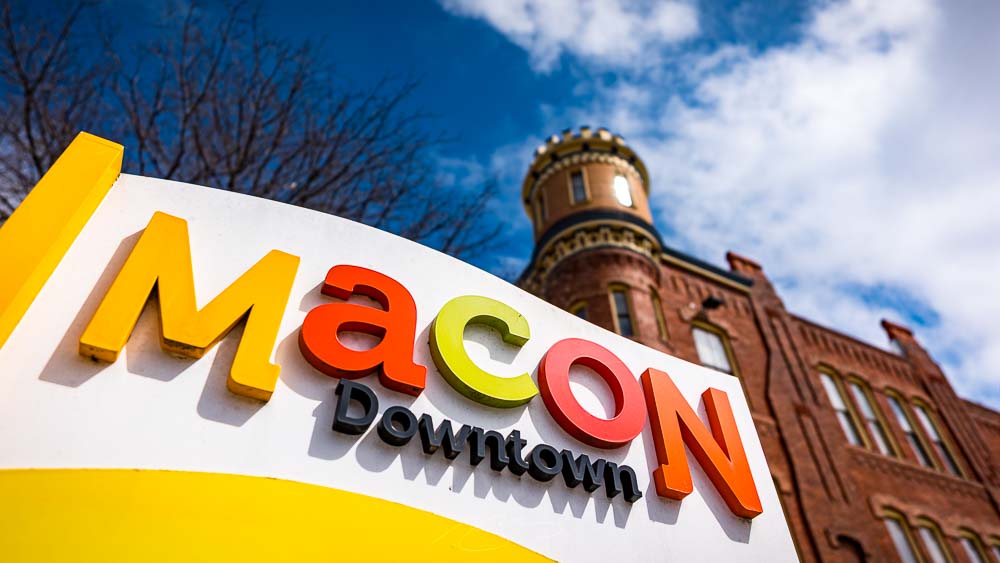
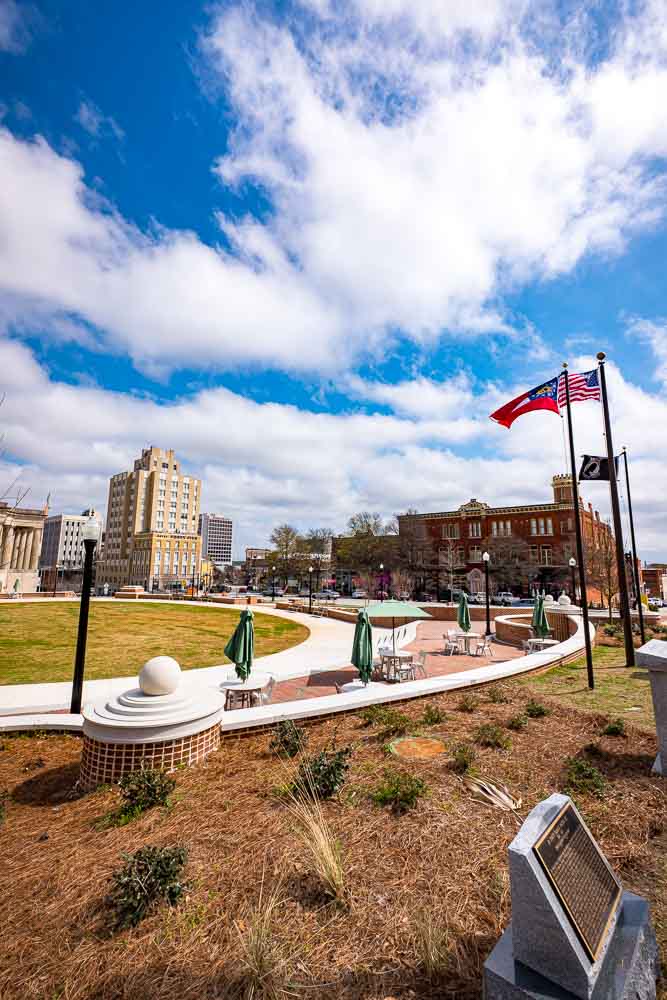
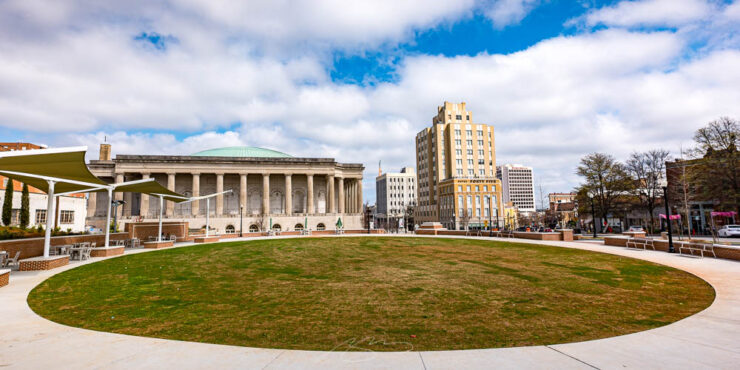
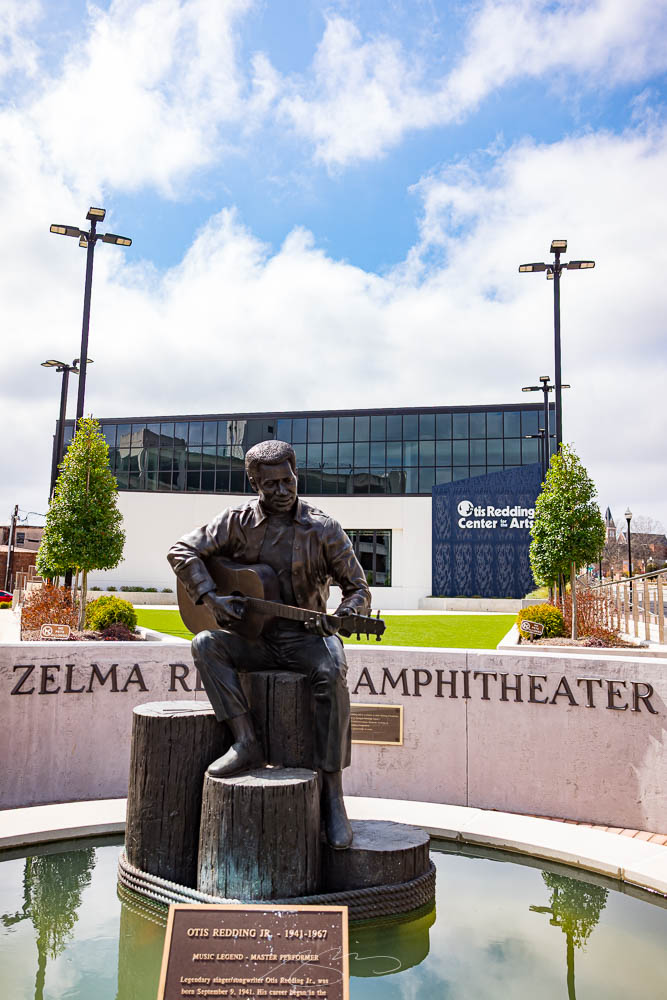
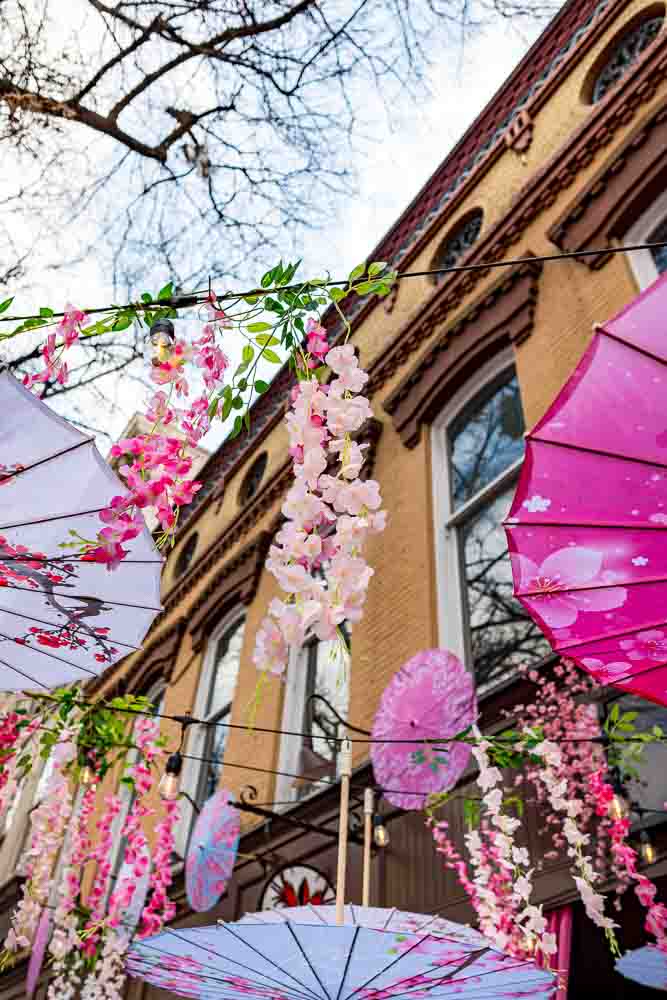
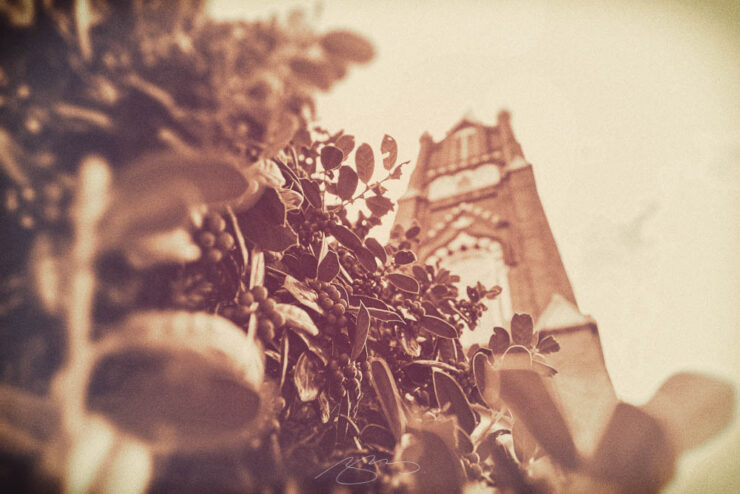
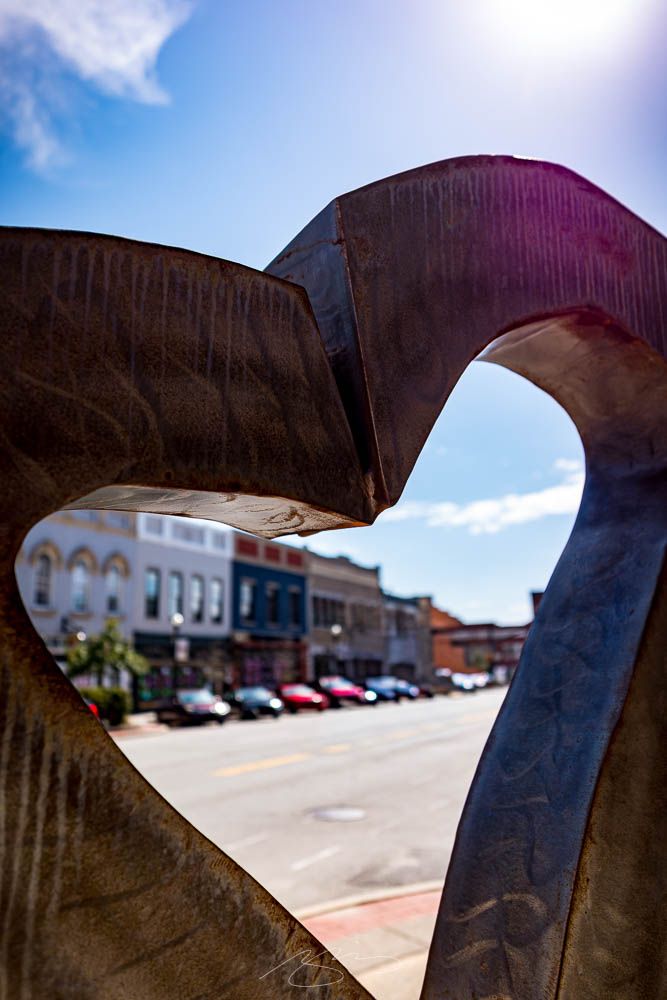
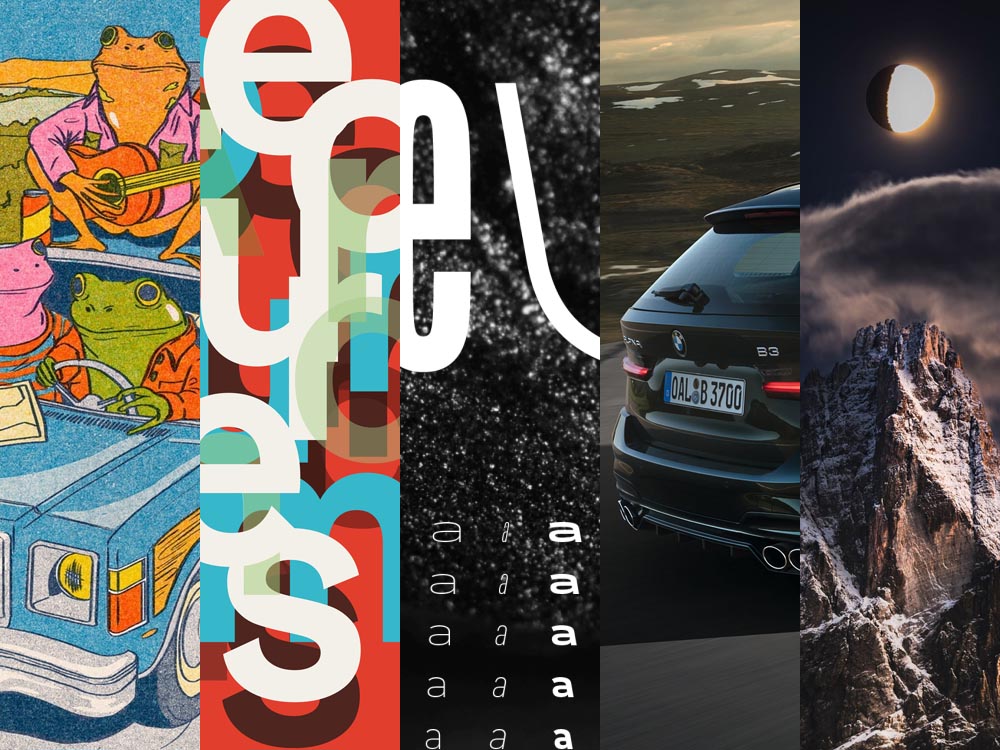
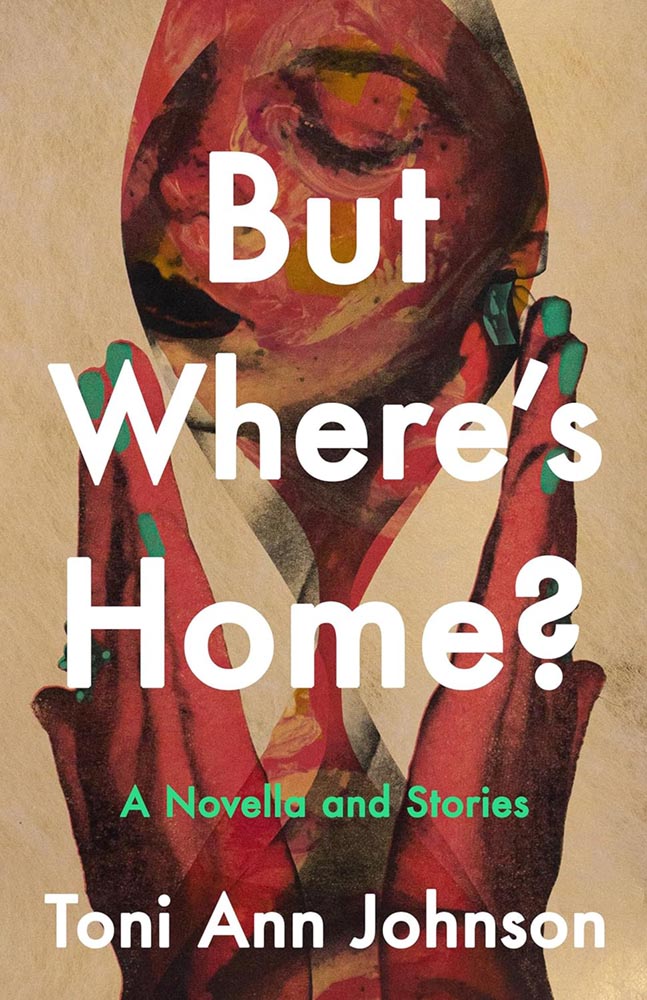
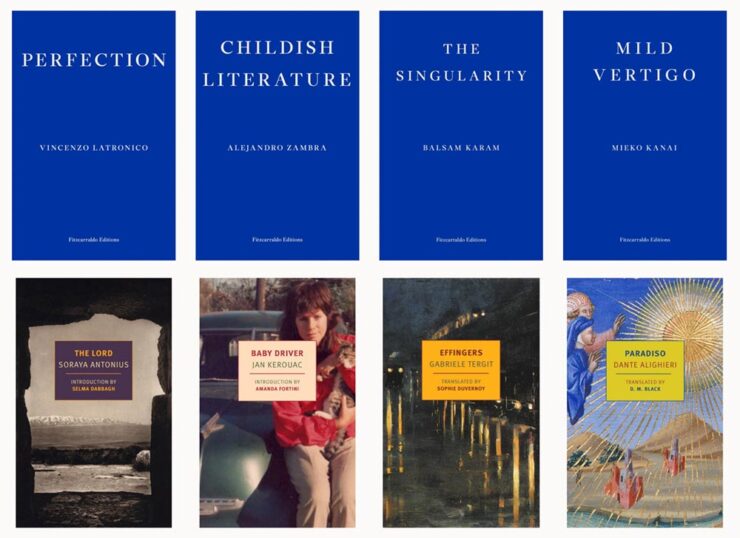
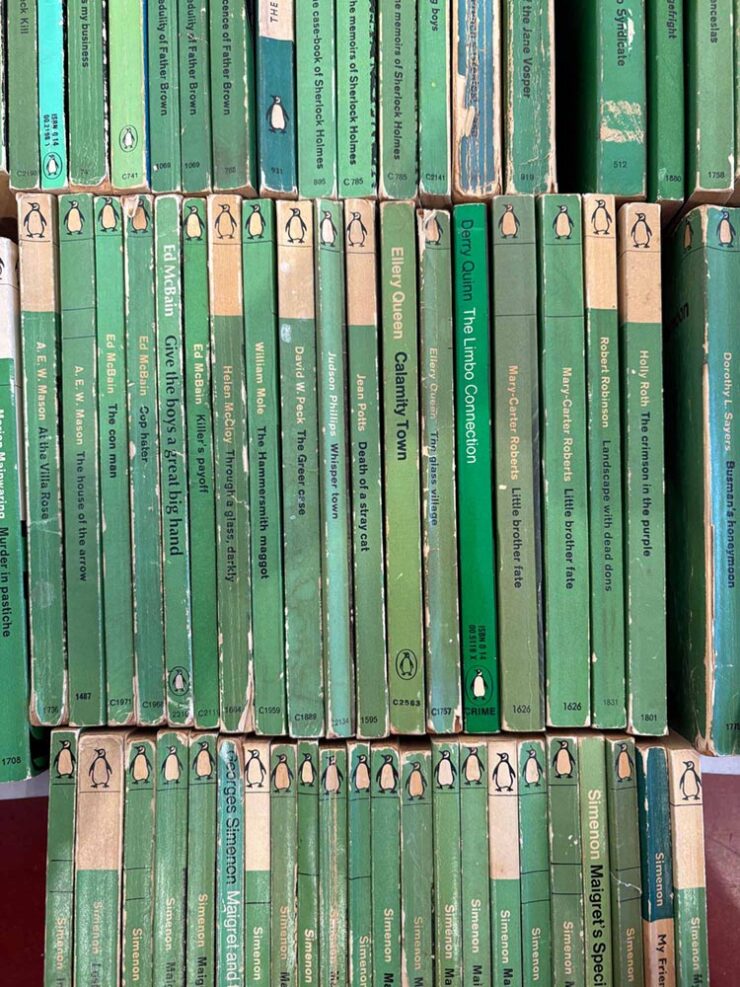
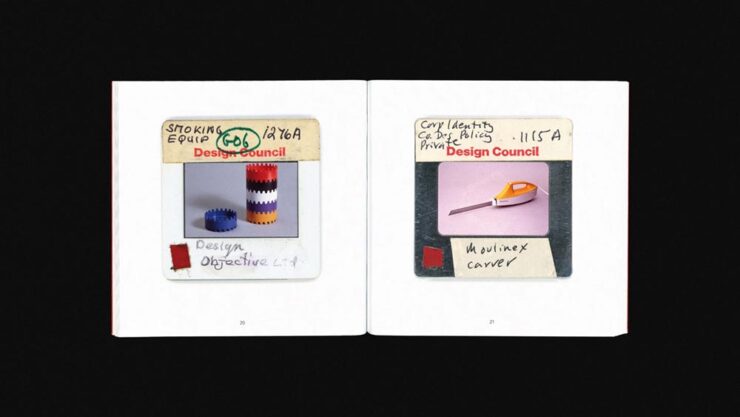
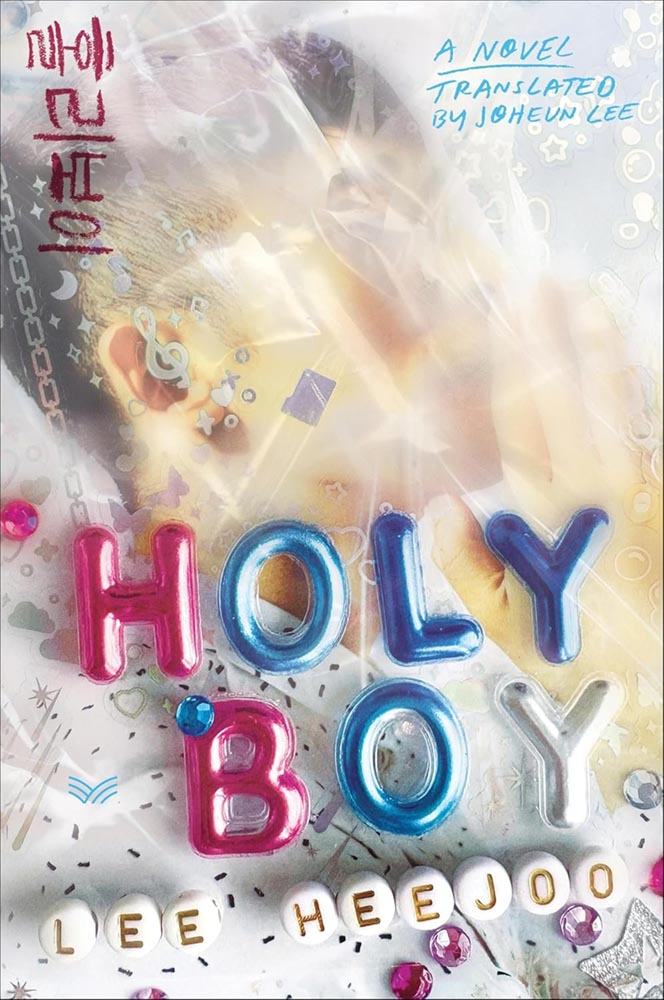
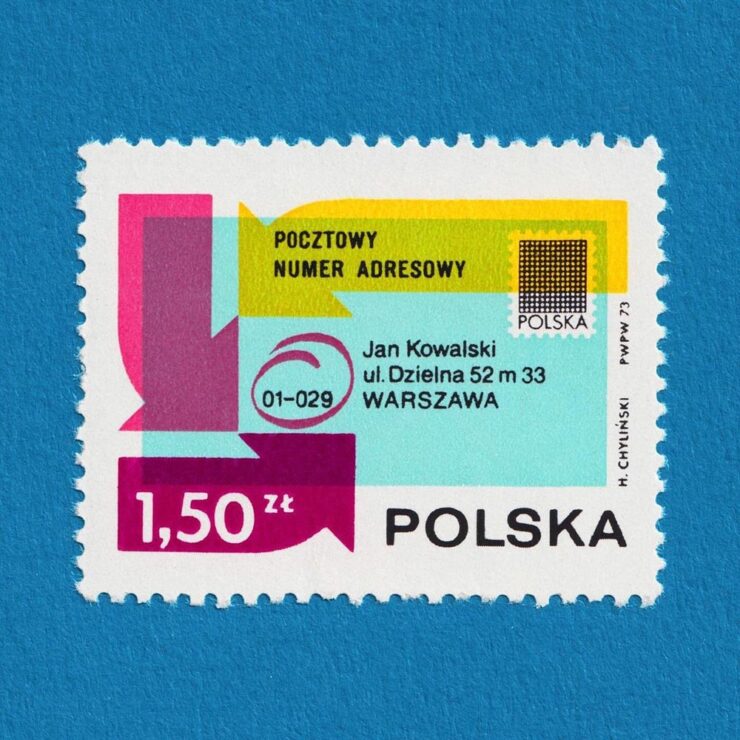
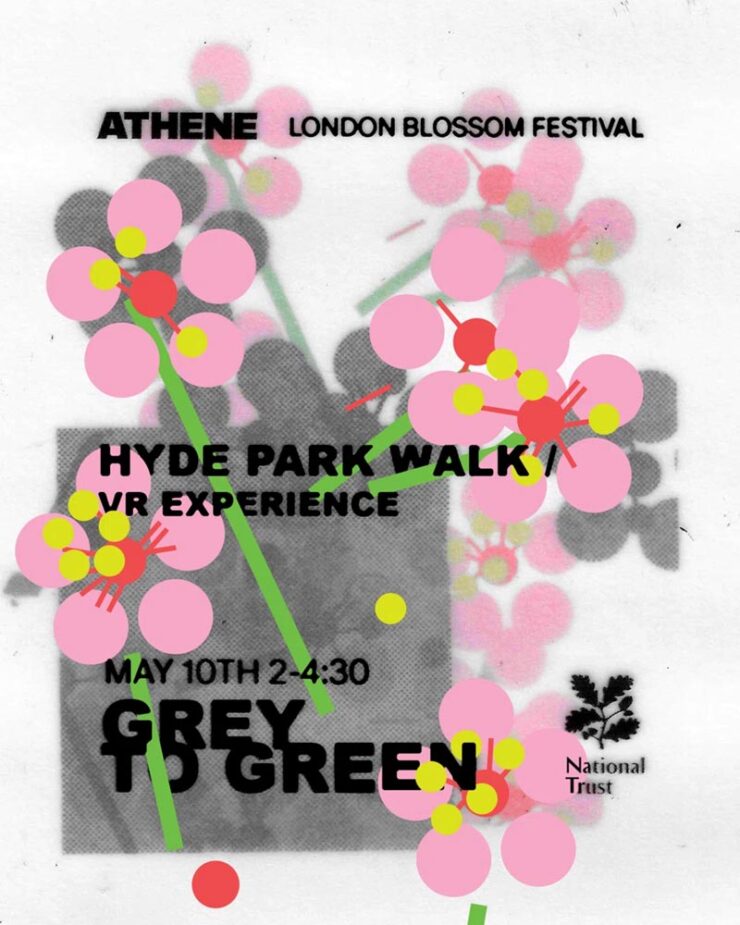
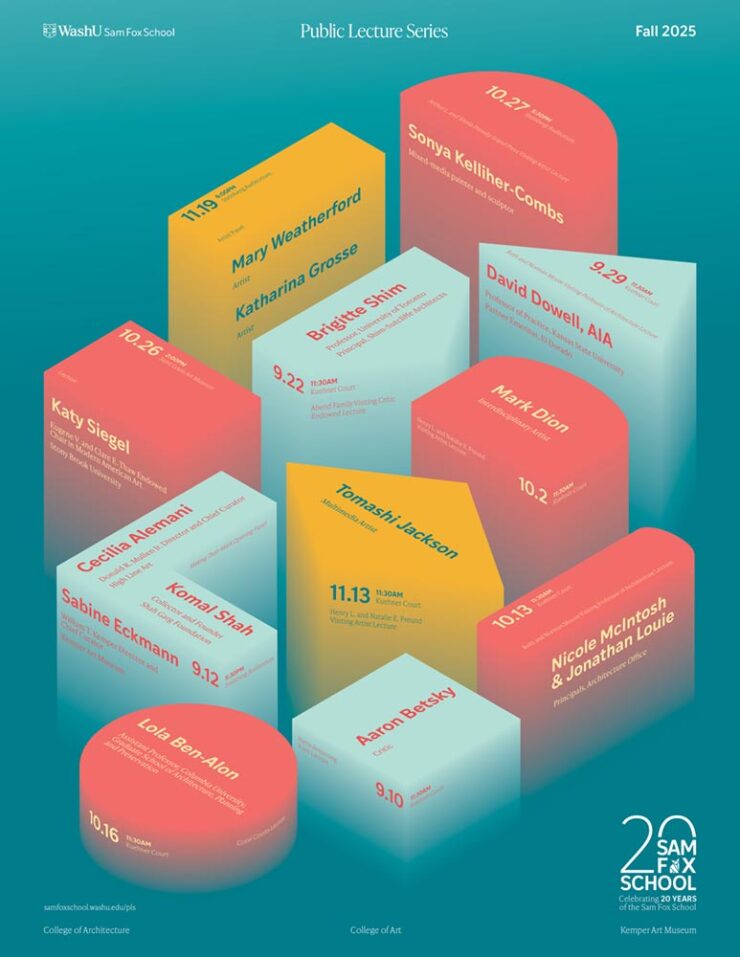
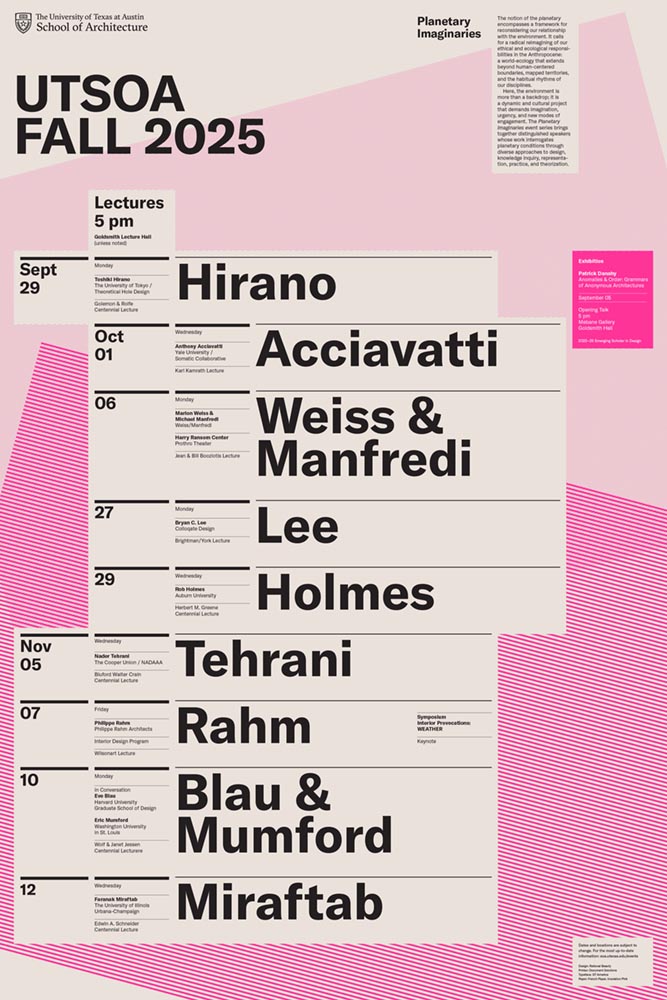
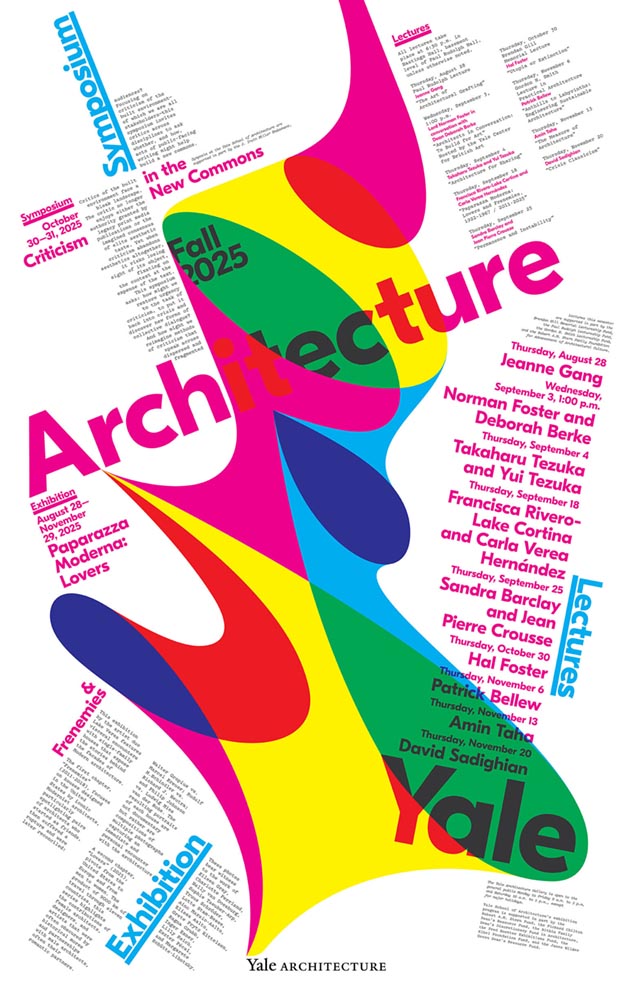
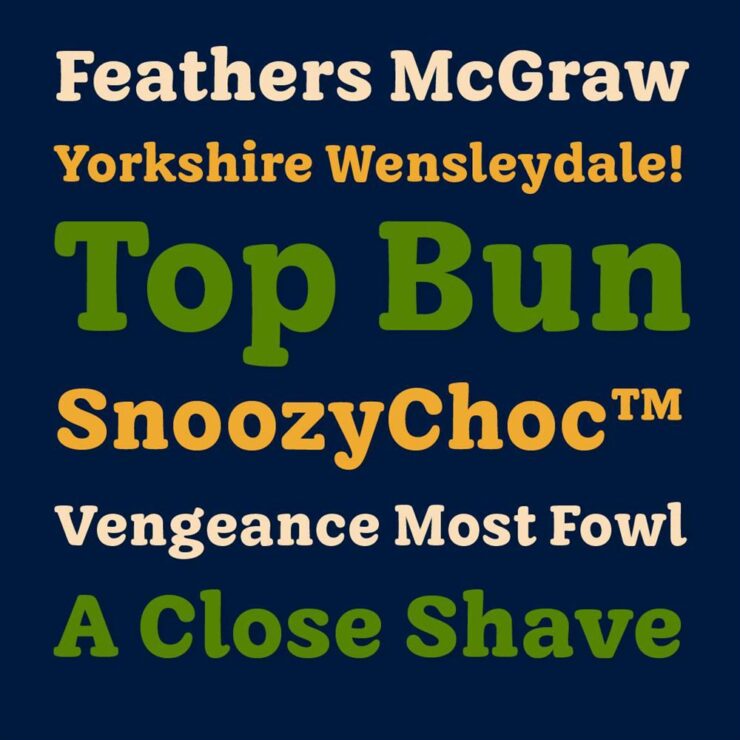
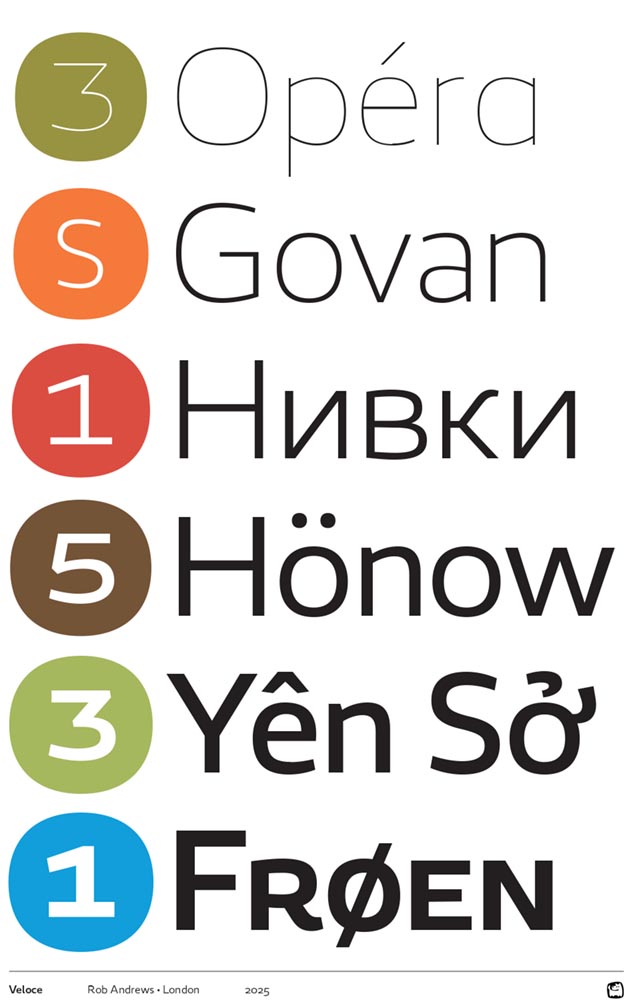
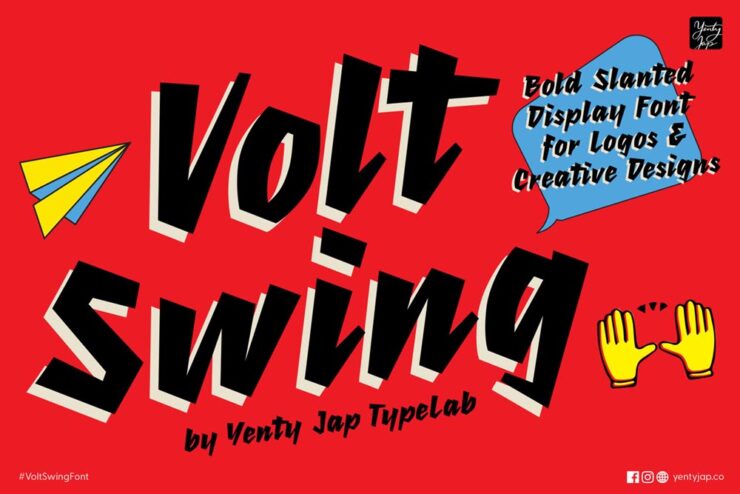
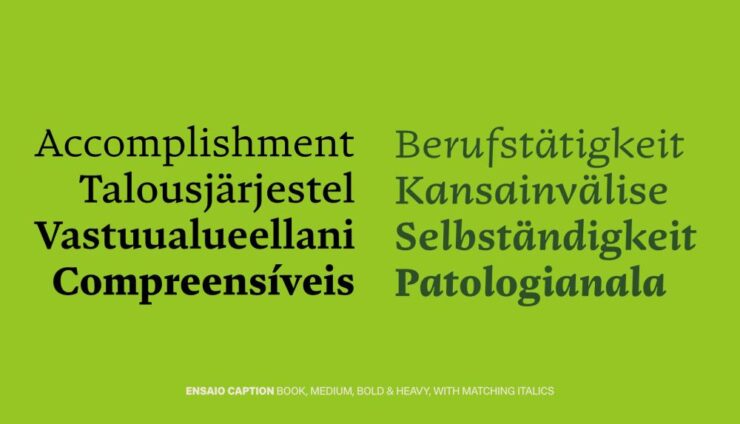
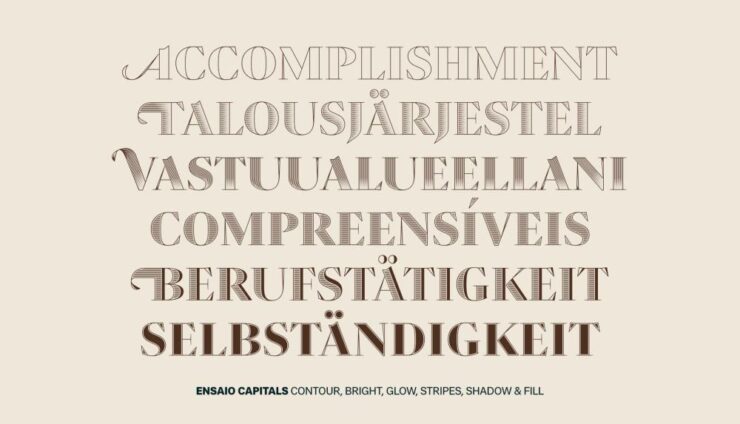
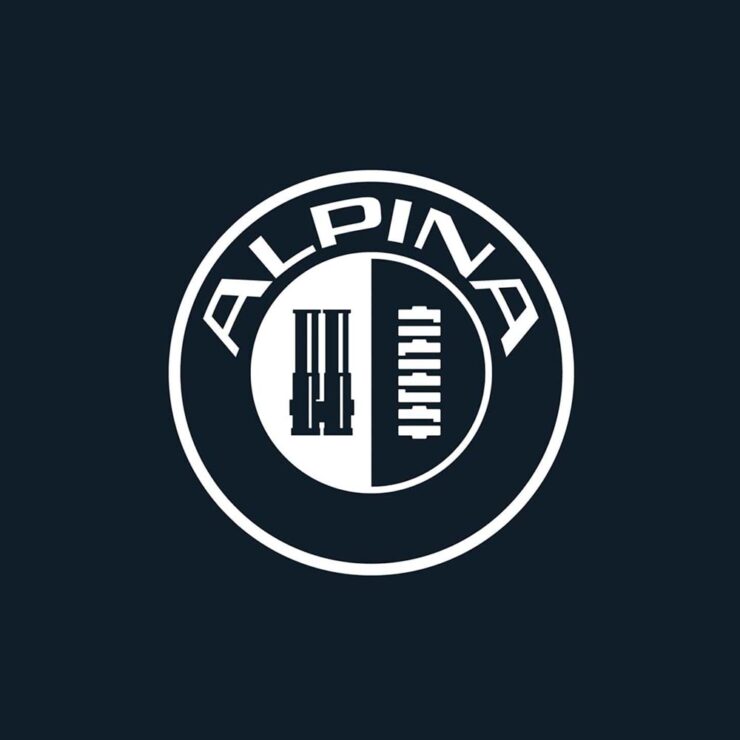
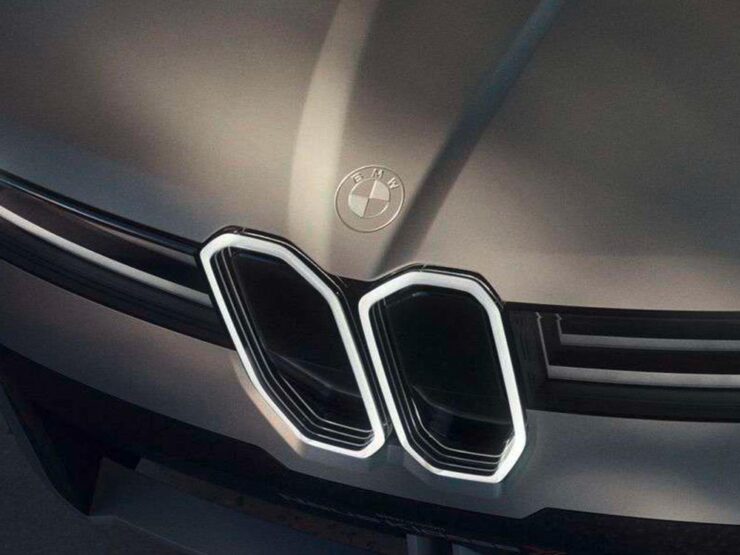
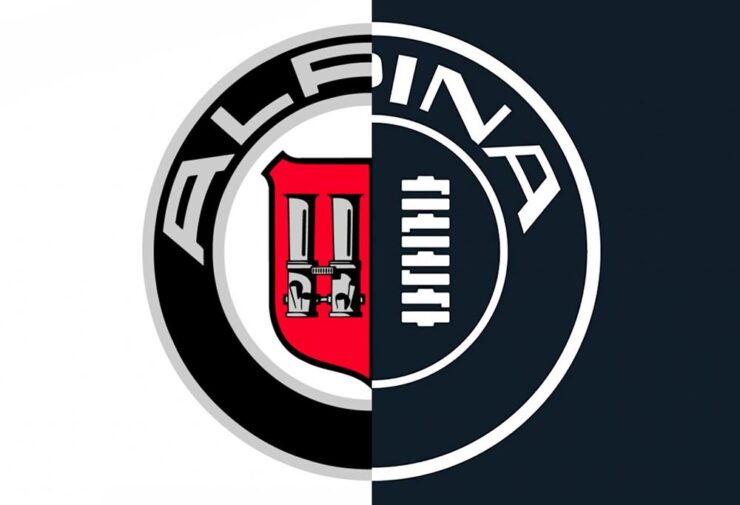
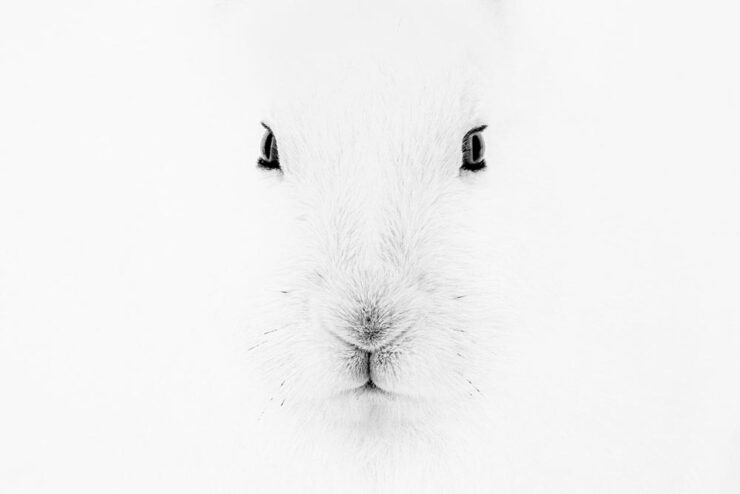
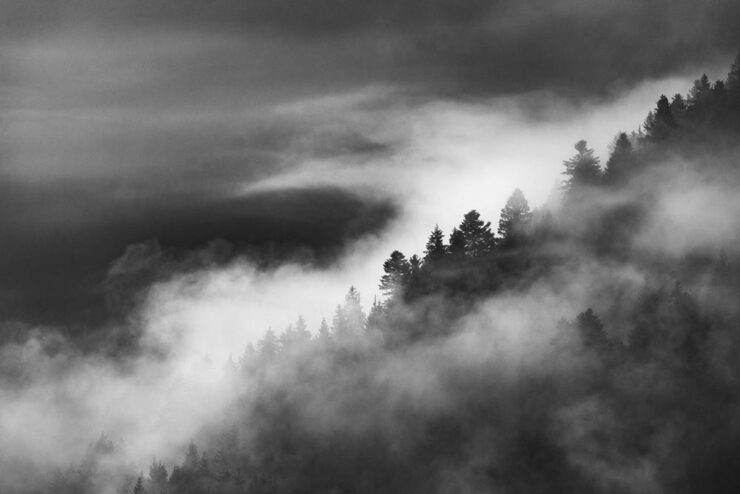
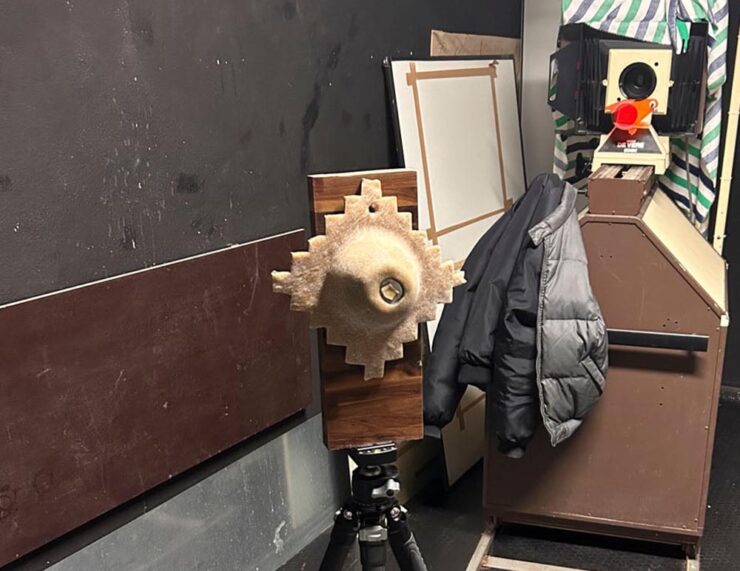
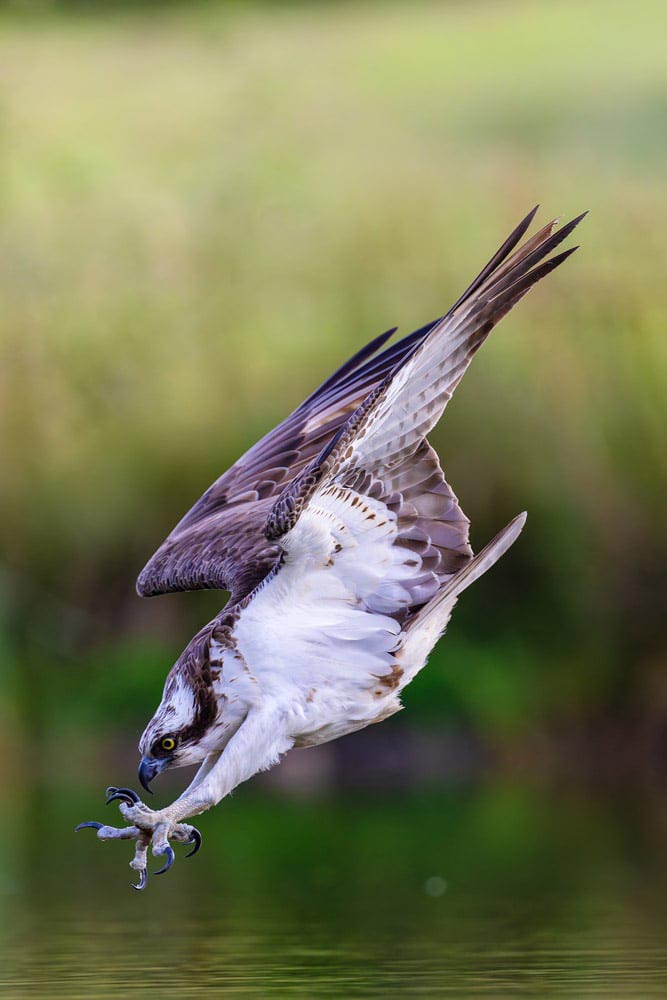
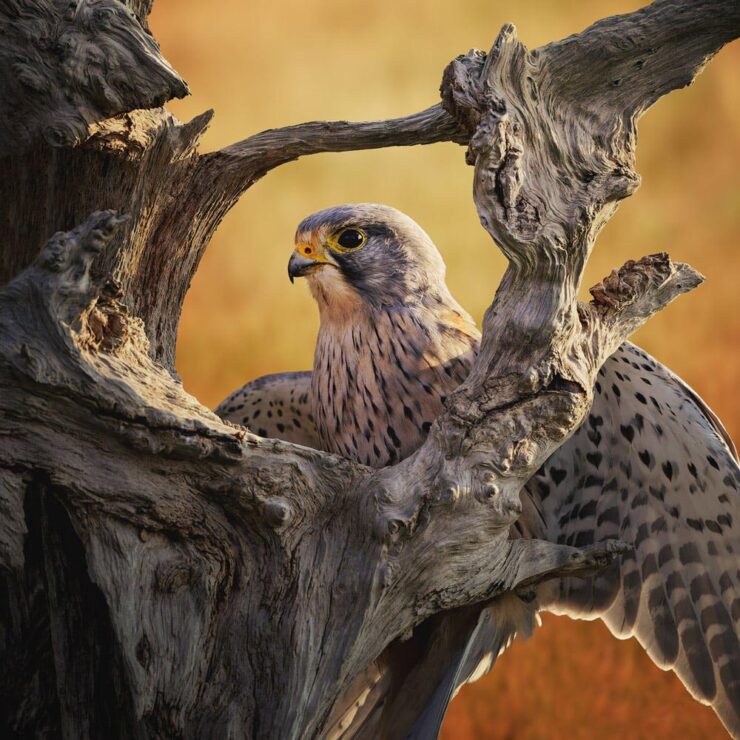
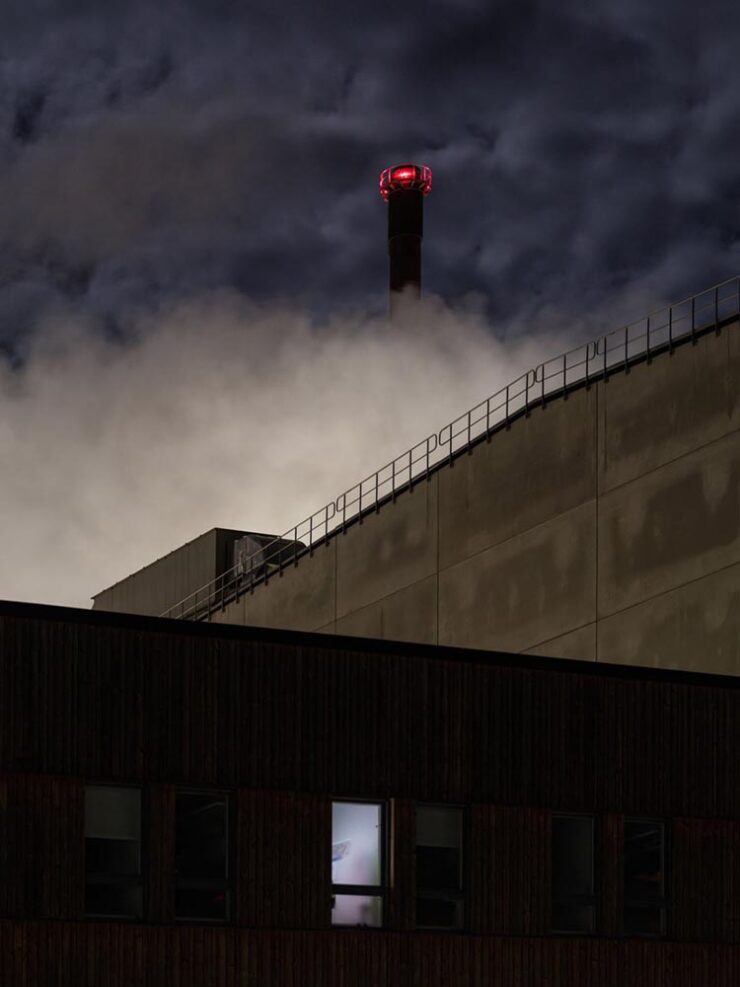
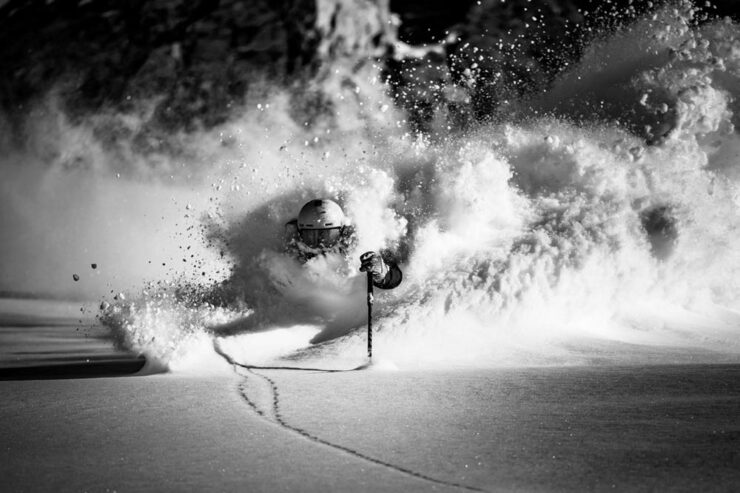
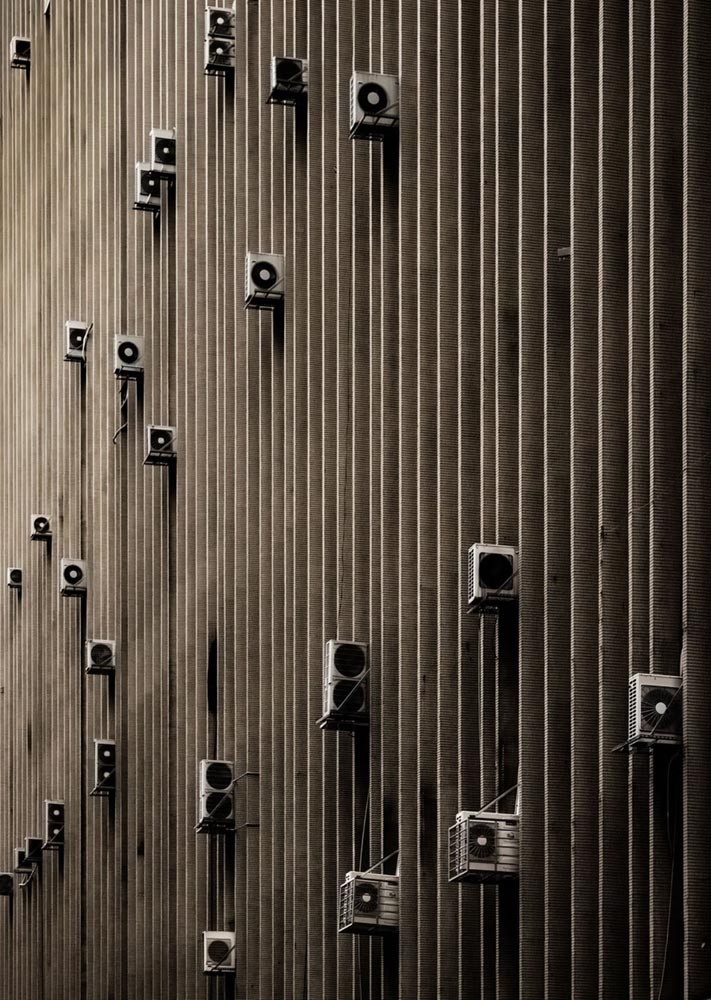
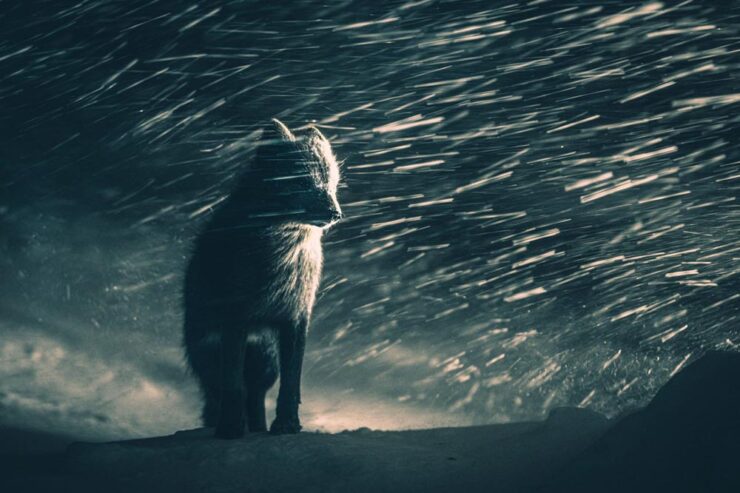
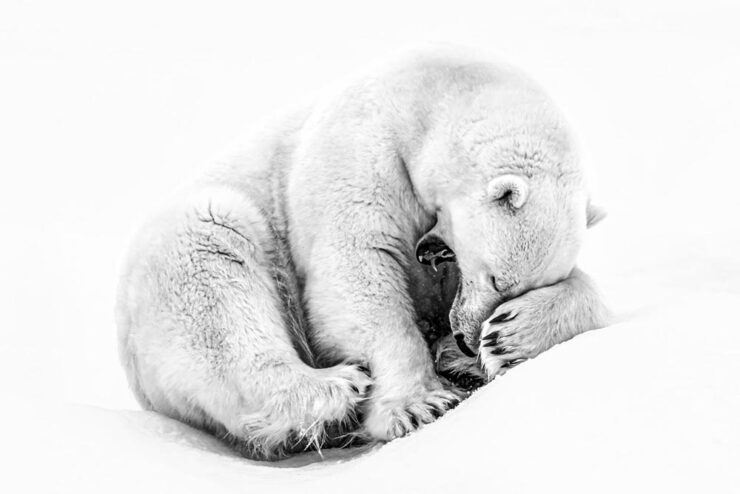
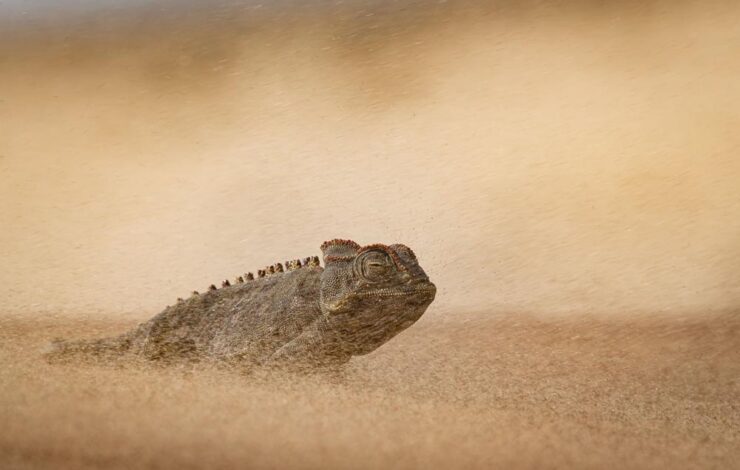
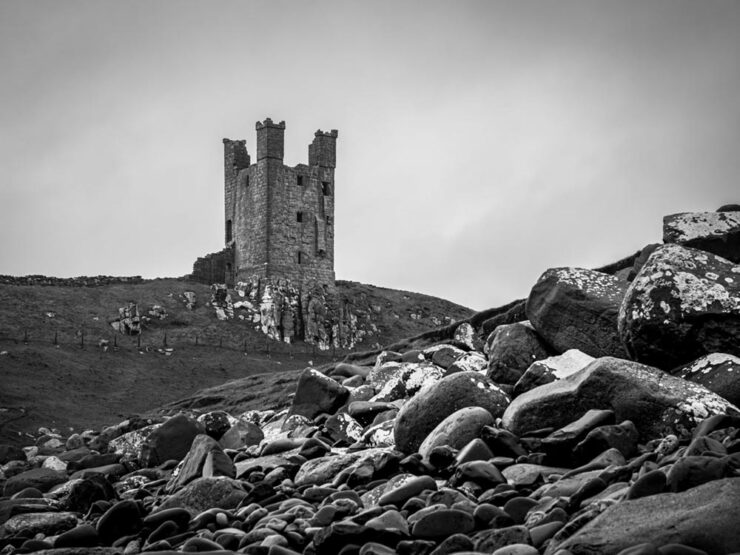
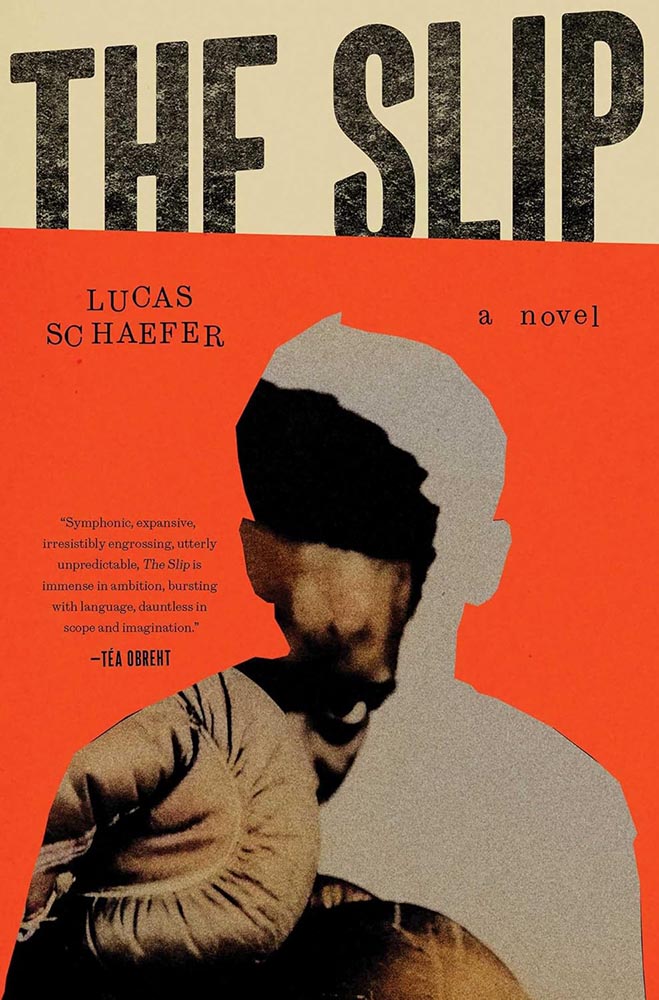
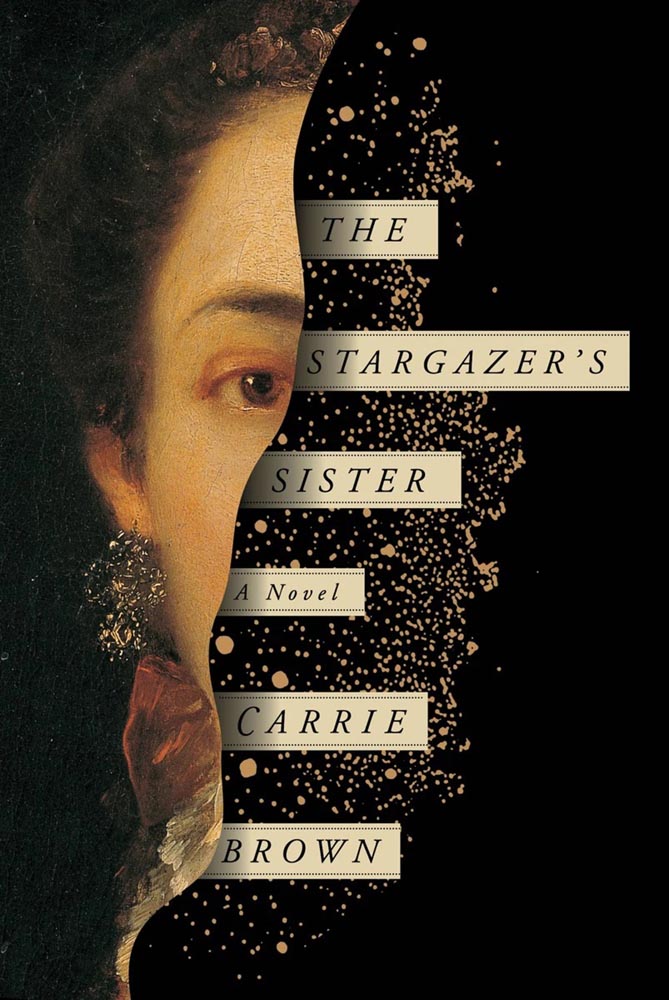
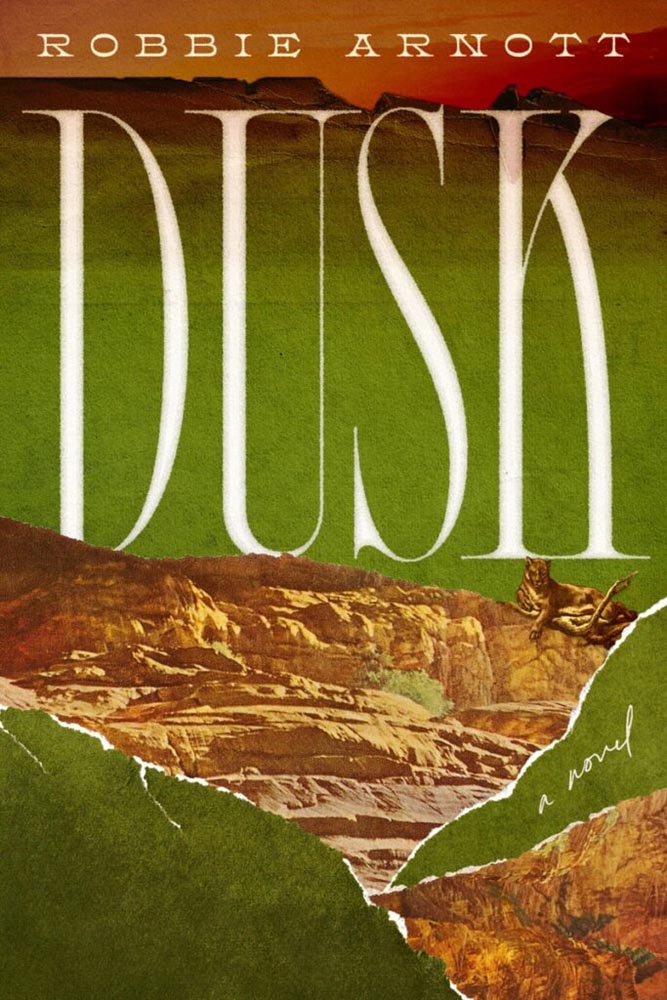
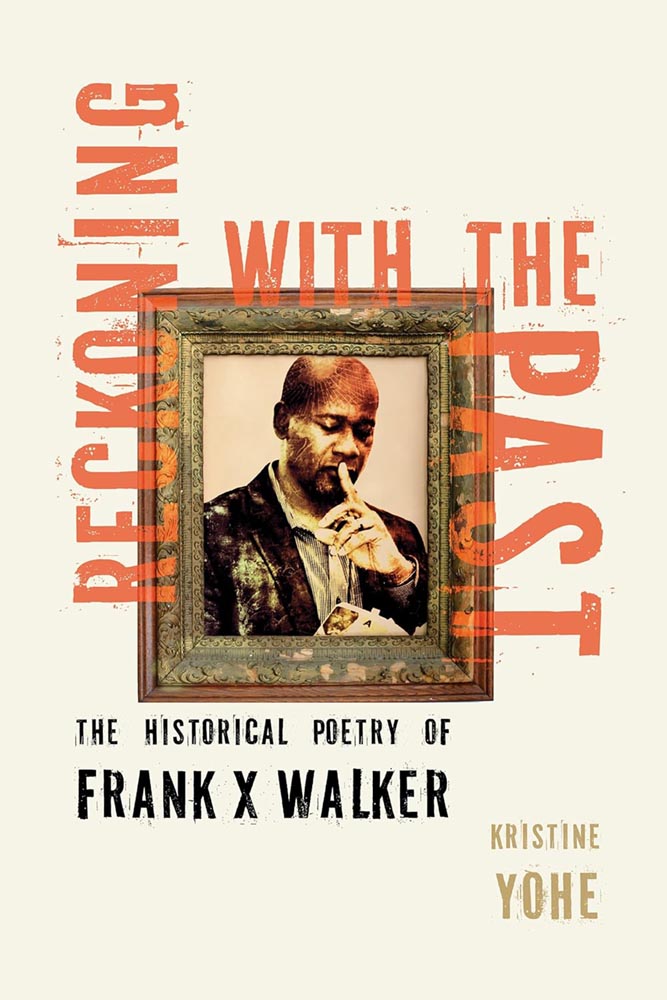
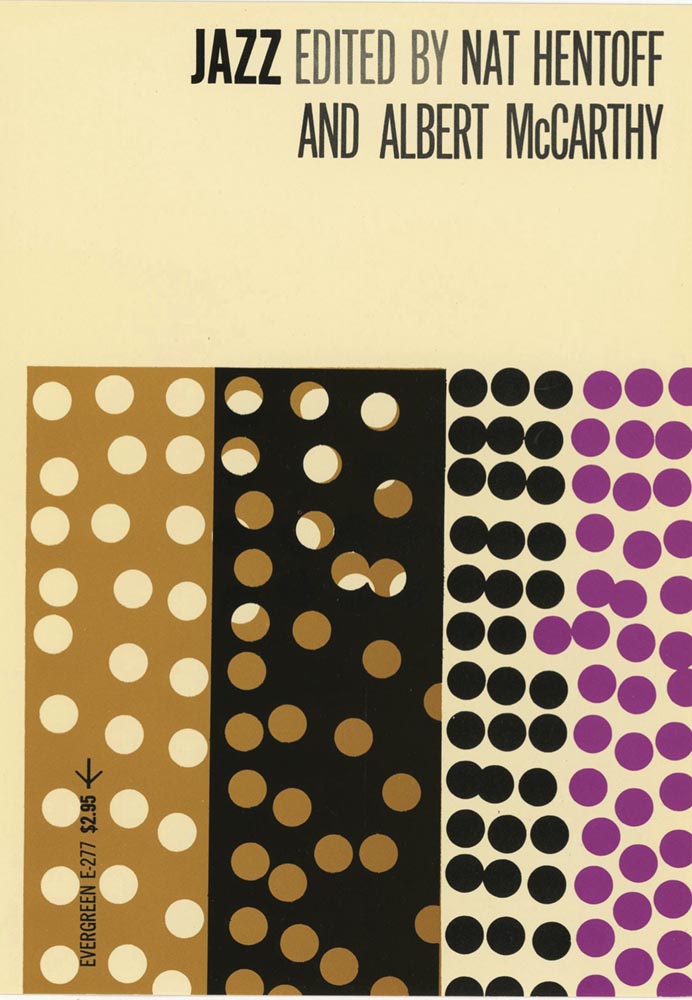
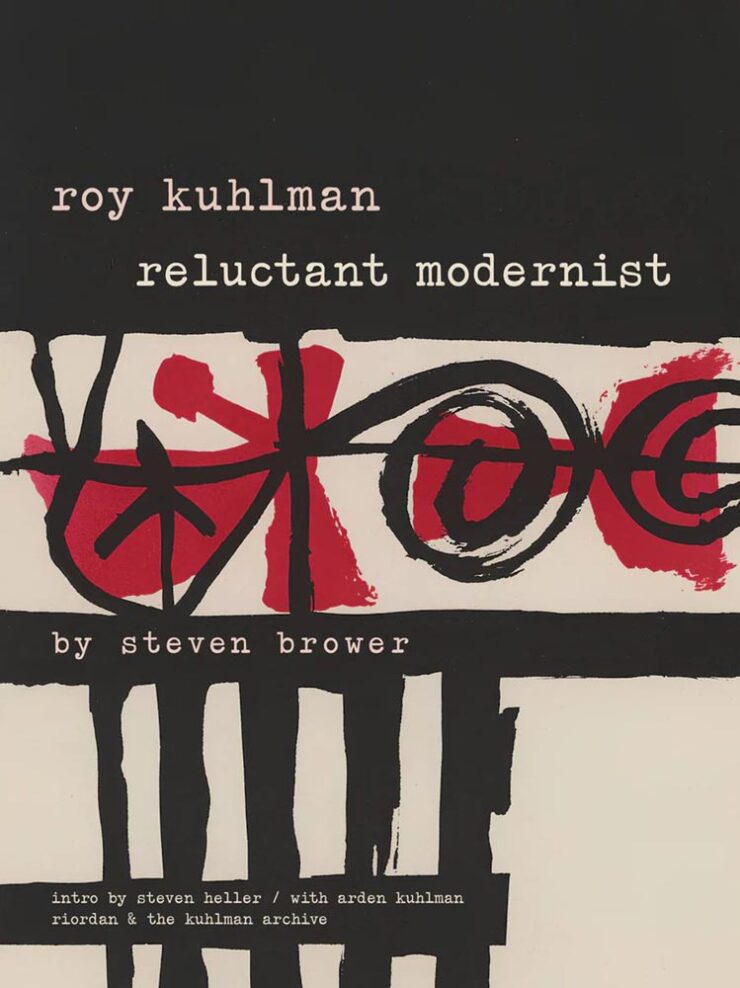

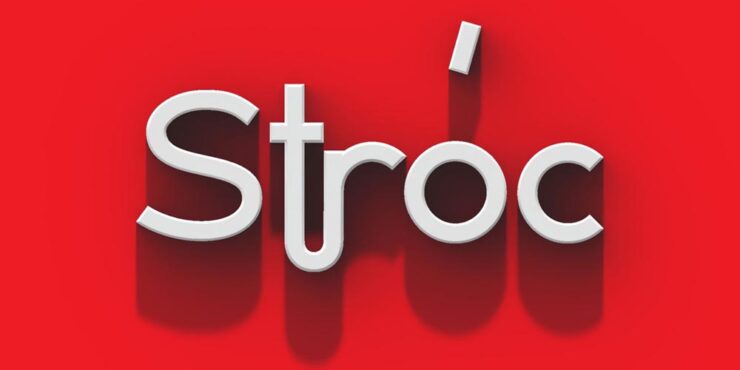
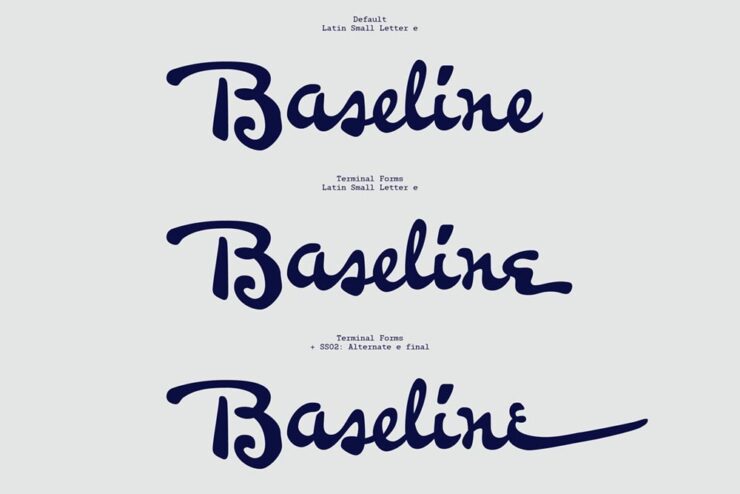
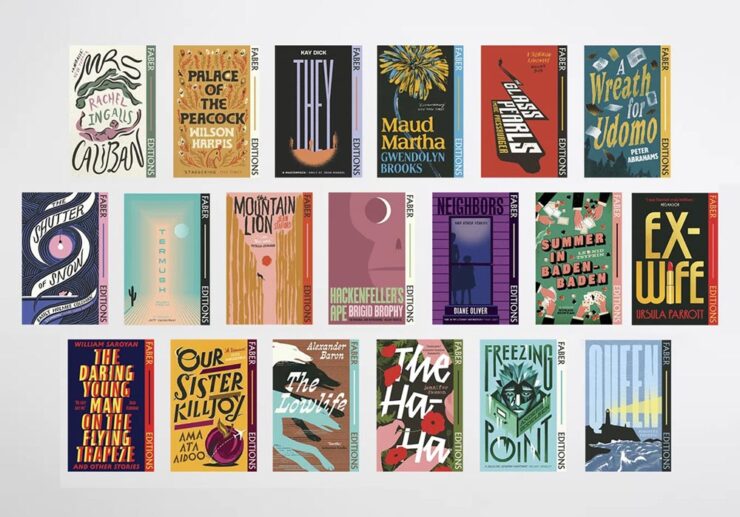
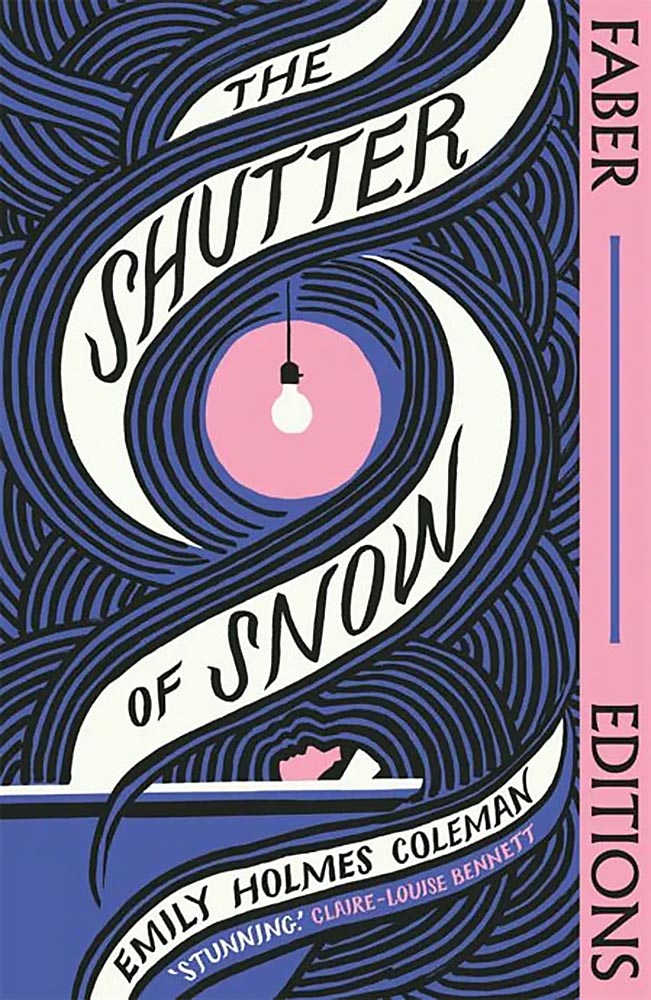
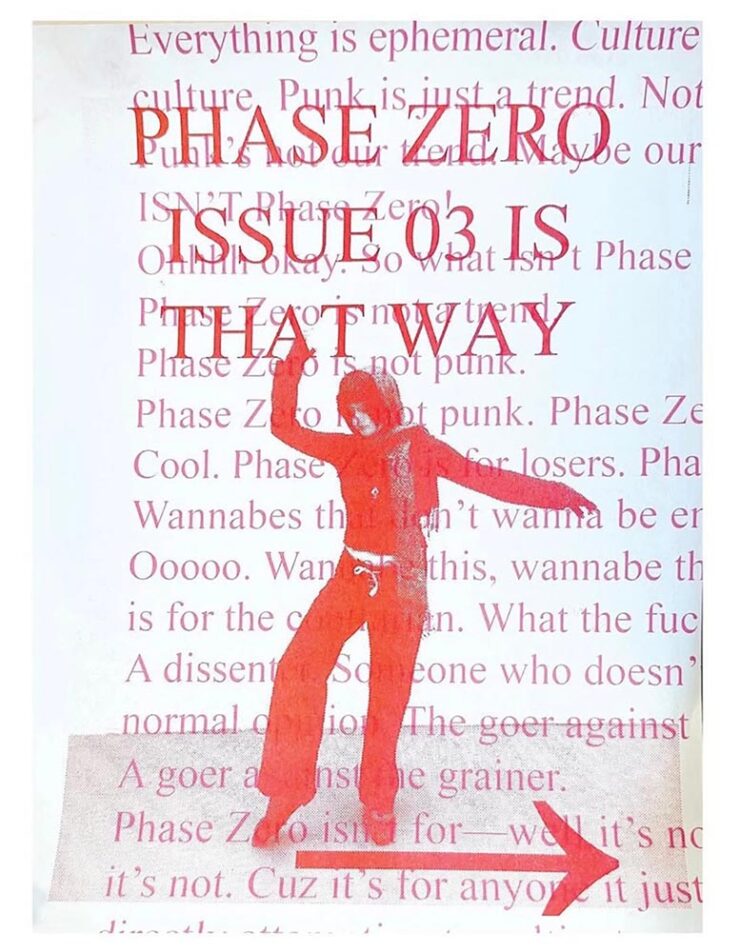
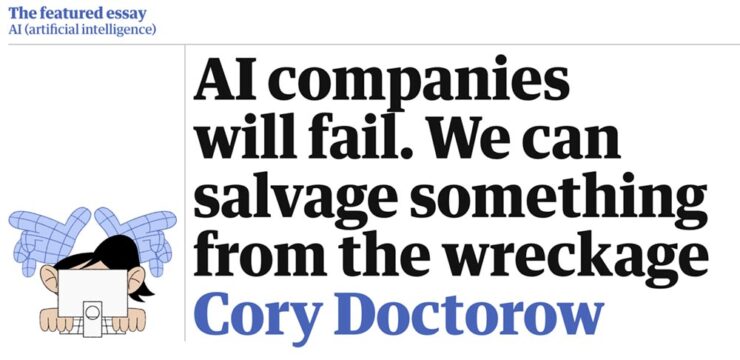
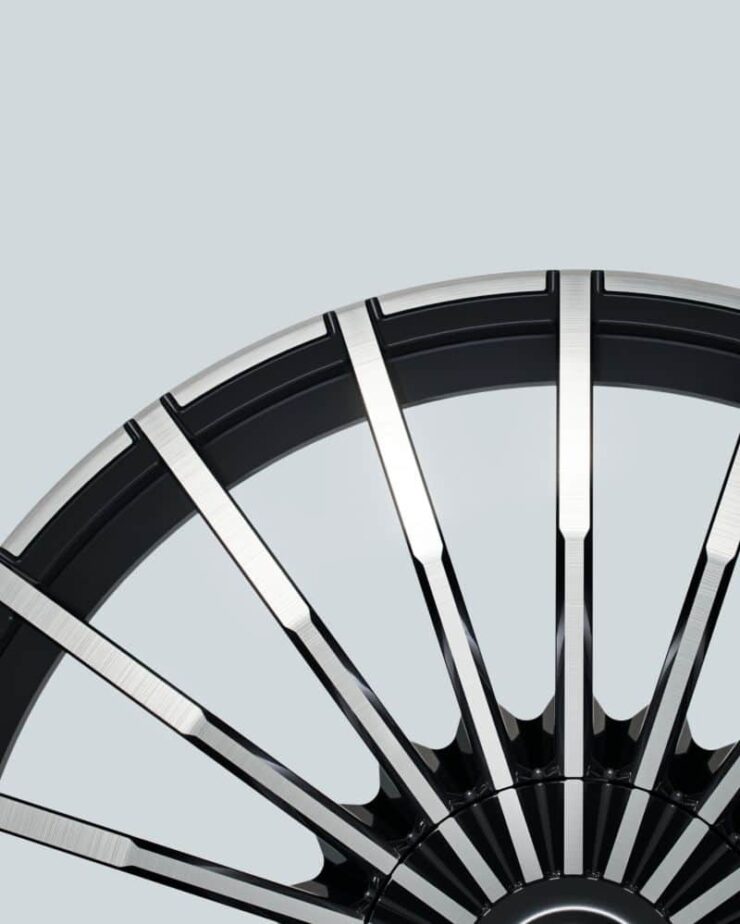
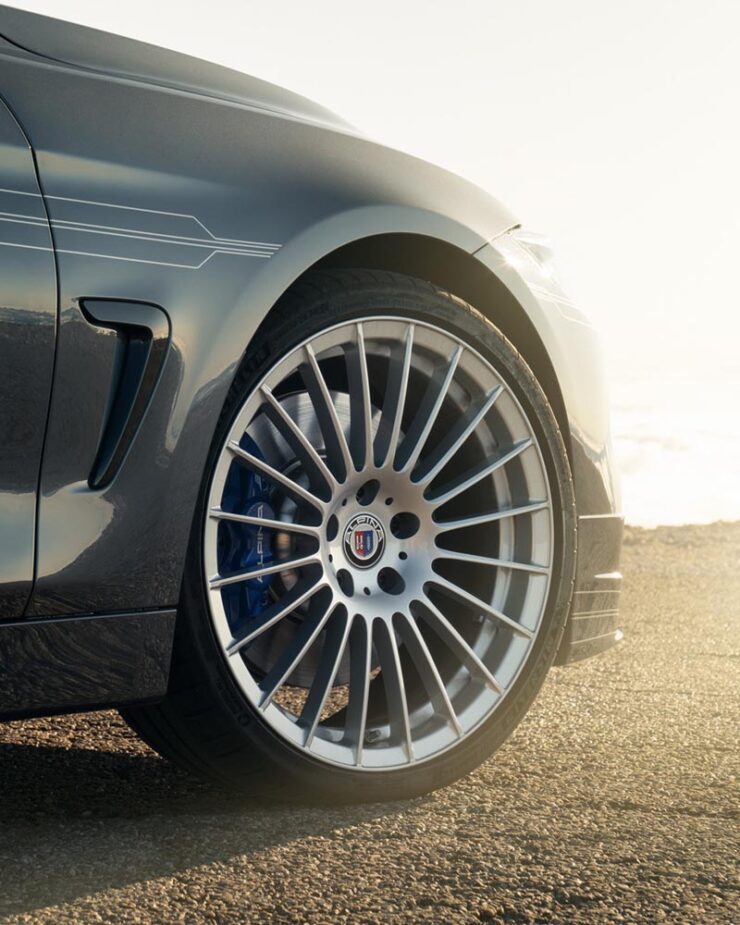
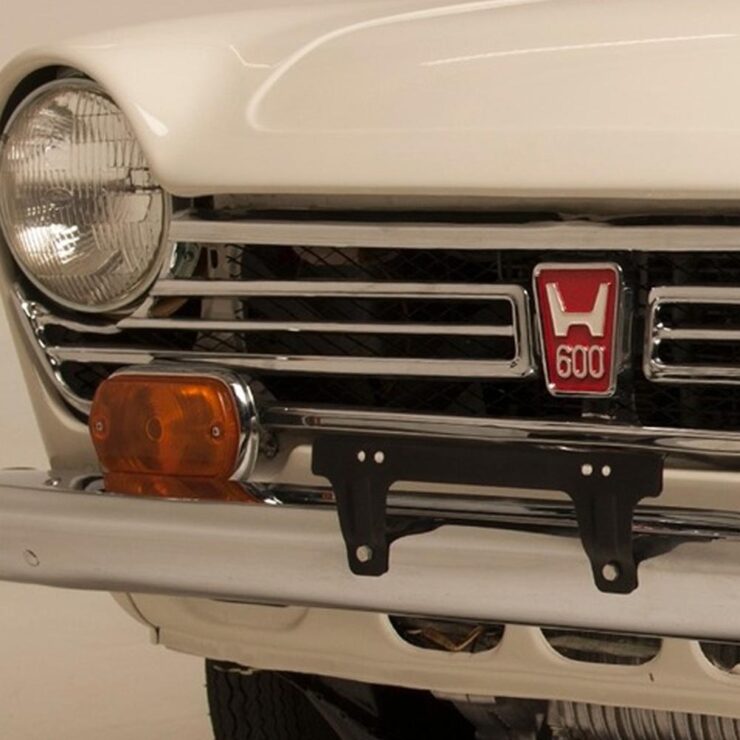

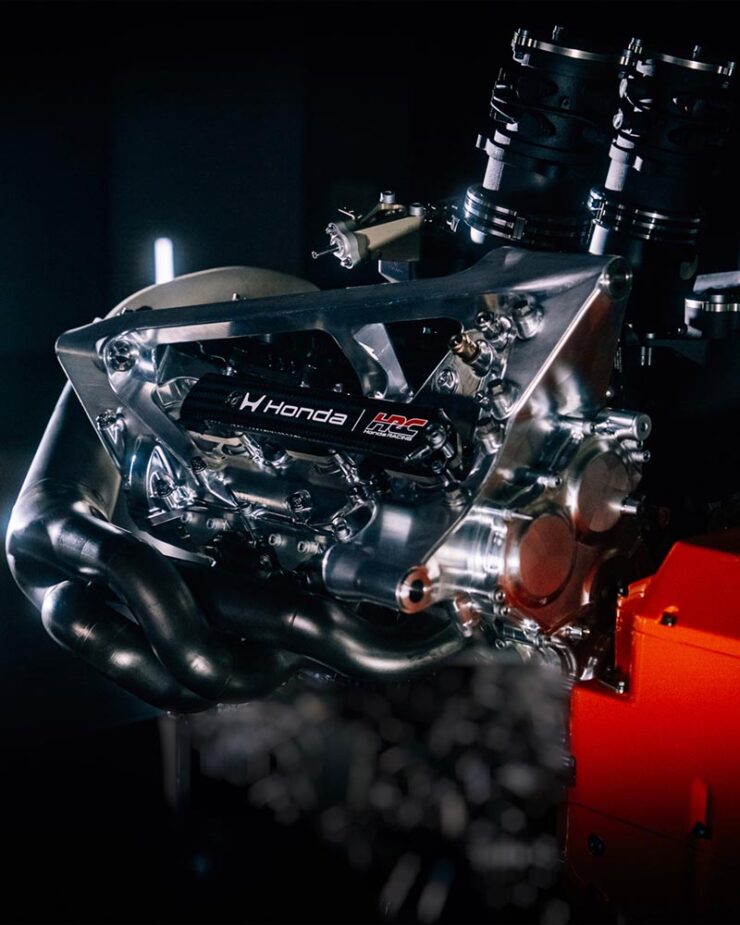

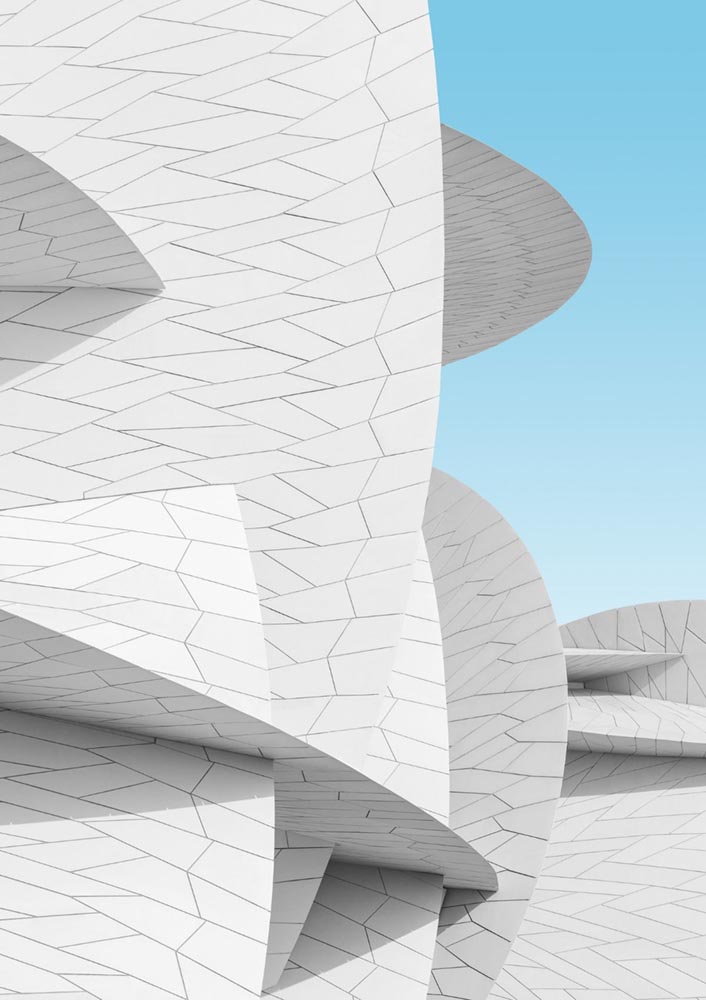
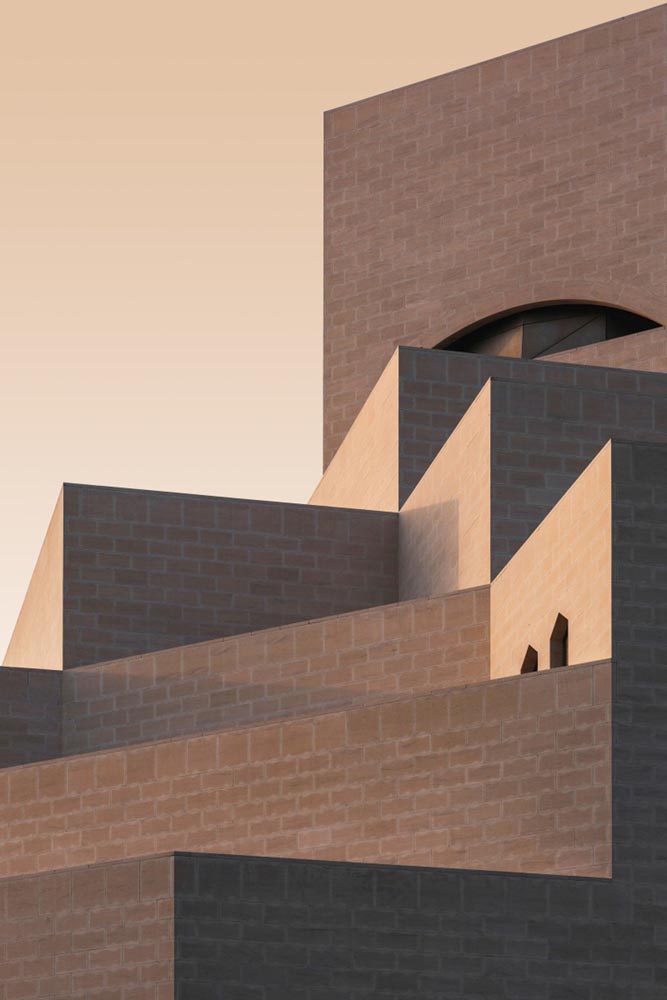
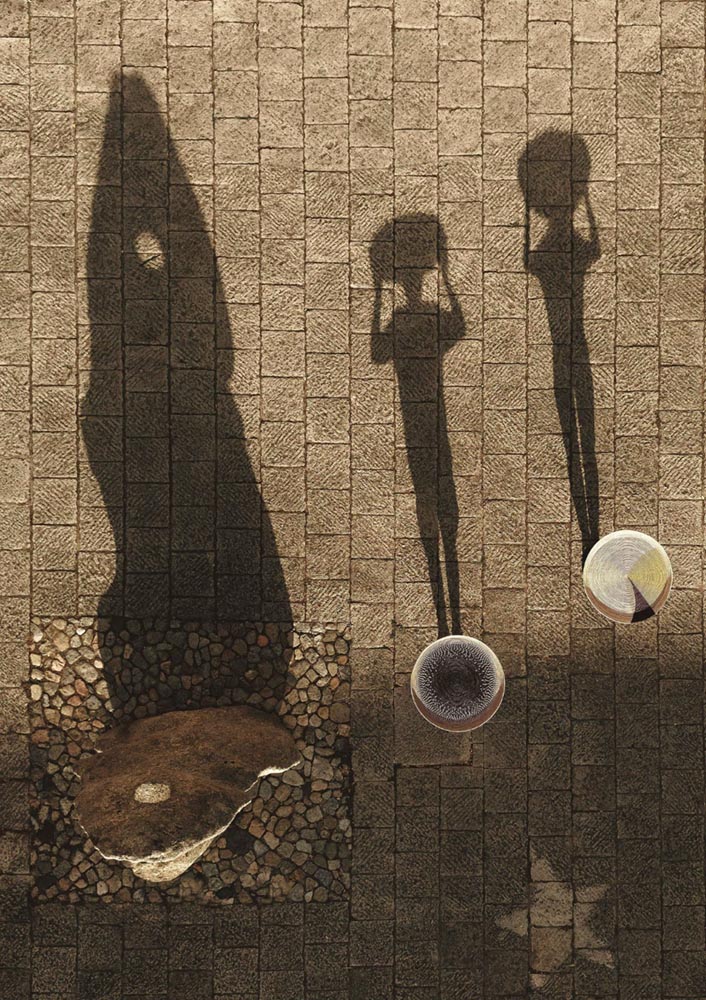


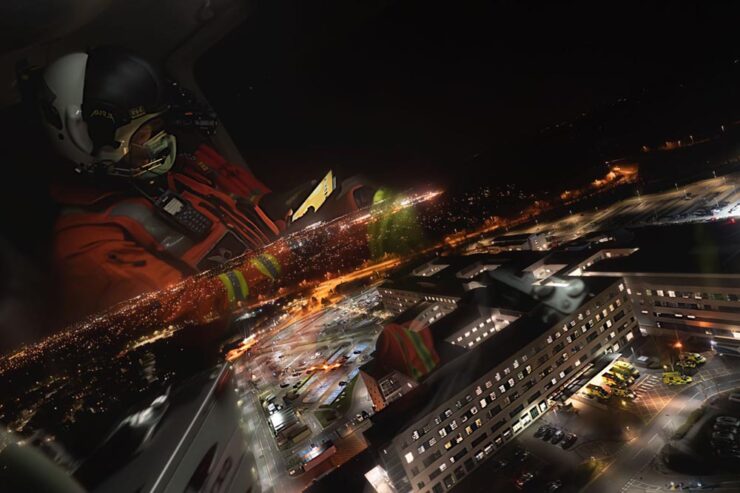
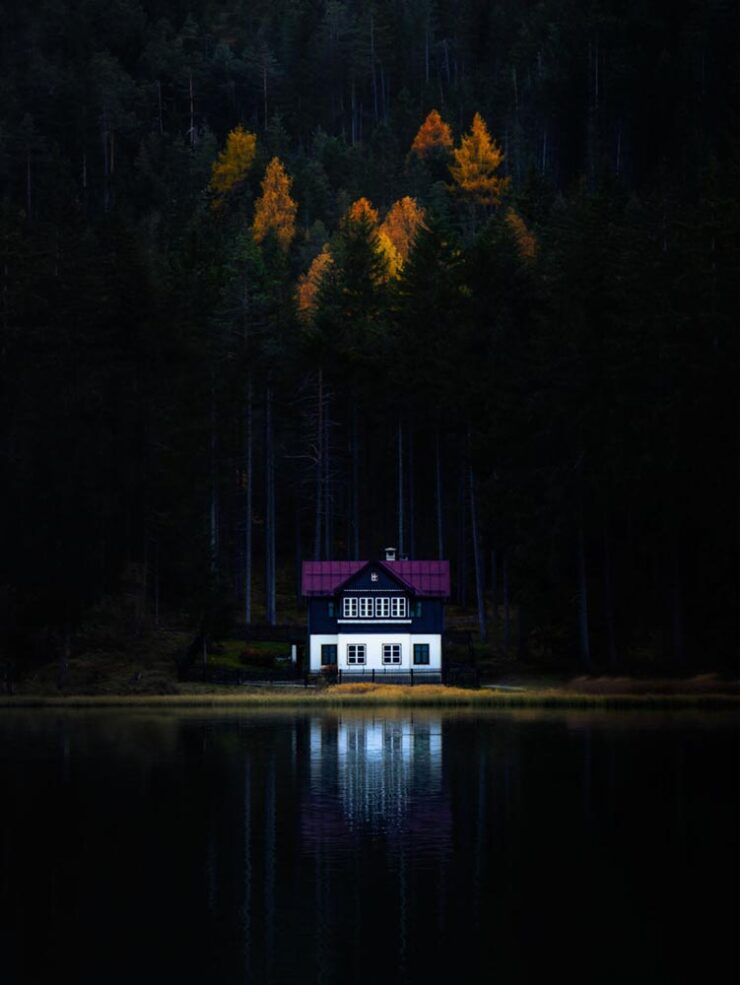
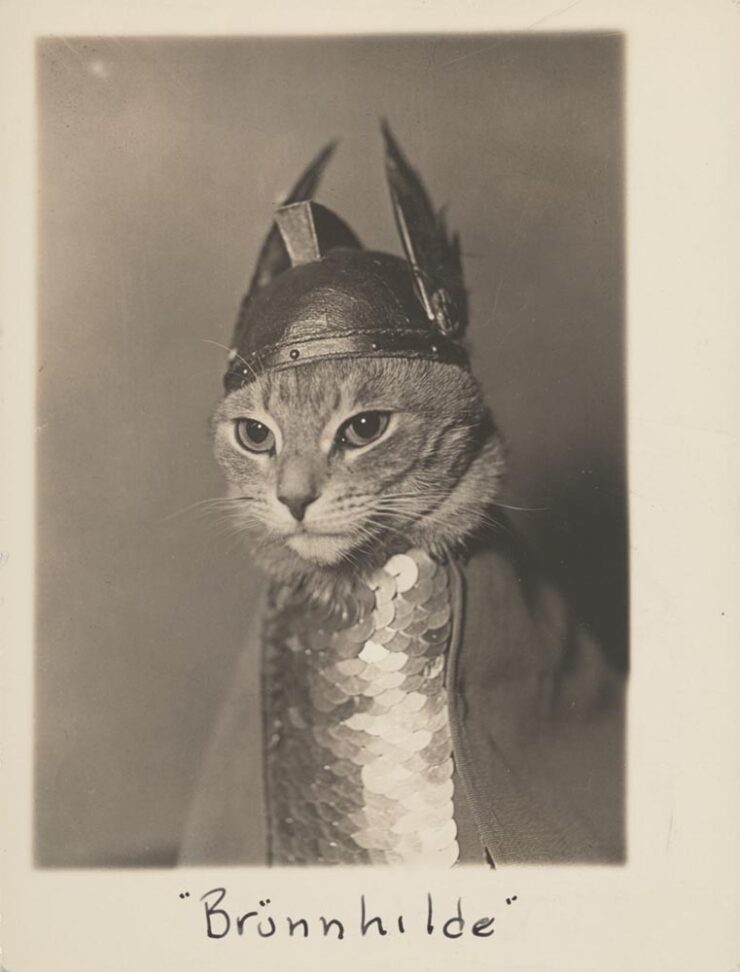
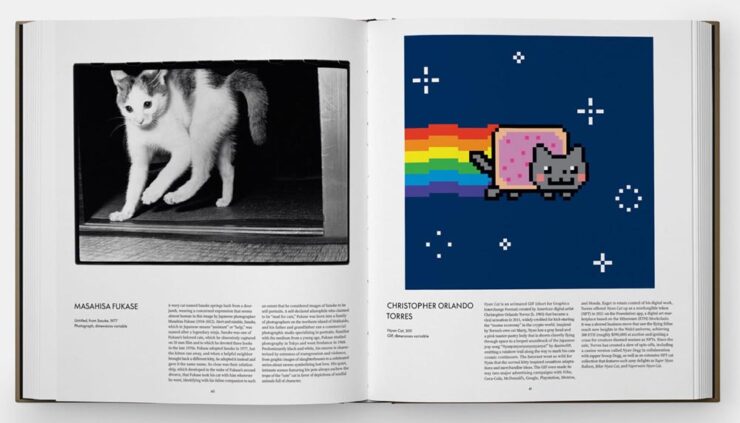
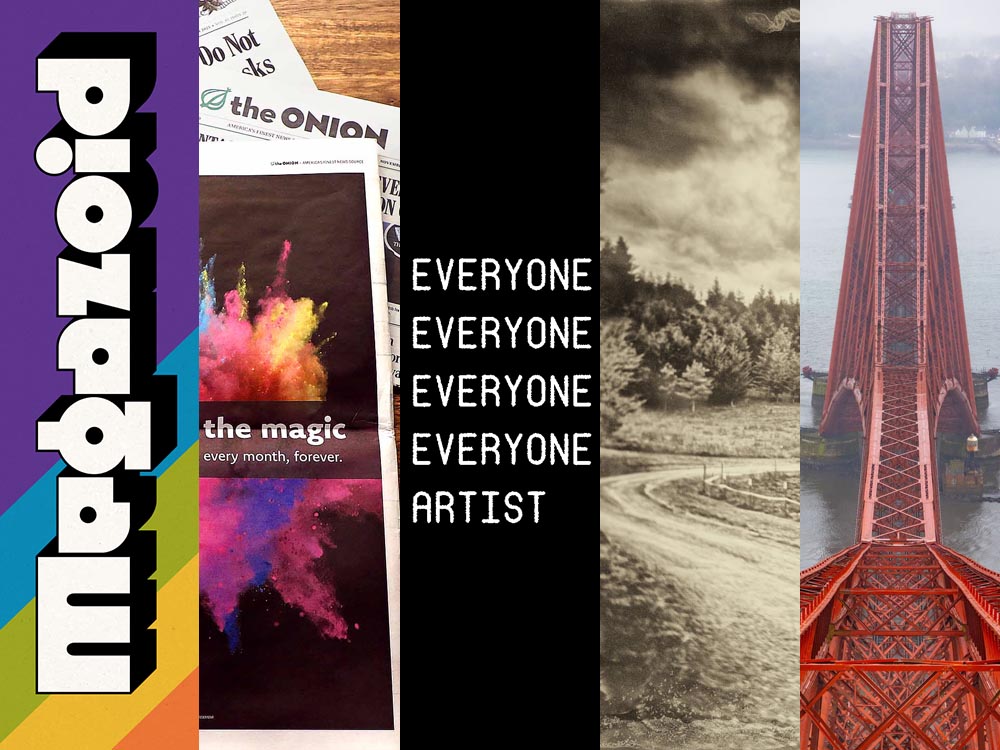
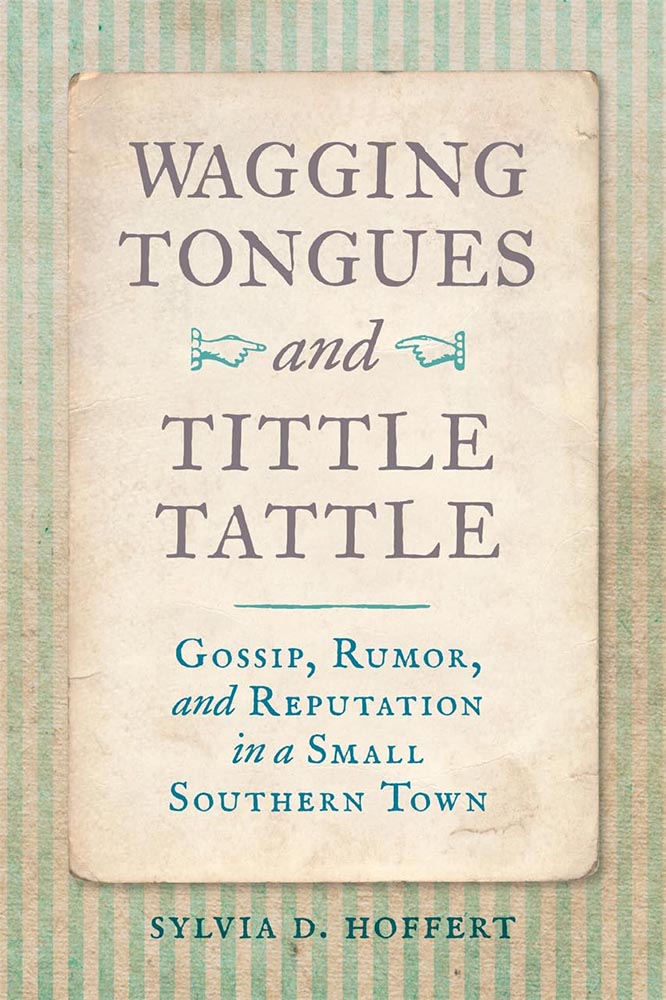
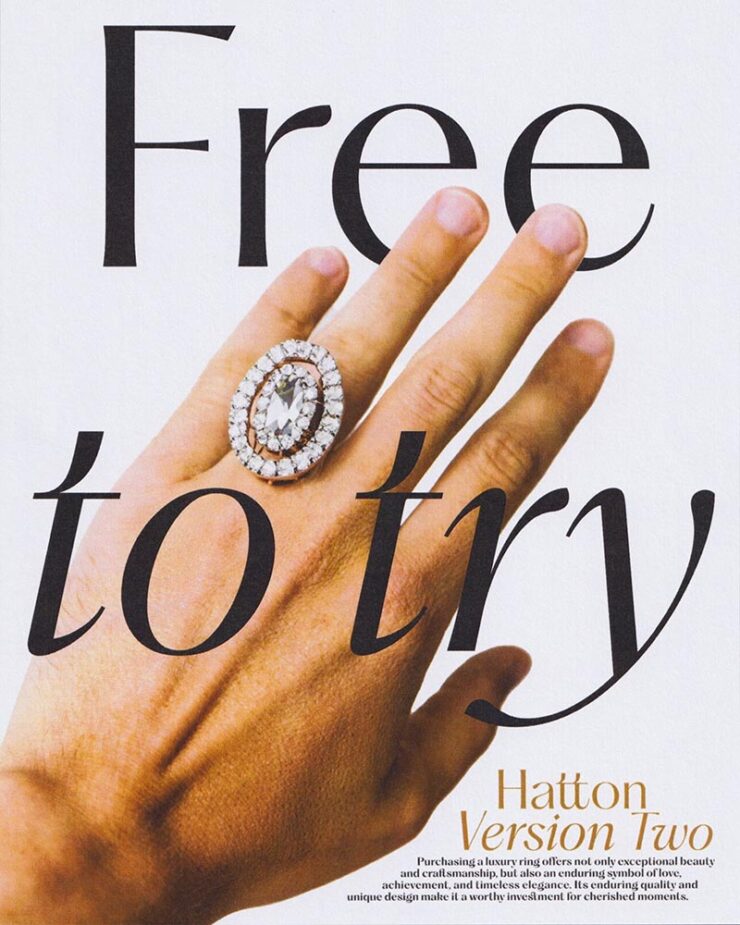
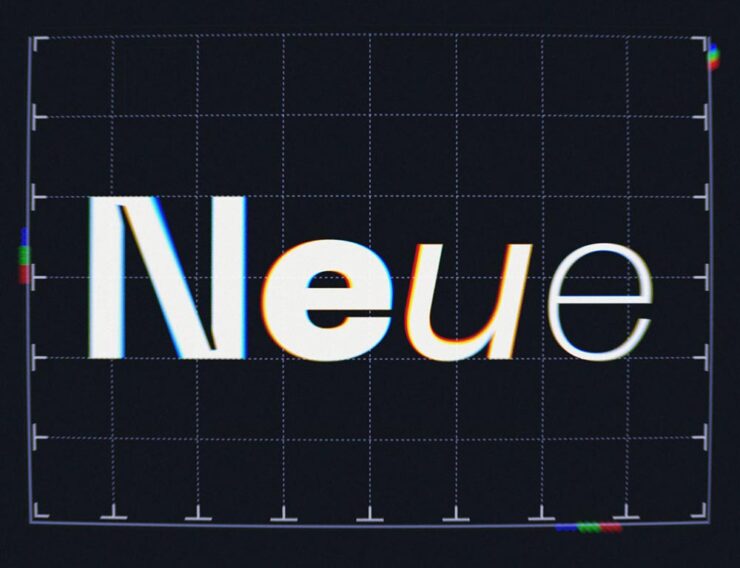
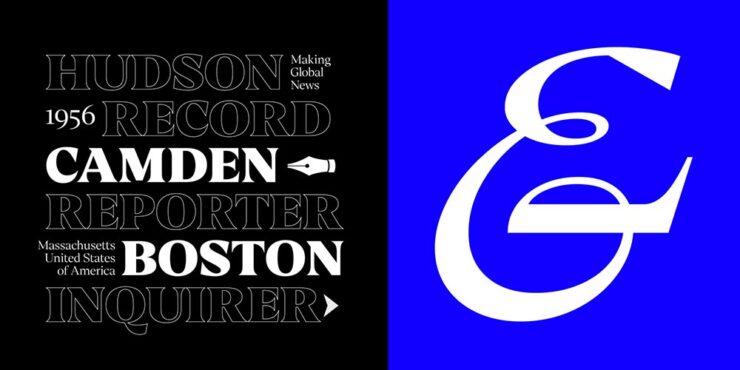
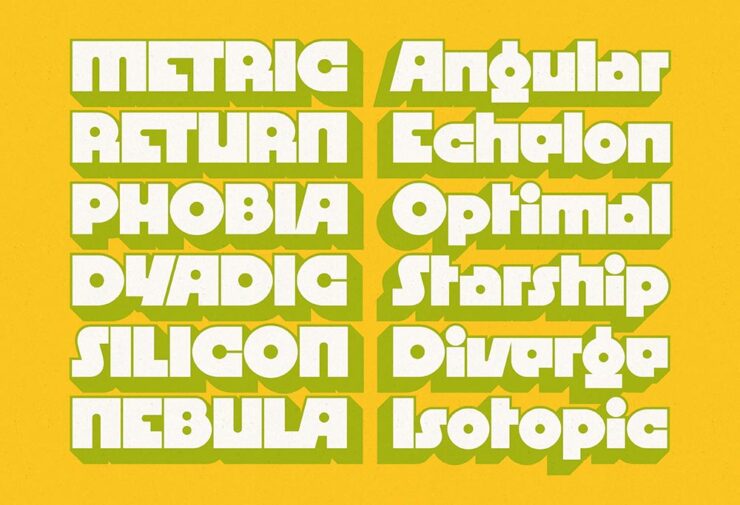


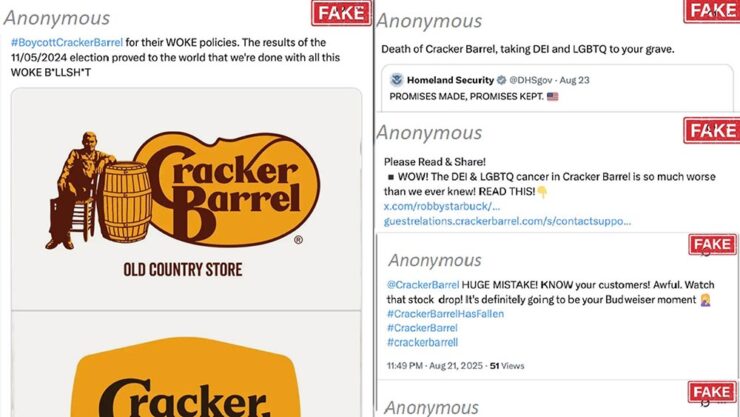
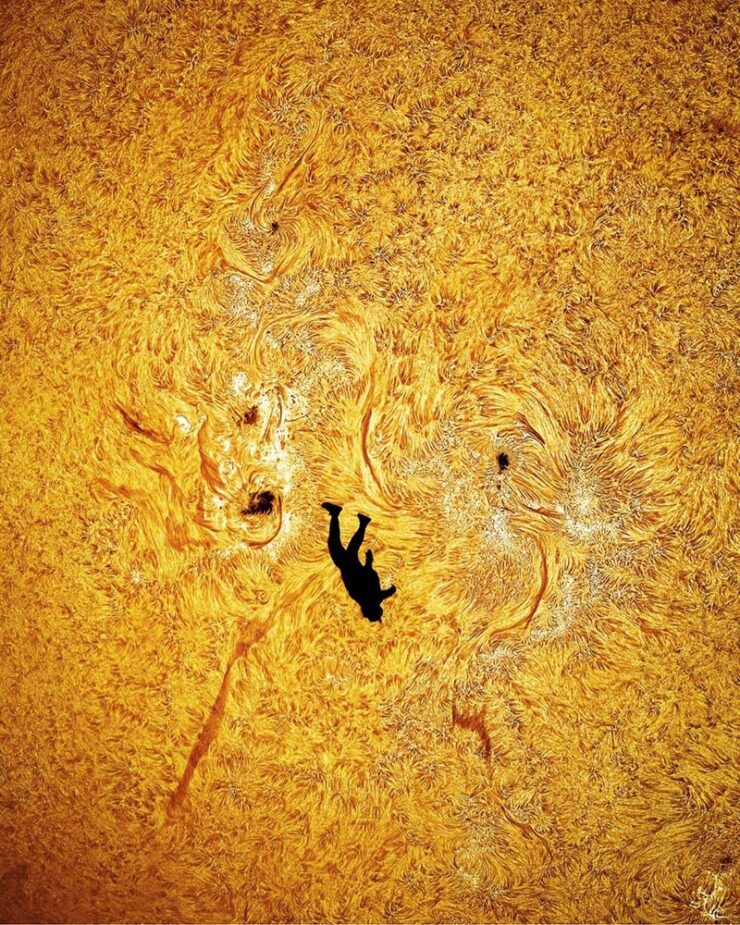
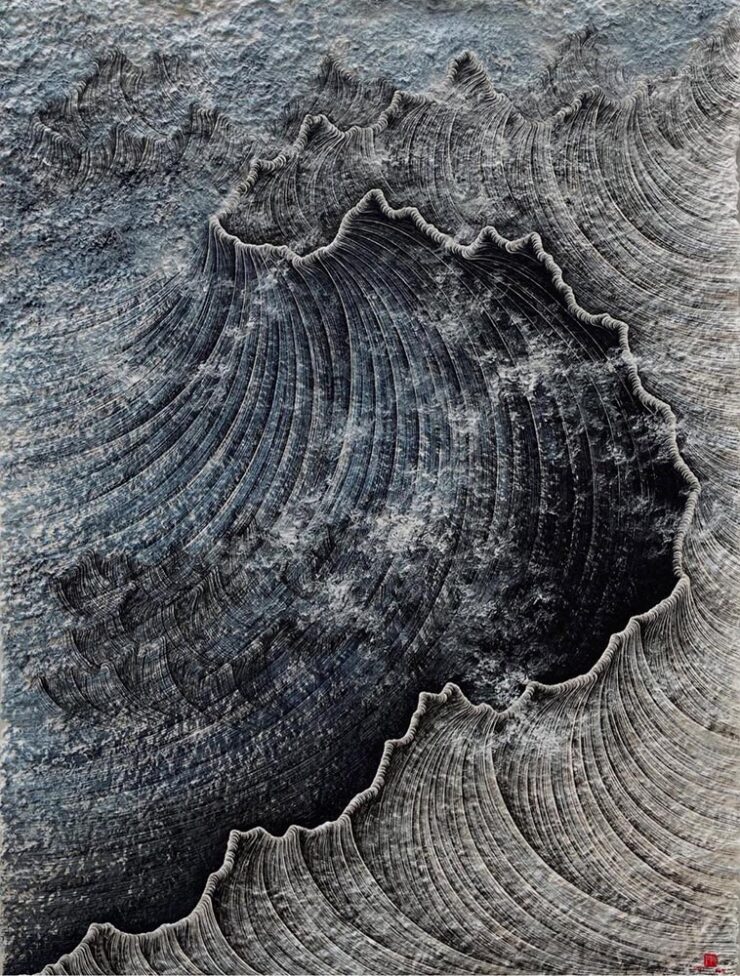
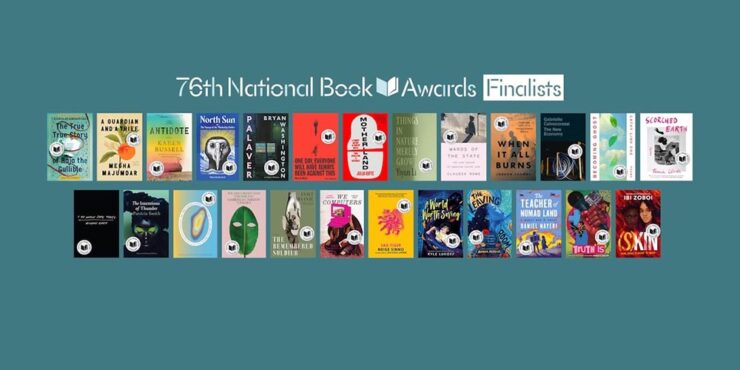
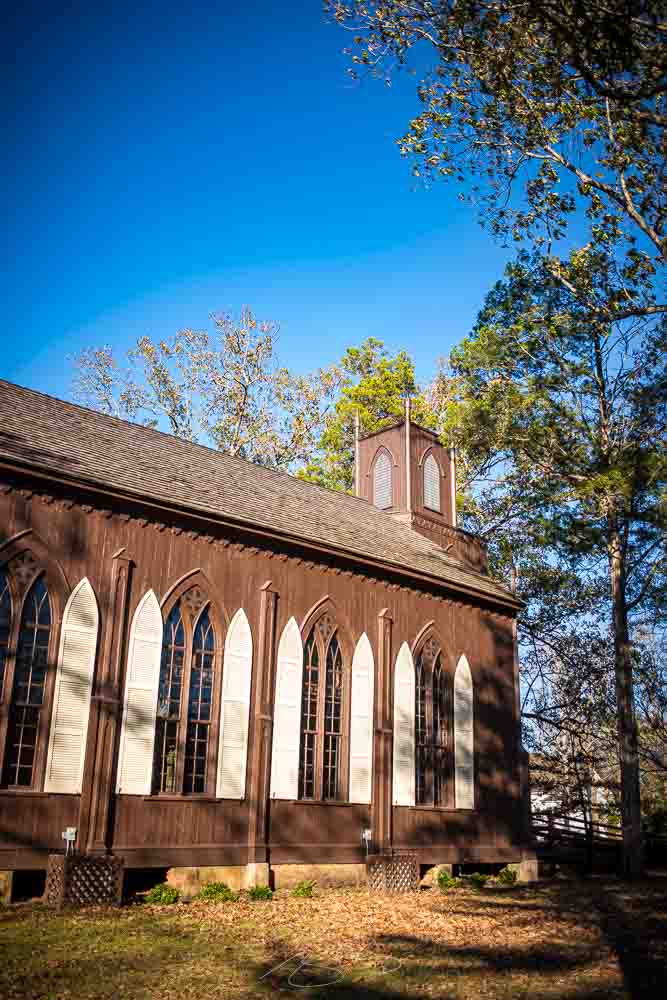
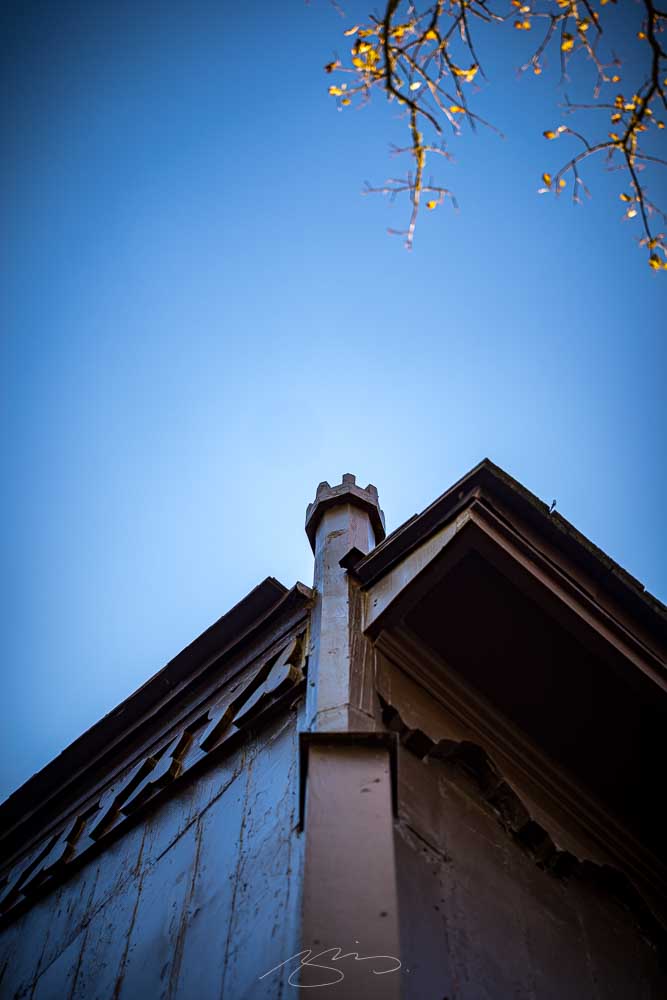
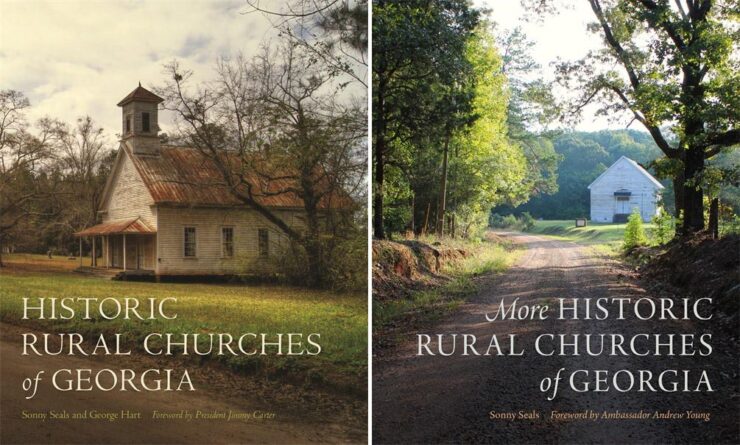
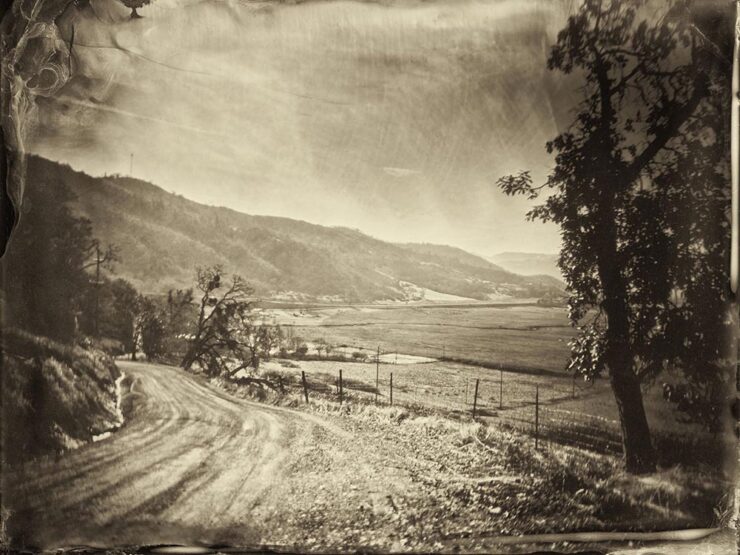
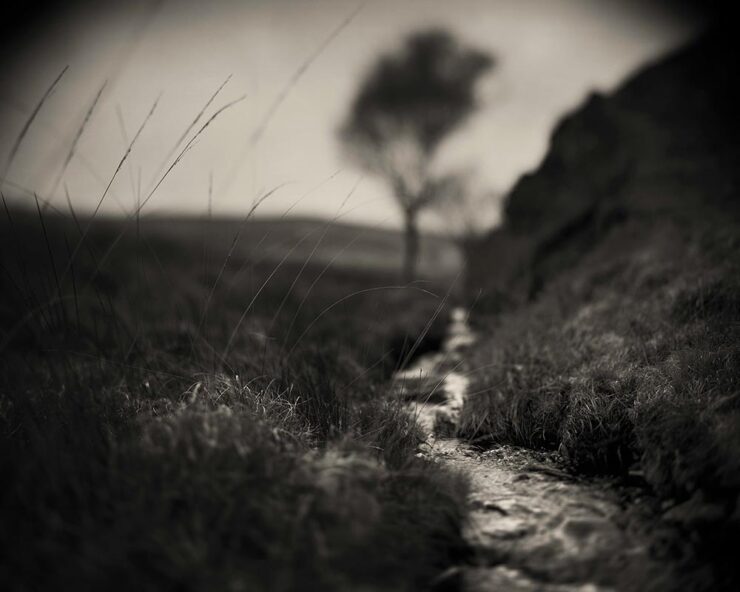
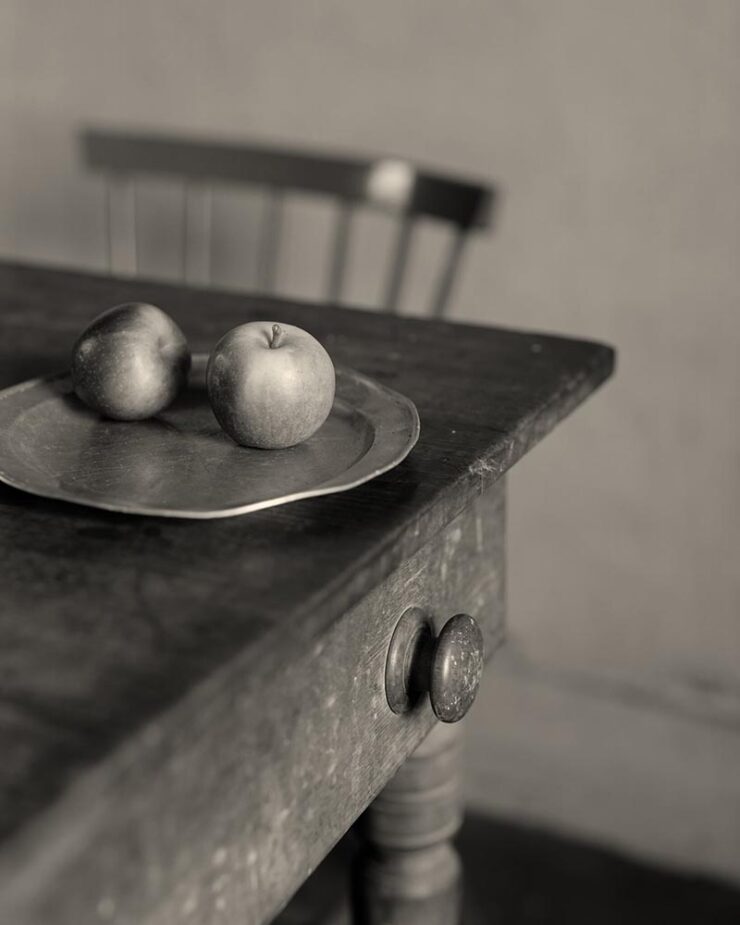
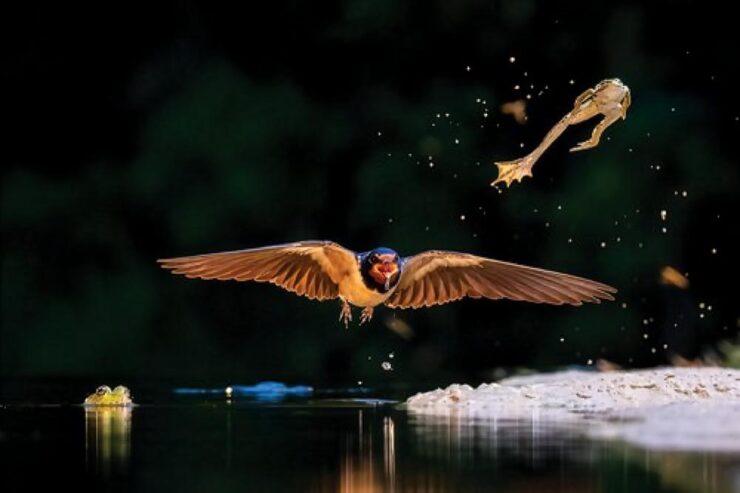
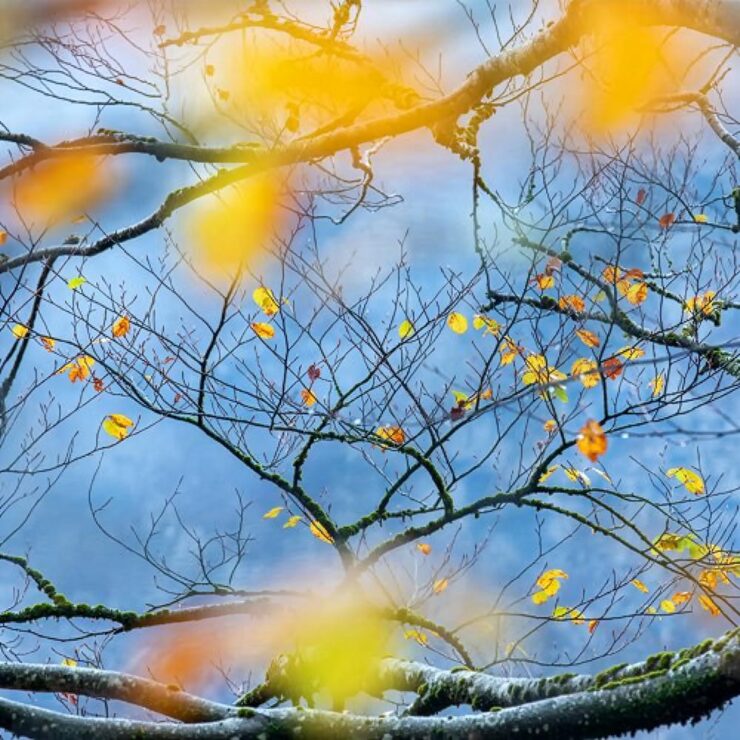
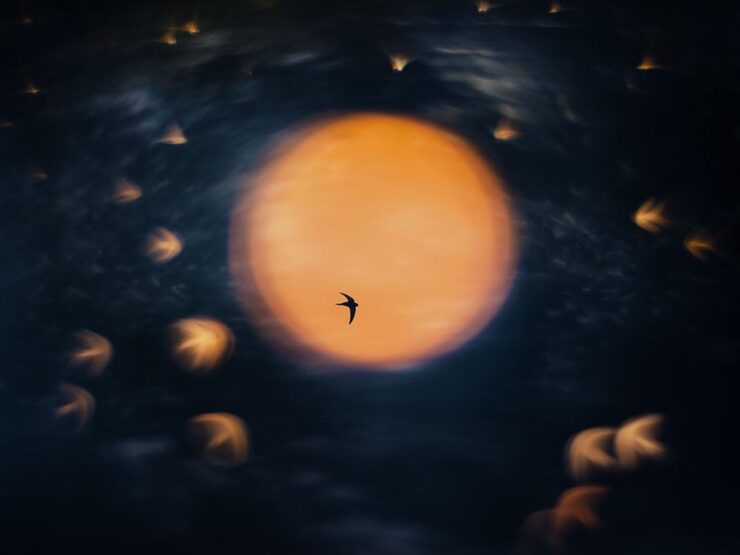
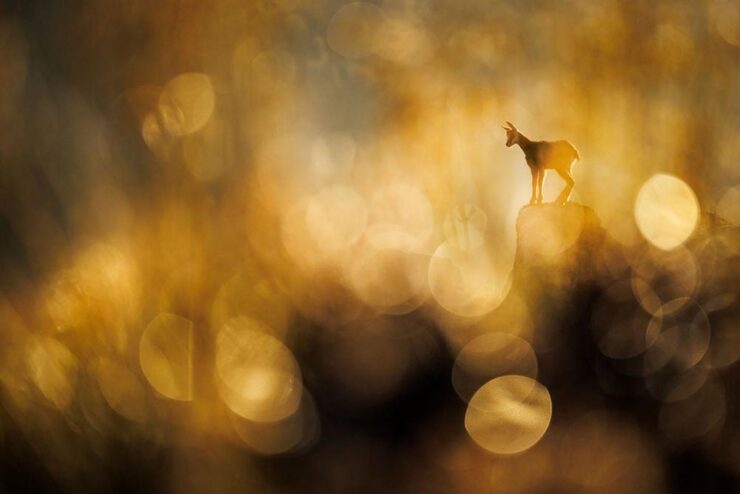
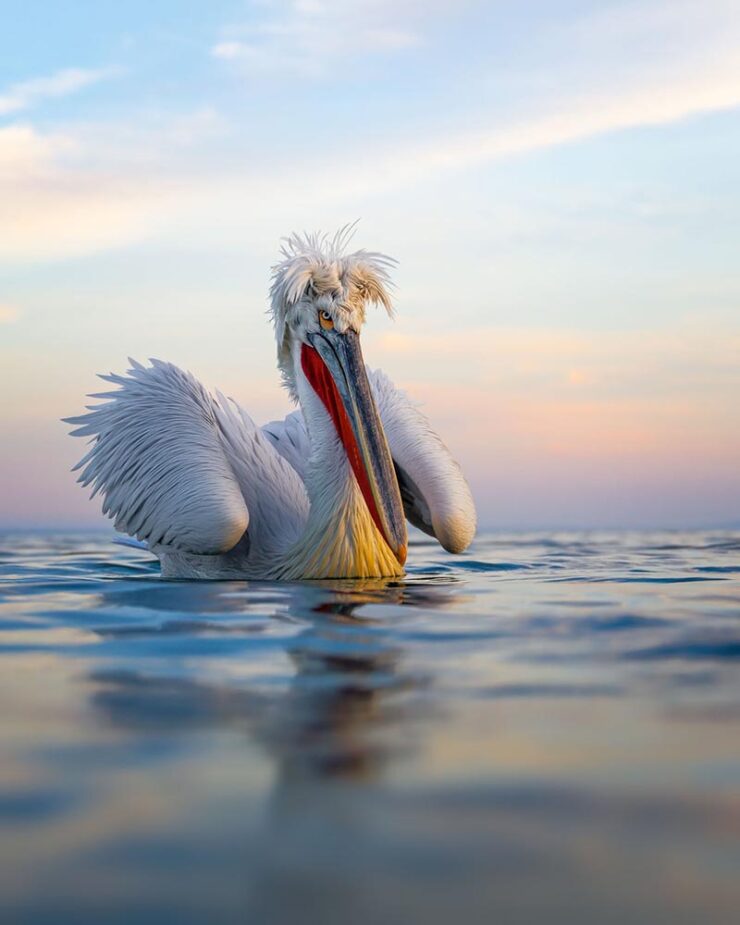

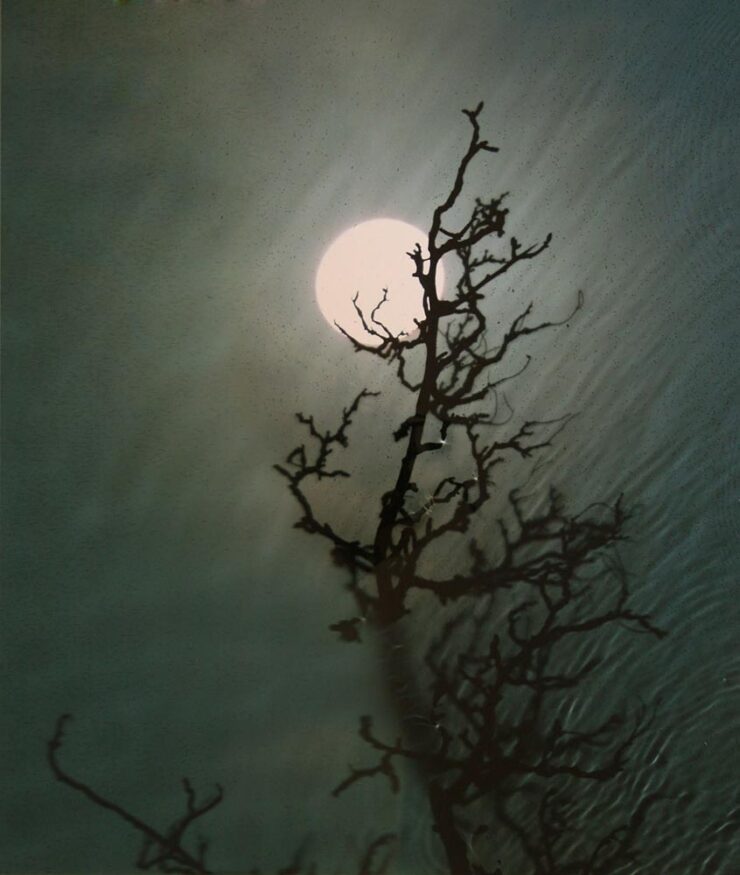
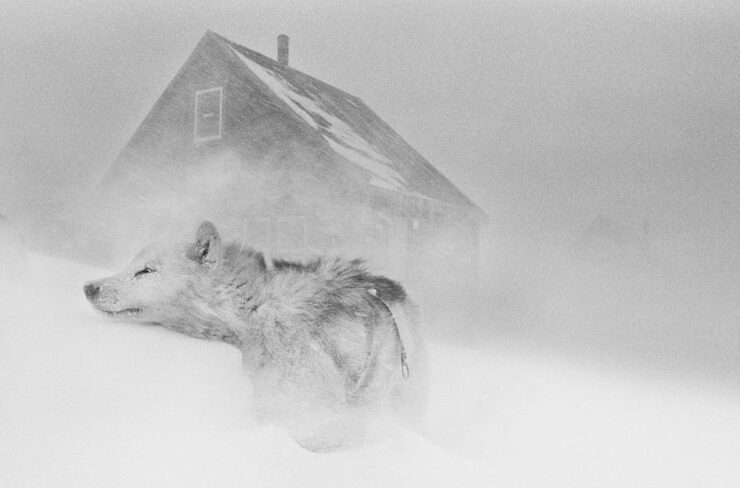
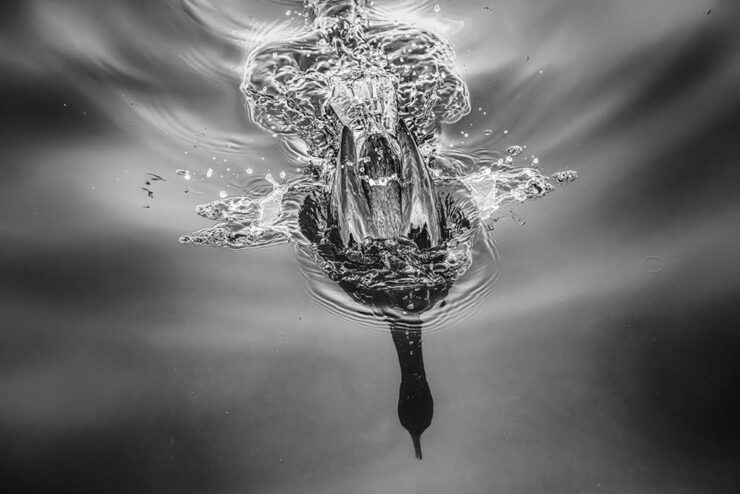
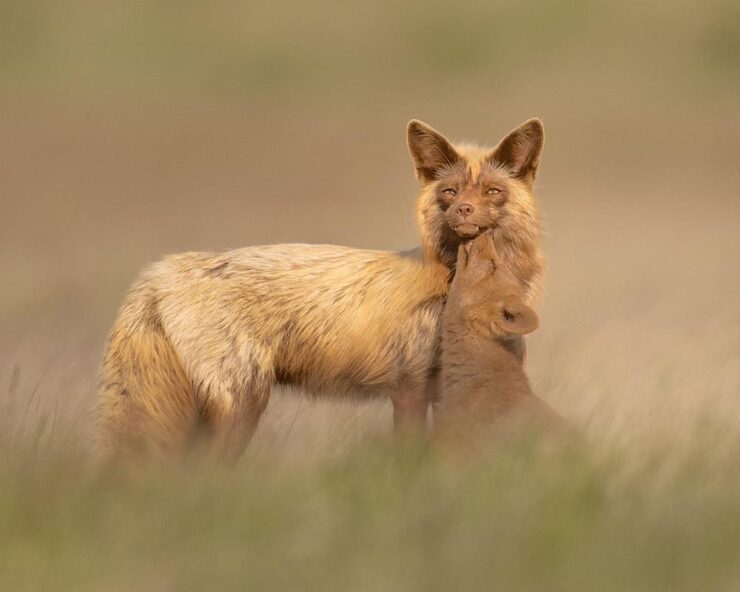
![Beautifully Briefed 25.10: [Blank] of the Century](https://www.gileshoover.com/wp-content/uploads/2025/10/bb-hdr-2510.jpg)