When it comes to describing 2025, “tumultuous” is probably an understatement.
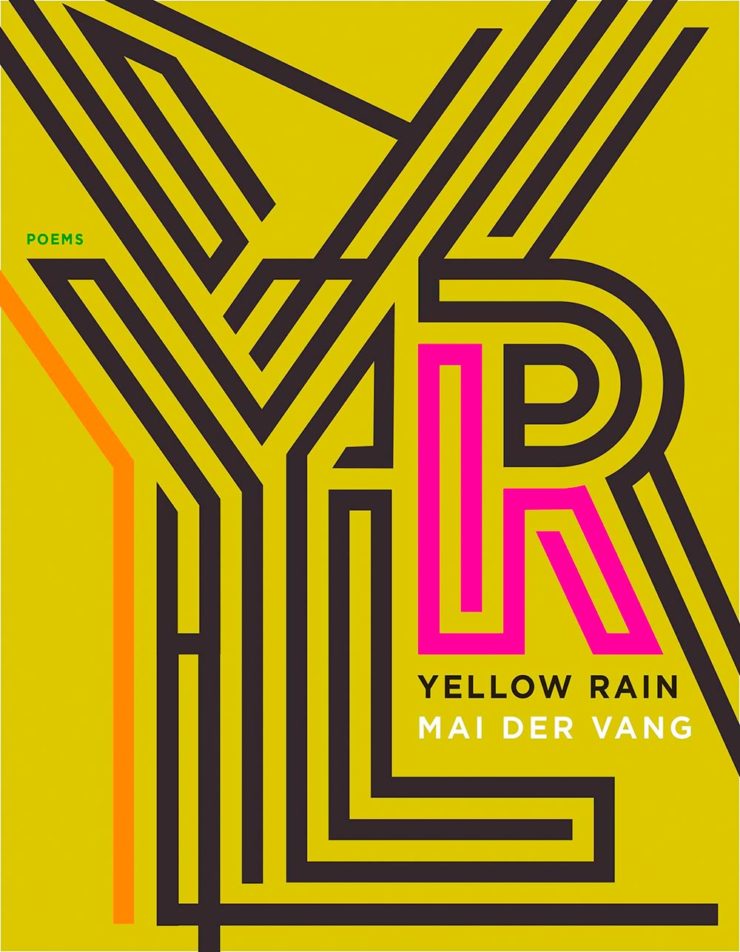
So it’s probably not a surprise that, when looking at the hundred covers that make up this list, there’s a definite direction: favoring quality over quantity. Which is to say, consciously or not, I’ve tended to prefer designs where more is said with less.
Perhaps I’m striving for calm in a world that just … isn’t. Perhaps it’s my choice not to participate in social media and its race for likes, loves, and “latests.”1Publishers need to remember that not all of their customers select what to read based on influencers, what they see on Facebook, or by doomscrolling Instagram. Some of us are lifelong learners, have hundred or thousands of books, and discover by … reading. Real articles, by real people, on websites with those people’s real names on them. (Or even, occasionally, this thing called paper.) Perhaps it’s my advancing age — closing in on 60 now — and thus “old-fashioned” standards.
In fact, it could be said that I value not keeping up: I don’t want to highlight the trendy. I want to celebrate great talent, design that’s standout in its day but will still be great as time passes.
However, it’s appropriate to emphasize that these are my favorites. Others might say “best,” but I’ve been in this business long enough to know that there’s always another title you haven’t seen or read about, and I don’t want to disrespect any of the talented book designers whose work I didn’t see, and consequently didn’t feature. I’ve tried to include design credit where I could — many thanks to the folks who answered requests for that information — and wish to stress that any mistakes in the list below are mine.
Note: By request, titles starting with “The” are alphabetized correctly. Also, if you’re on Foreword’s main page, please click on the post title, above, to read this list. You’ll get larger covers for your viewing pleasure.
• • •
My favorite book cover of 2025
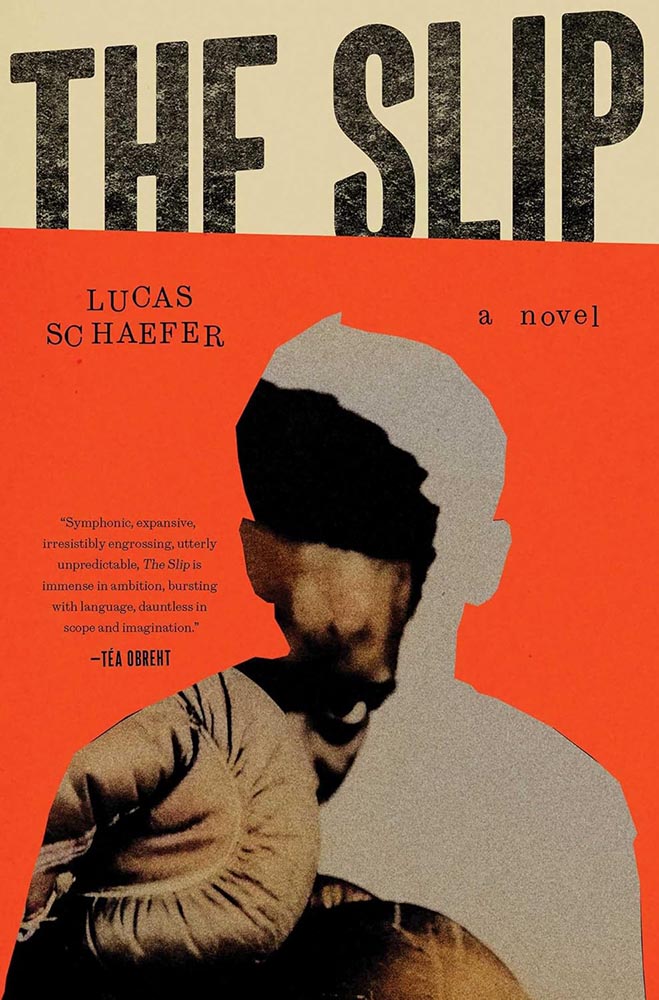
There was no question which of these hundred titles would take the title: this heavyweight, brought to us by Dublin-based Jack Smyth. Fellow cover designer Jaya Nicely, in LitHub‘s 2025 list, called it “tactile,” but it’s more than that — it’s downright visceral.
In fact, and indeed in direct contradiction to what I said in the intro, I’m celebrating something trendy: silhouettes are “in” — even overused — but I love this cover because I don’t recall ever seeing one more effectively implemented. Simultaneously hiding around the edge and using it to an advantage, our boxer (presumably the book’s subject, Nathaniel) looks poised to strike.
When combined with type and lines slightly off kilter, use of a fantastic orange, and aging and grain that ice the cake, this cover has it down.
2025 runners-up
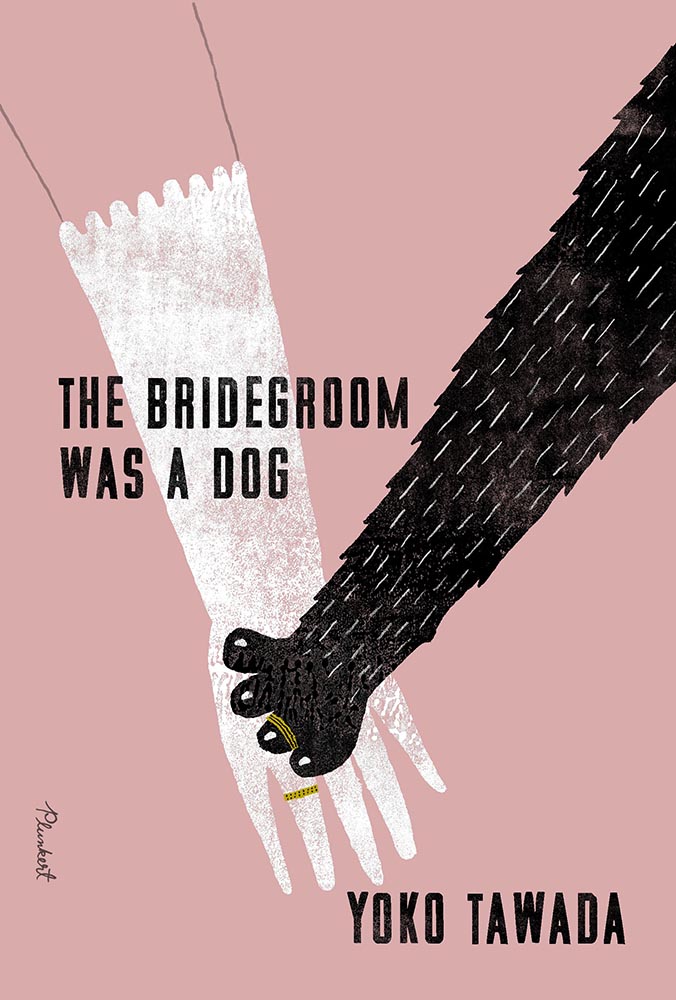
A triumph of less-is-more illustration, with color and a title treatment that knows how compliment. The pressed or sprayed, aged-but-not, white and black are magnificent, while the rings stand out as the only use of “gold.” I love that the arm above the glove is just an outline.
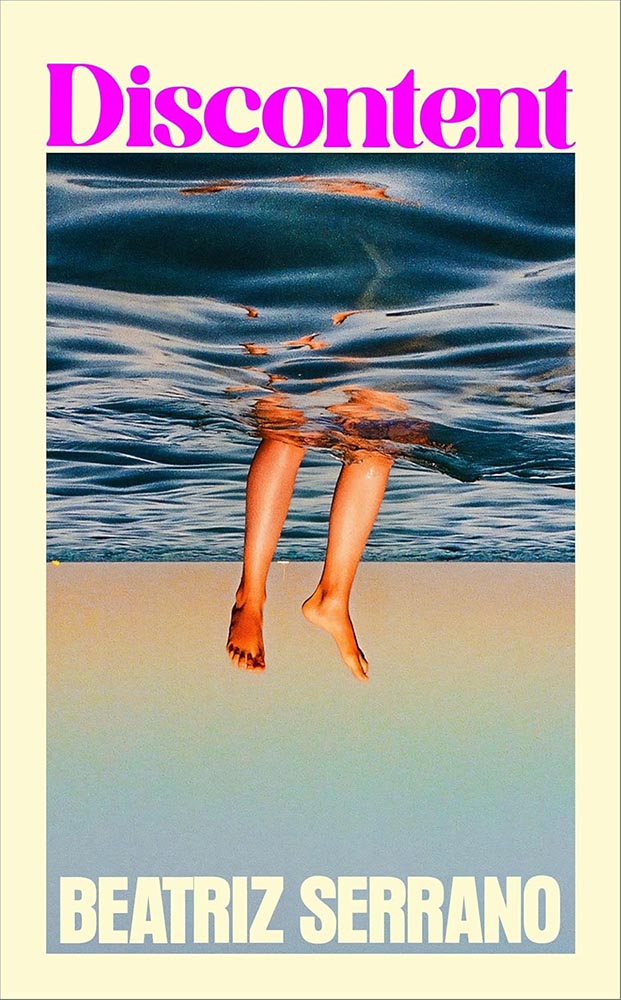
Photography seems almost passé these days, so its use requires something extra — here served up in spades. On the one hand, I want the boats on the horizon to have been removed, but on the other, it highlights the fraud within in a subtle, realize-after-the-fact way that’s awesome.
I have to say, too: this is about fifteen light years beyond the woman-folded-into-the-chair edition, one of those trends that needs to just stop.
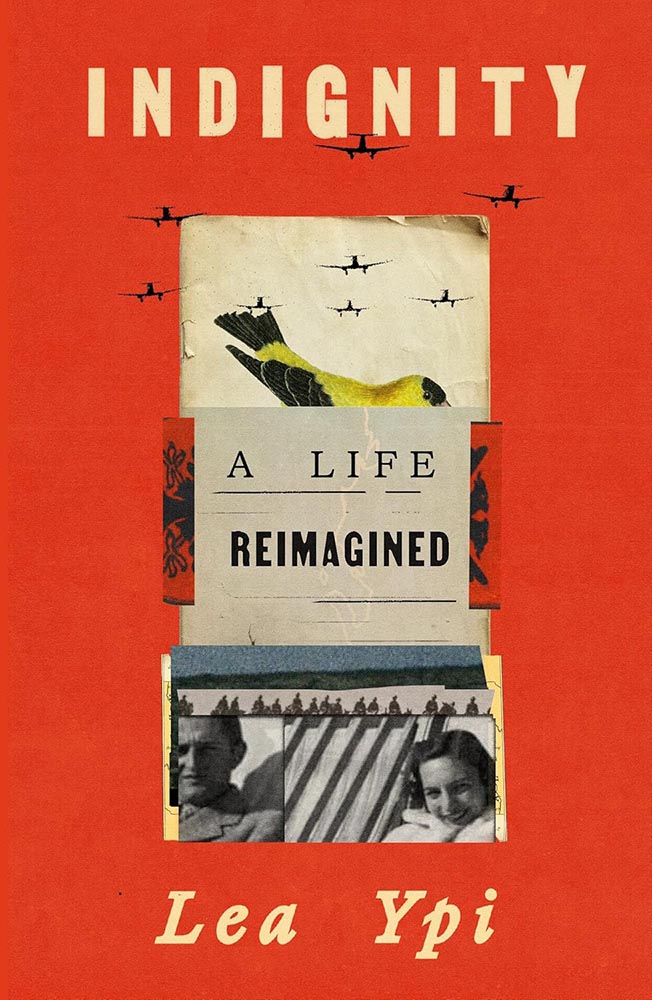
While it compliments Free, from 2022’s list, it’s more: more sophisticated, more of a story, and leaves you with more questions — and more likely that you’ll pick it up to get those answers.
Bonus points for the folded papers, the Albanian coat of arms, and planes “outside” the collage.
• • •
Other 2025 favorites, in alphabetical order
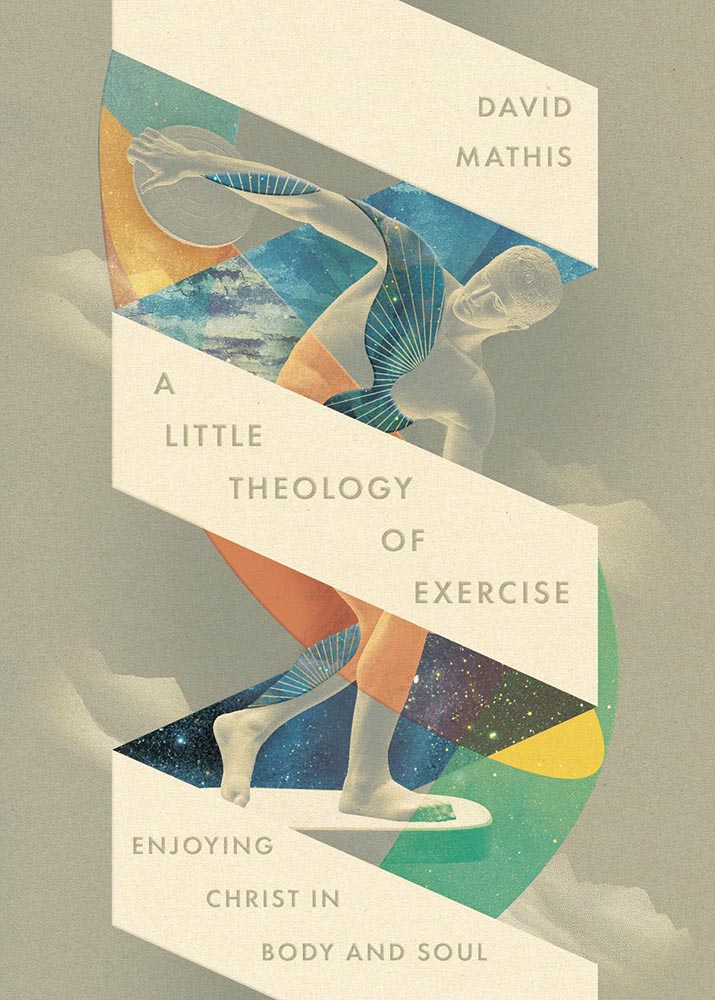
Christian titles so often reach for stereotype — something easily pigeonholed, almost like romance (for instance, unless of course I’m the one stereotyping). It’s often to the detriment of the subject: prematurely dooming the worthy, as it were.
This one very much rises above: the mountain/clouds, the spiral, the mixed and colored illustrations, and titles stacked at an angle (with slight em- or debossing?) are all exceptionally well done.
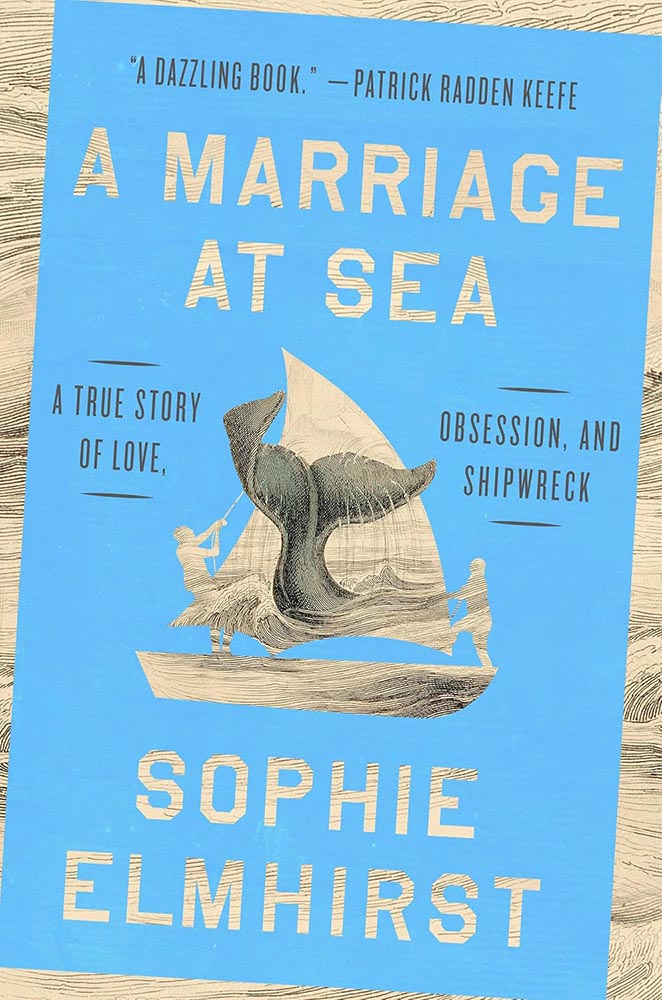
The opposite of sinking beneath the waves: a beautiful pen-and-ink illustration, a color block of sea — or sky — heeling over at just the right angle, with the wonderful knock outs. Then there’s the hint-of-blue tail, the design equivalent of a spinnaker, standing out at the fore of a crowded race. Unmistakably awesome.
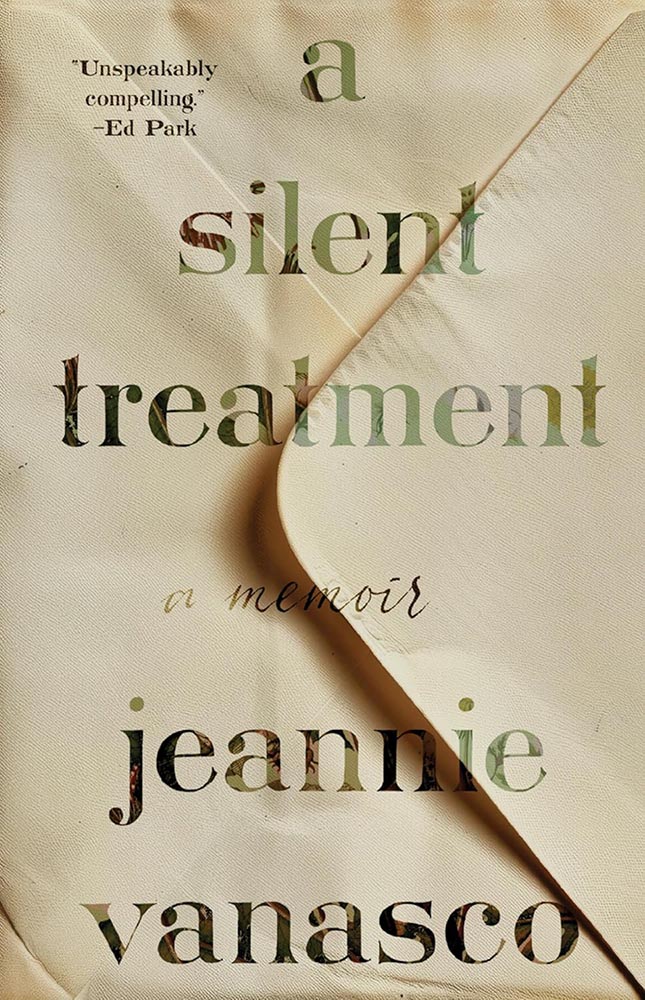
Simple without being simplistic, quiet while not quite, this one deserves that satisfying “thunk” that goes with a stamp of approval. (No cancellations allowed.)
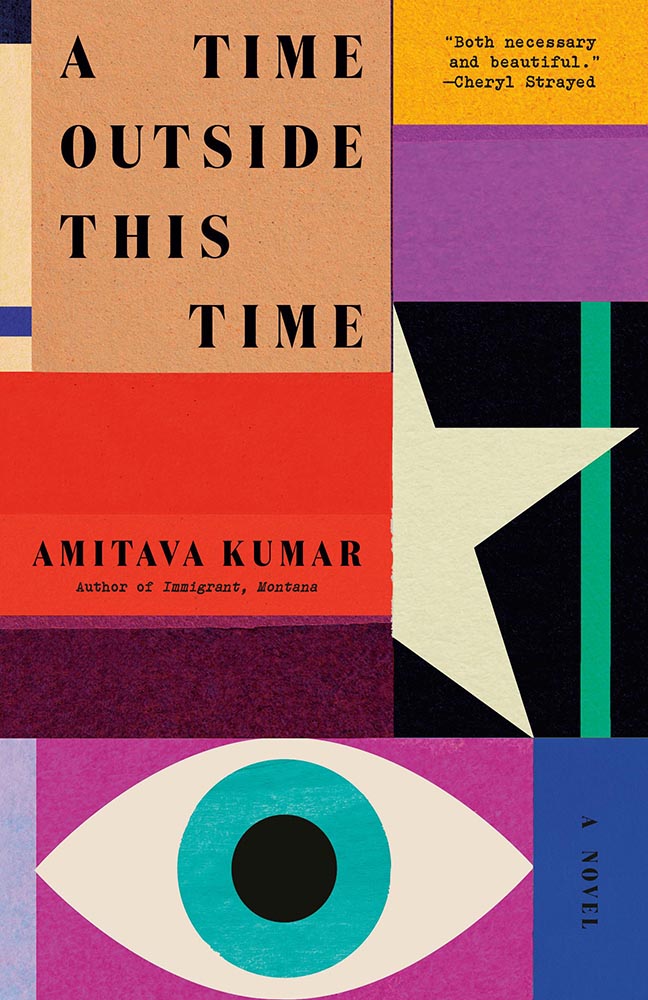
Eye-catching is a cliché too far — but it’s definitely more than just a collection of shapes artfully arranged. Bonus points for the edge between red and star, the color choices, and title spacing.
Special bonus — continues the family look:
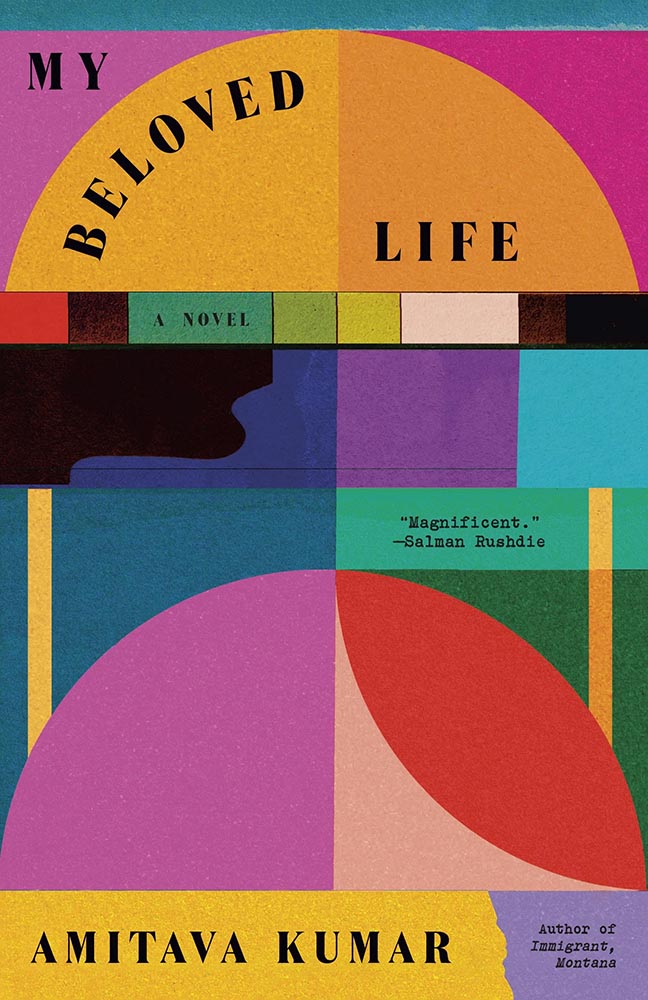
Fantastic.
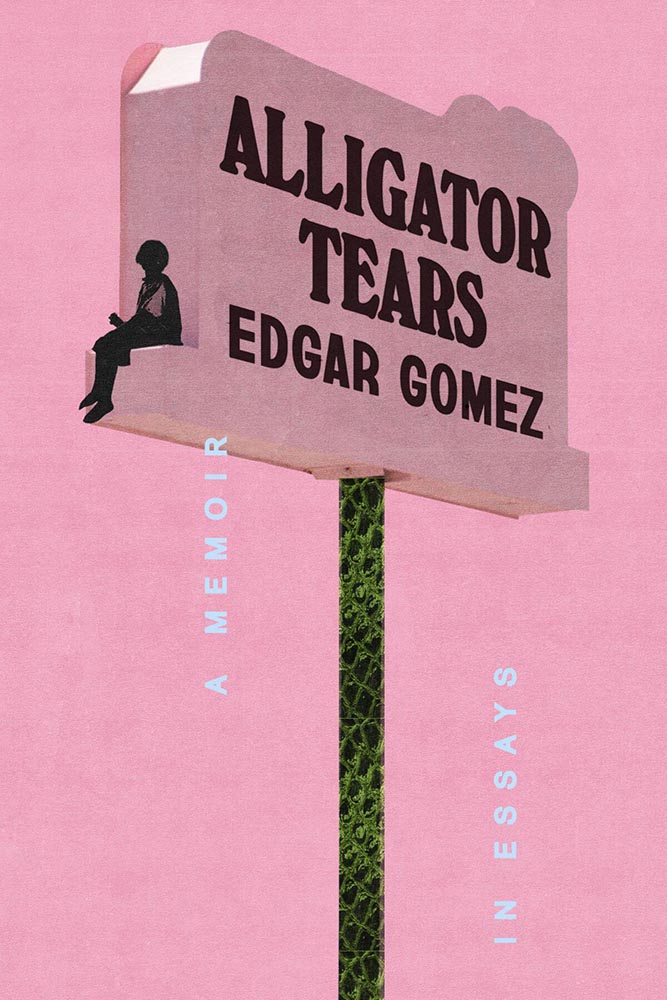
Neither a zig nor zag: the combo of pink, alligator skin, and “tears” is nigh-on perfect.
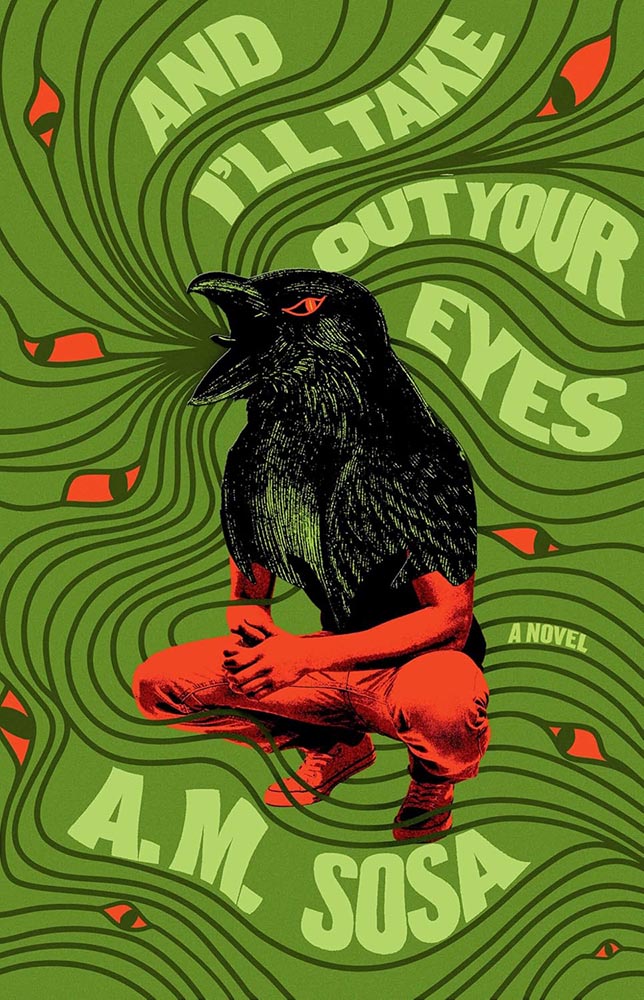
The part-human-part-animal design tool is another of those overused items — except when it’s handled as well as it is here. The eyes are brilliant, the title treatment fun, and the colors standout. The subject, superficially, is not dissimilar to Alligator Tears, above, but the details, the design — and most certainly the text within — celebrate being different.
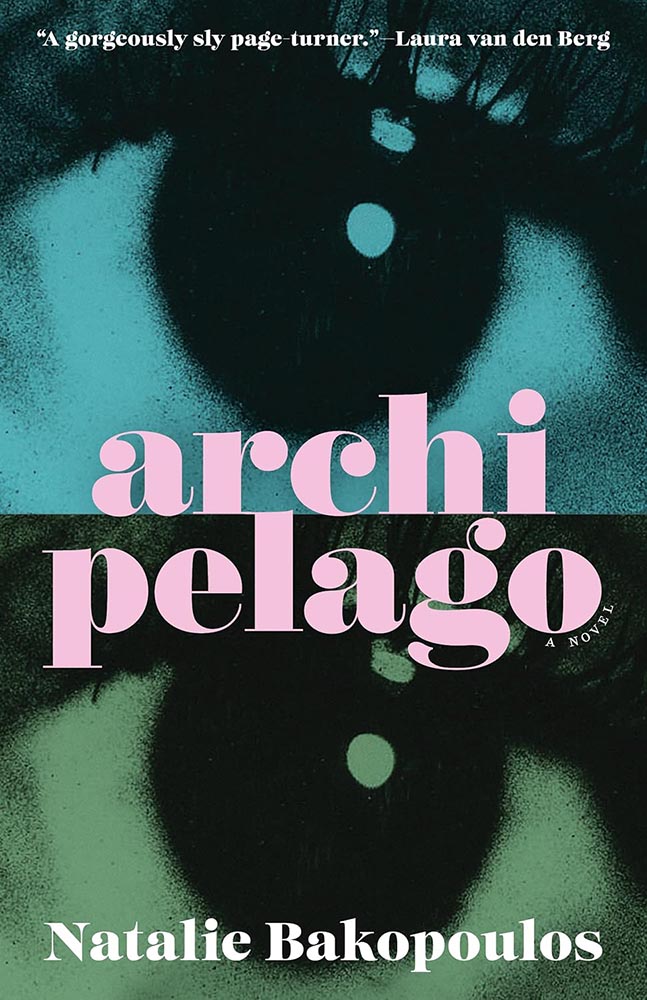
The cover-in-two-parts is another of those items potentially overused, but the repetition and title treatment — the r-l tie-up is fab — take this one to the next level. Bonus points for “a novel,” both less and so much more.
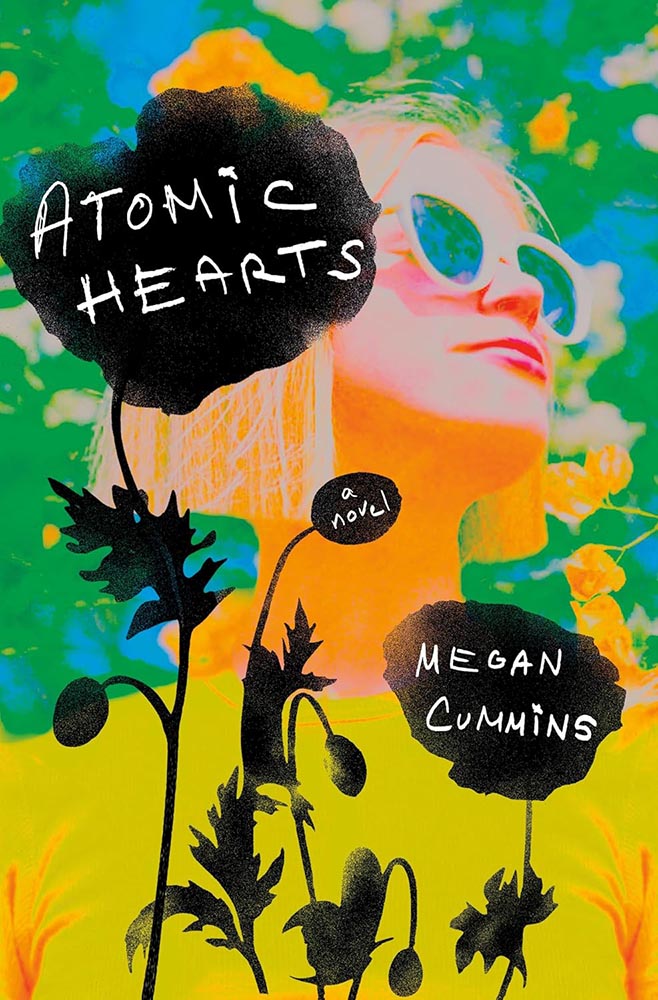
Another where the pressed/stamped ink works well — but the black on top of the almost-overstyled photo is the winner here, a photo that doesn’t say “South Dakota” in all the right ways.
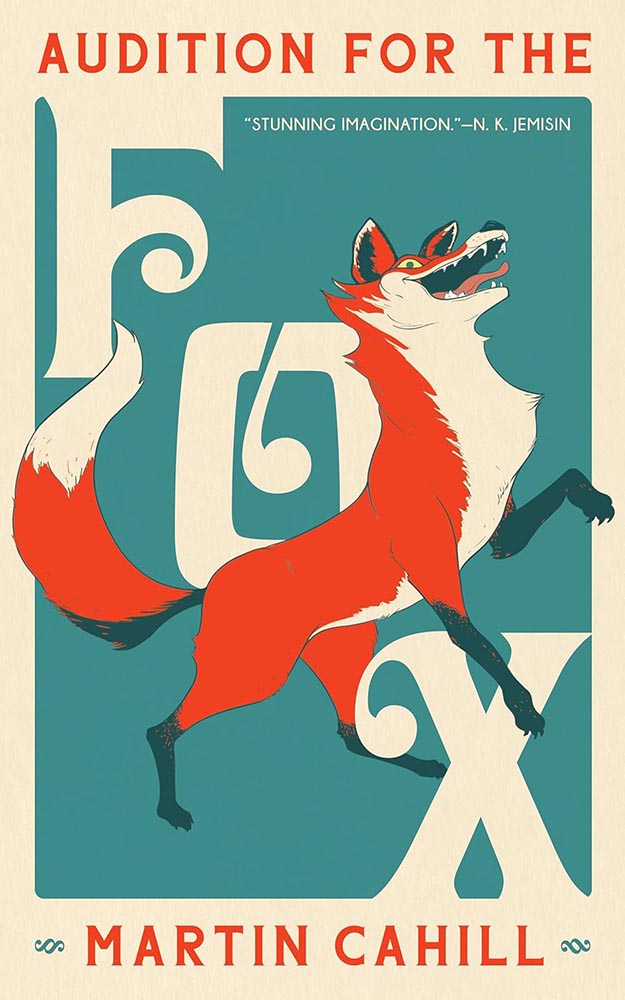
Never mind the awesome type, layout, and color — that illustration, or perhaps just the expression, does everything. A winner at first sight.
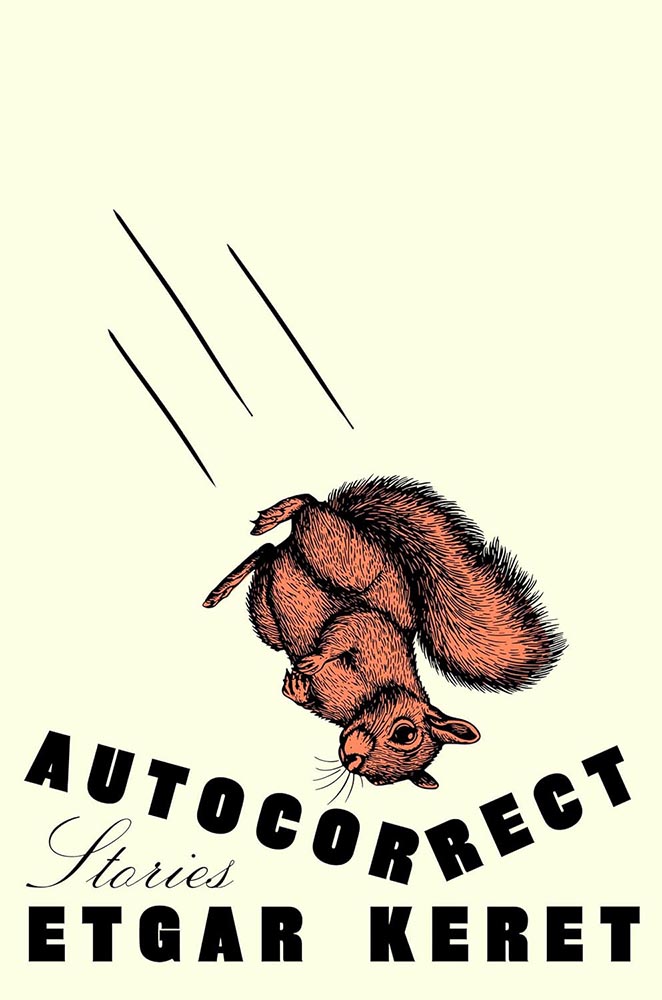
Sometimes, it’s possible to be knocked askew awed by a simple idea.
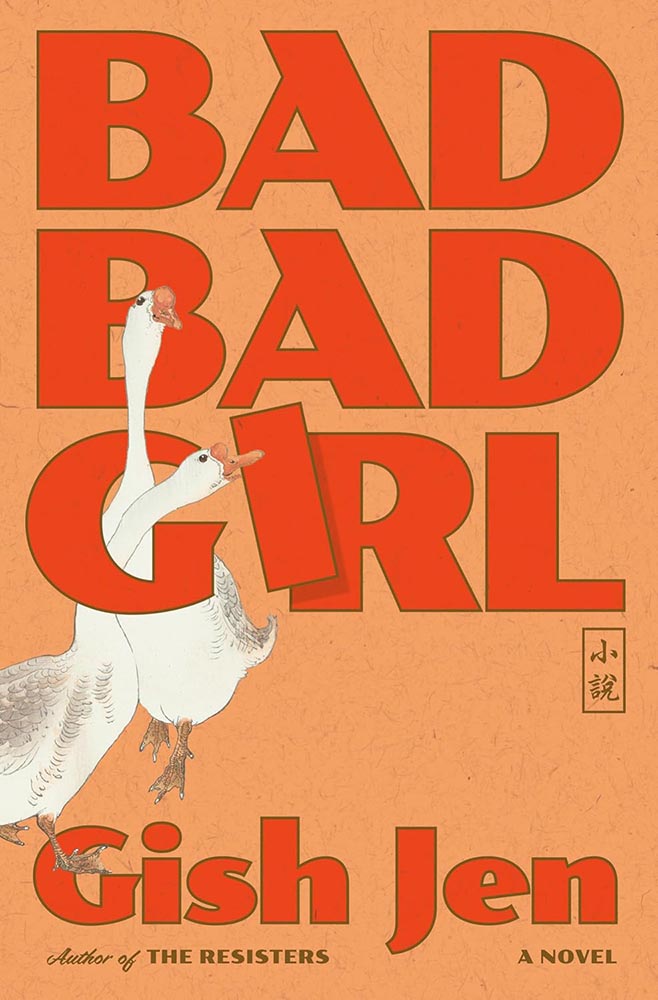
“My aye!”
(Yeah, yeah, the paper pattern and color, aged red and great brown outlines, type choices, and inclusion of Asian name seal, not to mention the geese, are all awesome too.)
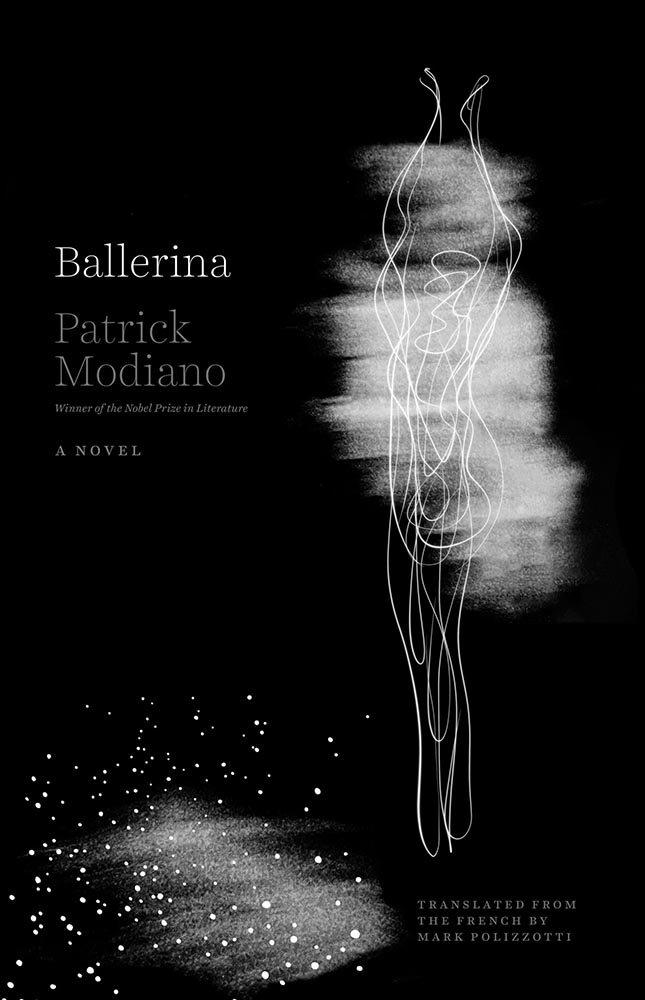
One is more — one-color, that is, with a perfect combination of blur and line, “shadow” and light, simplicity and complexity.
Not the only one-color item on this list, I’m happy to see.
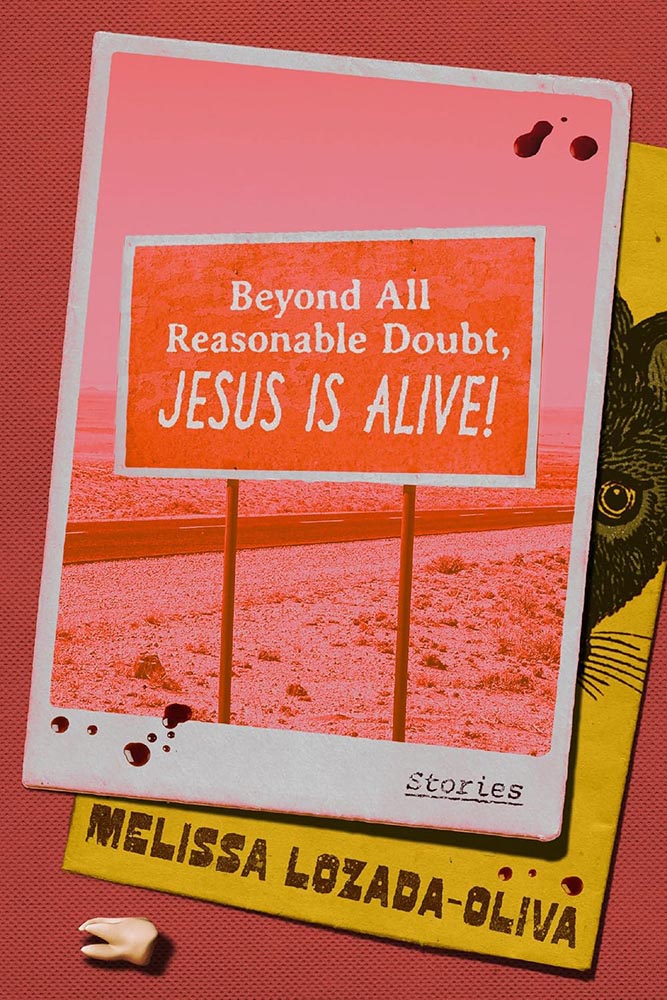
From texture to type, photo to illustration, this is a cover that keeps giving the more the viewer keeps looking.
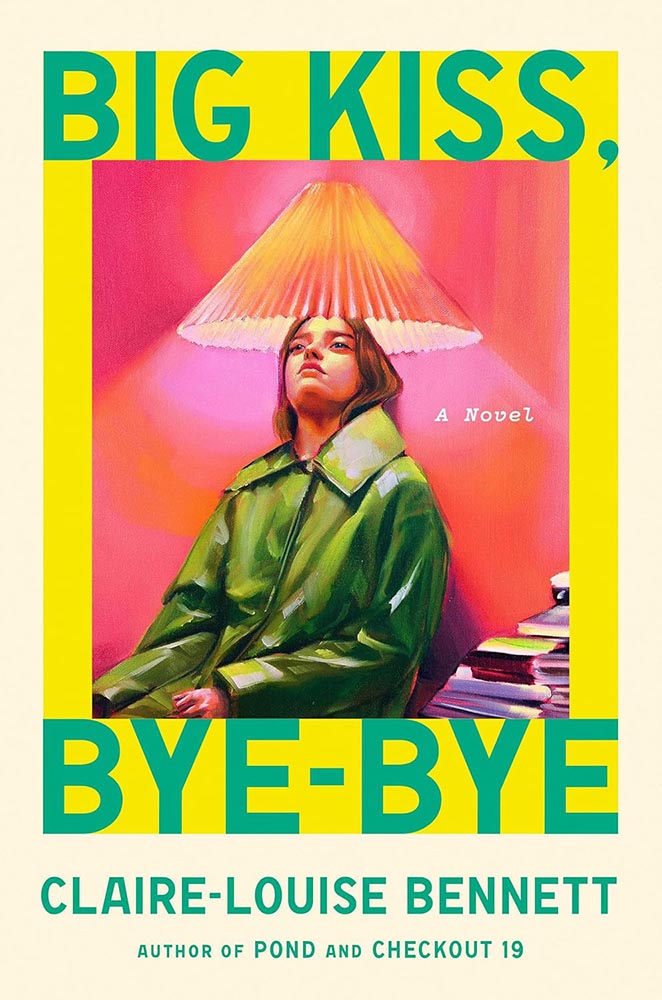
Cool illustration, cool idea — but it’s the use of color that earns this cover a spot here. The bright pink and various greens delight, as does the unusual-but-perfect background box for the title.
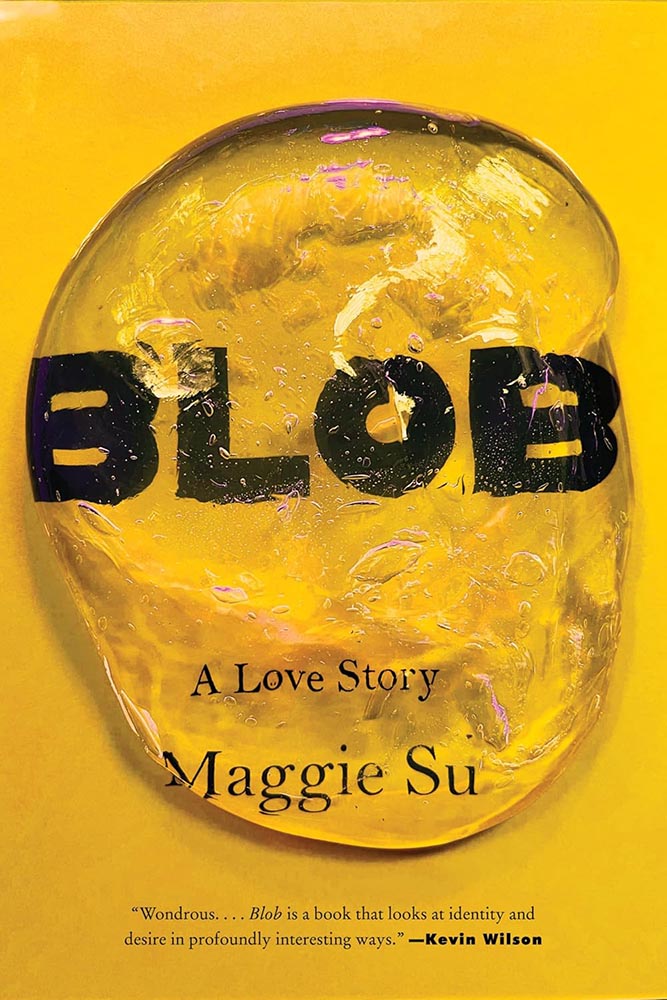
“Guaranteed to augment your … life,” Vi thought.
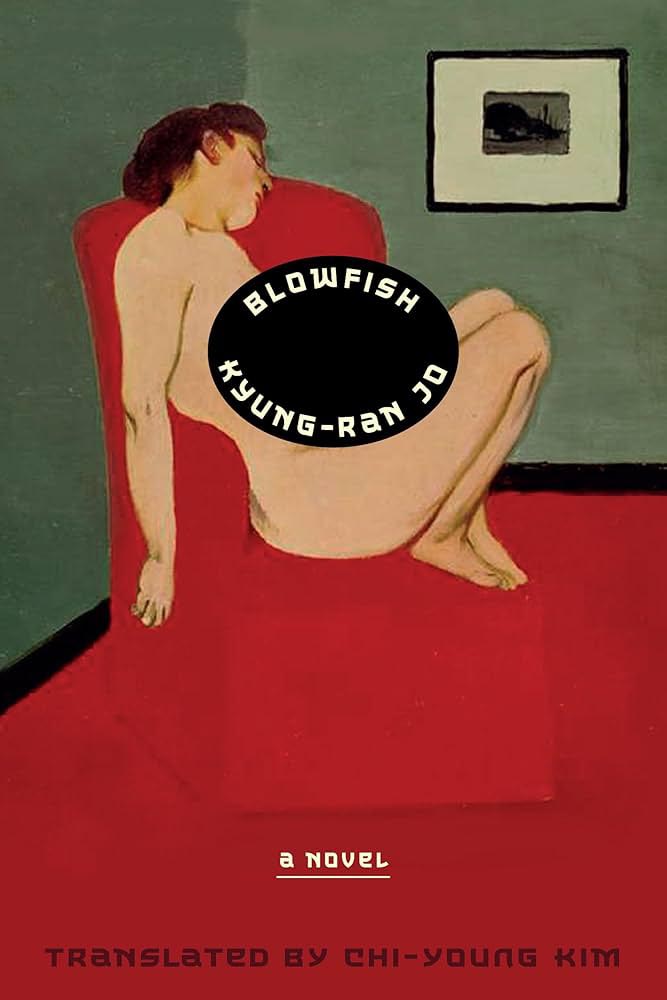
This is based on the Korean edition; the art came with the title. That said, this version uses that ah-ha moment that is title’s holding area, combined with infinitely better type — and gets serious compliments as a result.
Bonus points to the original designer for a painting that’s anything but postmodern.
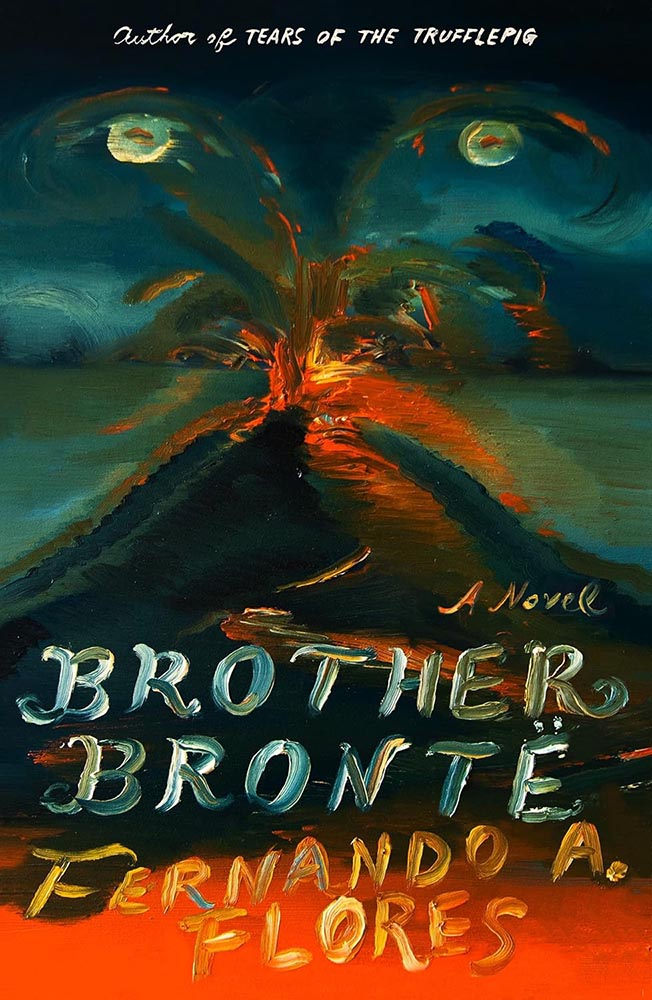
Speaking of paintings, Na Kim’s often take center stage in her cover designs. Here, however, it’s everything. Fantastic!
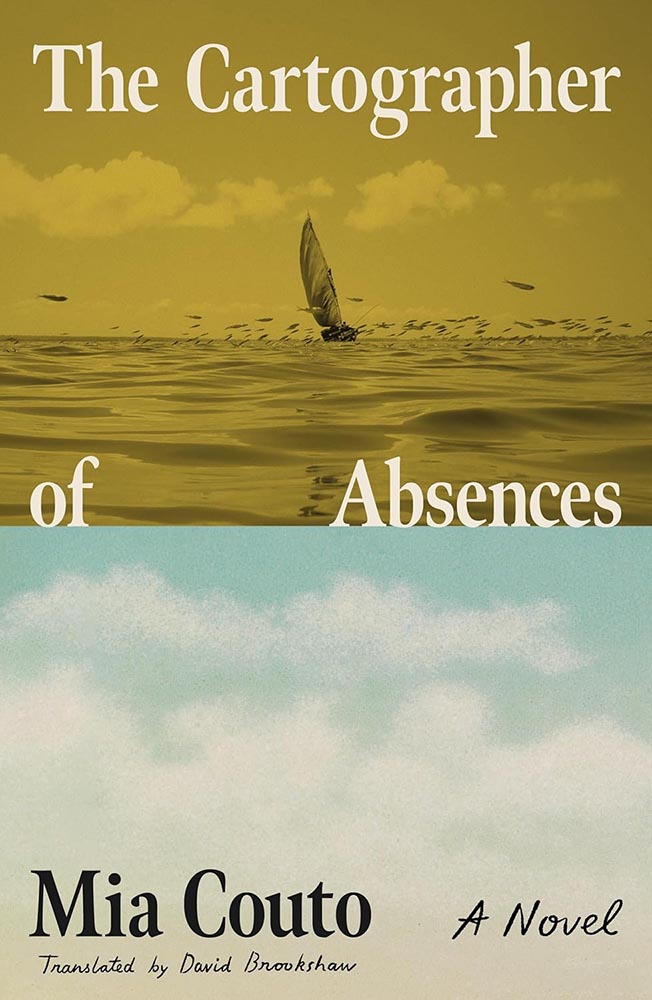
The two-pane cover gets overdone, no question, but like others on this list that rise above a trend, this cover triumphs in complimentary colors, type treatments, and spacing. Somehow soothing and attention-getting — an accomplishment.
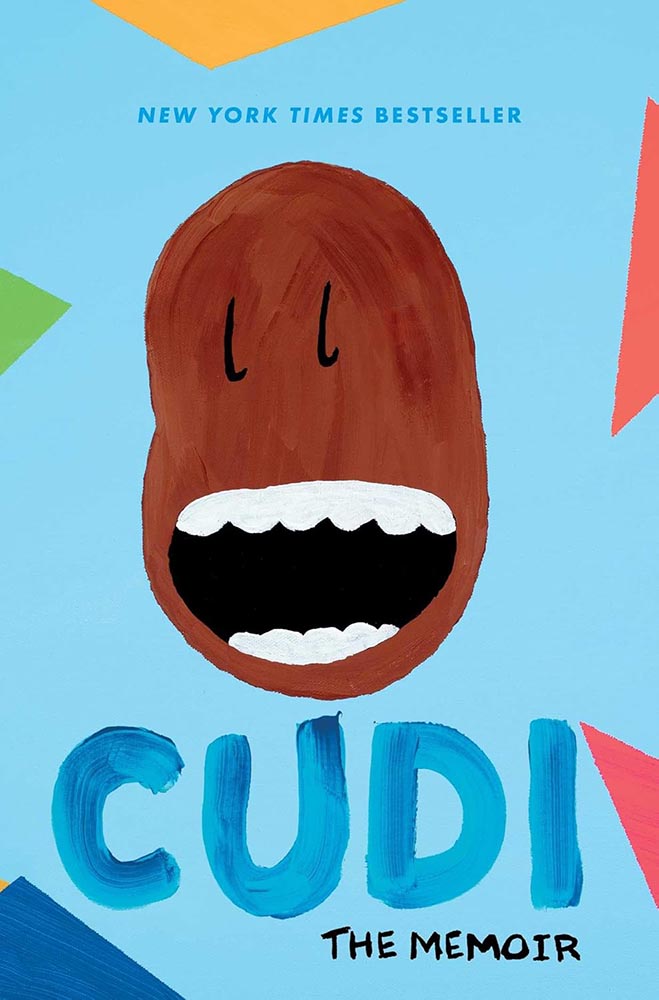
Every time one zoomed out to look at the collected — every single time — this persevered. Survived. Stayed. And then became incredibly successful.
(The cover, too.)
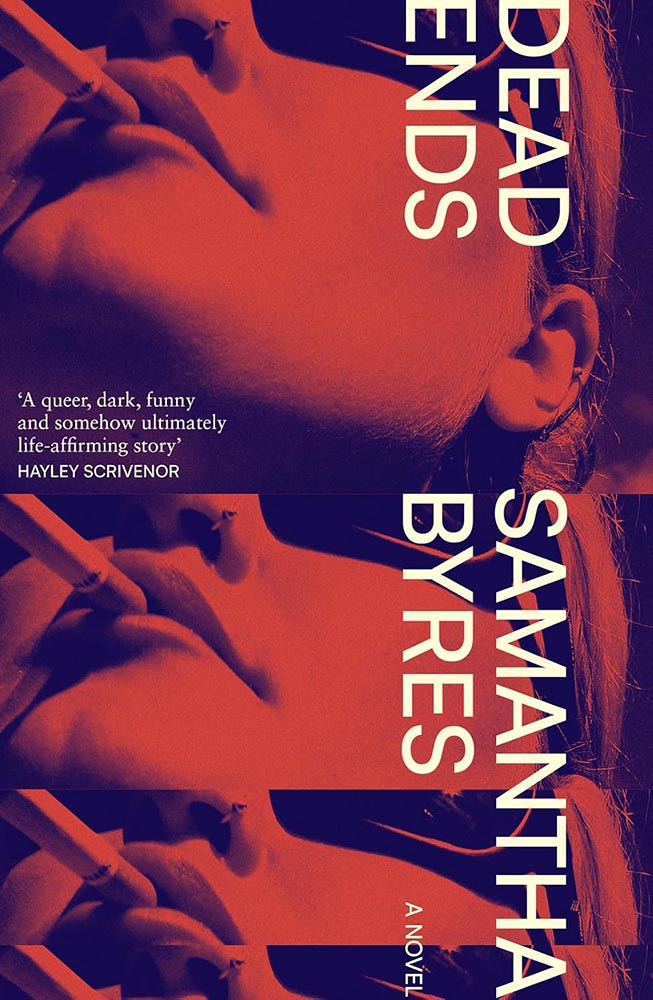
Pictures running in time, complimented by the vertical title. (Rare and attention-demanding use of duotone here, too — nice.) Bonus points for the title and other text being subtly different colors.
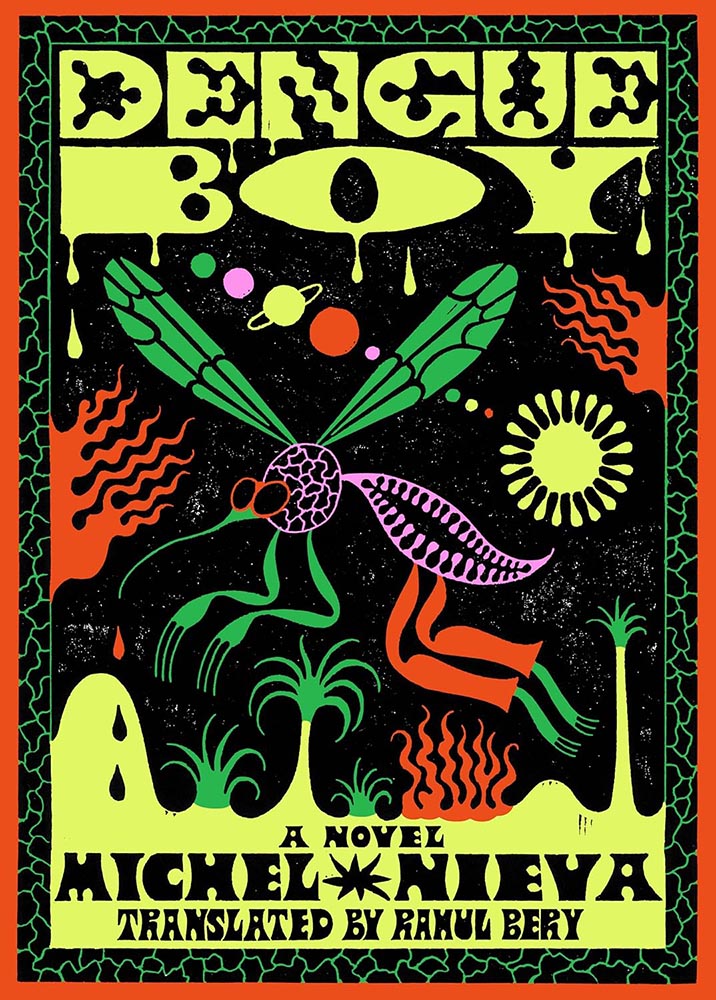
Letterpress or inkblot? When it’s as much eye candy as this, do you care?
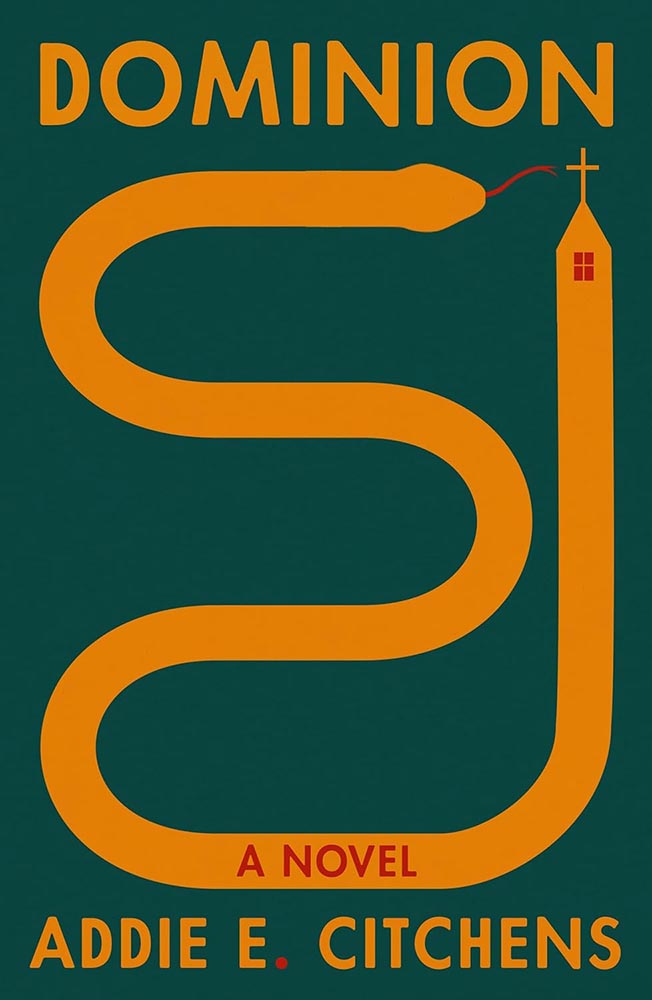
The contrast to Na’s Brother Brontë cover, above, couldn’t be more stark — yet this one, in its … well, stark simplicity, is no less accomplished.
Work that stands out, from one of the standouts.
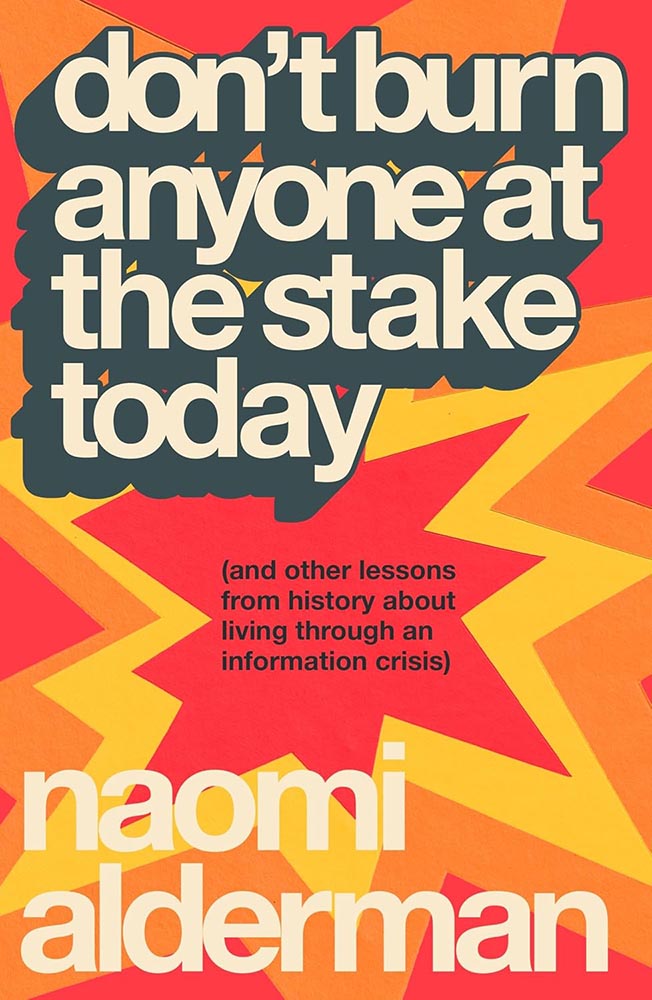
Retro-tastic burst of style that takes something ostensibly text-only to another level.
Parenthetically, the author argues that we’re in the third “information crisis,” the first being invention of writing and the second the invention of the printing press. We survived those, maybe we can survive this…. A UK title I wish were readily available in the States. (The Brit Amazon wants you to buy it together with Cory Doctorow’s Enshittification, by the way. There‘s an afternoon’s reading.)
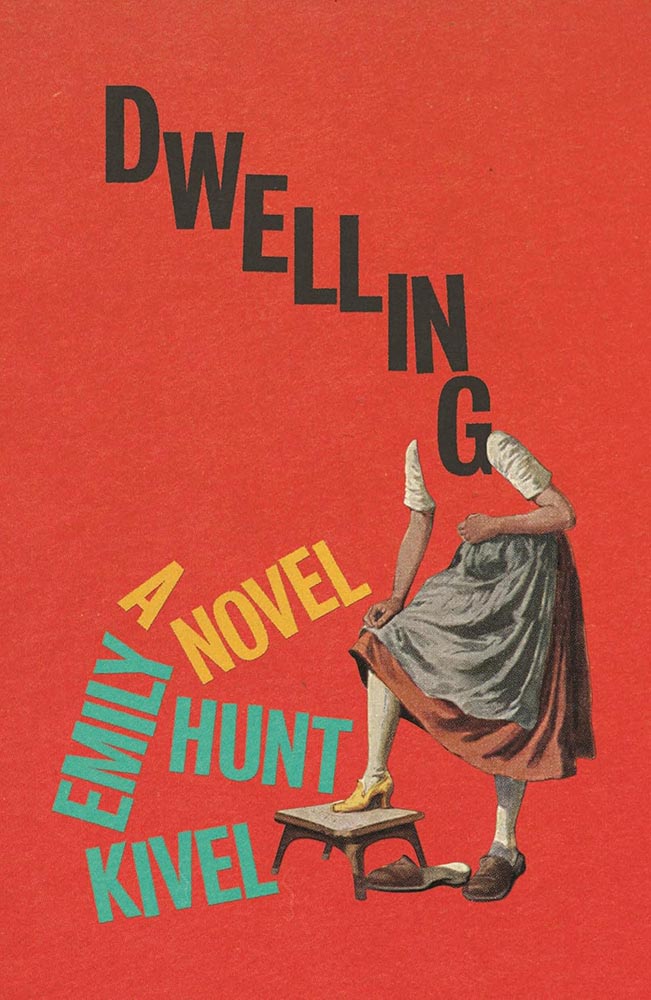
Old-fashioned illustration, type arranged in a way that’s anything but old-fashioned, and great color choices: successful in a way that suggests simple in one of those “effortless ease” ways. (“Yo-Yo Ma just saws on a big fiddle” kind of thing.)
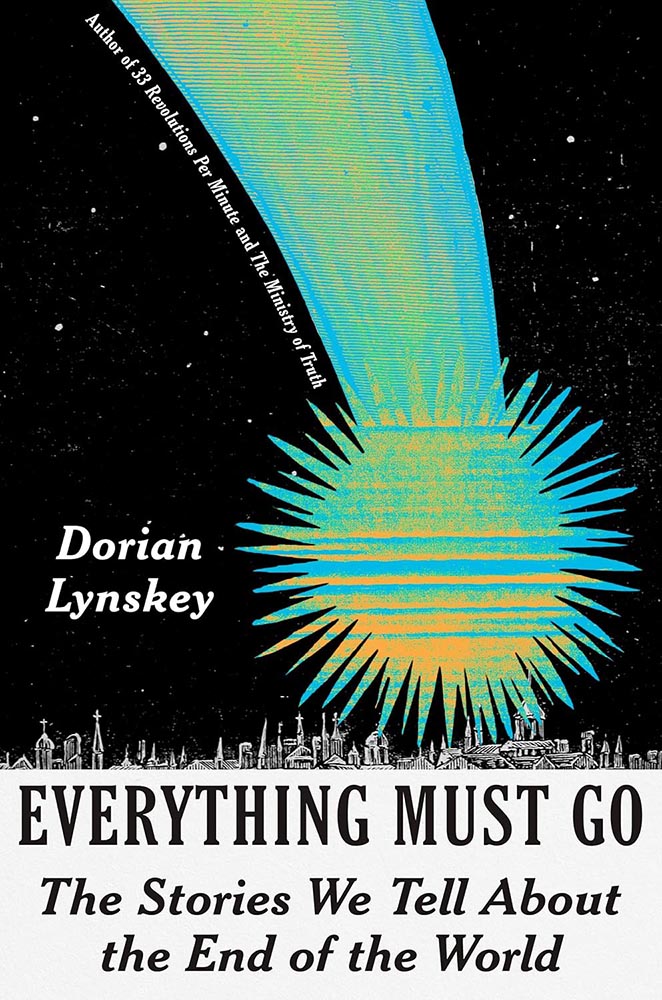
“Missile Command meets The New York Times,” you say, in an effort to describe this design to someone who hasn’t seen it — something guaranteed to get a laugh. But here it is, in all its glory.
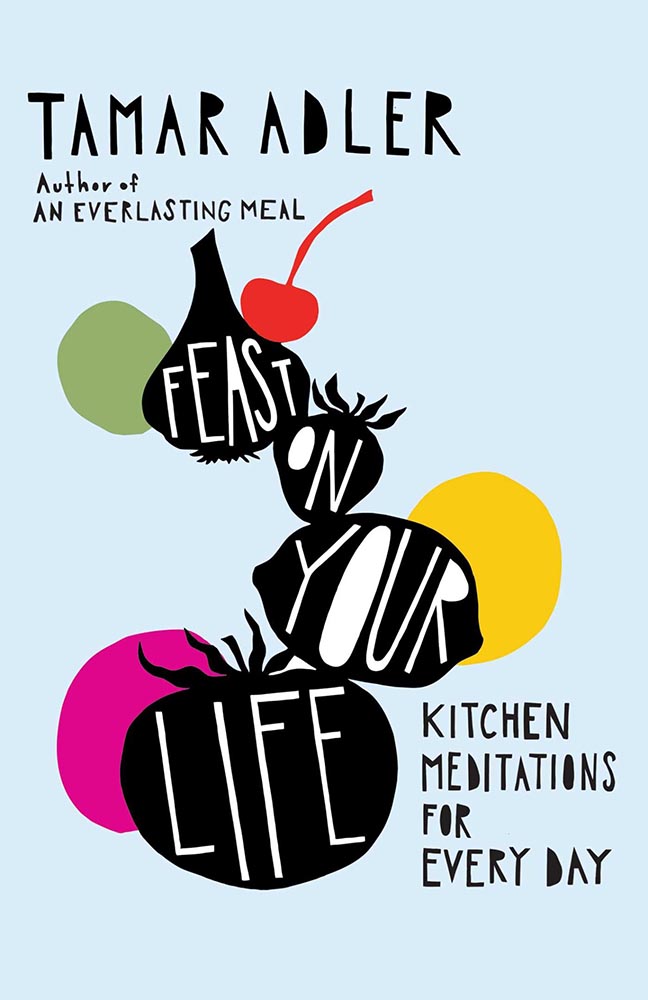
Cookbooks are such a well-trod genre that it’s nearly impossible to break out of the pack and generate something not only truly original but truly excellent: a feast indeed.
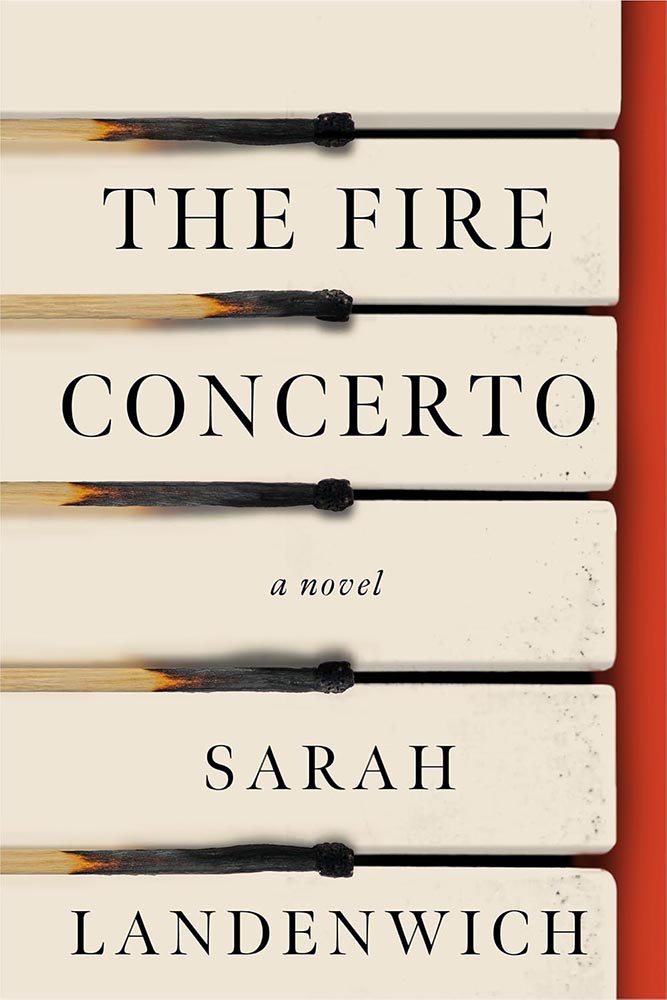
Burnt matches have never made such sweet music.
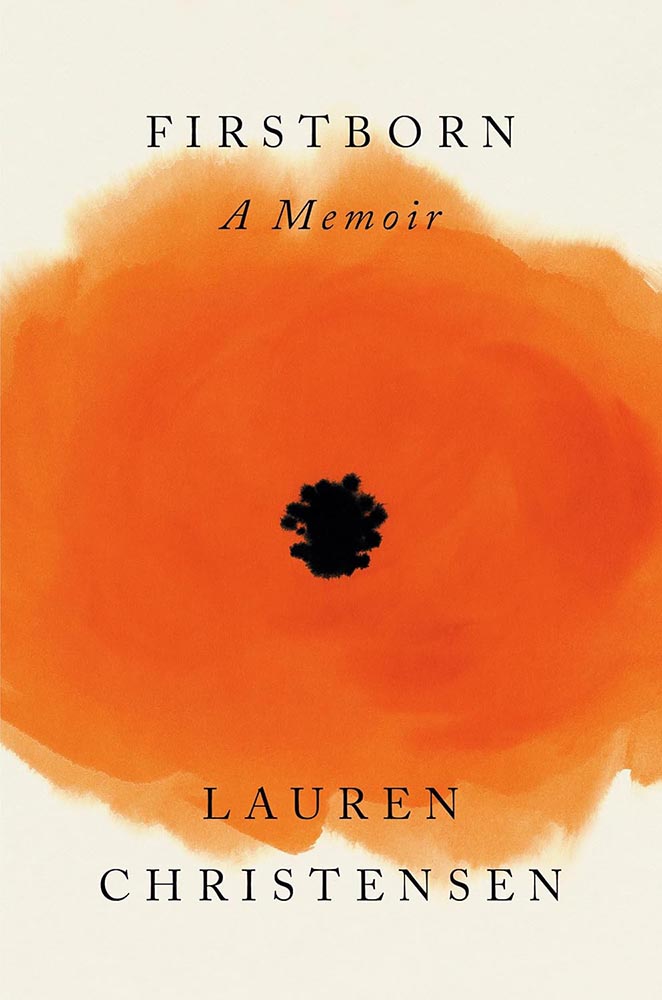
Poppy? Or a view into something deeper?
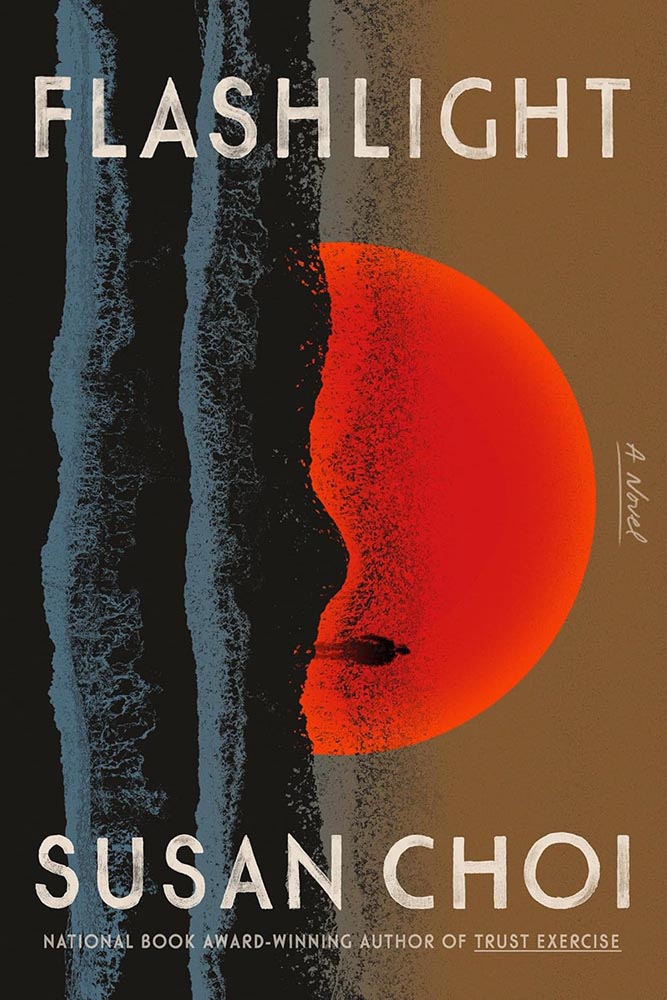
“What happens when your world goes sideways?” this cover — and book — ask. From illustration to style, basically … perfect.
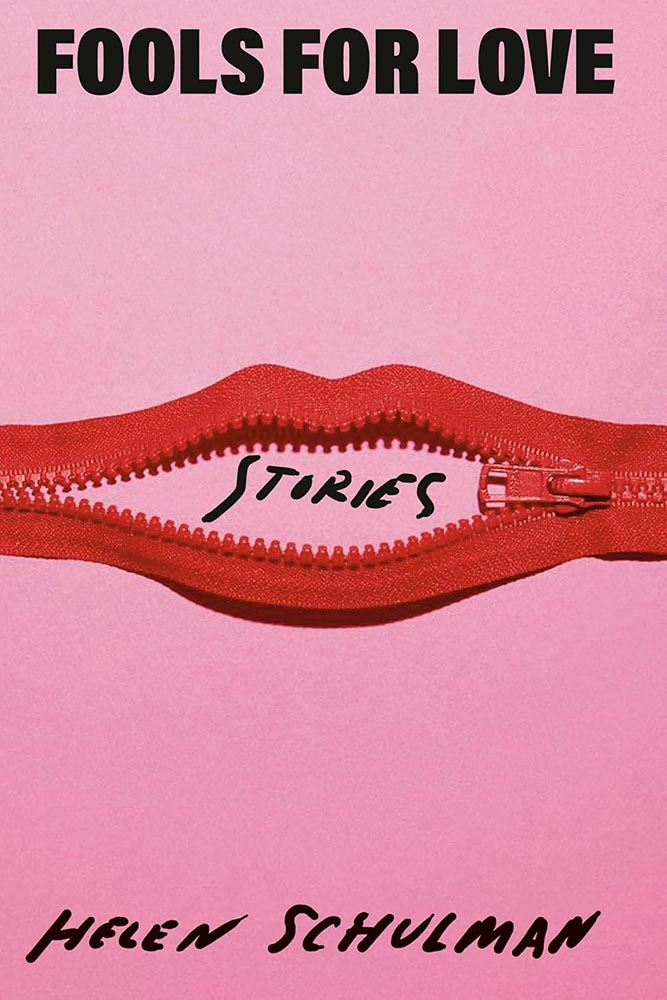
Simple, practical, awesome. (“Chef’s kiss” is probably tacky, so I’ll avoid saying that.)
The author’s previous title, Lucky Dogs, was in my 2023 Favorites.
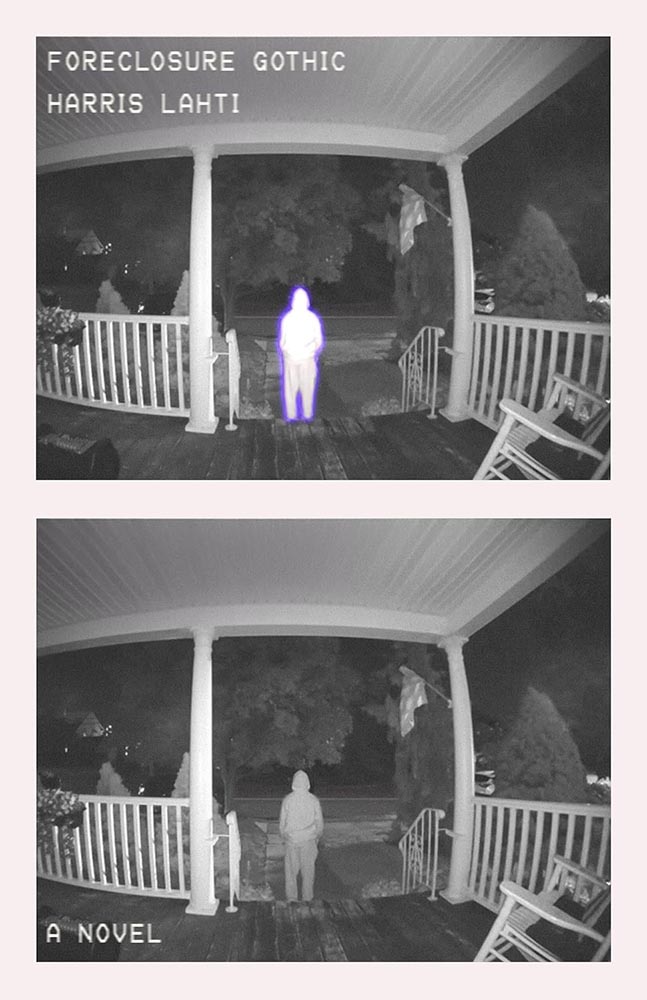
At first glance, something we see all the time, from image to typestyle.
But then it goes on to ring the bell.
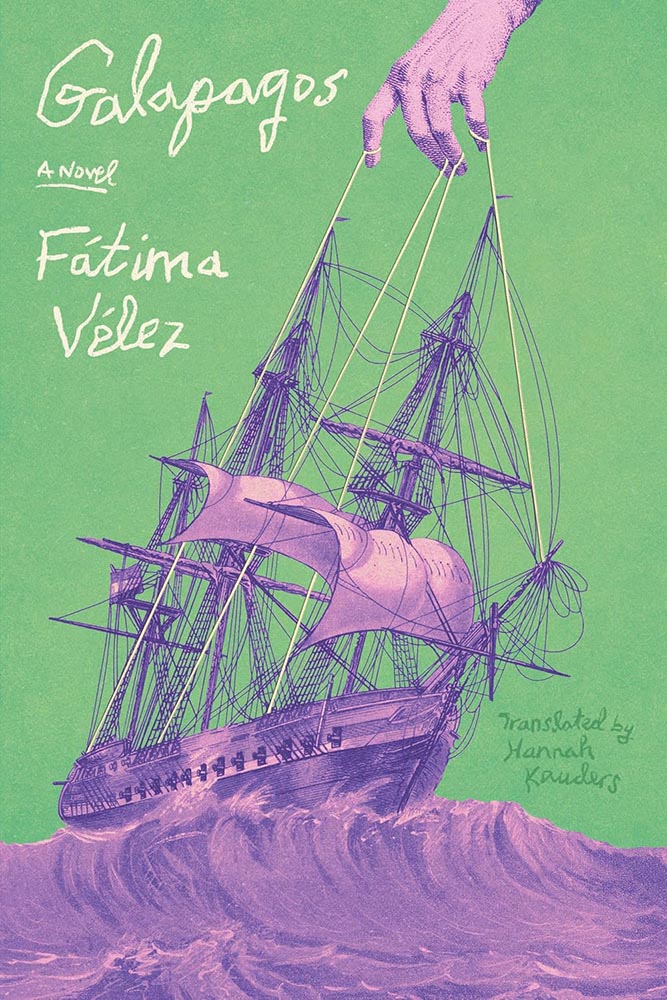
The case where something like “a two-color triumph” feels not only cliché but a genuine undersell. The illustration, the color choices, the exquisitely shaky hand lettering — all beyond perfect, and that’s before we start talking about those strings. And the power that’s pulling on them.
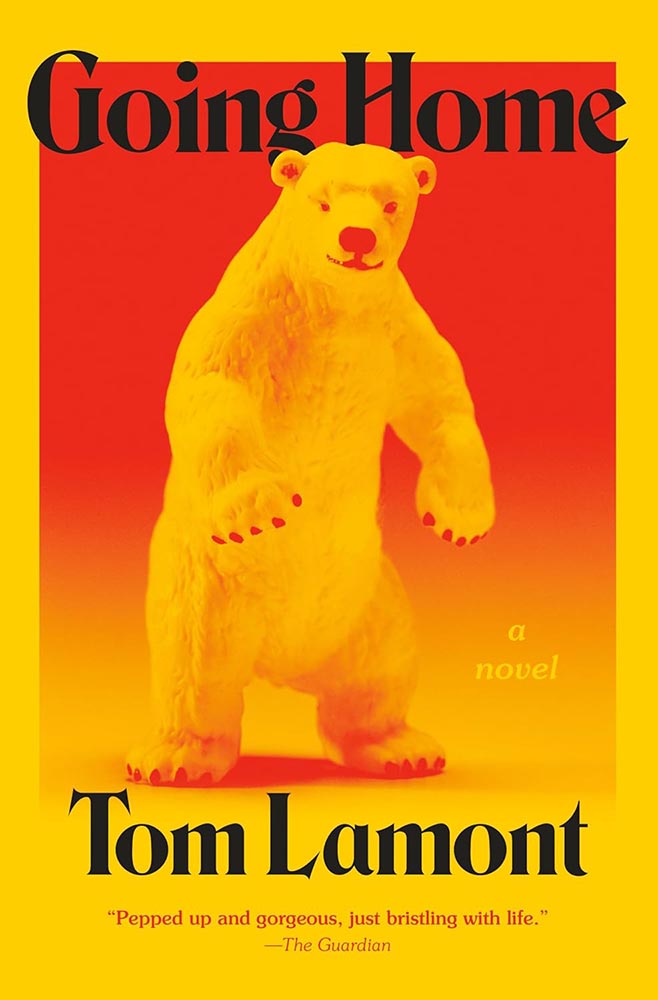
The bear feels like something generated by bad AI, or even a suit; as it turns out, we don’t care. Bright, funny, and fun in just the right way. (I do wish they’d kept the single quotes proper English uses.)
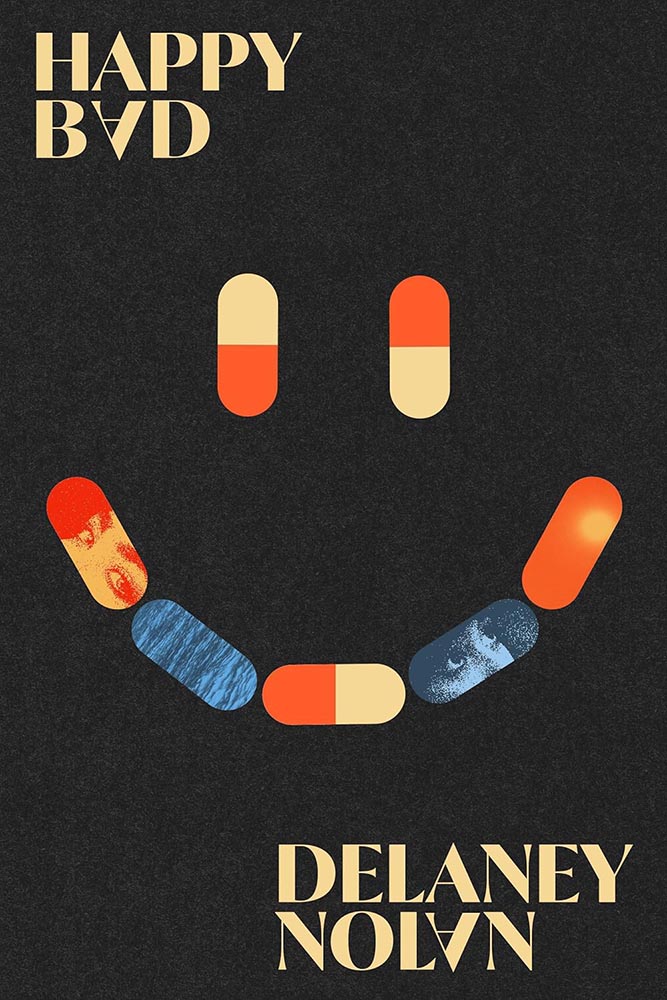
On the one hand, the opposite of “bright, funny and fun” — and yet, one the other, somehow, not.
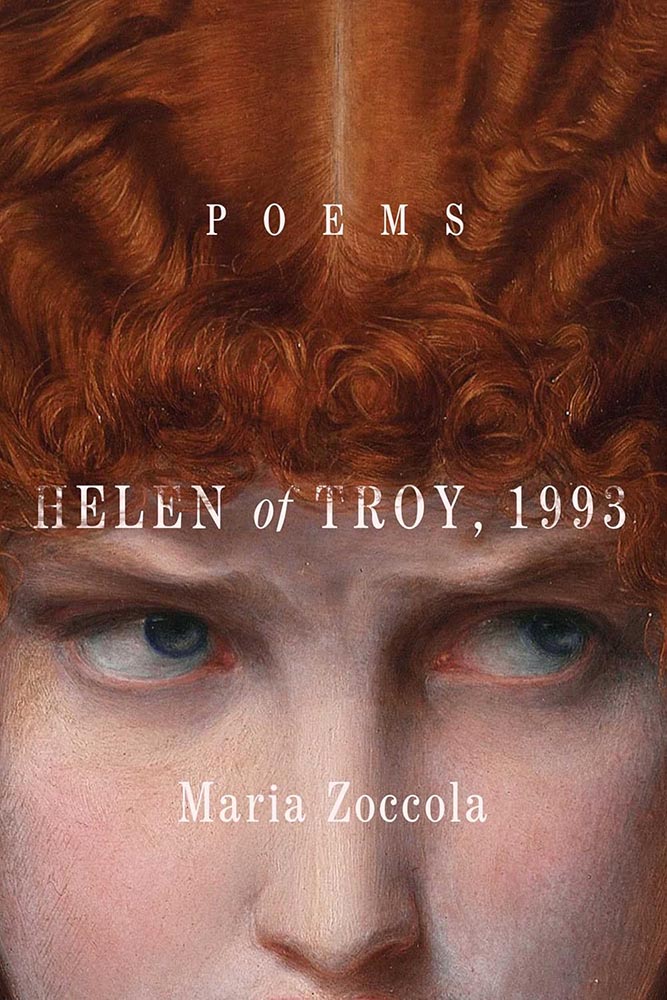
I swore, possibly in public, that cropped classical paintings is something we should move on from in book design.
Clearly, I was wrong.
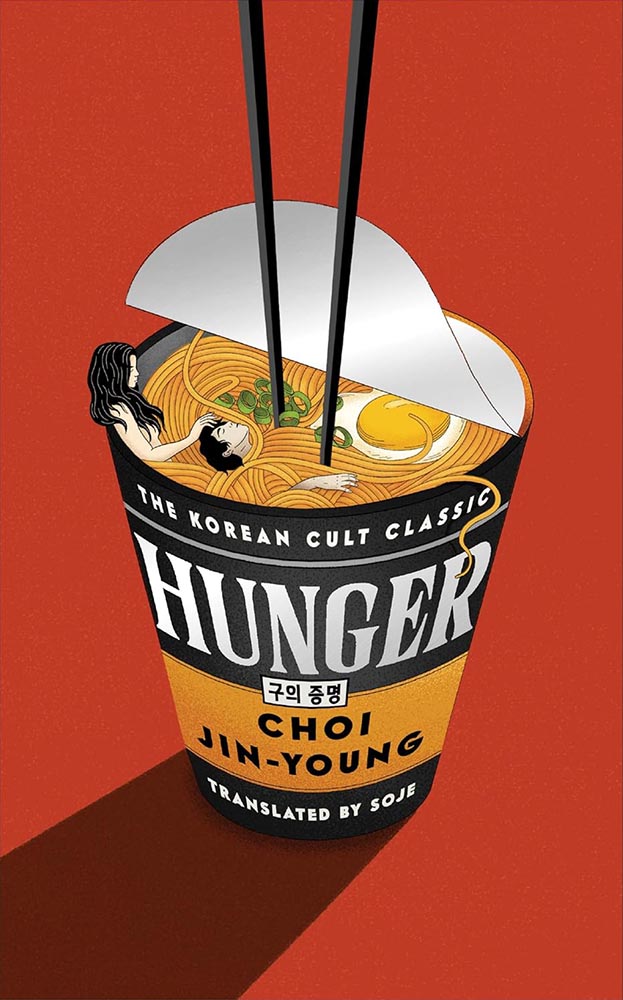
One of the few times in recent memory that something so original was so funny, so satisfying, and such a standout design … on any shelf.
(One of those covers that would work well as a print, I think.)
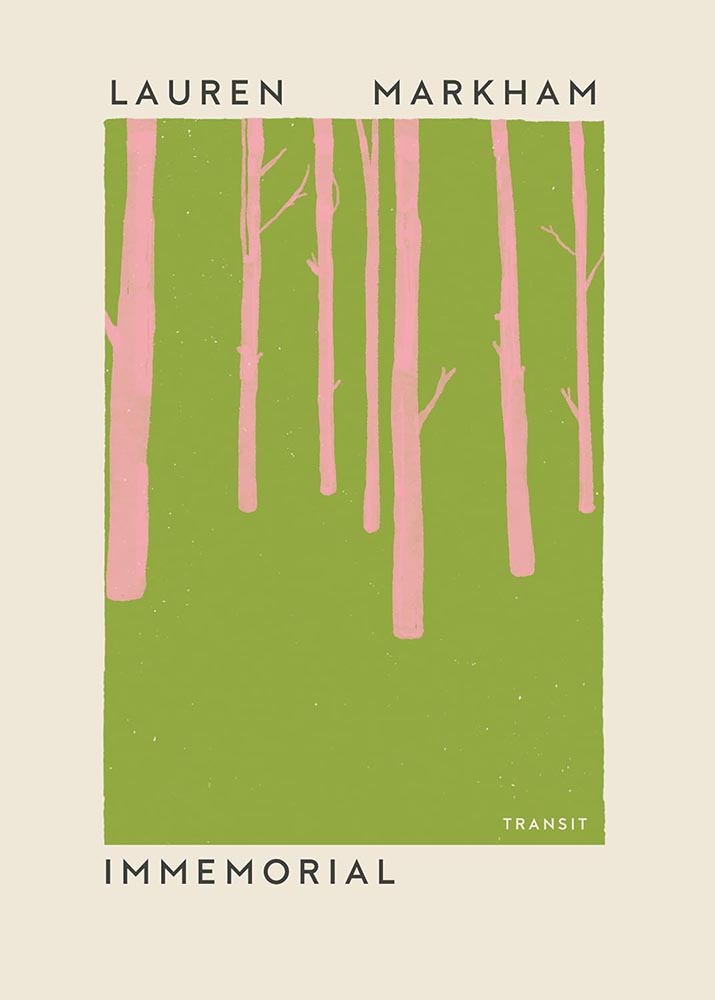
The triumph of the simple.
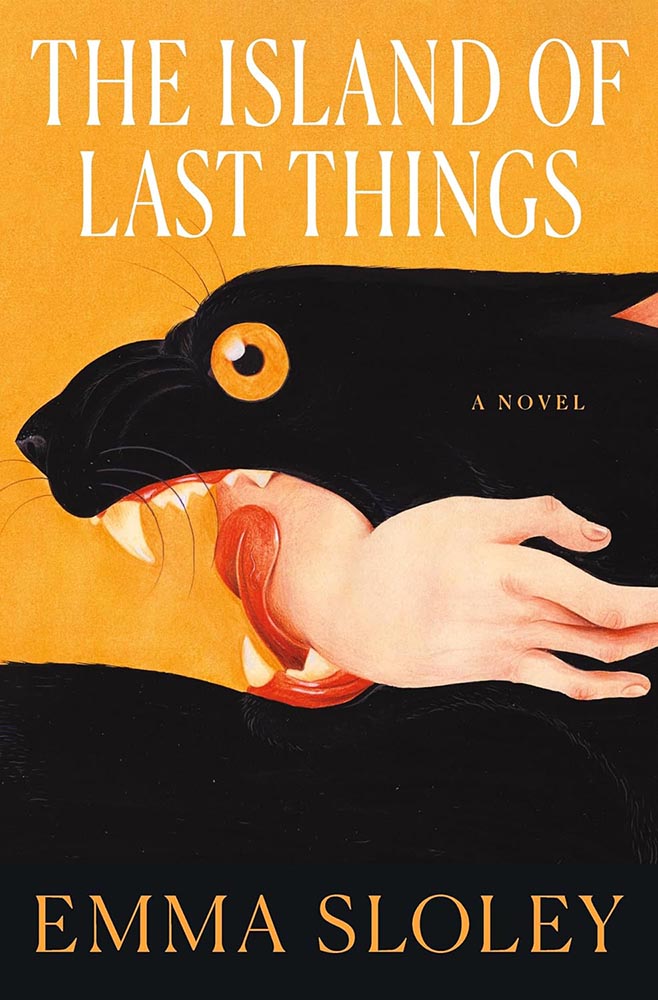
“Sometimes a new author will sidle up and whisper in your ear, and sometimes she’ll grab you by the neck,” one of this book’s blurbs reads. The design of Immemorial, above, is the former. This design is very much the latter — completely and delightfully.
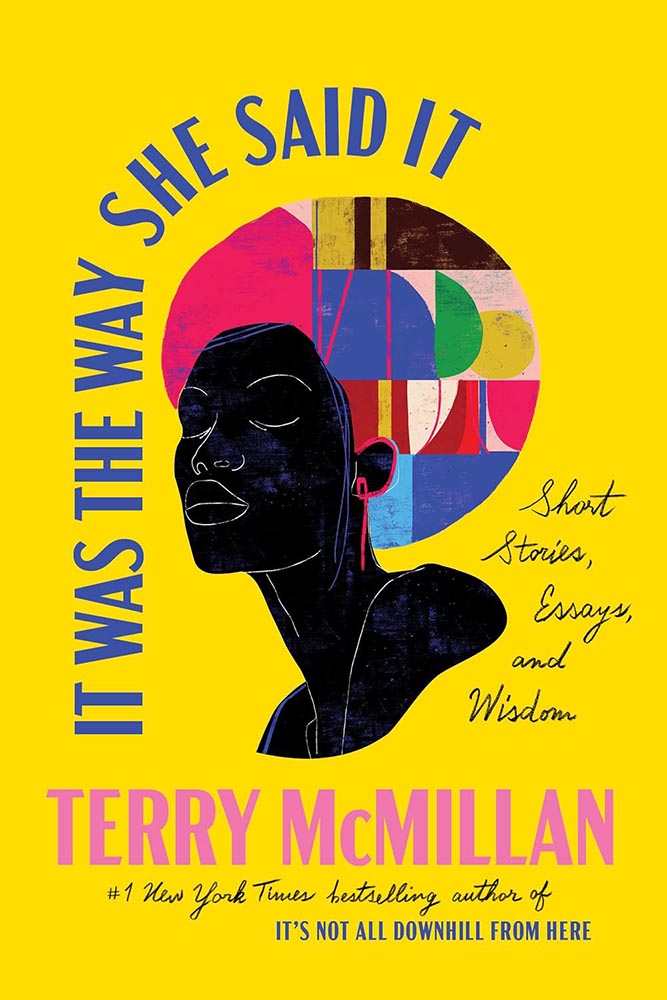
Power, grace, and color — and, of course, the title treatment. A cover that was never in danger of losing its groove. (Bonus points for the pink “earring.”)
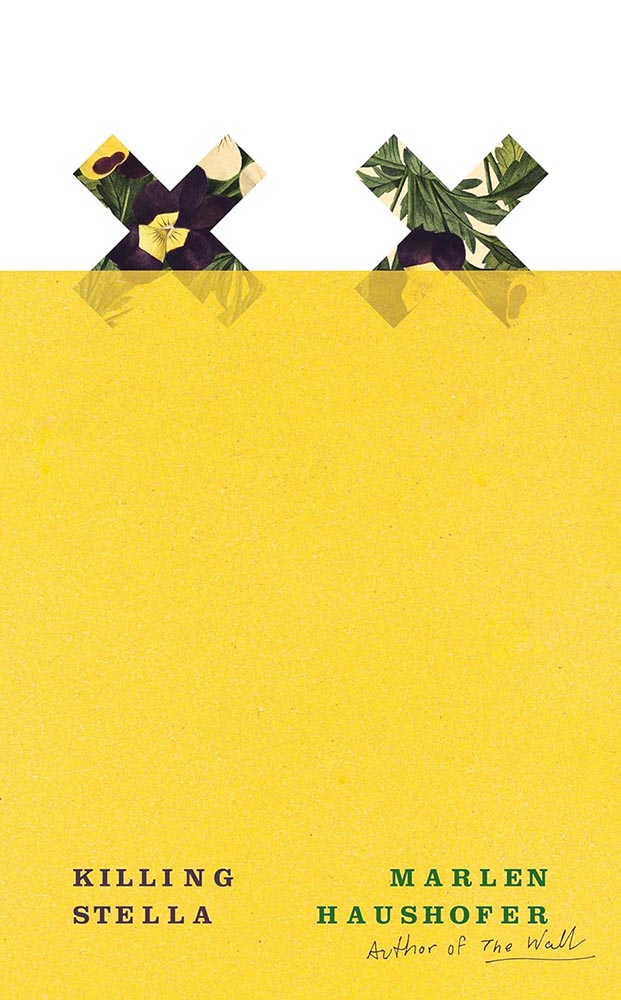
Simplicity can mask death depth.
Special bonus — related brilliance, from 2022:
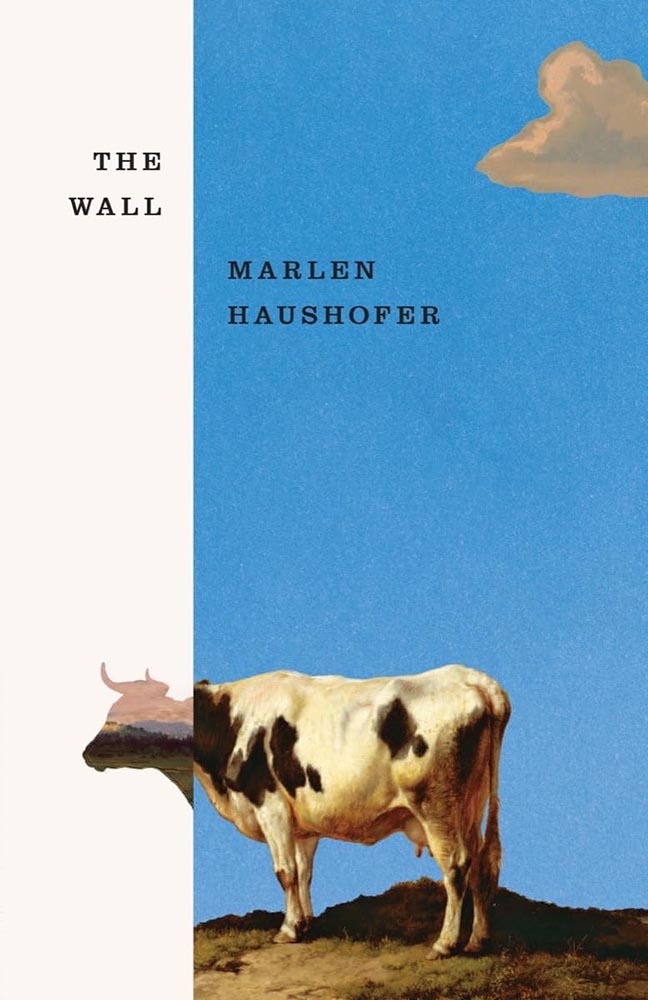
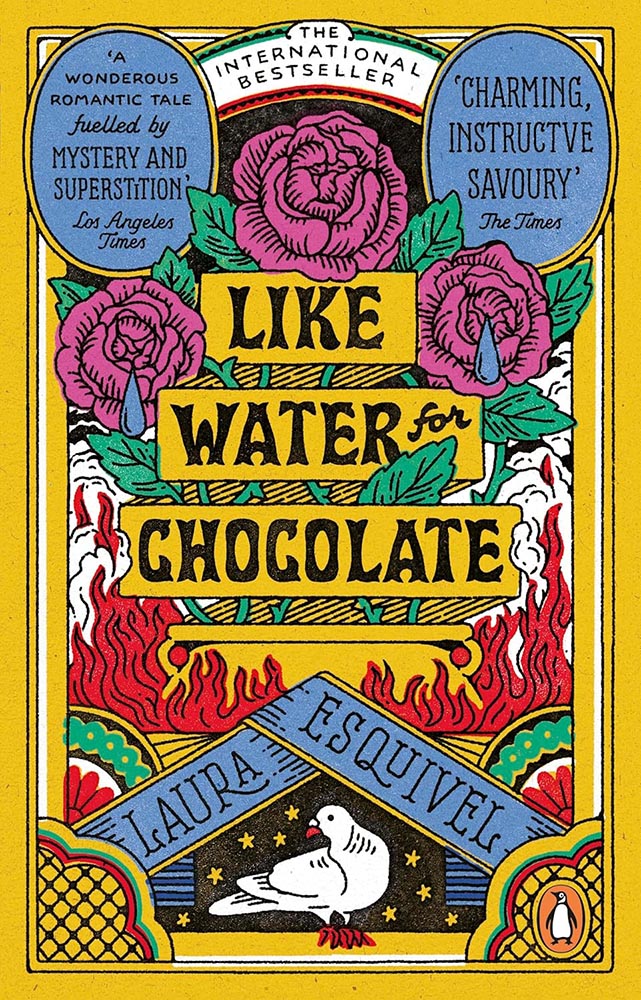
Illustration and lettering triumph for this classic title, slightly reminiscent of the Farmer’s Almanac I remember from my youth (in the most complimentary way), with appropriately-English “characters” for the UK edition.
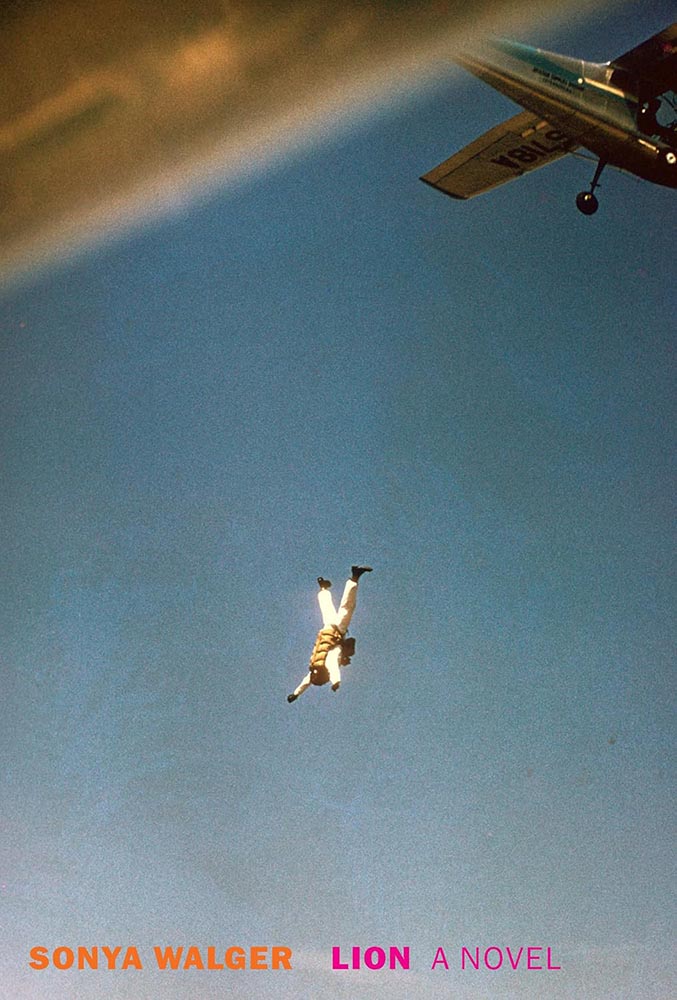
I mentioned above that for photographs to work today, they have to have that something that grabs and won’t let go. This one does.
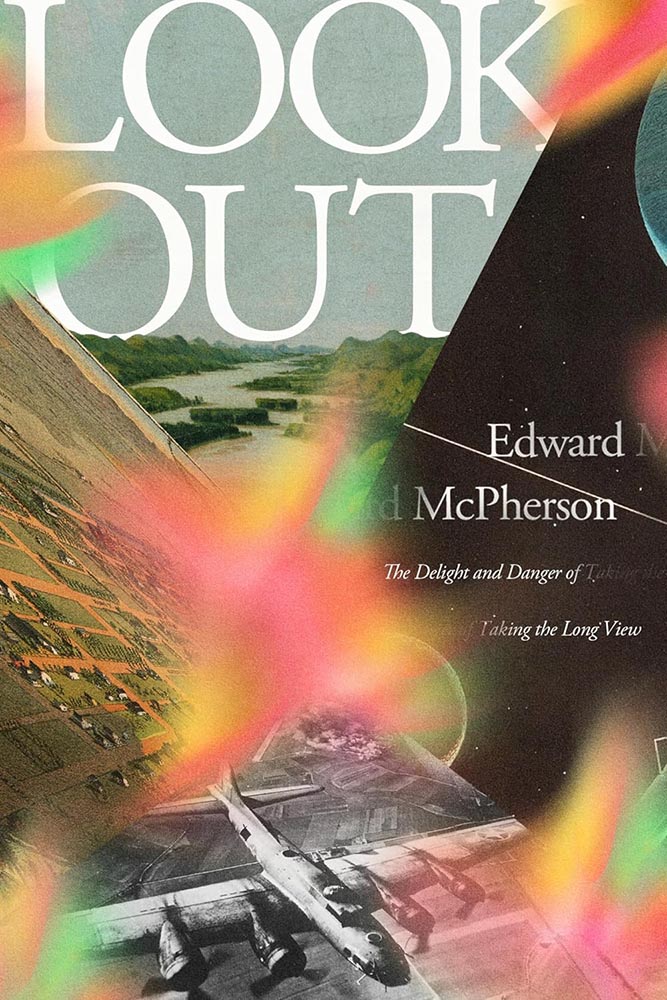
Next-level collection of long views both together with and simultaneously separated by brilliant use color. Bonus points for the repetition in author and subtitle.
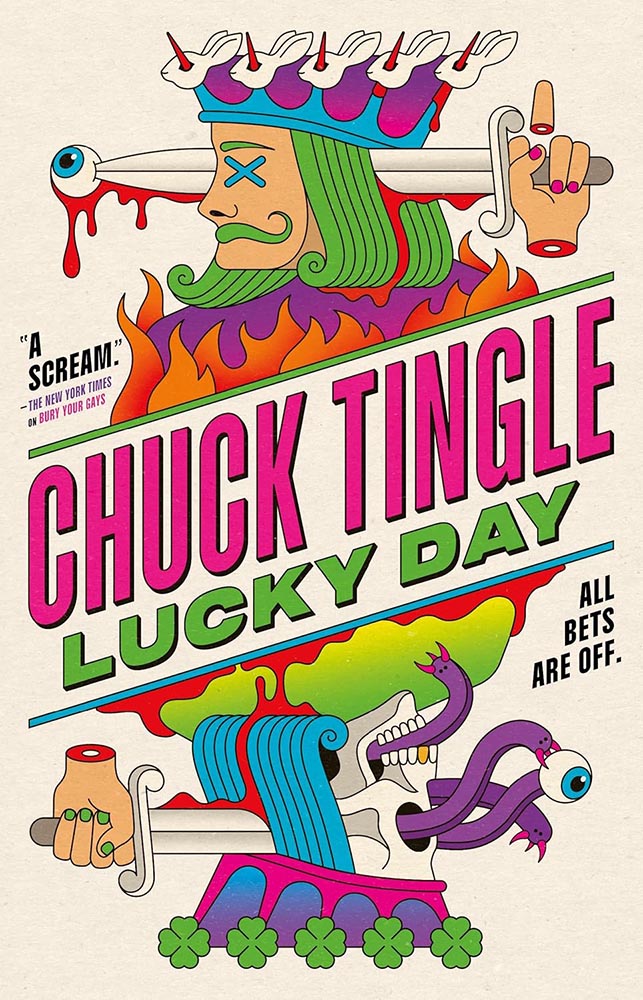
Gets the award for “most zany,” in the best possible way: “a scream,” indeed.
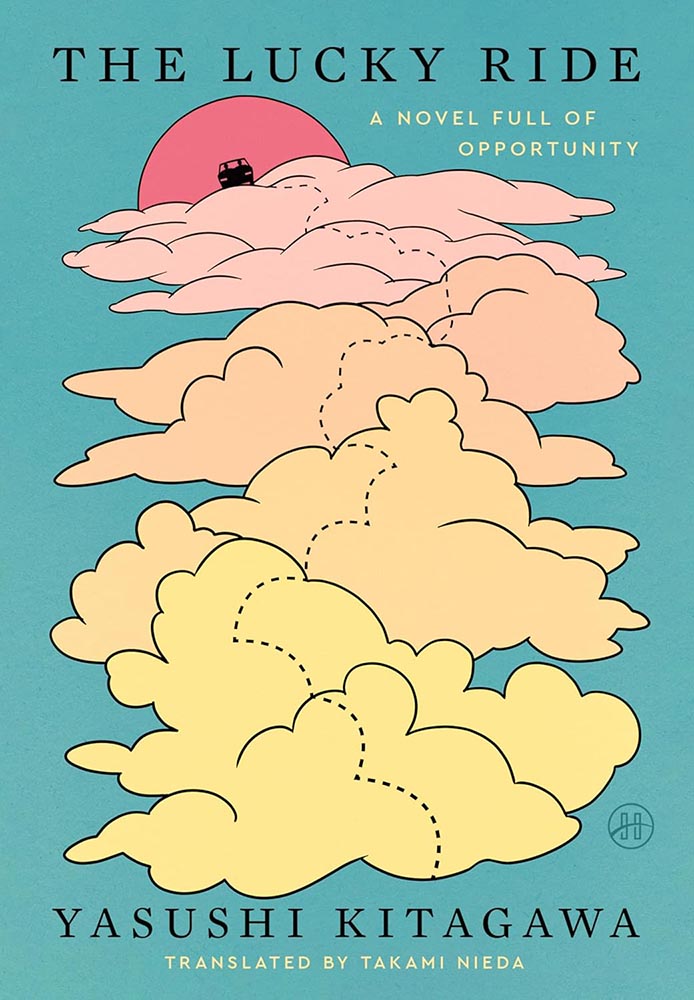
Speaking of awards, let’s have one for “soothing.” The dotted path is brilliant and colors awesome. (And while it’s not part of the design, it’s impossible not to appreciate that subtitle.)
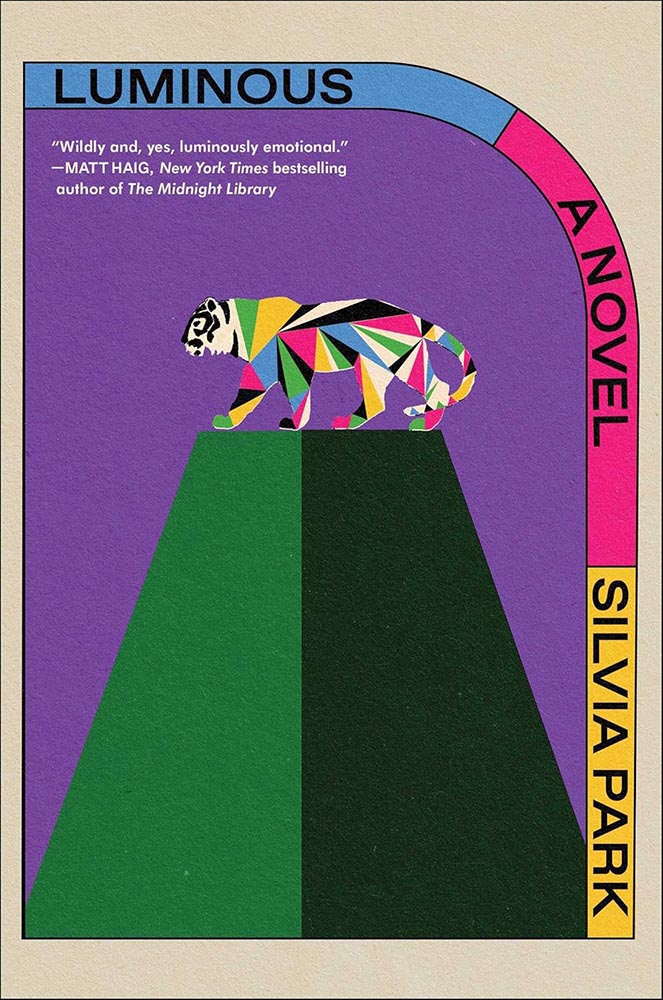
Colorful, original, retro-yet-not — with that tiger. I want to make jokes about how this cover so very well illuminates, but really, I just want to go read it. Awesome.
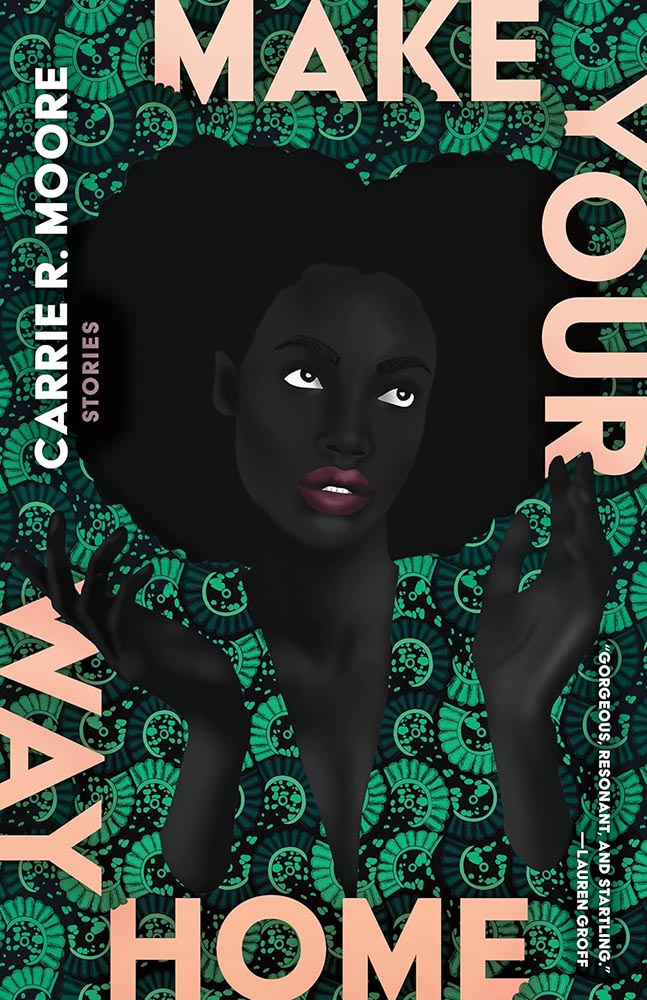
I’m not a fan of the text-around-the-edge trend — I get it, it’s a framing device, but, suddenly it was everywhere, too much, all at once.
Once in a while, however, it’s done so well that greatness must be acknowledged. Weaving the title text into the pattern helps, as does, of course, the fantastic art.
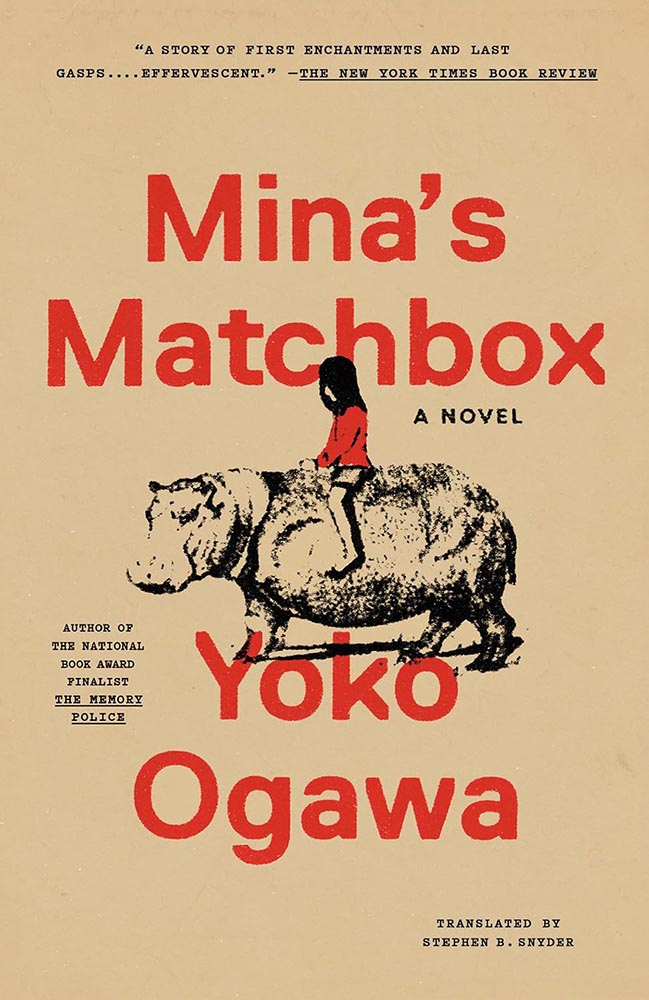
I had the UK version of this in last year’s list — but the paperback, out this year, gives me an excuse to not only highlight the US version, but the associated redesigned back titles:
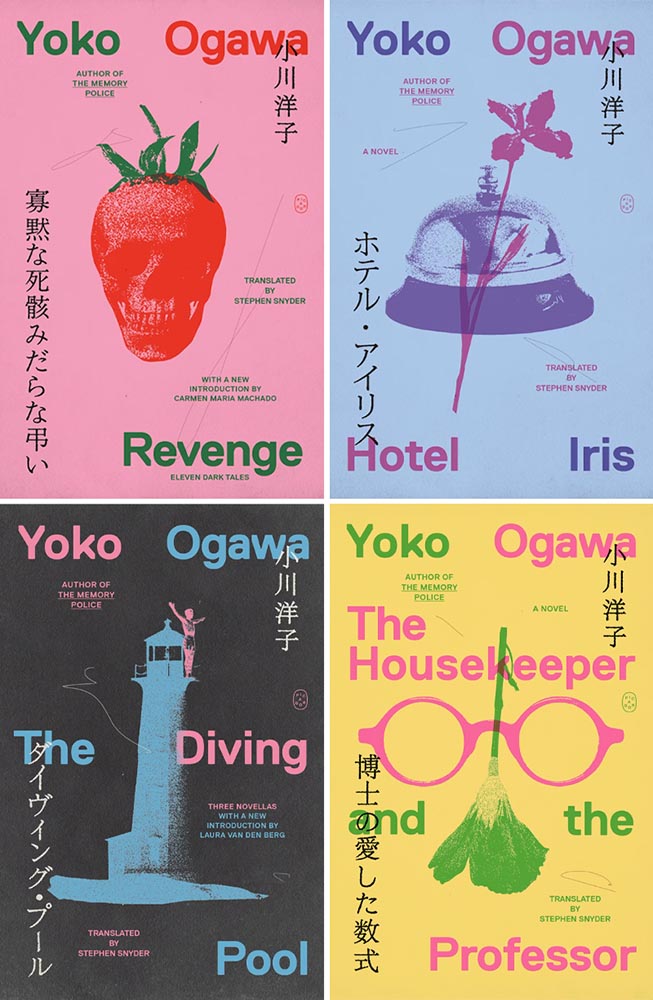
I do not believe “brilliant” is resorting to cliché.
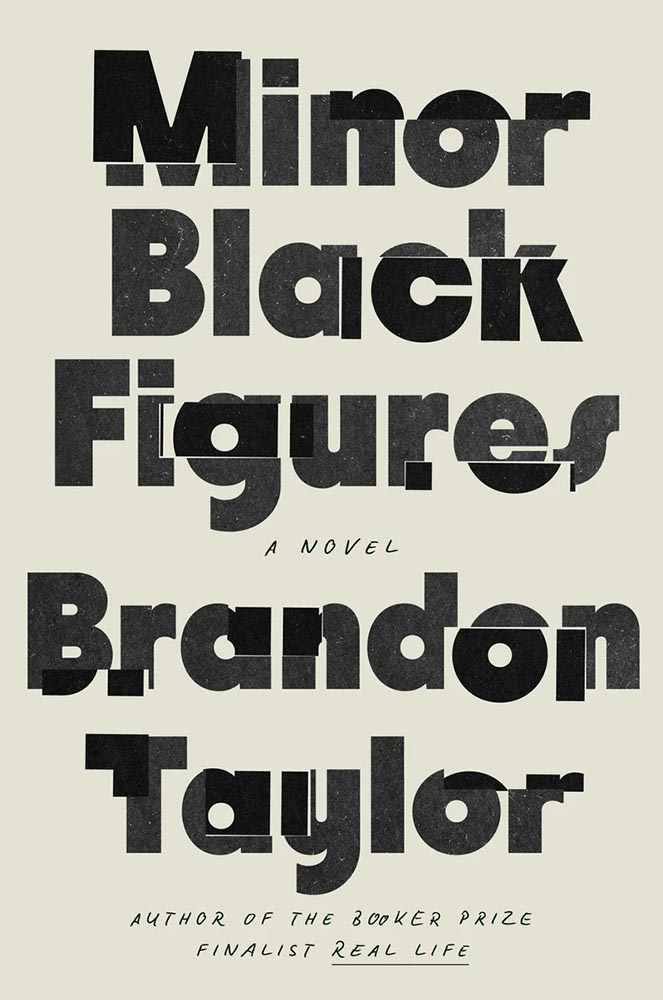
The second one-color cover on this list, whose simplicity belies the story within. (Lauren Peters-Collaer, on LitHub‘s “best of” list, describes it as “fractured,” which I love — along with the “minor Black artist” being named Wyeth.)
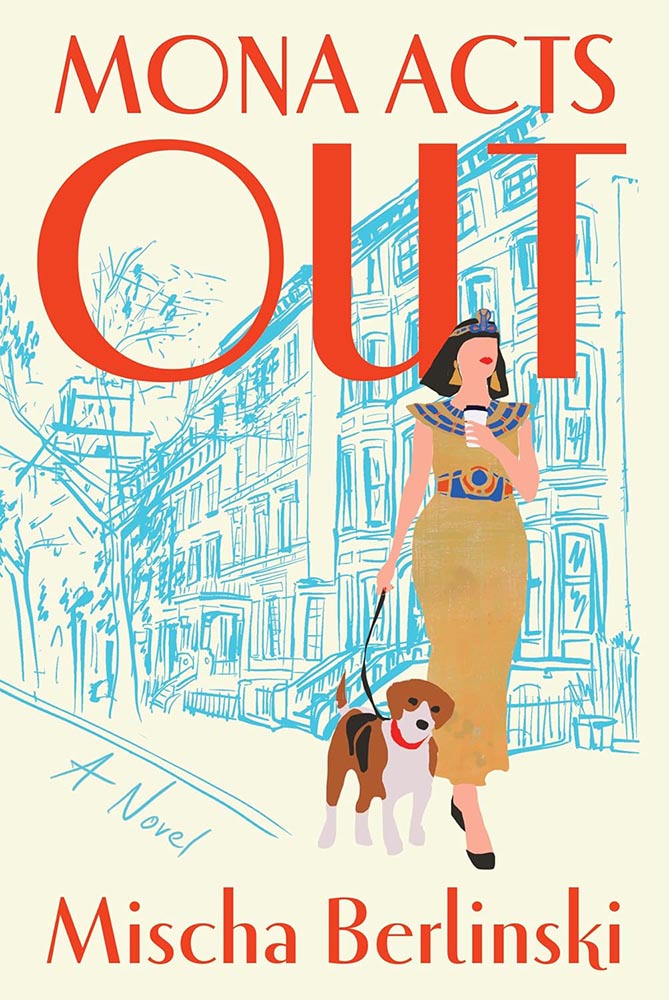
“I forgot the blueprints parsley!”
Awesome stuff: the lips being the only thing on her face, the dog’s expression, the rough sketch style, the way the title stands out, um … okay, everything.
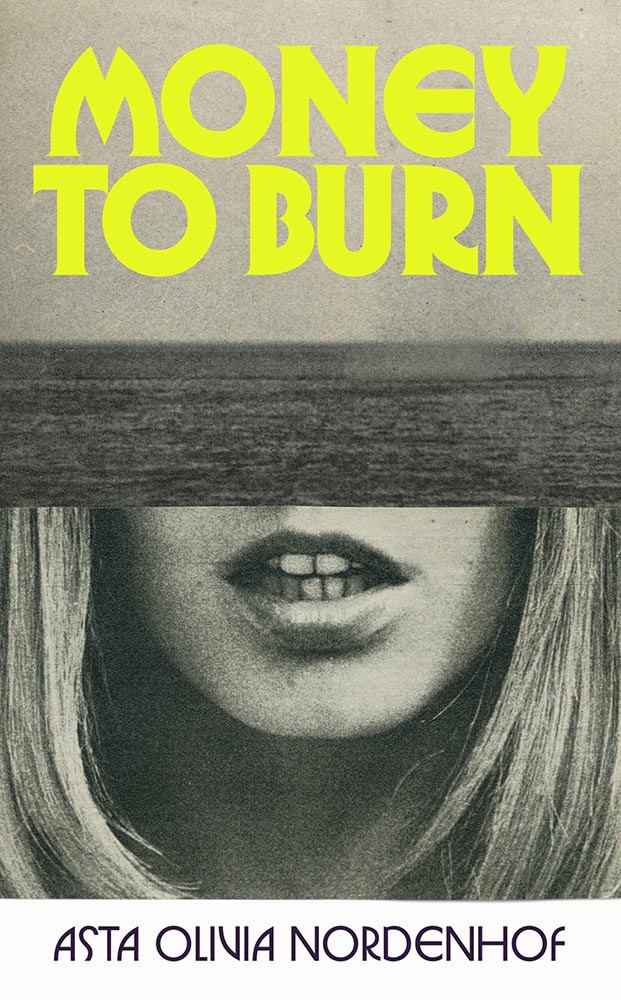
As mentioned, the two-pane cover has become a thing; this one breaks out not only with the black-and-white photos (possibly a subtle duotone) and a bright title in a great typeface (Herbus, by OTT) but cropping on the bottom photo that causes a double-take, and that hint — just a hint — of just-sank in the top photo. Good stuff.
Much stronger without the quotes fouling the water, by the way. The tug-of-war between design and marketing sometimes gets makes ugly.
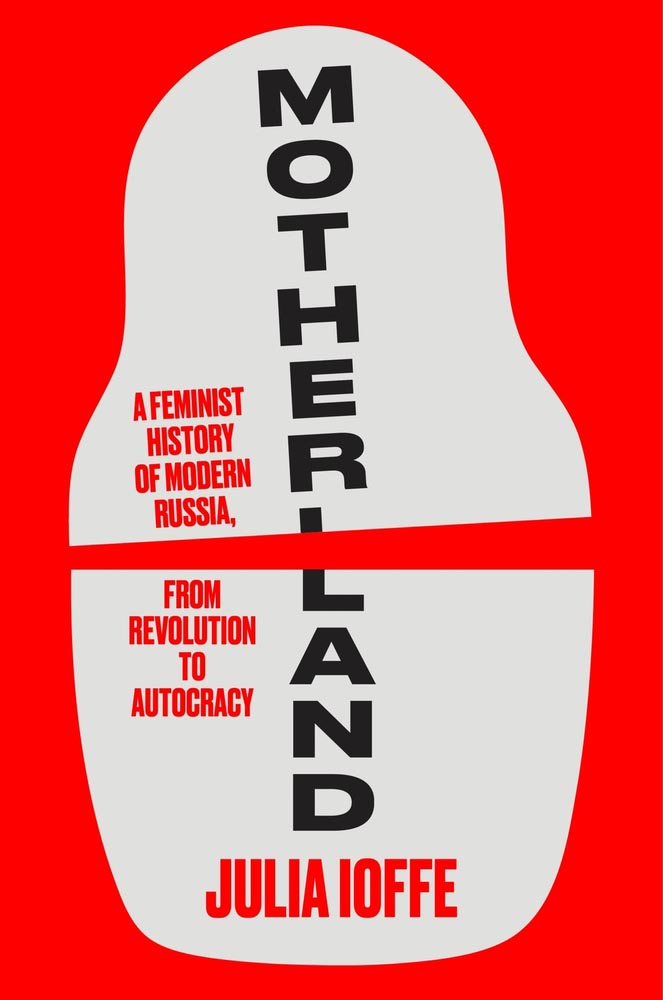
Brilliantly simple stand-out: nest and enjoy.
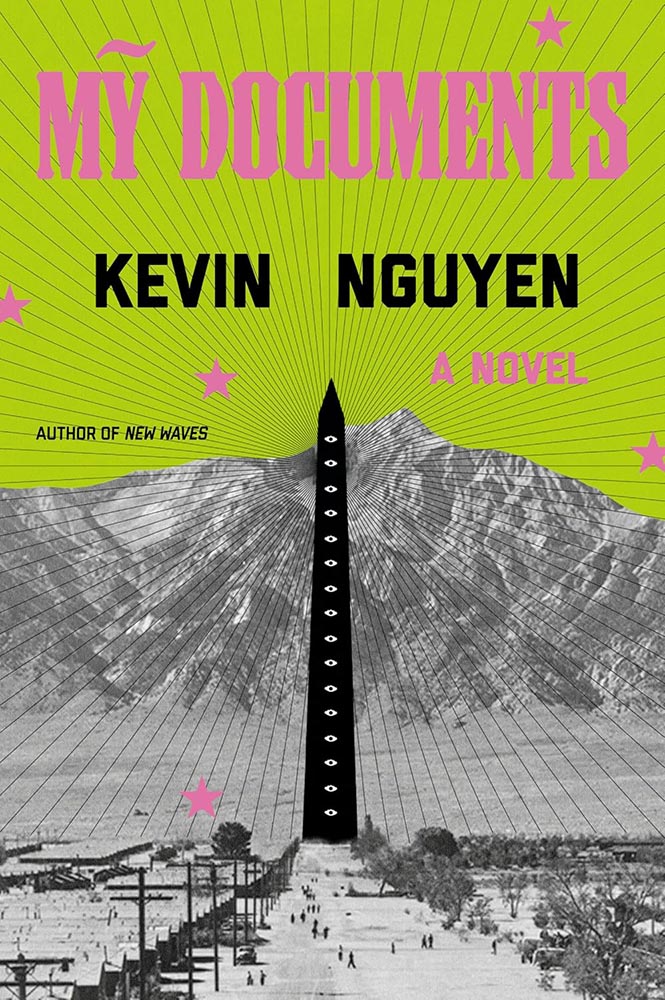
A fantastic example of a photograph plus — that illustration, those lines, that green, those stars. (And, of course, the eyes.)
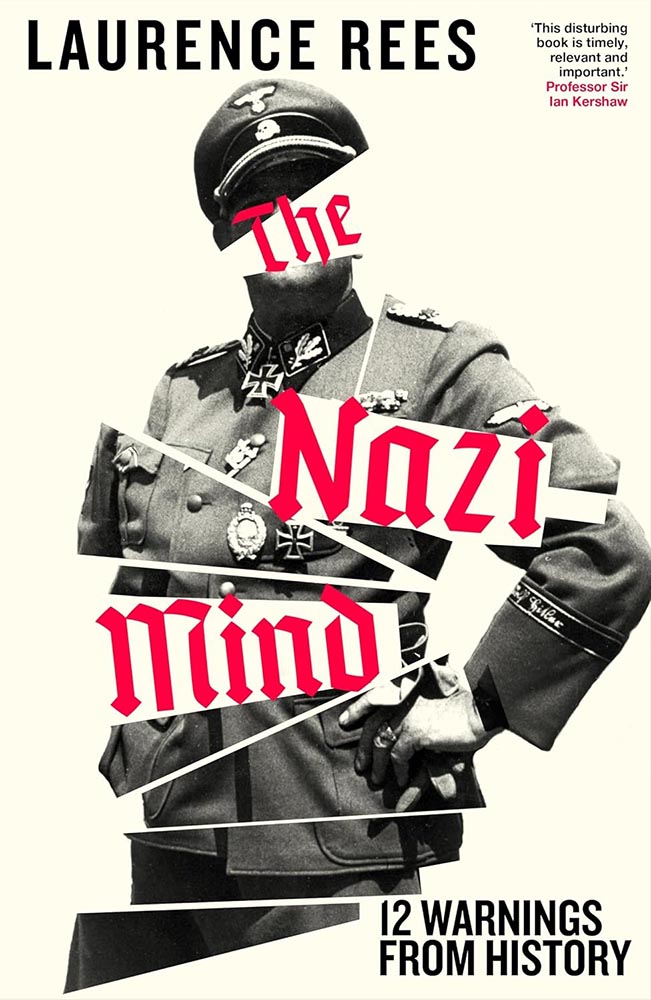
This UK cover expresses the arrogance — the cockiness — while bringing forth all of the disjointedness and even kleptocracy. Timely and compelling.
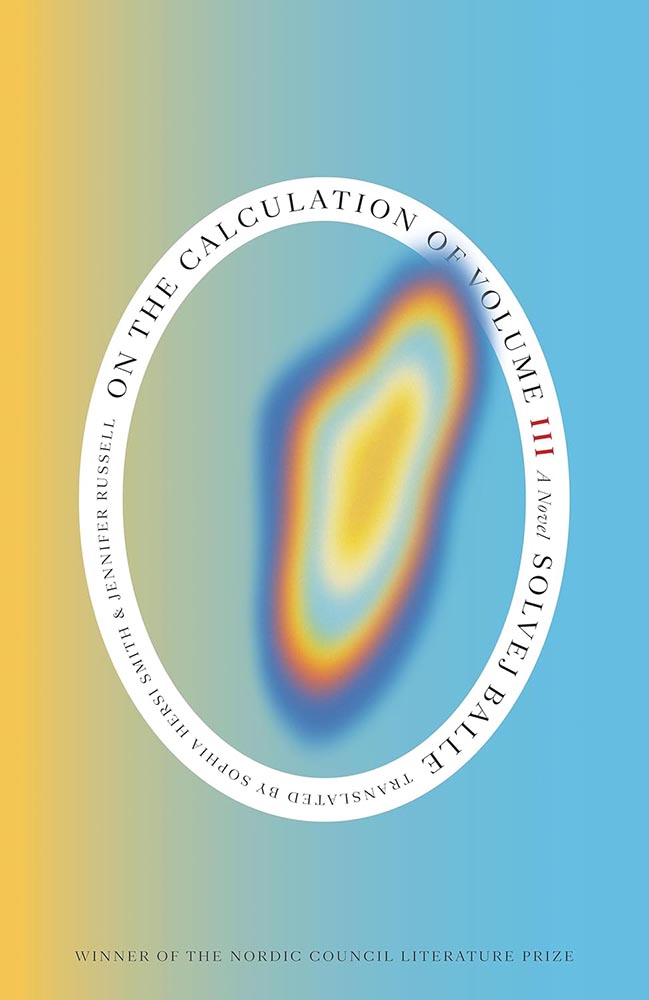
I like the design of this series — the title holding area (literally) is unusual enough to catch attention on today’s shelves socials — but the colors and treatment on this title, specifically, are the most pleasing.
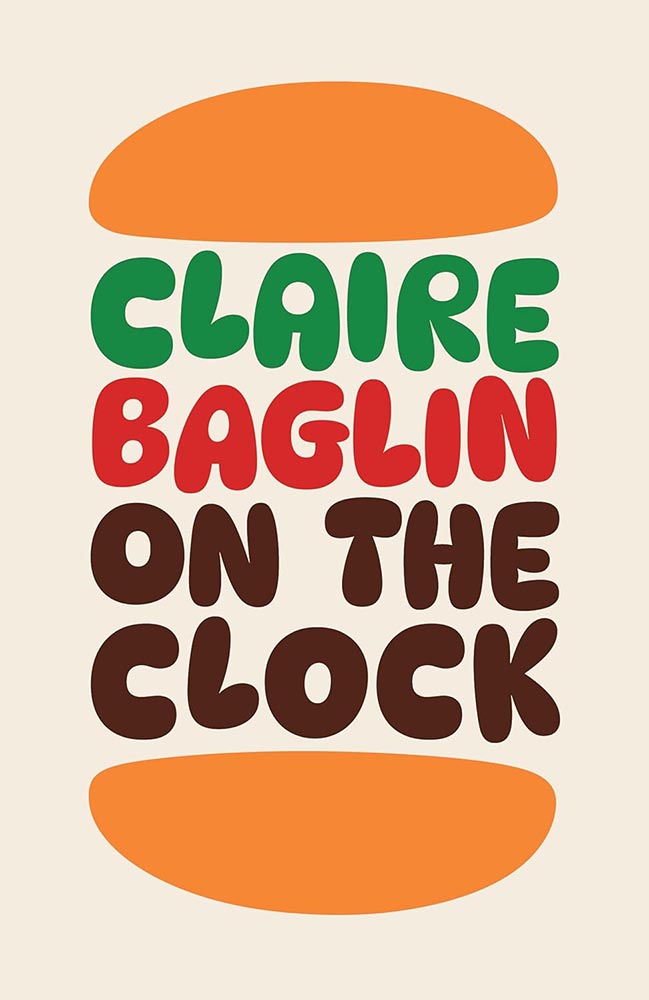
A brilliant idea, perfectly fulfilling the idea of communicating everything needed with one simple concept. (Alas, since putting this aside — the candidates for this list are gathered throughout the year — it’s gained splashy “ketchup” and what can only be described as “cheese.” Boo.)
Special bonus — the UK version:
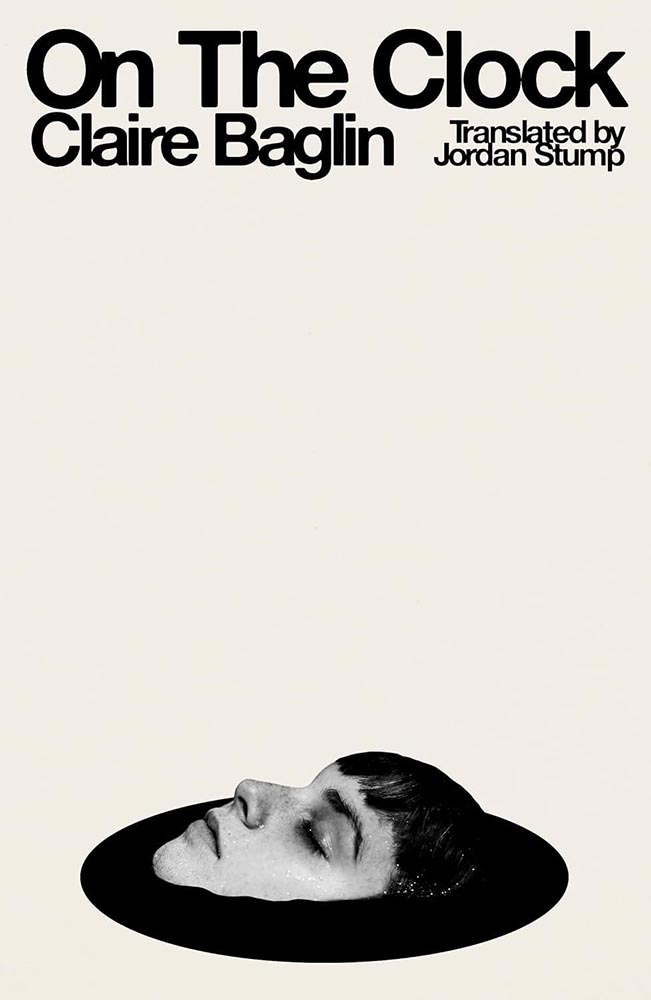
No less brilliant — yet, as covers from the “right” side of the pond often are, more sophisticated.
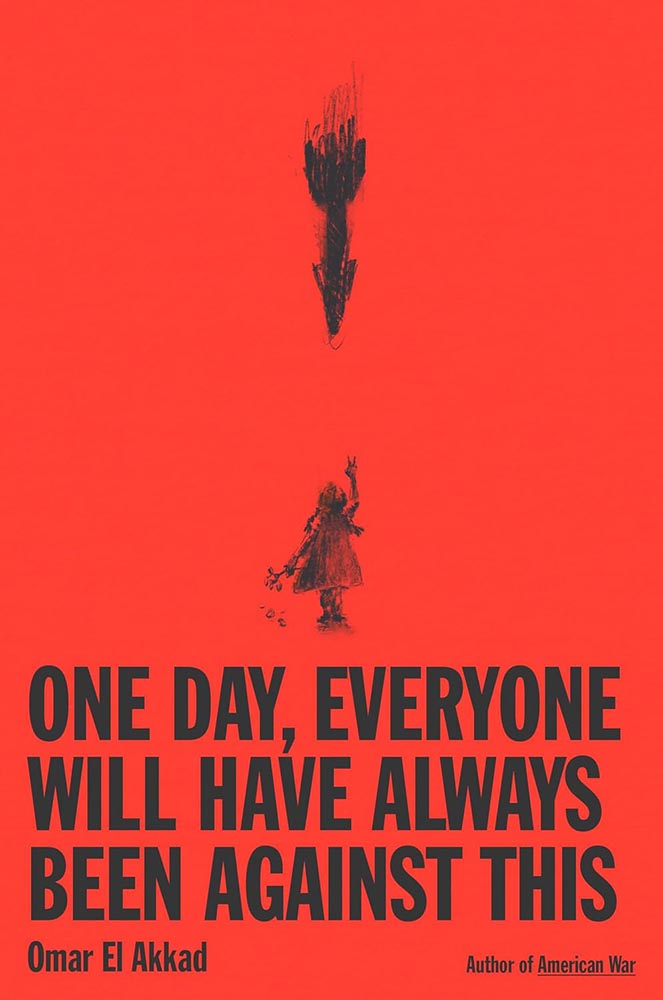
Okay, let’s revisit the text describing the previous title.
To quote Jason Kottke: “The US cover, like many American things, is somewhat less subtle & elegant.” In this specific instance, however, I have to disagree: sometimes, more is more.
Here, the US version brings a power to the table that US versions often struggle with; a “a few strokes of the pen” can wield enormous strength — often too much — and thought, talent, and consideration are appreciated. This is all of those.
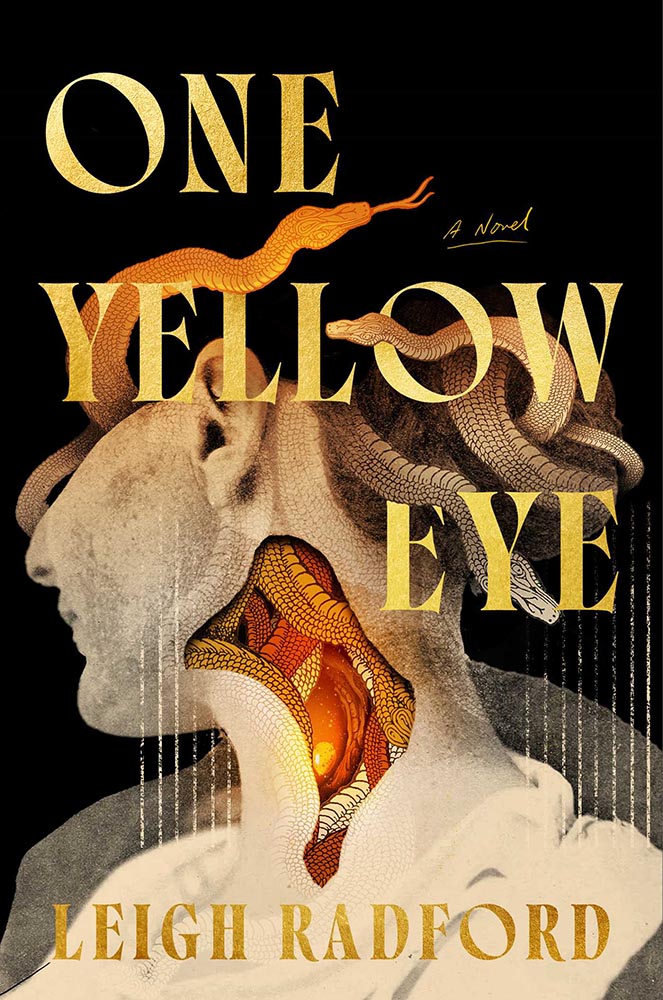
“Not for the faint of heart,” one of the blurbs for this title reads — and applies equally well to the cover, which communicates “lovely” and “grotesque” in equal measure. (The UK version trendily plays up the lighter approach.)
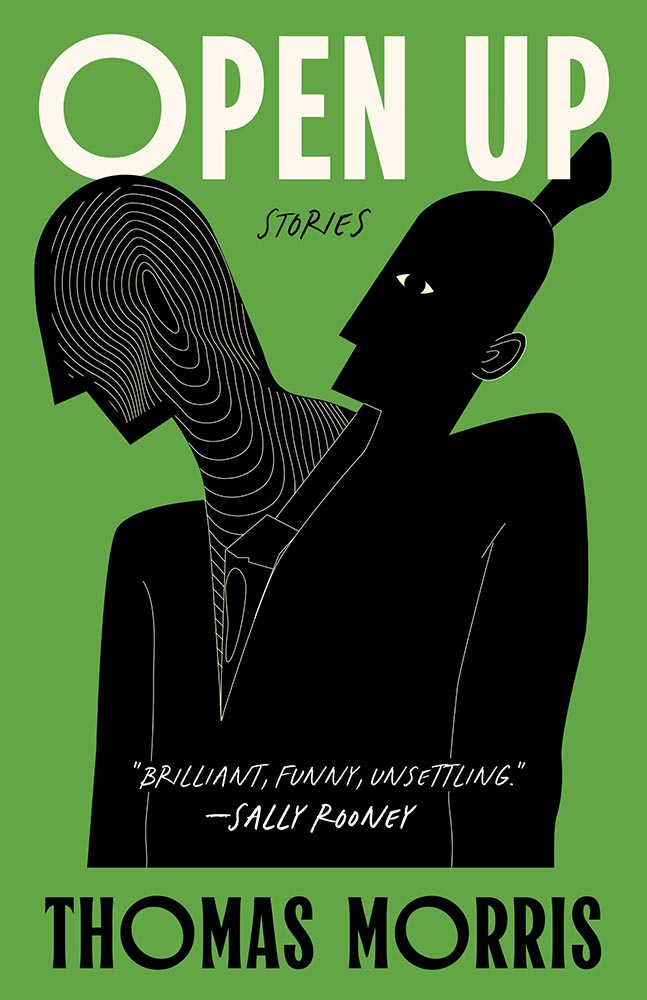
A “brilliant, funny, unsettling” illustration, too. (Love the green, by the way.)
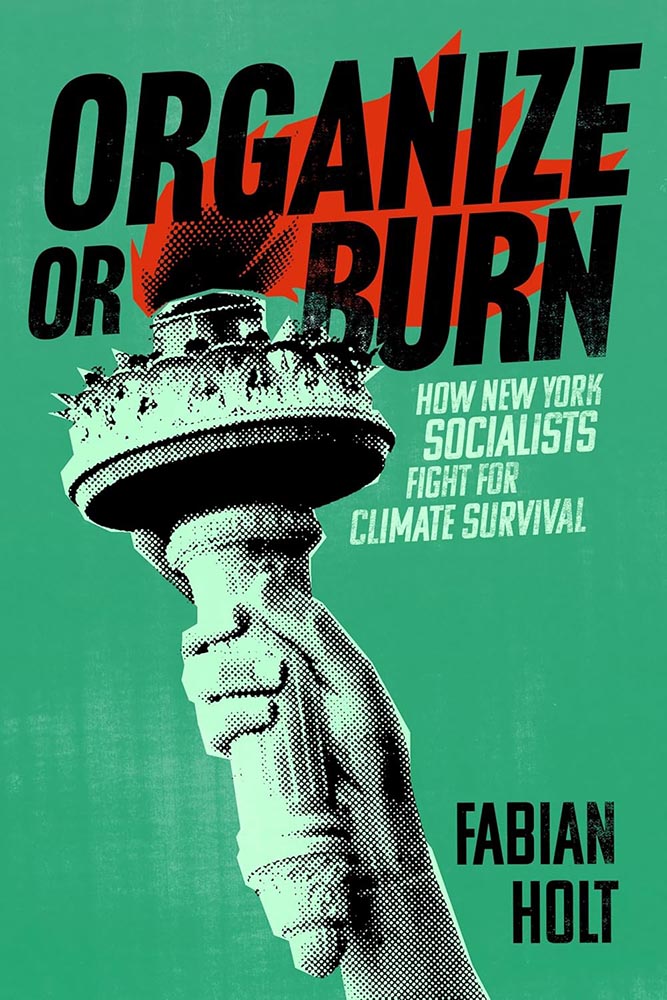
“From screening to aging, suggestion to content, color to style, this one, put simply, gets everything right,” I said on Spine in October’s University Press Coverage column — but when it was highlighted in October’s Beautifully Briefed, here on Foreword, I added, “One could argue that this cover — and title — could work well even if the word “climate” was removed.”
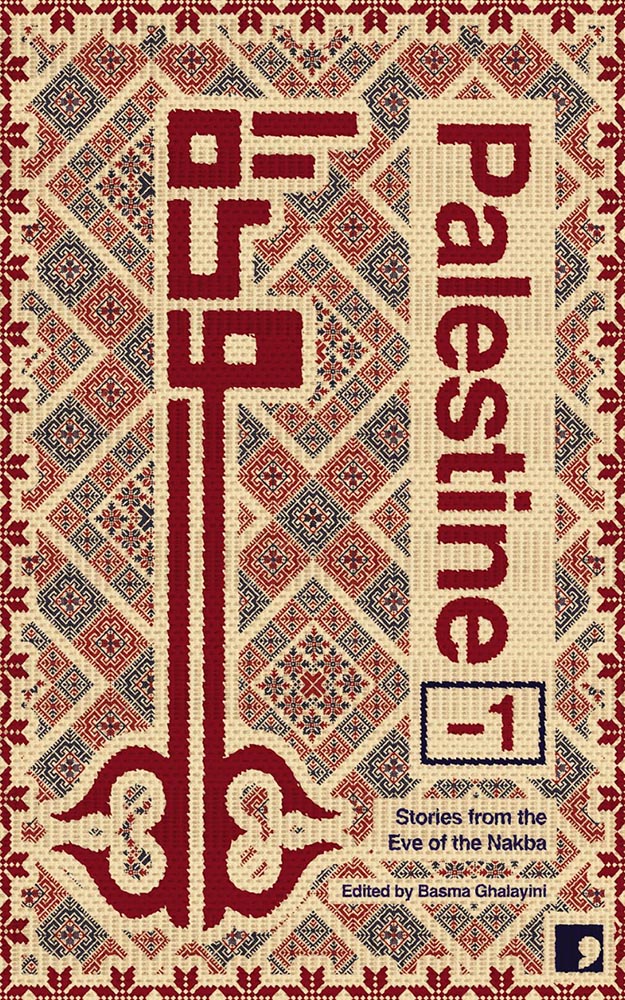
“Tatreez, meaning ‘embroidery’ in Arabic, is used to refer to the traditional style of embroidery practiced in Palestine and Palestinian diaspora communities. The contemporary form of tatreez is often dated back to the 19th century. The style of cross-stitch embroidery called fallaḥi has been practiced amongst Arab communities in the Mediterranean for centuries,” Wikipedia notes. (NY’s Met Museum has more.)
Beautifully applied.
Special bonus — see also:
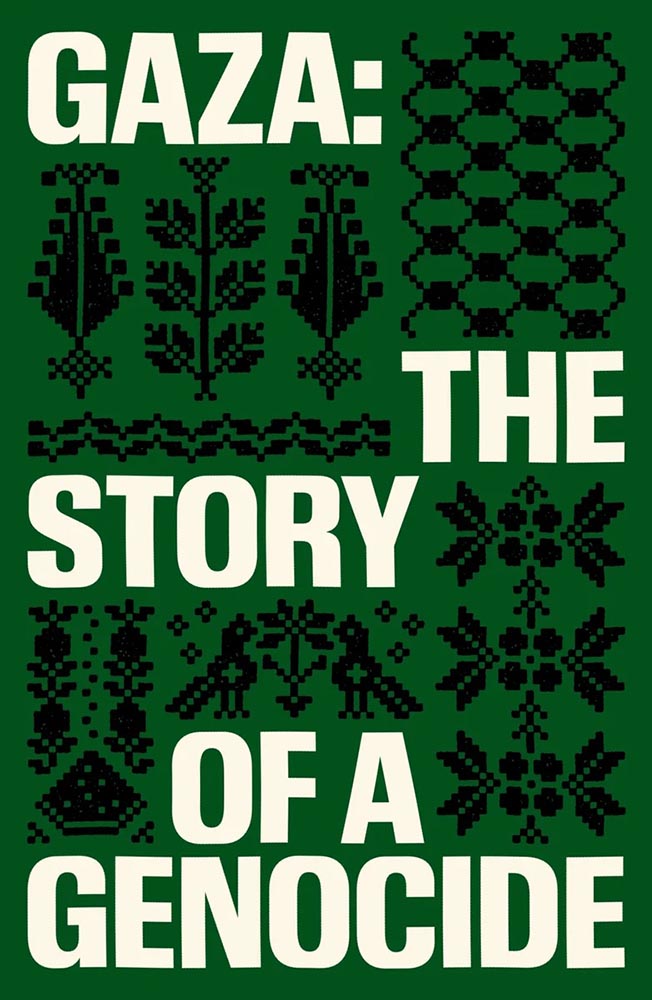
Yeah.
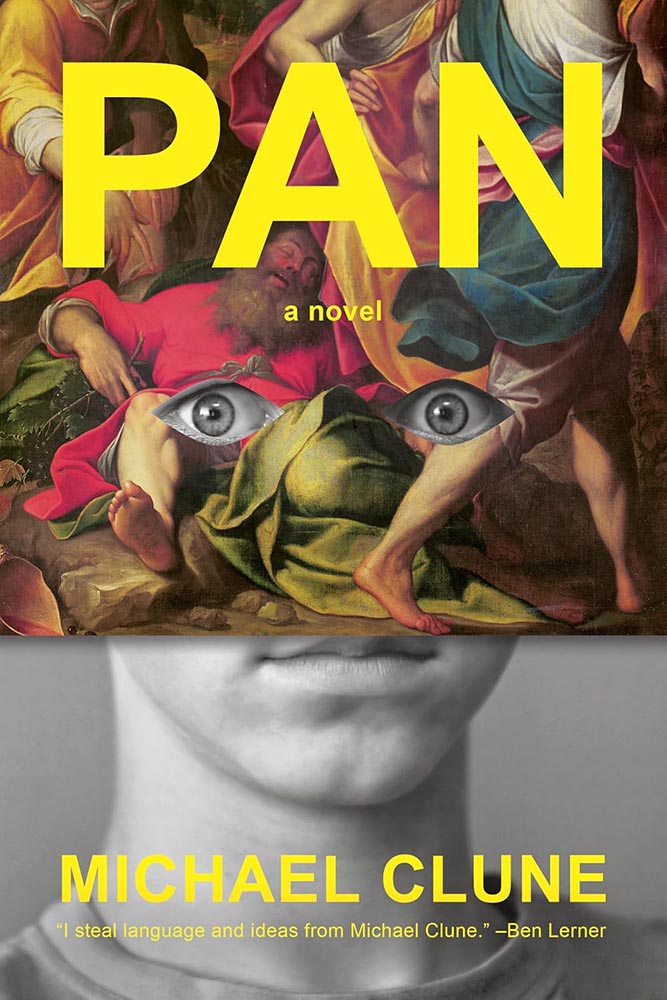
Pan, panic, or just surprise? No matter the expression, a delightful way to break all of the rules. (Bonus points for the knee to the nose.)
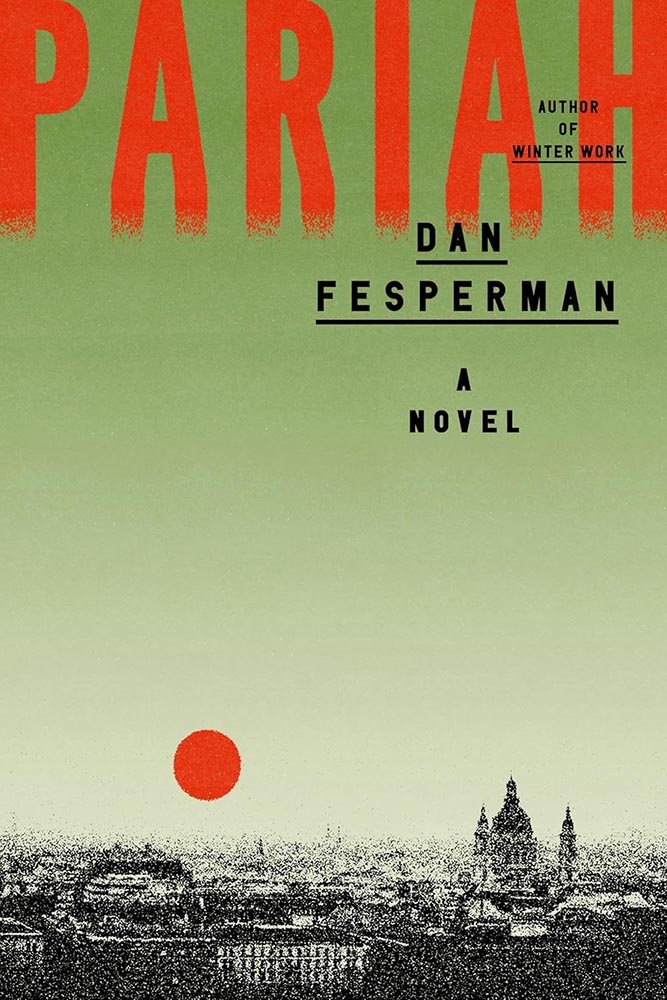
A disgraced comedian-turned-politician is recruited by the CIA — a grainy prospect that you wouldn’t expect to look like this.
Um, yes.
(“This title is absolutely about Bolrovia,” he added.)
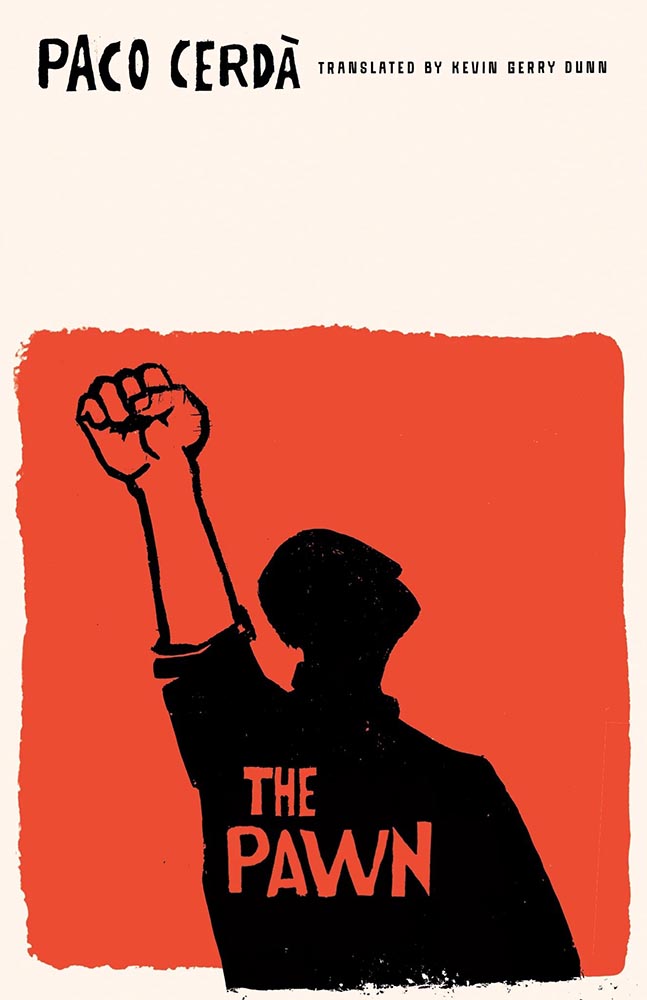
Less chess and more Cold War, another where a powerful, simple idea triumphs. The orange and the hand-lettering deserve special praise, as well.
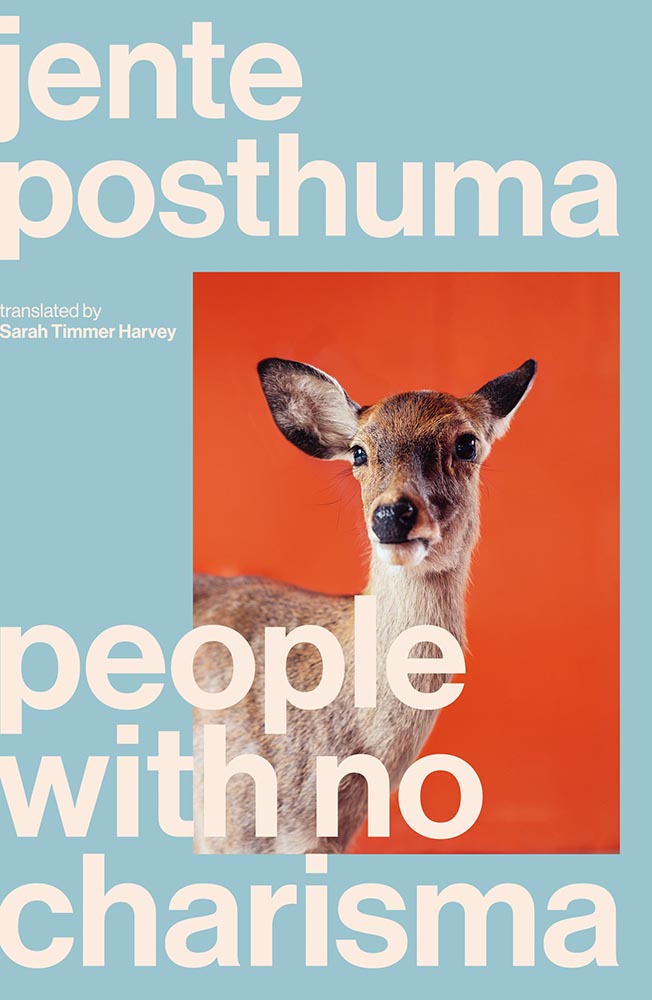
From expression to ears, brings new delight to deer-in-the … highlights.
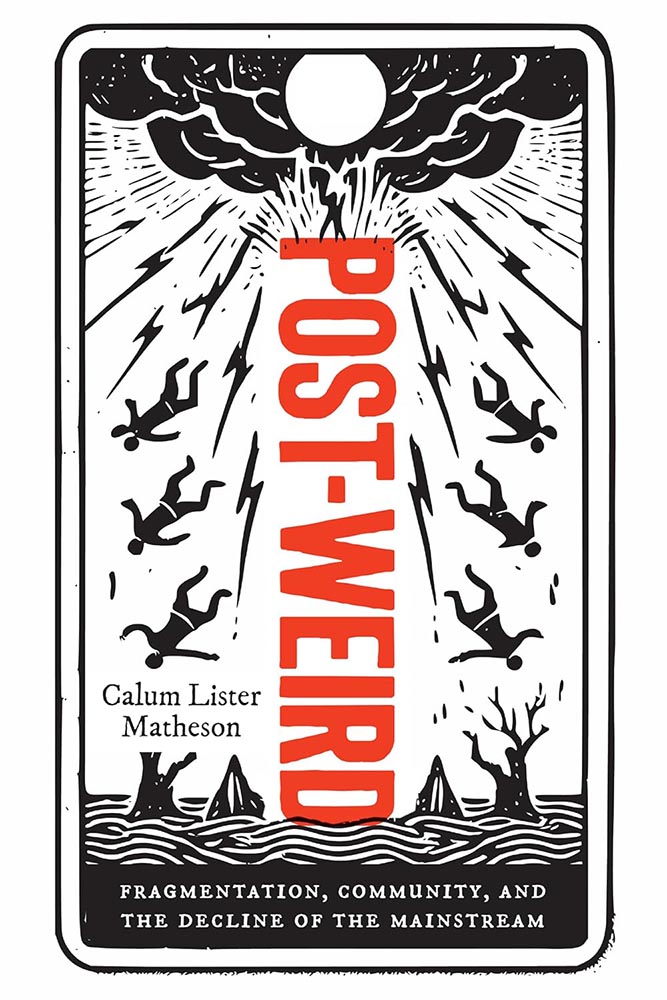
“From the woodcut hall of fame, we have this,” I wrote in Spine‘s November column.
(I’m sad Rutgers never returns emails, because this artist deserves named credit. If you know….)
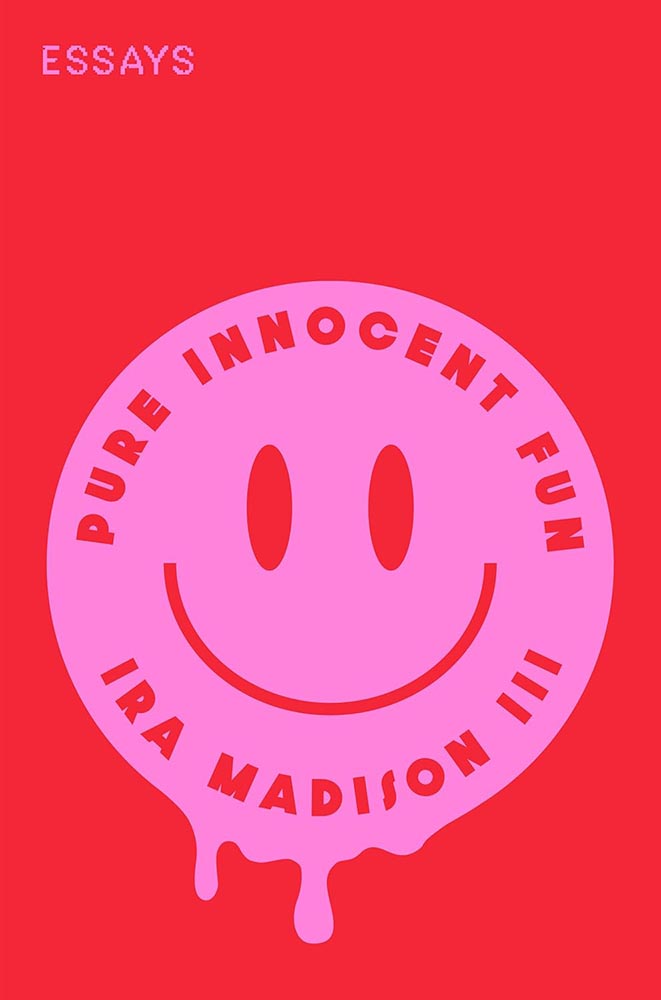
That “Essays” is printed in little tiny pink stamps is merely the kicker: awesomeness, defined.
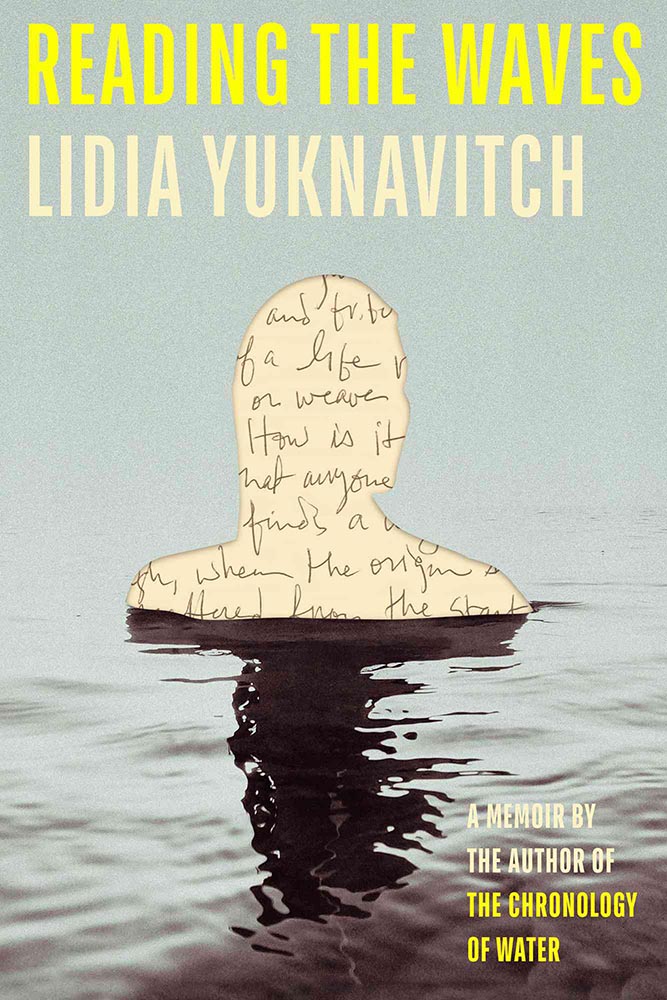
Might I have mentioned that silhouettes are overused, even trendy? And that photographs are passé? Not here.
Like The Slip, this title goes out of its way to do something different, something appreciated, with the cutout. Combined with a great photo and grainy sky, it steps out of line and requires your attention.

“Deadpan wit” could be used to describe more than the contents: simultaneously simple and simply brilliant.
A cheat here: the green version is the hardcover from 2024; the paperback, from November ’25, is orange with a pink chair — and not quite as good.
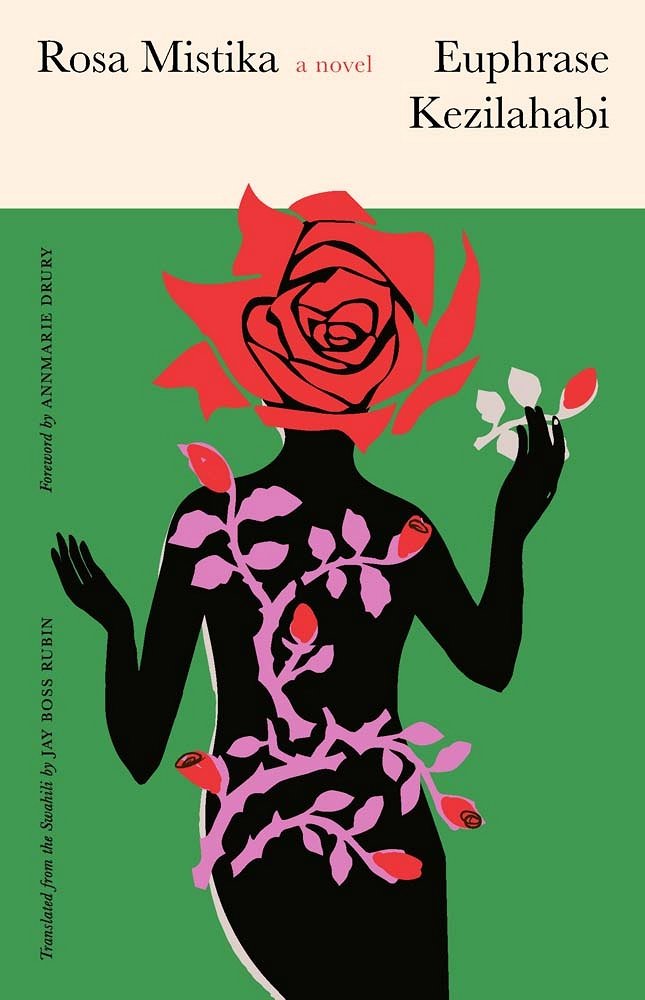
“A controversial Swahili classic — banned on publication — translated into English, published by Yale, and represented with a cover best described as a gift. A design that belongs in every ‘best of’ list,” I said in the inaugural column for Spine.
So added.
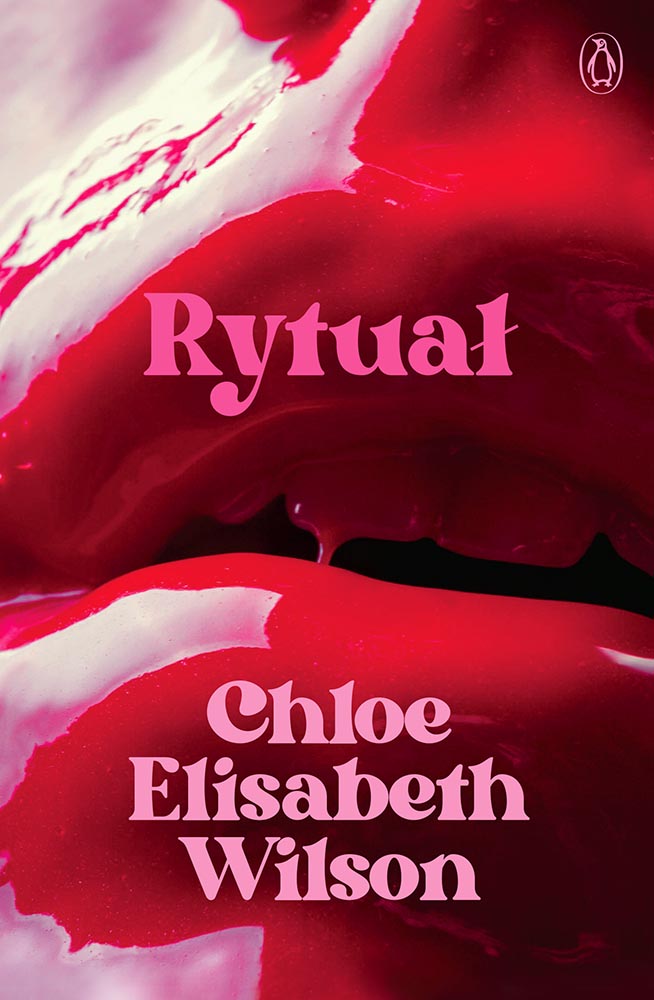
Close-ups of women’s lips is another trend I’ve been avoiding — except when it positively drips with photographic brilliance: millennial pink, taken to the next level. (Once again, a cover measurably better without the detritus rytuałły added by the publicity department.)
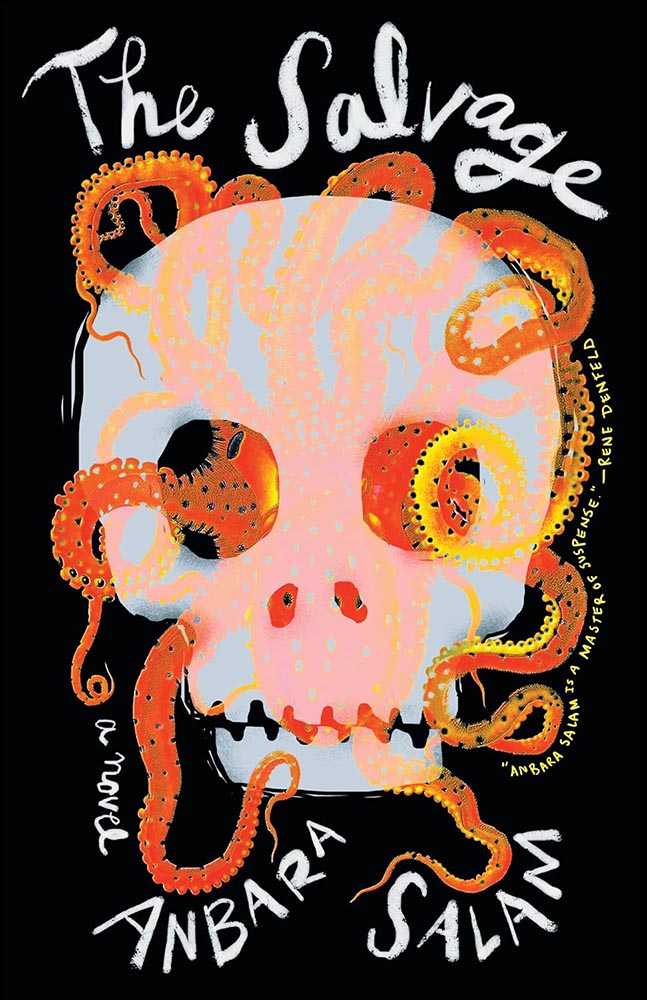
I don’t know whether Beth did the art for this — presumably — but that art, together with the title treatment, add up to one of those “wow” covers instantly added to the list of year’s best.
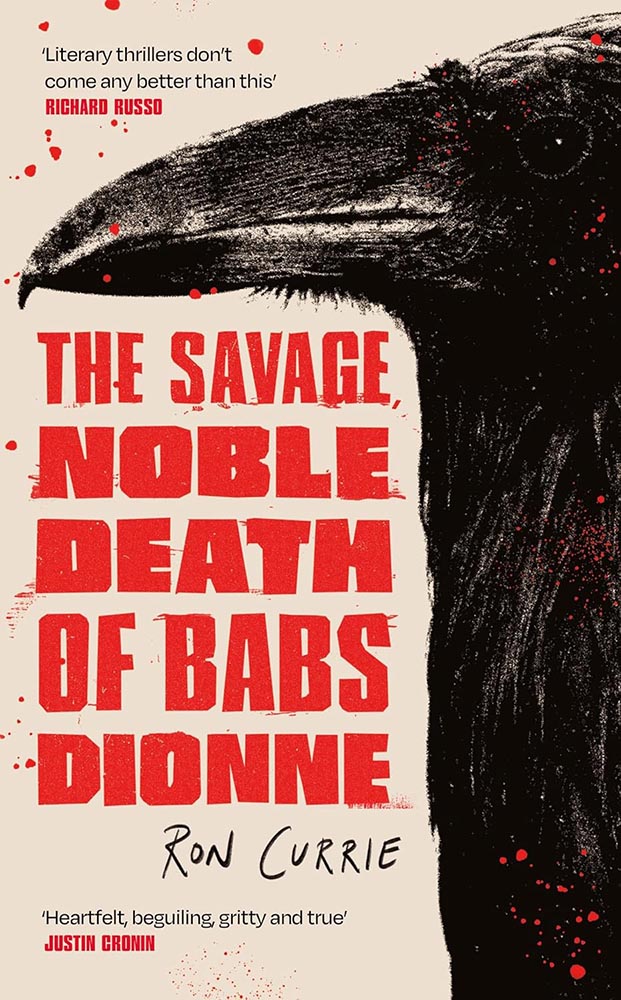
A “doting grandmother and vicious crime matriarch”: raven mad. This UK cover gets points for illustration style, type style, and, of course, just the right dose of splatter.
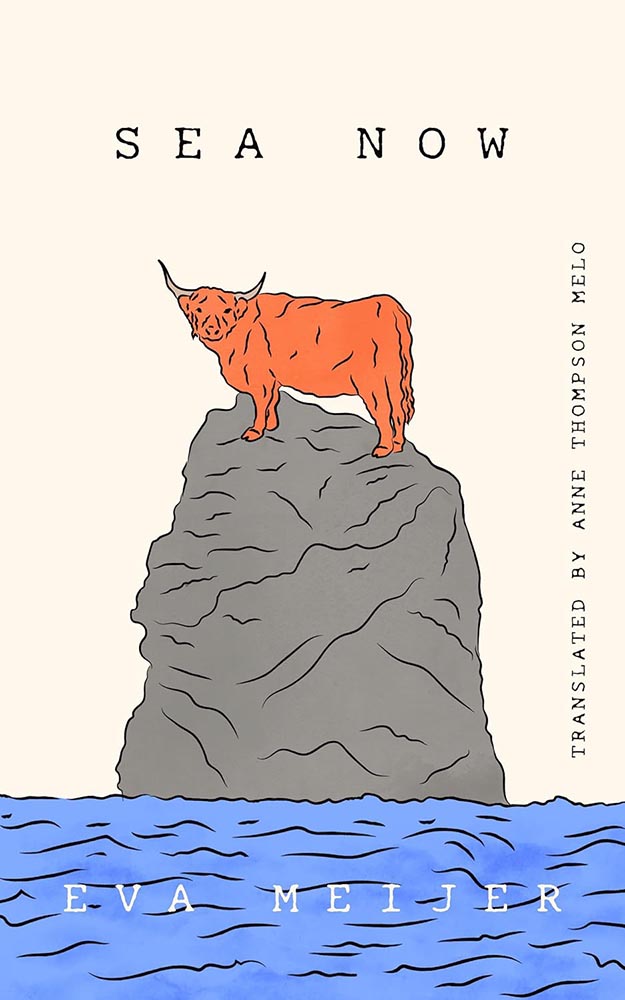
“The bull’s expression,” he said.
“The no bulls*** expression of nature,” she retorted.
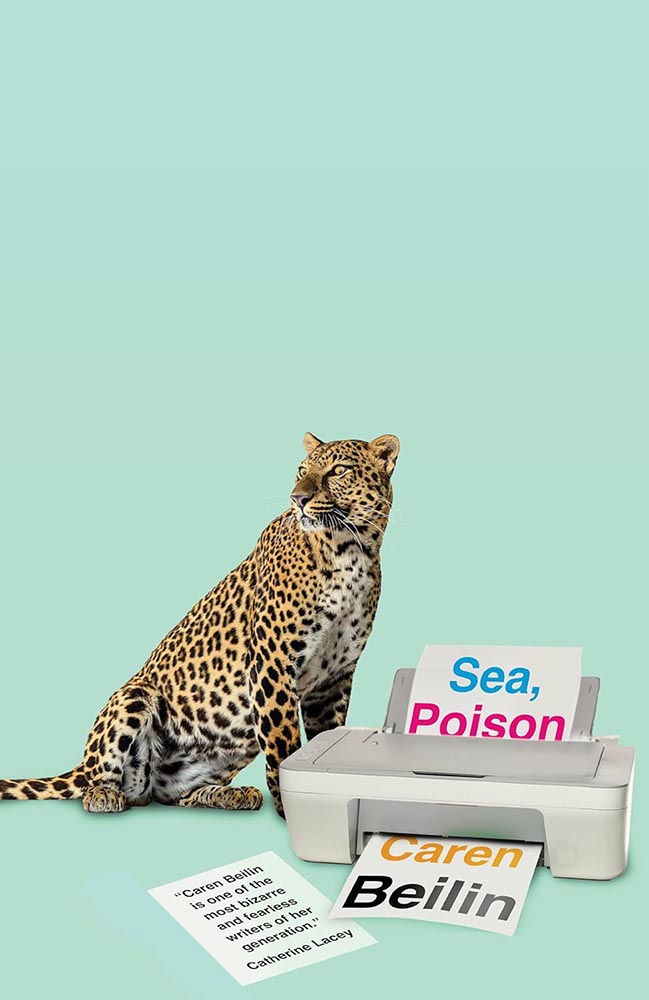
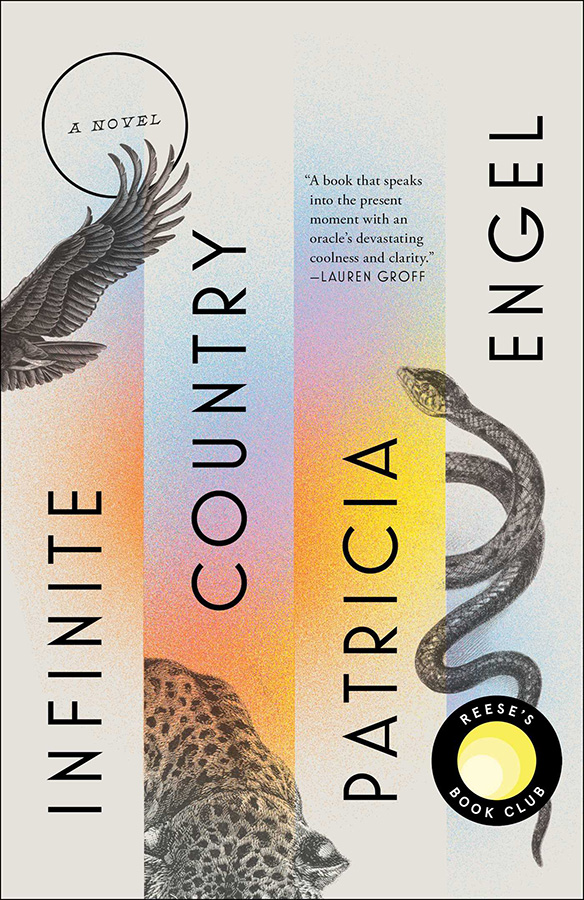
Never mind the huge negative space: it’s the eyes. (Okay, it’s also the unlikely collection — collision? — of leopard and printer. Plus the loose page/quote. Plus the background color. But still.)
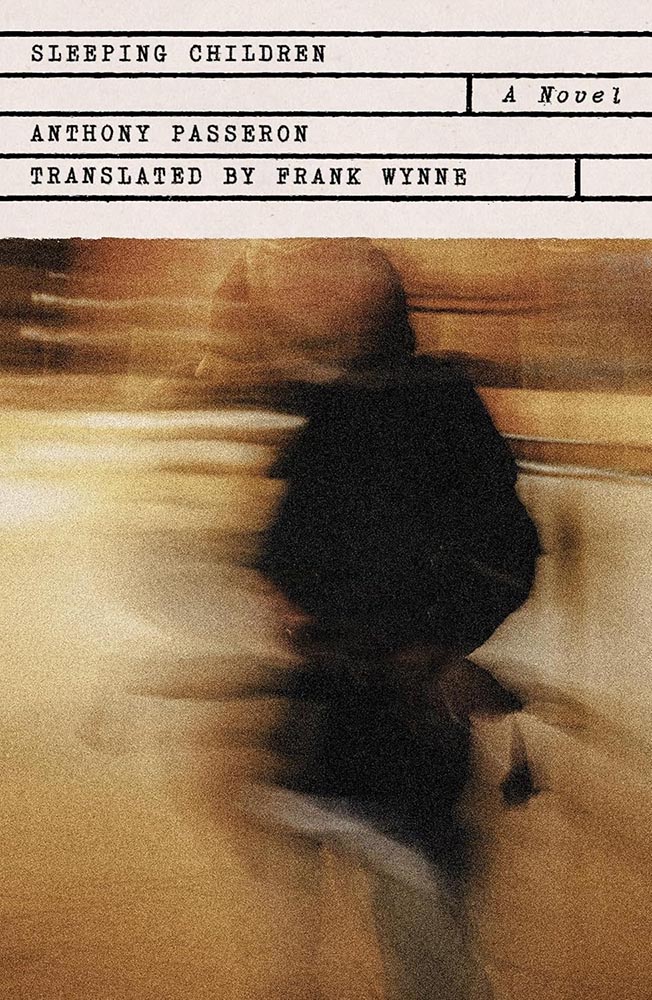
Heroin addiction, AIDS, French doctors, family drama: how do you weave that together into a compelling cover? Well, this.
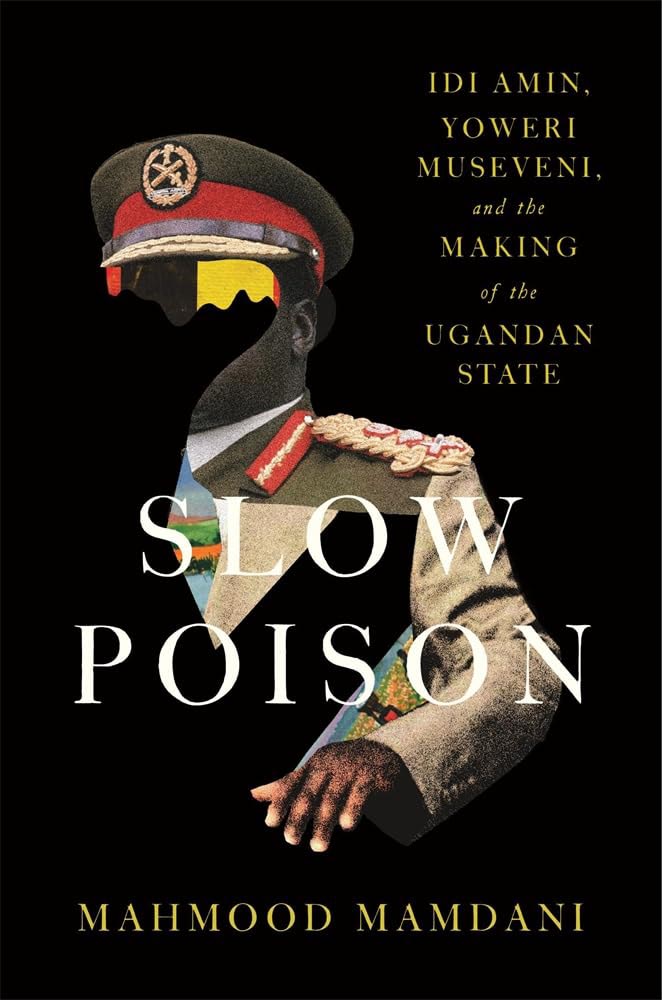
“Fragmented colonialism in Africa, illustrated incredibly well,” I said in October’s Spine column — then went on to do both designers a disservice by failing to include the appropriate credit. Sheesh. (Apologies.)
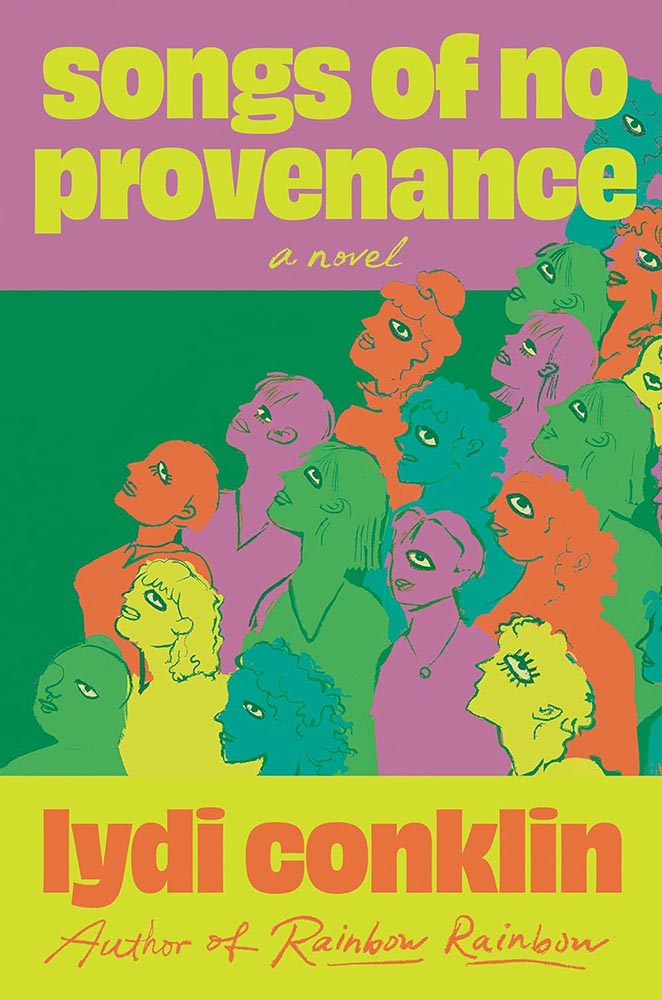
The US vs. UK “style” has been mentioned, well, possibly too much. Sorry.
But.
Here’s a great example of two great covers — both where all eyes are very much on the performer’s … uh, performance — yet in remarkably different ways.
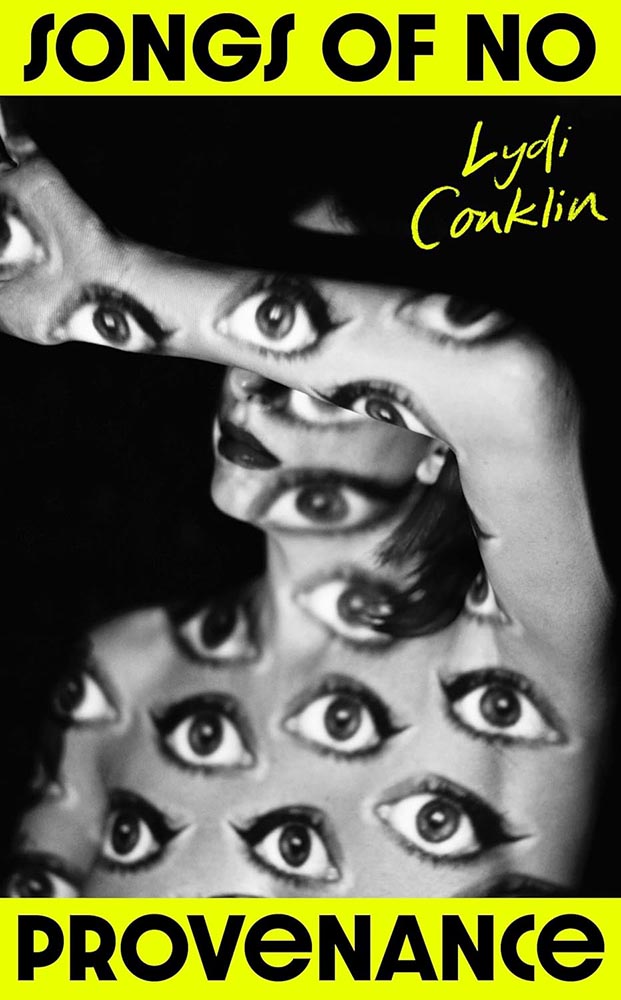
Even though this kicks serious a**, in this case (and to continue the back-and-forth), I don’t think the US version is any less sophisticated.
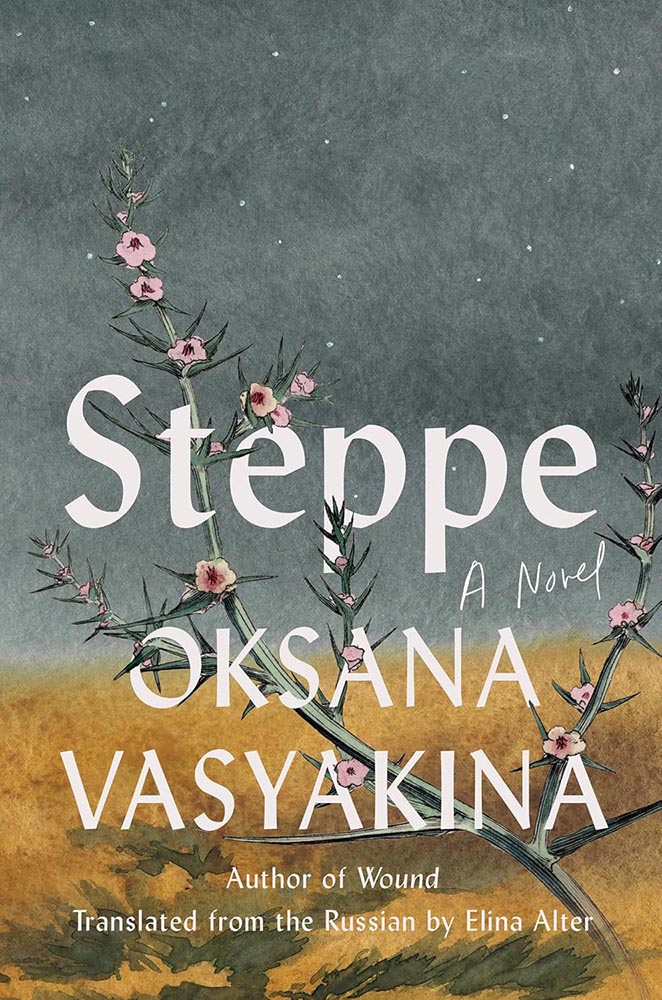
Beautiful illustration, beautiful type treatment; it’s something that could almost be described as “soothing.”
(With the possible exception of the text within.)
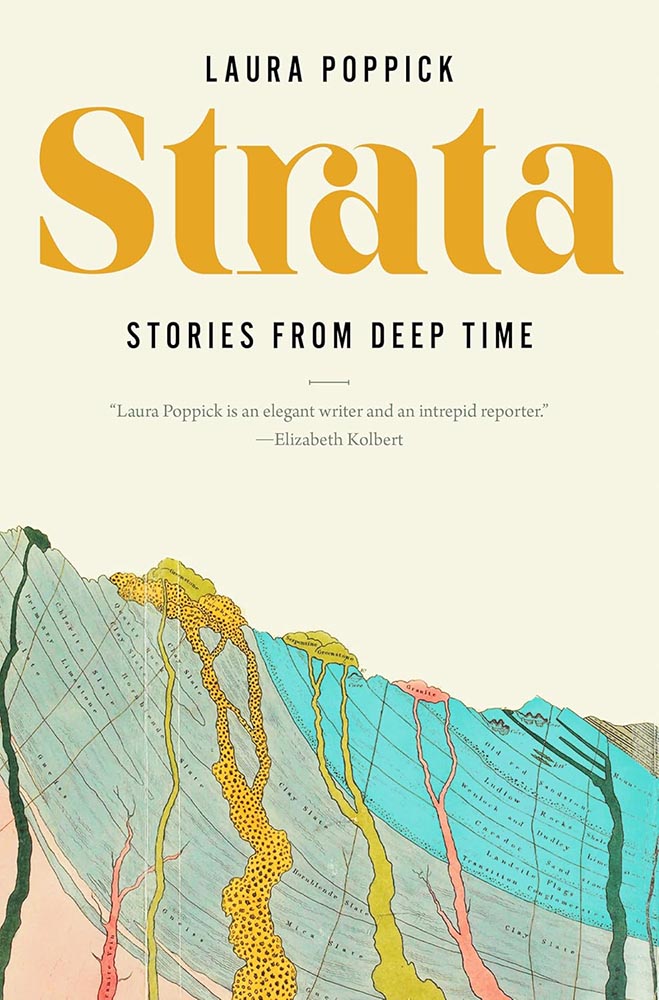
An awesome illustration against one of the year’s creamiest backgrounds, yes, but absolutely one of the year’s best title type treatments.
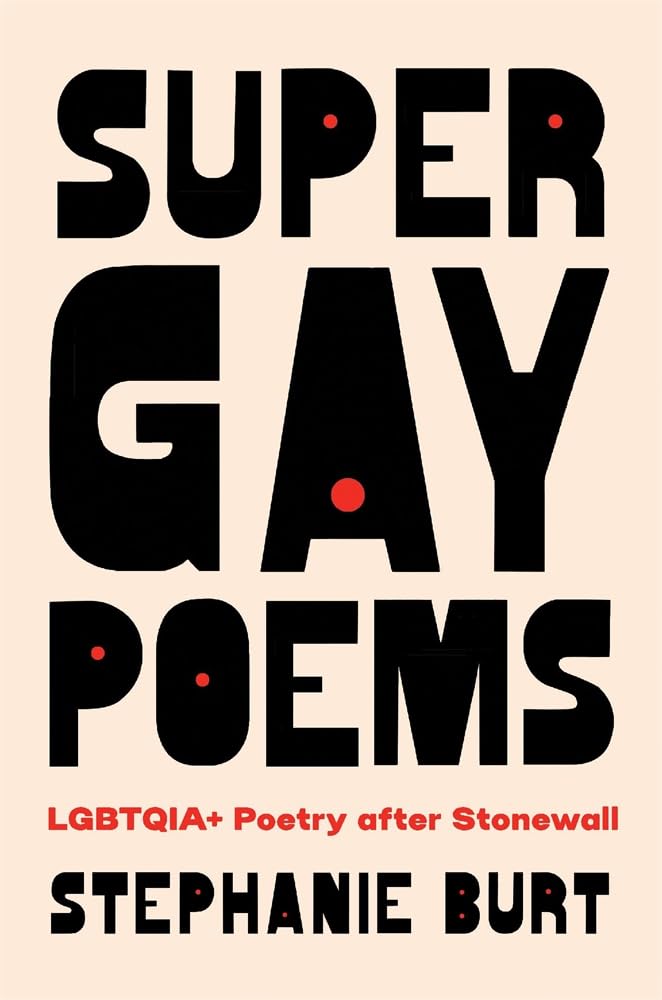
From Spine‘s University Press Week special coverage, November 10–14, brought to you in honor of the event help by the Association of University Presses:
“‘Ebullient’ is used in the description of this title, and quite frankly I can’t think of a better word to describe this text-only treatment: superlative work.
“(In Miceli’s library, this would be shelved with Milk Fed and Joy of Consent instead of Big Swiss and Victorian Psycho — but it’s telling that she’s great at both styles.)”
Special bonus — another from that post:
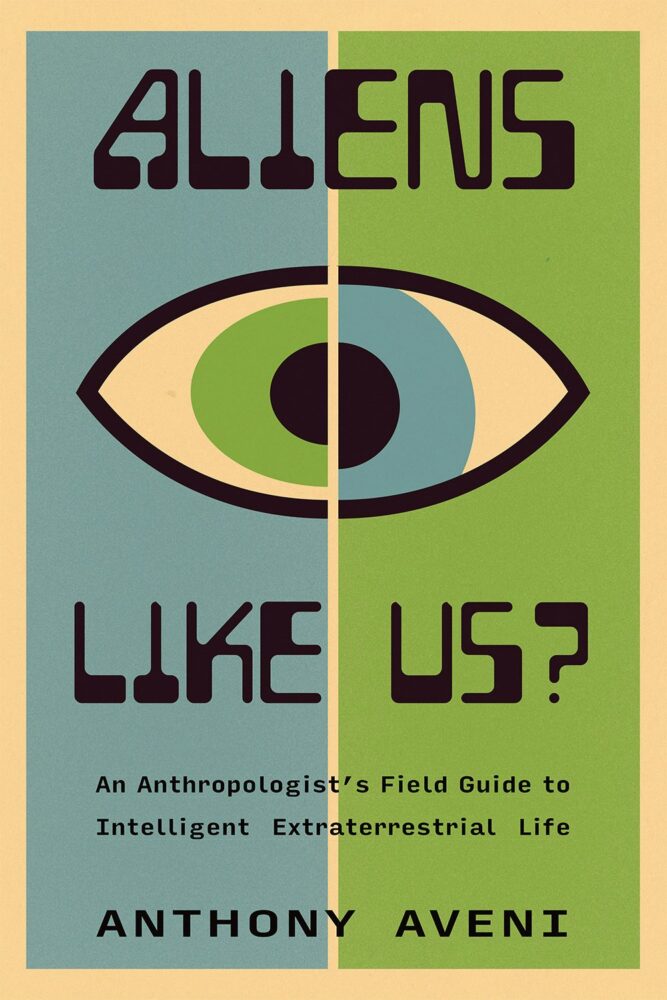
“The ayes have it,” I quipped. “Also, both the title type and color choices are out of this world. (Not sorry.)”
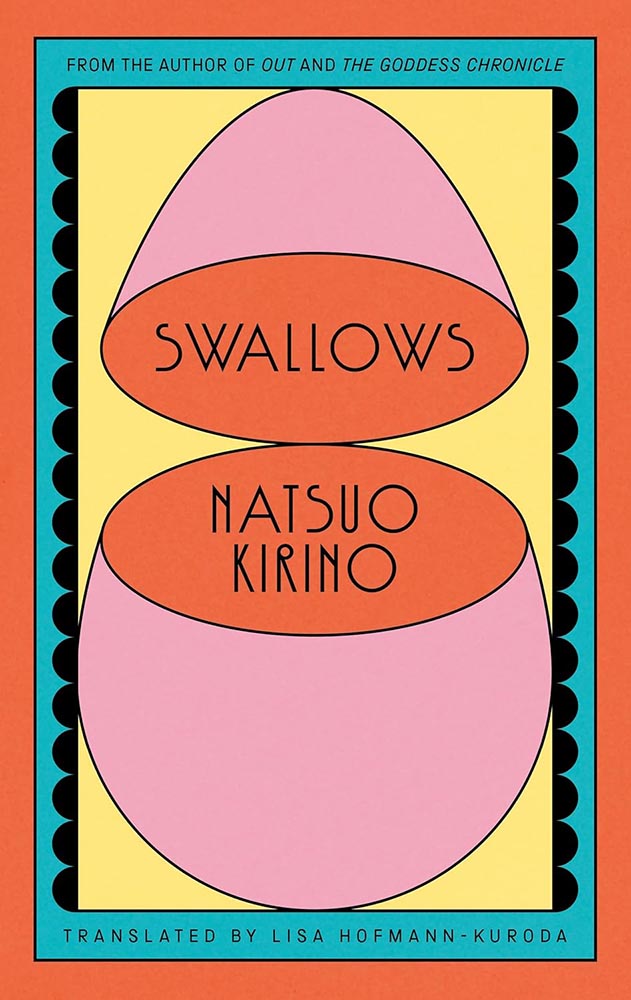
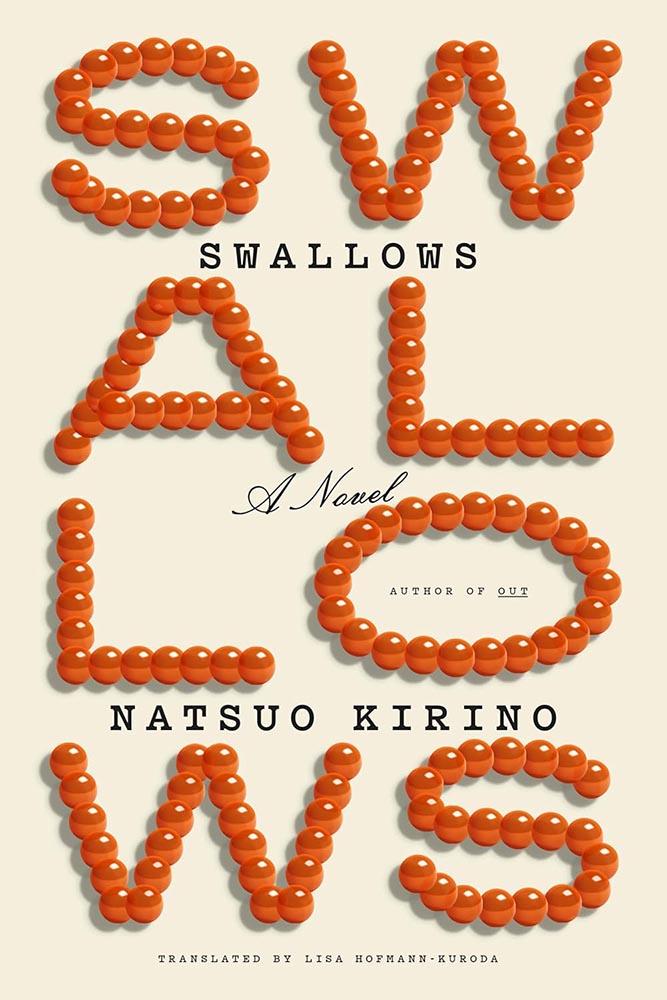
The word “acerbic” is used several times to describe this tile, but the UK cover just isn’t — the type and treatment are wonderful, and the surrogate egg is perfect.
Special bonus — the US version, which received a good deal of praise:
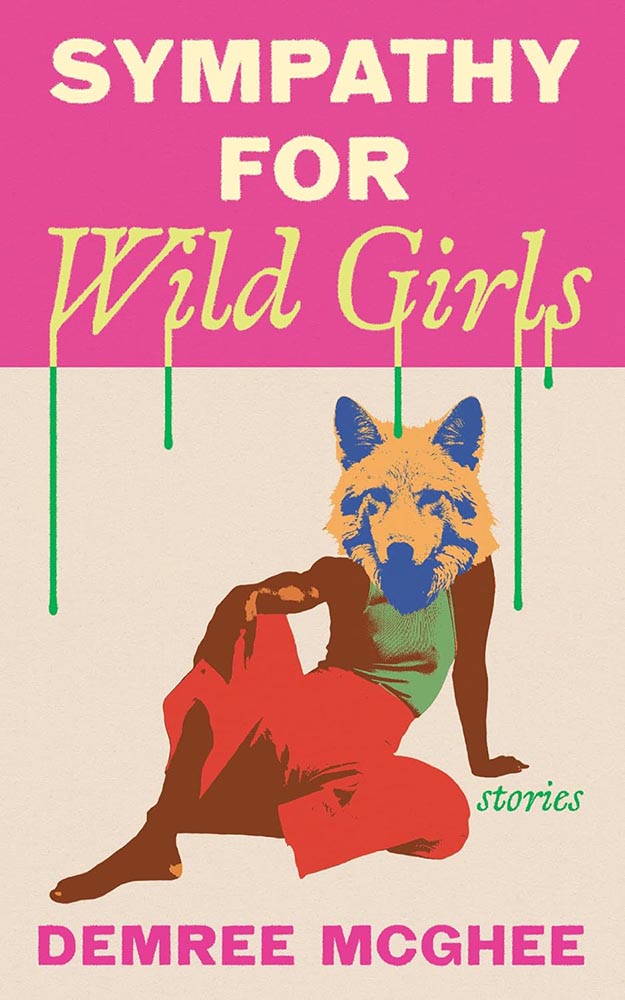
As mentioned on And I’ll Take Out Your Eyes, the part-human, part animal thing could possibly be described as “overdone.”
Here, though, it’s a home run wrapped in a night out: from colors to drips, pose to poise. Awesome.
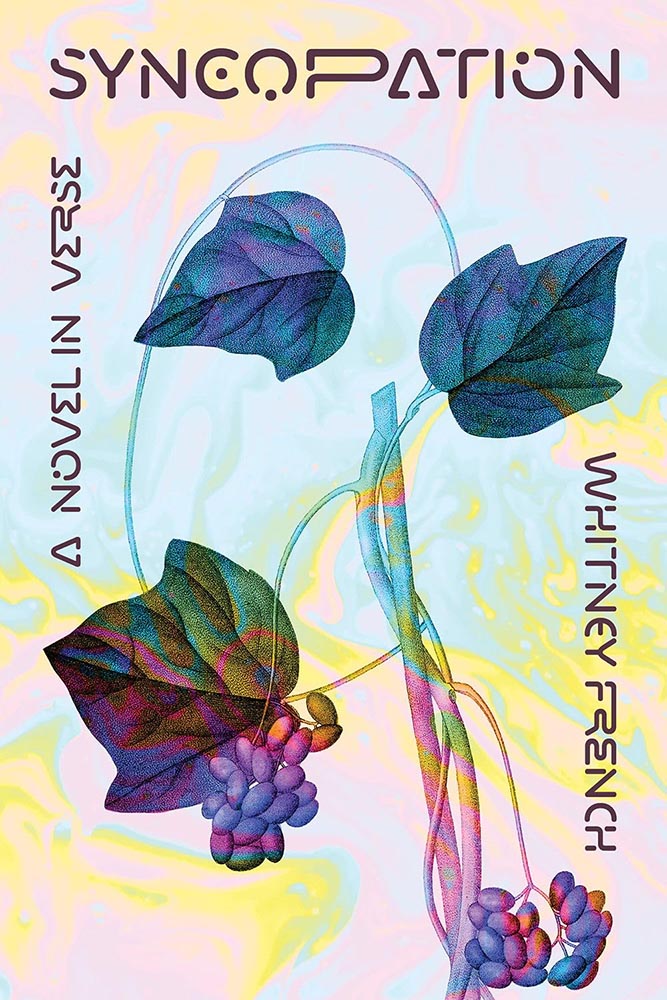
A “decades-long earthquake,” indeed: layered, hopeful, wonderful.
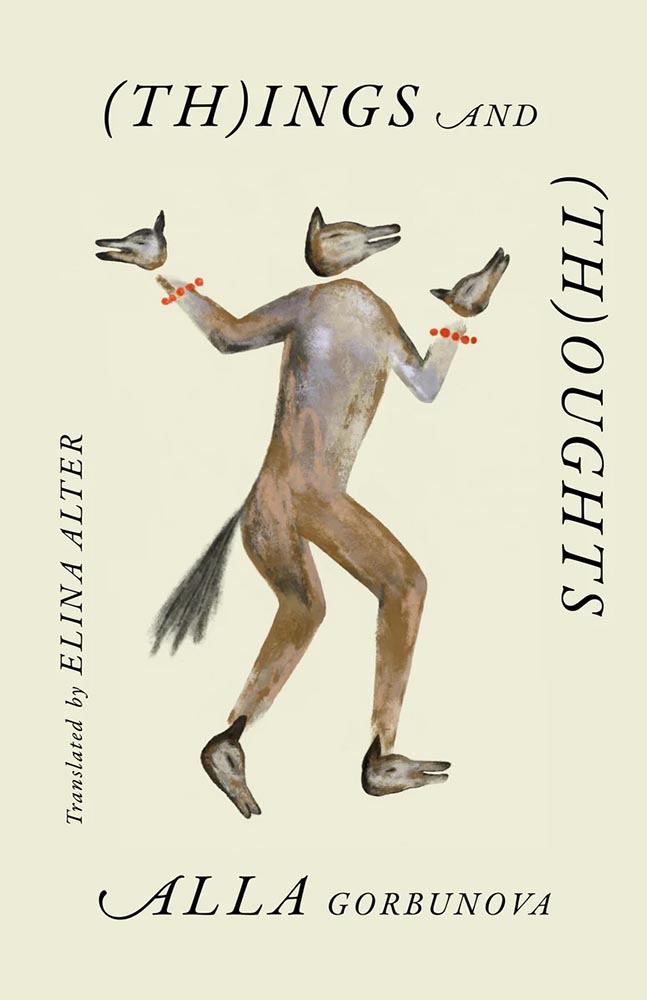
Another text-in-a-square exception to the rule: framing rarely works so well. (Besides, there’s that illustration.)
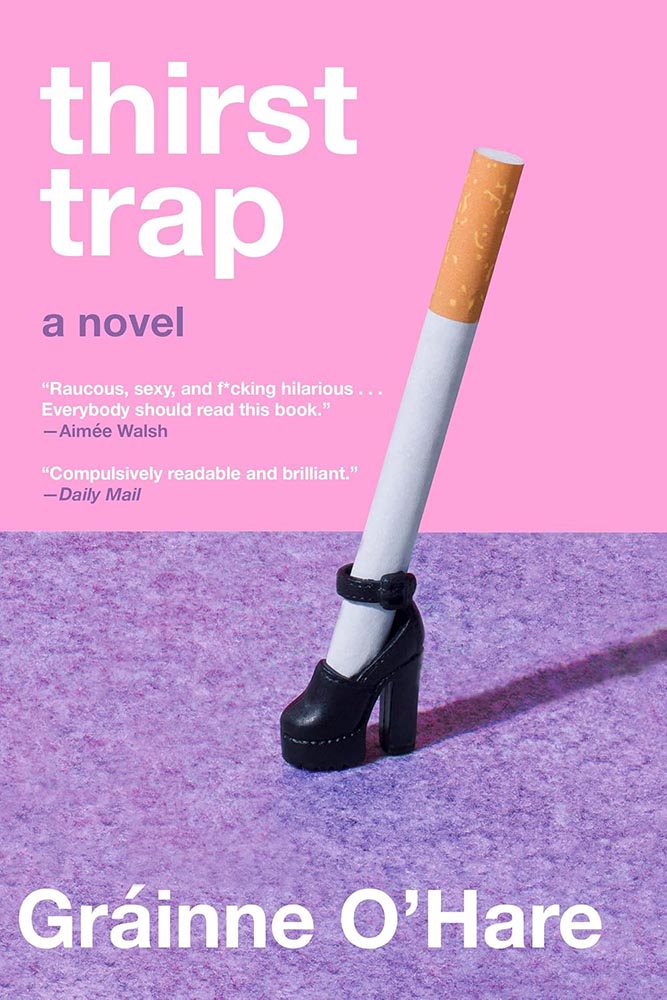
Cover photograph of the year, foot hands down.
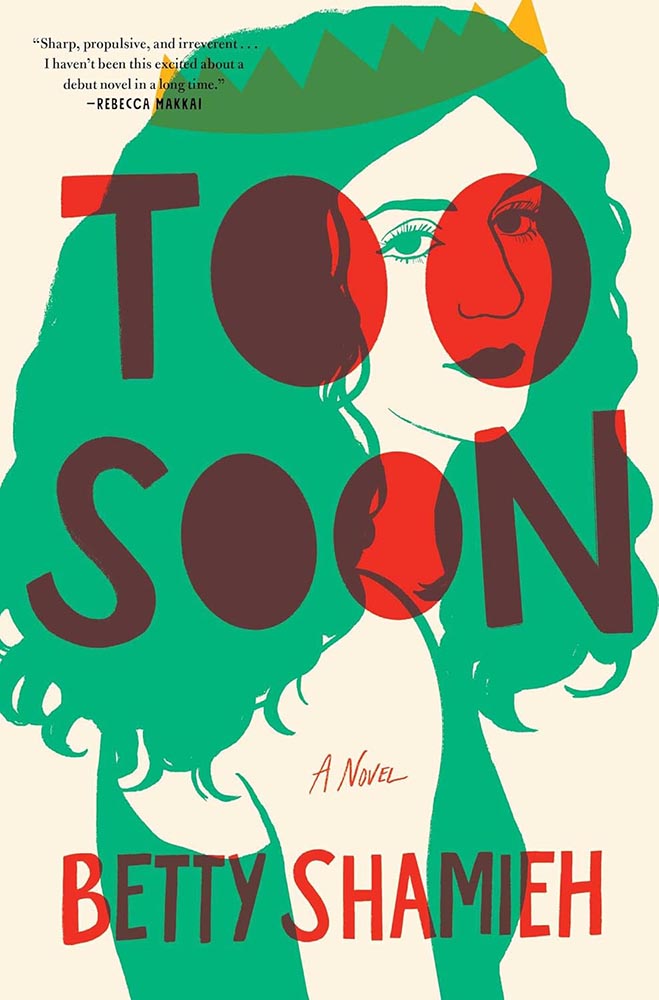
“A risqué cross-dressing interpretation of a Shakespeare classic”: I can’t decide if it’s a crown, horns, or teeth. (“Yes,” someone said.)
But it’s the red overprint that steals the show. Fantastic.
Parenthetically, the author is “a founding artistic director of The Semitic Root, a collective that supports innovative theatre co-created by Arab and Jewish Americans.” How awesome is that?
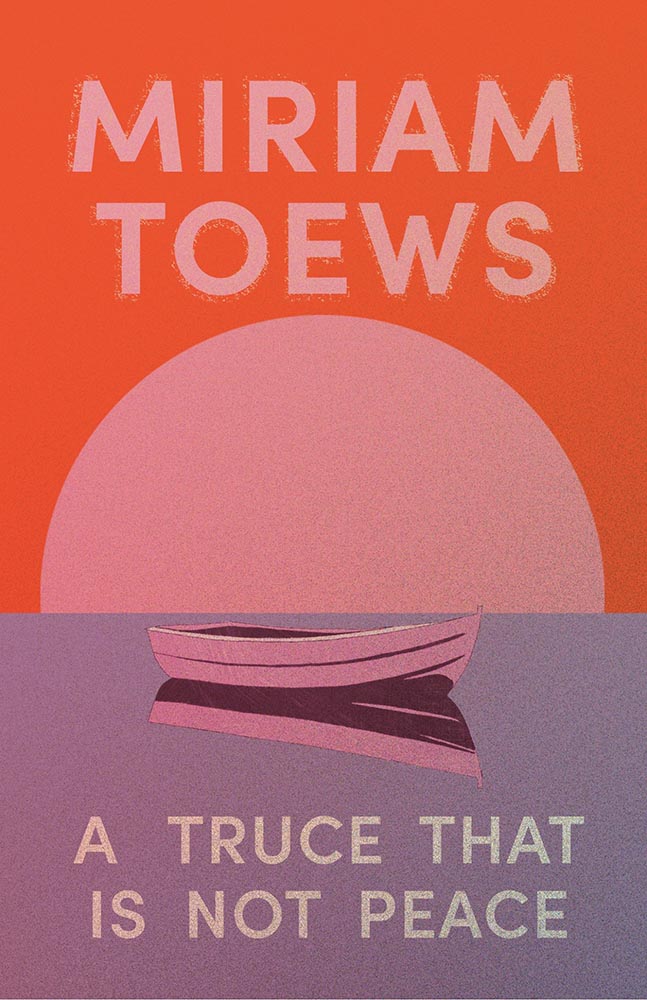
“Canadian text soothes,” some belligerent American said.
(Another one of those illustrations I’d happily hang on my office wall, by the way.)
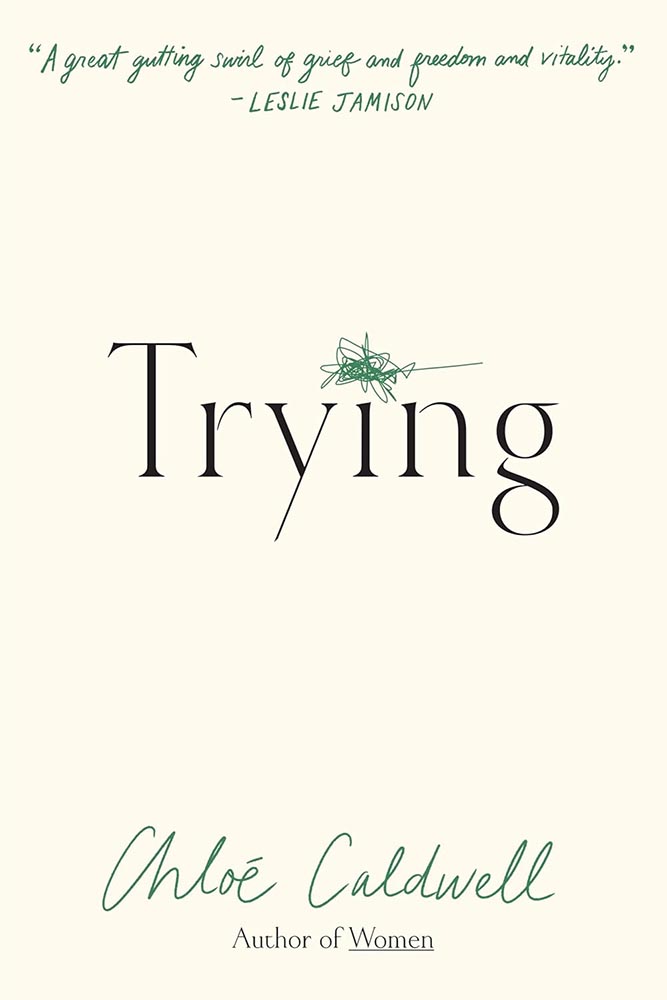
Never mind anything else: it’s the scribble. (The title font’s beautiful, too, honestly.)
I try to reserve “perfect” for occasions that warrant it — this does.
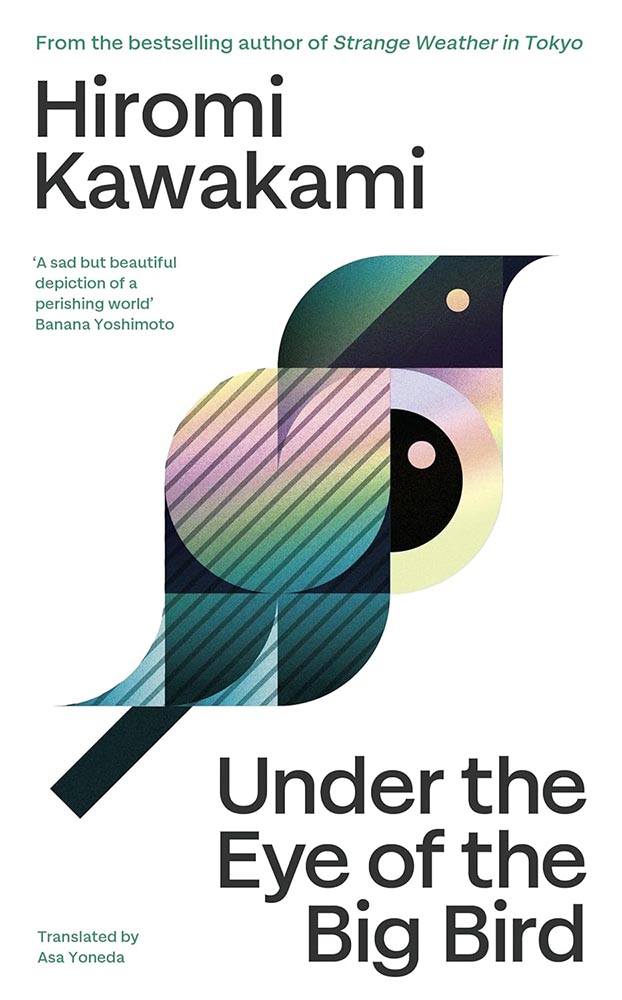
A geometric, simple triumph of illustration: I suppose if anyone can do a bird well….
(Sorry.)
As an aside, this title is not to be confused with Under the Eye of Big Bird, which is in a whole ’nuther category.
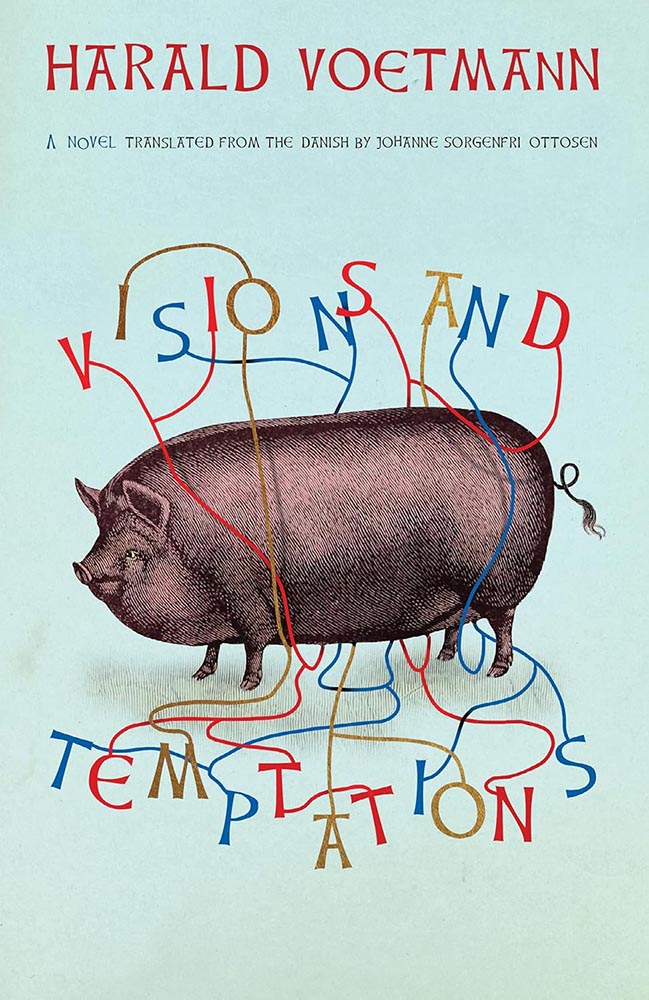
Entangled in wonder. (Also, the background color is super, and the font — Celtic Hand by Dieter Steffmann — is proof that freebies sometimes work beautifully.)
2023’s Sublunar was a interesting design, too.
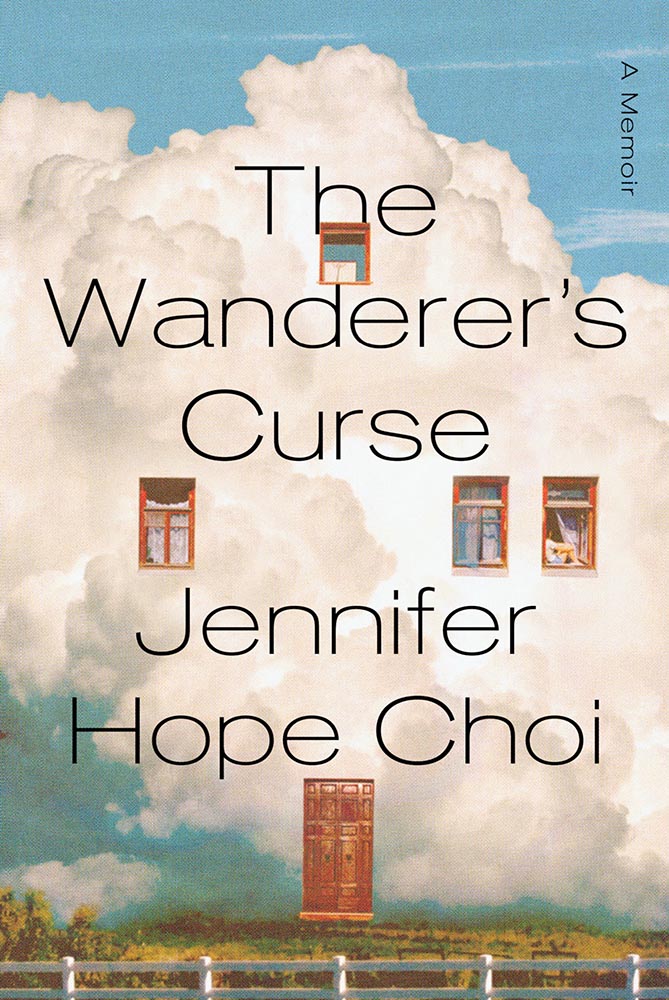
Open the window to yeokmasal: awesomeness awaits.
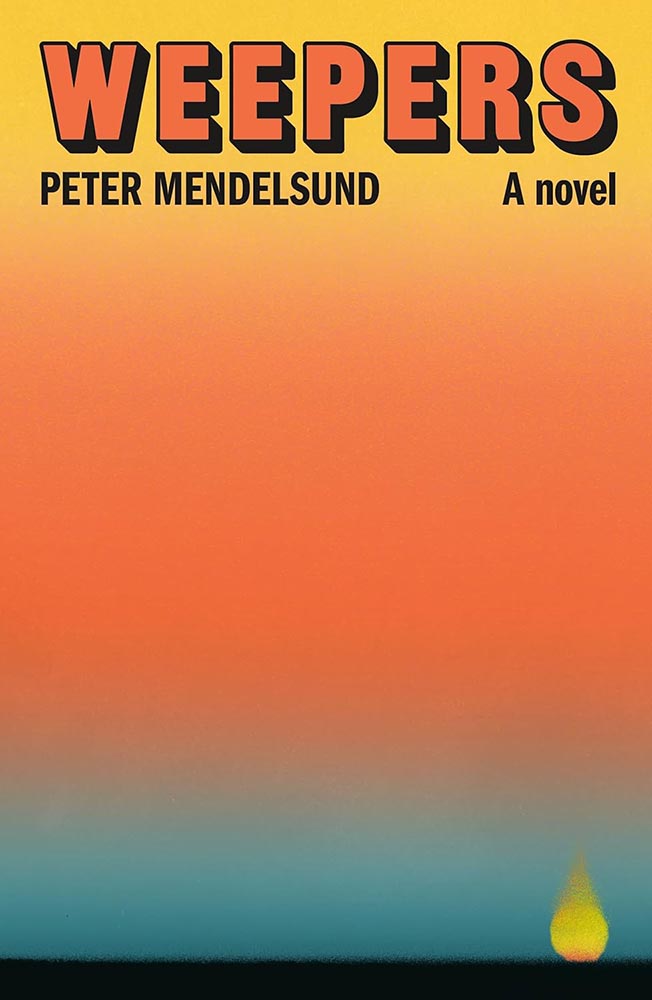
A book about a professional weeper, [whose] “services are sorely needed these days, as the town, the region, the country as a whole has become more or less numb.”
Ummmm….
(The cover’s fantastic, too.)
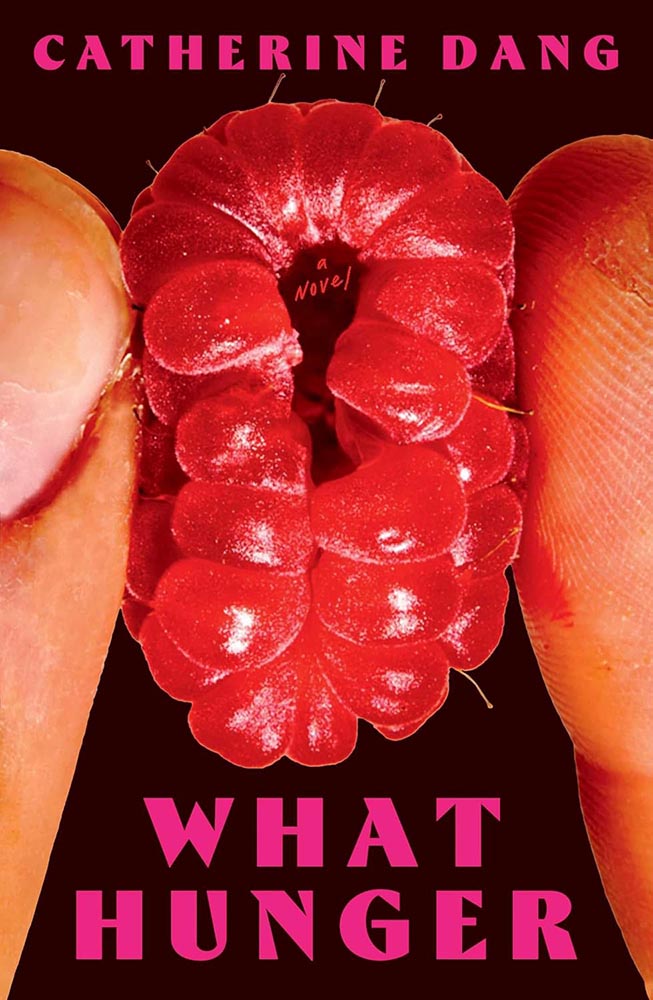
Dang, that’s not raw meat being squeezed there. (Nor a fruit, for that matter.)
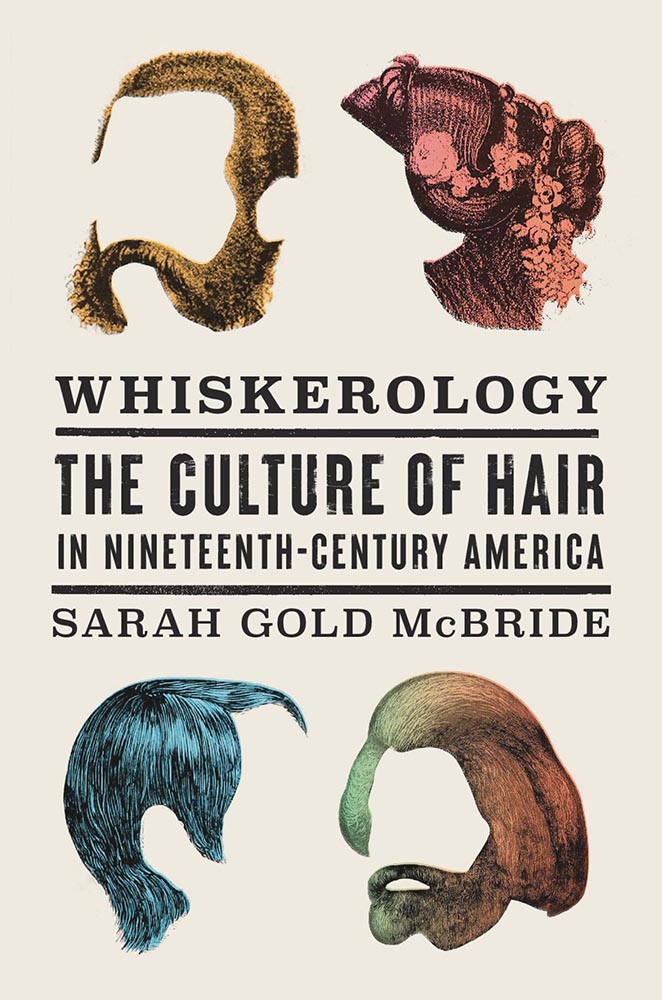
From June’s Spine column: “19th-century hair styles: the absolutely fantastic world of university press cover design briefs … absolutely nailed here, with pen-and-ink illustrations and aged type handled perfectly. (Great title, too.)”
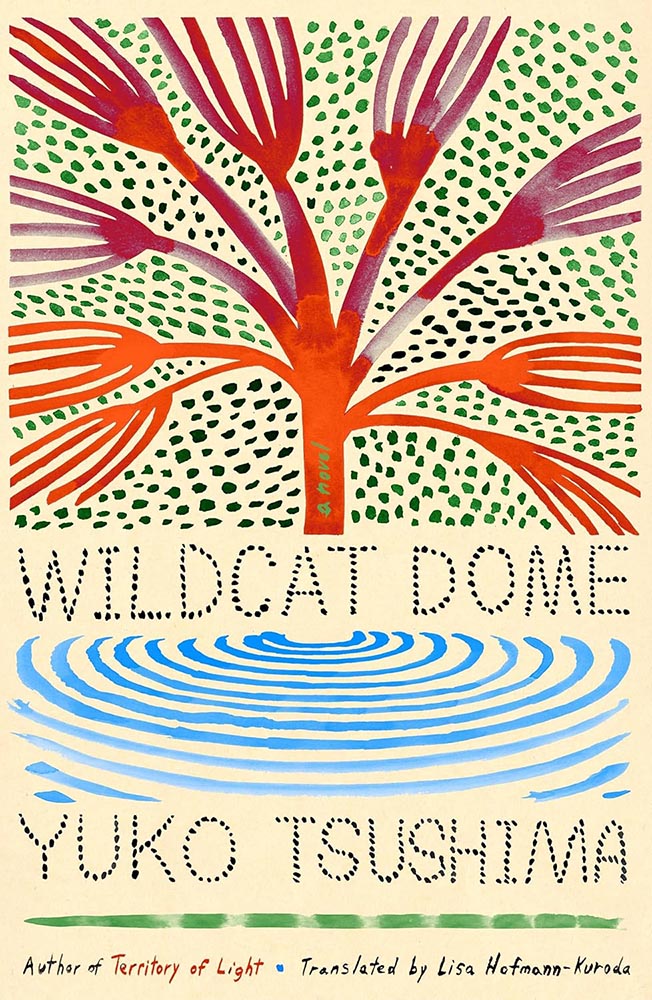
To close out, another painting by Na Kim, as visually arresting as Brother Brontë, above, but 180 degrees in the other direction. (Bonus points for the pointillist lettering.)
Come to think of it, it’s 180 degrees from Dominion, too. Is it possible to have a 540-degree compass? Na apparently does — awesome.
• • •
2025’s favorites folder contained more than four hundred examples by the end of the year — a hundred more than 2024 — and represented a huge variety of titles, publishers, and design styles. (Significantly different from last year, too — interesting.)
It was a huge task to whittle the selections down; 400 to 300 was relatively easy, 300 to 200 more difficult, and those last hundred involved making hard choices between covers I really liked.
One thing helped: as mentioned in the intro, I worried less this year about highlighting every style, every designer, in every category — given the drama that was 2025, there was, in fact, a smidgen of comfort food involved.
But oh, that comfort food. Michelin starred.
Another help: my column at Spine.2Vyki Hendy, Spine‘s publisher, deserves a special thank you for that opportunity. It’s reminded me of the gems that exist in an area that doesn’t get enough attention — outstanding, often great, book covers I’m more than happy to find the time to celebrate. While I enjoyed casually perusing University Press designs in the past, they didn’t live under the same microscope that they did starting last June (and will continue to). Adding more University titles is an ongoing bonus, and several of those titles made it into this list; perhaps egotistically, I’d like to think that the exposure those titles received allowed them to make others’ lists, as well, a benefit for all. Nice.
Thank you for taking the time to spend a few minutes here today. I wish you a wonderful, successful, and above all, peaceful 2026. See you soon.
How this list was compiled
There were fewer sources for titles in 2025 than in years past; the BBC disappeared behind a paywall, the quality of mainstream publishers continues to decline, and those articles I did read seemed to stress trends and “what’s hot” rather than actual quality. Thankfully, there’s still PRINT, Spine, LitHub, The Casual Optimist, and NPR’s Books We Love. There’s also The Guardian, which does pretty well with books; the New Yorker‘s book reviews are outstanding (although rarely centered on their design); and, of course, there’s the New York Times Book Review (likewise, although Matt Dorfman’s best designs article deserves note). If you haven’t already, when you have a moment, please enjoy some of those links— a great many more outstanding examples of book cover creativity await.
- 1Publishers need to remember that not all of their customers select what to read based on influencers, what they see on Facebook, or by doomscrolling Instagram. Some of us are lifelong learners, have hundred or thousands of books, and discover by … reading. Real articles, by real people, on websites with those people’s real names on them. (Or even, occasionally, this thing called paper.)
- 2Vyki Hendy, Spine‘s publisher, deserves a special thank you for that opportunity. It’s reminded me of the gems that exist in an area that doesn’t get enough attention — outstanding, often great, book covers I’m more than happy to find the time to celebrate.