The Ringling Museum in Sarasota, Florida has been a place I’ve been taking photographs since I lived in the area, almost twenty years ago now — and a place where I continue to enjoy taking photographs whenever possible.
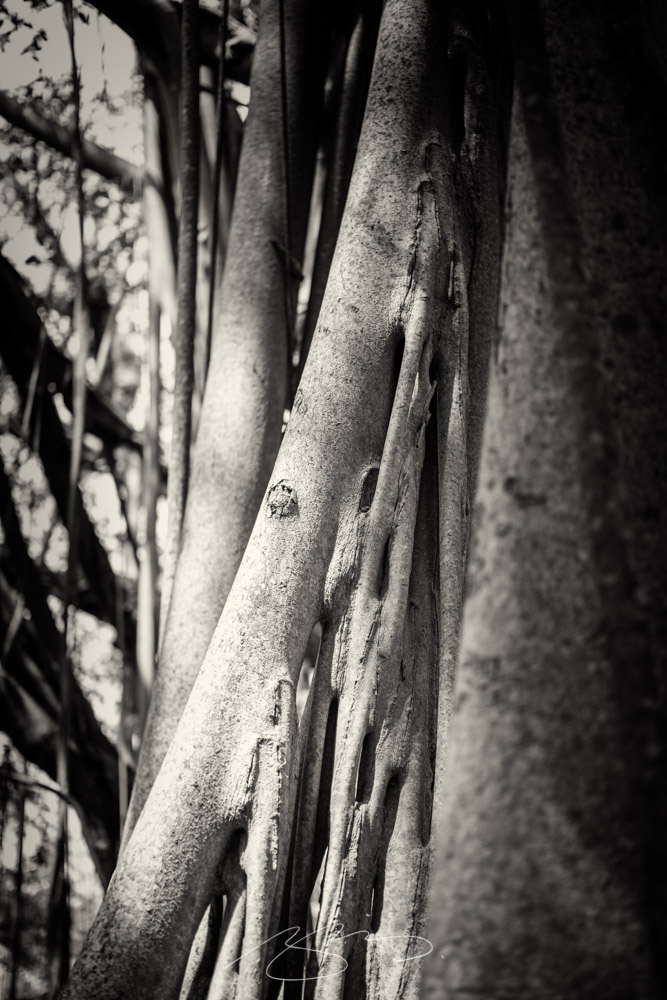
The grounds have these amazing banyan trees, with root systems larger than many houses:
Banyan (black and white, detail)
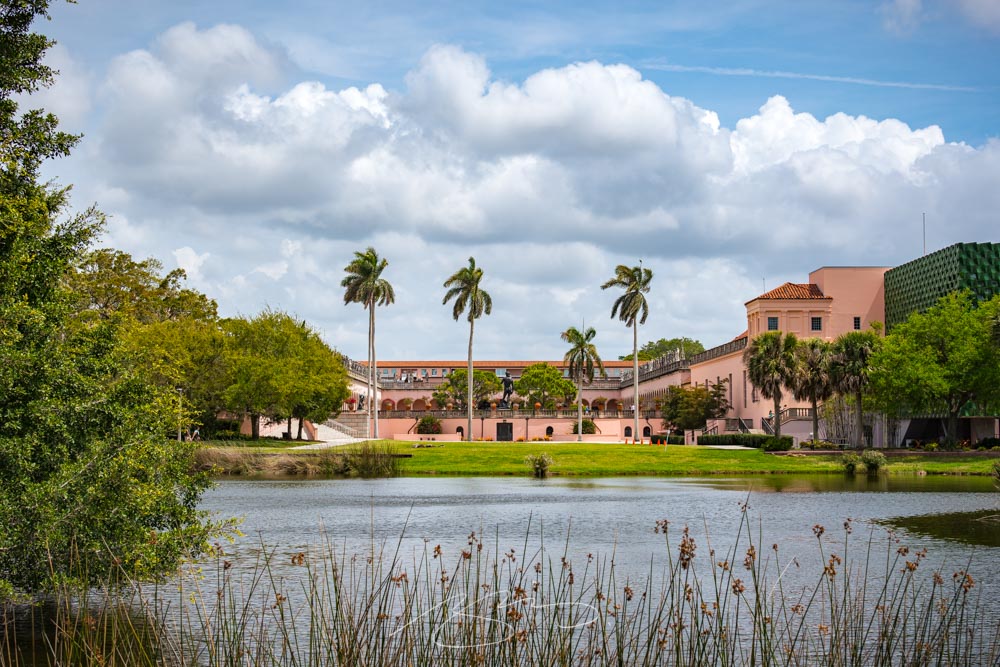
They’ve expanded over the years, adding buildings, a new entrance, and additions. This is the Chao Center for Asian Art:
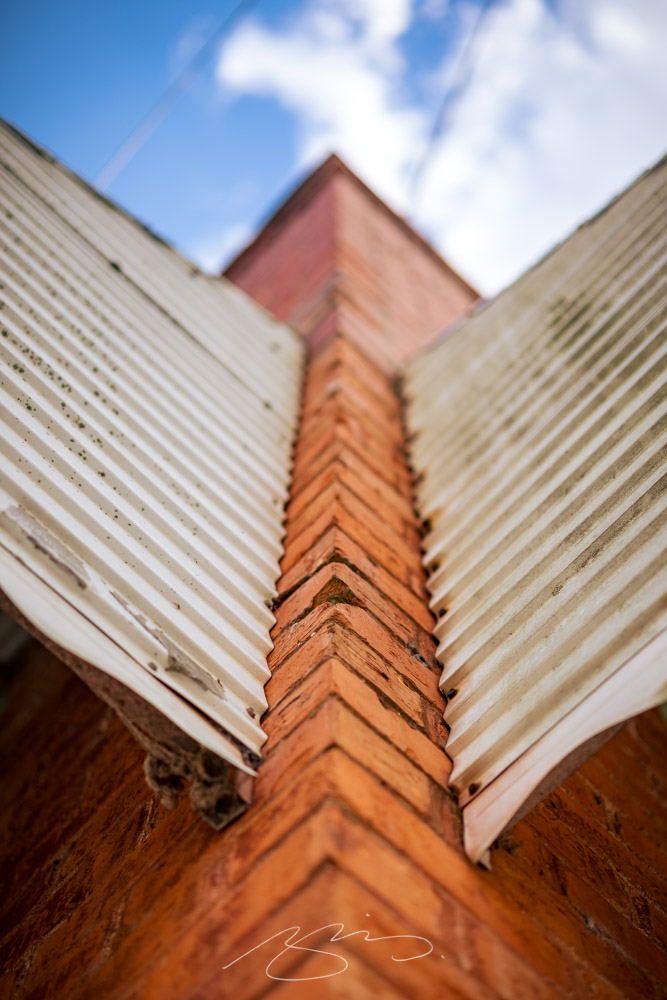
Chao Center’s Asian Art Siding #3 (Detail)
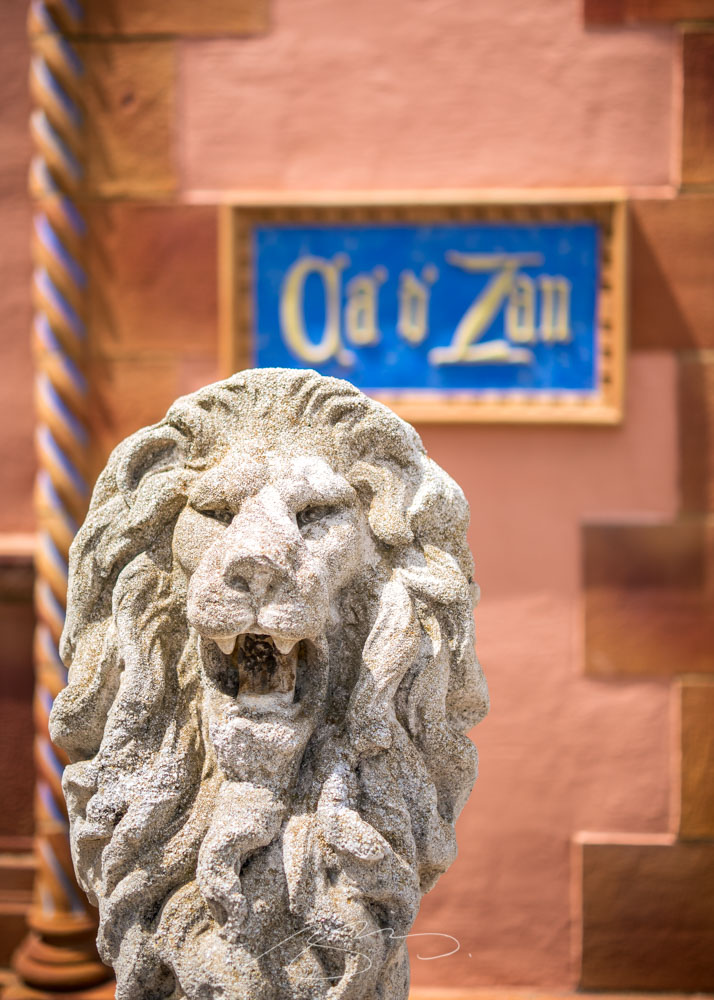
The old Ca d’Zan gate is the new main entrance:
Ca d’Zan Lion
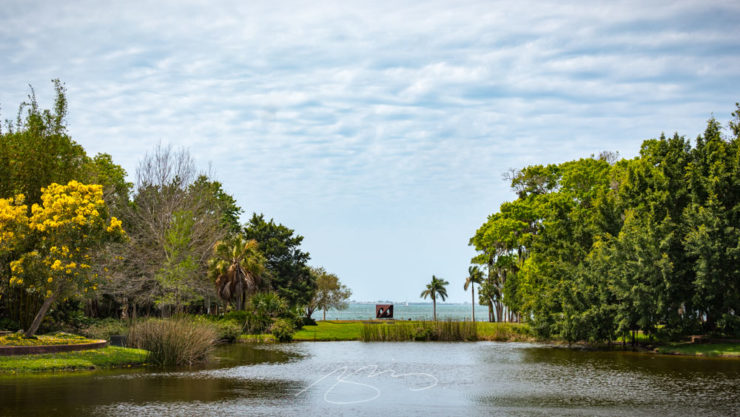
And, of course, the whole compound is right on Sarasota Bay:
Three diverse items in this round-up, from illustration to typography to whether or not ad-blockers are actually environmentally-friendly — along with a response that reminds us to look at the bigger picture.
Malika Favre (Expanded Edition)
CreativeBoom:
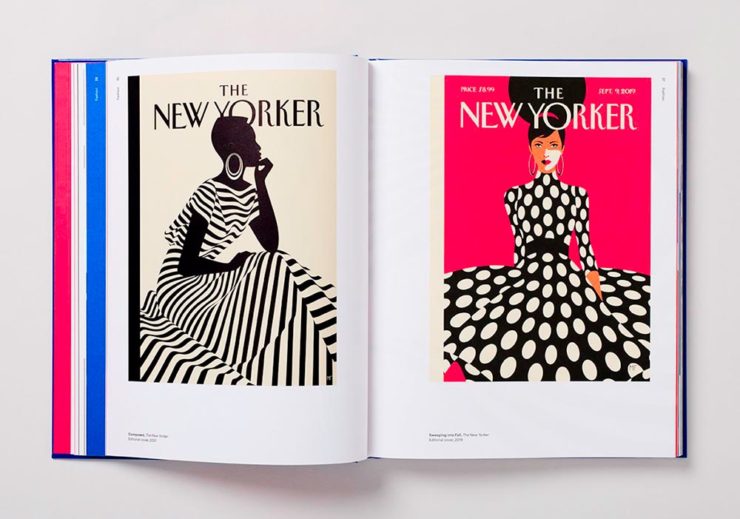
French illustrator and graphic designer Malika Favre has been impressing audiences for years with her minimalist work for publications such as The New Yorker, Vogue, and Vanity Fair. Now over a decade’s worth of her work has been released in a new monograph from Counter-Print, which contains a suitably stripped-back aesthetic.
Her style is distinctive; I’ve liked her New Yorker covers especially:
Malika Favre (Expanded Edition) in English
The book includes the illustrator’s own cover, and she had a big hand in designing the layout, too. CreativeBoom’s article is excellent — check it out.
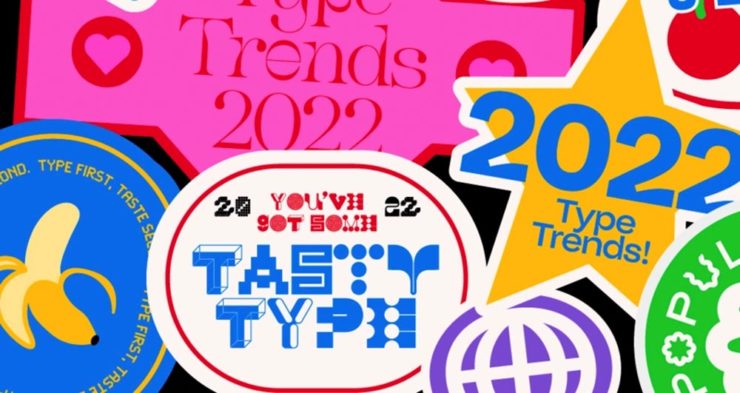
Throughout yet another “unprecedented year,” it’s safe to say that the macro trends influencing the type design community are nearly too long to list. Several socioeconomic, political, and cultural events continue to shape the way we approach creative work and how connect to each other online and offline.
Biodiversity’s relationship to type, varying type styles in a single logo, and thin serifs — the one I’m likely to use somewhere — are in this year.
Media, Trackers, Blockers, and the Environment: There’s a Problem
Did it ever occur that using an ad blocker in your browser is actually an environmentally-friendly move? No, I hadn’t put it together, either.1More from MIT on ecological impacts of cloud computing here.
70% junk. Surprise and shock (not really).
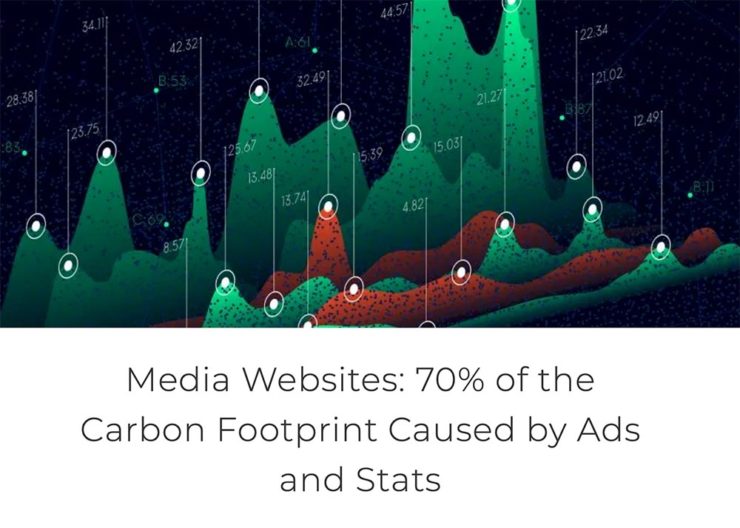
[U]p to 70% of the electricity consumption (and therefore carbon emissions) caused by visiting a French media site is triggered by advertisements and stats. Therefore, using an ad blocker even becomes an ecological gesture. But we also suggest actions web editors could take to reduce this impact.
An interesting study, certainly, with information that many of us already use and some suggestions for action in case we don’t. But…:
Another of Monotype’s 2022 Type Trends, appropriated for use here
Nick Heer:
I have qualms with this. The idea of a “carbon footprint” was invented by British Petroleum to direct focus away from environmental policies that would impact its business, instead blaming individuals for not recycling correctly or biking to work more. A “carbon footprint” is also a simplistic view of how anything contributes to global warming, and that it seems to be used here as a synonym for bandwidth and CPU consumption.
I’m not sure whether I’ve called out the excellent Pixel Envy2A sort-of Daring Fireball with Canadian roots, but this is an example of why I should.
That is where I think this well-intentioned study falters. Even so, it is absurd that up to 70% of a media website’s CPU and bandwidth consumption is dedicated to web bullshit. Remember: the whole point of web bullshit is that it is not just the ads, it is about an entire network of self justifying privacy hostile infrastructure constructed around them.
1
More from MIT on ecological impacts of cloud computing here. ↩︎
As I mentioned yesterday, Gerald and I enjoyed a lovely first-of-spring drive out of middle Georgia. Our destination was Pine Mountain, home of F. D. Roosevelt State Park. Needless to say, there were cameras involved.
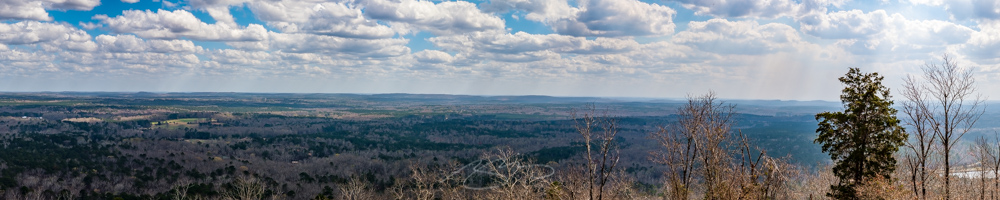
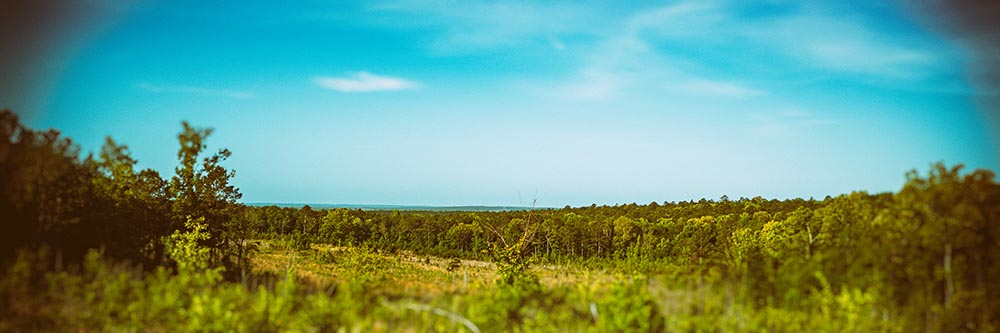
Starting on Dowdell Knob, FDR’s favorite picnic spot — with its amazing valley overlook:
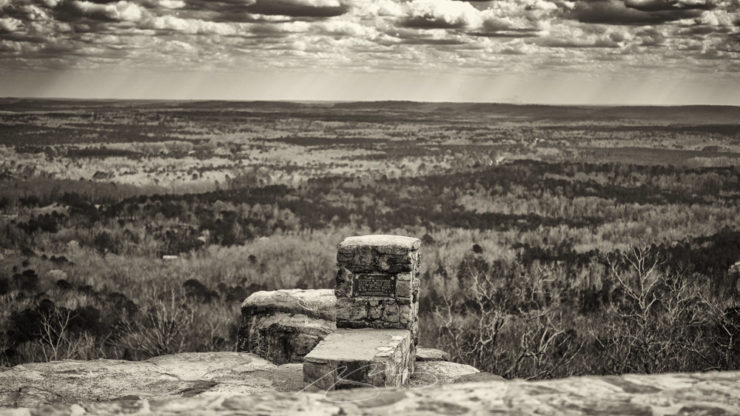
Roosevelt’s Grill With a View, Dowdell Knob
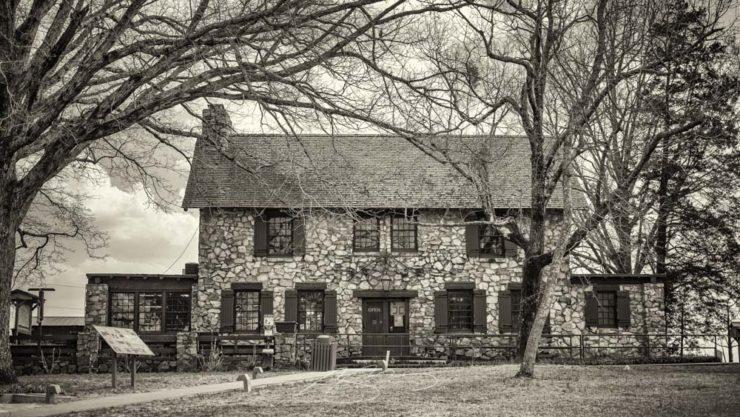
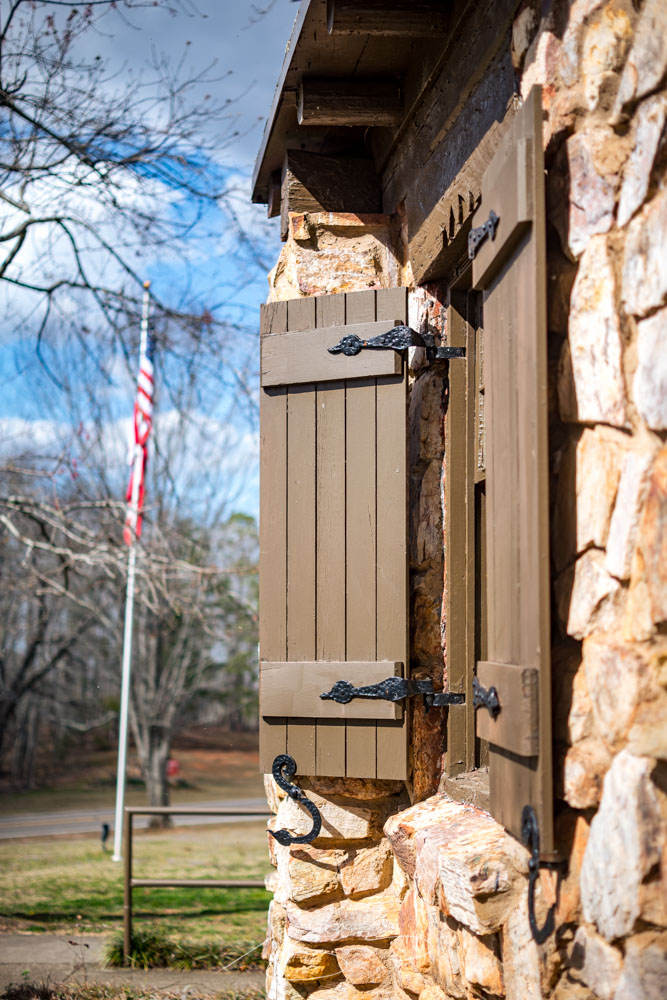
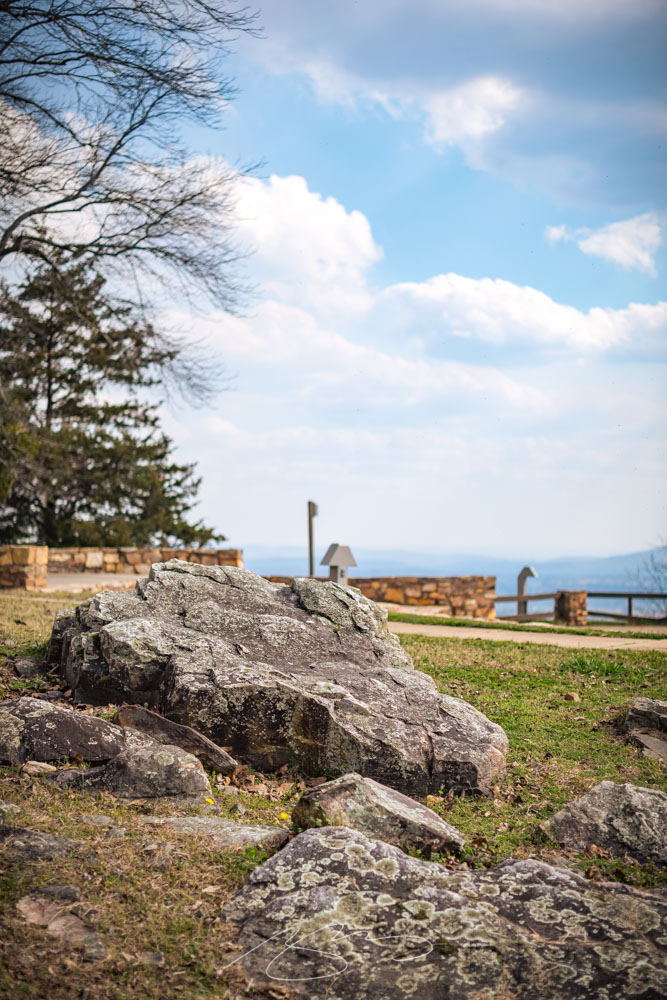
Next was the park’s office and overlook complex:
FDR State Park Office (B&W Study), Pine MountainStone, Shutters, and Stars and StripesFDR State Park Overlook: Rocks
Peruse the entire gallery here. And when you have some extra time, all of FDR State Park is worth a visit; it’s got everything from hiking trails to cabins to the Callaway Gardens Country Kitchen in its 9049 acres. Enjoy!
Bonus: Georgia Public Broadcasting, at the premier of its film A President in Our Midst: Franklin Delano Roosevelt in Georgia, said:
Franklin Delano Roosevelt had a very special relationship with the State of Georgia. This compelling documentary spotlights the mutual benefits that the friendship provided to both the president and the people of Georgia. The film is based on the book, A President in Our Midst: Franklin Delano Roosevelt in Georgia.
It’s no Ken Burns, certainly, but if you’re not familiar with FDR’s extensive time spent in west Georgia, it might be worth your time. See it here.
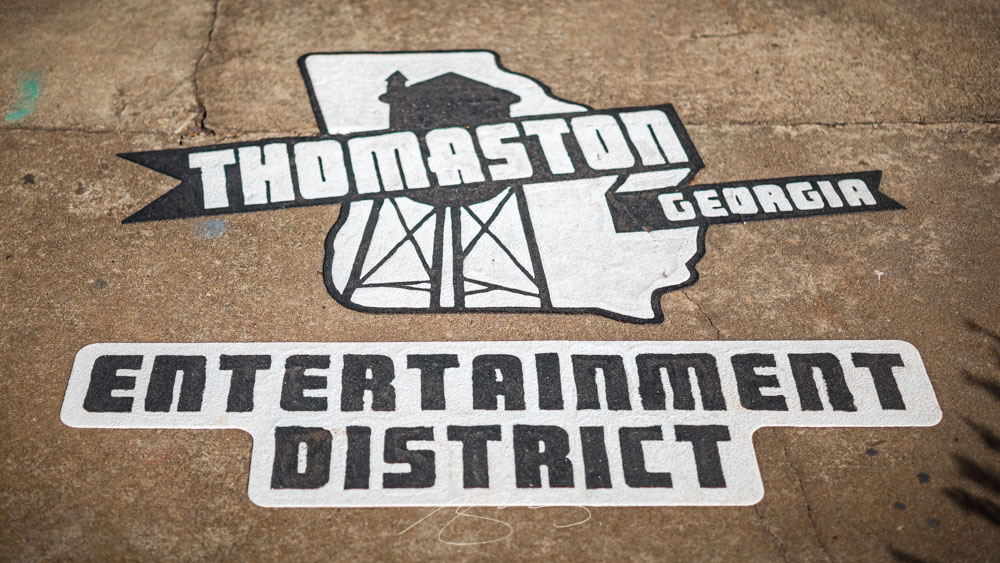
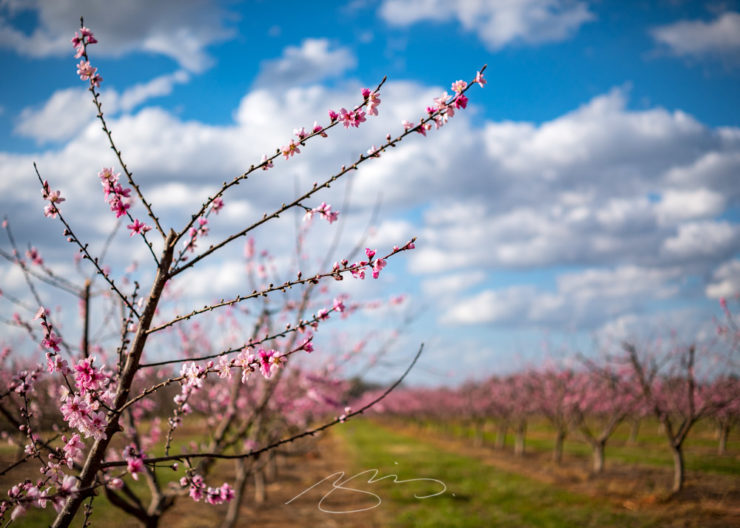
The end of winter here in Georgia means beautifully warm days, flowers and trees budding, and photography. Gerald and I took a road trip this weekend, enjoying almost 200 miles of driving — and four photostrolls.
We’ll cover three today, heading west from Middle Georgia:
A few days ago, Jason Kottke posted an item that raised an important enough question — well, twenty of them — that I wanted to repeat it here. The questions stem from a 1981 quiz1Developed by Leonard Charles, Jim Dodge, Lynn Milliman, and Victoria Stockley, originally published in Coevolution Quarterly 32, from winter 1981, asking how well you know your local natural environment. They are:
Trace the water you drink from precipitation to tap.
How many days til the moon is full? (Slack of 2 days allowed.)
What soil series are you standing on?
What was the total rainfall in your area last year (July-June)? (Slack: 1 inch for every 20 inches.)
When was the last time a fire burned in your area?
What were the primary subsistence techniques of the culture that lived in your area before you?
Name 5 edible plants in your region and their season(s) of availability.
From what direction do winter storms generally come in your region?
Where does your garbage go?
How long is the growing season where you live?
On what day of the year are the shadows the shortest where you live?
When do the deer rut in your region, and when are the young born?
Name five grasses in your area. Are any of them native?
Name five resident and five migratory birds in your area.
What is the land use history of where you live?
What primary ecological event/process influenced the land form where you live? (Bonus special: what’s the evidence?)
What species have become extinct in your area?
What are the major plant associations in your region?
From where you’re reading this, point north.
What spring wildflower is consistently among the first to bloom where you live?
I did poorly. (In the words of the authors, “It’s hard to be in two places at once when you’re not anywhere at all.”) In fact, I did so poorly that I decided to not only follow up on the questions but put my camera where my mouth is.
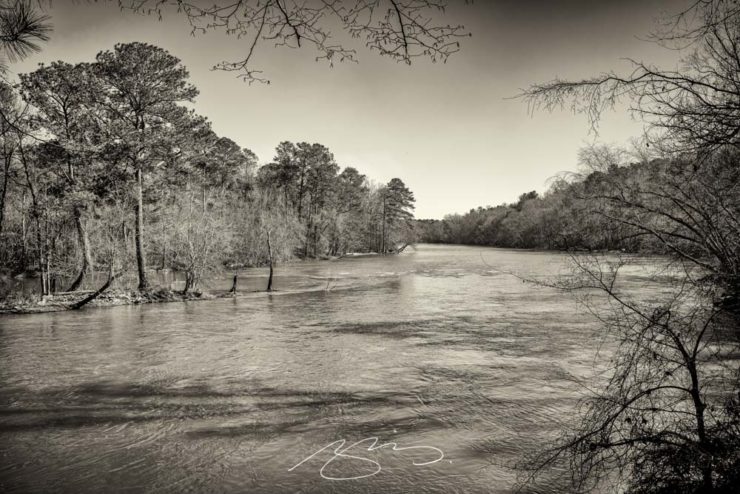
In answer to the first question, Macon and a good chunk of Middle Georgia get their drinking water from the Ocmulgee River:
Ocmulgee (River) Origin
In fact, this past weekend’s trip to Monticello and Barnesville were merely extensions of the trip to Jackson Lake and Dam, so I could see where the Ocmulgee starts. Next up is to trace the Yellow, Alcovy and South Rivers, which feed Jackson Lake. (See the rest of the photographs from the Jackson area.)
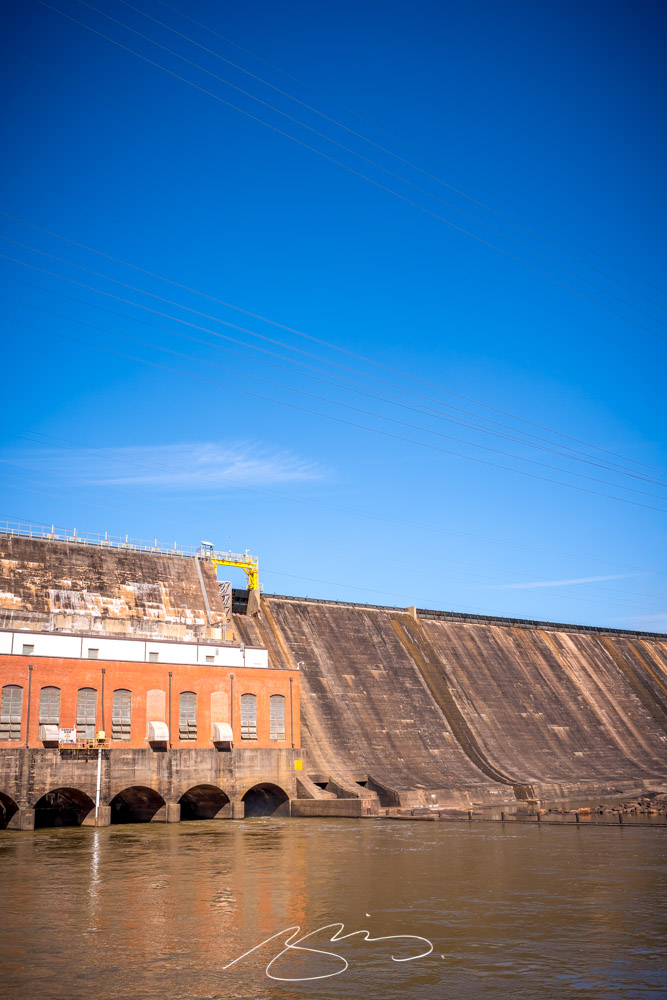
Jackson Dam #1
But I’d ask everyone reading this to ask yourselves the same questions. As Kottke points out, most of the people living here years ago would have known more of the answers than those of us who live in the built environment do. He passes on an idea from Rob Walker:
Pick one of the questions you don’t know the answer to – and make it a point to learn what that answer is. After you’ve mastered that, move on to a new question.
Go!
1
Developed by Leonard Charles, Jim Dodge, Lynn Milliman, and Victoria Stockley, originally published in Coevolution Quarterly 32, from winter 1981↩︎
This past weekend’s road trip included five stops, including Monticello and Barnesville, which I covered in the last post. However, there were three more stops in the middle.
Jackson Dam, which forms the headwaters of the Ocmulgee River — and which has a fishing area with this neat scene:
Walk and Deck, Jackson Dam
Jackson Lake, formed by the Yellow, Alcovy, and South Rivers:
Jackson Lake (Wideangle)
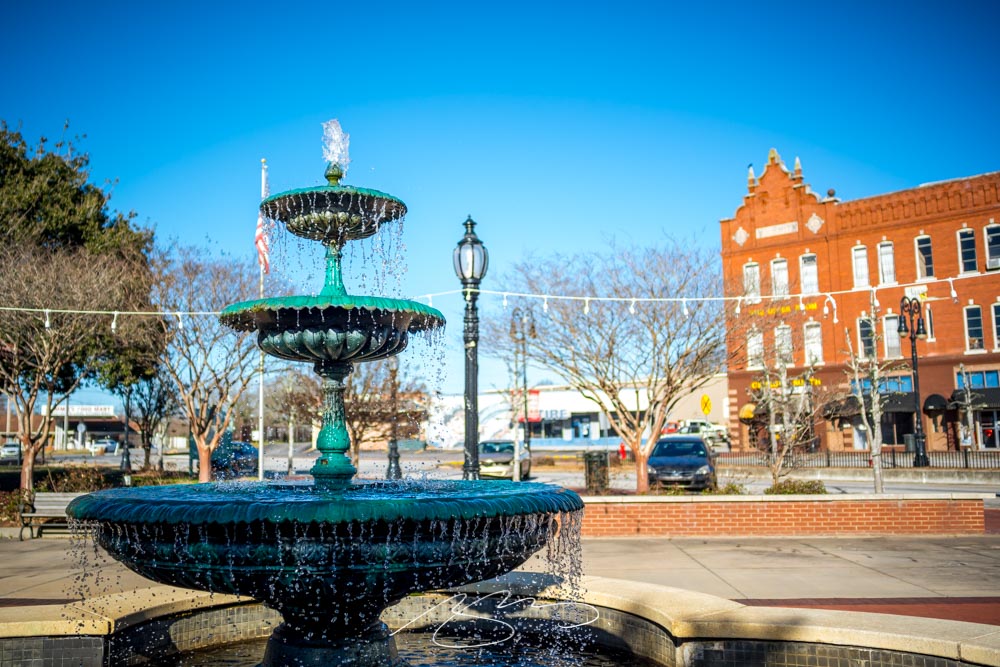
And Jackson proper, which has a traditional (for Georgia, at least) town square with a courthouse:
Butts County Courthouse #5, Jackson
Also, this — with perhaps too cute a title:
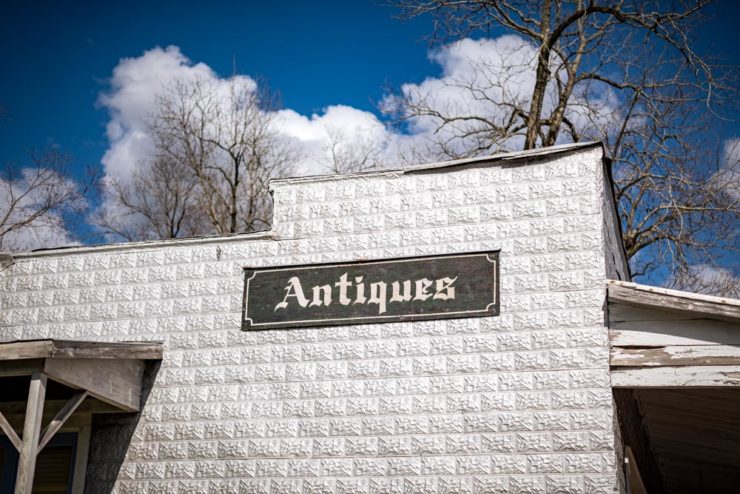
Downtown Door During Reconstruction, Jackson
All of these have been added to a new gallery. Check it out.
A three-fer as we wind through this February: Peter Stewart, a really talented architecture photographer from Australia; VAG Rounded, Apple’s keyboard font and how it relates to Volkswagen; and a new site called The Apple Store Glossary leads to an interesting review of furniture in Apple Stores.
Peter Stewart
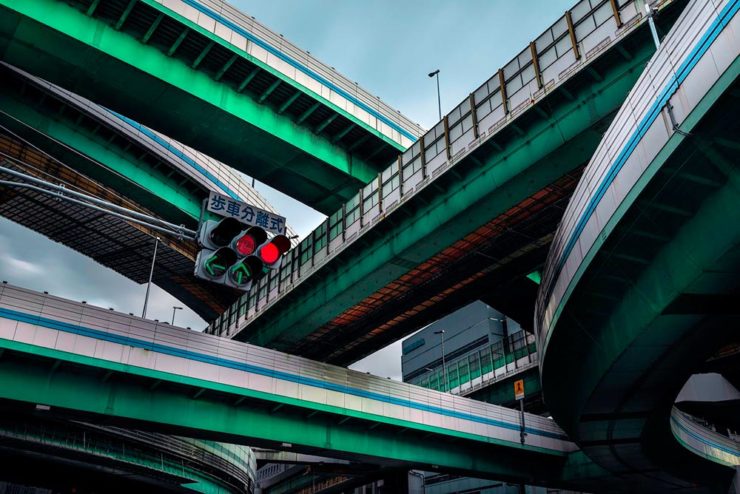
November’s Beautifully Briefed covered the 2021 Architecture Photography Awards shortlist, and one of the photographers is Peter Stewart, a self-taught Australian who wanders around Asia. Gotta say: he’s better than great.
“Hanshins Web” Osaka, Japan. 2019, by Peter Stewart
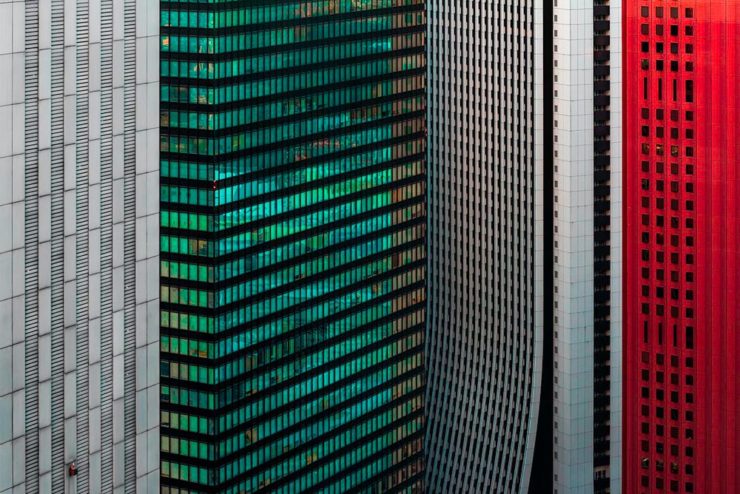
His eye for pattern and color is spot-on:
“Four Columns” Tokyo, Japan. 2019, by Peter Stewart
Archinect’s In Focus feature has a great 2019 interview that not only discusses the how and where, but also the why — including his thoughts on use of Photoshop and, perhaps most insightfully, how to thrive as a photographer in this crowded age:
The hardest part of being a photographer today is finding a way to stand out among the crowd. In just the past few years Instagram has changed everything and given rise to a sizable number of highly talented new photographers. We are inherently influenced by the work we see from others, and as such has given rise to a lot of popular trends and styles of photography which has brought about a bit of a copycat culture. The point is, I think it’s important to find your own themes and ideas in order to progress, and not to simply emulate.
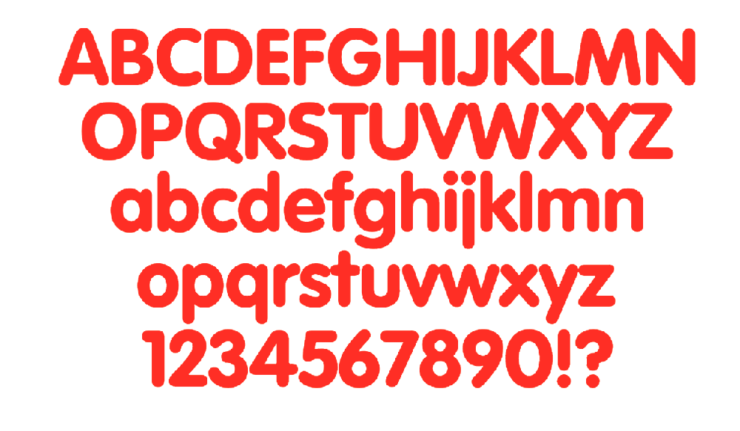
Daring Fireball is a daily stop for Apple geeks like me, but rarely does it cross into graphic design territory — except when it links to a Jalopnik article discussing how a Volkswagen font wound up on Apple’s keyboards.
Good stuff. (Bonus ’80s Dasher brochure siting, too.) Enjoy.
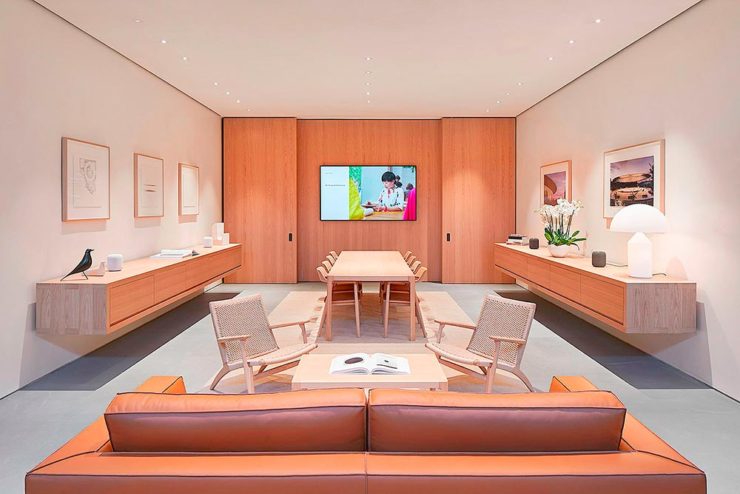
Apple Store’s Boardroom Furniture
Some Apple Stores have additional, not-usually-open-to-the-public spaces called boardrooms. And, as you might imagine, they’re filled with interesting stuff.
A new (to me, at least) site called The Apple Store Glossary has information and photographs of all aspects of Apple Stores, from the new Pickup area to the behind-the-scenes Boardrooms.
The latter started out as something called Briefing Rooms, intended for business customers and special events. However, they’ve evolved: more casual, more comfortable. And more interesting:
Apple Boardroom (Passeig de Gràcia store, Barcelona, Spain)
9to5Mac has a great roundup of these rooms we don’t see, from the accessories (bonus Eames Bird sightings) to the books, and perhaps most interestingly, the furniture.