Spine, my favorite book design site, has “a new feature in which notable book cover designer Jordan Wannemacher periodically highlights a selection of recent university press cover designs. Please enjoy this celebration of amazing work.”
Author: Giles Hoover
-
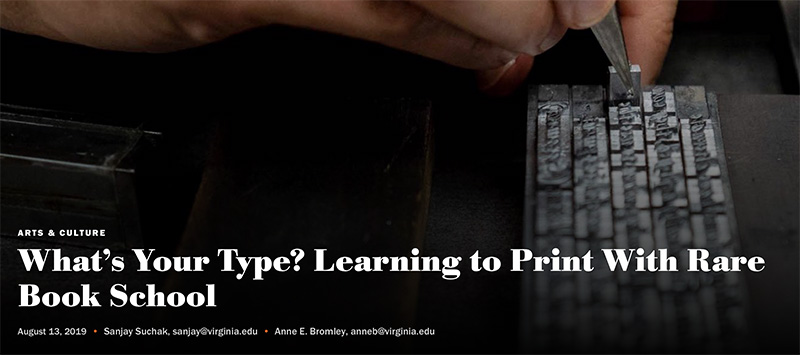
In or near Virginia? Check out What’s Your Type
As they say, “Learning to print with rare book school.” This seems like a great opportunity to explore:
Rare Book School at the University of Virginia is dedicated to studying the history of the book as a cultural artifact and all that goes into making books (even digital texts), including the printing process. The school offers a range of courses in Charlottesville during the summer, as well as in several other major cities, to spread the “knowledge and expertise essential to the responsible stewardship of the historical archive in all its richness and pluriformity[.]”
Actual university courses in book design, the history of bookmaking, even letterpress. Good stuff.
-
Great Q&A with “The Light Collective”
An Australian group of photographers called The Light Collective has an interview in the Aussie pro photography magazine Capture. Aside from the great imagery, there’s an excellent discussion regarding what landscape photography is about, and why working together with a group can result in a sum greater than the parts.
For all interested in taking their photography to the next level, especially folks who aspire to great landscapes, its a great read.
-
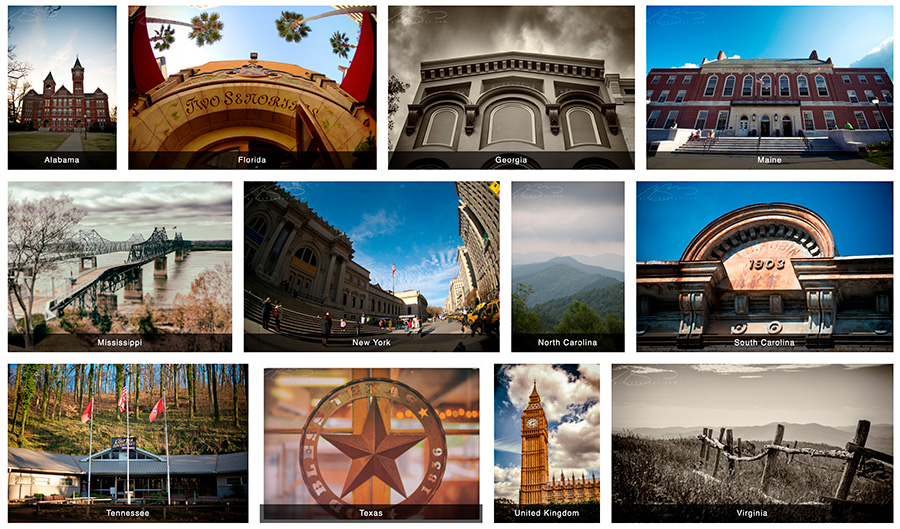
Galleries Updated
As part of the new web site, I’ve redone the media.gileshoover.com section to better highlight the more than 5000 photographs available.
Note that those items are available as prints, framed or unframed, starting at a very reasonable $5. My web commerce provider, Zenfolio, also offers museum-quality fine prints, also framed or unframed, and a variety of other merchandise, from card sets to mousepads, pins, and mugs.
Explore and purchase today. Thanks for your support!
Update, Jun 25, 26, and 28: More galleries updated. Check for new photographs from Alabama, Florida and North Carolina!
-
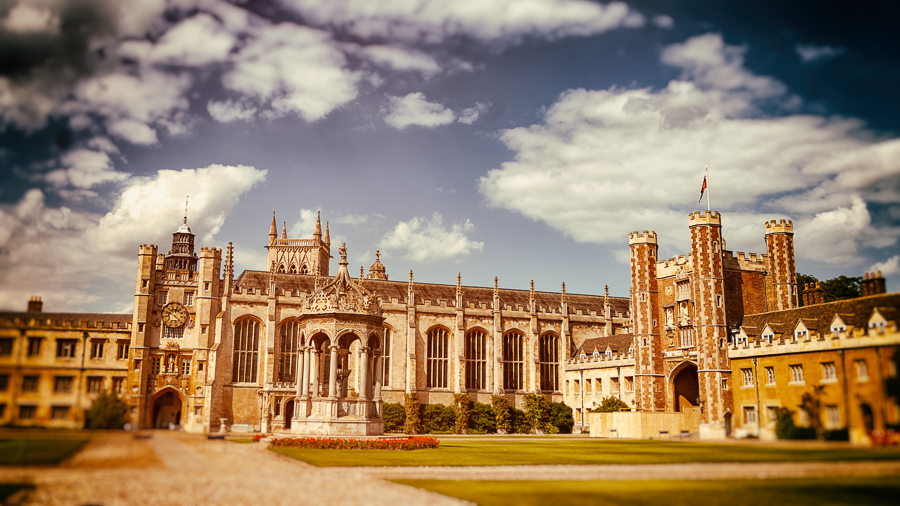
The United Kingdom, Revisited
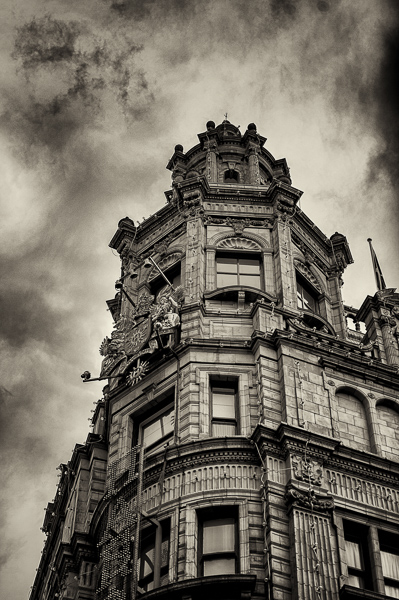
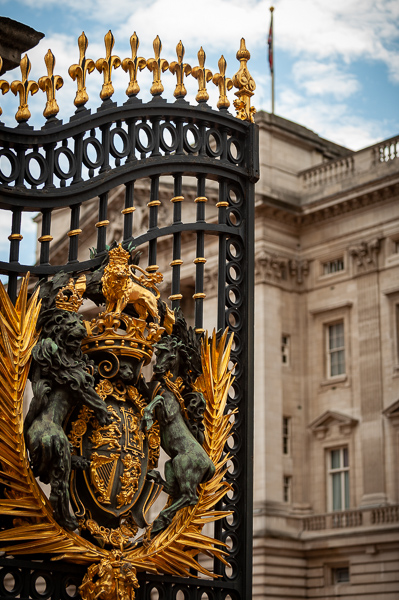
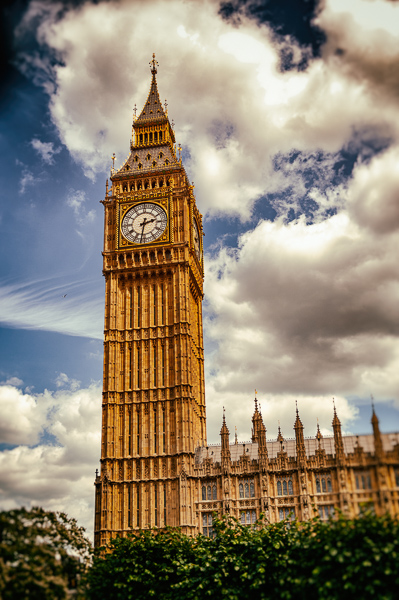
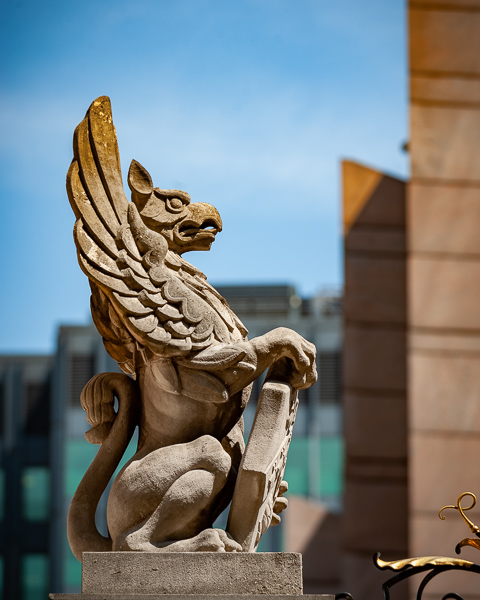
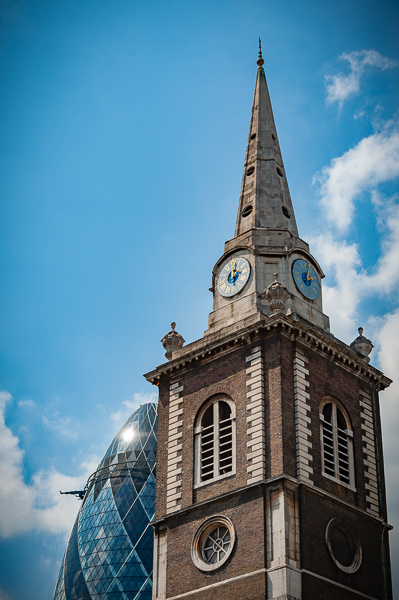
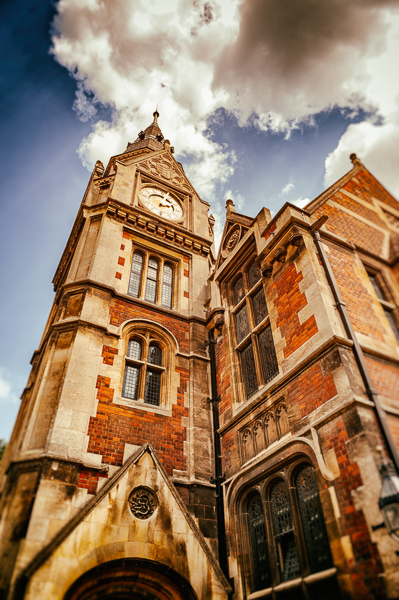
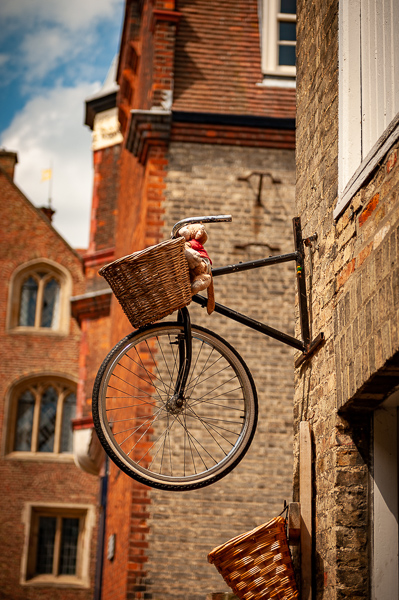
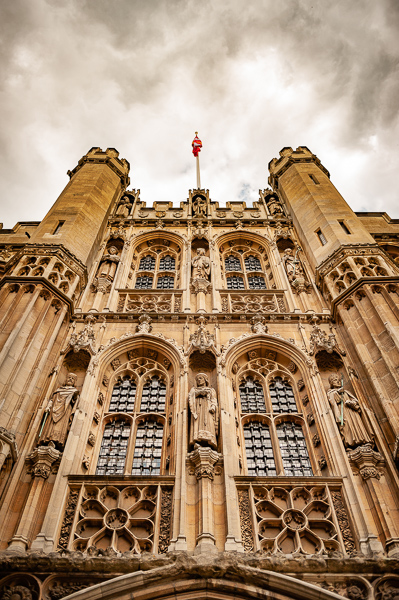
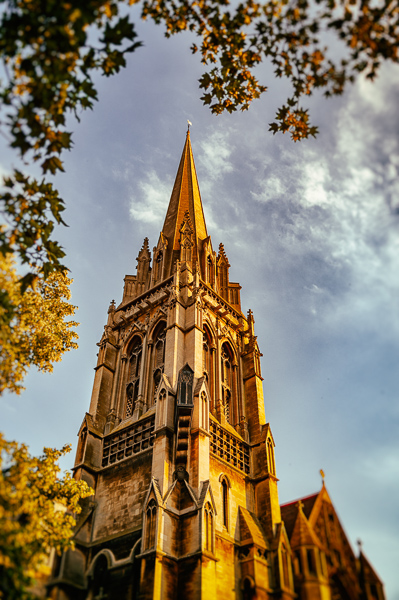
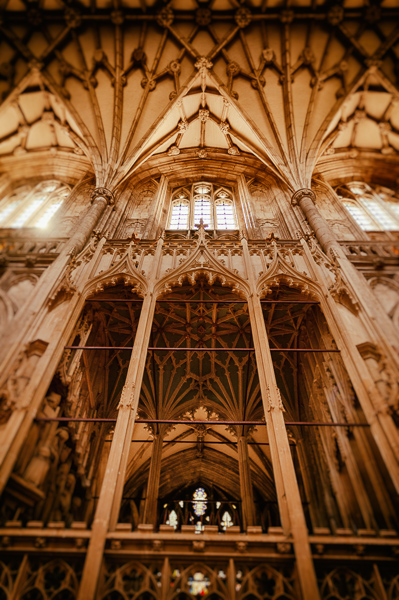
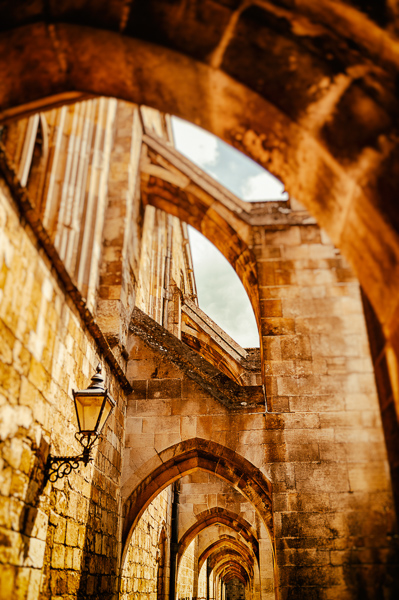
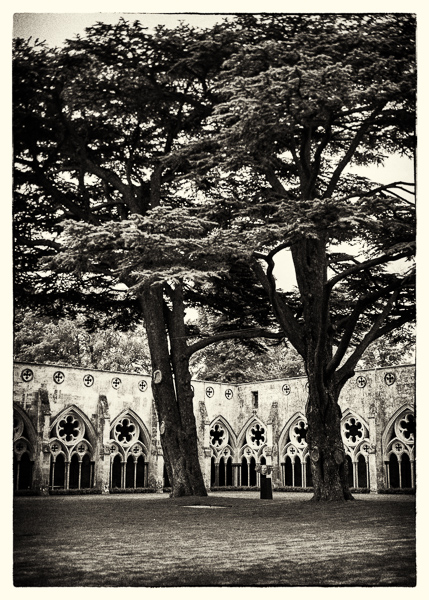
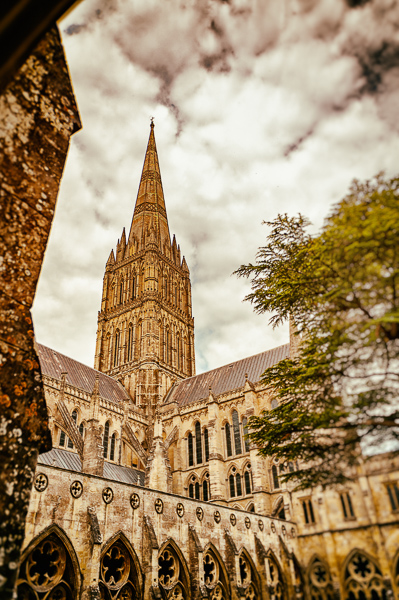
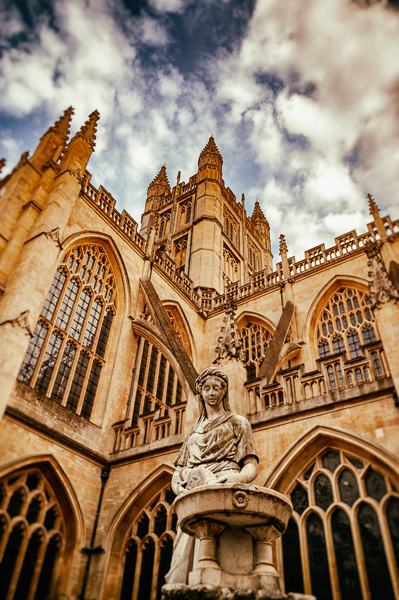
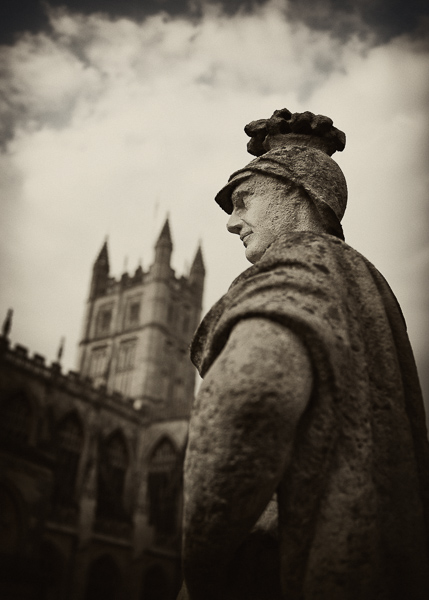
In 2011, my good friend Gerald Lucas gave me an irresistible opportunity: almost a week in England. He was teaching there that summer, and there was University housing available — which meant a visit for the price of a plane ticket, food, and a rental car. One word: absolutely.
Needless to say, I went with camera in-hand — Nikon back then, specifically a D3 with 24-70 and 70-200 lenses — and made it into one large photostroll.
Today, thanks to migrating my Aperture libraries to Lightroom, I had the excuse to revisit some of these images, re-edit some, and repost — a new total of 357 photographs. Take a trip to London, Cambridge, Winchester, Salisbury, and Bath with me. Enjoy!
-
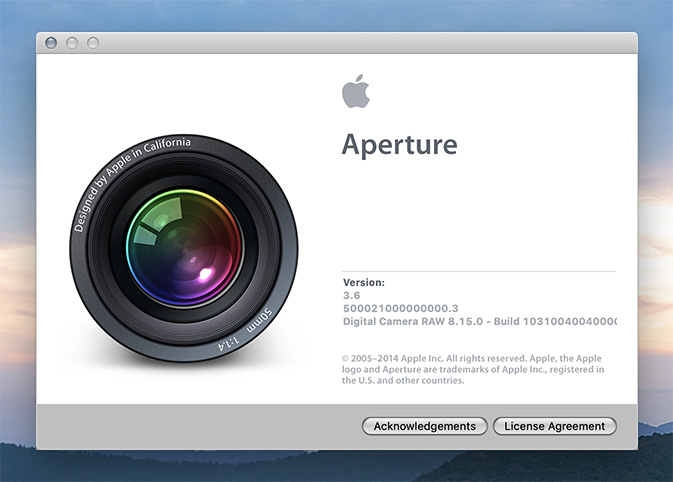
R.I.P., Aperture
Apple’s Aperture photography software debuted in 2005, as a sort of hi-end iPhoto; it combined sorting and editing into one application, using libraries to keep large collections. It was almost immediately followed by Adobe’s Lightroom, which performed basically the exact same functions — and came with better integration with Adobe’s own Photoshop, as well.
Aperture was developed through several versions, but a change in Apple’s strategy led to a end to development in 2015; however, it’s still been useable in every new version of the MacOS since. Until now — with the debut of MacOS Catalina in September of this year, Aperture will cease to work.
That’s led me — and likely many others — to migrate our Aperture libraries into Lightroom. Now let’s be clear: I’ve been using Lightroom for several years now (I pay the $53 per month Adobe subscription, which offers all applications Adobe currently makes, including Photoshop, InDesign, and Illustrator in addition to Lightroom) and have gotten quite used to the workflow. So when the announcement was made that Aperture was going to stop working, I went into Aperture and . . . was lost. Migrating was necessary.
In the long run, though, it’s been a good thing. Since Lightroom doesn’t import all of the changes and corrections that Aperture makes into Lightroom, I’ve had cause to revisit some of the libraries with a fresh eye.
The first of these is the England library from 2011. Check it out soon.
If you had Aperture, here’s the info from Apple on what to do with your libraries, and the info from Adobe about how to import Aperture libraries into Lightroom (Classic version only).
-
A World Without Reality
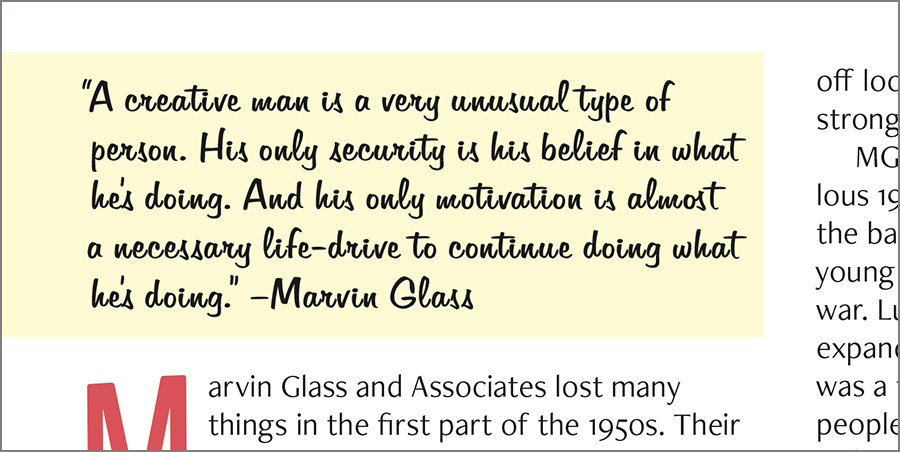
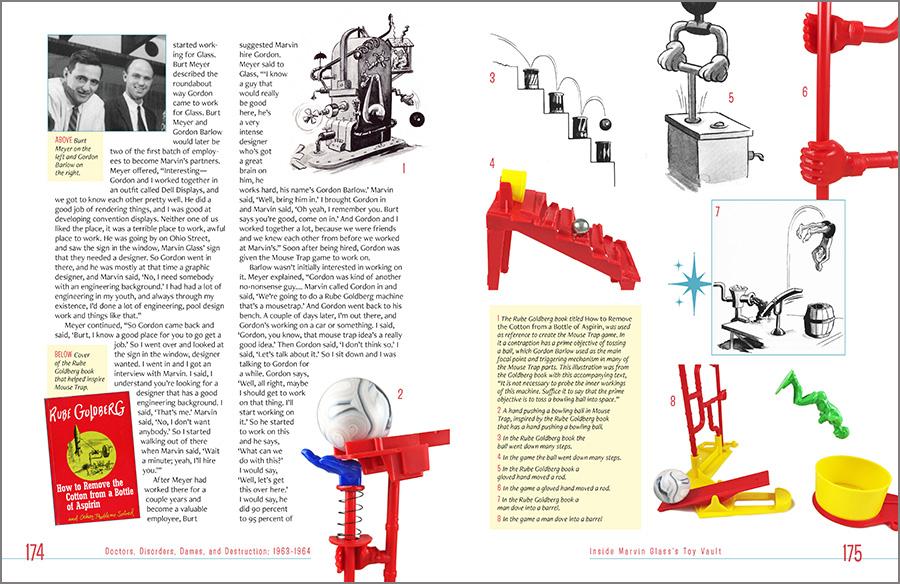
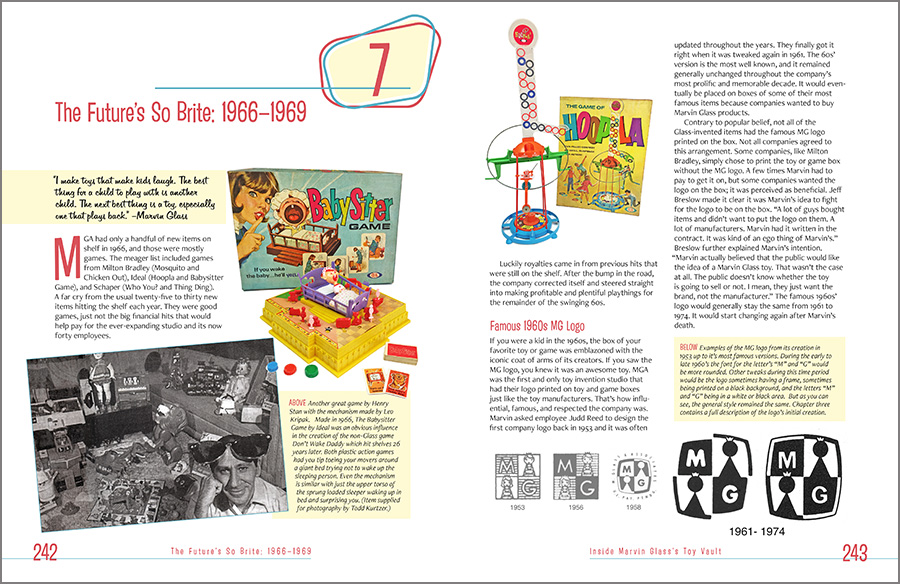
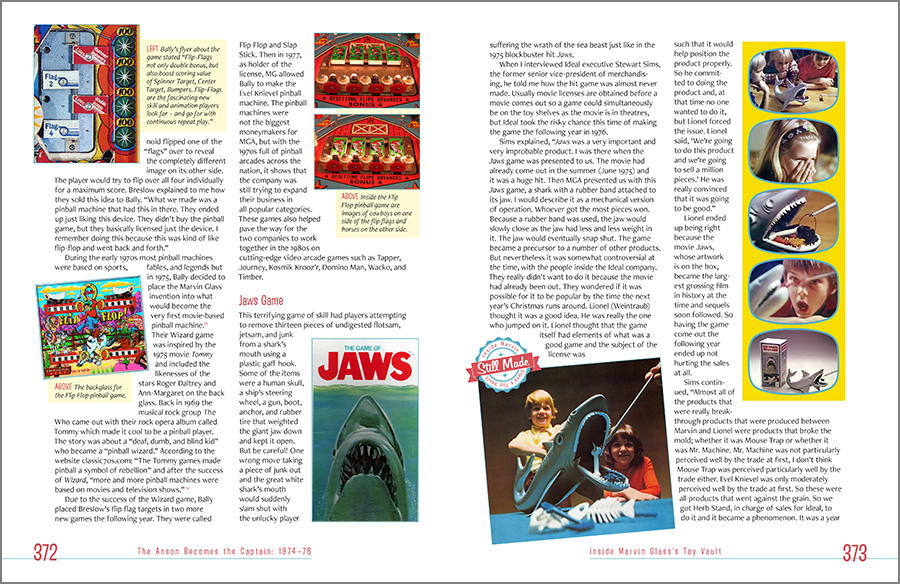
This large interior design project, recently finished, was one of those — 600+ pages, huge numbers of illustrations and photographs, lots of customization, and lots of fun. Good stuff, that I’m now happy to share with the world.
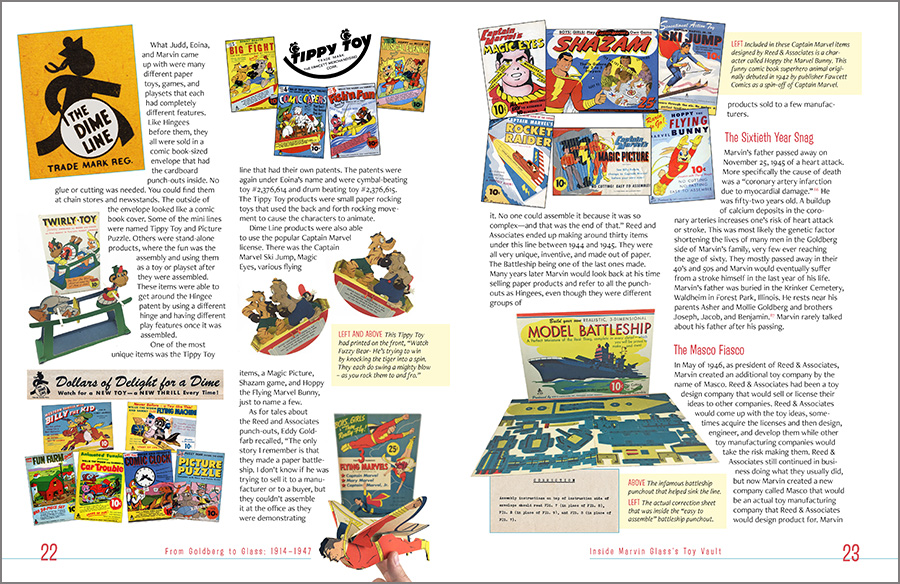
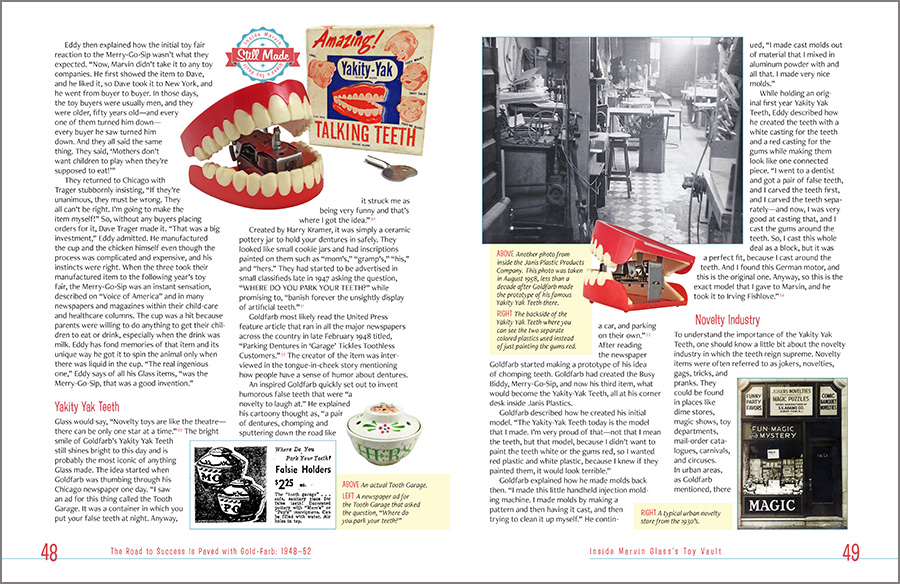
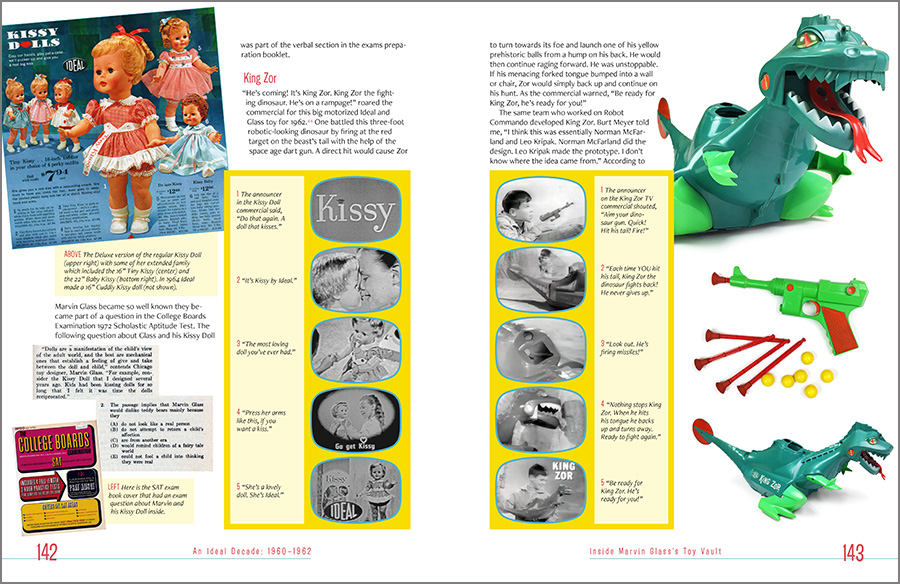
It was designed with a mid-century-yet-contemporary vibe, with custom icons, specific color selections for the various sections, a custom “look” for the televisions advertisements, and full bleed (that is, the ink runs of the edges of the pages), all in support of the author’s story of one of America’s great toy designers and his, shall we say, eclectic life. As he says, “A World Without Reality.”
Some samples from the main body of this comprehensive title:
…And some from the back matter (note the different color scheme for this section):
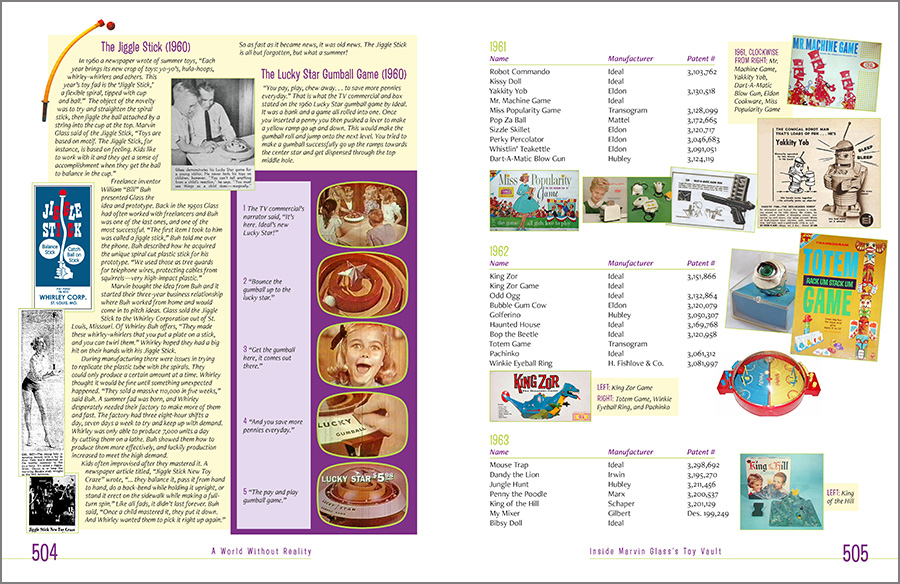
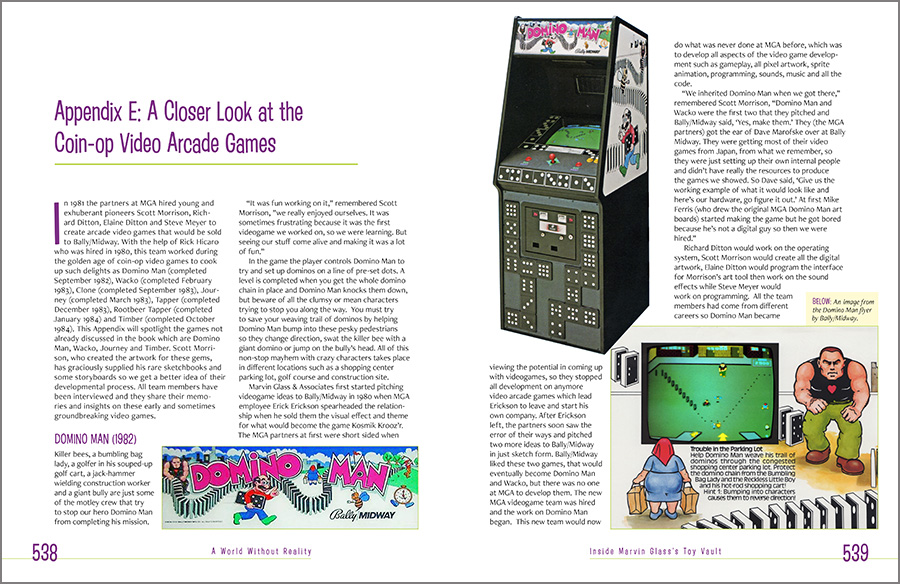
The author/publisher, Bill Paxton, called the book design “amazing.” Works for me! Check out more or purchase a copy at marvinglassbook.com.