Beautifully Briefed 25.12: Old and New

To close out 2025, a bunch of disparate items for your edification and enjoyment: the usual categories plus some stuff imported from left-field. Get caffeinated, get comfy, and let’s get to it.

Please note that the photography trip planned for mid-December had to be cancelled at the last minute — circumstances beyond my control — and hasn’t yet been rescheduled. Apologies.

December’s Spine
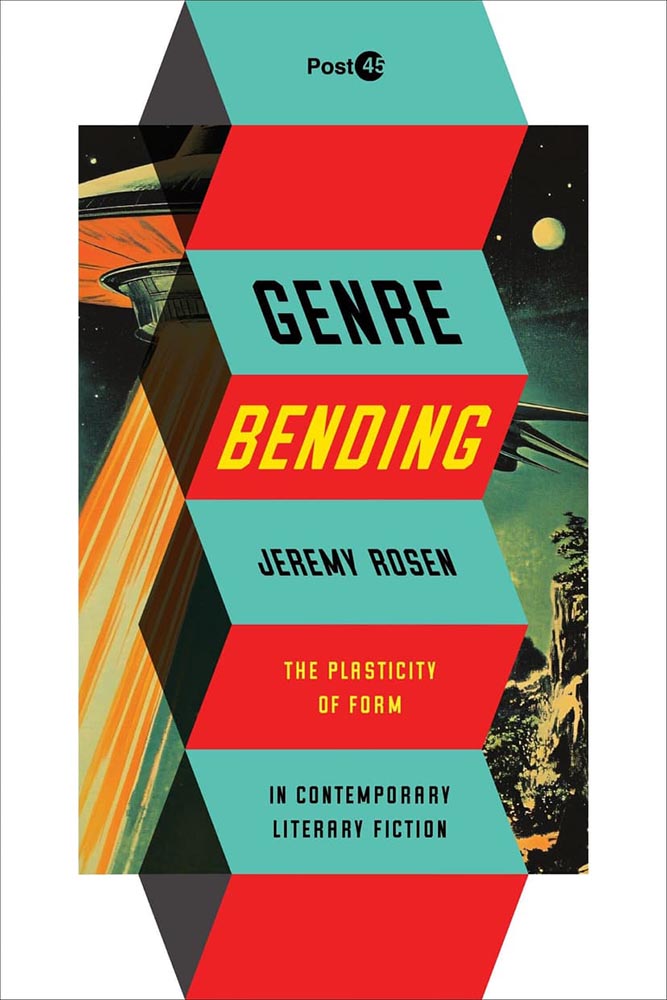
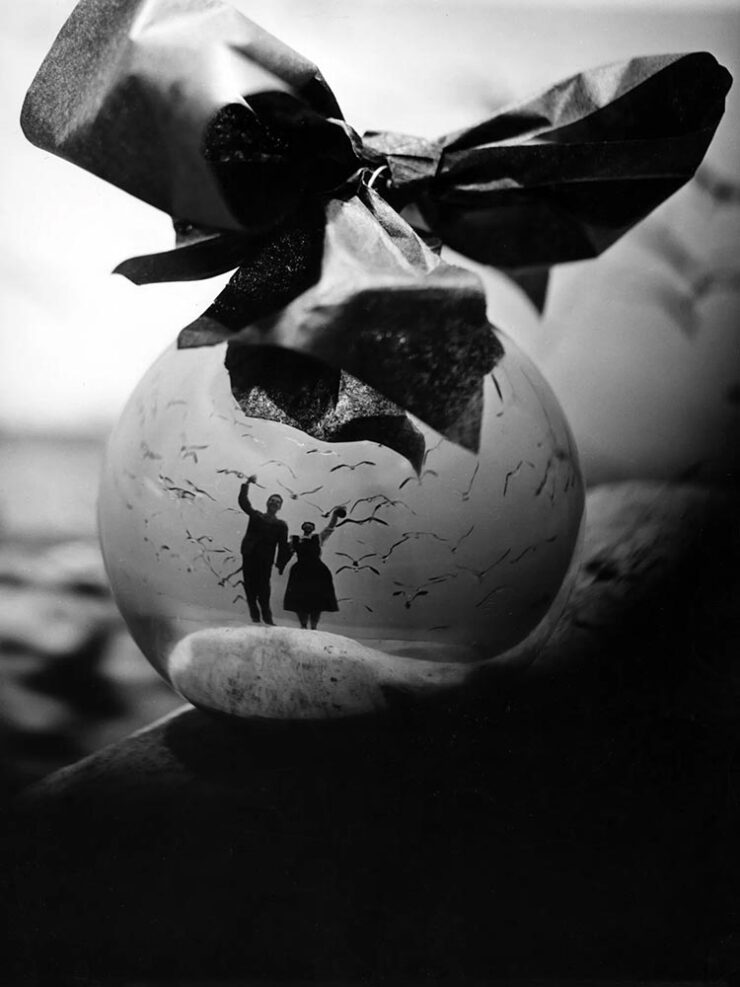
Stanford University Press. Cover design by Jan Šabach; art director, Michele Wetherbee.

Fourteen great University Press book covers in December’s column, including the genre-bending example above. Check it out.

December 25th: Designer Holiday Cards
Charles and Ray Eames, 1940s. (Image credit: © 2025 Eames Office, LLC. All rights reserved. Via Wallpaper*.)

“Long live the Christmas card — a ritual that feels increasingly endangered in our digital age. The simple act of putting pen to paper and sending wishes inked in black or blue is, in a word of instant messages, profoundly gratifying,” Wallpaper* writes. “In celebrating this venerable tradition, we found ourselves asking: what sort of Christmas card does an architect send?”

January 1st: Public Domain Day
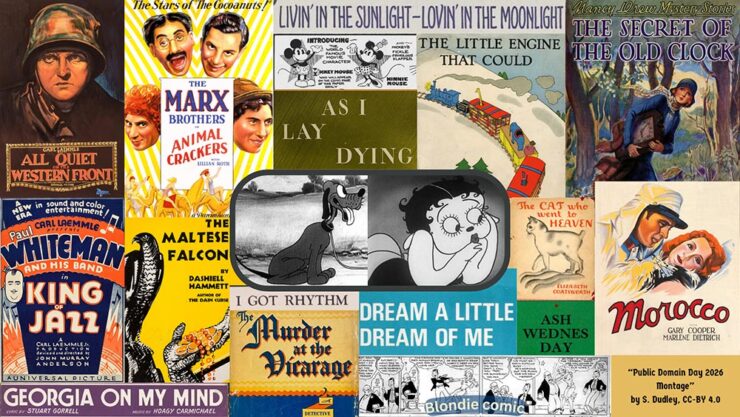
Image courtesy of the Center for the Study of the Public Domain, Duke Law.

On January 1, 2026, thousands of copyrighted works from 1930 enter the US public domain, along with sound recordings from 1925. They will be free for all to copy, share, and build upon. The literary highlights range from William Faulkner’s As I Lay Dying to Agatha Christie’s The Murder at the Vicarage and the first four Nancy Drew novels. From cartoons and comic strips, the characters Betty Boop, Pluto (originally named Rover), and Blondie and Dagwood made their first appearances. Films from the year featured Marlene Dietrich, Greta Garbo, the Marx Brothers, and John Wayne in his first leading role. Among the public domain compositions are I Got RhythmGeorgia on My Mind, and Dream a Little Dream of Me. We are also celebrating paintings from Piet Mondrian and Paul Klee. [In this post] you can find lists of some of the most notable books, characters, comics, and cartoons, films, songs, sound recordings, and art entering the public domain. After each of them, we have provided an analysis of their significance.

— Jennifer Jenkins and James Boyle, Duke Law

The annual list is, in every manner of speaking, a gift to society. (Via Pluralistic.)

Has Judging a Book by its Cover Gone Too Far?
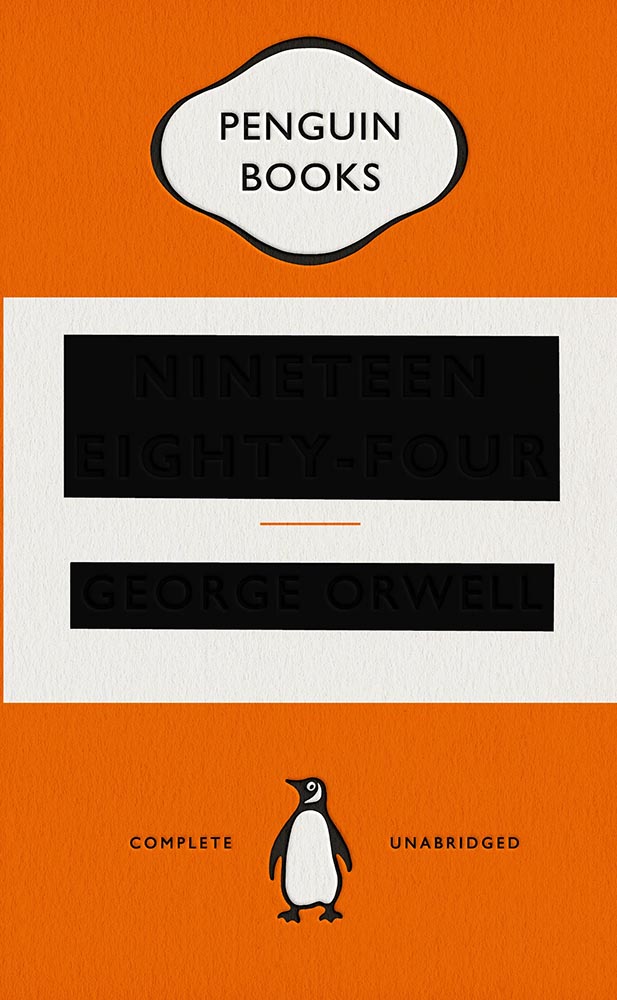
Cover design by David Pearson.

Excellent question from It’s Nice That, discussed in a post with book designers Na Kim and David Pearson. Book covers these days are driven by trends that are all-too-fleeting — what does that mean for what’s contained within? Is “salability” all that matters?

Perhaps the question should be, “Where are we as a society, and is this it, in microcosm?”

Special Bonus #1: 100 Notable Small Press Books of 2025, from LitHub:
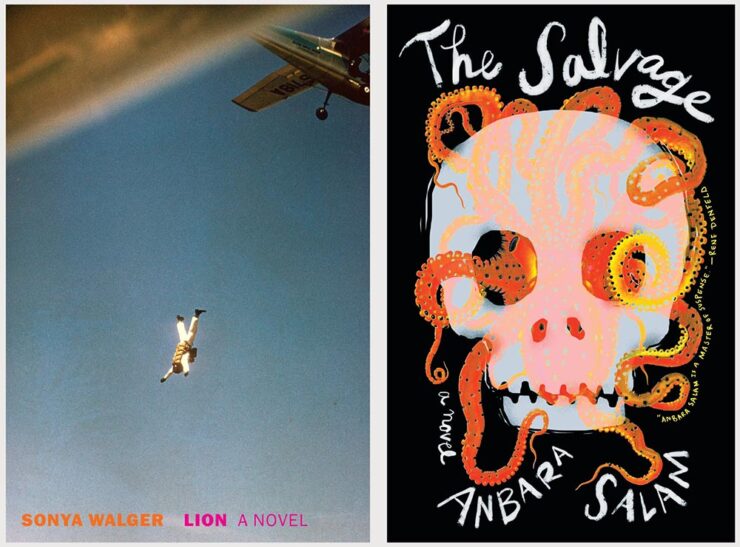
A reminder that press size and cover quality do not necessarily correlate — as noted in the above item, small presses might be willing to bend the “rules” more readily than the big players.

“Our guiding principles were ‘read a lot, recommend a few’ and ‘seek out a diverse array of authors and publishers,’” they write. “We were especially interested in BIPOC and LGBTQ authors and publishers, who have an even steeper climb to mainstream recognition.” Enjoy.

Special Bonus #2: Bar codes as design objects:
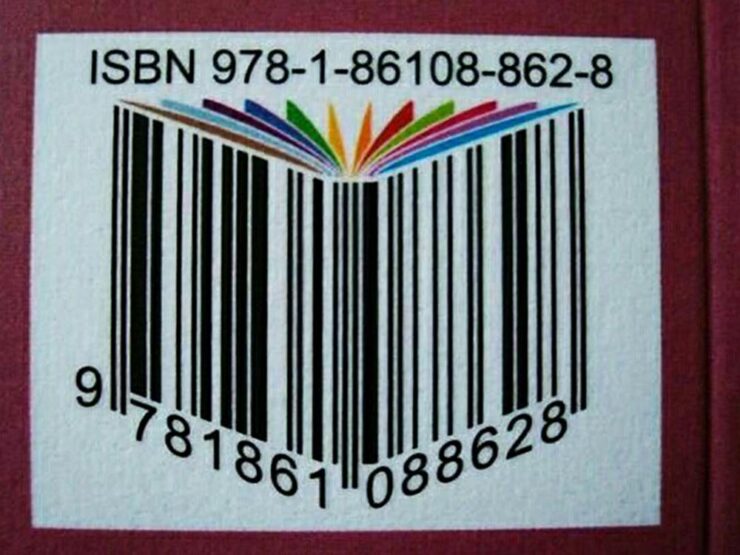
This short piece from type foundry Pangram Pangram includes several book covers.

CreativeBoom: Six Surprising Illustration Trends for 2026
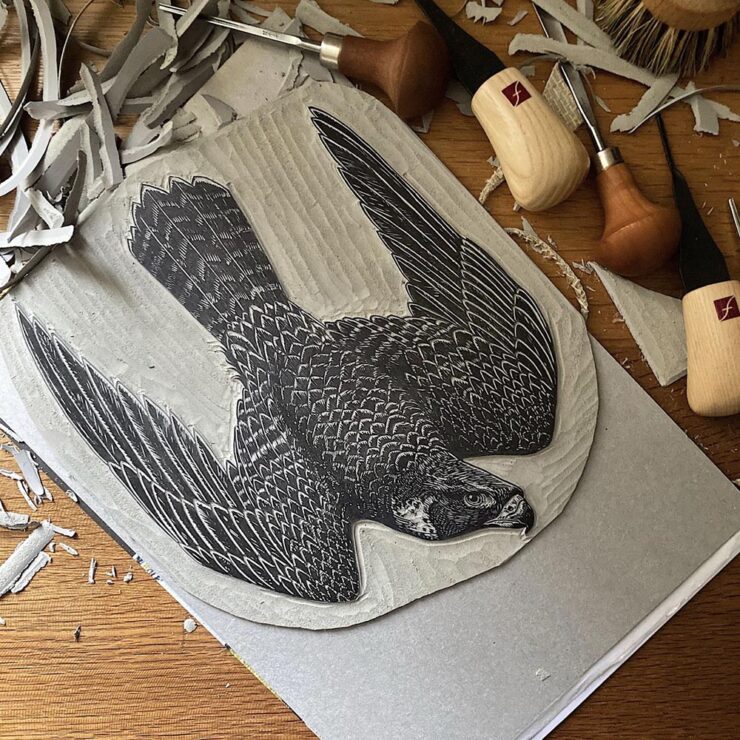
A linocut by Emily Robertson.

Contrary to popular belief, illustration — like photography — is not on its deathbed. Despite the temptation for some companies (or budgets) to reach for generative AI, the consensus is that in order to stand out, bringing something unique to the table will be worth the effort. CreativeBoom talked to seven illustration agencies to get an idea what will work in 2026.

Special Bonus #3: A repository of mid-20th-century illustration, for research or just enjoyment: “Illustrator Zara Picken has an incredible searchable archive of mid-century modern illustration from c.1950-1975. It’s a goldmine of graphic, type, color, and texture inspiration.”
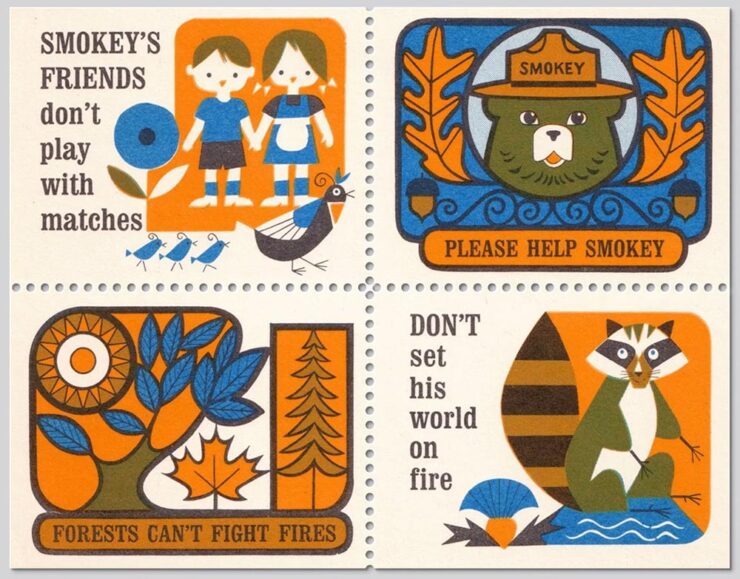
Smokey the Bear stamps from 1967.

Zara’s illustrations are in a cut-paper style and awesome; link via SimpleBits Studio Notes #60. (The entire series of Notebook entries is cool when you have a few extra minutes.)

Creative Review‘s Movie Posters of 2025
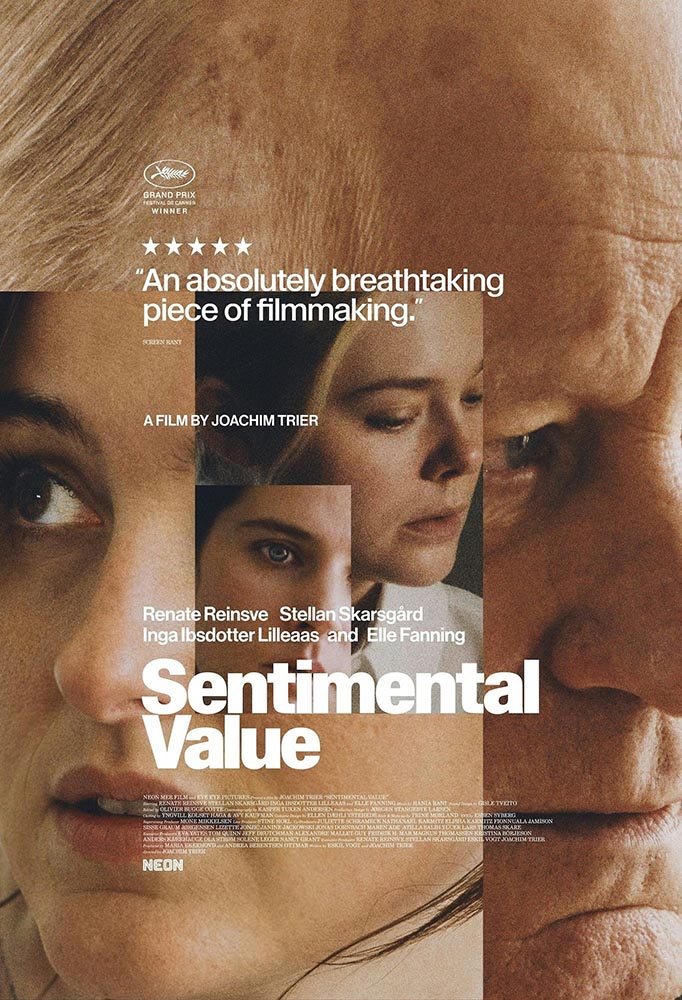
Poster by Empire Design.

Begonia was mentioned in October. A couple are by Empire Design, including the above — which is a master class in nested photographs. (“Claustrophobic,” CR says.) Great stuff.

Typefaces, Pt. 1: Notes for December
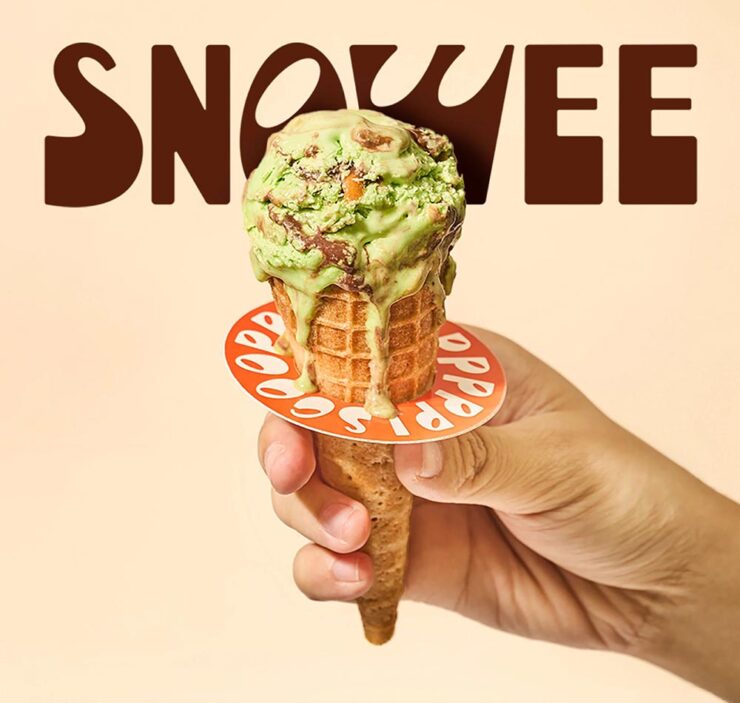
Snowee

CreativeBoom‘s new font post for December includes Snowee, which is far and away my favorite: interesting, characterful (heh), and just fun — something lacking amongst the sea of Helvetica wannabes.
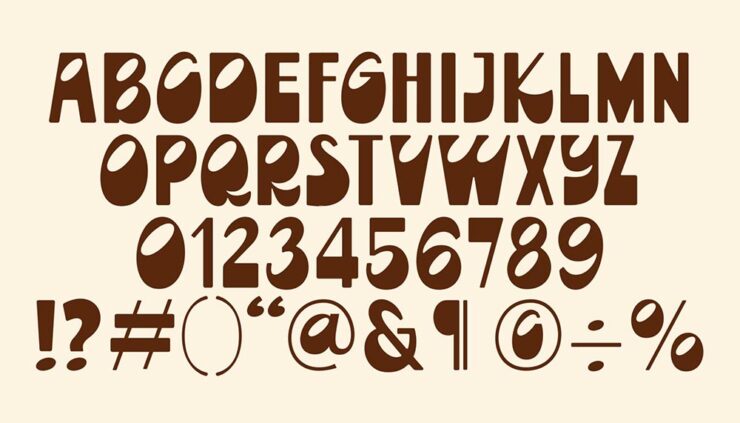
It’s caps-only and not great at small sizes, but given a headline or poster or … whatever, it could be a pleasant, different choice. (I love that the O looks like an olive.)

LEGO’s Letterforms

Meanwhile, LEGO features in a new project called “A2Z,” an international effort to create letterforms highlighting strength found in limited systems:
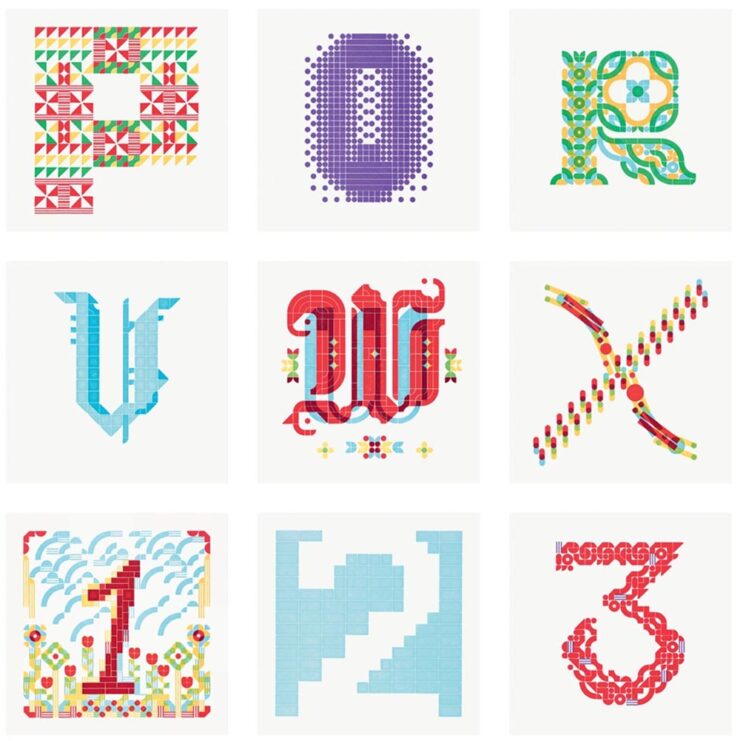
LEGO “offered an ideal blend of fixed constraints and room for playful exploration. Each brick’s scale and form could not be altered, but the grid’s size could be individually defined,” This is Colossal writes of this hand-printed awesomeness.

Gotham

From Tobias Frere-Jones, the story of how Gotham came to be:
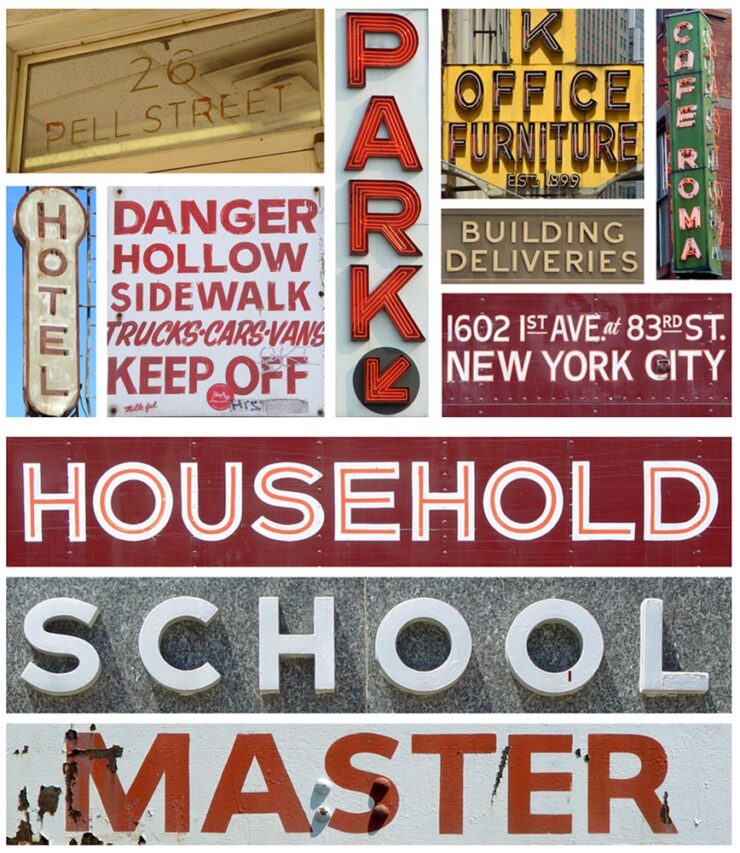
Tobias Frere-Jones‘ inspiration for Gotham.

“In 2021, Monotype bought Hoefler & Co, and with it several families that I designed. As these families are now further removed from their origin, I want to ensure that their stories are accurately recorded,” Frere-Jones says. (Part of a series, in fact.)

The Garamonds

Lastly (for now), John Gruber’s Daring Fireball is among many who point out that condensed serifs are back in vogue, including — naturally, given the source — Apple Garamond:
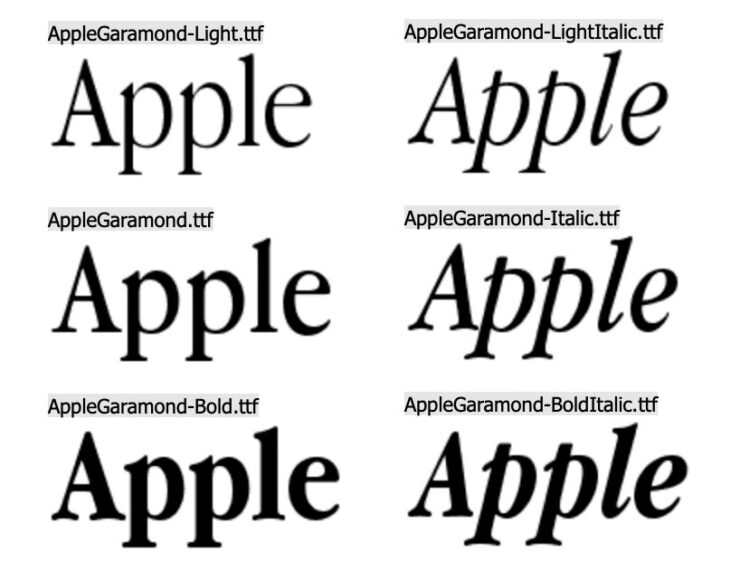
It’s TrueType, but now open source.

Gruber also reminds us that Apple’s gone through more processor types than typefaces.

Special Bonus #5: Gruber also has a quick item linking to a brilliant essay arguing that not all Garamonds are created equal — ITC’s version, especially. (Which Apple Garamond was based on, interestingly.)

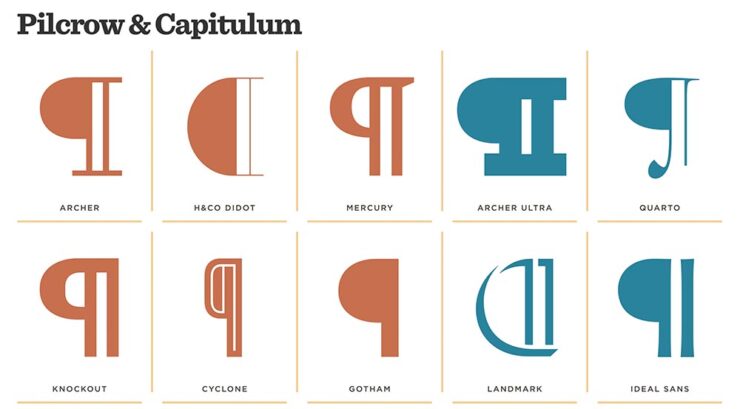
Special Bonus #6: Who doesn’t love a Pilcrow?

Hoefler & Co’s brief item is worth it for the varied examples alone.
Fonts, Pt. 2: The Calibri Flame-Out

Let’s face it: type rarely generates headlines. But these aren’t “normal” times. Headlines were definitely made when the US State Department decided that its house style rules ditch Calibri, a font chosen to be more readable — more inclusive — and revert to Times New Roman. Because … tradition? Politics? Readability?

Let’s stipulate for the moment that the memo’s drafters saw choices as limited to the defaults available in Microsoft Word. (Because … you saw that coming.)

John Gruber was all over it, and argued thus:

While neither is a good choice, between the two, Times New Roman is clearly better. […] I just think it’s stupid for an institution with the resources of the U.S. State Department to shrug its shoulders at the notion that they should license and install whatever fonts they want on all of their computers. Anyone making excuses that they “can’t” do that should be fired. […]

Calibri does convey a sense of casualness — and more so, modernity — that is not appropriate for the U.S. State Department. And I do not buy the argument that Calibri is somehow more accessible for those with low vision or reading disabilities. People with actual accessibility needs should be catered to, but they need more than a sans serif typeface, and their needs should not primarily motivate the choice for the default typeface.

— John Gruber, Daring Fireball

But he didn’t stop there. He somehow got his hands on the complete memo written by Secretary of State Rubio, and it’s … surprisingly sober. Gruber comments:

It drives me nuts when news sites in possession of a statement or original document do not make the full original text available, even if only in a link at the bottom, and choose only to quote short excerpts.

With regard to today’s news regarding Marco Rubio’s directive re-establishing Times New Roman as the default font for U.S. State Department documents (rescinding the Biden administration’s 2023 change to Calibri), I very much wanted to read the original.
The New York Times broke the news, stated that they had obtained the memo, and quoted phrases and words from it, but they did not provide a copy of the original. 

The State Department has not made this document publicly available, and to my knowledge, no one else has published it. I have obtained a copy from a source, and have made it available here in plain text format. The only change I’ve made is to replace non-breaking spaces (U+00A0) with regular spaces.

Please do read it yourself, and do so with an open mind.

It seems clear to me that
The New York Times did Rubio dirty in their characterization of the directive. The Times story, credited to reporters Michael Crowley and Hamed Aleaziz, ran under the headline “At State Dept., a Typeface Falls Victim in the War Against Woke.

— John Gruber, Daring Fireball

Engagement sells?

Wallpaper*, a UK publication I generally enjoy (and cite elsewhere in this post), is one of many examples where a chosen narrative framed the piece. However, they did one thing to help: they introduced us to Calibri’s designer:
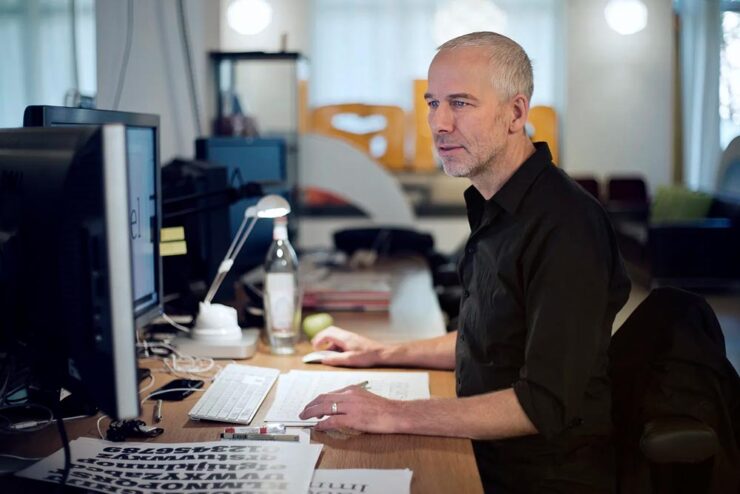
Lucas de Groot, font designer.

His comments, directly quoted (from HackerNews — sorry — but also via DF):

The decision to abandon Calibri on the grounds of it being a so-called “wasteful diversity font” is both amusing and regrettable. Calibri was specifically designed to enhance readability on modern computer screens and was selected by Microsoft in 2007 to replace Times New Roman as the default font in the Office suite. There were sound reasons for moving away from Times: Calibri performs exceptionally well at small sizes and on standard office monitors, whereas serif fonts like Times New Roman tend to appear more distorted. While serif fonts are well-suited to high-resolution displays, such as those found on modern smartphones, on typical office screens the serifs introduce unnecessary visual noise and can be particularly problematic for users with impaired vision, such as older adults.

Professional typography can be achieved with both serif and sans-serif fonts. However, Times New Roman—a typeface older than the current president—presents unique challenges. Originally crafted in Great Britain for newspaper printing, Times was optimised for paper, with each letterform meticulously cut and tested for specific sizes. In the digital era, larger size drawings were repurposed as models, resulting in a typeface that appears too thin and sharp when printed at high quality.

Serif fonts are often perceived as more traditional, but they are also more demanding to use effectively. While a skilled typographer can, in theory, produce excellent results with Times, using it in its default digital form is not considered professional practice.

— Lucan de Groot, LucasFonts

I don’t know whether there’s much needed beyond that takedown. Okay, maybe this:

[Y]ou can still make good typography with system fonts. But choose wisely. And never choose Times New Roman or Arial, as those fonts are favored only by the apathetic and sloppy. Not by typographers. Not by you.

— Matthew Butterick, “Typography in Ten Minutes

In case all you encountered were the headlines, now you know there was more to the story.

See also: The Scourge of Arial, A Brief History of Times New Roman, and Typefaces for Dyslexia, all from Daring Fireball, and The Guardian‘s fun Calibri: Is this Really the World’s Wokest Font?

While I’m at it: Word of the Year
Getty stock image, made awesome with brown.

Merriam-Webster announced that “slop” is its 2025 Word of the Year, reflecting how the term has become shorthand for the flood of low-quality AI-generated content that has spread across social media, search results, and the web at large. The dictionary defines slop as “digital content of low quality that is produced usually in quantity by means of artificial intelligence.”

“It’s such an illustrative word,” Merriam-Webster President Greg Barlow told The Associated Press. “It’s part of a transformative technology, AI, and it’s something that people have found fascinating, annoying, and a little bit ridiculous.”

To select its Word of the Year, Merriam-Webster’s editors review data on which words rose in search volume and usage, then reach consensus on which term best captures the year.

Benj Edwards, Ars Technica

I’d like to suggest an alternative: “brown.”

Brown is the color you don’t want to be in the U.S. right now, lest you face legalized discrimination, illegal arrest — or worse. Brown is the color of the FUD the “Health Department” employs to prevent use of lifesaving treatments and vaccines. Brown is the substance, or lack thereof, the United States exports worldwide in the place of aid, education, fairness, or leadership. Brown is the color of the ink the Supreme Court uses to write opinions stripping people of their rights. Brown is the color of the flag a supine Congress continues to wave, surrendering its authority. Brown is the color of everything that comes from the stool-sample spectacular otherwise known as the U.S. Executive. And, of course, brown is today’s engagement-driven social media, a fecosystem of algorithms and AI built to exploit people for profit.

Red Scare? Been there, done that. Welcome to the new.

The Brown Scare.

[/soapbox]

Briefly: Jaguar

On multiple occasions, I predicted that JLR might actually succeed at making something interesting out of Jaguar — in the face of, well, the Internet. They’re still working on it:
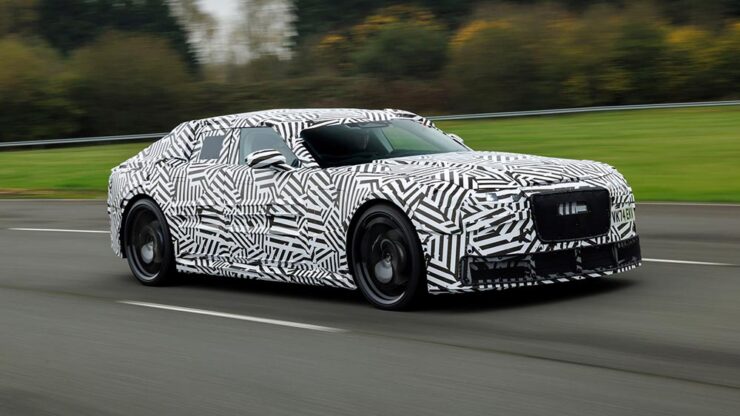
The actual new Jaguar previewed by the Type 00 concept.

Alas, the world has changed around them; EVs are no longer what they were, and basing a new, ultra-high-end product line exclusively around an EV platform might not work out quite the way they’d hoped.
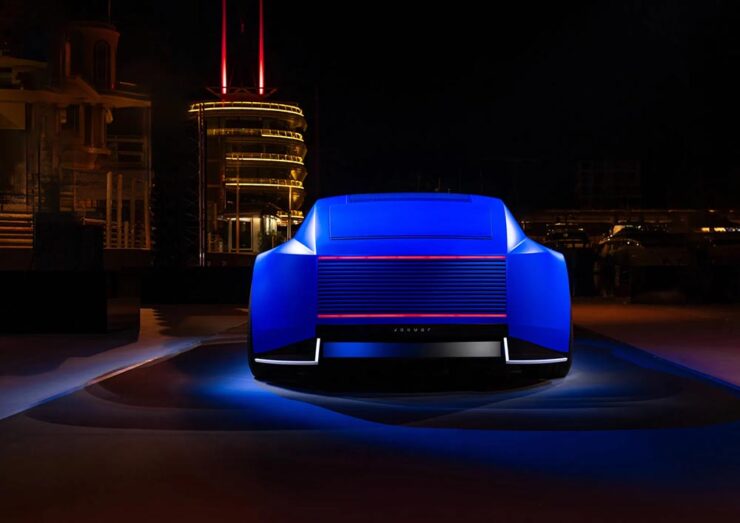
“Are we seeing the back of Jaguar?” Wallpaper* asks.

Frankly, the pullback from EVs is beyond stupid — ask anyone who owns one — but then, “stupid” is something to be proud of these days. (I know: soapbox. Sorry.)

What’s important regarding Jaguar at this moment in time is, supposedly, the company has pulled so far back that it fired its chief designer, Gerry McGovern.

Or not. There are questions.
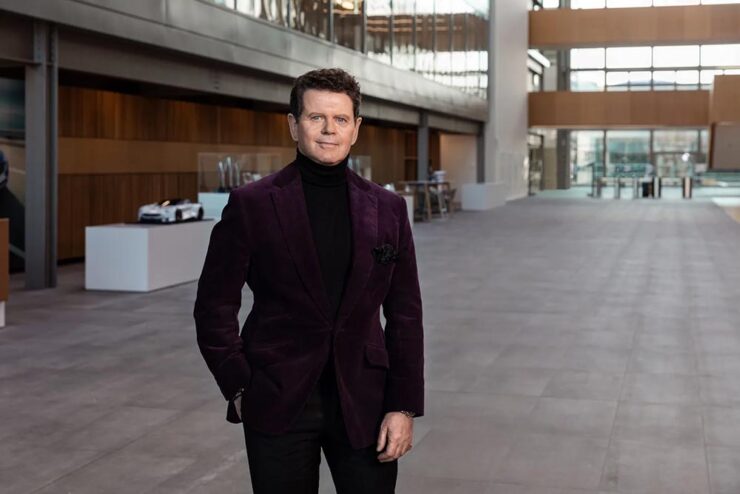
Professor Gerry McGovern, OBE, in 2021.

“It’s long been rumoured that McGovern was personally liked by Ratan Tata, who ran JRL’s parent company,” The Drive quotes. “Mr. Tata passed away last year, leaving Autocar India to speculate that ‘key support’ for Mr. McGovern may have waned in the corporate titan’s absence.”

That was on December 2nd. On the 15th, rumors started circulating that the news stories weren’t correct: Jaguar has reportedly stated it’s “untrue” that McGovern was “terminated.”

Time will tell.

Special Bonus #7: How ’bout a mash-up? Cars and type: Volvo has a new corporate font, Centum, designed “with safety in mind.” (Naturally.) Dezeen has the story.

December’s Photography Round-Up
A Royal Competition
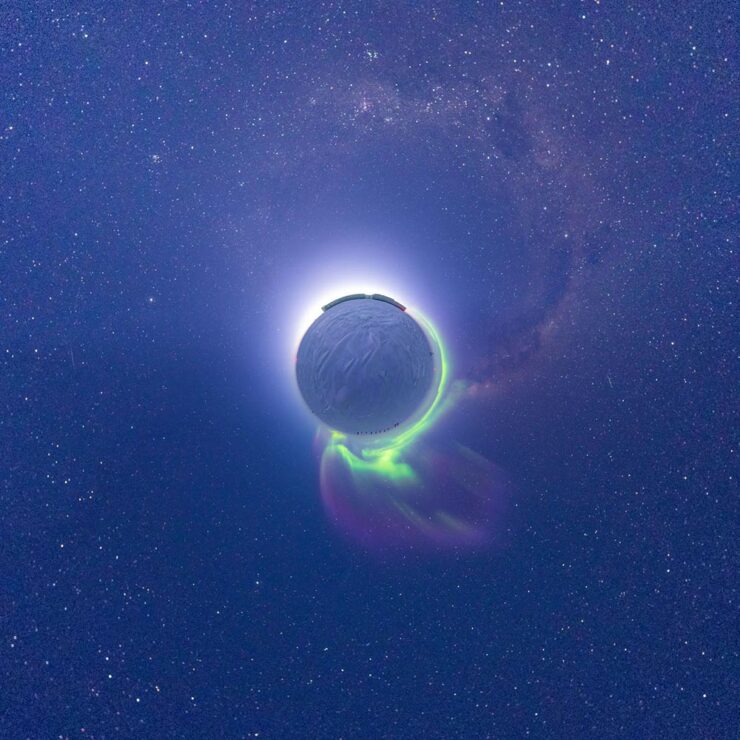
Runner-up, “Between Auroras and Dawn — A South Pole Sunrise After the Longest Night on Earth.” Photograph by Aman Chokshi.

See the winners of the Royal Society Publishing Photography Competition 2025, ten images that showcase “the best scientific photography worldwide across multiple categories, celebrating the overlap between compelling art and influential science.” (Via PetaPixel.)

Nature’s Best Science Photos of 2025
“Rings of Fire,” lenticular clouds, Villarrica volcano, Chile. Photography by Francisco Negroni.

Nature’s annual picks for favorite science photography reflect a diverse range that’s always worth checking out. While it includes the skydiving image covered briefly last month without appropriate comment, the others delight (especially the sloth). Props, too, for the excellent web design on show here.

International Landscape Photographer of the Year 2025

Three examples among the twenty winning — and astonishing and inspiring — images:
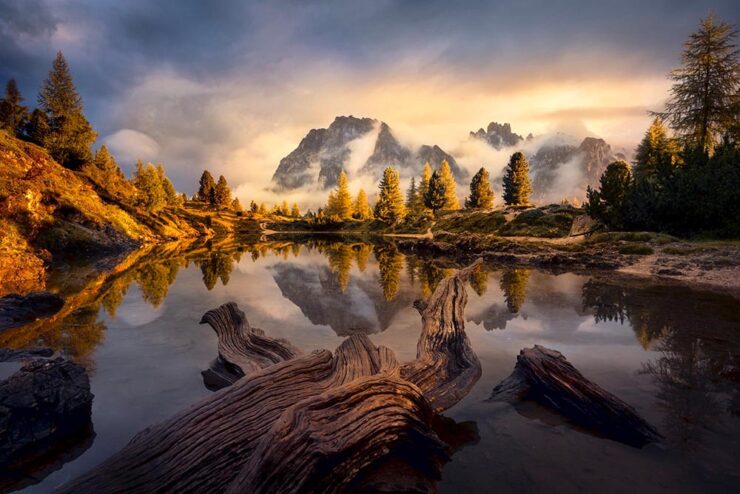
“Morning in Dolomites,” Italy. Photography by Martin Morávek.
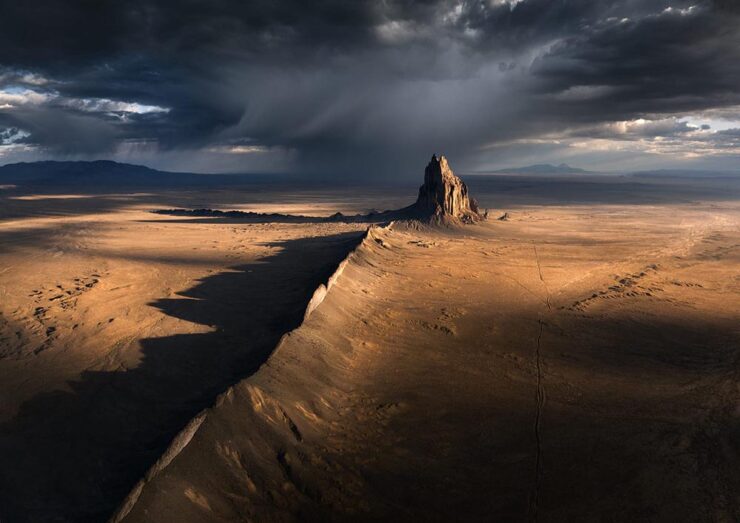
“Shiprock,” New Mexico. Photograph by Karol Nienartowicz.
“Starry Night.” Photograph by Joyce Bealer.

The rules of the competition state that all images must be taken by the photographer and AI-generated images of any kind are prohibited. Photographers are required to edit the images themselves as the competition “consider[s] this part of the art of landscape photography.” Nice.

The competition’s website is unfortunately offline as of this writing (Dec 31st), but see more at PetaPixel or This is Colossal.

Northern Lights Photographer of the Year 2025
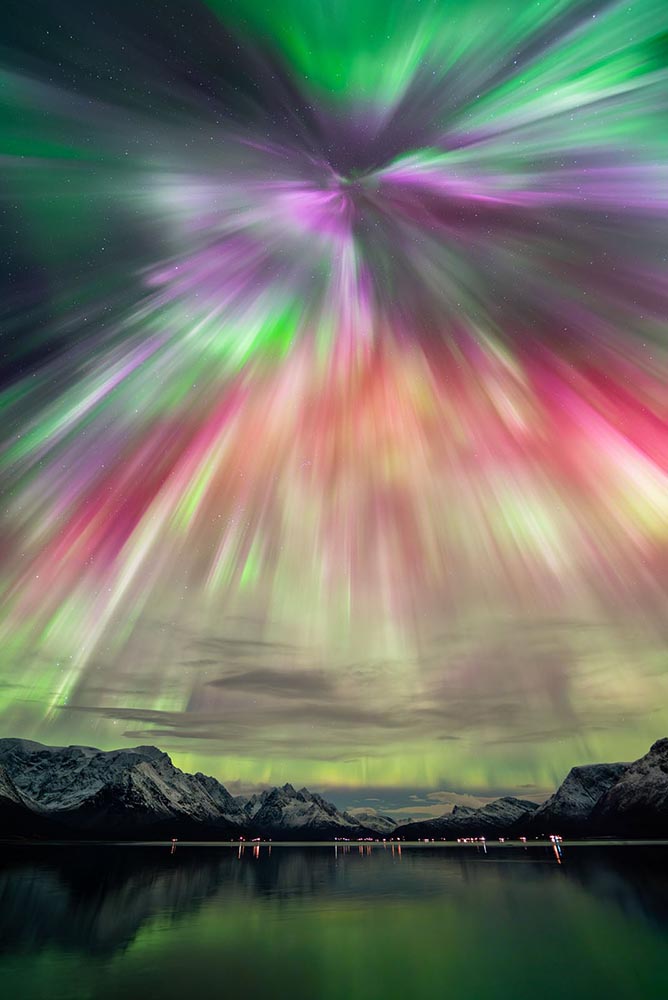
“Arctic Rain,” Tromso, Norway. Photograph by Vincent Beudez.

Capture the Atlas has unveiled the winners of its eighth annual Northern Lights Photographer of the Year contest, and the 15 award-winning photos […] are as beautiful as they are inspiring,” PetaPixel writes.

I remember lying on my back on the rocks by the Maine beach where I grew up, watching with wonder at the natural display. It’s a pleasure to revisit, however vicariously.

Otherworldly Forest Photos
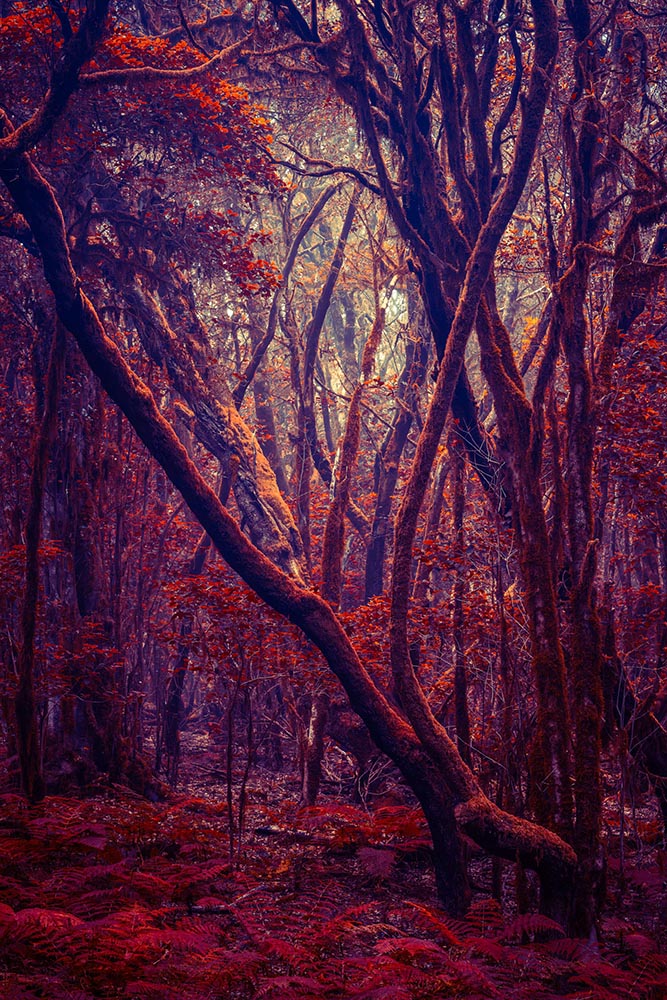
Photograph by Michelle Blancke.

“‘I’ve always been fascinated by the idea that our perceived reality is shaped by our minds and reflecting our inner world,’ says artist Michelle Blancke, whose ethereal photographs of trees, glens, and foliage invite us into a familiar yet uncanny world,” writes This is Colossal. Great stuff.

Nikon Comedy Wildlife Awards 2025
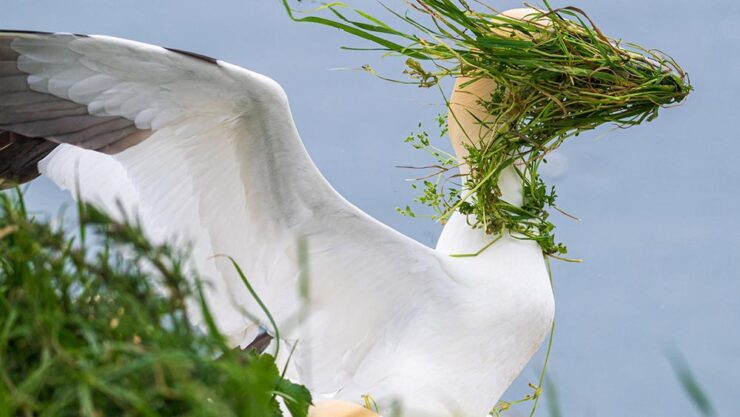
“Now Which Direction Is My Nest,” United Kingdom. Photograph by Alison Tuck.

Have yourself a smile.

The “AI-Inside” Camera

At MacFilos, Andrew has a new piece of kit — an “unexpected trade deal benefit” — that’s capable of making all his images everything he’s ever dreamed of:
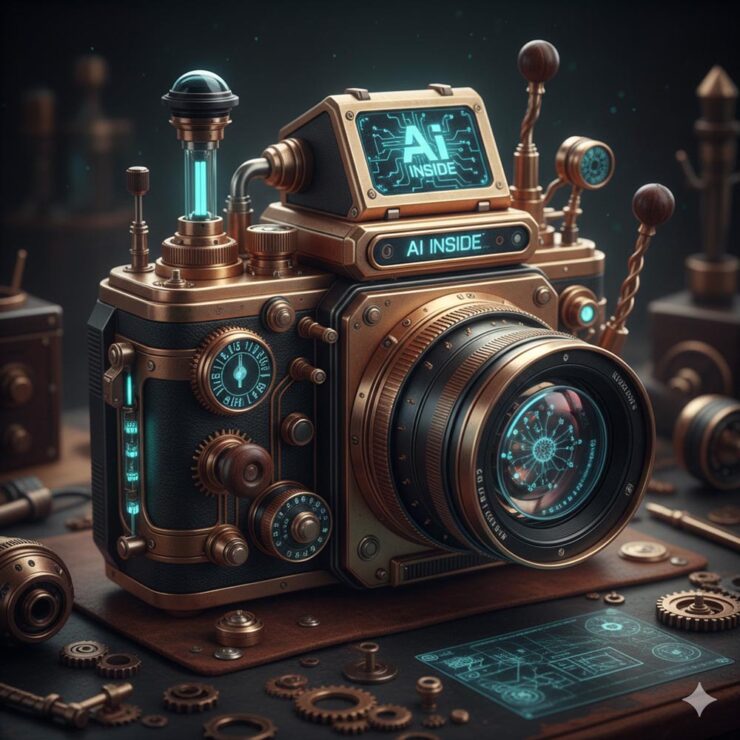
AI image generated by Andrew Owen-Price.

“May we all remain capable of laughing and smiling through these turbulent times,” he writes. Yes, please!

Wishing you a safe and happy New Year.
Beautifully Briefed 25.2: Late Winter Stew

A bunch of tasty ingredients in this month’s post — from friendly identities and open-source typefaces to feel-good photography. Once past the minor rant we’re that covers the other meaning of stew, that is. Read on.

It’s Nice That on Copyright and Reuse

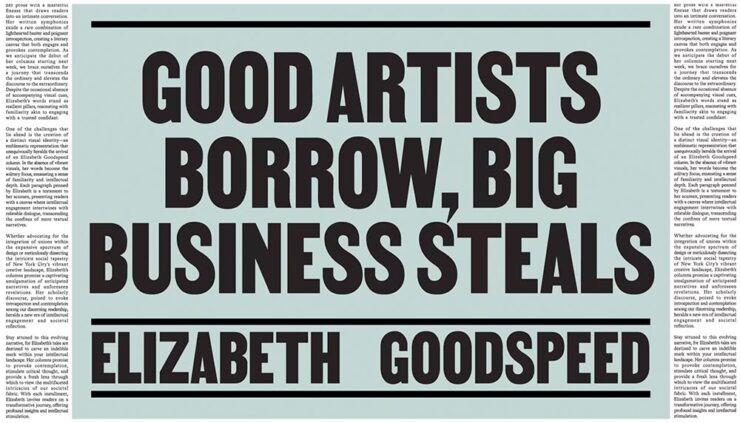
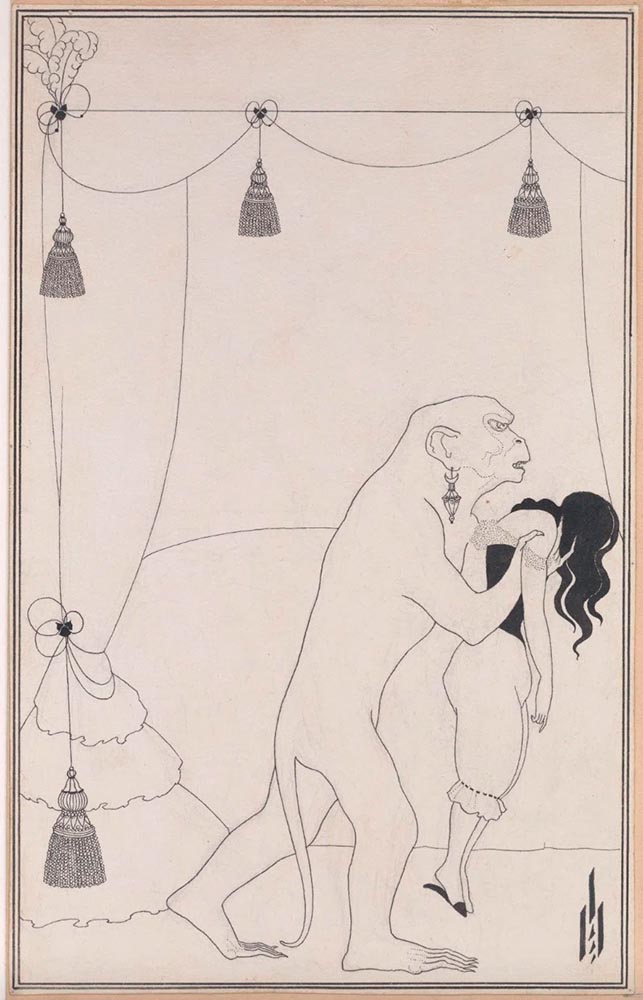
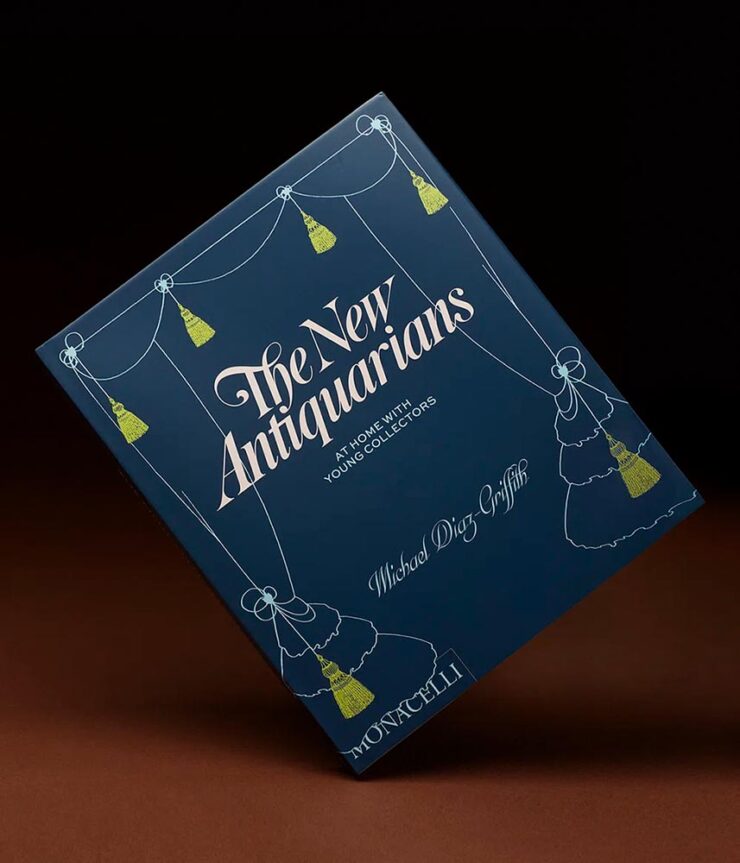
Elizabeth Goodspeed, editor-at-large for It’s Nice That, has a great column up regarding copyright and the current — and trending — business climate, especially with regard to copyright: it’s become the norm, she argues, for companies to mine open-source and expired-copyright imagery instead of hiring an artist, a trend exacerbated by the rise of AI. “Instead of safeguarding creators, copyright now favors whoever has the resources to outlast their opponent in a legal battle,” she writes. “Since public domain material already looks polished, using it also eliminates the time, effort, and expense of creating something new from scratch (not to mention the time spent building its associative meaning from the ground up). But why would anyone ever commission an illustrator when they can just pull something free from an archive?”

She’s done it herself:

The Murders in the Rue Morgue, 1895 (public domain). Aubrey Beardsley.
New Antiquarians, 2023. Book design by Elizabeth Goodspeed.

She also points to a new UK proposal for a data mining exemption to be given to AI companies. “[I]t would lead to a “wholesale” transfer of wealth from the creative industries to the tech sector,” Sir Paul McCartney argues. (Source.) But isn’t that true of the larger picture these days, no matter the country?

Not all borrowing is the same. Copying is often more about power than propriety. When working with archival material myself, I like to think in terms of the stand-up comedy rule: punching up vs. punching down. Picking up visual motifs from a billion-dollar corporation that’s built its empire on copyright hoarding? That’s punching up. Repackaging the work of a living artist from a marginalised background without credit or compensation? Likewise, using found material for an indie zine is a far cry from pulling from the same source for a corporate client that could easily afford to commission something new.

— Elizabeth Goodspeed, It’s Nice That Editor-at-large

It is most certainly a trend in book design — but the bigger question here is one she states as fact: “[r]ather than referencing the past, designers are stripping it for parts.” It’s worth stepping back, as designers, and consider how we source — and use — imagery.

The entire article, only part of which is discussed above, is worth a read. And more than a moment’s thought.

Okay, on to the fun stuff.

An author on her own book design

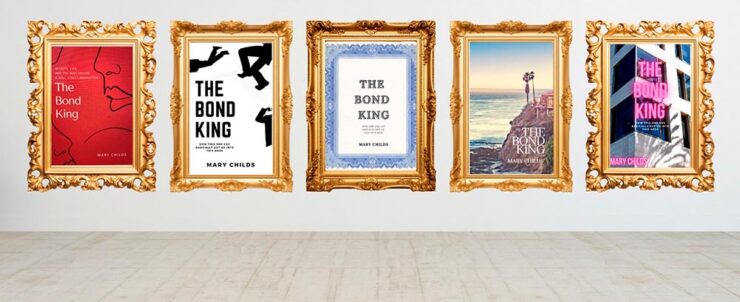
Mary Childs, a co-host of the Planet Money podcast on NPR, writes on LitHub what it’s like to tackle the cover design for the book she’d written:

LitHub’s great cover graphic — pun likely intended — for Mary’s attempts.

“This very slight, low-stakes request for ‘inspiration’ became an all-consuming assignment. My brain started spitting out cover ideas. And then more cover ideas. I was sure I would break through and create the Great American Finance-book-that-reads-like-a-Novel Cover,” she writes — and, better still, backs up with illustrations.

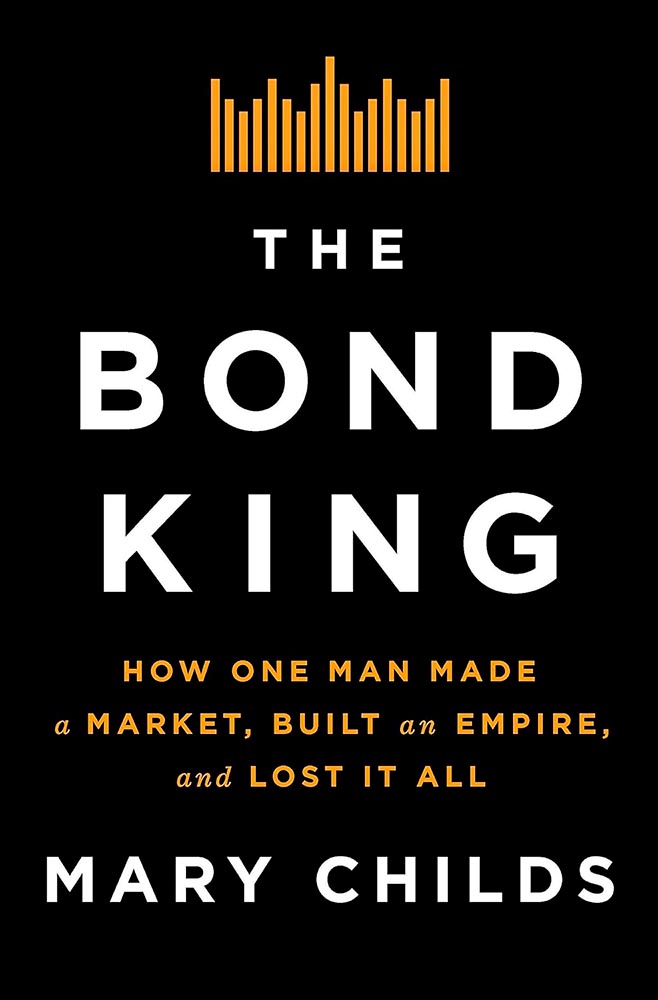
Cover design by the Flatiron Books in-house art dept.

In the end, she left it to the professionals — but the trip is absolutely worth the read. (Be sure to follow the Na Kim link, too.) Via Kottke.

Special Bonus #1: Speaking of Na Kim, and also via Kottke, she’s somehow found time to start painting. “Be careful what you’re good at, you’re going to get stuck doing that.”

The Fantastic Mr. Font (and other big Dahls)
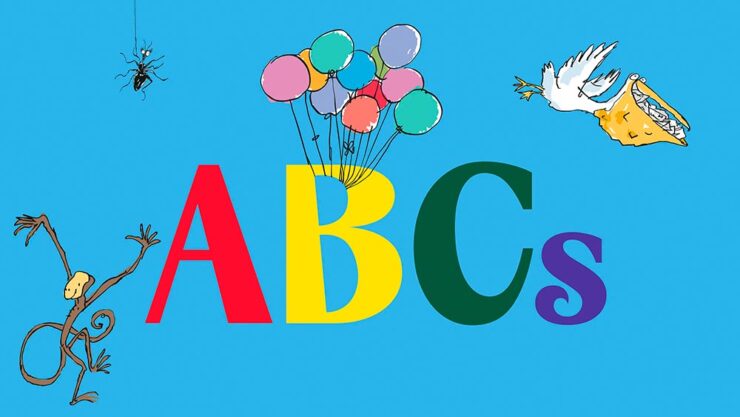
“Pluckish and playful” is more than a description of the wonderfully-named Fantastic Mr. Font, it’s the description of the new identity for the Roald Dahl Story Company. (Which is, unfortunately, a division of Netflix — but we’ll leave that for another day.)
Just right. So, too, it the font’s interaction with various illustration elements:

Roald Dahl and Sir Quentin Blake — plus the new font.

The typeface was “developed in collaboration with type foundry Pangram Pangram, the font is a customisation of its existing font PP Acma, turning its already unconventional characteristics into something ‘more mischievous,’” Ellis Tree — another great name — writes at It’s Nice That.

Read the full, well-illustrated story.

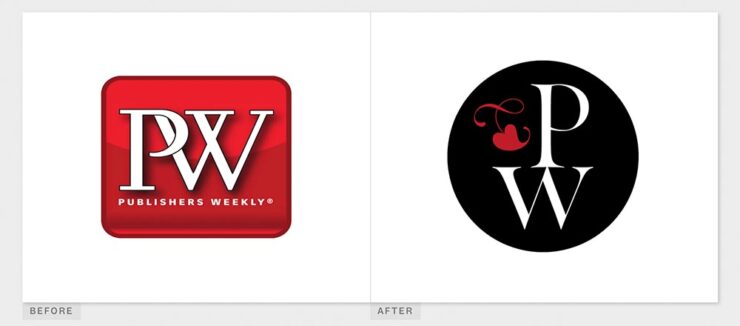
Special Bonus #2: While we’re on the subject of branding, check out the new look for Publisher’s Weekly:

BrandNew’s before-and-after of the PW logo.

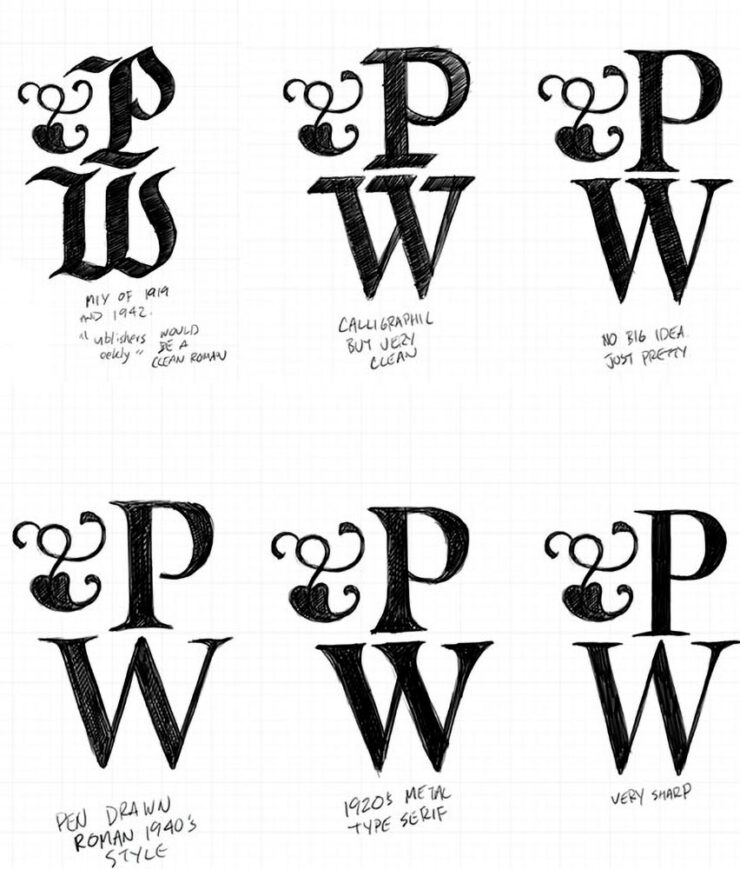
It’s actually a return to an older form, but updated. Their website has a brief explanation. (Via BrandNew.)

PW examines options for their new/old logo.
Some Fantastic Fonts
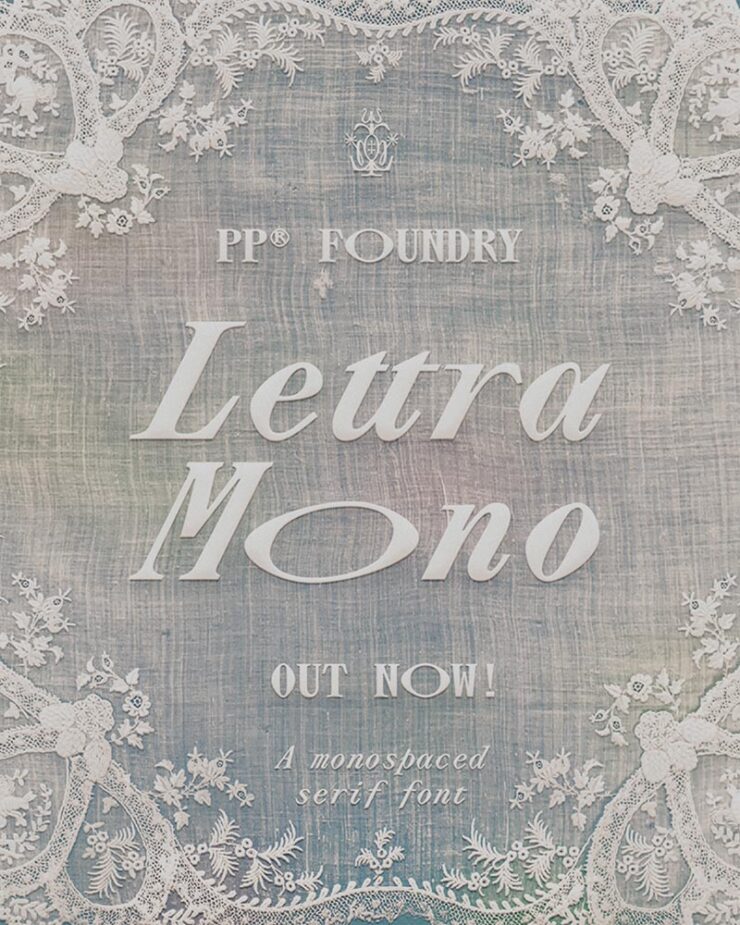
Lettra Mono

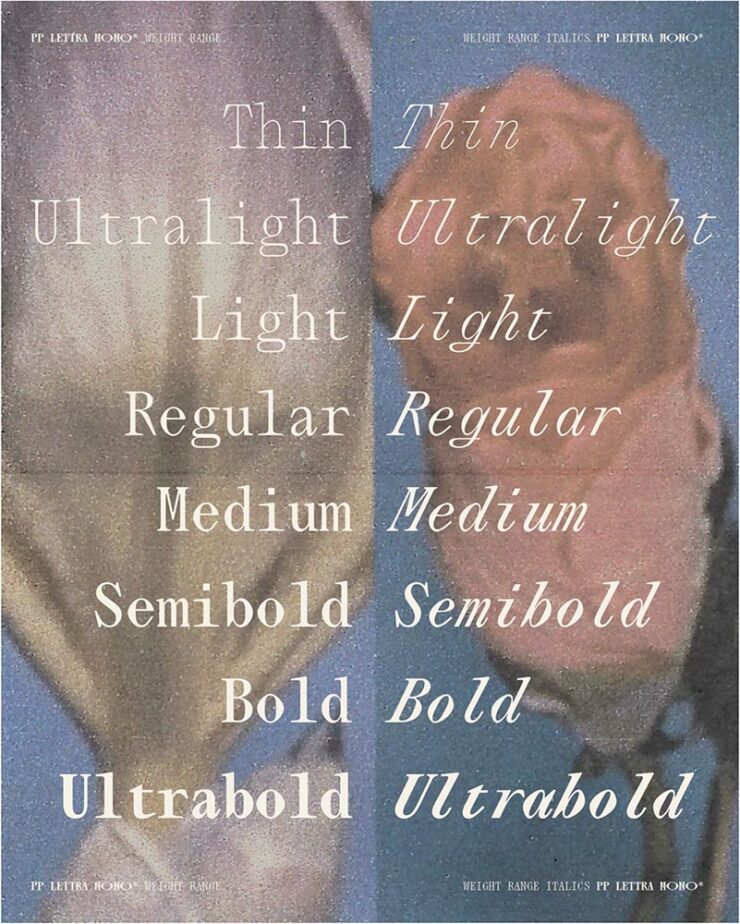
Speaking of Pangram Pangram, let’s start there: their Lettra Mono was the standout of Creative Boom’s roundup of new fonts for February. Monospaced serif fonts are unusual, but good ones….

The italics, especially.
Inclusive Sans

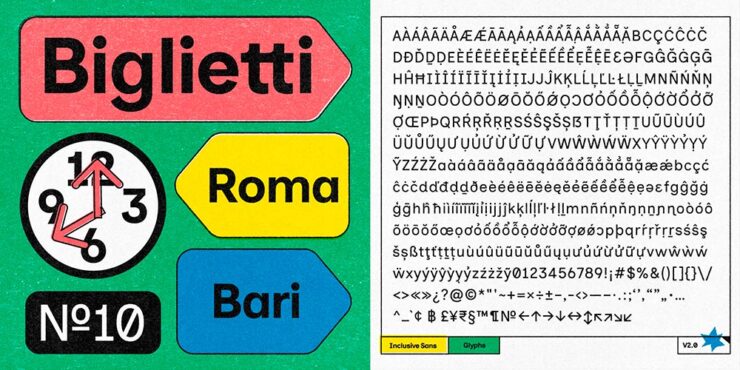
CB also chose the incredible update to Inclusive Sans, which was also the subject of an article at It’s Nice That — and, better still, free, open-sourced, and now available in five-weight goodness at Google Fonts.

Love the retro style of the supporting images.

“Inclusive Sans is a new typeface from Olivia King that puts accessibility at the forefront,” It’s Nice That writes. “It’s arisen from the type designer’s research into typographic accessibility and readability – from highly regarded traditional guides and papers to more modern approaches to letterform legibility.”

Available in a variable weight, too.
Gorton

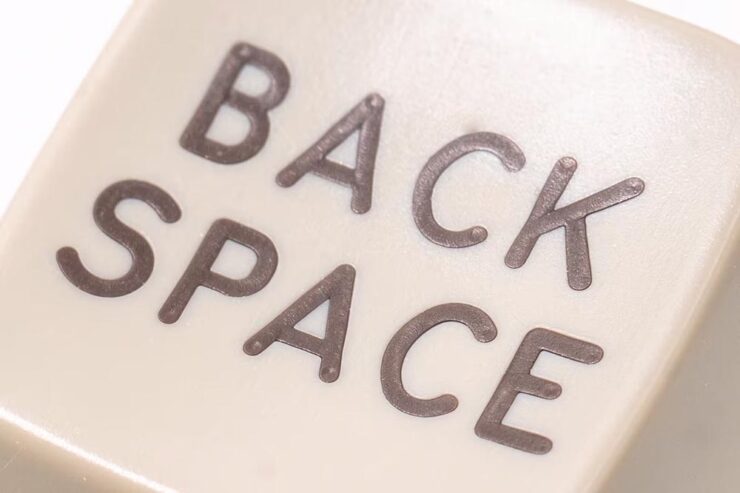
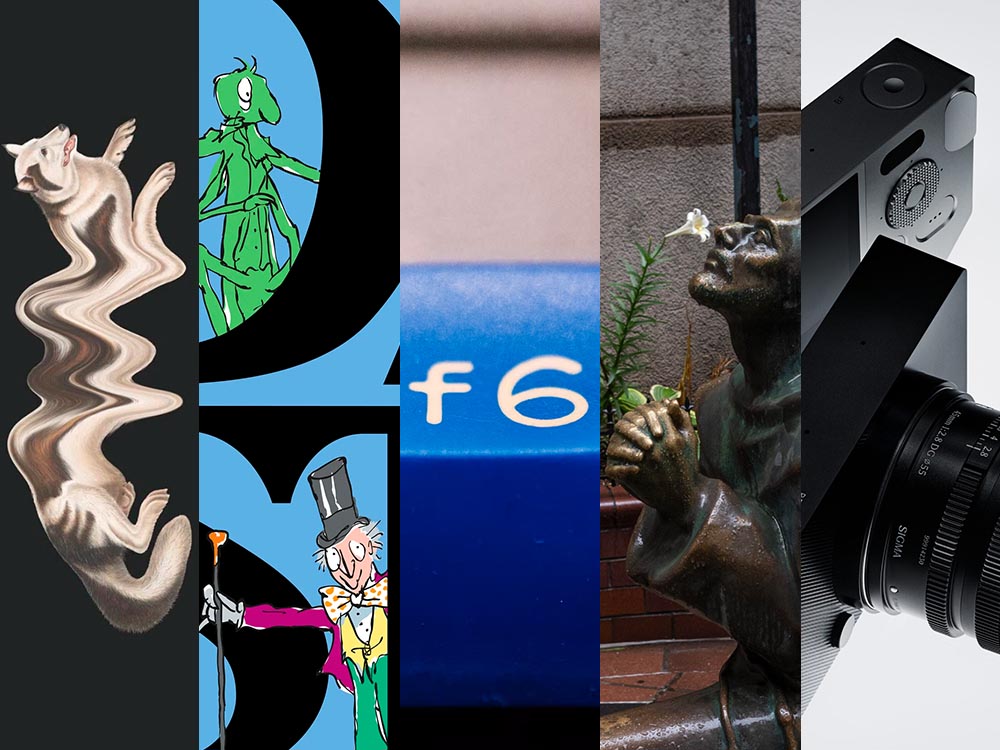
Marcin Wichary — he of Shift Happens fame — pens (heh) an comprehensive and incredibly well-illustrated article on Gorton, a typeface you’re undoubtedly seen but don’t know.

Anyone who knows Shift Happens will recognize the illustrative style. Photograph by Marcin Wichary.

“One day,” he writes, “I saw what felt like Gorton on a ferry traversing the waters Bay Area. A few weeks later, I spotted it on a sign in a national park. Then on an intercom. On a street lighting access cover. In an elevator. At my dentist’s office. In an alley.”

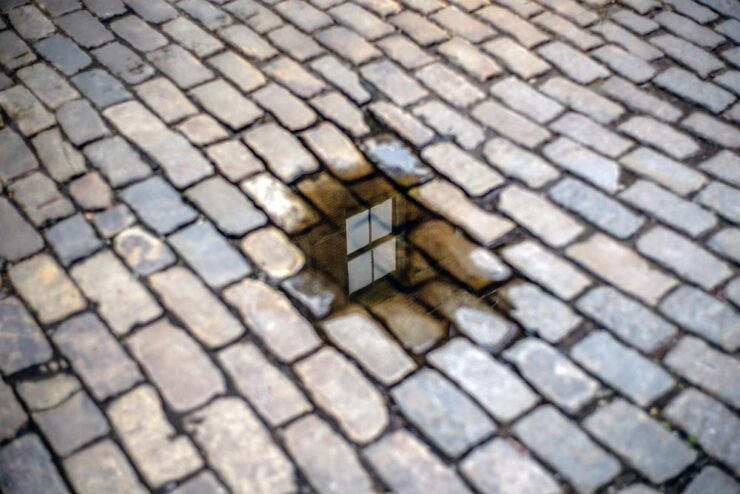
See also the f6 in the title image, above. Photograph by Marcin Wichary.

It’s a long post, so save it for when you’ve a minute to enjoy — but 110% worth it.

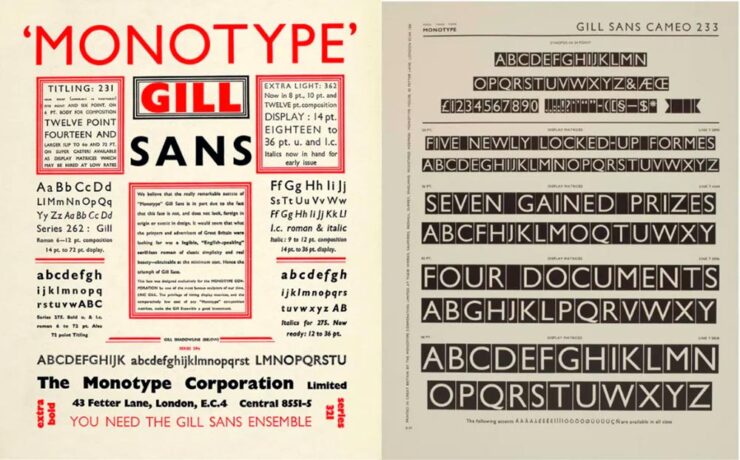
Special Bonus #3: Creative Bloq has a list of the best typography of the 1920s — “from Futura to Industria Gravur” — as chosen by designers. My fave? Gill Sans, of course.

Used in Saab’s advertising, amongst about a billion other examples.

Special Bonus #4: Nick Heer at Pixel Envy comments on a list posted by Robb Knight: “Something very useful from the Atlas of Type: a huge list of type foundries.” A good Canadian citizen, he reminds us that Pangram Pangram is, in fact, Canadian. More: “I was particularly excited to learn about Tiro Typeworks. They have a vast library of type for scientific and scholarly works [… I]f you are reading this on MacOS, you probably have STIX Two installed.”

Some Great Photography

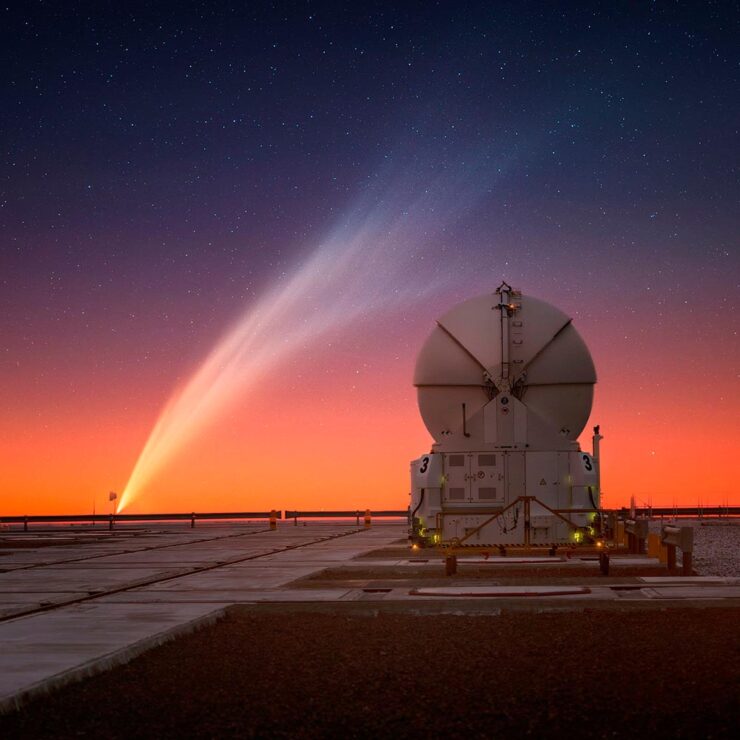
Comet G3 visits every 600,000 years, they say. Hmph.

Yuri Beletsky of the ESO caught G3 over the telescopes in Chile.

Great stuff. See more at PetaPixel.

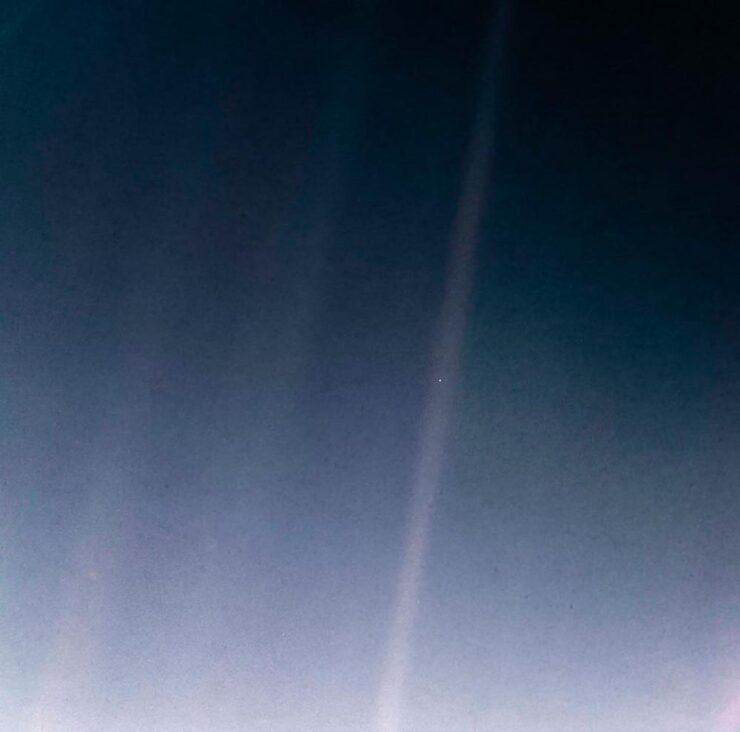
Meanwhile, on the subject of space — and PetaPixela reminder that one of the most infamous photographs in history turned 35 on Valentine’s Day:

The Pale Blue Dot. (2020 remastered edition.)

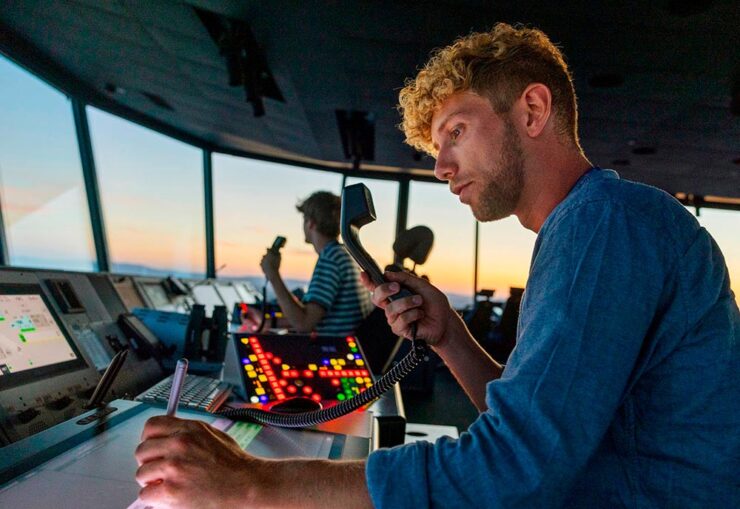
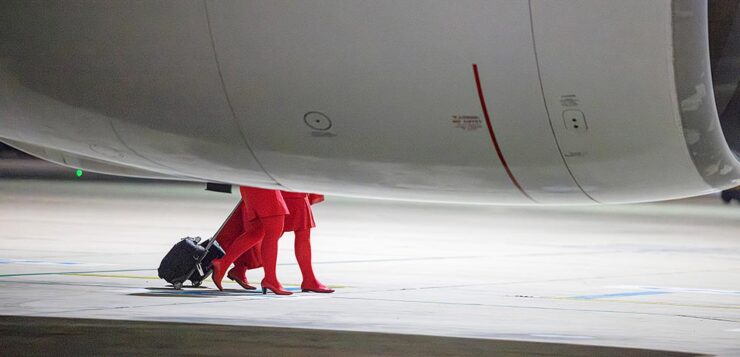
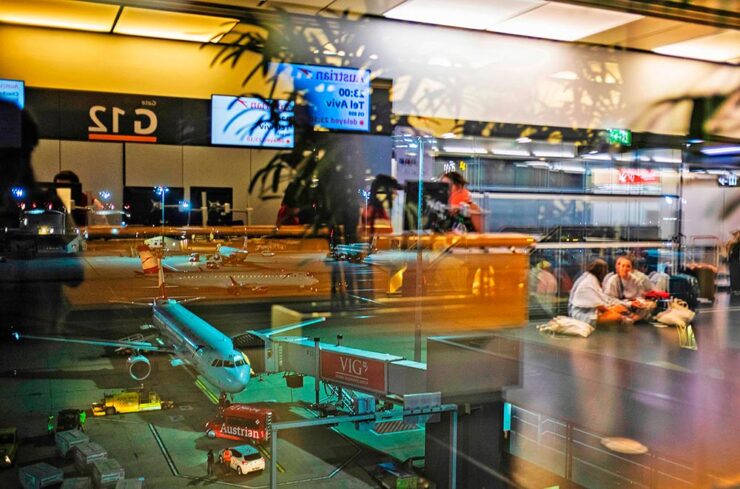
Aaaand one more from PetaPixel: a book. Eight photographers documented 24 hours at the Vienna Airport, offering up more than a few behind-the-scenes shots — in celebration of its 70th anniversary:

Photograph by Jérôme Gence.

“The project was overseen by Lois Lammerhuber,” PetaPixel writes, “a publisher and photographer, who has since turned the collection of images into a book titled The Dream of Flying.”

Photograph by Ulla Lohmann.

The project was “about showing the people who use the airport as well as highlighting the staff who ensure all the airplanes depart and land safely.” My favorite shot:

Photograph by Ana María Arévalo Gosen.

I’m an airport and large/commercial plane junkie — and old enough to remember when all-access at the local airport wasn’t a big deal — so it was great to see these.

Lastly, from This is Colossal, another round of the “coincidental” style of Eric Kogan:

Photograph by Eric Kogan.

All NYC this time. Check ’em out.

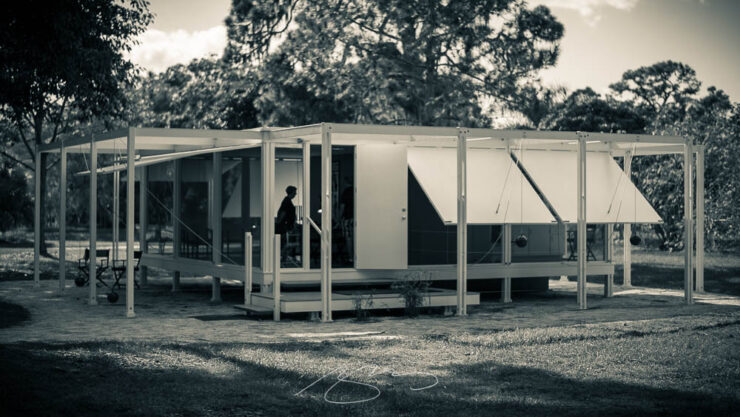
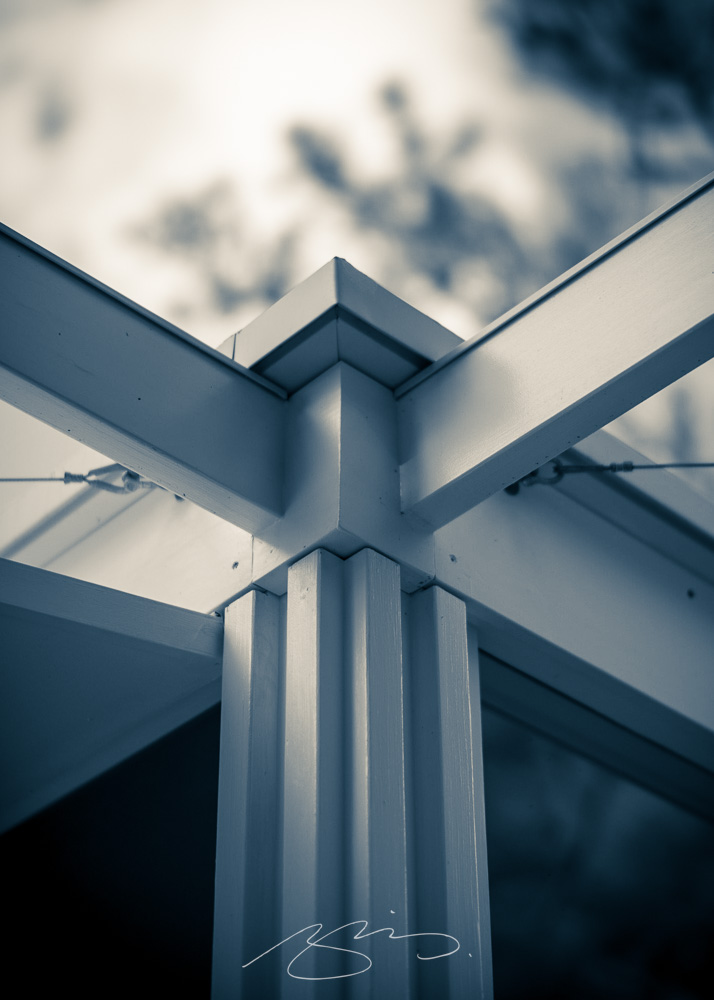
Special Bonus #5: Art News notes that Paul Rudoph’s Walker Guest House is for sale for the bargain price of $2 million. It’s a kit home that’s been assembled in various places, including the grounds of the Ringling Museum in Sarasota, Florida. (It’s currently in storage in Rhinebeck, New York. Shipping is not included.)

So why is in the photography section, you ask?

Photograph by Giles Hoover.

That’s why. Check out more of my photography from Ringling and Sarasota. (The Walker images are near the top.)

Photograph by Giles Hoover.
Sigma: a new BFF?

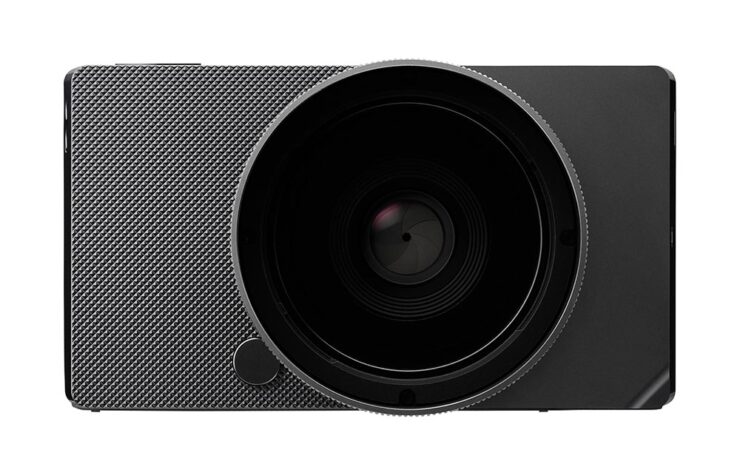
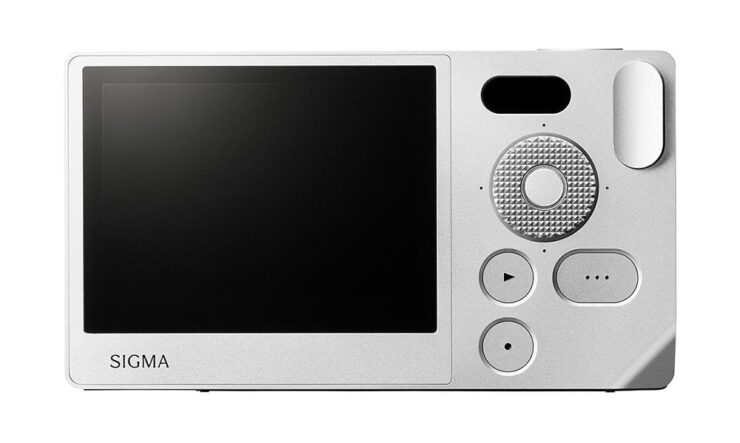
No, that’s just BF — it stands for “beautiful foolishness,” after a line from a poem in Okura Tenshin’s The Book of Tea — but, as usual for them, something different. Something good.

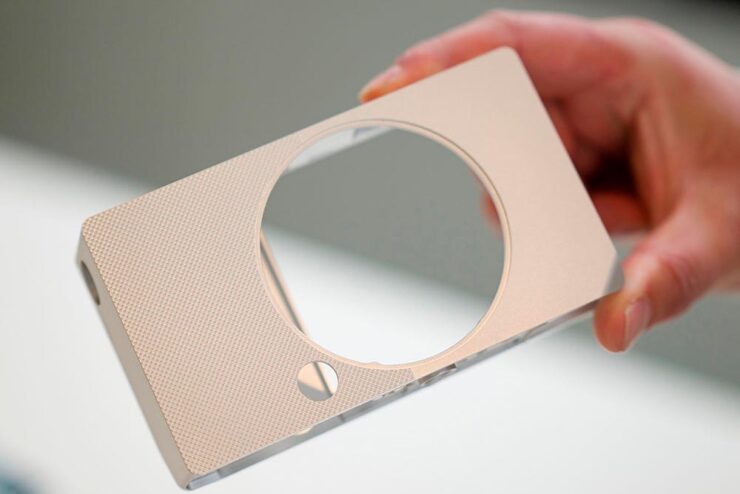
Like the FP before it, there’s nothing you don’t need, bordering perhaps on a minimalism that’s … stark? No viewfinder, no stabilization, no mechanical shutter, built-in memory (so no card slot), haptic interface. But style for days, a great shape and texture, and absolutely the right size.

It’s made at the rapid clip of nine per day, because it’s made from a single billet of aluminum — shades of the Leica T/TL/TL2 (something I maintain was before its time, and discontinued short-sightedly) — except full-frame. And, of course, supported by Sigma’s extensive catalog of L-mount lenses. (Another commonality with the TL.)

At $2000, it’s the right price, too. Read more here or here or here.

Oh, and one more thing: Sigma has a new identity to go with the BF:

Slightly more formal, slightly on-trend typography, which is fine — but the logo is clever in being both a letter and a lens. More of that just right to close out the day.

Special Bonus #6: Sigma’s CEO Kazuto Yamaki is charismatic, interesting, and dedicated, as seen in the videos PetaPixel has introducing their new HQ building in 2022. Love the library-wrapped staircase.

Update, 4 March 2025: PetaPixel has posted a YouTube podcast/interview with Kazuto Yamaki, in which he talks about the BF and possibly a new, “serious” camera to compliment their 300-600mm lens. (This is probably a better intro to Sigma’s CEO than the above.)

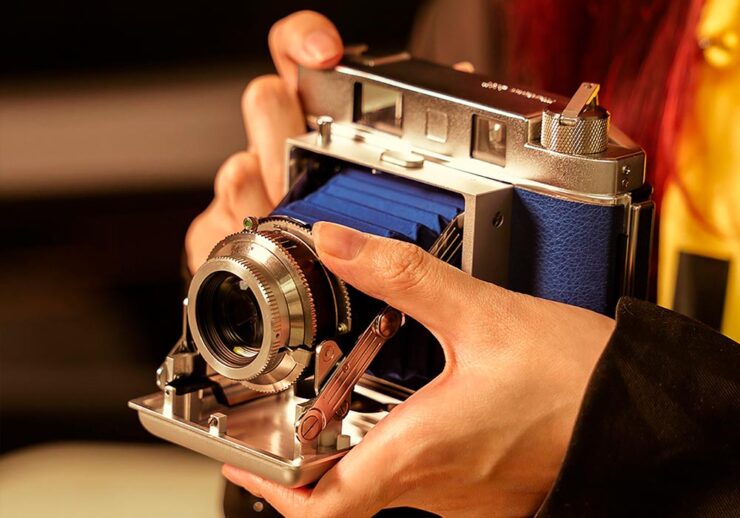
Special Bonus #7: TTArtisan, the Chinese manufacturer making interesting L-mount lenses — I have two, both solidly in the cheap-and-cheerful category — is about to introduce their first camera … and “interesting” is, in fact, the best way to describe it:

Purely mechanical, no batteries required, instant film camera that’s decidedly retro.

See you in the spring!

Beautifully Briefed 25.1: A Different Year

This edition discusses new type, mergers and items set free, and visits with both some photo contest winners and winning poster designs. (And if you haven’t seen my annual Favorite Book Covers post, keep scrolling.) But first…:

Former President Carter
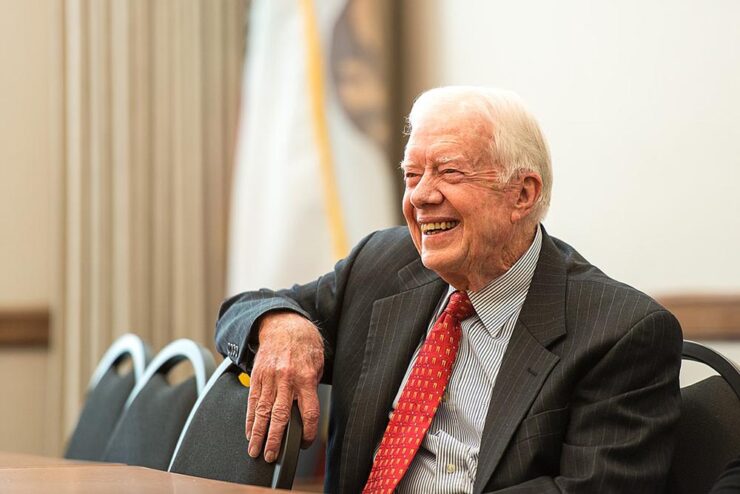
Commonwealth Club, San Francisco, 2013. Photograph by Ed Ritger. (CC 2.0.)

One of the strongest voices of reason left us on December 29th, 2024: former President Jimmy Carter. He’s the first president I actually remember, and one of the things I’ve appreciated about recent years is the growth of his stature from undeserved fill-in-label-here to treasured humanitarian.

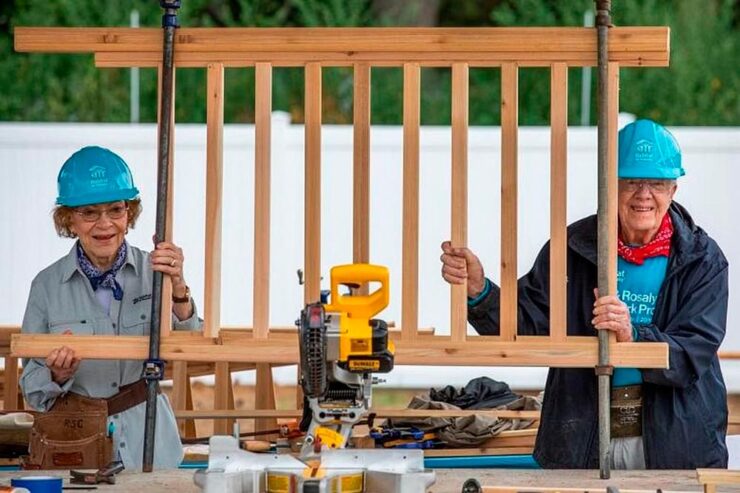
I’d like to share a couple of items that are meaningful to me. First is his commitment to Habitat for Humanity — and not only as a speaker and fundraiser, but someone who contributed by actually swinging a hammer:

Former President Jimmy Carter and former First Lady Rosalynn Carter. Photo via Habitat for Humanity.

Into their 90s and still working. Take it from David Letterman:

While we’re on the subject of David Letterman, this September, 1993 appearance shows both humanity and humor:

Another quick item is this 60 Minutes tour of his office — something that always speaks volumes about a person:

Plains, Carter’s lifelong residence, is a frequent sojourn for me, and a recommended way to both experience rural Georgia and learn more about his roots. (I had always intended to attend one of his regular Sunday school lessons and regret not having made the time.) Visit when you have the opportunity.

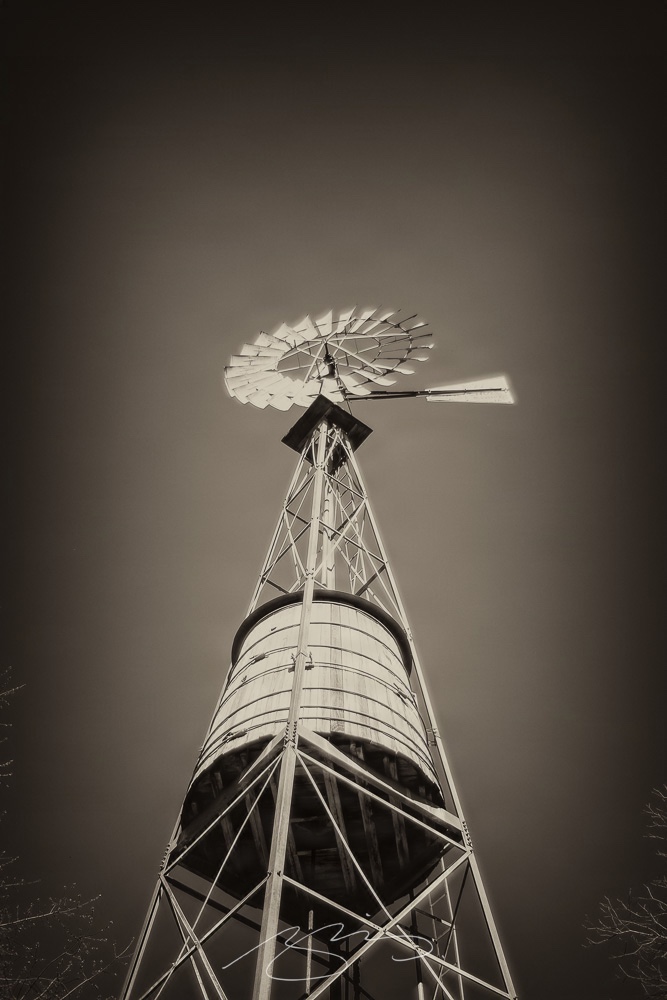
Water Mill, Carter Farm, 2021. (Adobe Content Credentials applied.)

May your influence of peace continue for another lifetime, Mr. President.

New Type of Year

Creative Boom brings us their roundup of new typefaces for January, and a couple caught my attention:

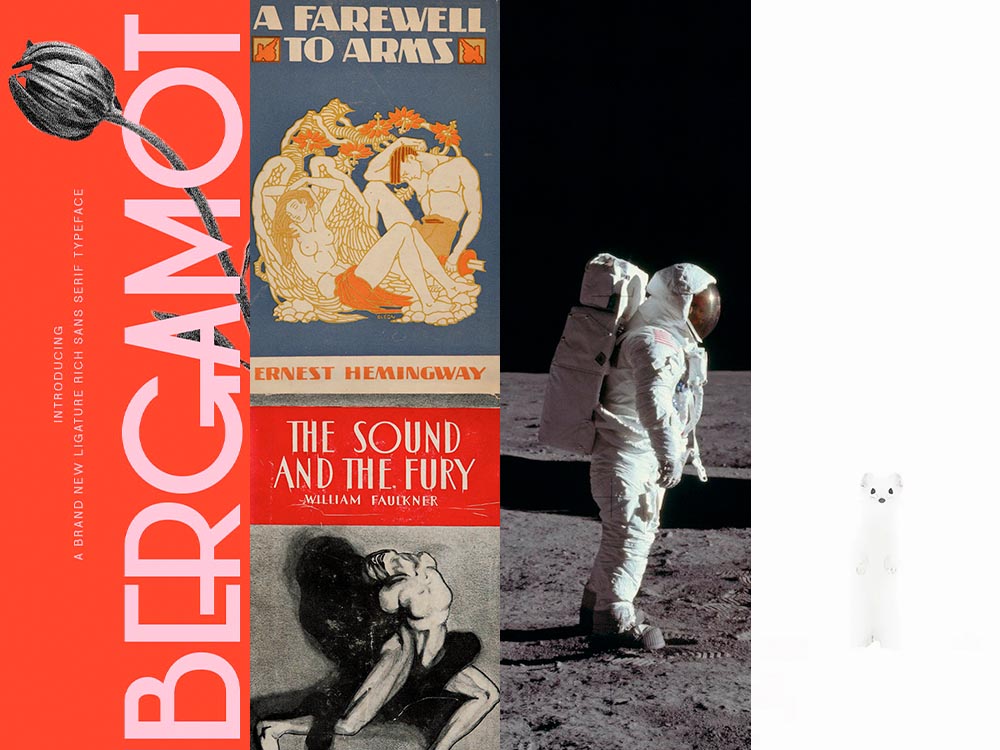
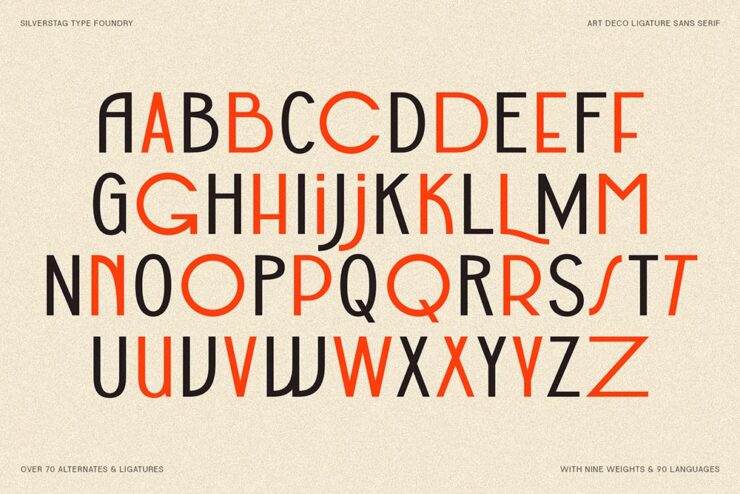
Bergamot Grotesk.

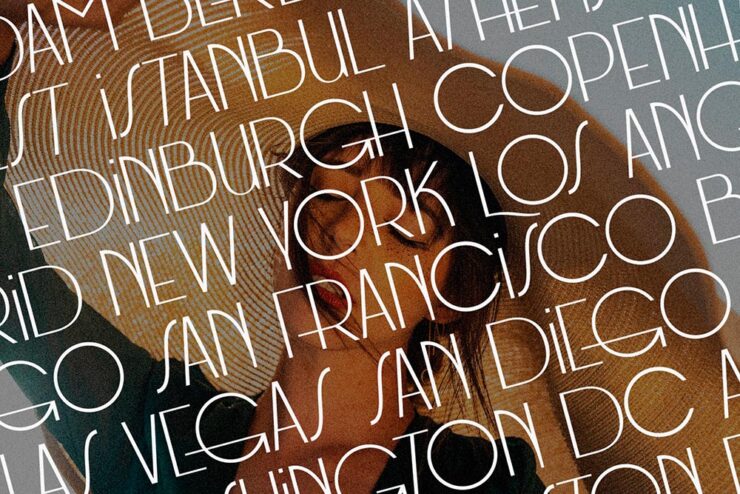
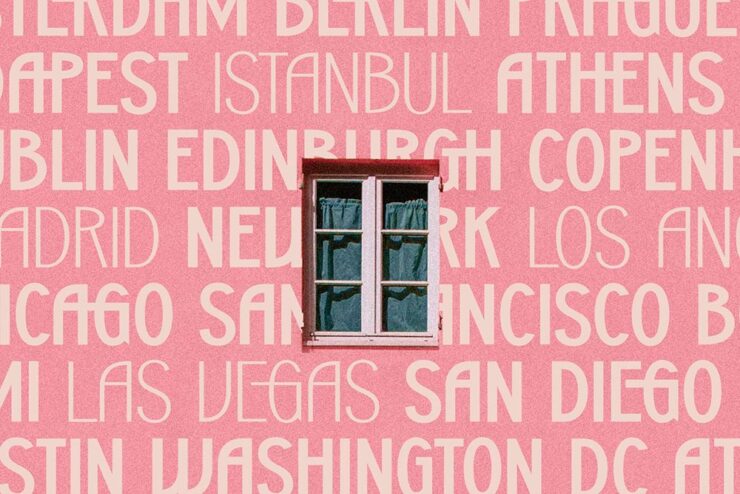
SLTF Bergamot Grotesk, an Art Deco-style, all caps headline face is a striking new option from Silverstag. This is trendy, of course — Art Deco is in — but timeless at the same time, and something I hope I have an opportunity to use.

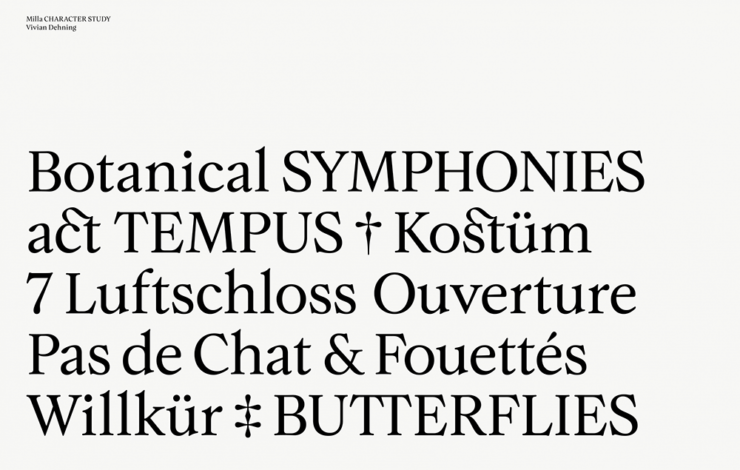
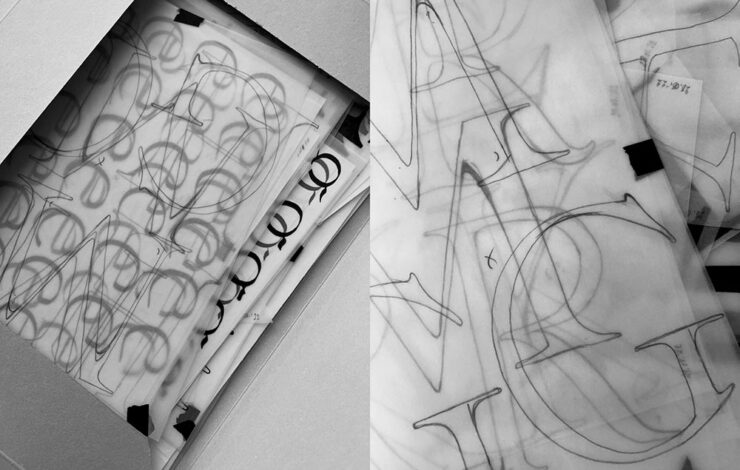
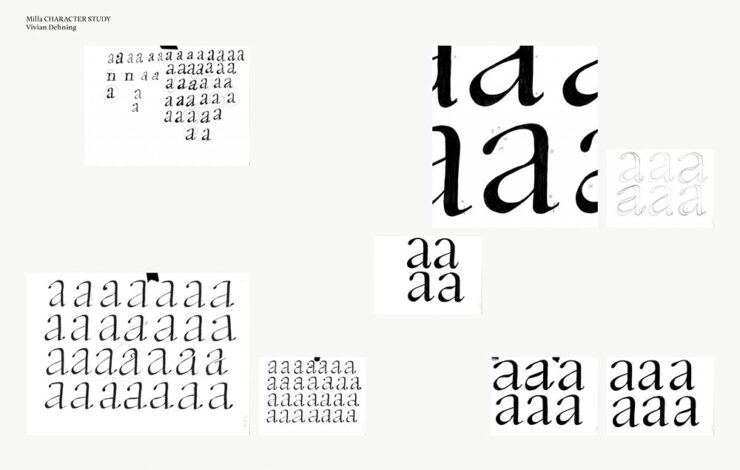
Another is a new version that’s instantly a beautiful classic, Milla, hand-developed and a joy to look at:

Hoping for the perfect book project for this one.

Mergers … and Freedom

If you’ve not heard, Getty and Shutterstock have proposed a merger. This is, put simply, both understandable and … not good.

PetaPixel covers both the announcement, with the usual words from the greedy types CEOs, and a history of both companies and their role in how we got here. This is perhaps the most relevant, however:

The rise of artificial intelligence has likely played a role in the merger; the combined assets of Shutterstock and Getty are a treasure trove of training data for AI companies. However, while AI licensing deals are an opportunity, it could also be an issue for stock photo companies as customers may decide to use AI image generators like Midjourney or DALL-E rather than pay for individual pictures.

— Matt Growcoot, PetaPixel

For the record, I completely agree with PetaPixel‘s Jason Schneider when he opines that it’s “yet another step in a race to the bottom.” The deal could possibly attract antitrust notice from the U.S. government; here’s hoping.

But it’s also hopeful — and slightly wonderful — that it’s new year, which means a new crop of items are now freed from the constraints of copyright. Kottke lists some of his favorites, and points us to a fantastic post from Duke University’s Center for the Public Domain, which has lists and links aplenty. (My favorite: Tintin.)

Image via This is Colossal.

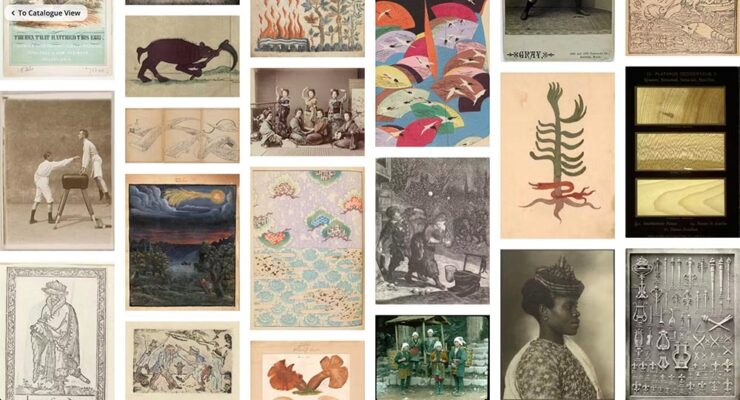
But there’s more: This is Colossal points us to a new resource for items in the public domain: the Public Domain Image Archive, from the Public Domain Review, which hosts more than 10,000 images freely available to use, reuse, mix, or whatever. Awesome.

Couple of faves:

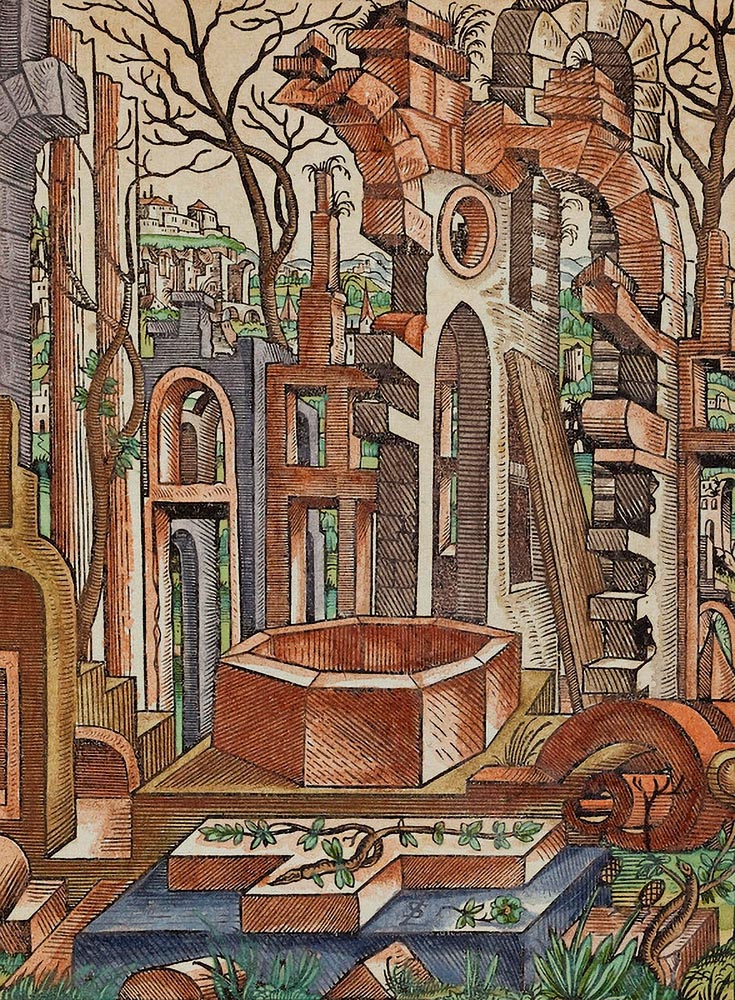
Lorena Stoer, Geometric Landscapes, from 1567. (Yes, you read that right.)
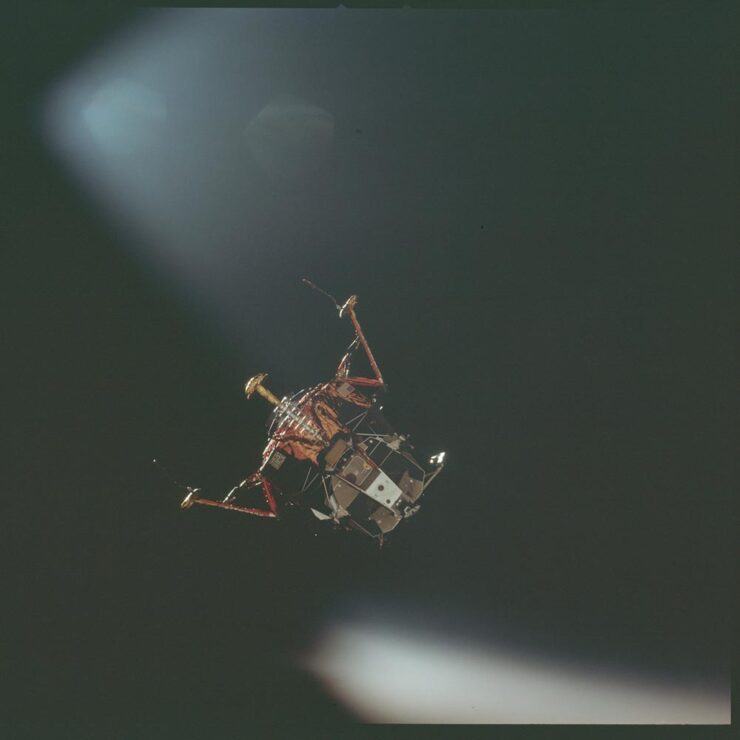
Apollo 11, 1969, from NASA.

Another NASA image is in the header, and we’ll see another from them in a minute.

Meanwhile, Public Domain Review also has a list of items copyright-free as of the new year; check both resources — and use some newly-available items to your heart’s content.

Special Bonus #1: This is Colossal, in 2016, also pointed us to another collection of freely-available items, this time from the New York Public Library. Great stuff.

Special Bonus #2: In a three-fer for This is Colossal, they also highlight a new campaign from the U.S. National Archives asking those who can read cursive — no longer a requirement in school, a completely daft decision we’ll leave for another time — to contribute some time translating historical items. (And that’s not all you can do.) Become a Citizen Archivist today.

Get Lectured

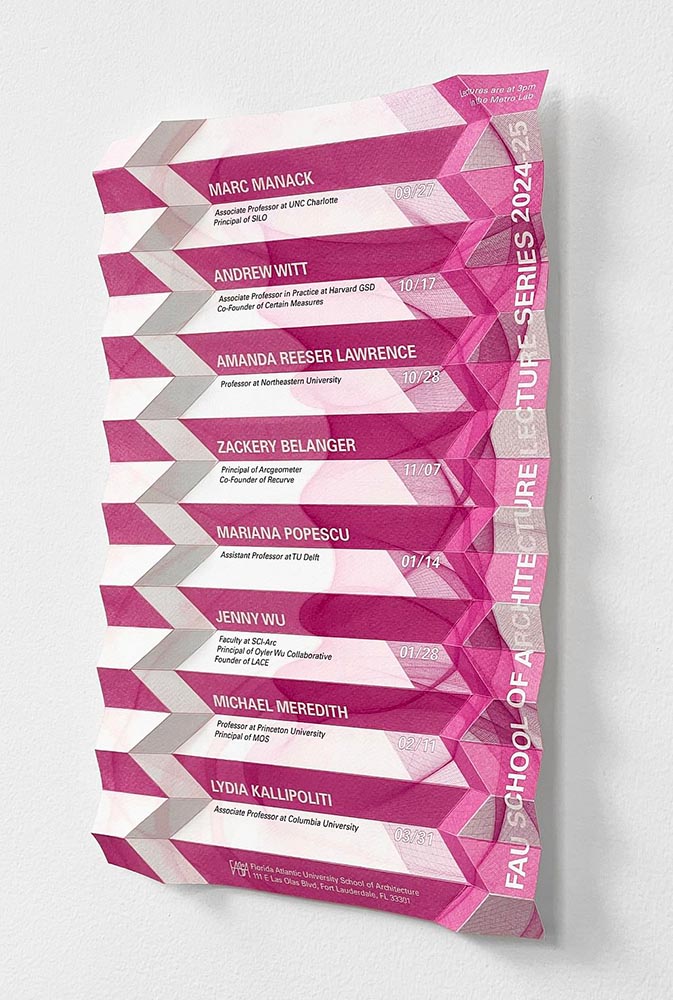
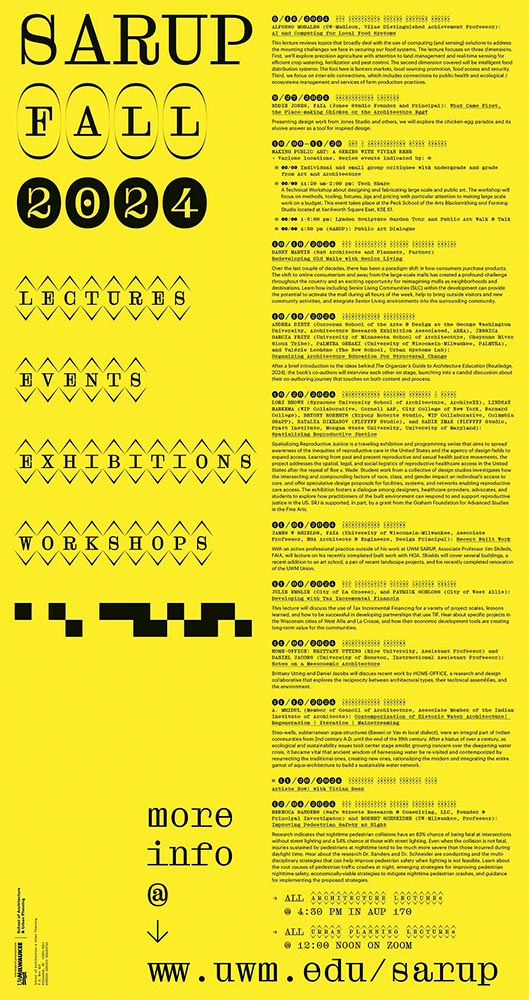
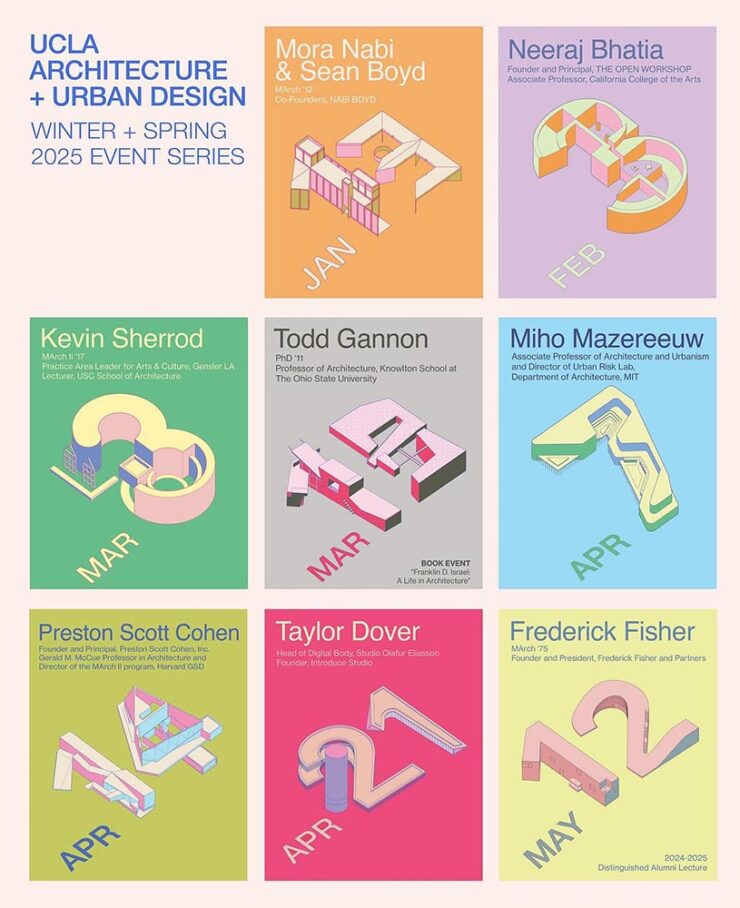
No, not me: Archinect (previously) highlights their favorite architecture school lecture posters from Fall ’24, which I somehow didn’t mention. A couple of favorites:

Florida Atlantic University.
University of Wisconsin at Madison.

The new year is off to a good start, too:

UCLA.
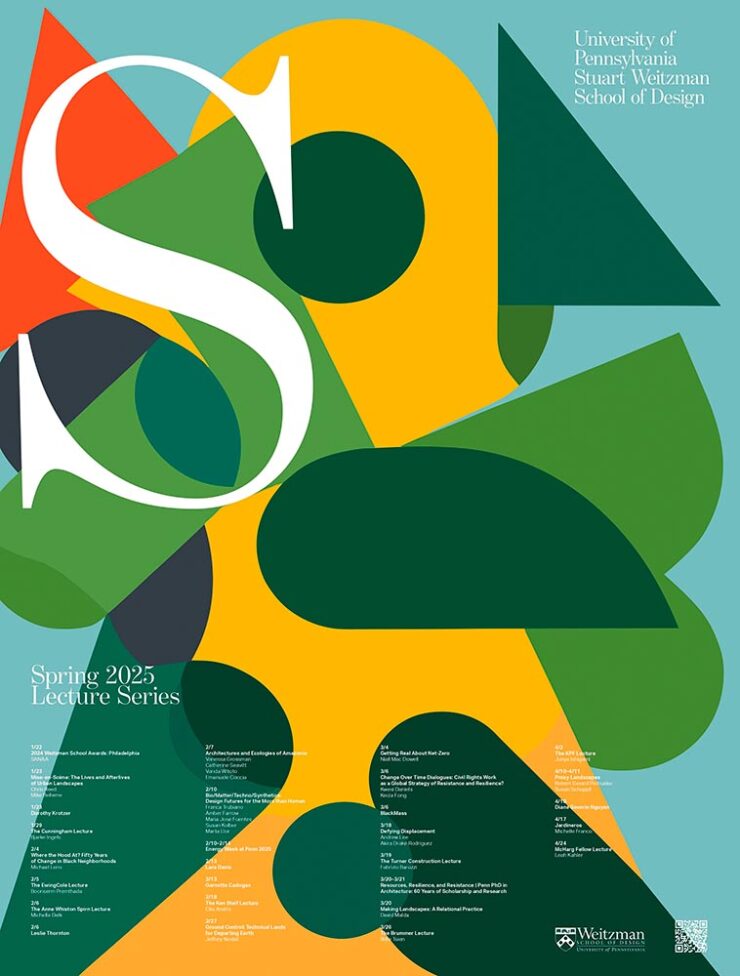
UPenn.

UPenn’s fall ’24 poster is in the same vein and also rocks. Check out all the winners — and watch this space for more.

Winning Photography

I’m threatening to get a Raspberry Pi — the ol’ fashioned ad-blocker route is less and less effective, and a more robust alternative may be added — and was interested in this PetaPixel story about the desktop photos the system uses as standard: “[w]alking through a train station in New Zealand, Greg Annandale looks up to see his photo on an information screen. The Raspberry Pi computer powering the board has gone back to the desktop wallpaper which Annandale shot of a road in Iceland.”

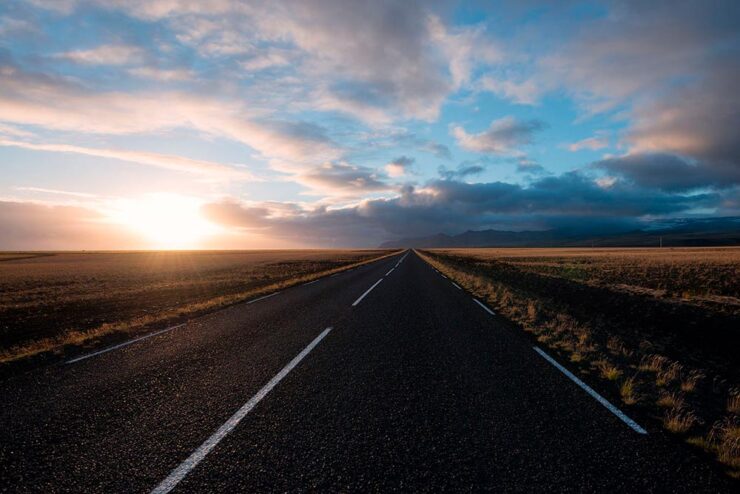
That would be this one:

Road, Sólheimasandur, Iceland. Photo by Greg Annandale.

Couple of others:

Pia Fjord, Patagonia. Photo by Greg Annandale.
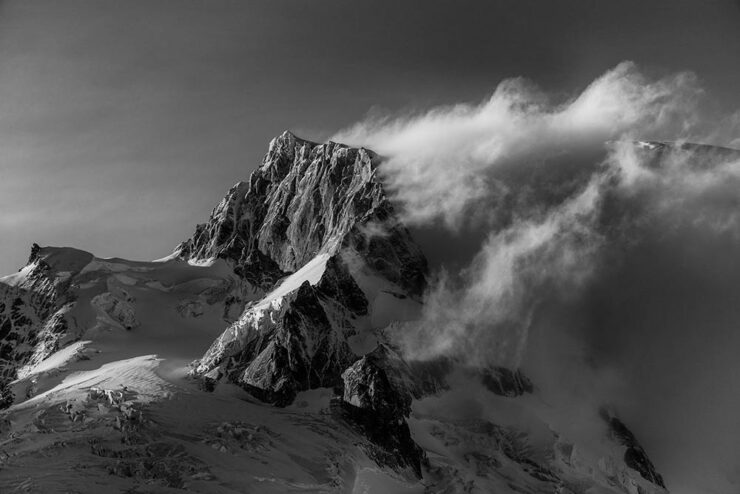
Cordillera Darwin, Patagonia. Photo by Greg Annandale.

Good stuff. Check out his website for more, and see the whole Pi here.

Next, I promised NASA would put in another appearance. How’s this:

Photo by Don Petit/NASA.

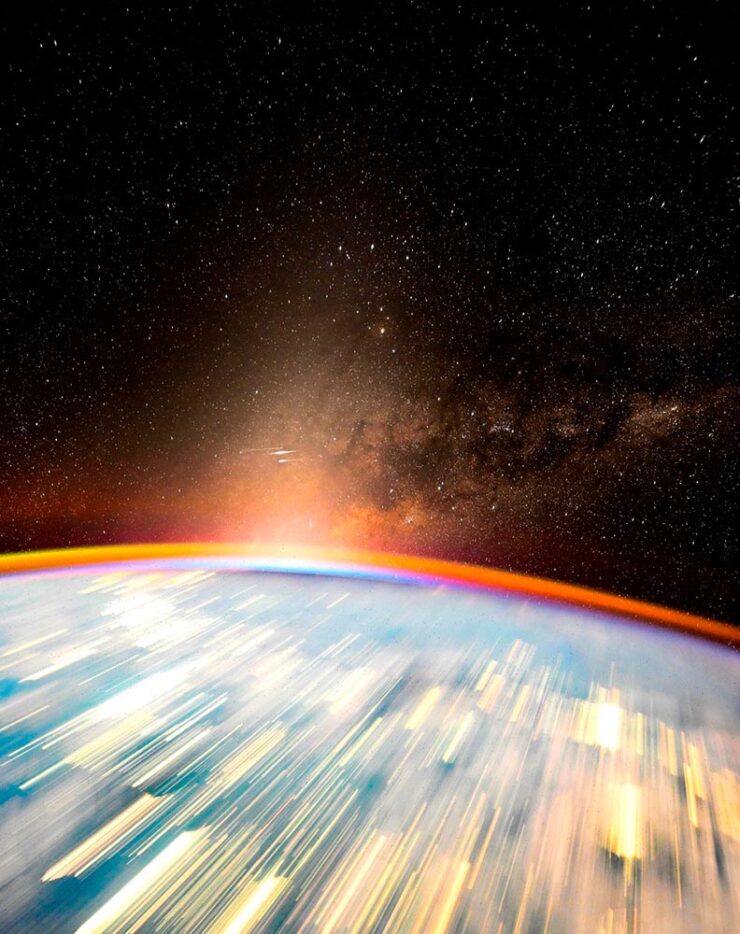
In what Ars Technica senior space editor calls “the best picture ever taken from the International Space Station,” we have something special indeed. “In this image, one can see the core of the Milky Way galaxy, zodiacal light (sunlight diffused by interplanetary dust), streaks of SpaceX Starlink satellites, individual stars, an edge-on view of the atmosphere that appears in burnt umber due to hydroxide emissions, a near-sunrise just over the horizon, and nighttime cities appearing as streaks.”

Wow.

To round things out for January, we have a couple of photo contests whose winners caught my eye. We’ll start with The Society of Photographers and their photographer of the year 2024. My faves:

Architectural Photographer of the Year award. Photograph by Andre Boto.
Events Photographer of the Year award. Photograph by Mark Lynham.

While I wish their selections were more extensively labeled and/or titled, it’s still awesome to see the raw talent highlighted with well-deserved accolades. See the PetaPixel story or the contests’ website for more.

Lastly, some life in the wild, courtesy of the UK’s Natural History Museum People’s Choice Award:

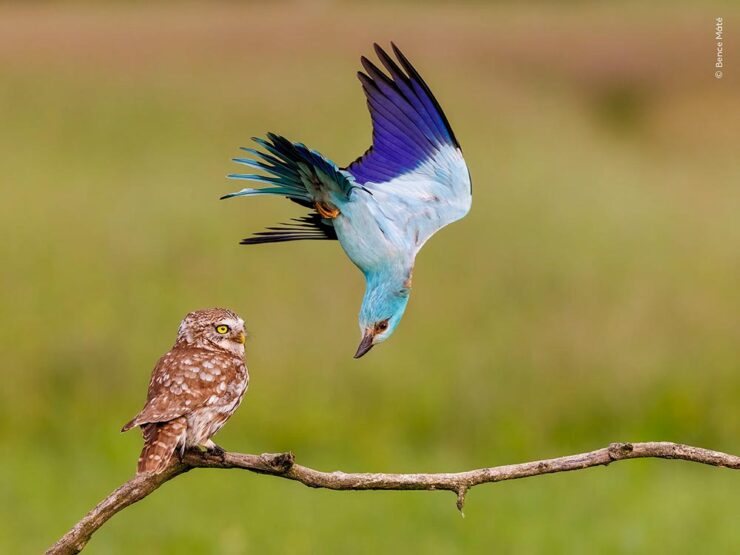
Annoying Neighbour, Kiskunság National Park, Hungary. Photograph by Bence Máté.

“Eyeing one another” fails to do this one justice. And then there’s the Villarrica volcano:

Earth and Sky, Pucón, Chile. Photograph by Francisco Negroni.

But it’s the patience of this shot that wins it for me:

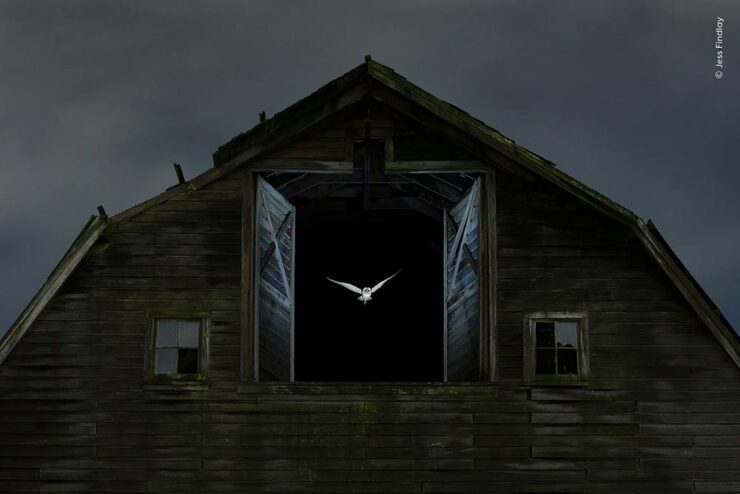
Edge of Night, near Vancouver, BC, Canada. Photograph by Jess Findley.

“Jess quietly watched the owl for several nights to understand its habits.

“He set up an invisible beam that would trigger a flash when the owl flew out of the barn. Simultaneously, a slow shutter speed gathered ambient light cast on the clouds and barn.

“On the tenth night, all the moving parts came together as the owl left to begin its hunt.”

The winner of this contest will be announced on February 5th. Check the website. (Via This is Colossal.)

See y’all in February.